• 中国科技核心期刊
  • Scopus收录期刊
  • DOAJ收录期刊
  • JST收录期刊
  • Euro Pub收录期刊

Current Issue

2026 Vol. 34, No. 3

Display Method:
2026, 34(3): 407-407.
Abstract:
Development Status and Prospects of Acoustic Recognition Methods for Underwater Low-Speed Small Targets
LIU Xionghou, LAI Kai, YANG Yixin
2026, 34(3): 408-421. doi: 10.11993/j.issn.2096-3920.2026-0042
Abstract:
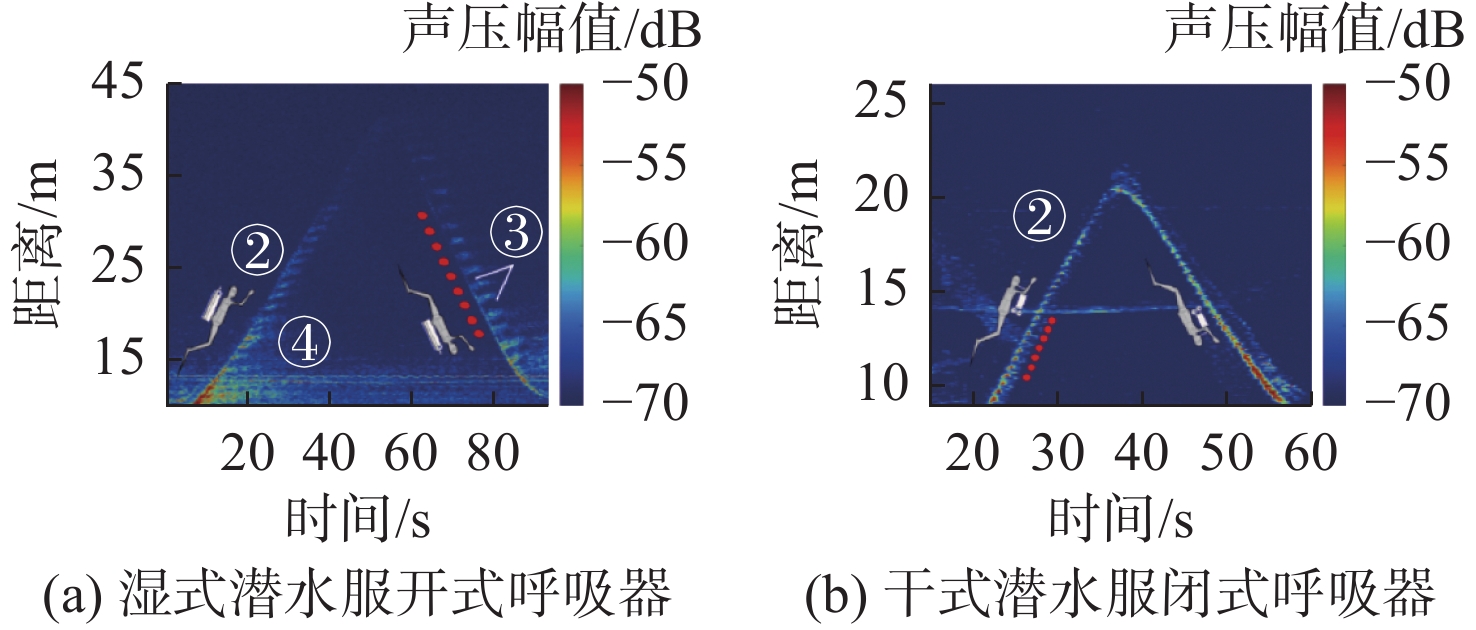
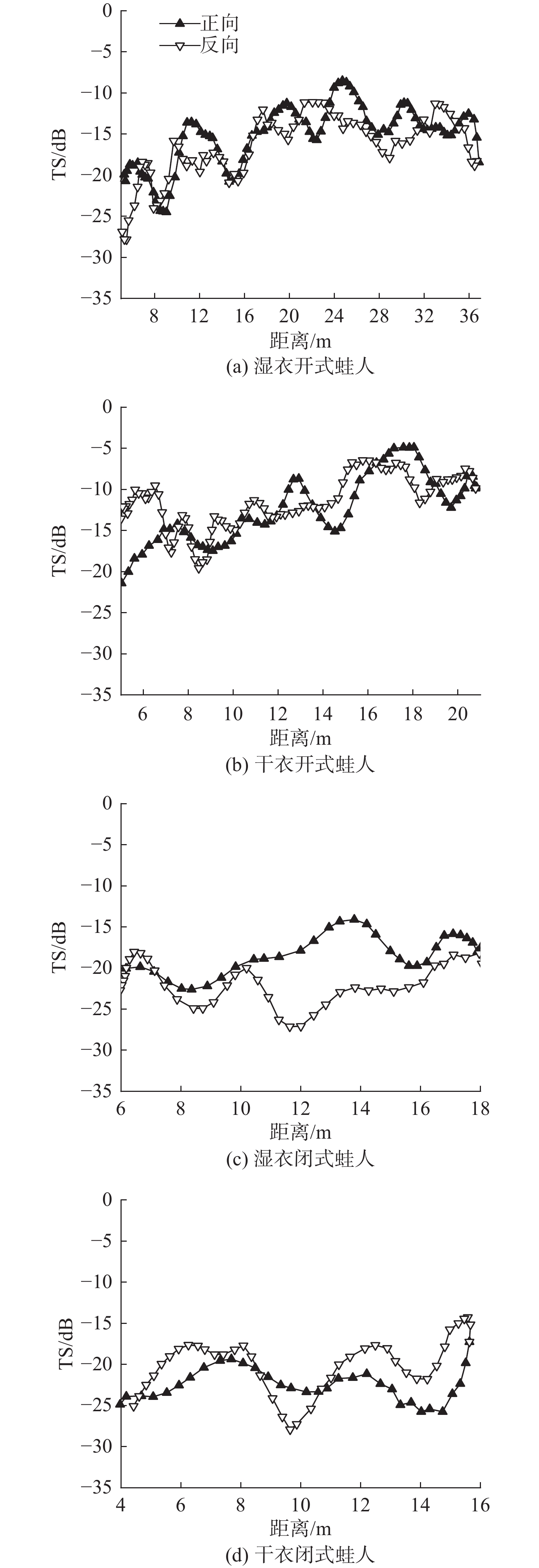
Underwater low-speed small targets, represented by divers and unmanned undersea vehicles, have become major threats to nearshore military and economic facilities due to their strong concealment, high maneuverability, and significant destructive potential. Their recognition has emerged as a hot topic and a challenging issue in the field of underwater security. This paper focused on three key aspects of acoustic recognition for underwater low-speed small targets: acoustic signal characteristic analysis, feature extraction, and feature classification. It systematically reviewed the current research status, core challenges, and development trends in this field. First, the acoustic signal characteristics of underwater low-speed small targets were analyzed from the perspectives of active echo signals and passive radiated noise. Subsequently, mainstream feature extraction methods were summarized based on active and passive features. Then, two major classification approaches, namely statistical learning and deep learning, were introduced and compared. Following this, the main challenges faced in this field and corresponding countermeasures were discussed. Finally, in light of technological development trends, future research directions were prospected, aiming to provide references for the advancement of underwater low-speed small target recognition technologies.
A Review of Research on Acoustic Scattering Characteristics of Small Underwater Targets
LIU Yan, LI Jie, GE Lili, FAN Jun, WANG Bin
2026, 34(3): 422-439. doi: 10.11993/j.issn.2096-3920.2026-0073
Abstract:
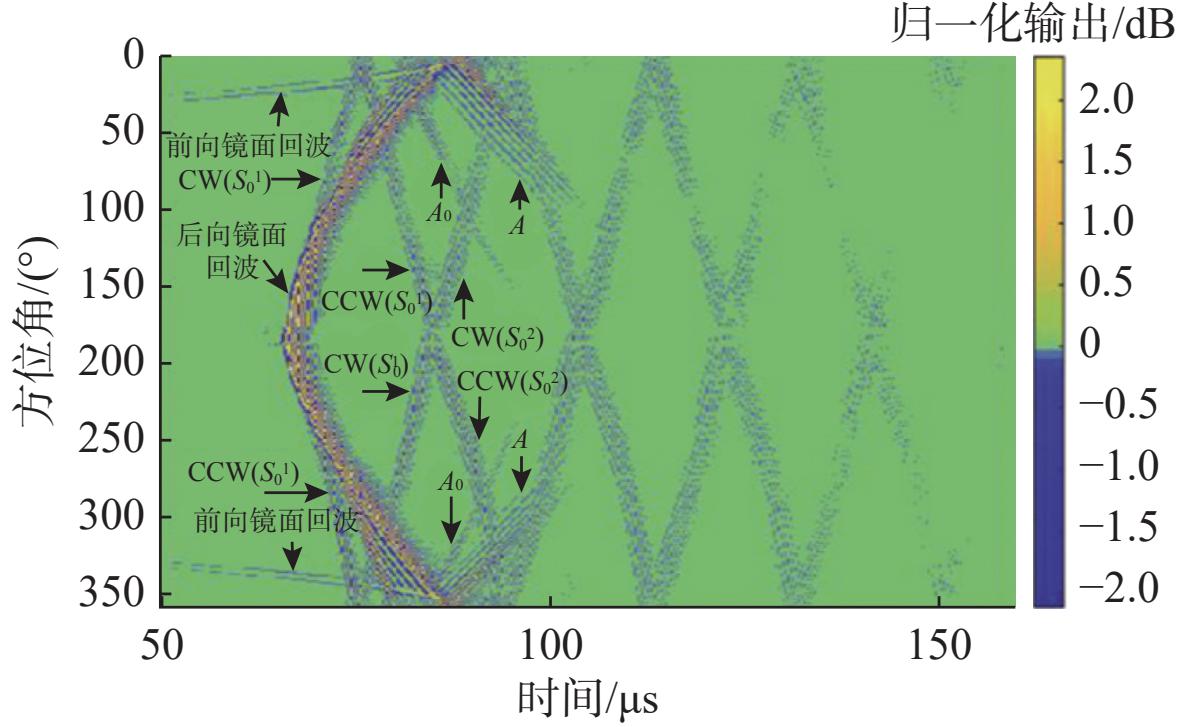
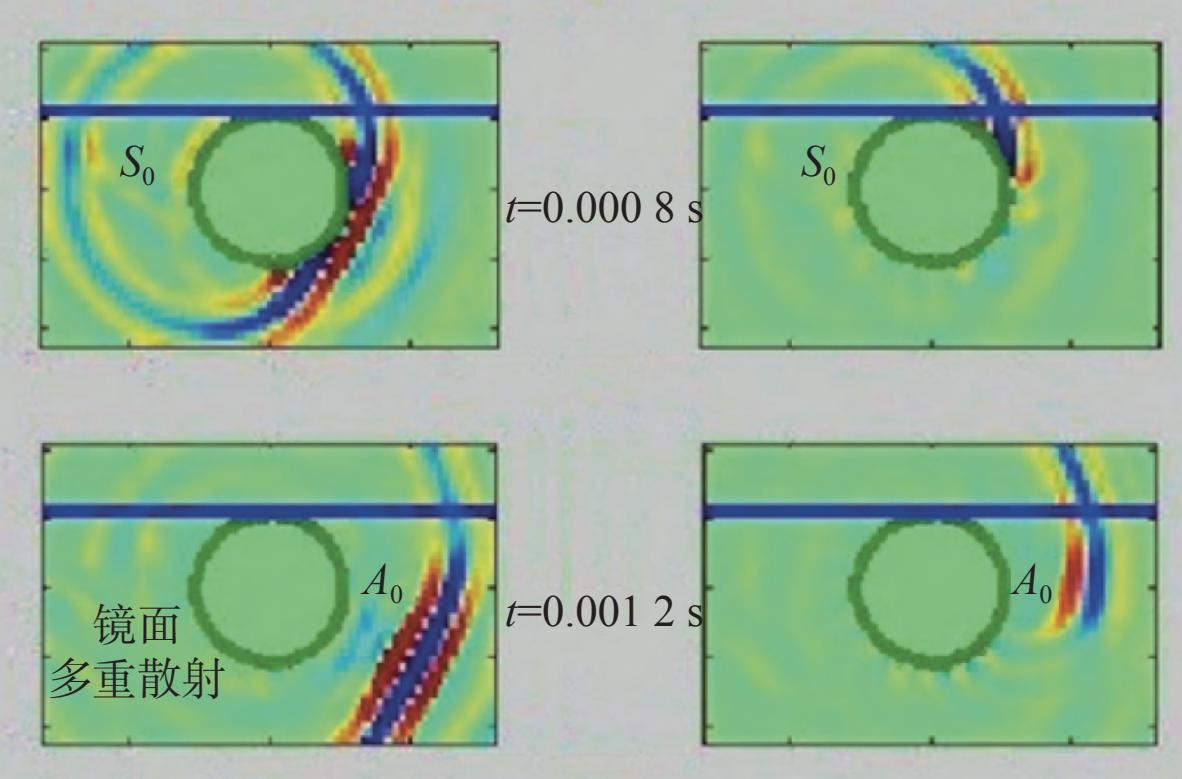
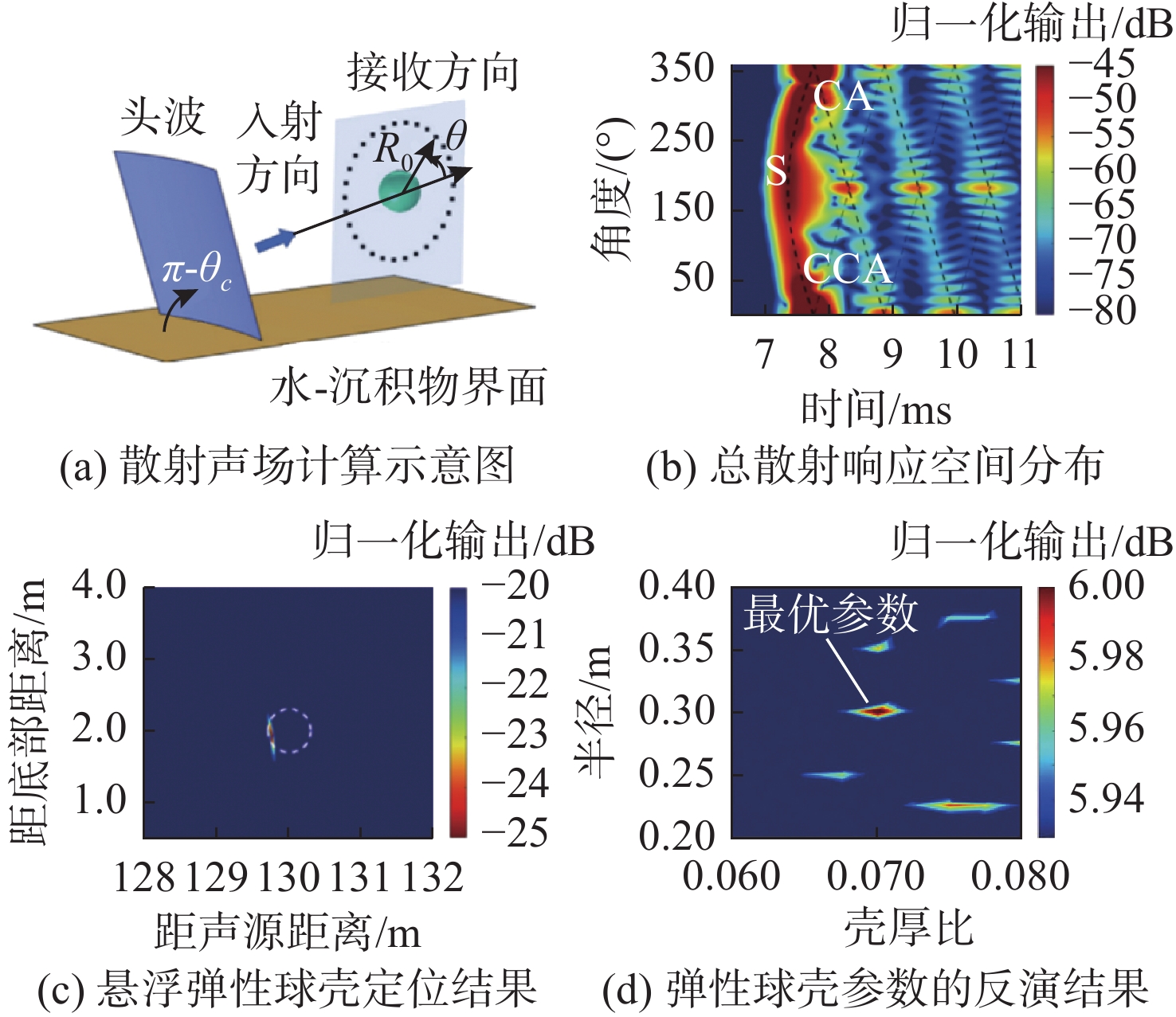
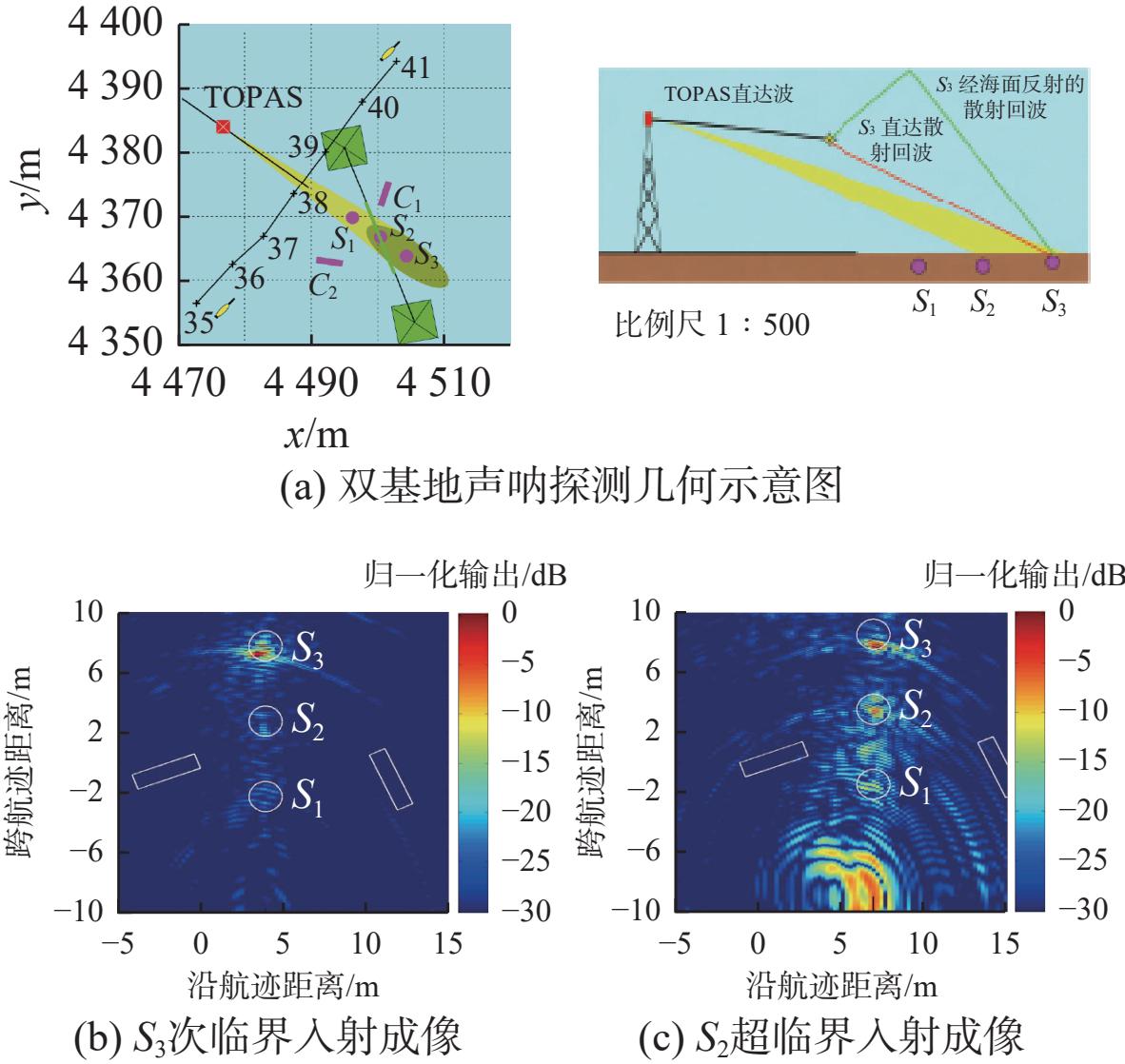
Research on the acoustic scattering characteristics of small underwater targets provides a fundamental physical basis for active sonar target detection, identification, and security applications and has significant application value in shallow-water security, mine countermeasures, and underwater engineering detection. This paper reviewed the progress in theoretical modeling, experimental measurements, and engineering applications for three representative classes of small underwater targets: divers and their propulsion devices, unmanned undersea vehicles(UUVs), and mines. First, the scope of the review was defined by combining the normalized size parameter with the functional attributes of the targets, and the fundamental features of different scattering regions were outlined. Then, representative studies on the modeling, experiments, and applications of these three types of targets were systematically summarized. Research indicates that diver targets exhibit significant multi-component coupling and time-varying modulation characteristics, with exhaled bubbles, the lungs, and diving equipment serving as the main contributors to acoustic scattering. The scattering of UUVs is greatly affected by hull structures, the flooding state of internal compartments, and multiple scattering from appendages. Echoes from buried mines are jointly governed by target elasticity, interface wave propagation, and coupling with sediment layers. Current research still faces several challenges, including insufficient understanding of target scattering and propagation coupling mechanisms in complex marine environments, the difficulty of balancing accuracy and efficiency in broadband scattering prediction, inadequate integration of scattering mechanisms with data-driven recognition, and limited experimental validation under complex field conditions. This review is expected to provide a reference for understanding the acoustic scattering mechanisms of small underwater targets and for improving their detection and application.
A Review of Acoustic Scattering Characteristics of Diver Targets
GE Lili, LI Jie, LIU Yan, FAN Jun
2026, 34(3): 440-453. doi: 10.11993/j.issn.2096-3920.2026-0062
Abstract:
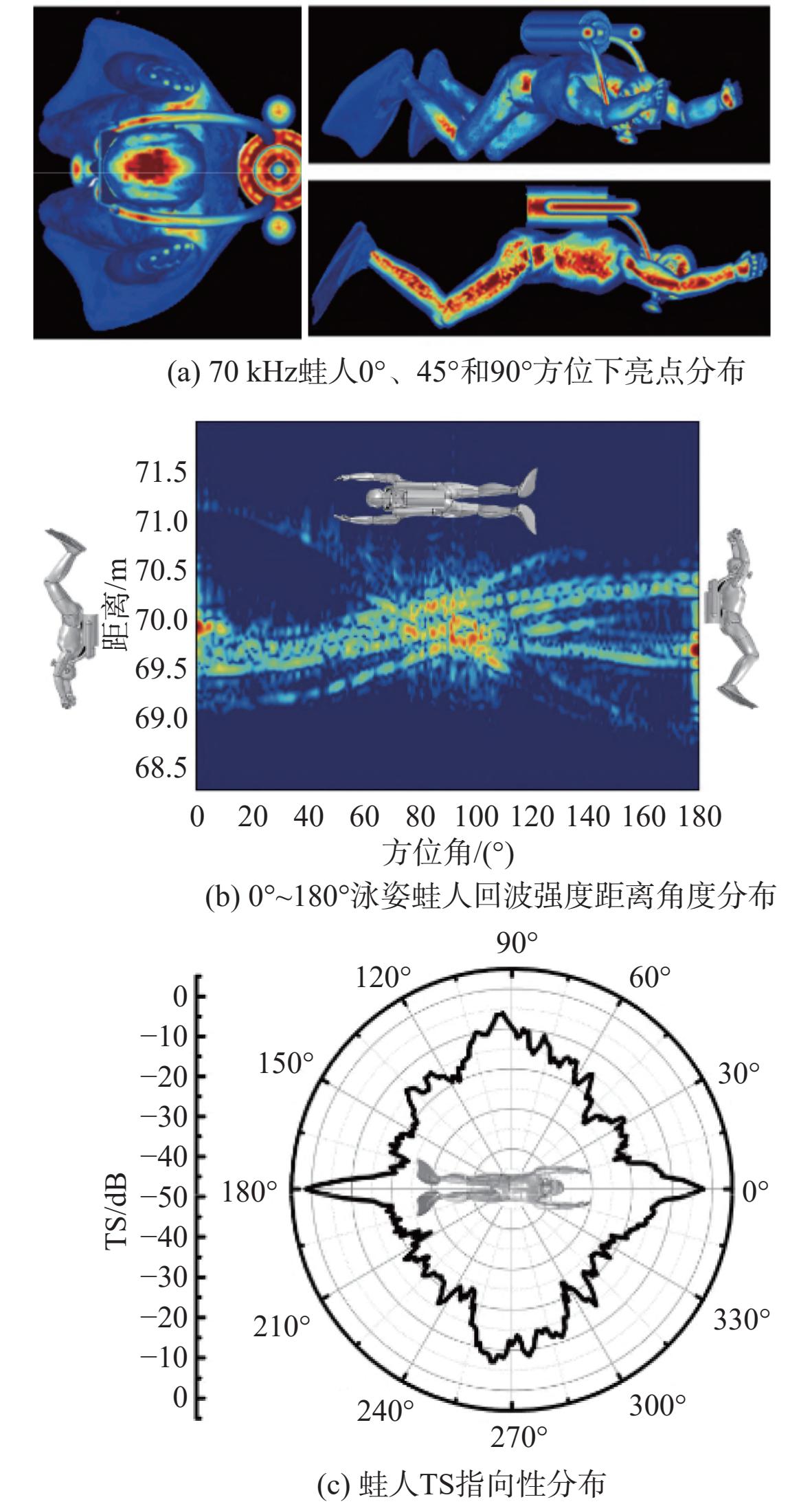
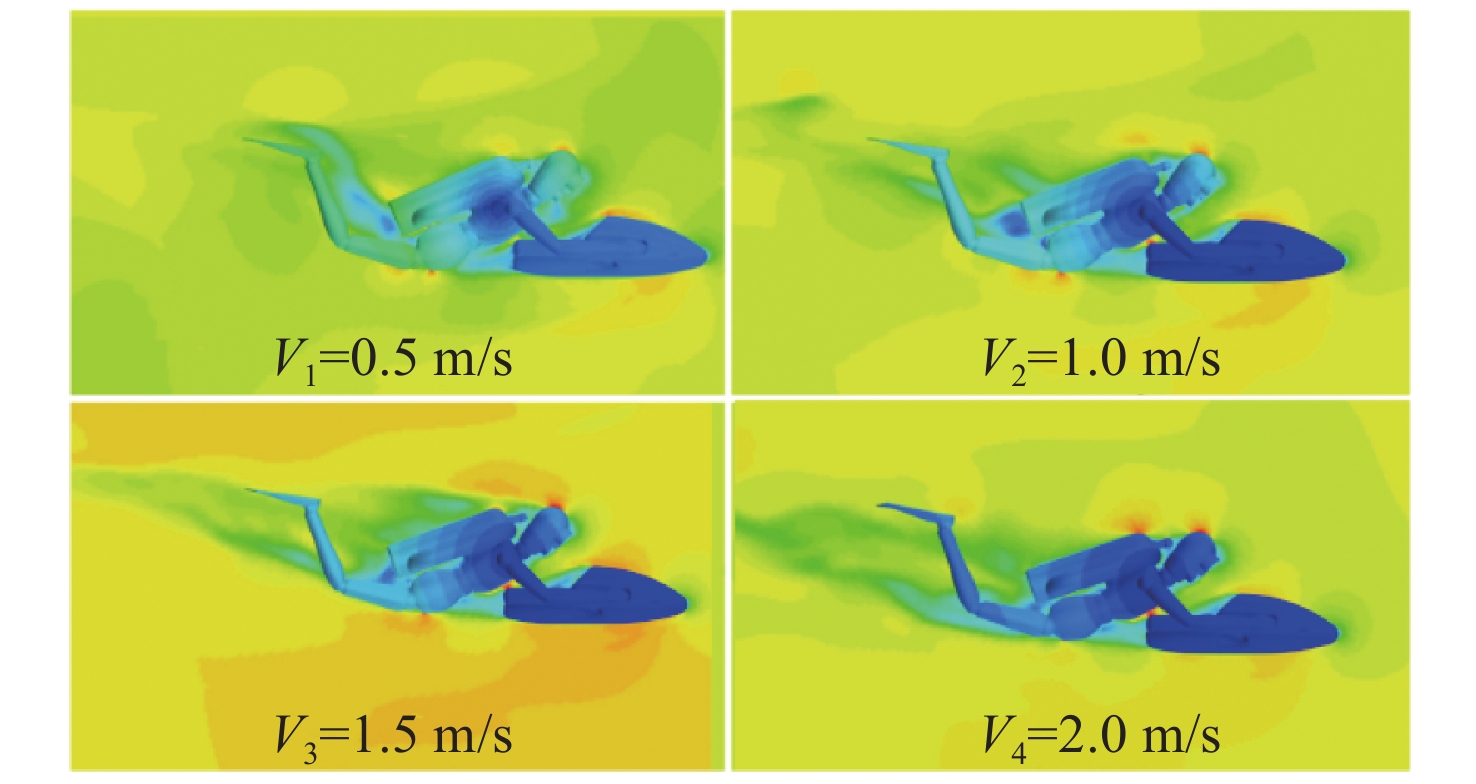
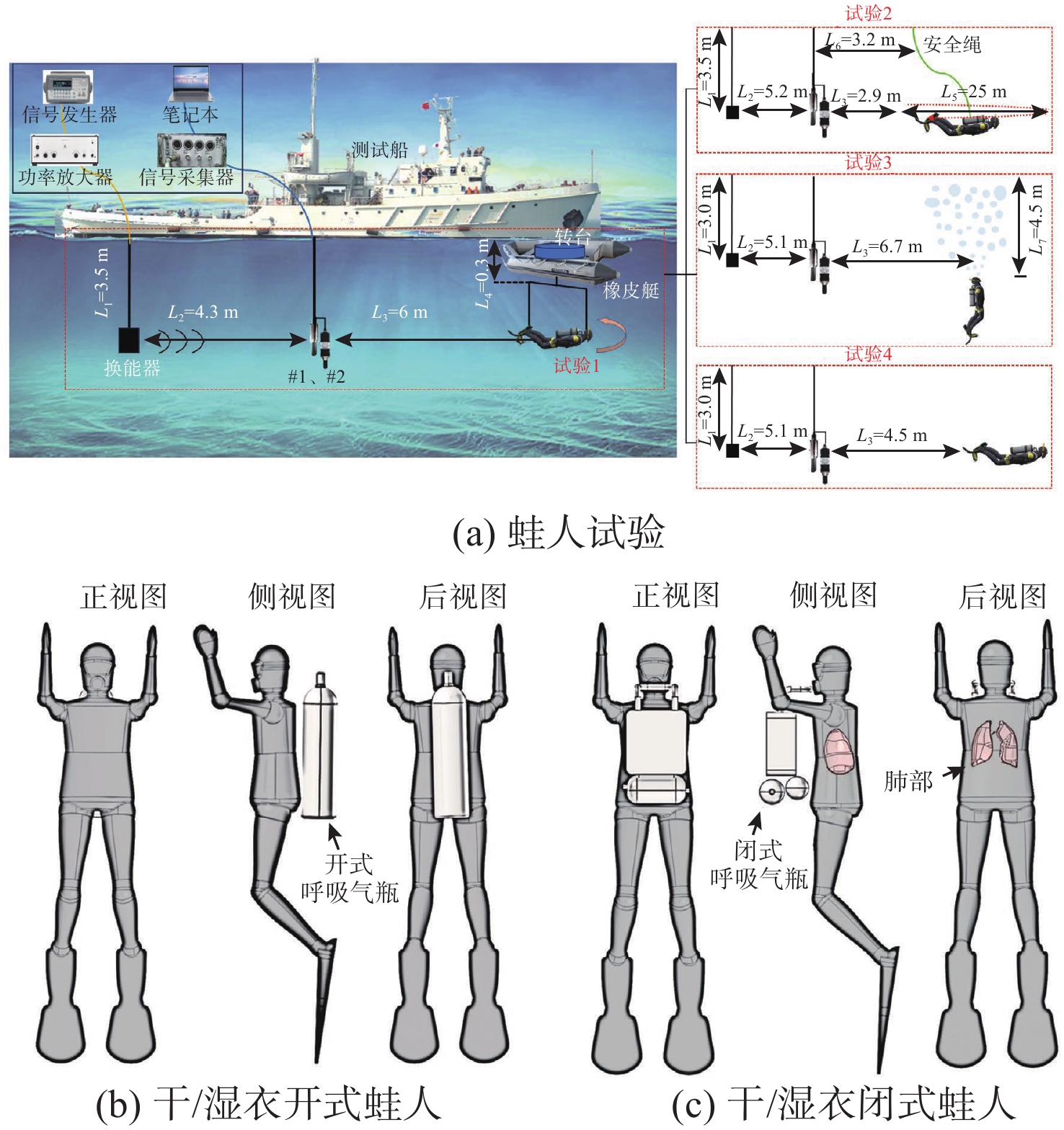
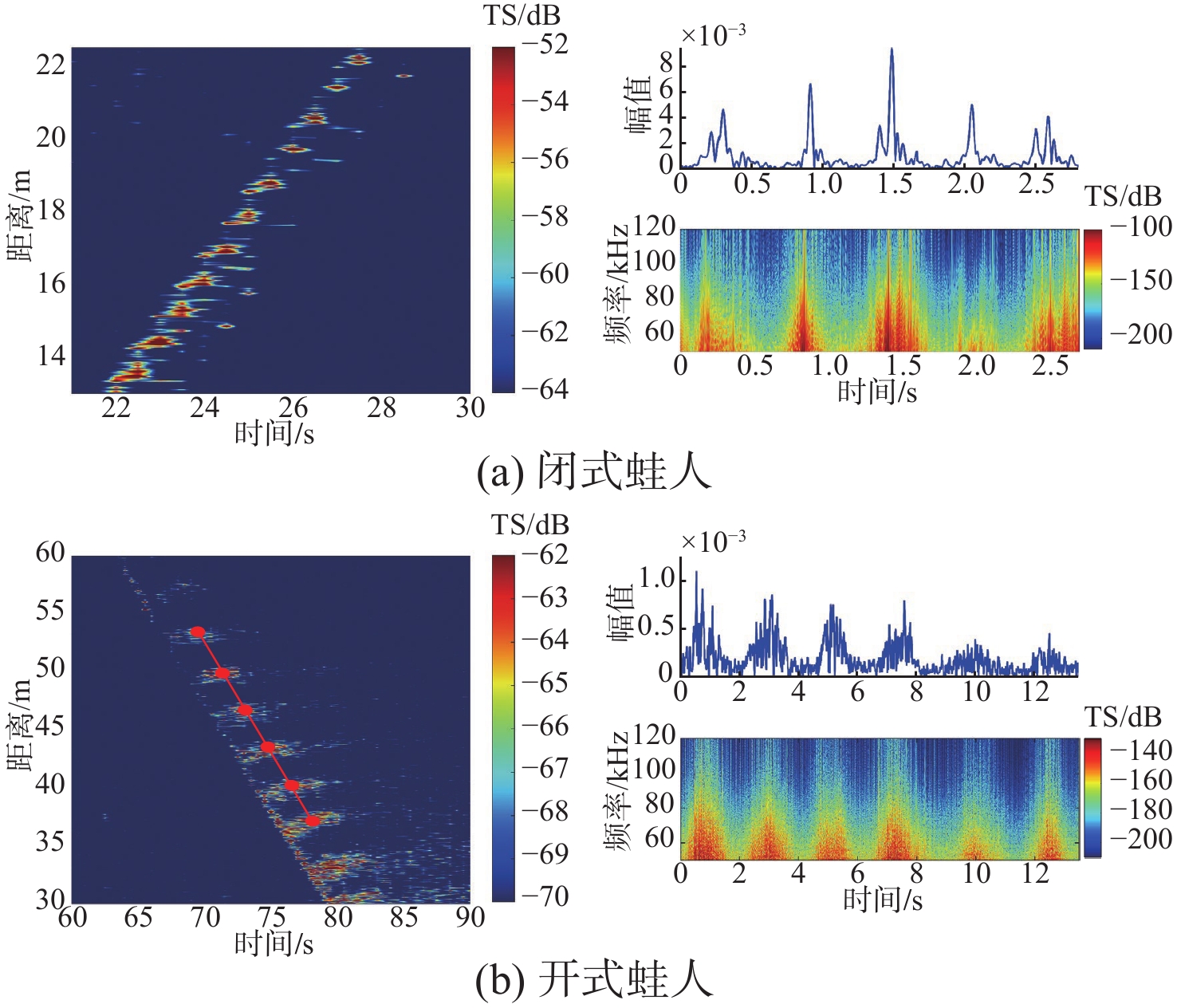
Divers are typical low-observable small underwater targets in shallow-water environments. They are characterized by low target strength, strong sensitivity to posture, significant coupling among multiple components, and pronounced non-stationary behavior. Variations in geometric scale, material properties, and motion patterns among the human tissue, diving suit, breathing apparatus, fins, and exhaled bubbles make the echo response exhibit multi-source scattering and time-varying modulation. Meanwhile, shallow-water multipath propagation, reverberation, and ambient noise further increase the difficulty of target detection and recognition of divers. Focusing on active sonar applications, this paper reviewed recent research progress on diver targets, including acoustic scattering modeling, experimental testing, tracking and localization, and detection and recognition. The effects of key components, such as scuba cylinders, exhaled bubbles, lungs, diving suits, and fins, on the overall acoustic scattering characteristics were systematically summarized. The main problems in existing studies were analyzed, and possible directions for future research were discussed. This review is expected to provide a useful reference for active sonar-based detection and recognition of diver targets.
A Review on Interception and Processing Techniques of Active Acoustic Radiated Signals from Small Underwater Targets
WANG Zhizhen, WANG Xiaoyan, AN Liang, CAO Hongli, QIAN Ronglai, YU Shiting, ZHU Chuanqi, ZHU Qixuan
2026, 34(3): 454-467, 499. doi: 10.11993/j.issn.2096-3920.2026-0068
Abstract:
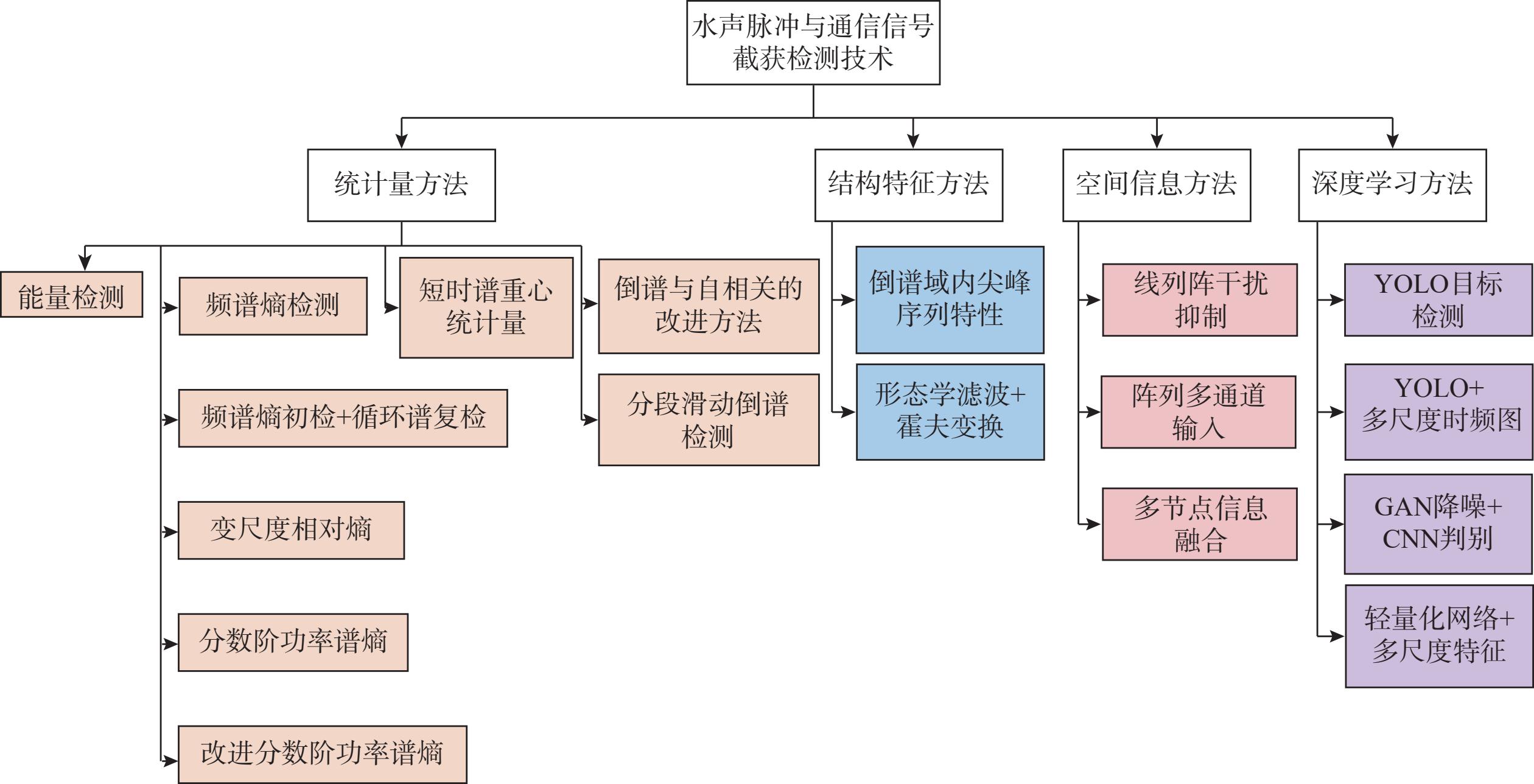
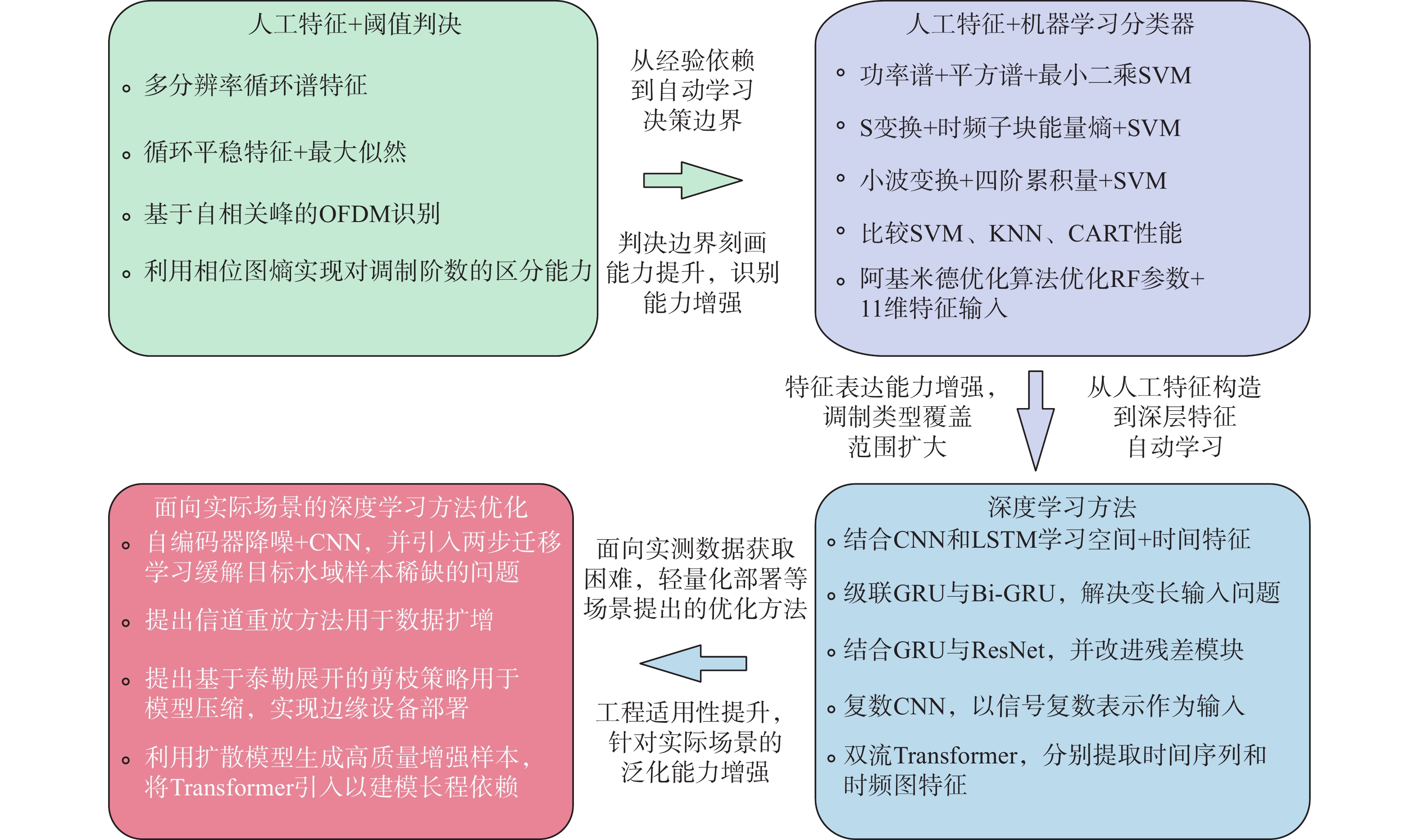
With the rapid development of underwater unmanned platforms and miniaturized equipment, the demand for detecting and recognizing small underwater targets has become increasingly significant. Such targets are characterized by low target strength, small size, and weak physical features, limiting the effectiveness of conventional active and passive detection methods. Therefore, the interception and processing of active acoustic radiation signals, such as navigation and communication signals, have emerged as one of the promising approaches for target detection. This paper reviewed recent advances in interception and detection techniques for navigation pulse and communication signals of small underwater targets. The main sources and signal forms of relevant active acoustic signals were first analyzed, followed by a systematic review of non-cooperative signal interception, detection, and modulation recognition methods from a technological evolution perspective. Existing research shows an overall transition from traditional statistical and manual feature extraction methods toward end-to-end deep learning-based processing approaches. Finally, this paper summarized the existing research achievements in this field and provided an outlook on future research directions from three perspectives: interception and recognition of biomimetic covert communication signals, physically consistent generative channel modeling, and specific emitter identification in non-cooperative scenarios.
Review on Optical Detection Technology for Underwater Small Targets
CHEN Qingyan, WU Guojun, WU Yafeng, MIAO Yuhong
2026, 34(3): 468-479. doi: 10.11993/j.issn.2096-3920.2026-0049
Abstract:
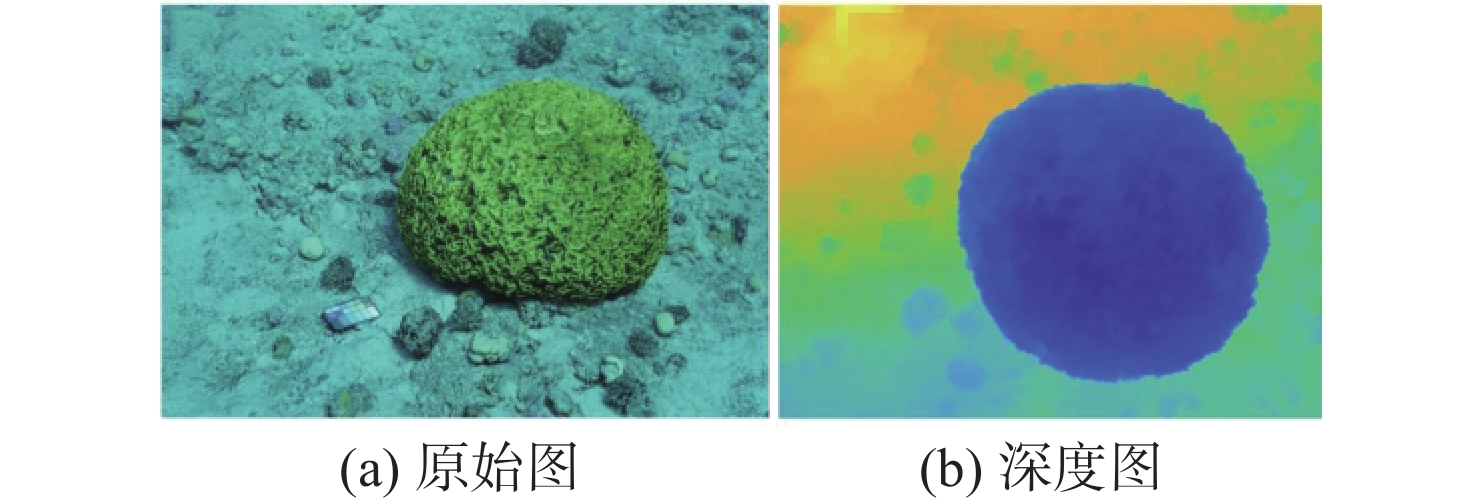
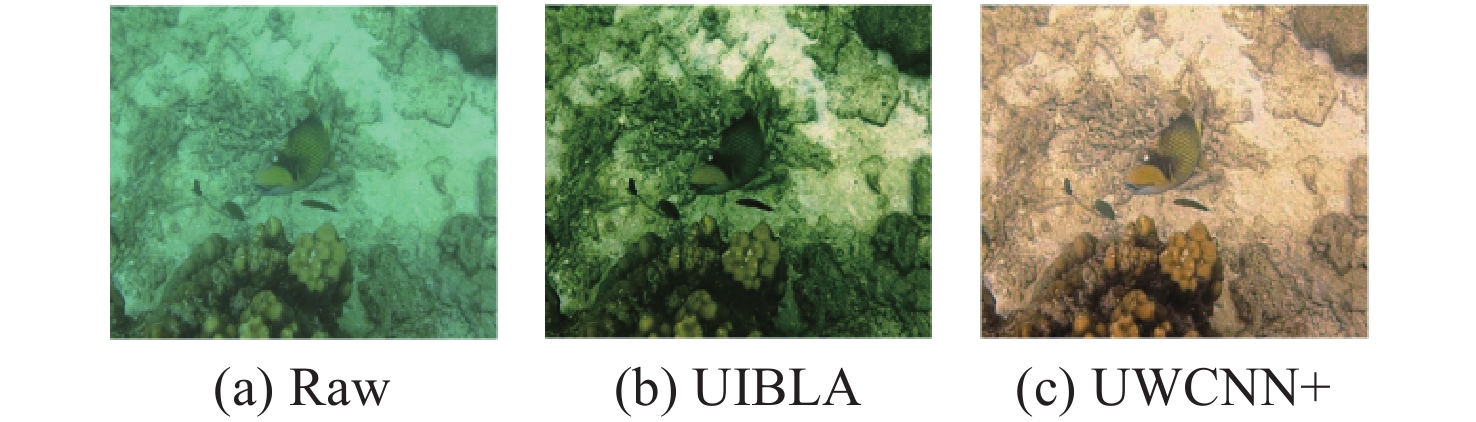
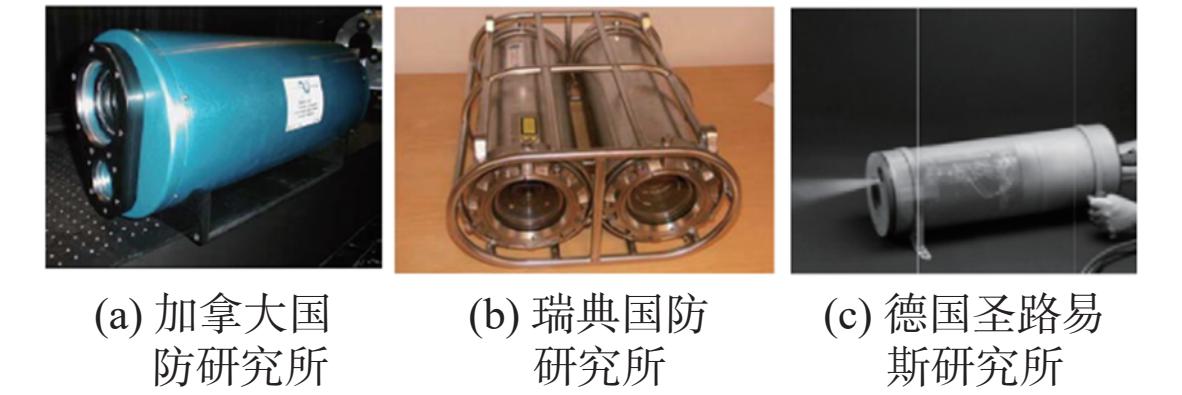
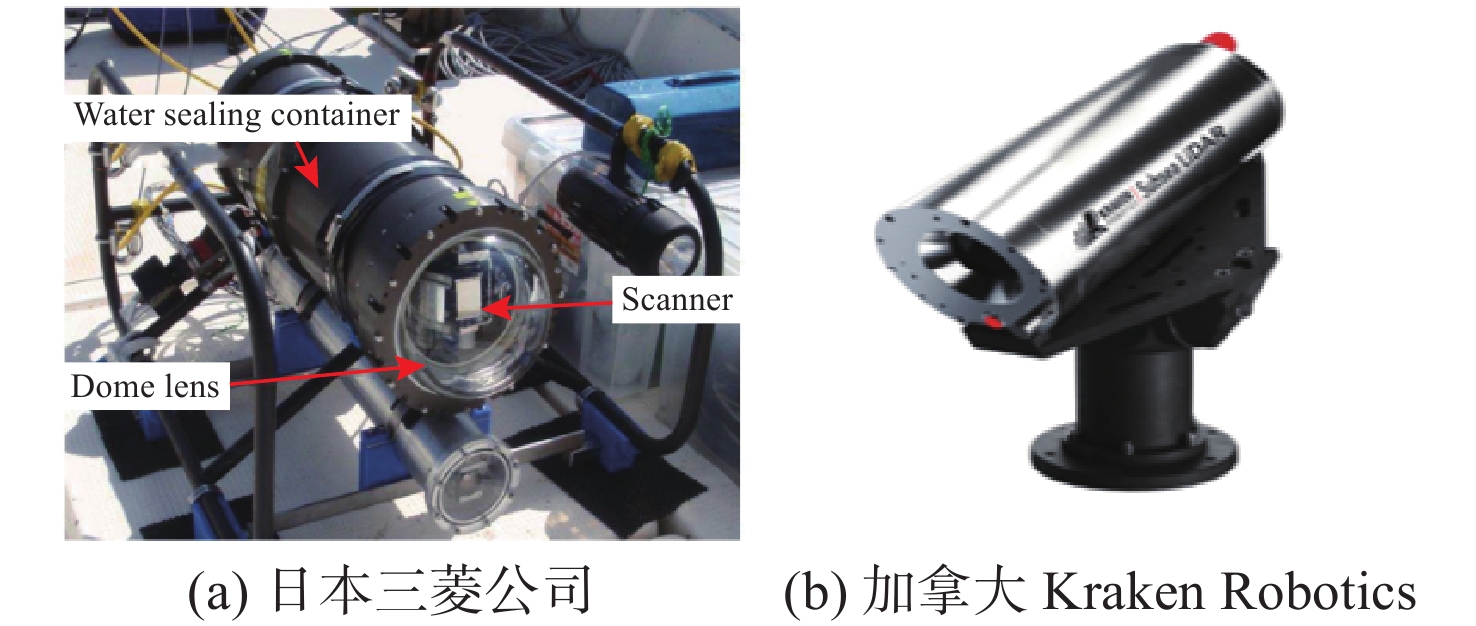
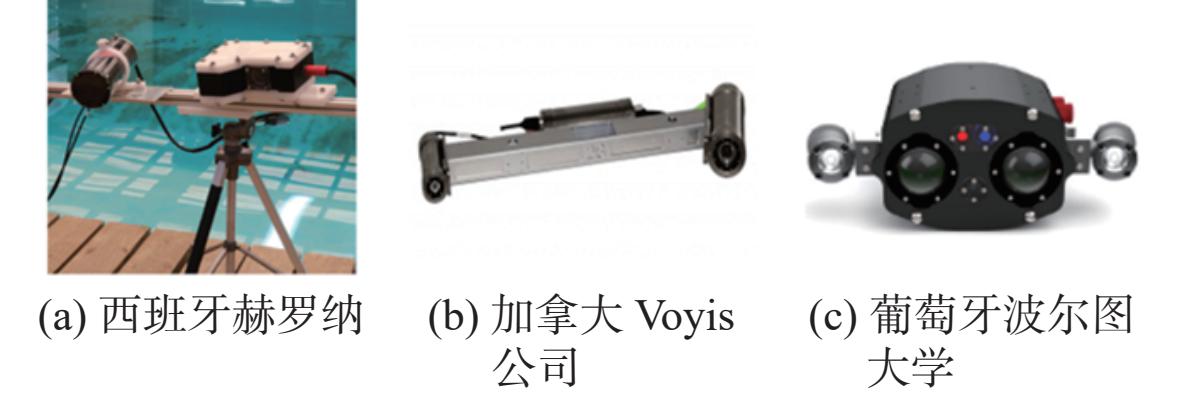
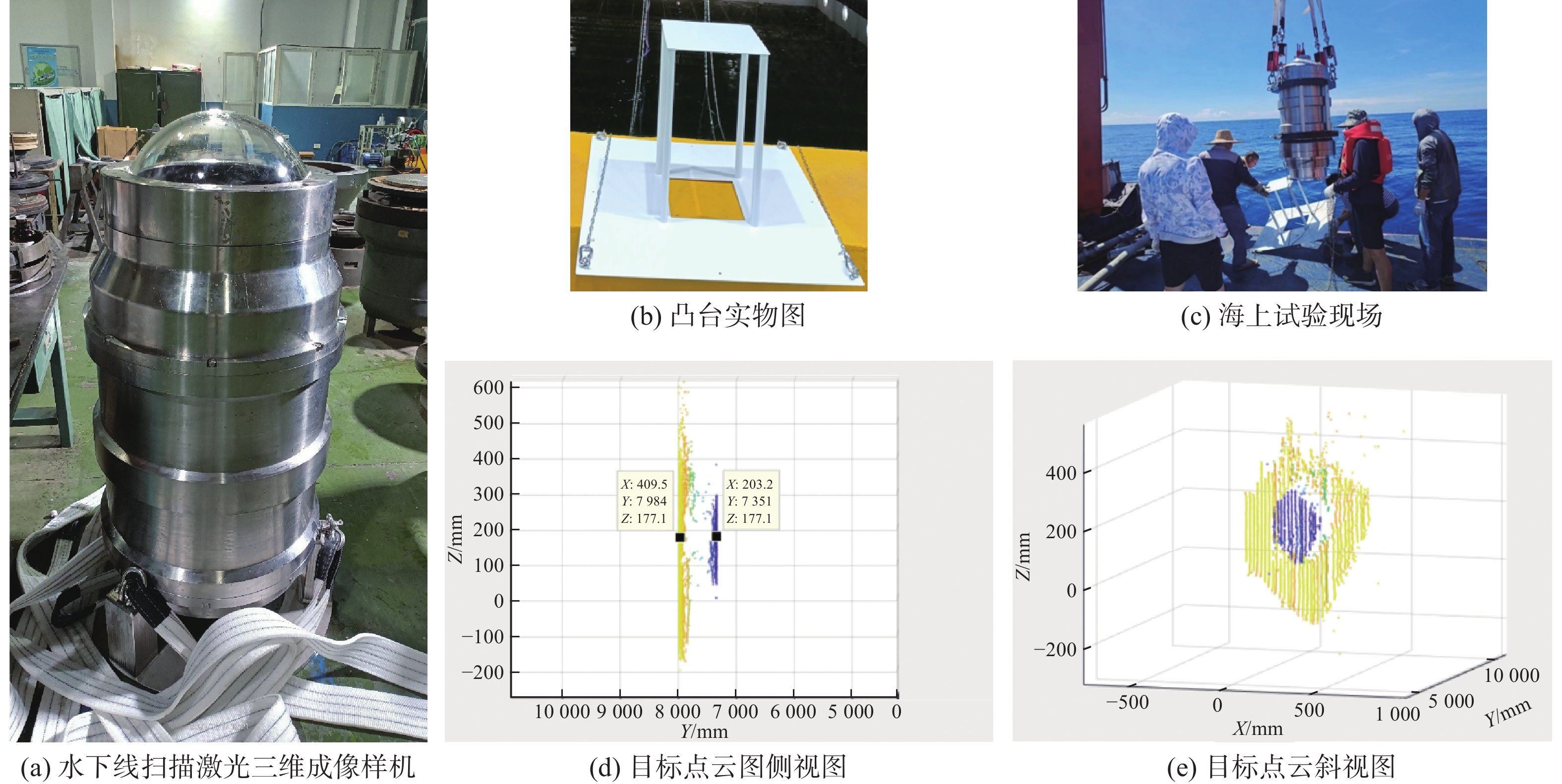
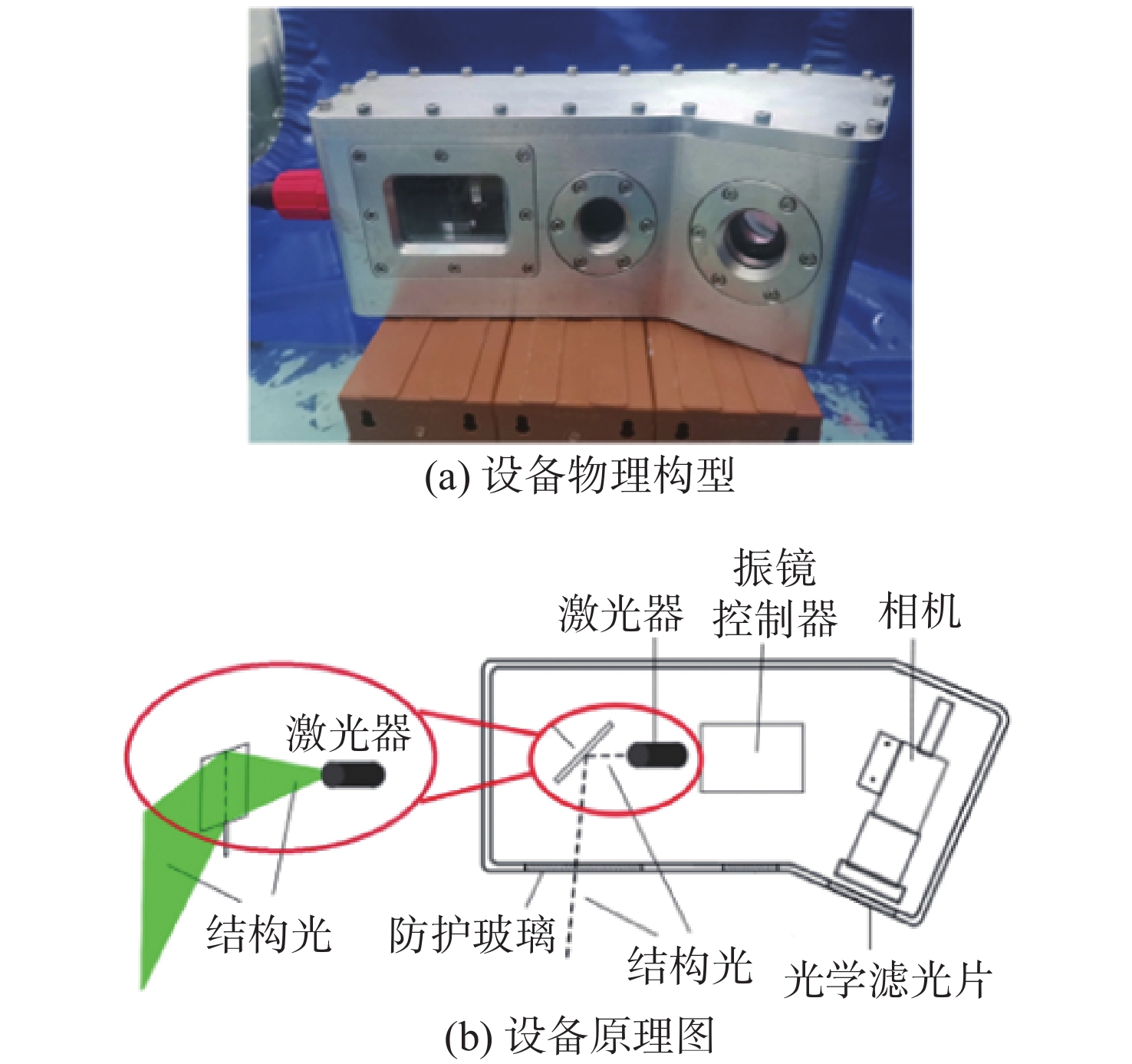
The precise detection and identification of small underwater targets, such as micro underwater vehicles and small underwater detectors, constitute important technical support for fields including marine resource development, underwater security early warning, and underwater engineering inspection. Constrained by the combined effects of water body attenuation, optical scattering, acoustic multipath effect, and complex background noise, traditional detection technologies exhibit notable limitations in terms of effective detection range, spatial resolution, and real-time responsiveness. With the advancement of marine development toward refinement and intelligence, coupled with the increasingly prominent strategic value of underwater unmanned equipment countermeasures, optical detection technology for underwater small targets has emerged as a research hotspot in the domain of marine information technology. This paper systematically sorted out the research background and strategic significance of optical detection technology for underwater small targets and presented a comprehensive review focusing on two major technical approaches: image-based and LiDAR-based methods. For the image-based technical system, the paper centered on two core modules, namely image enhancement and target detection and conducted an in-depth analysis of the principle mechanism, improvement strategies, and performance characteristics of various technologies. For the LiDAR-based technical system, aiming at detection modes including area-scan imaging, point-scan imaging, and line-scan imaging, the paper systematically elaborated on their technical features and typical application scenarios. Furthermore, this paper analyzed the bottleneck problems faced by existing technologies and prospected future research directions in combination with the development trend of marine technology, so as to provide theoretical support for the engineering implementation of optical detection technology for underwater small targets.
Analysis on Acoustic Scattering Characteristics of Icosahedral Composite Quasi-Spherical Scatterer
DONG Yanhua, ZHOU Fulin, FAN Jun, WANG Bin, WANG Wenhuan, XIONG Jianbing
2026, 34(3): 480-488. doi: 10.11993/j.issn.2096-3920.2026-0078
Abstract:
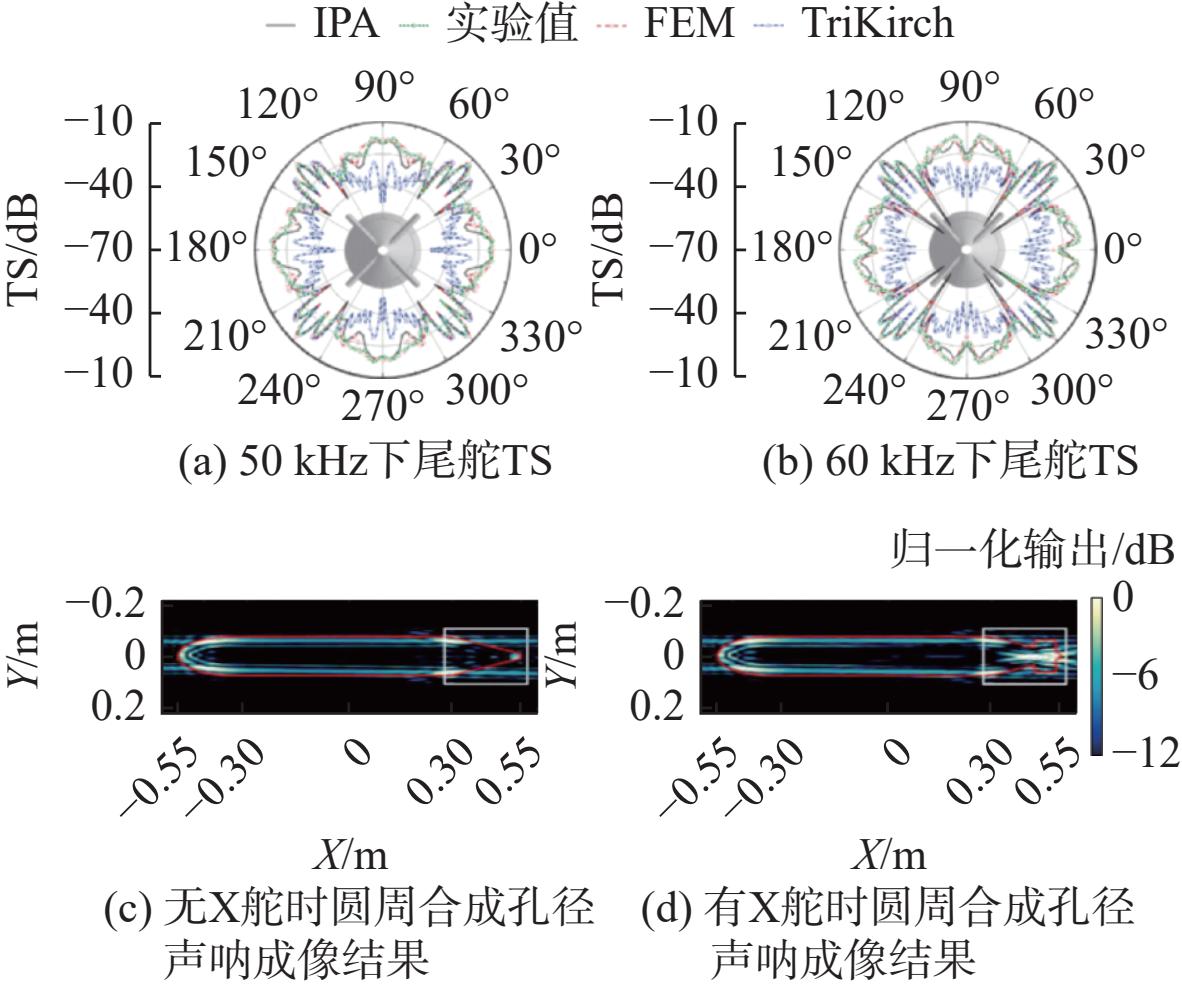
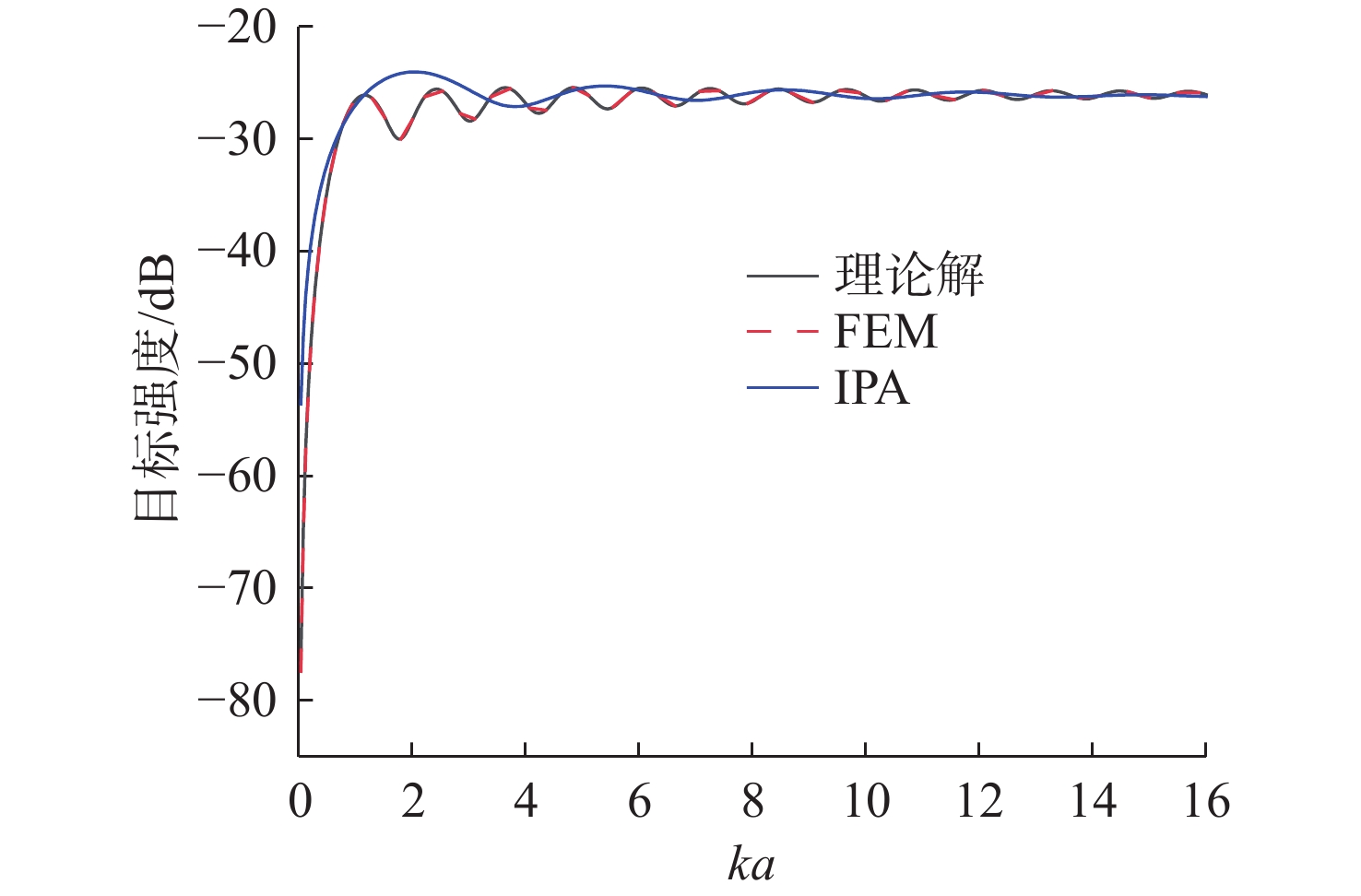
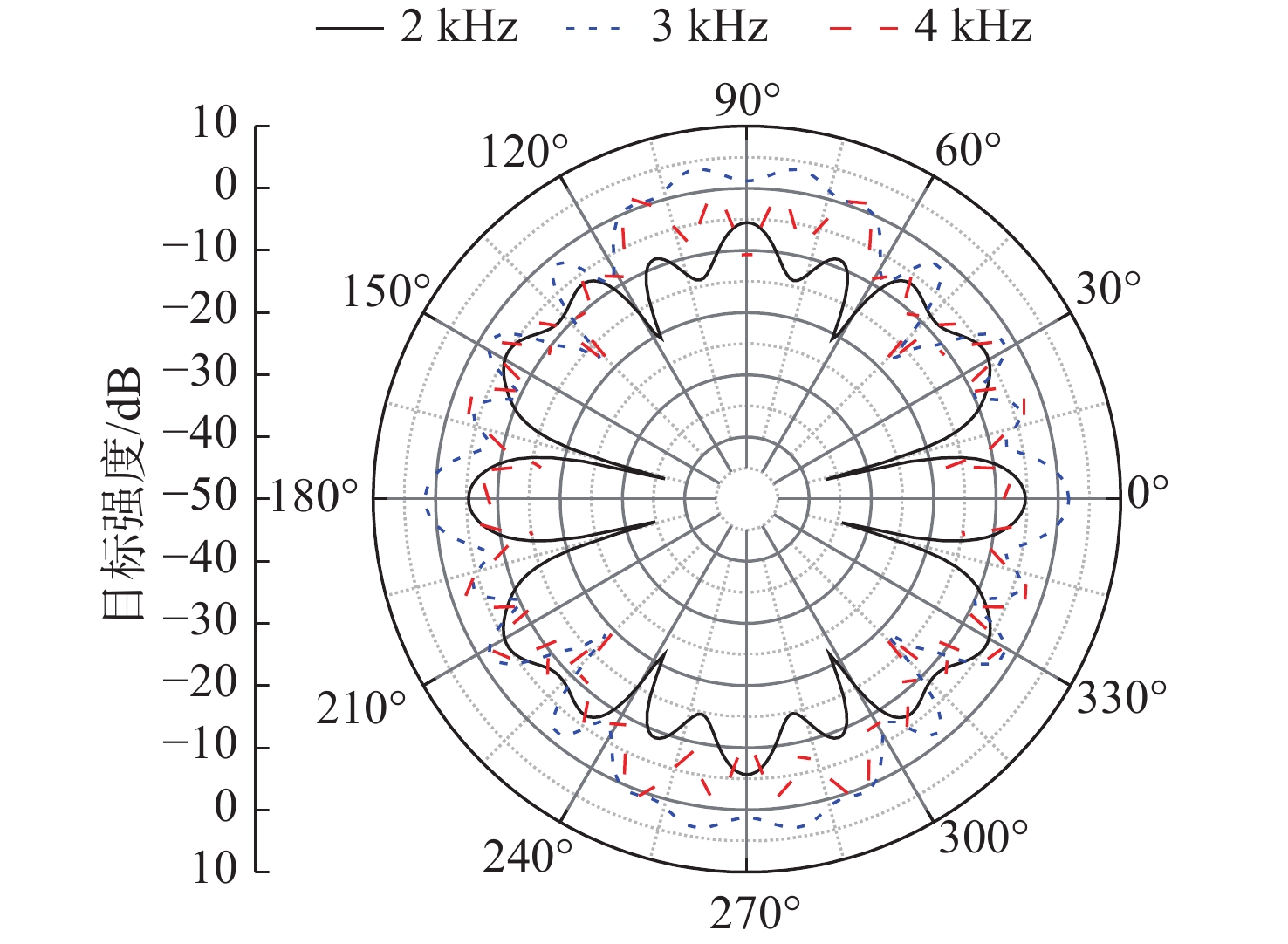
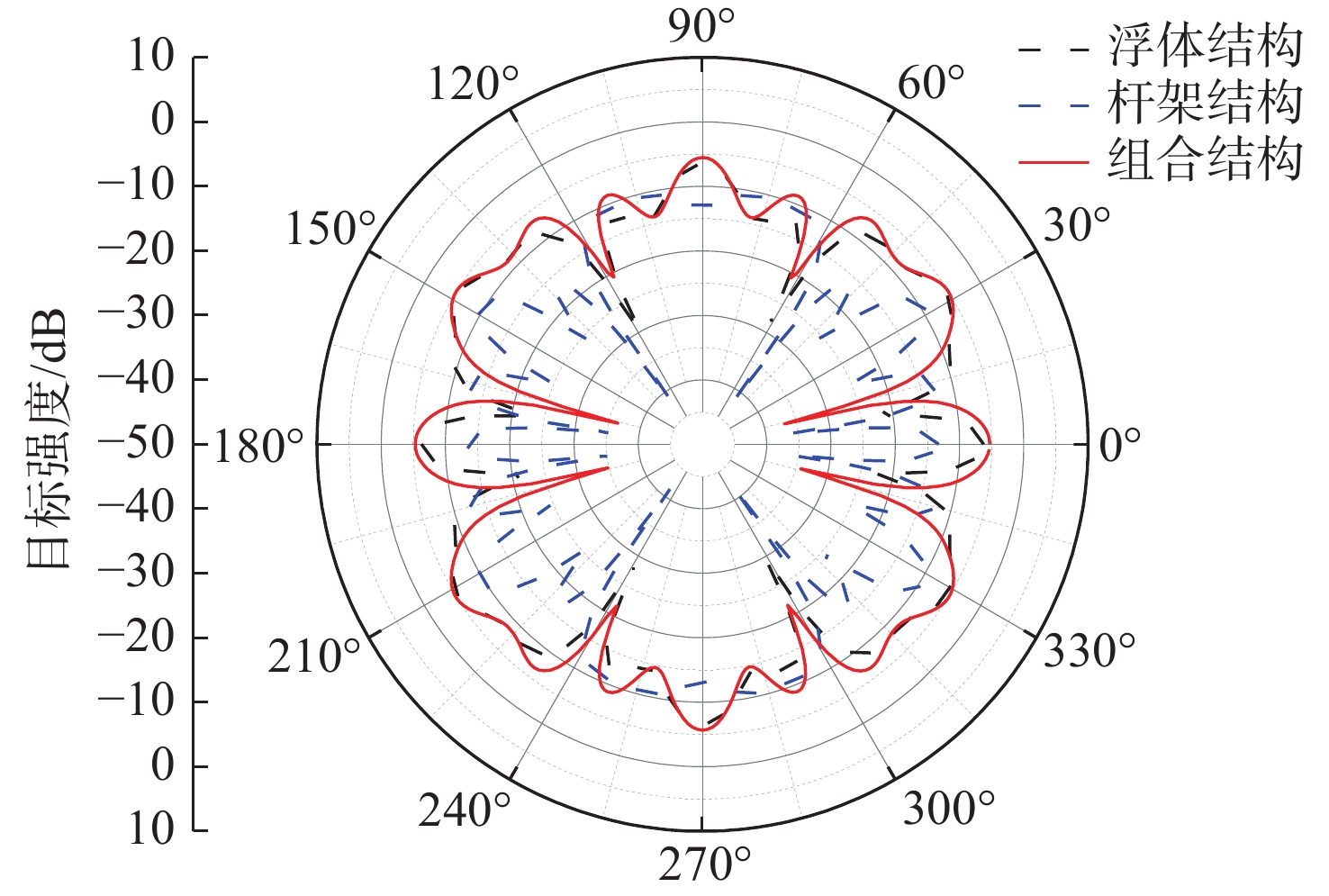
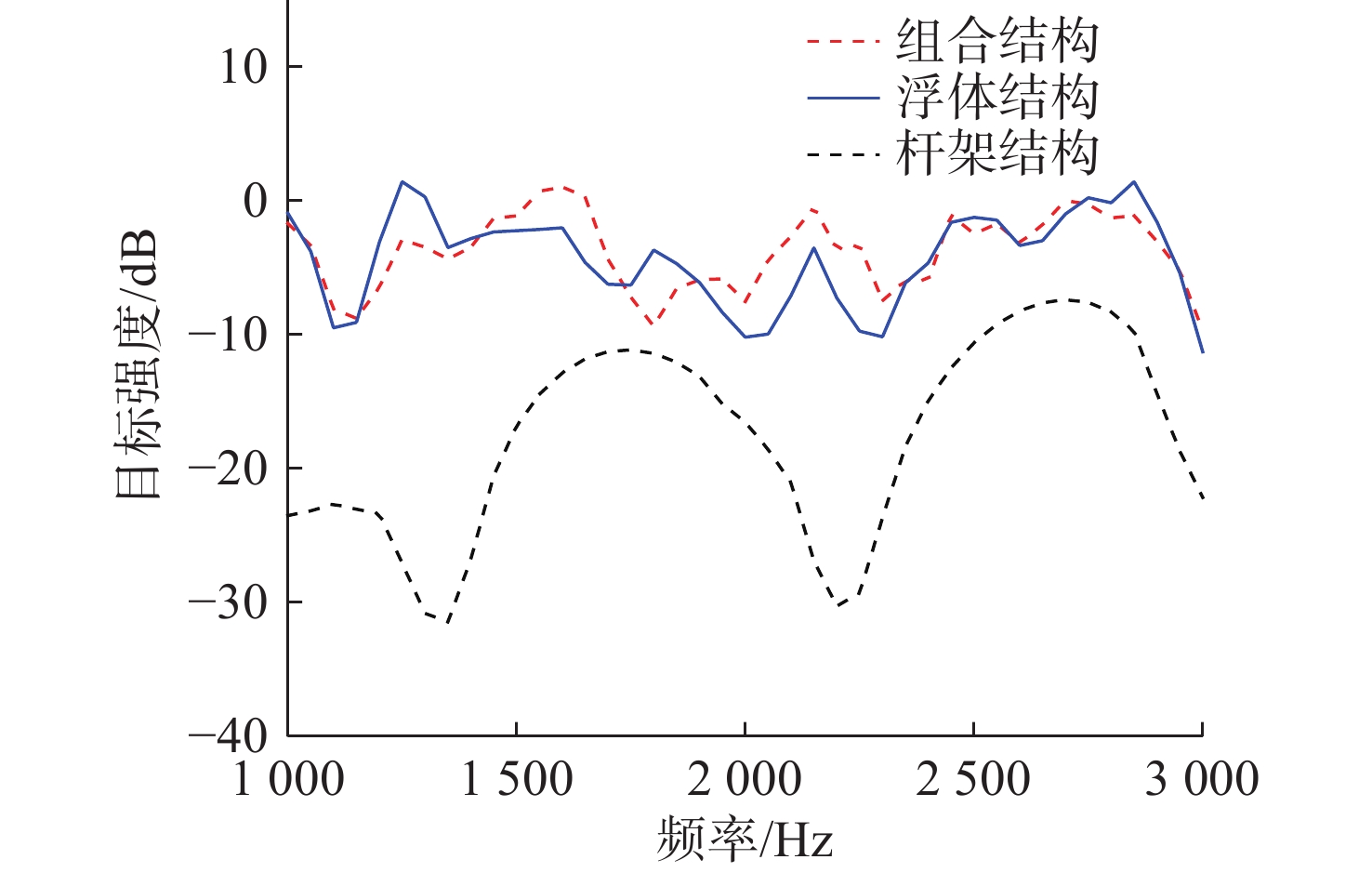
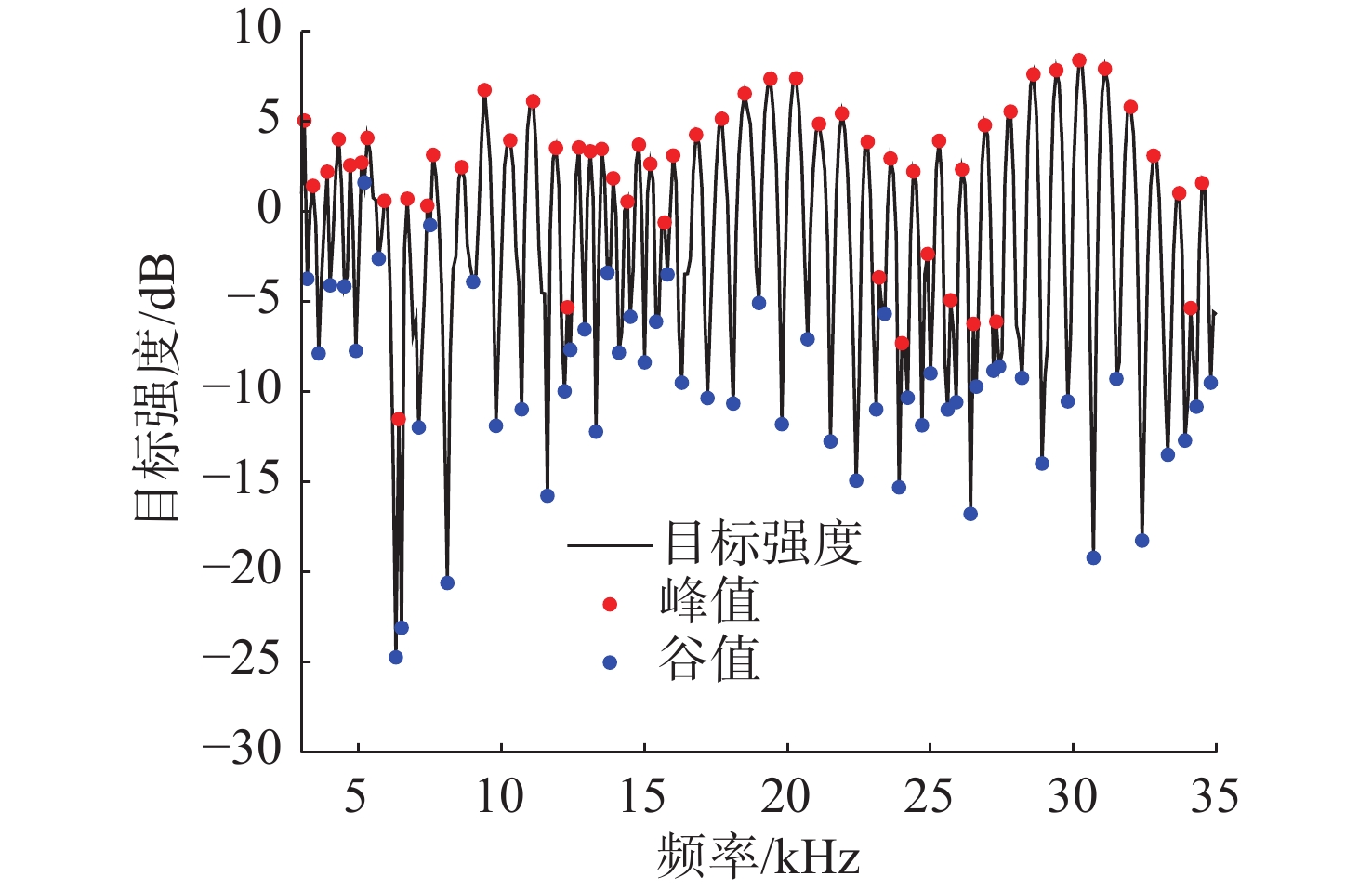
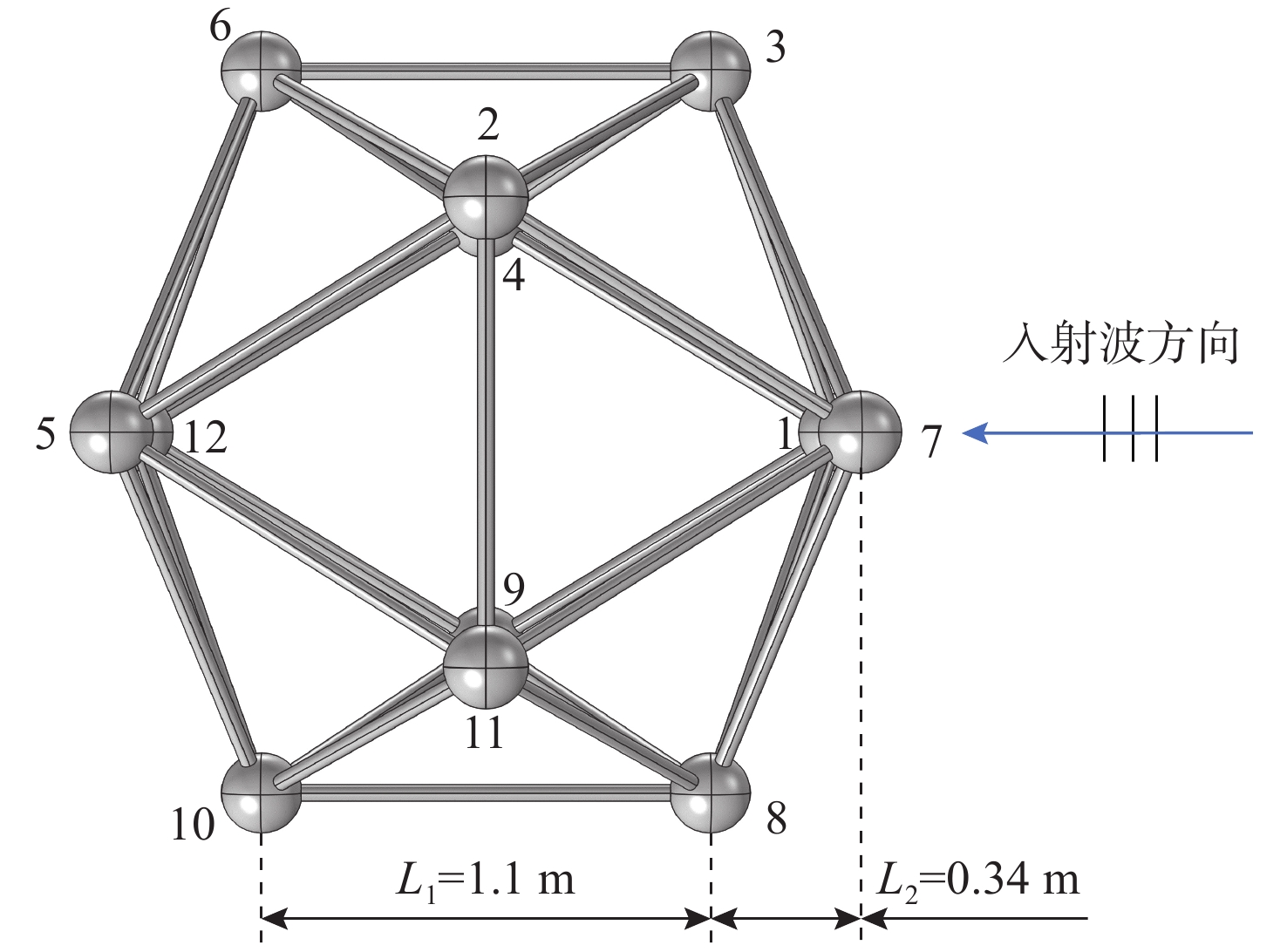
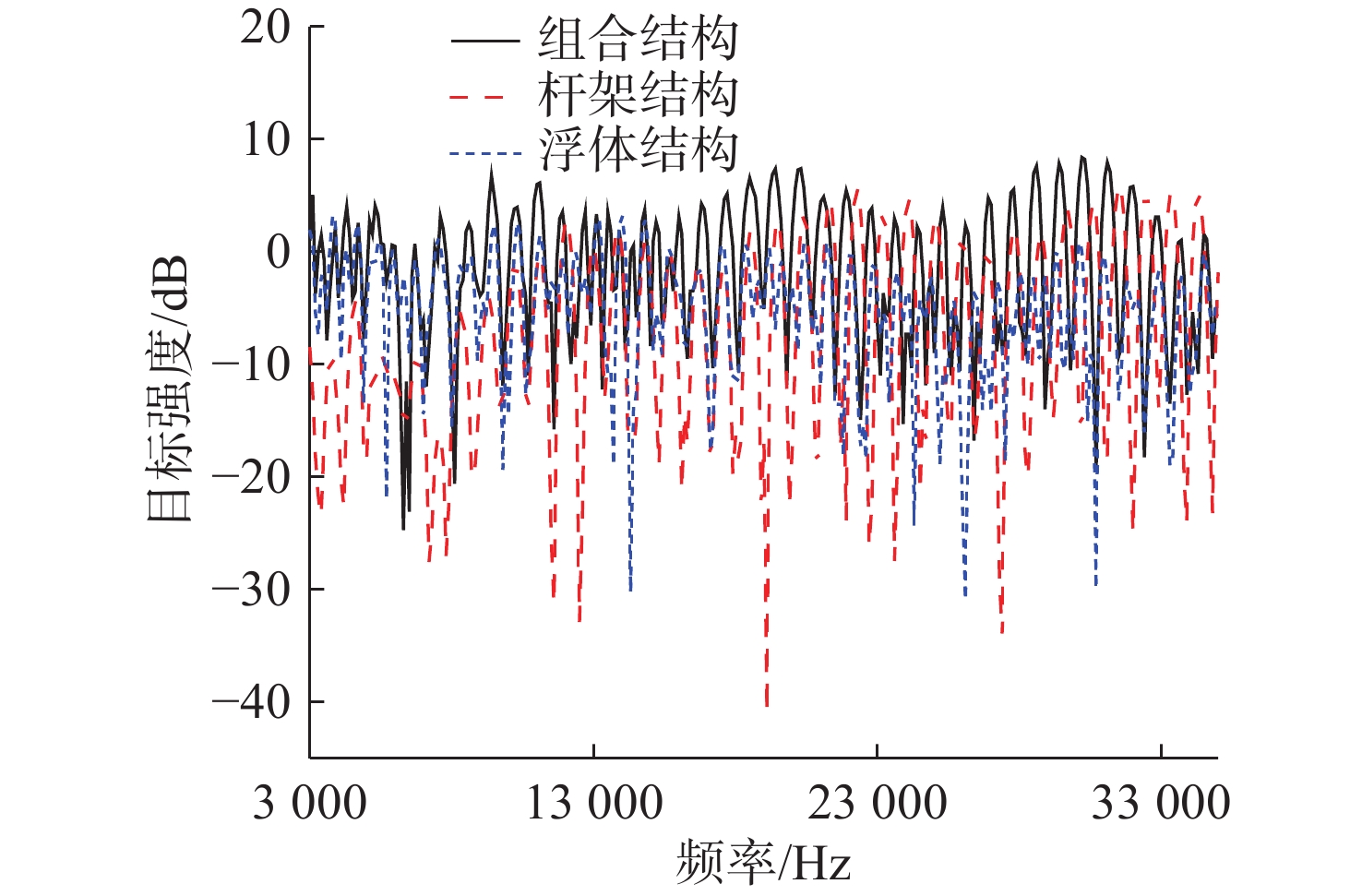
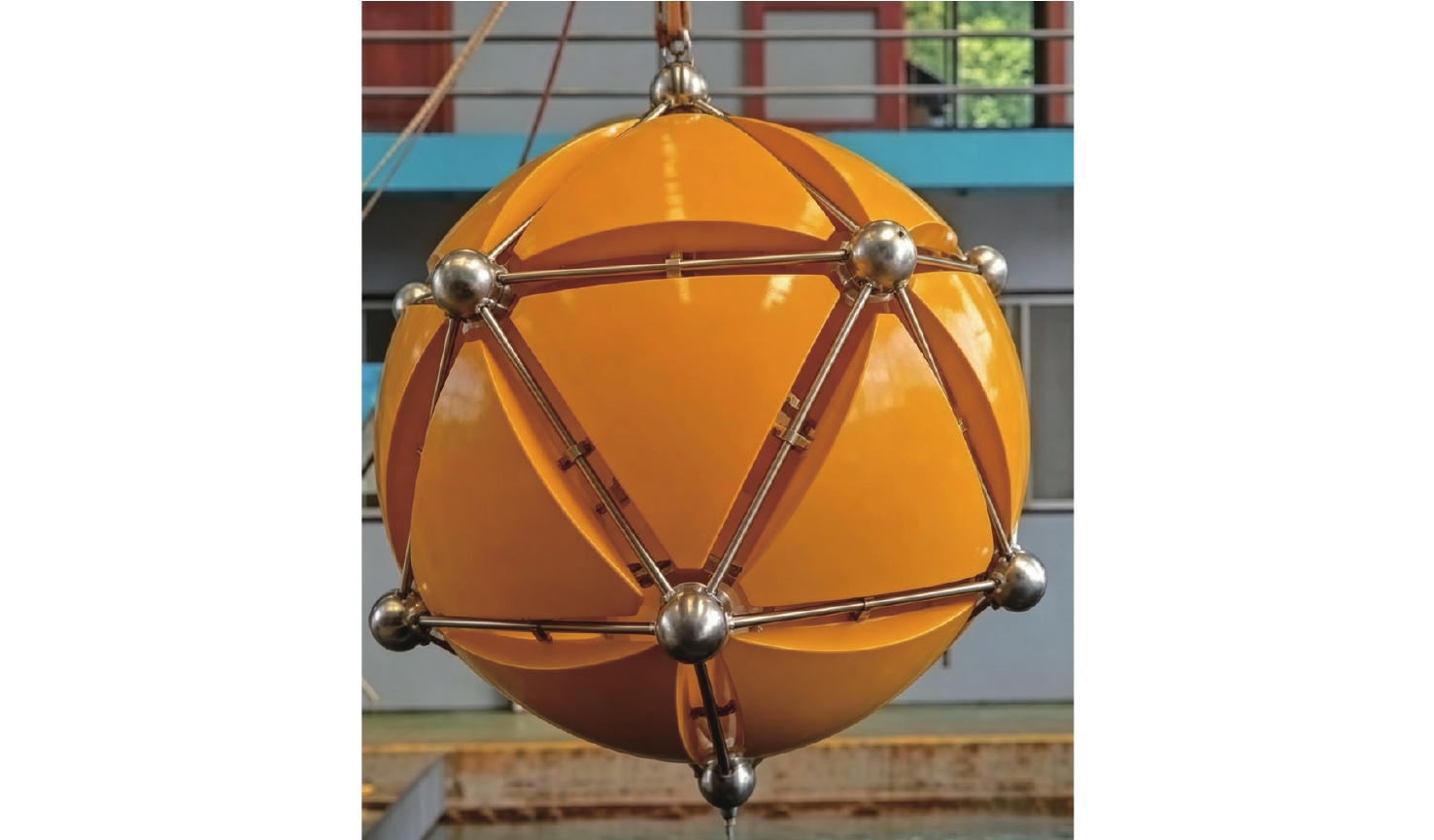
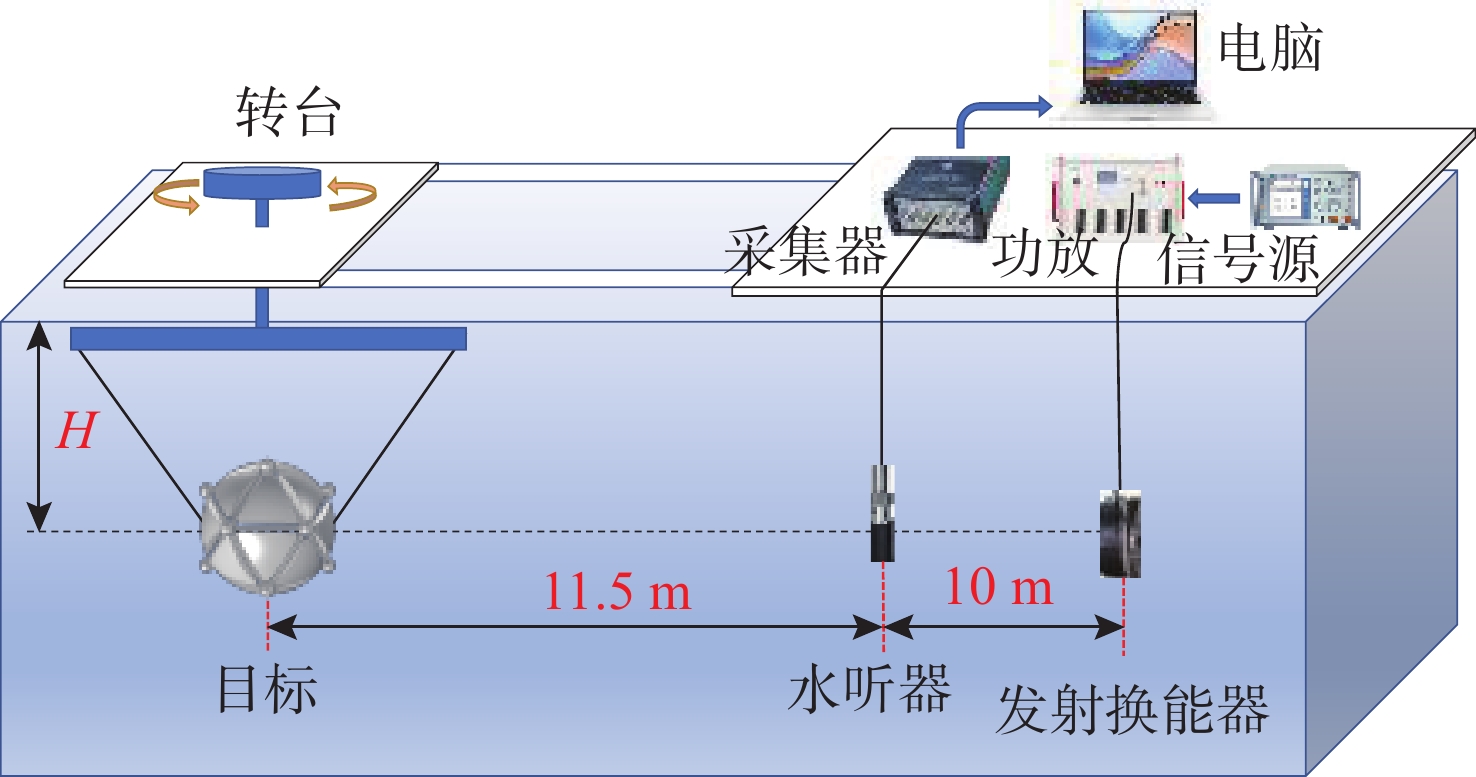
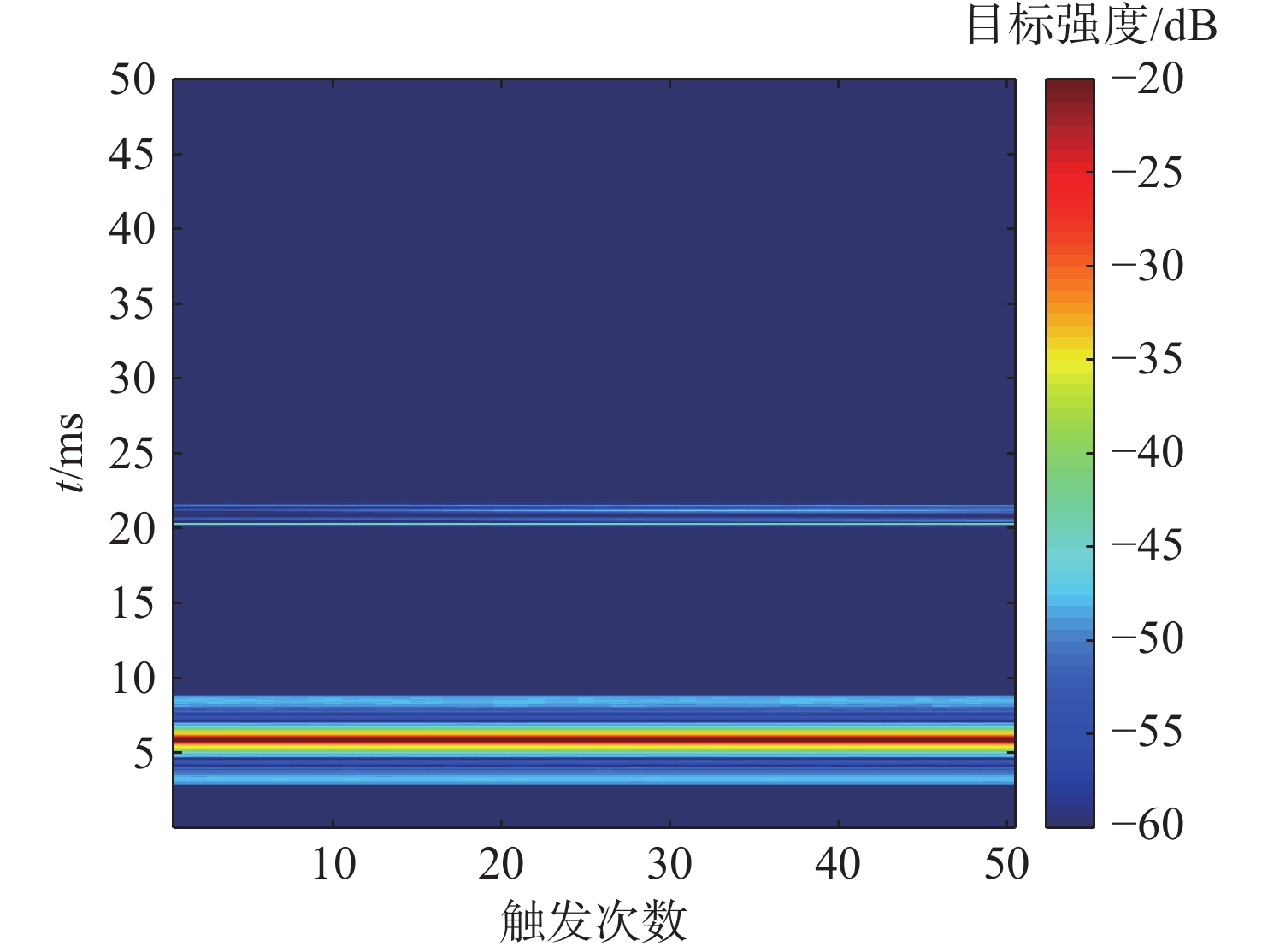
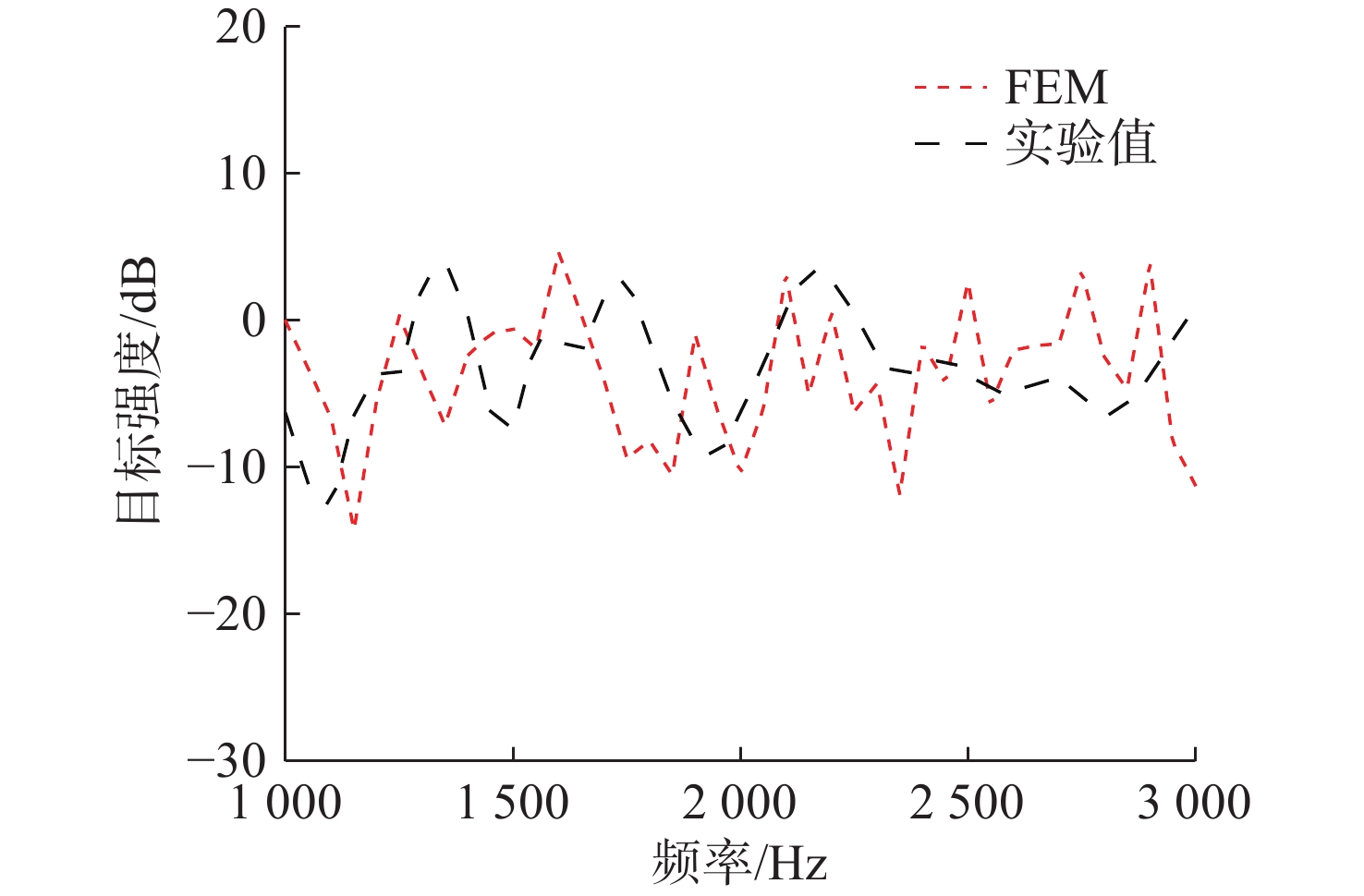
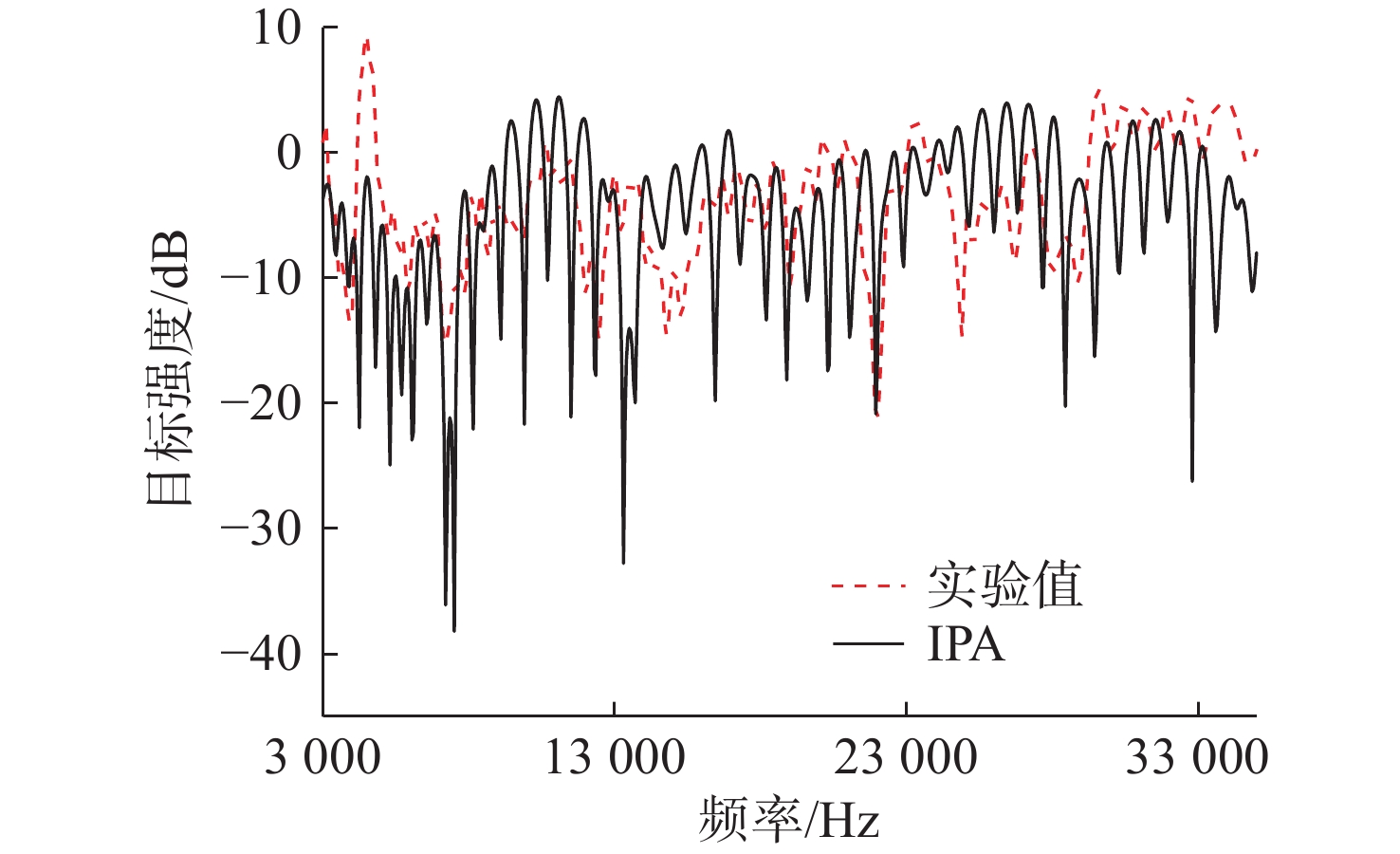
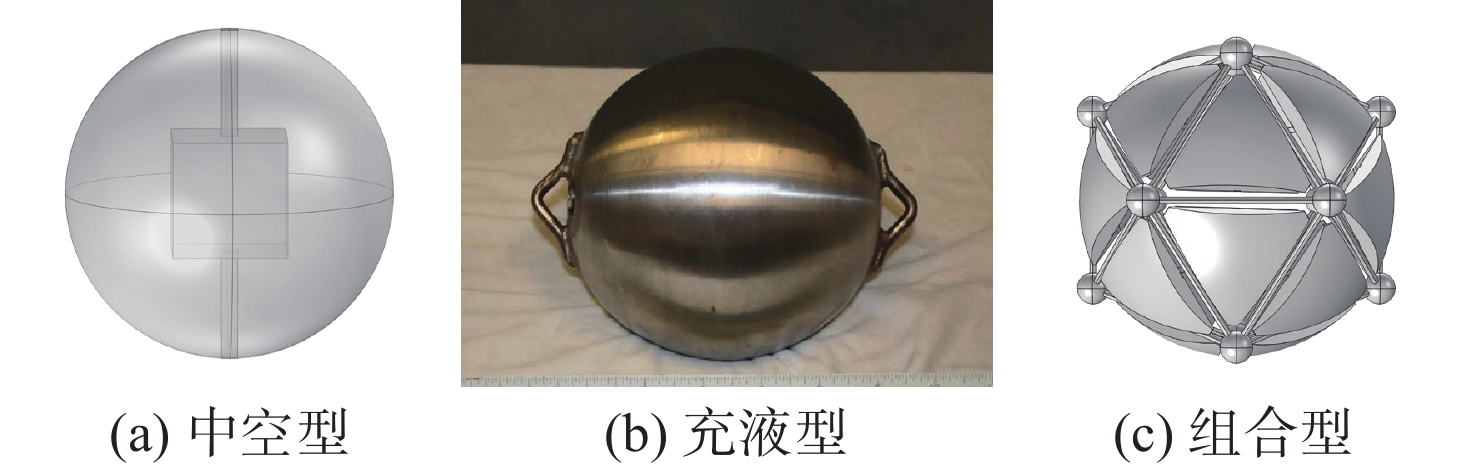
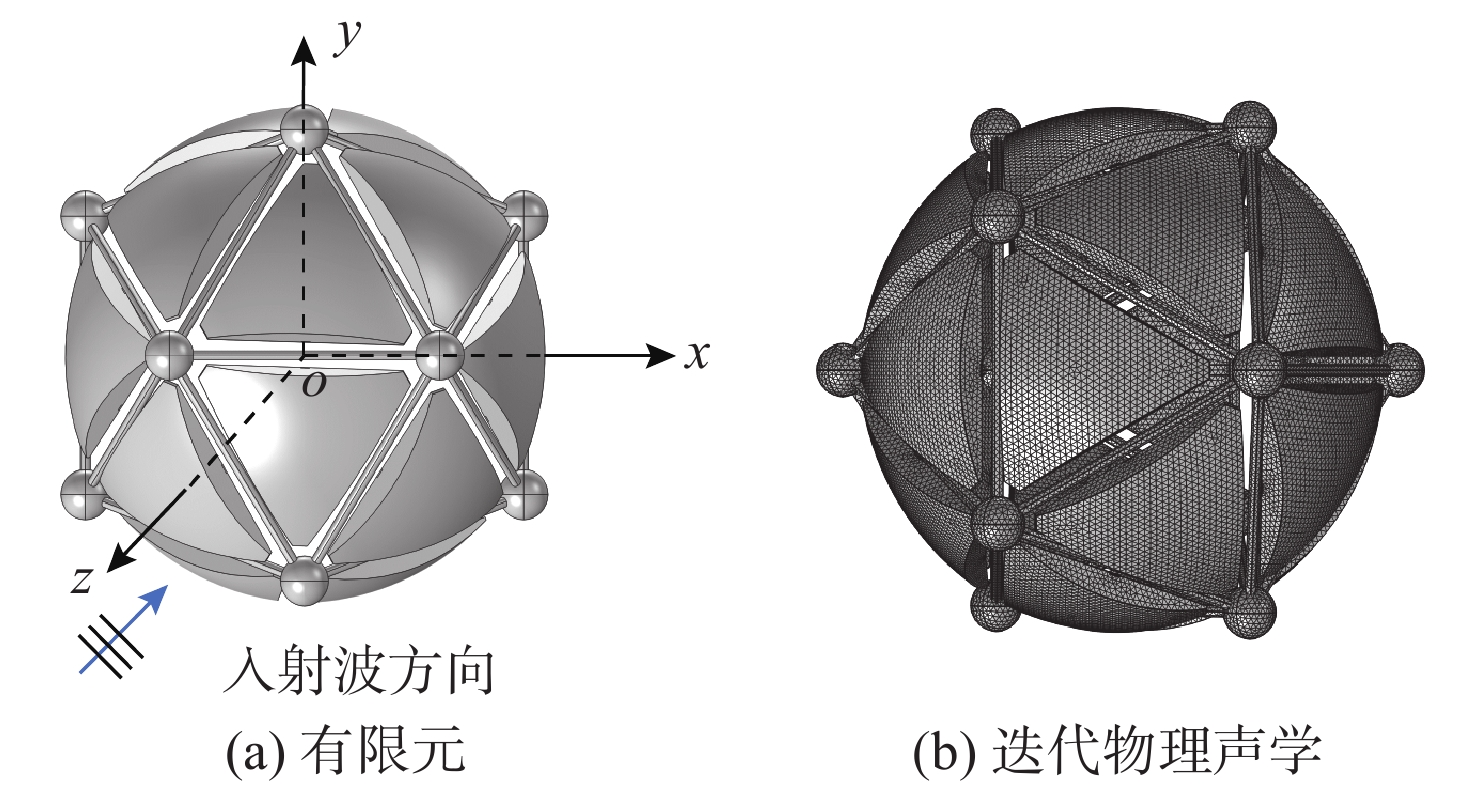
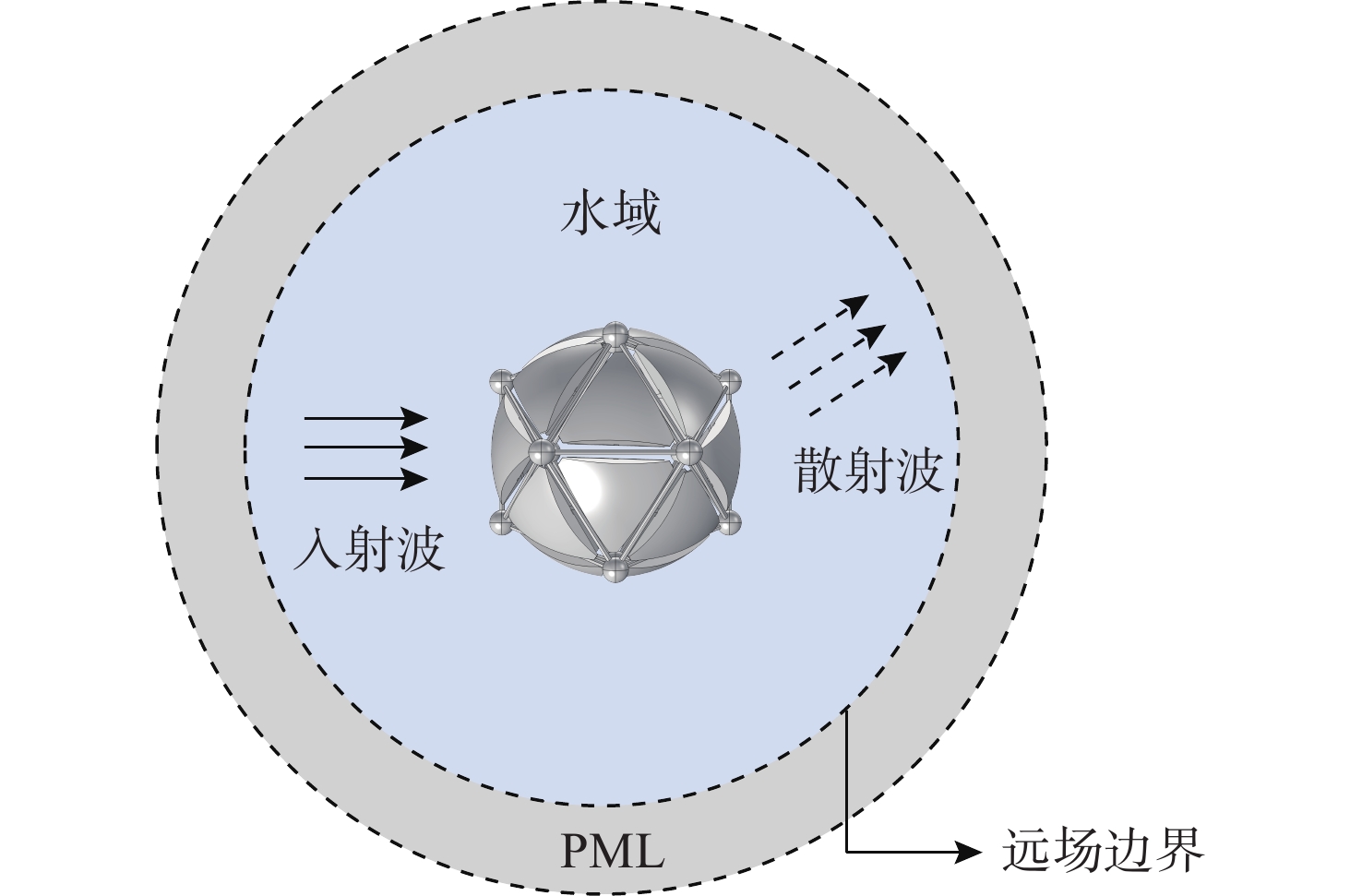
To address the difficulties in deployment and insufficient acoustic adaptability of traditional underwater acoustic standard targets, a lightweight quasi-spherical scatterer with icosahedral buoy-rod composite structure was proposed. Curved buoyant units and a rod-sphere framework formed an approximate spherical scattering interface, and a permeable design enabled buoyancy self-balance, which improved deployment feasibility while preserving spherical scattering characteristics. A frequency-segmented numerical model for acoustic scattering was established for calculation. The fluid-structure coupled finite element method(FEM) was adopted for low-frequency analysis, while the iterative physical acoustics(IPA) was employed at medium and high frequencies. The variations in acoustic scattering strength with acoustic frequency and incident direction were numerically analyzed, and the formation mechanism of path-difference interference was clarified. Experimental measurements were further carried out to validate the proposed modeling method and the corresponding conclusions. The results show that the average target strength of the proposed quasi-spherical scatterer is approximately 3.87 dB higher than that of a rigid sphere with the same radius. Meanwhile, the structure exhibits coherent interference characteristics caused by multiple scattering components. Therefore, it can serve as an underwater acoustic calibration target and provide a useful reference for experimental calibration, acoustic scattering analysis, and testing of unmanned underwater systems.
High-Resolution Imaging Method for Time-Diversity MIMO Sonar in Extremely Shallow Water Environments
ZHAI QingYue, LIU Xionghou, YANG Yixin
2026, 34(3): 489-499. doi: 10.11993/j.issn.2096-3920.2026-0072
Abstract:
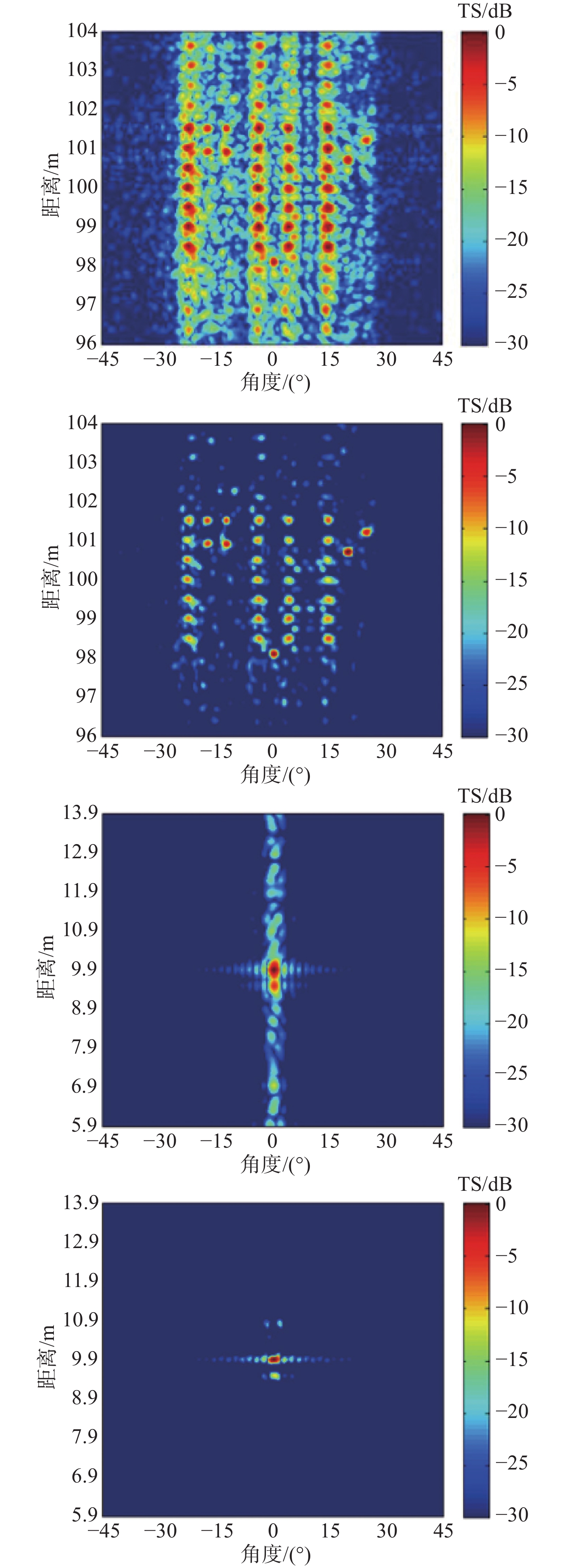
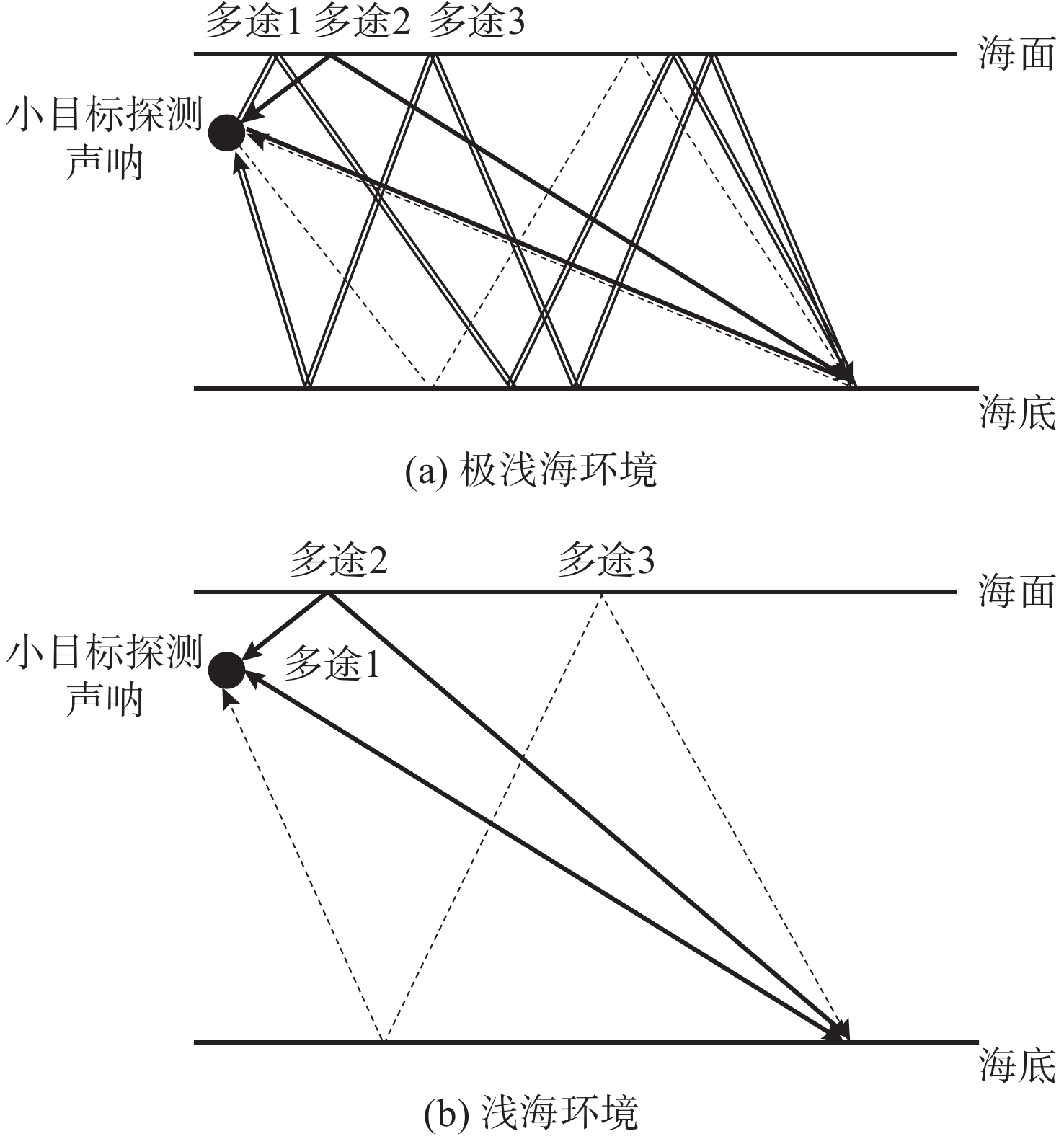
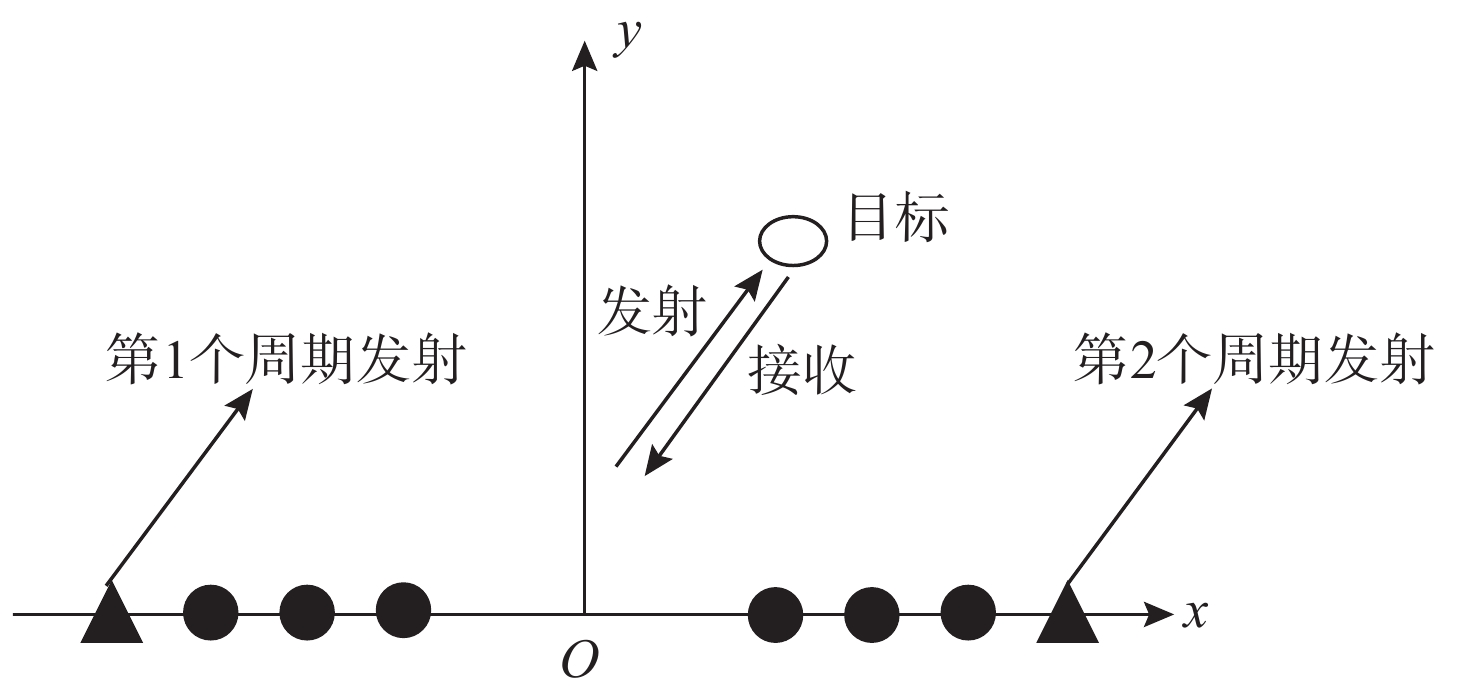
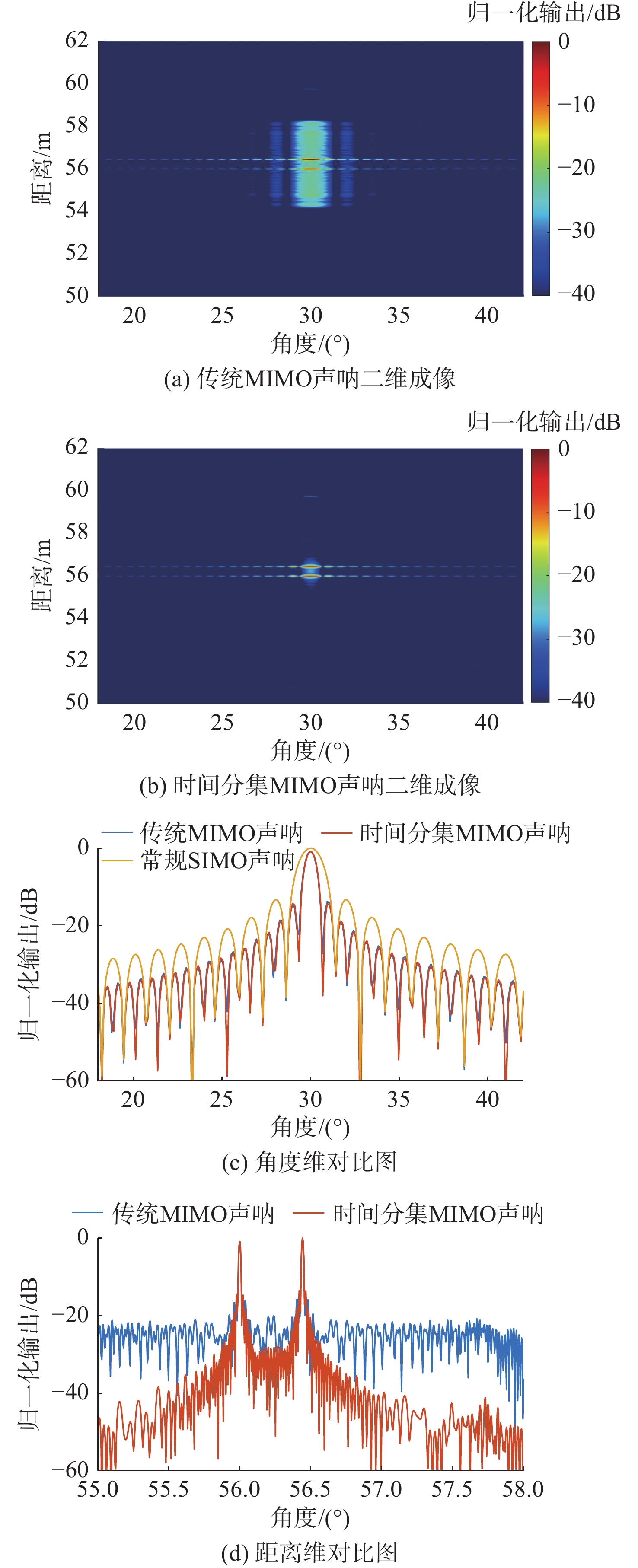
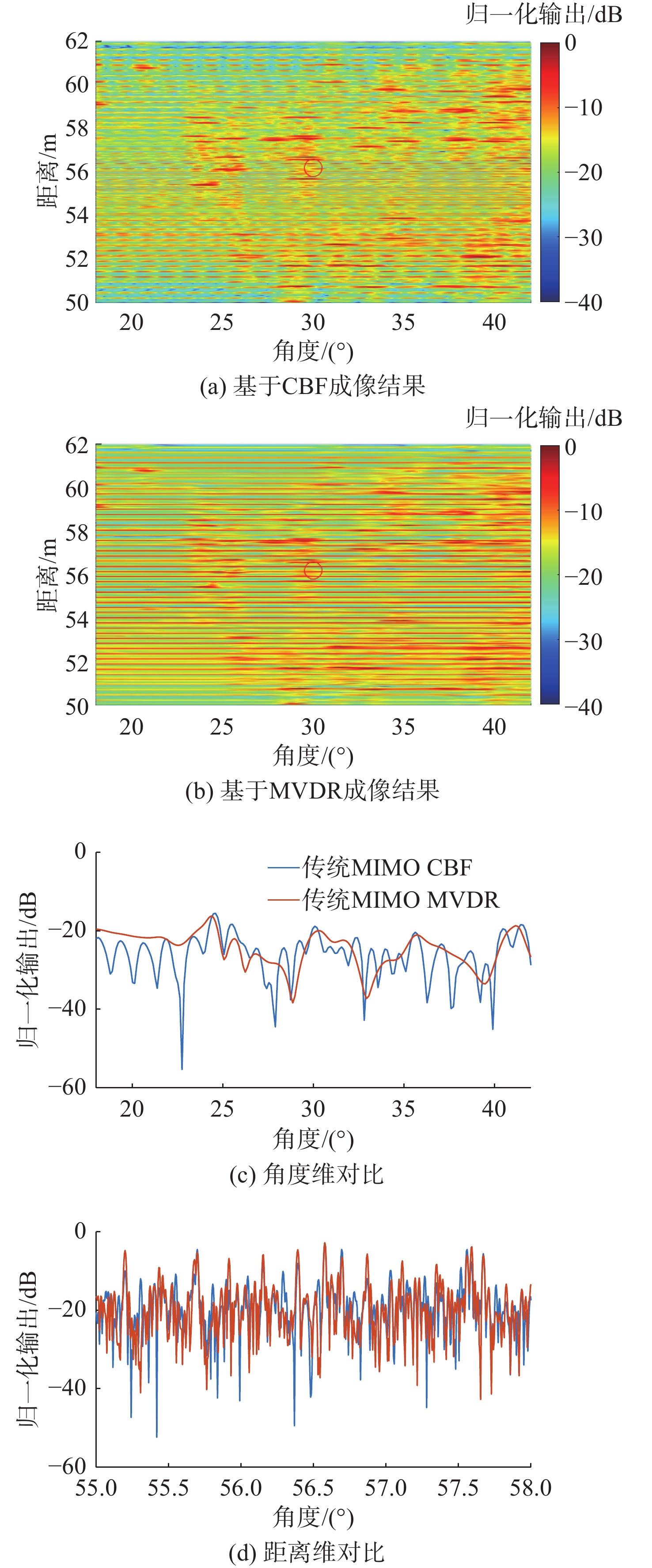
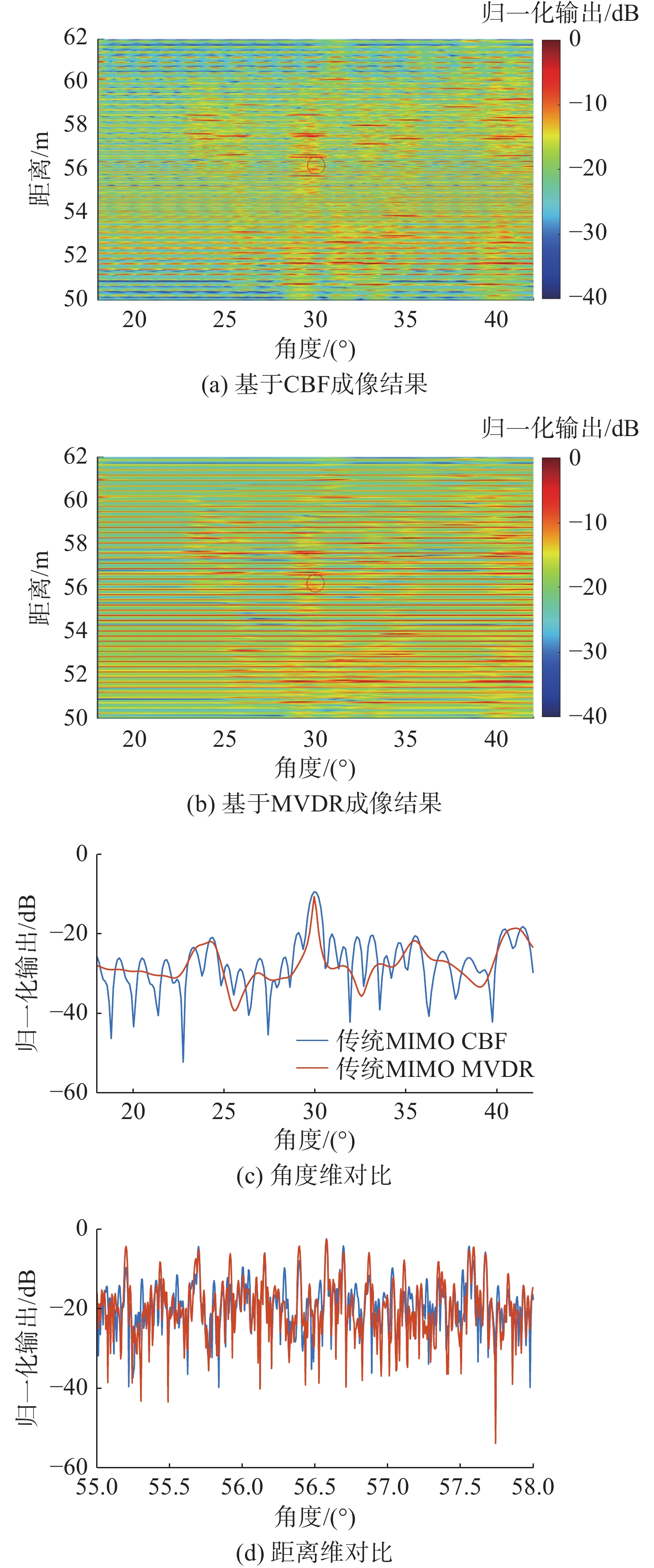
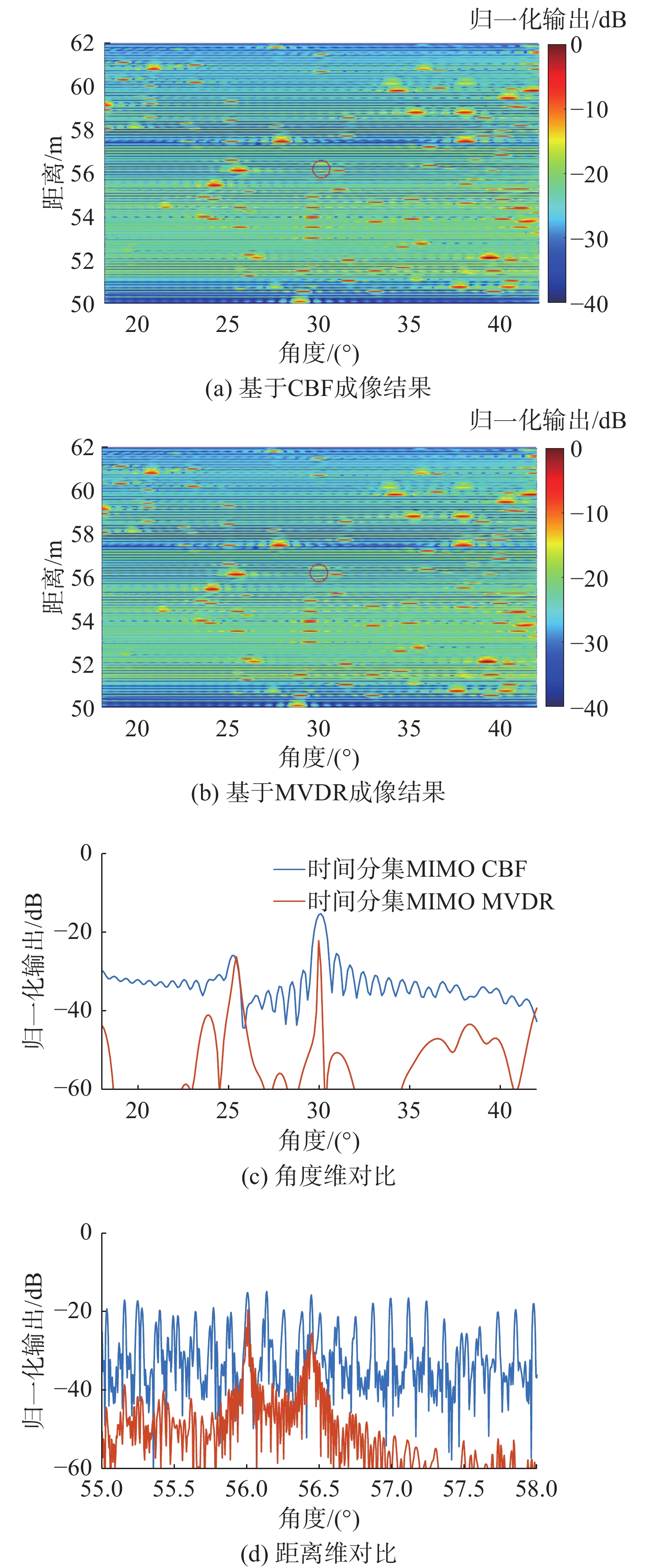
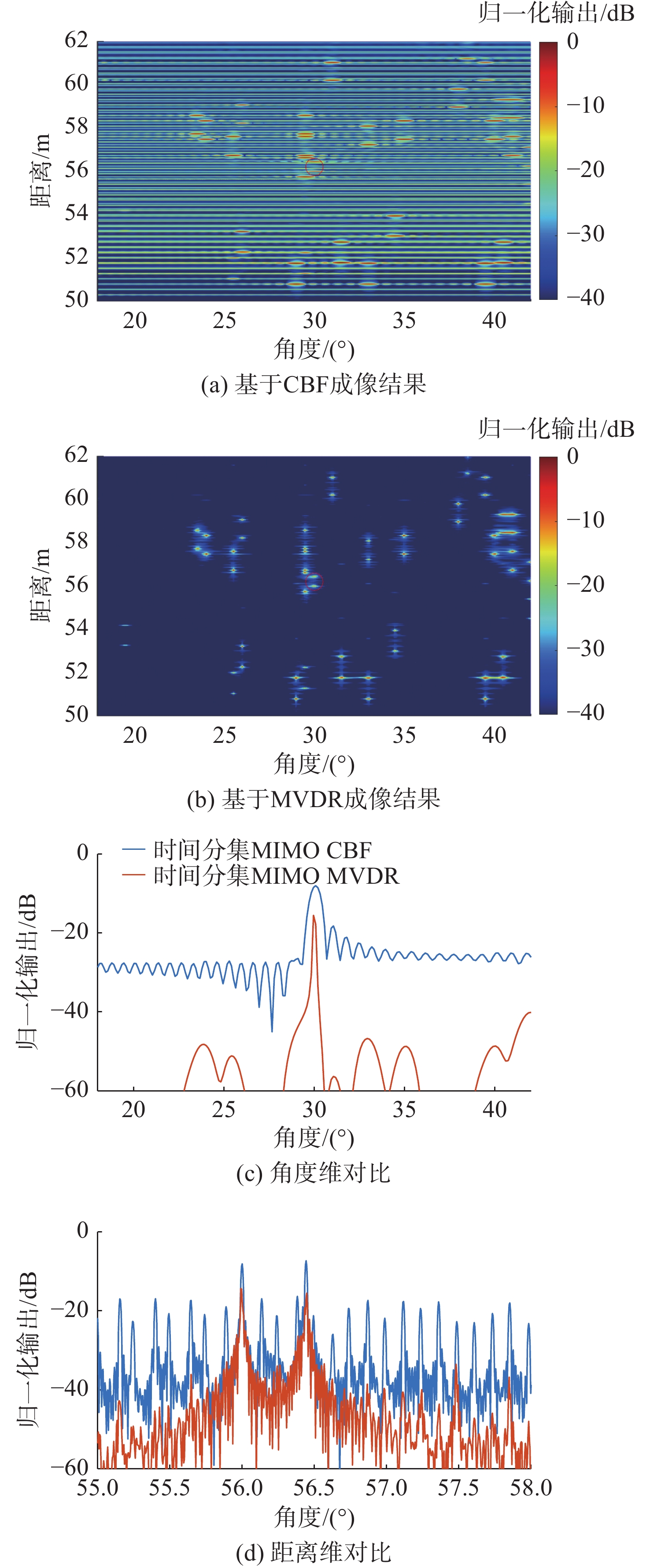
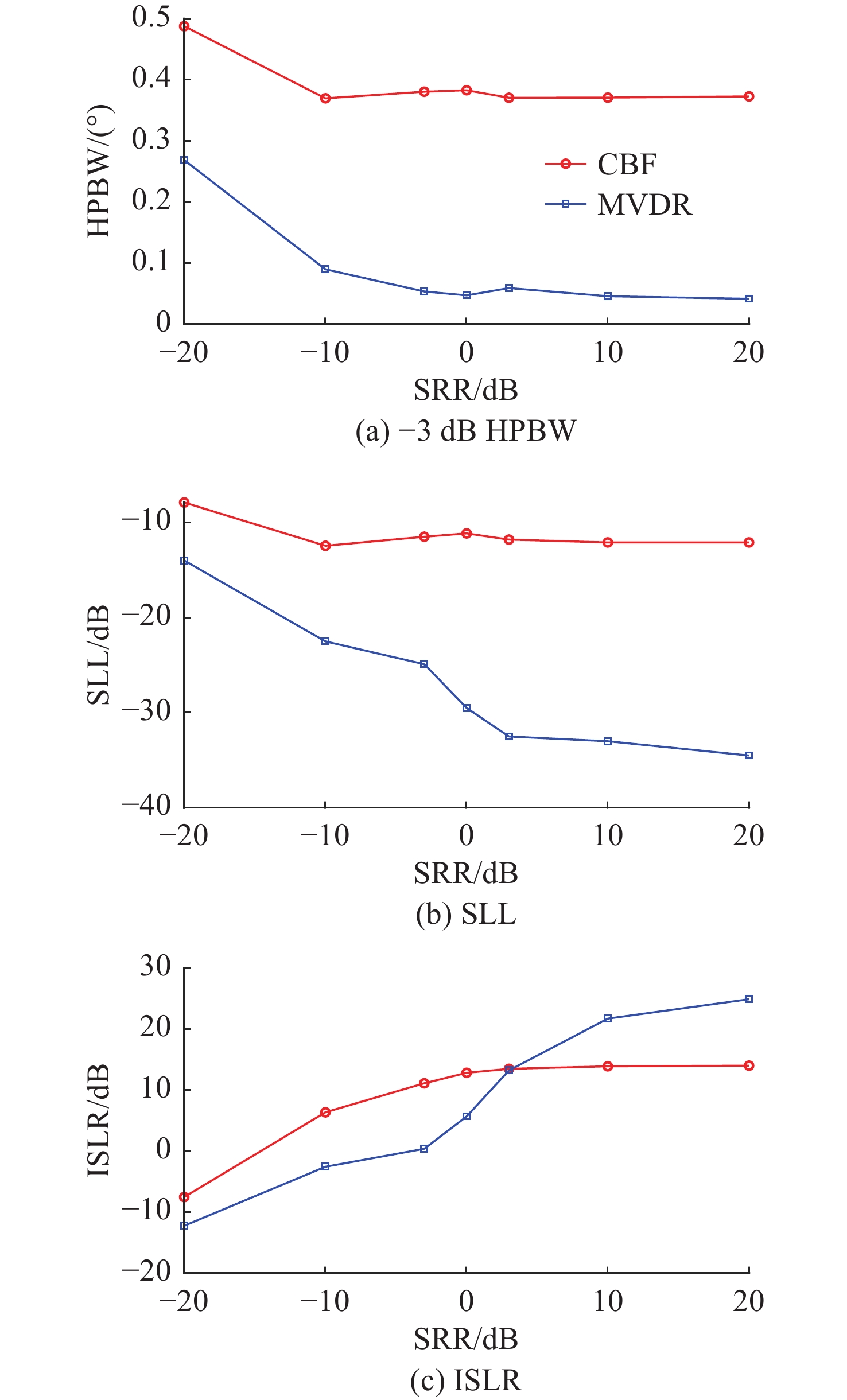
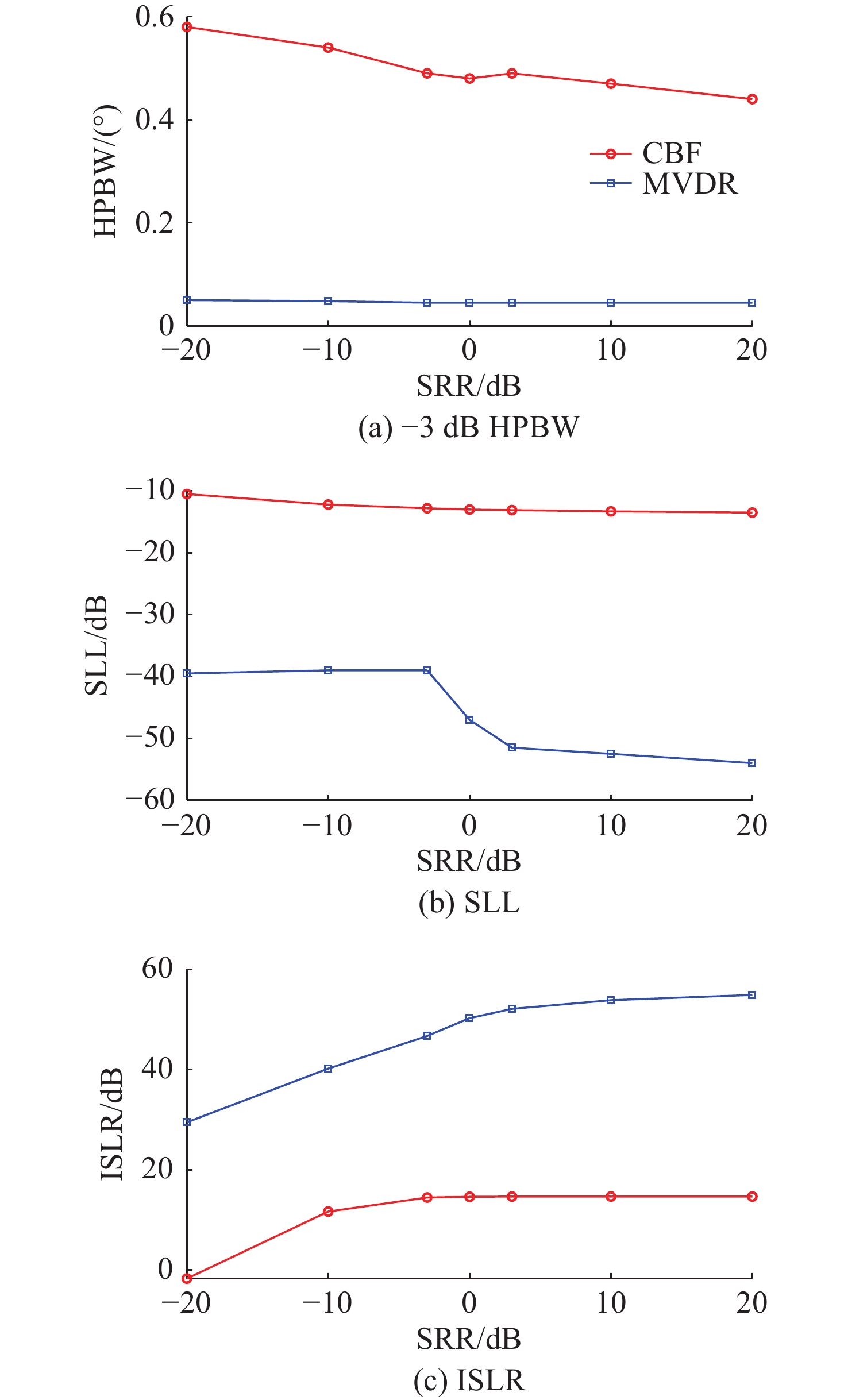
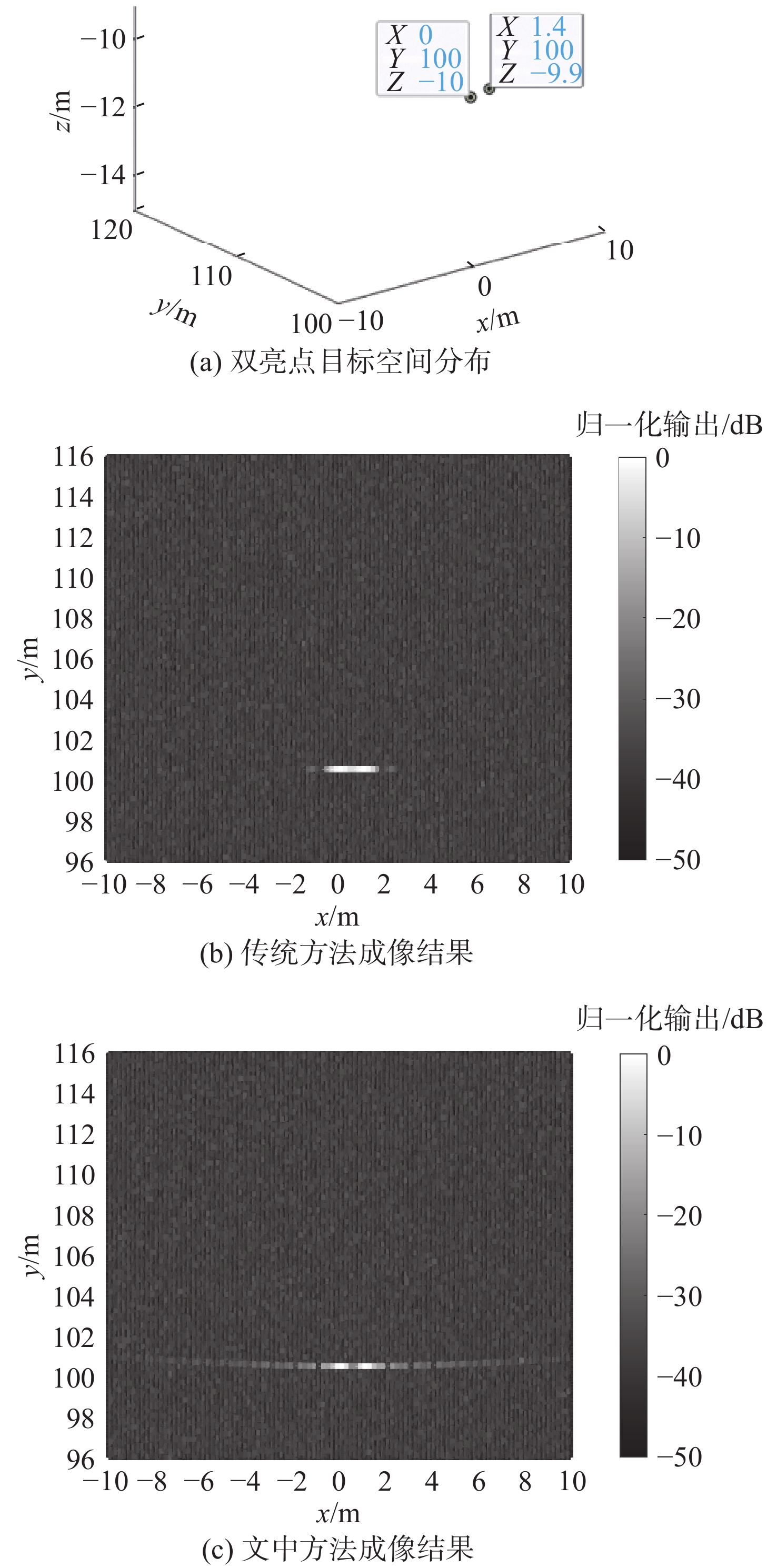
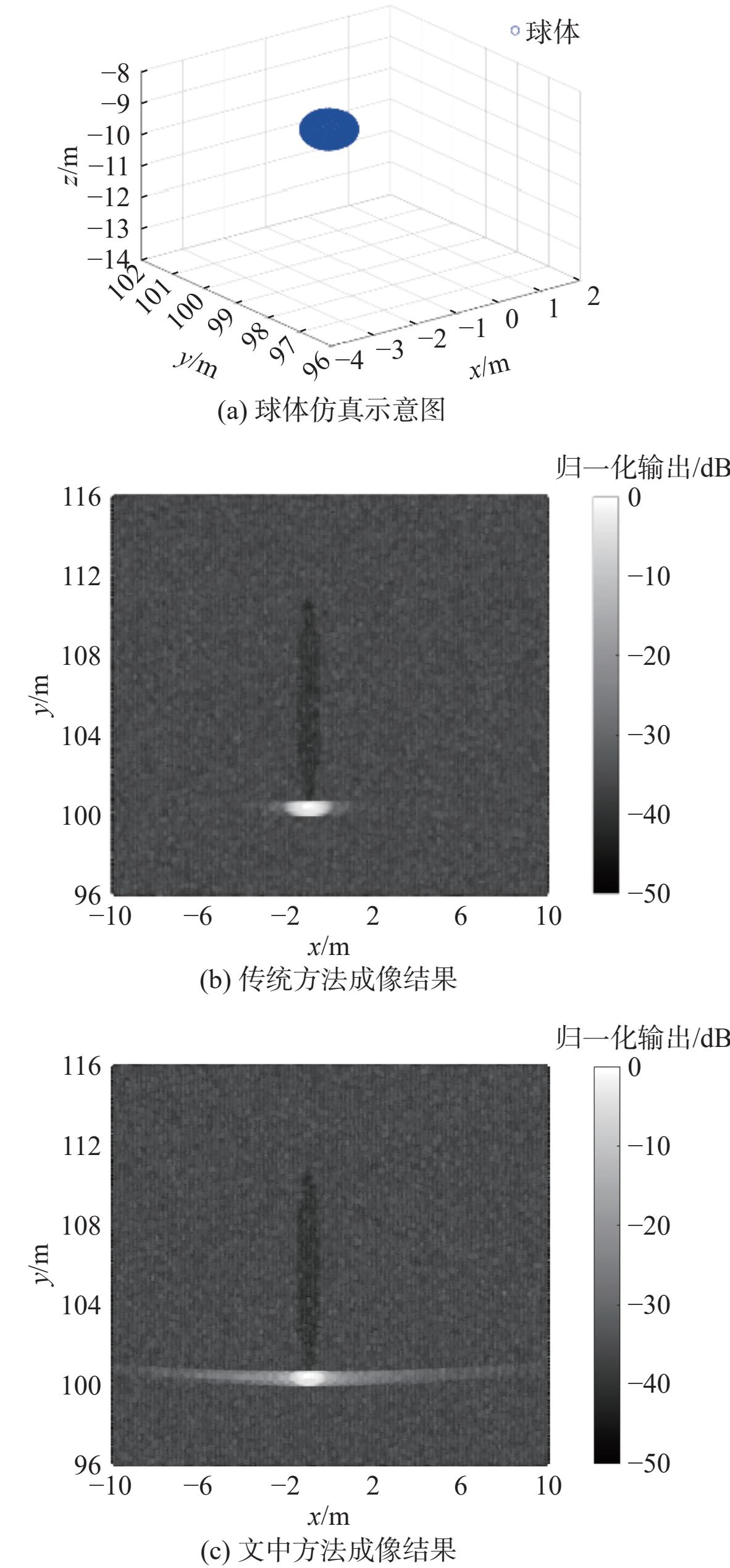
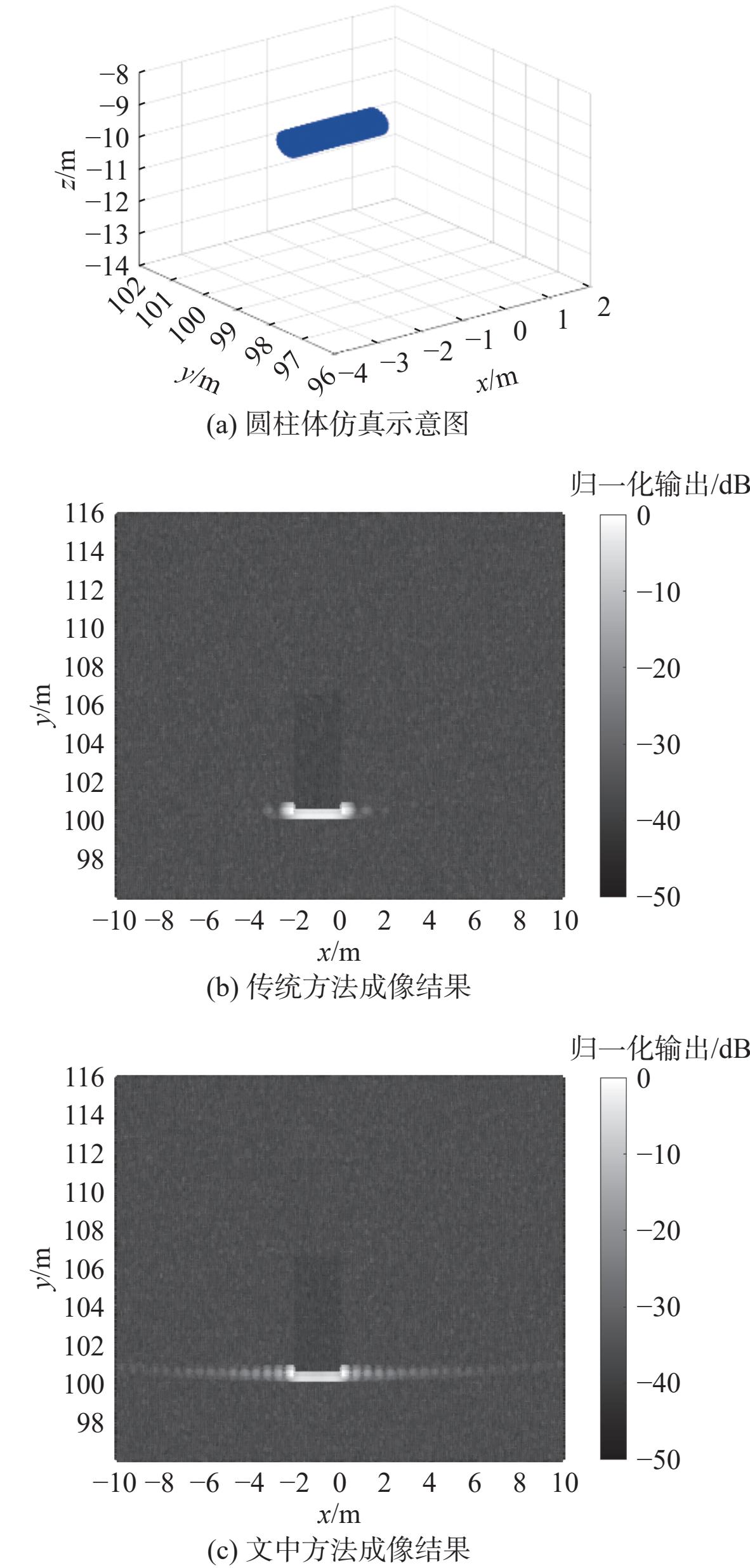
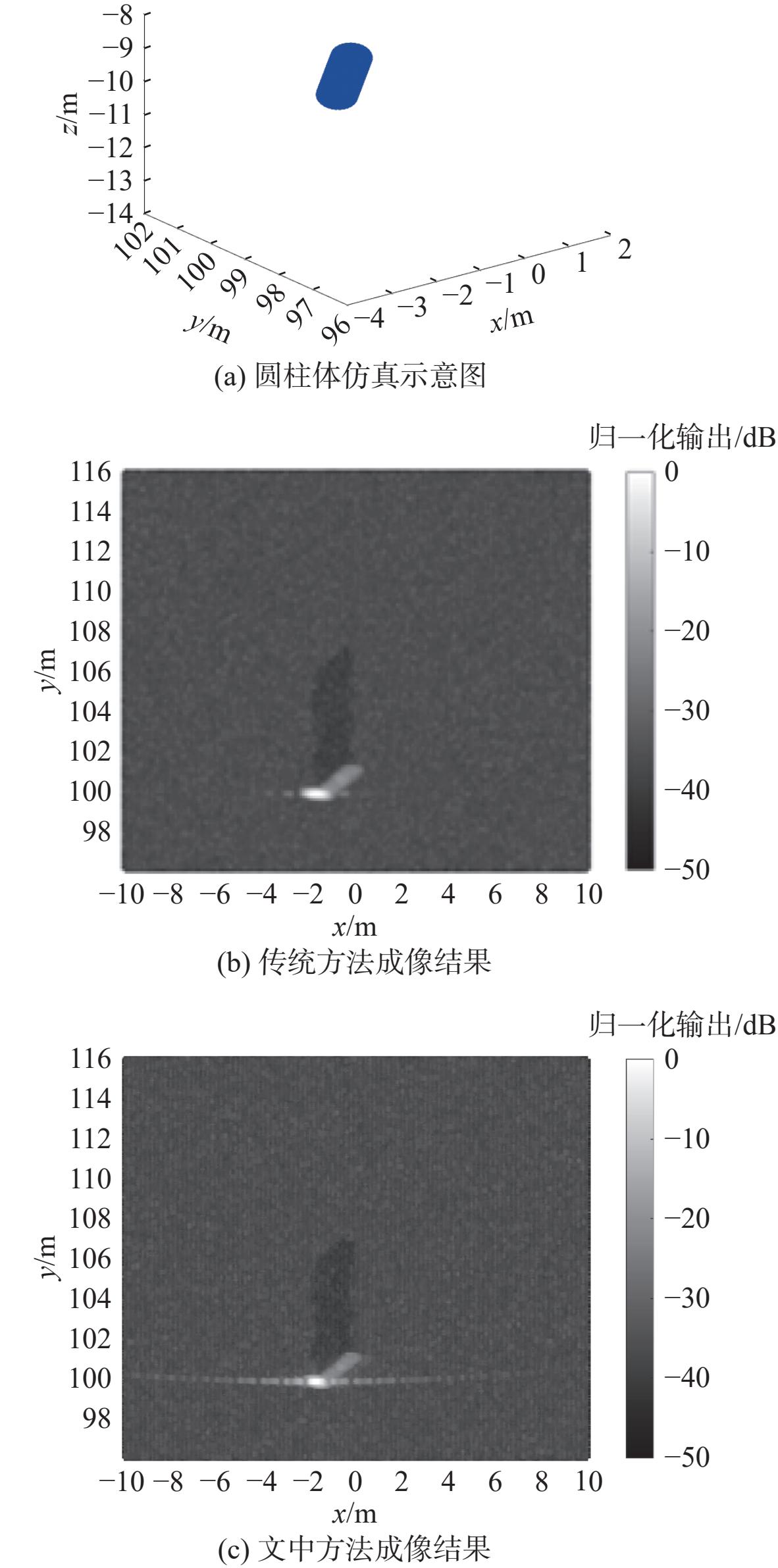
In extremely shallow water environments with strong reverberation, traditional multiple-input multiple-output (MIMO) sonar is affected by cross-correlation interference from synchronous orthogonal waveforms. The high range sidelobes significantly raise the reverberation background, leading to severe performance degradation of adaptive beamforming algorithms. To solve this problem, this paper proposed a high-resolution imaging method for time-diversity MIMO sonar suitable for extremely shallow water environments. The method transmitted the same linear frequency modulation signals sequentially through a time-division mechanism and separated echo signals in the time domain by using pulse repetition intervals, thus eliminating cross-correlation interference. Combined with time-domain truncation and data reconstruction, an equivalent uniform virtual linear array with doubled aperture was constructed, which fully retained the high angular resolution of the MIMO system. Simulation results show that the proposed method effectively suppresses range sidelobes under a strong reverberation background with a signal-to-reverberation ratio as low as −20 dB and fully exerts the adaptive filtering capability of the minimum variance distortionless response(MVDR) algorithm. Compared with traditional orthogonal MIMO sonar, its −3 dB main lobe width, side lobe level, and integration side lobe rate are significantly optimized, providing a feasible scheme for high-resolution imaging of small targets in extremely shallow water that takes into account both virtual aperture and strong anti-interference ability.
A Correction Method for Imaging Buried Targets in Layered Medium Based on Range-Doppler Algorithm
JIANG Haosong, LI mei
2026, 34(3): 500-505. doi: 10.11993/j.issn.2096-3920.2026-0043
Abstract:
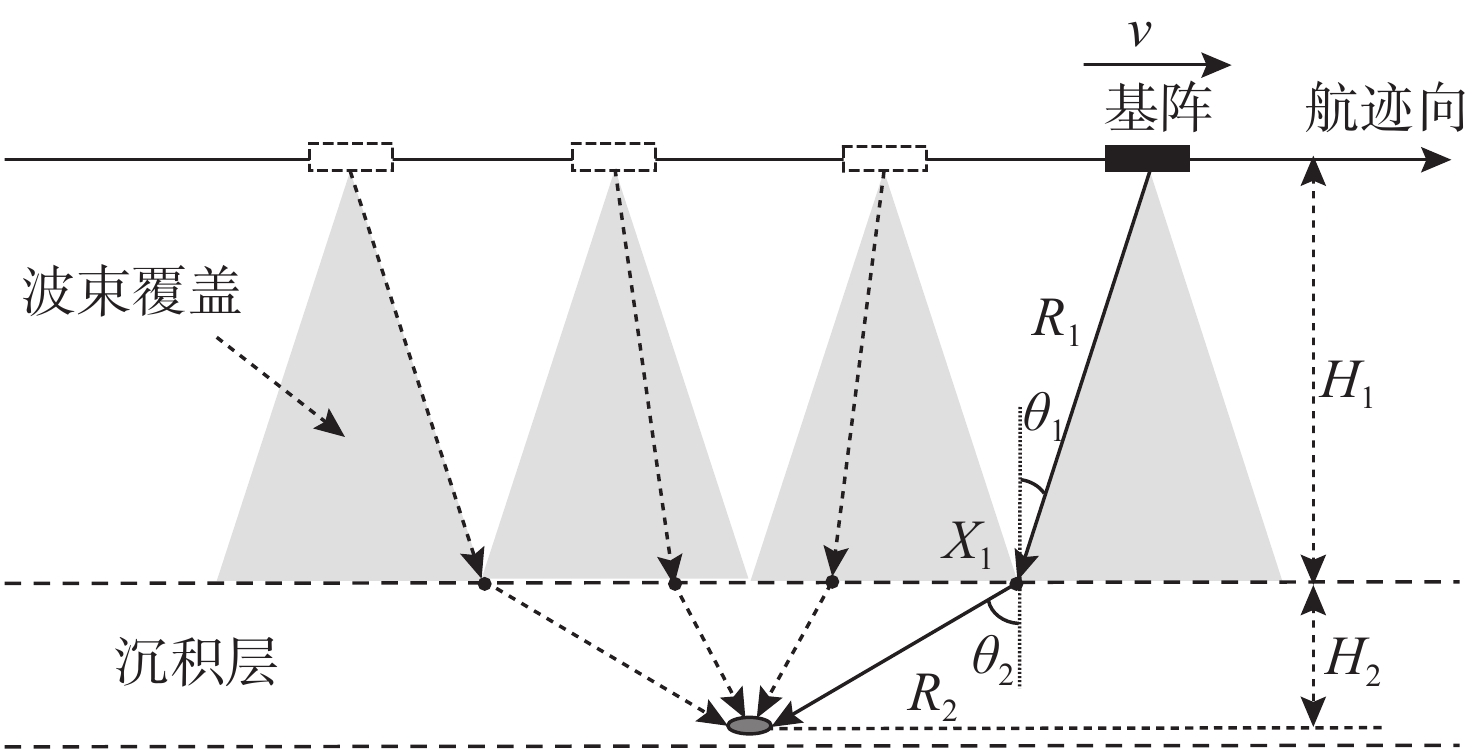
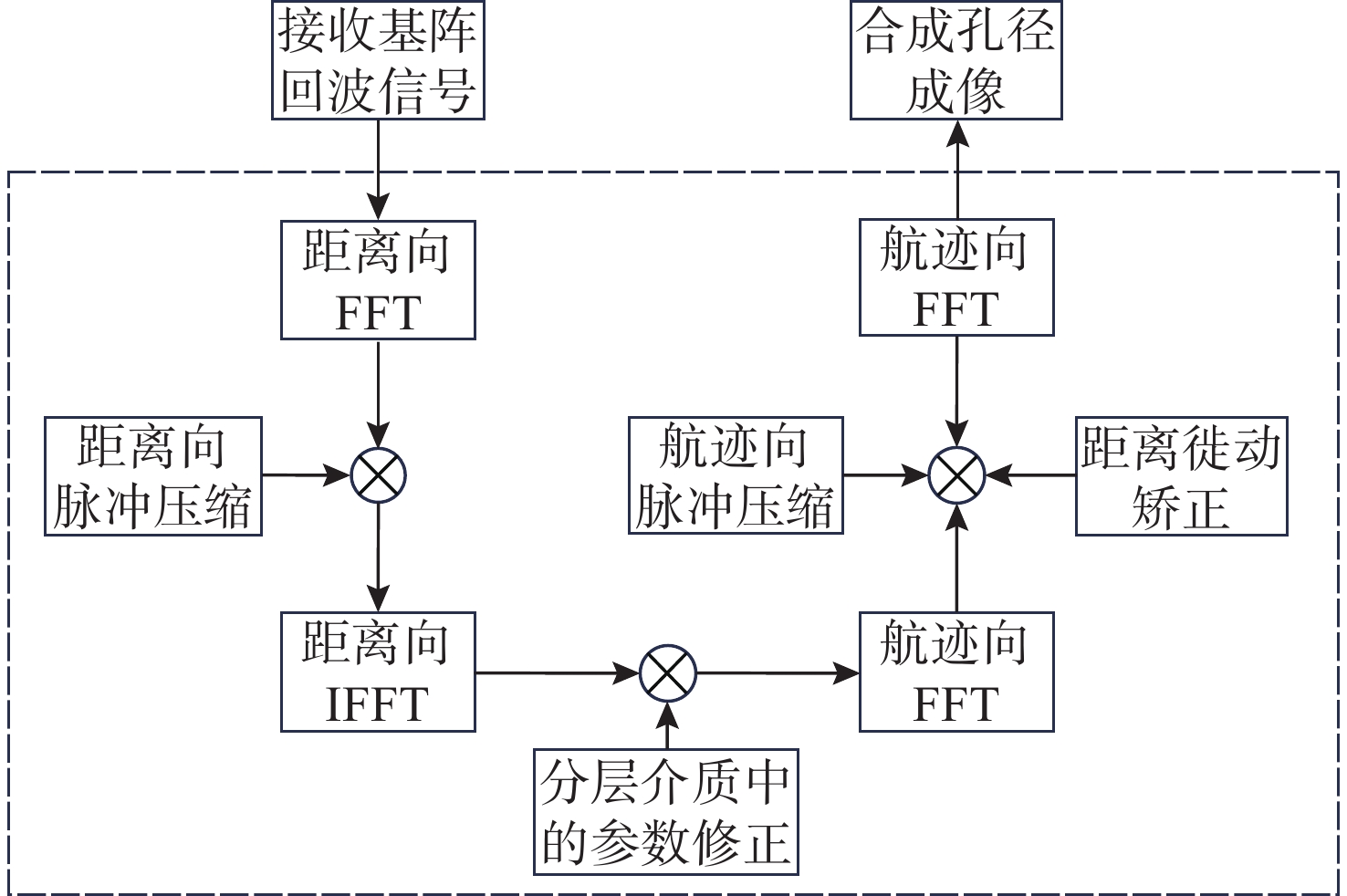
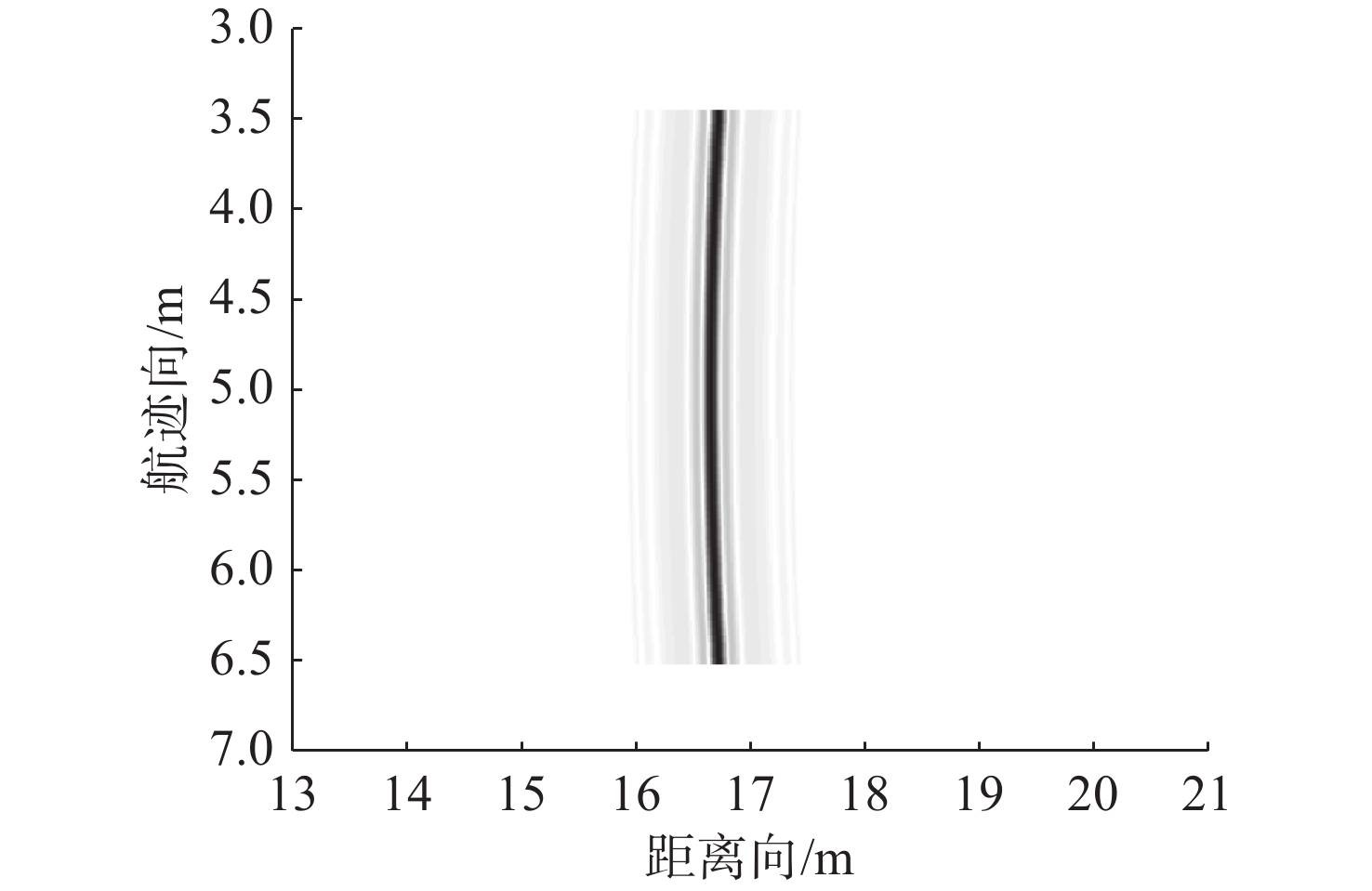
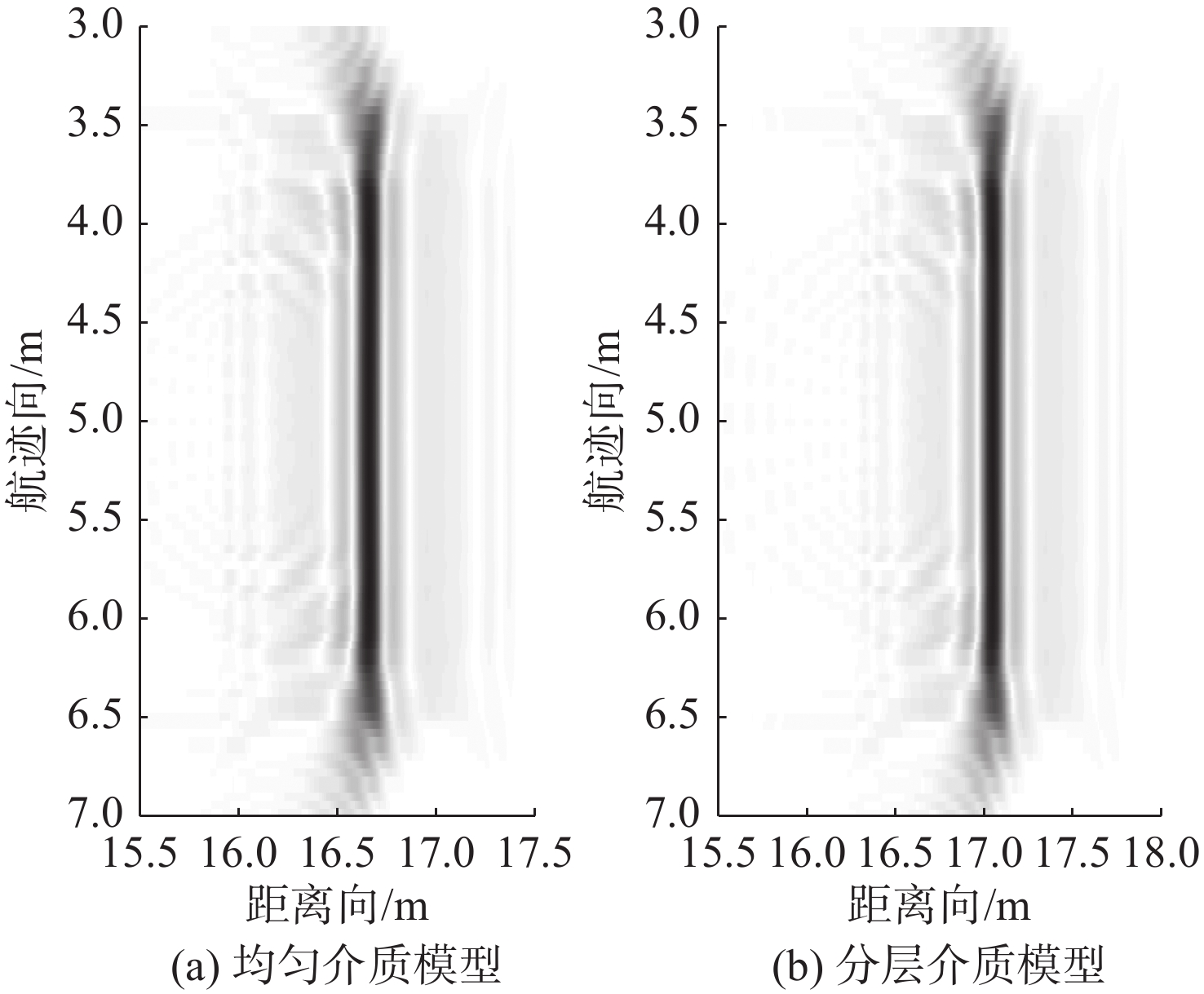
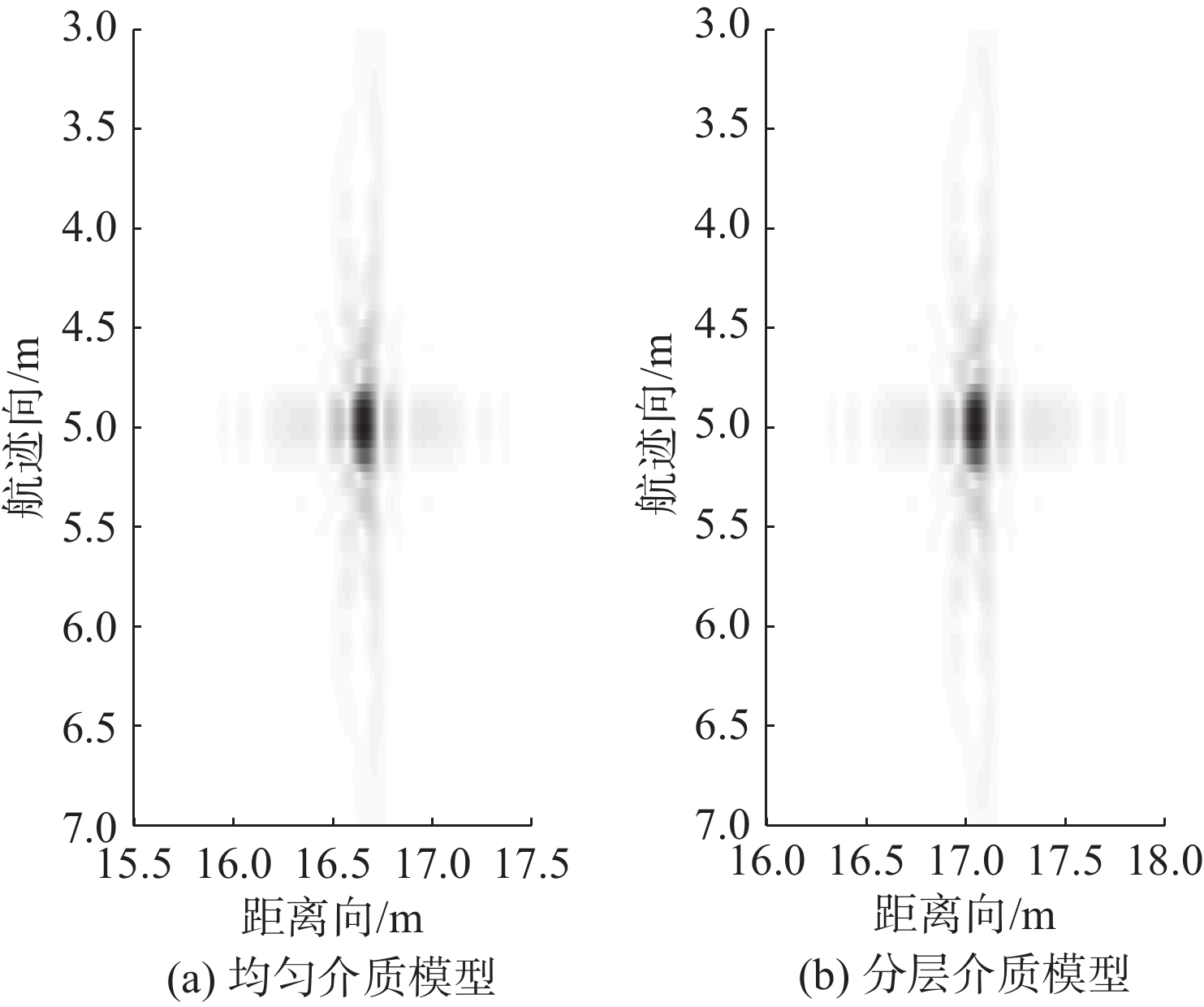
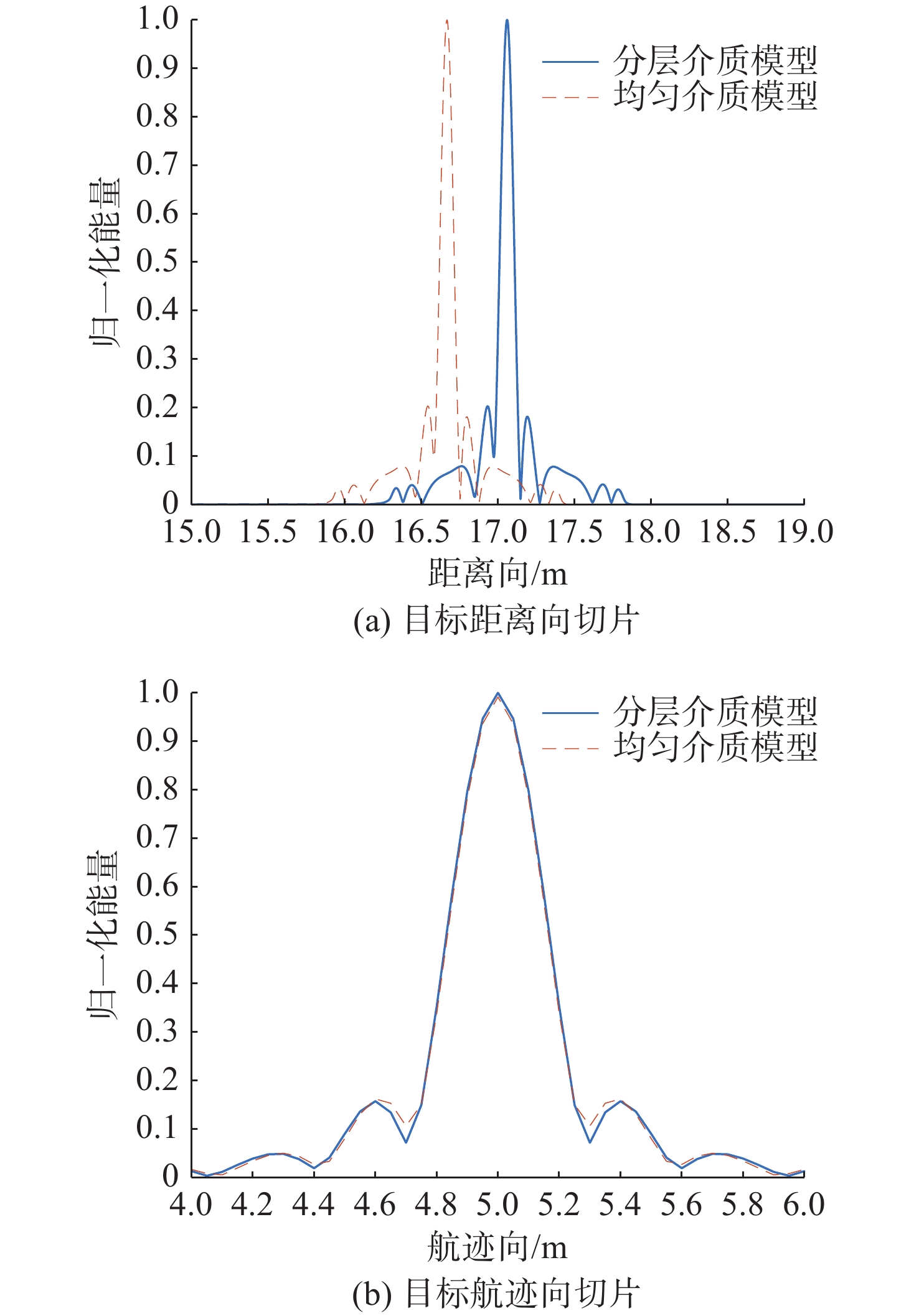
Conventional synthetic aperture imaging algorithms are generally based on the assumption of a homogeneous medium. When detecting buried targets on the seafloor, refraction occurs as acoustic waves cross the interface between seawater and seafloor sediment layers, leading to image defocusing and positioning errors. To address this issue, this paper proposed a parameter correction algorithm suitable for layered medium imaging. First, a seawater-sediment layer refraction propagation model was constructed, and based on Snell’s law, an expression for the two-way propagation delay of acoustic waves was derived, along with a joint estimation method for sediment layer sound speed and burial depth of the target. Second, this layered model was embedded into the range-Doppler(R-D) algorithm, and the analytical expressions for Doppler frequency modulation and range migration correction were rederived and corrected. Finally, numerical simulations compared the imaging results before and after algorithm correction at different burial depths. The results indicate that the corrected algorithm can effectively rectify range positioning deviations caused by refraction and improve azimuth focusing performance, thereby validating the effectiveness of the proposed correction algorithm.
A Small-Sized Low-Cost and High-Resolution Two-Dimensional Side-Scan Sonar Imaging Method Using Sparse Transmitting-Receiving Arrays
ZHAO Wanchun, LIU Xionghou, YANG Yixin
2026, 34(3): 506-515. doi: 10.11993/j.issn.2096-3920.2026-0060
Abstract:
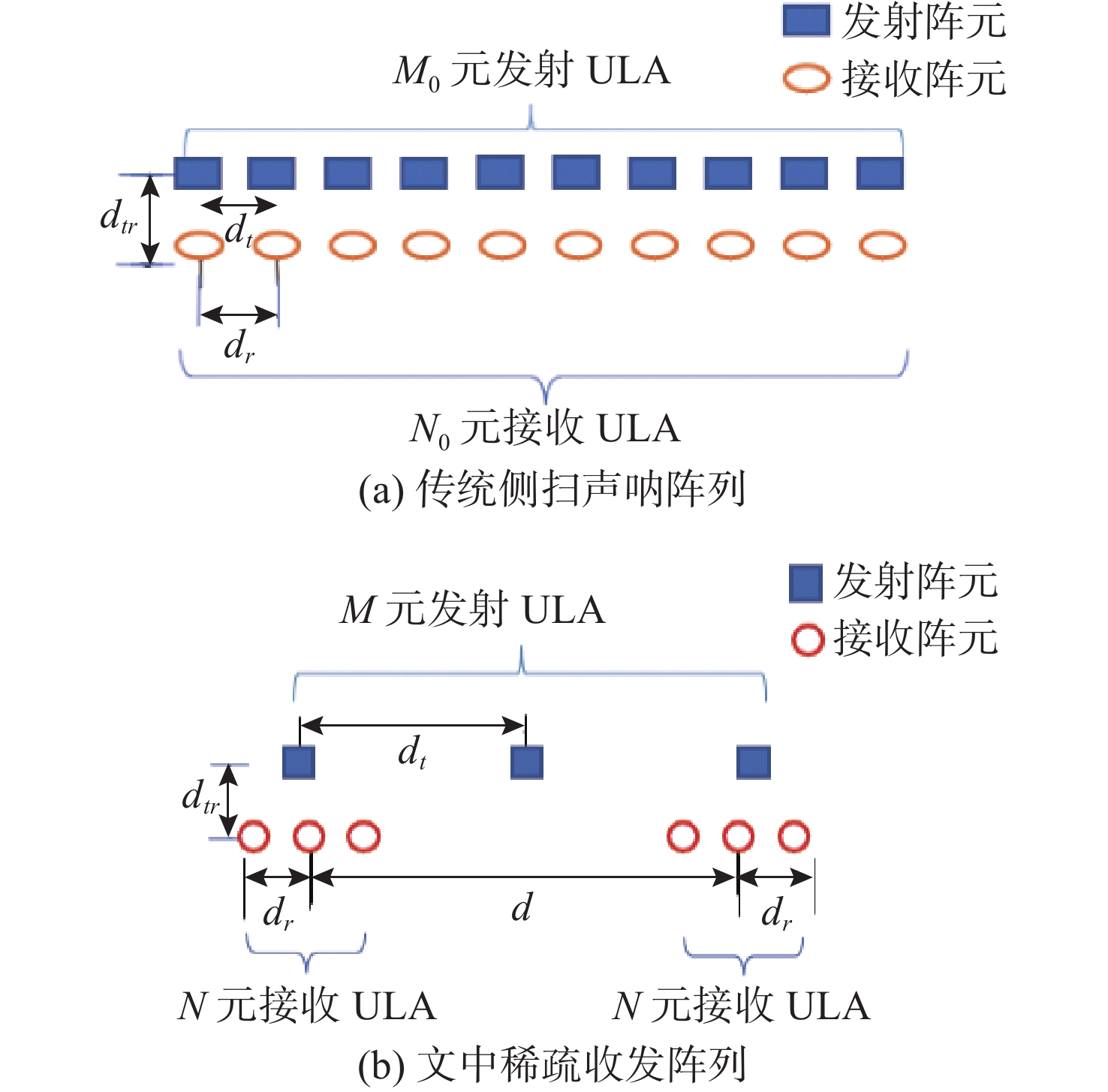
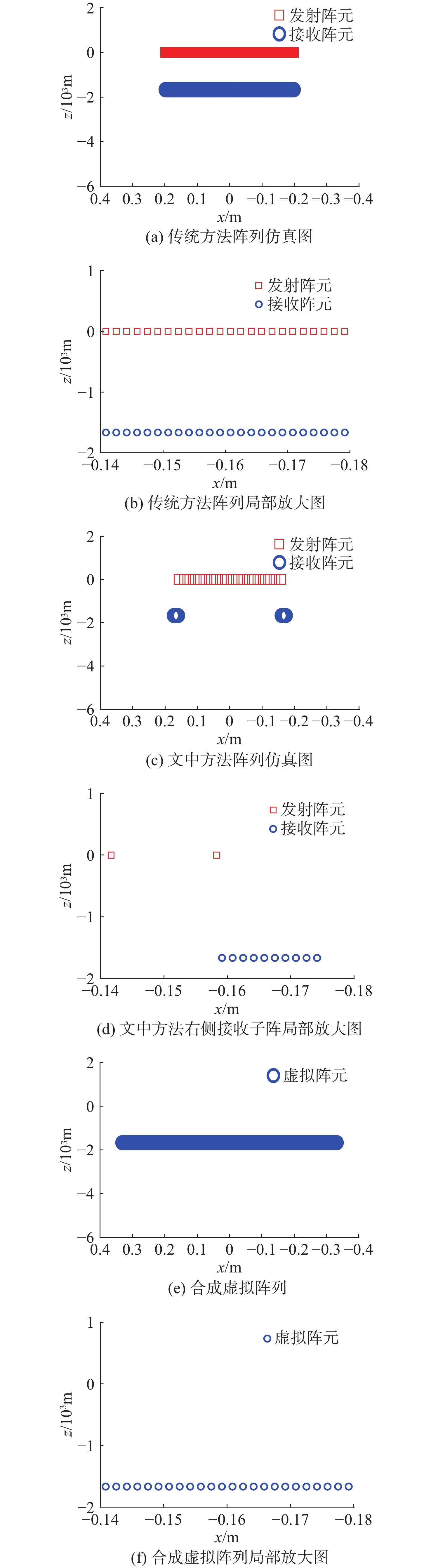
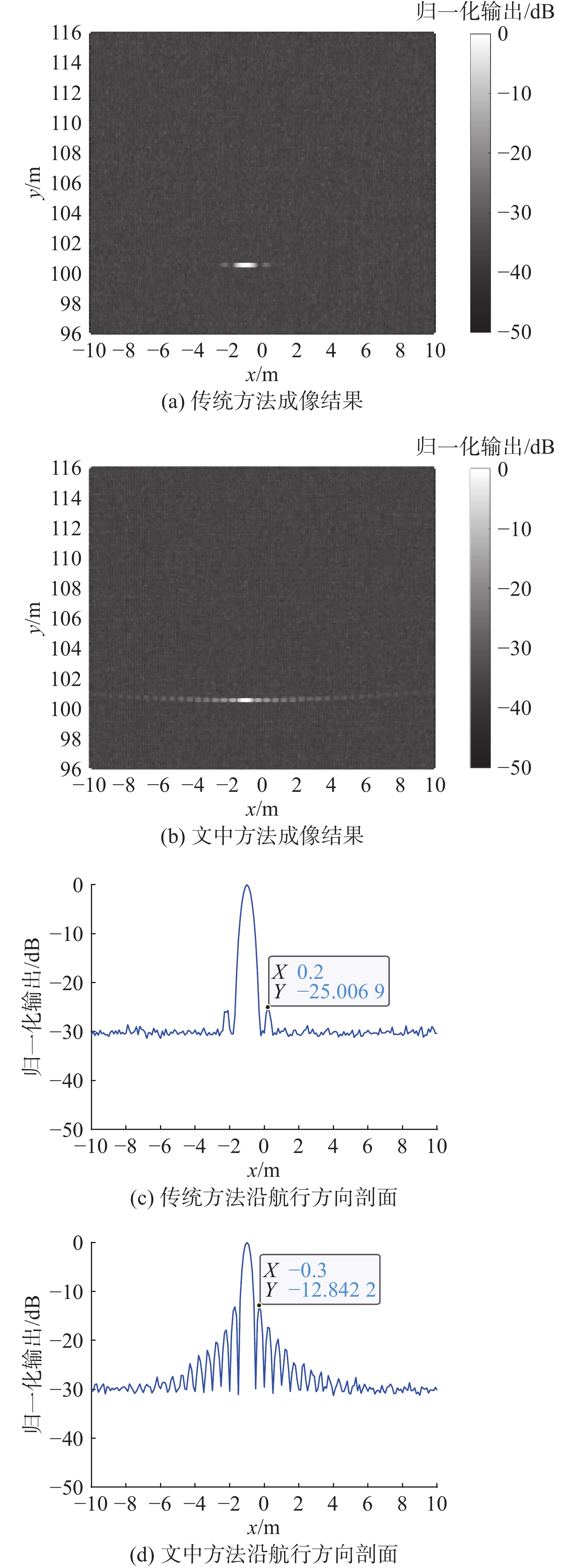
To overcome the problems of excessively large array aperture and high element cost when improving angular resolution in existing two-dimensional side-scan sonar imaging methods, this paper proposed a small-size, low-cost, and high-resolution two-dimensional side-scan sonar imaging method. The proposed method used a uniformly spaced linear array with large inter-element spacing as a sparse transmitting array and multiple uniformly spaced linear arrays with full sampling as subarrays to form a sparse receiving array. By utilizing the product theorem, a horizontally fully-sampled large-aperture virtual array was formed. The number of elements in this virtual array equaled the product of the number of transmitting elements, the number of receiving subarrays, and the number of elements per subarray, while the aperture was the sum of the transmitting array aperture and the receiving array aperture. Therefore, a large-aperture equivalent array was achieved with smaller size and fewer elements. Based on the designed array configuration, the proposed method adopted the same waveform and normal-direction single-beam side-scan imaging mode as traditional two-dimensional side-scan sonar imaging methods. Numerical simulations demonstrate that compared with the traditional method(240 transmitting elements/240 receiving elements, center frequency of 450 kHz), the proposed method reduces the array size from 0.40 m to 0.33 m, decreases the total number of elements from 480 to 40, narrows the horizontal −3 dB beamwidth from 0.41° to 0.25°, and improves the angular resolution by approximately 40%. The proposed method achieves higher imaging resolution with a smaller array size and fewer elements.
A Motion Compensation Method for Circular Synthetic Aperture Sonar Based on Multi-Sensor
HUANG Tianfeng, YE Tianming, DU Xuanmin, YANG Tianlin
2026, 34(3): 516-523. doi: 10.11993/j.issn.2096-3920.2026-0063
Abstract:
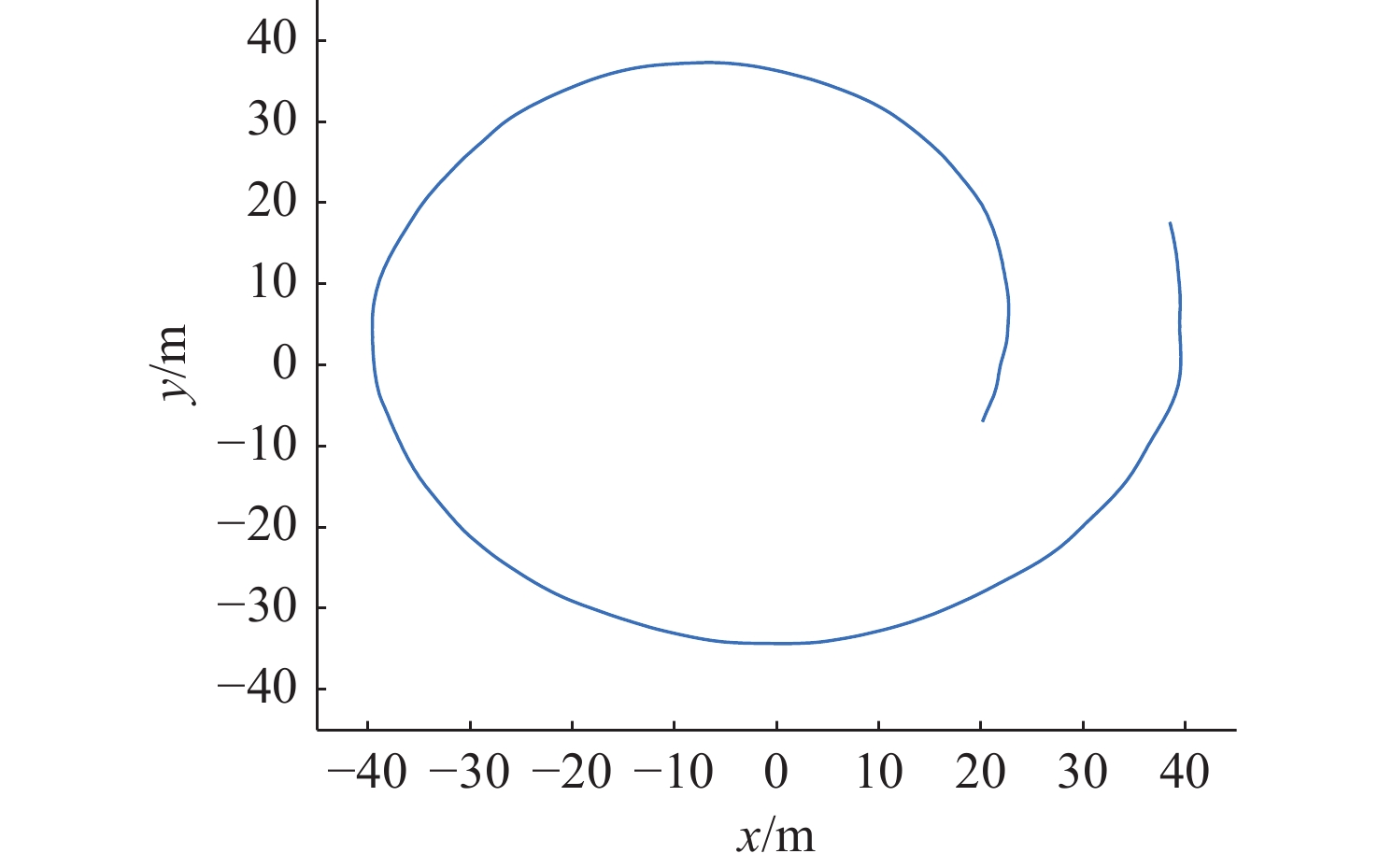
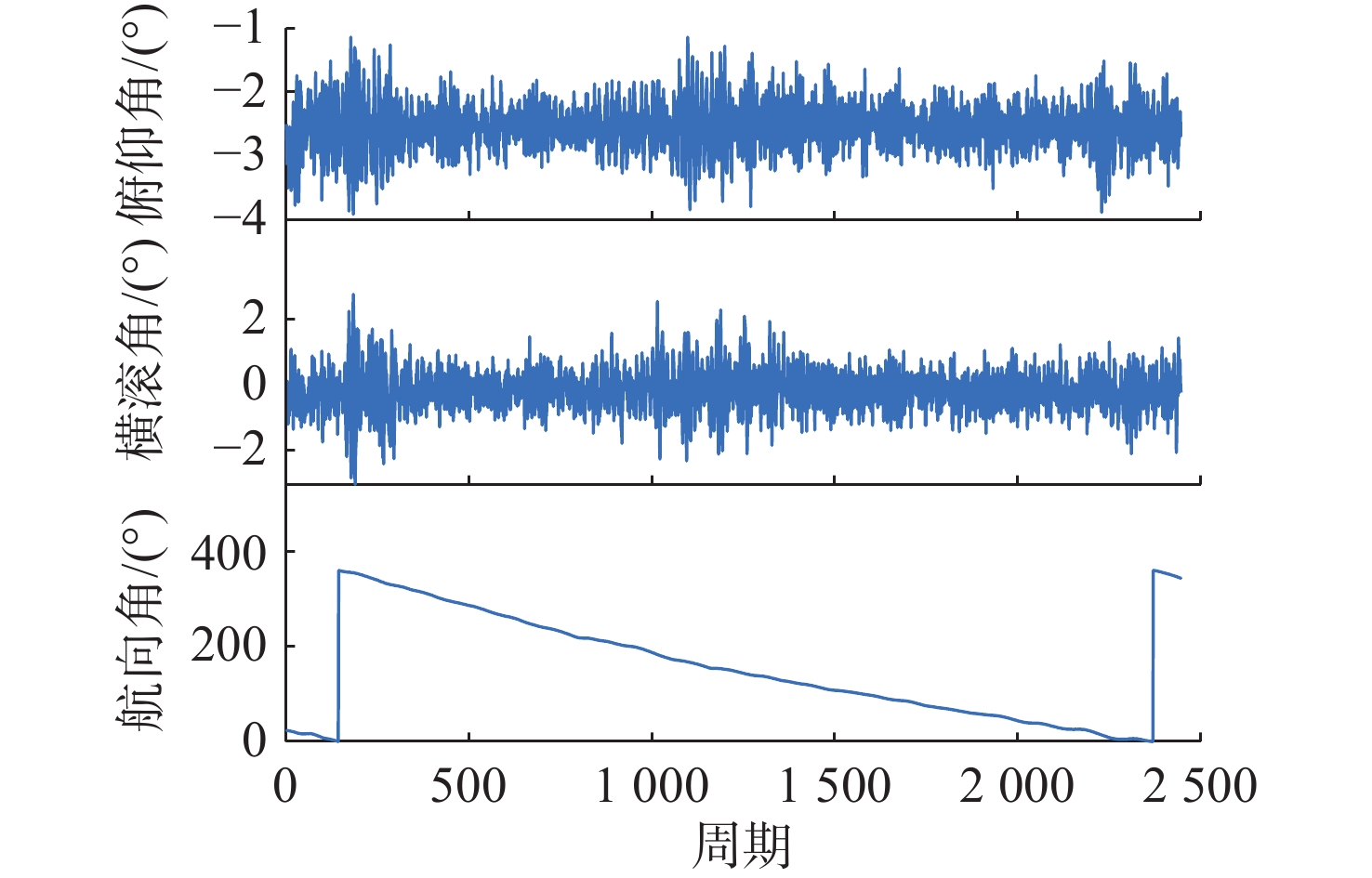
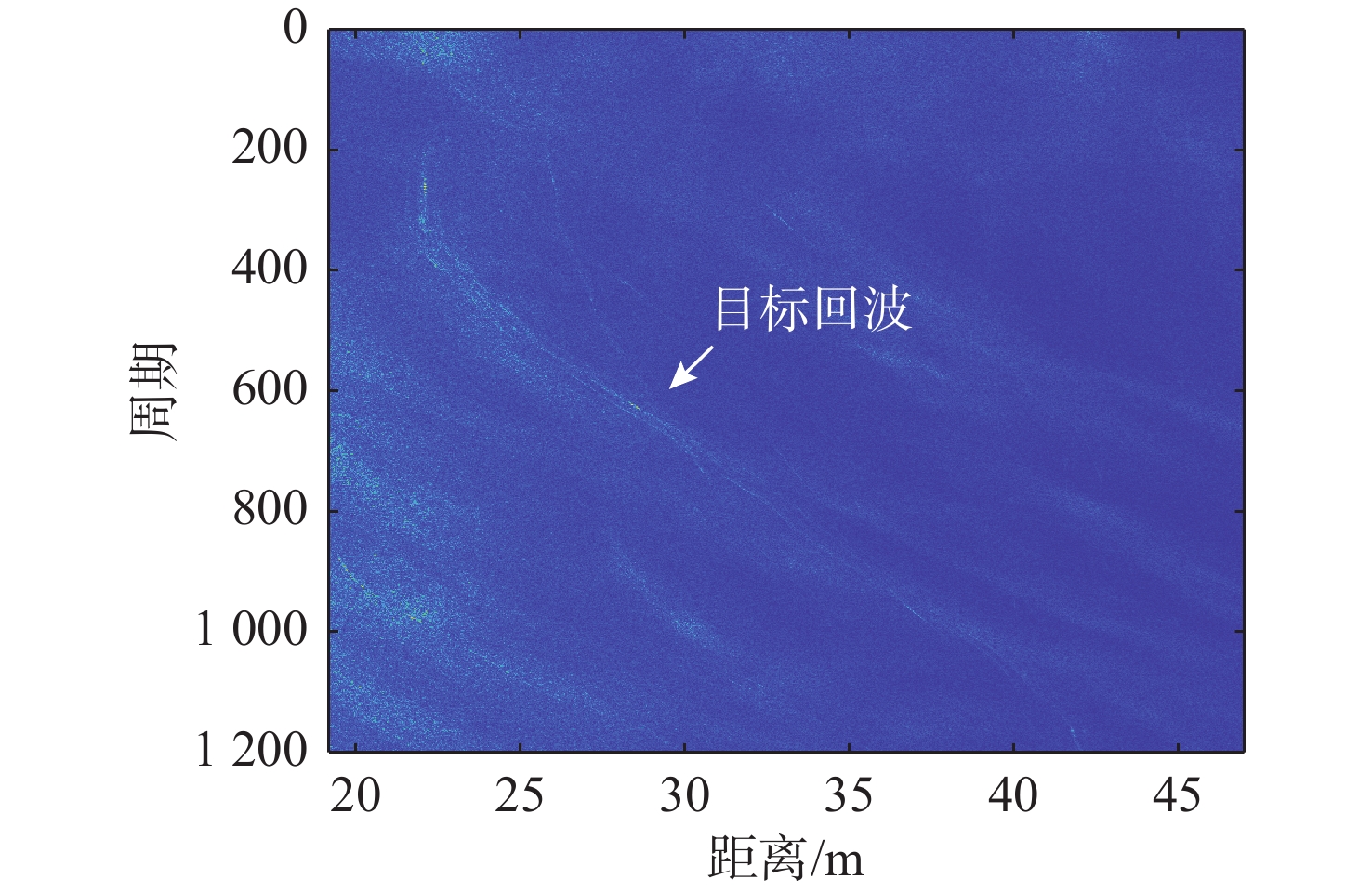
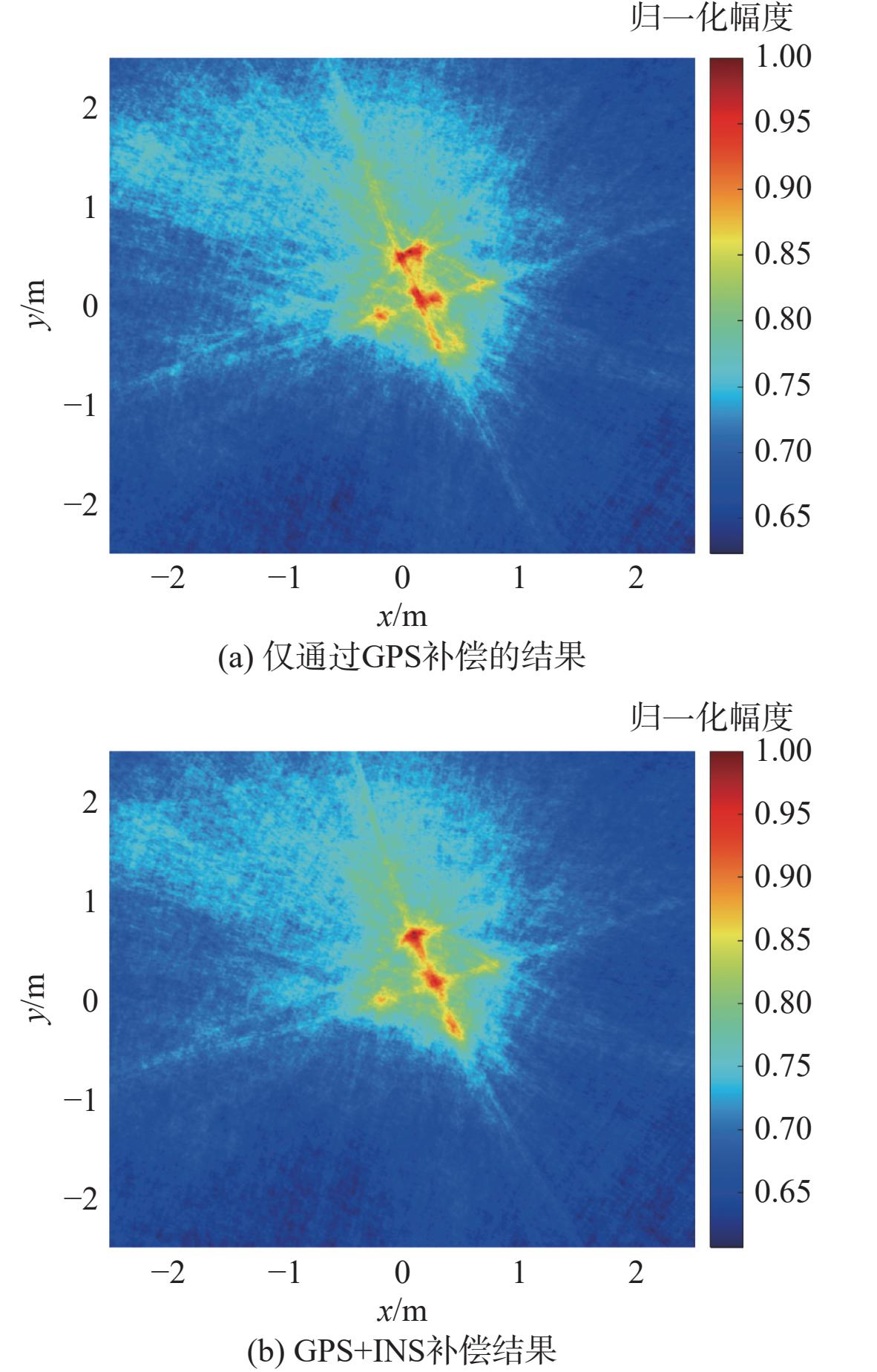
Circular synthetic aperture sonar(CSAS) is a high-resolution underwater imaging sonar system mounted on a mobile platform, whose imaging quality is highly sensitive to the precision of platform position and attitude. However, in practical survey operations, platforms are often affected by environmental disturbances such as ocean currents and waves, causing deviations from the ideal trajectory and resulting in position and attitude errors, which significantly degrade imaging quality. Existing CSAS motion compensation methods mainly rely on underwater acoustic positioning systems to obtain the platform position. However, such methods usually require the deployment of additional underwater acoustic base stations, with a strong dependence on external equipment. To address this issue, this paper investigated the influence of CSAS platform motion errors on imaging results and the corresponding geometric compensation methods. A CSAS platform motion compensation method based on multi-sensor fusion of the global positioning system(GPS) and the inertial navigation system (INS) was proposed. By integrating the position information obtained from GPS with the attitude data provided by the INS, the spatial pose of the sonar platform could be jointly estimated, and the spatial position of the sonar array could be corrected accordingly, thereby reducing the influence of platform motion errors on the imaging results. The influence of platform motion errors on imaging results was simulated and analyzed, and the effectiveness of the proposed method was verified through lake trial data. The experimental results demonstrate that the proposed approach can effectively compensate for motion errors caused by platform motion and significantly improve the imaging quality of CSAS. The proposed method does not rely on external underwater acoustic positioning systems and instead utilizes only the onboard navigation sensors of the platform to achieve effective motion compensation. This provides a simple and practical solution for high-resolution CSAS imaging in complex environments.
Underwater Low-speed Small Targets Classification Using Highlights and Trajectory Features
YANG Pan, LAI Kai, LIU Xionghou, WANG Bin, YANG Yixin
2026, 34(3): 524-533. doi: 10.11993/j.issn.2096-3920.2026-0054
Abstract:
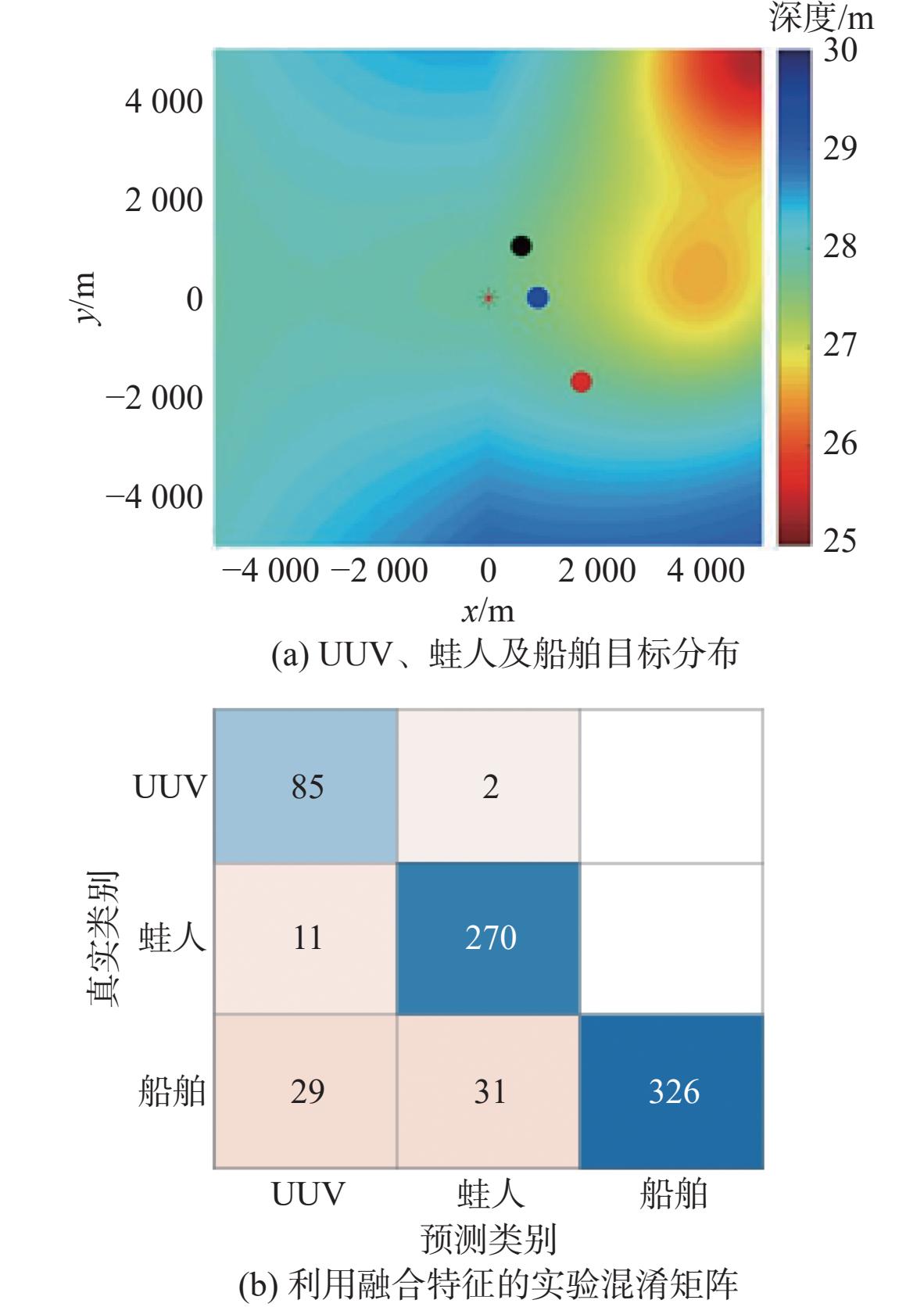
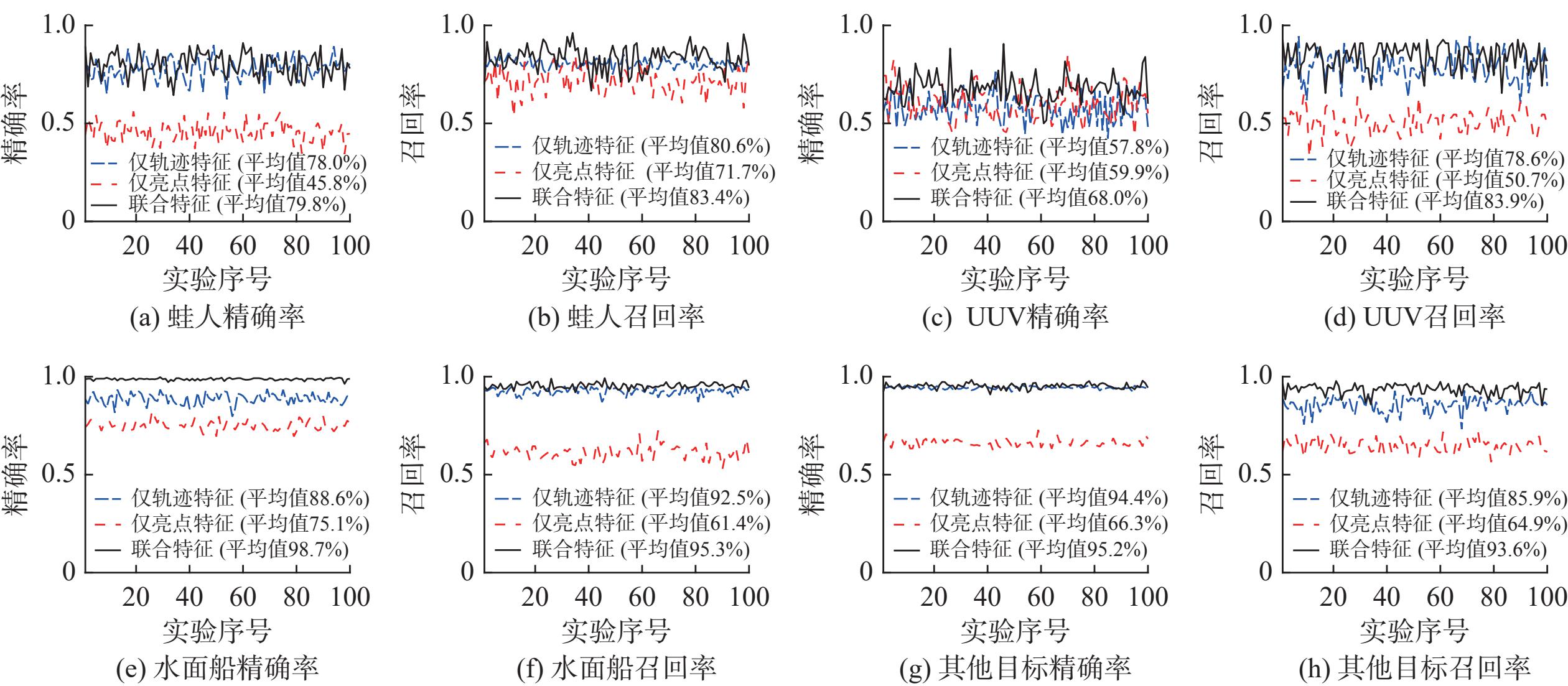
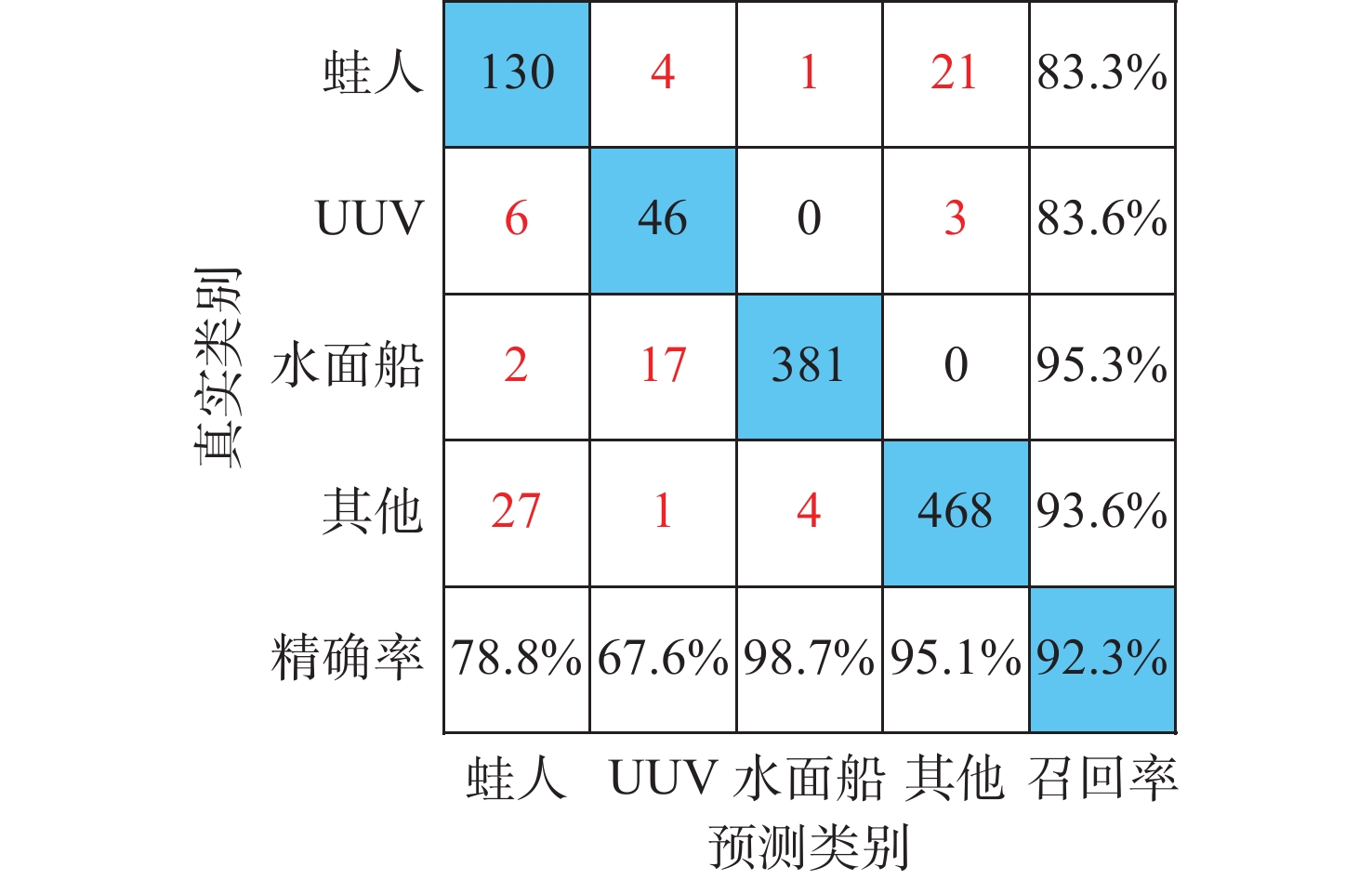
Traditional statistical learning methods rely only on manually designed trajectory features with single feature representation and limited classification performance in the classification task of underwater low-speed small targets. To address this issue, this paper proposed a joint classification method that integrated range-dimension highlight features and tracking trajectory features. The proposed method first extracted range-dimension highlight features based on physical scattering characteristics from active sonar echoes to supplement static attribute information of the target, while simultaneously extracting trajectory features to describe the dynamic motion behavior of the target. It realized the complementarity of static and dynamic features and solved the defect of insufficient information of a single feature. On this basis, a statistical learning method suitable for small-sample conditions was adopted to construct the classifier, and the stability of the method was verified through Monte Carlo experiments. The results of field historical data samples and scenario-based simulation joint verification show that compared with traditional classification methods, the proposed trajectory-highlight joint feature classification method improves the average precision from 79.7% to 85.4%, the average recall from 84.4% to 89.1%, and the average F1-score from 81.6% to 87.0%, effectively addressing the issue of insufficient classification performance for underwater low-speed small targets caused by the one-sided feature information in traditional methods and improving the classification capability for underwater low-speed small targets.
Single-Beam Sonar Small Target Recognition Algorithm for Underwater Unmanned Platform
XU Linpeng, MA Jingwen, QU Guorui, DU Weidong, ZHOU Tian, YU Xiaoyang
2026, 34(3): 534-541, 548. doi: 10.11993/j.issn.2096-3920.2026-0061
Abstract:
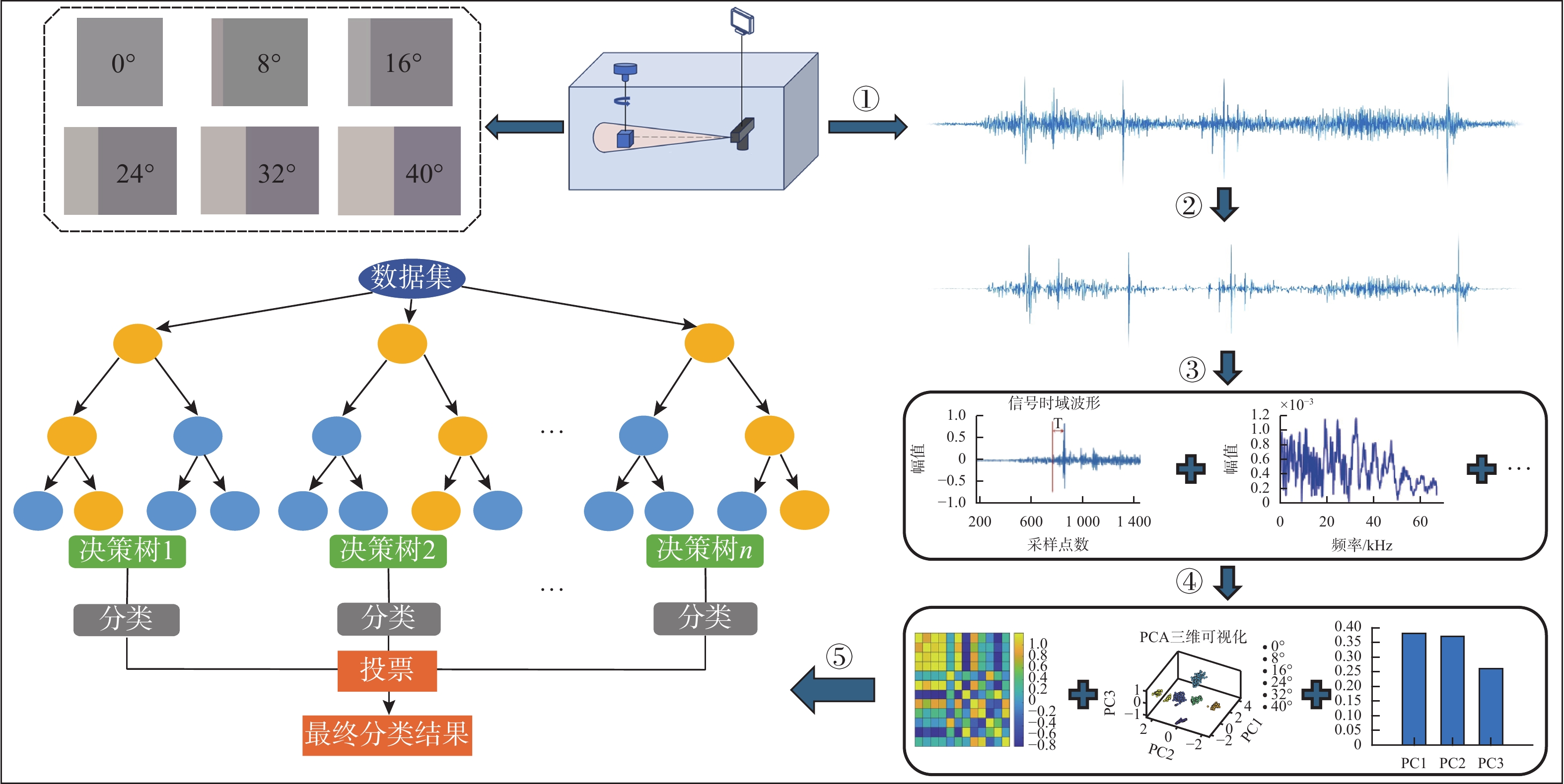
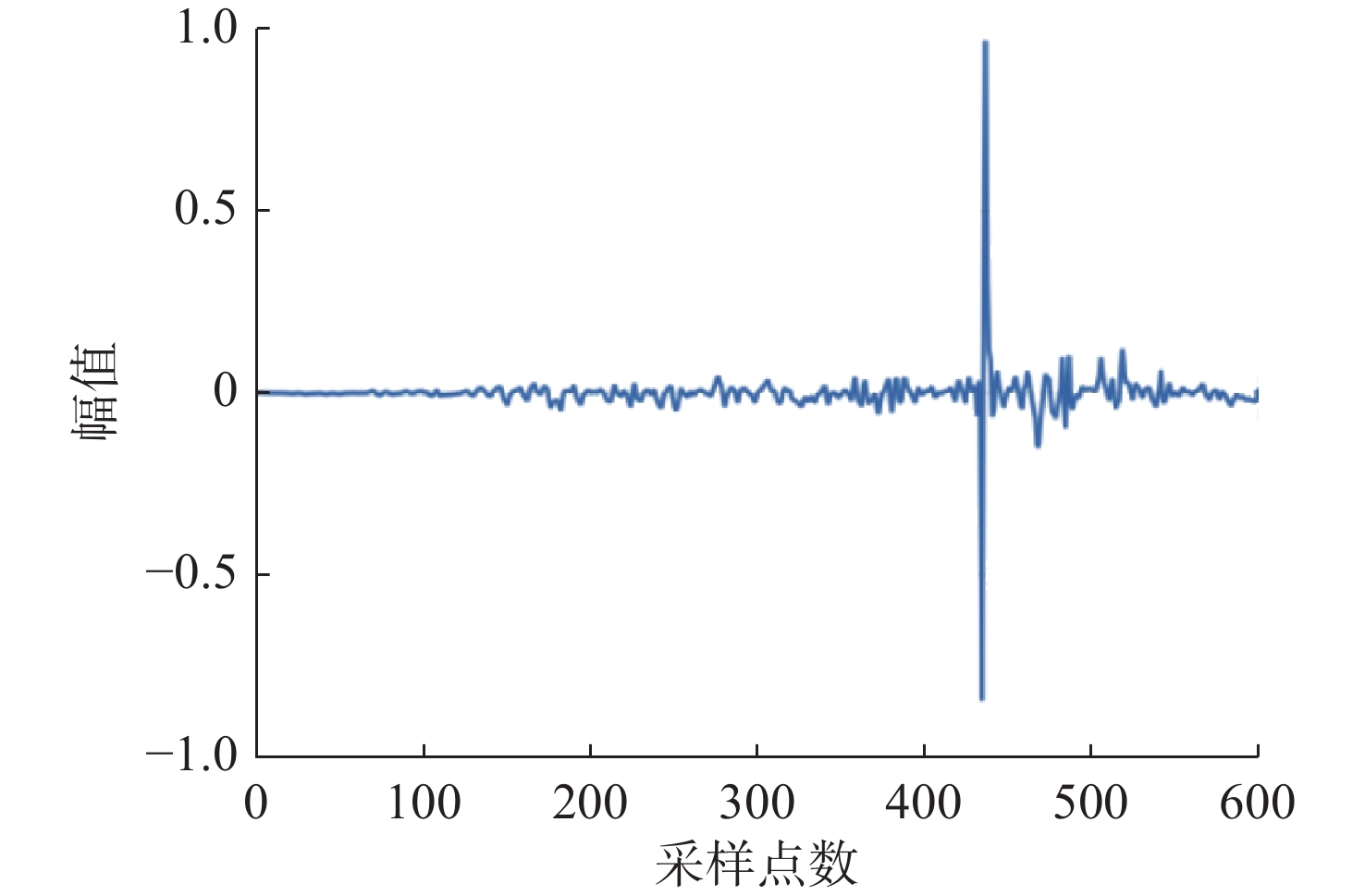
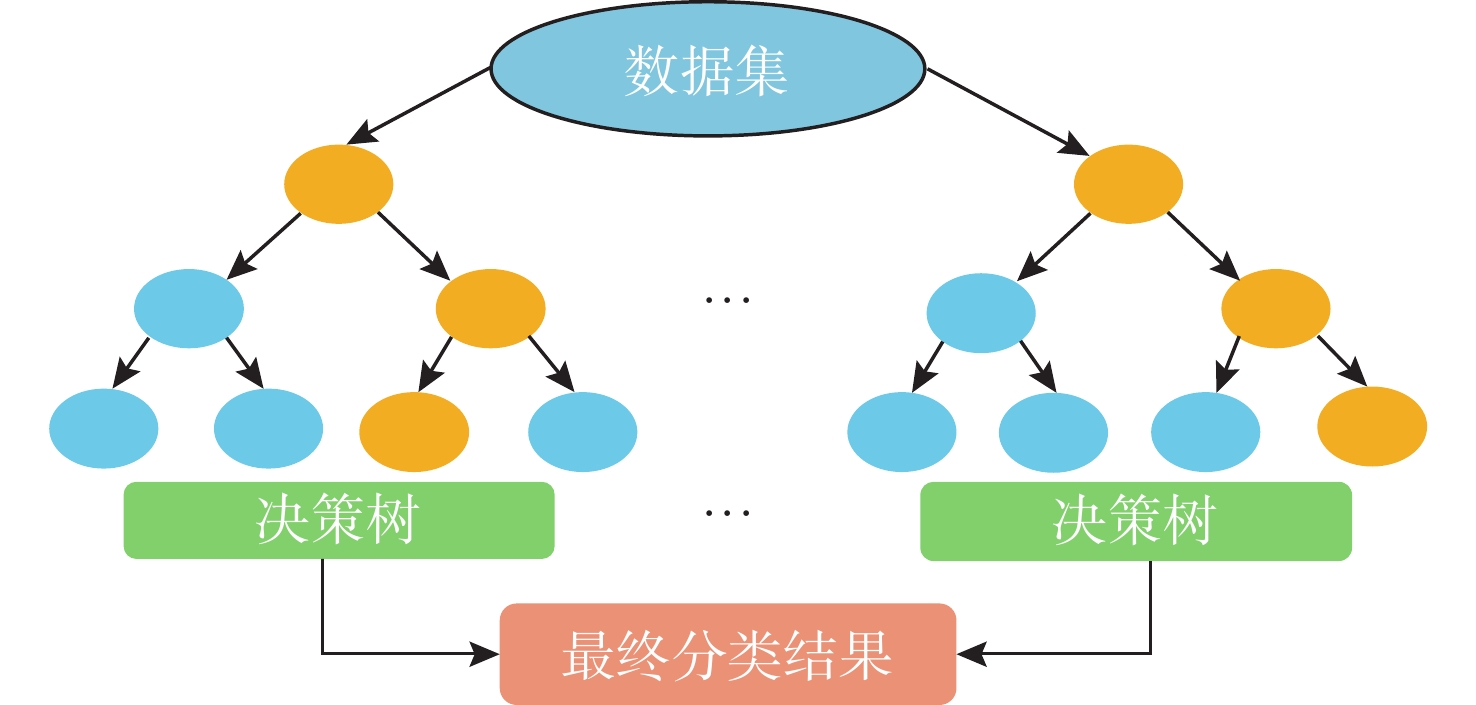
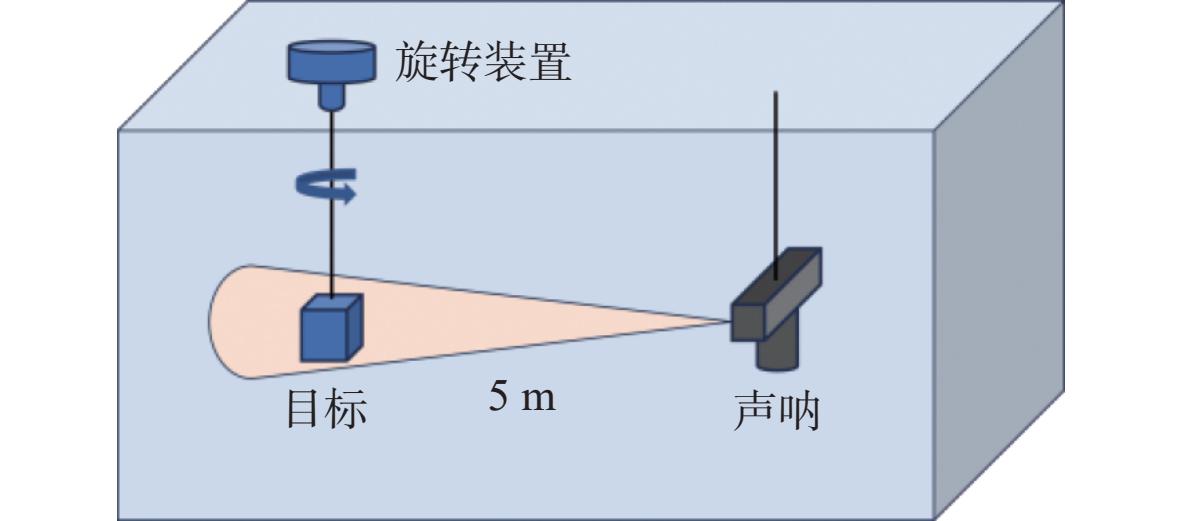
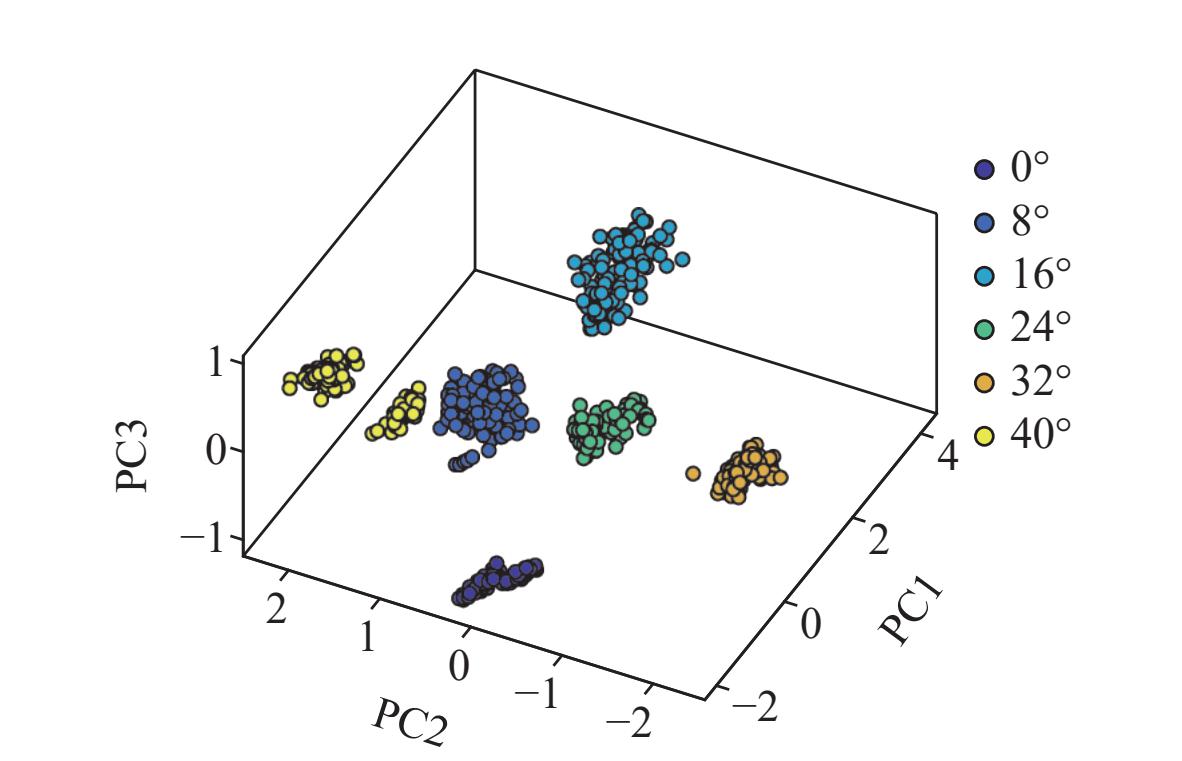
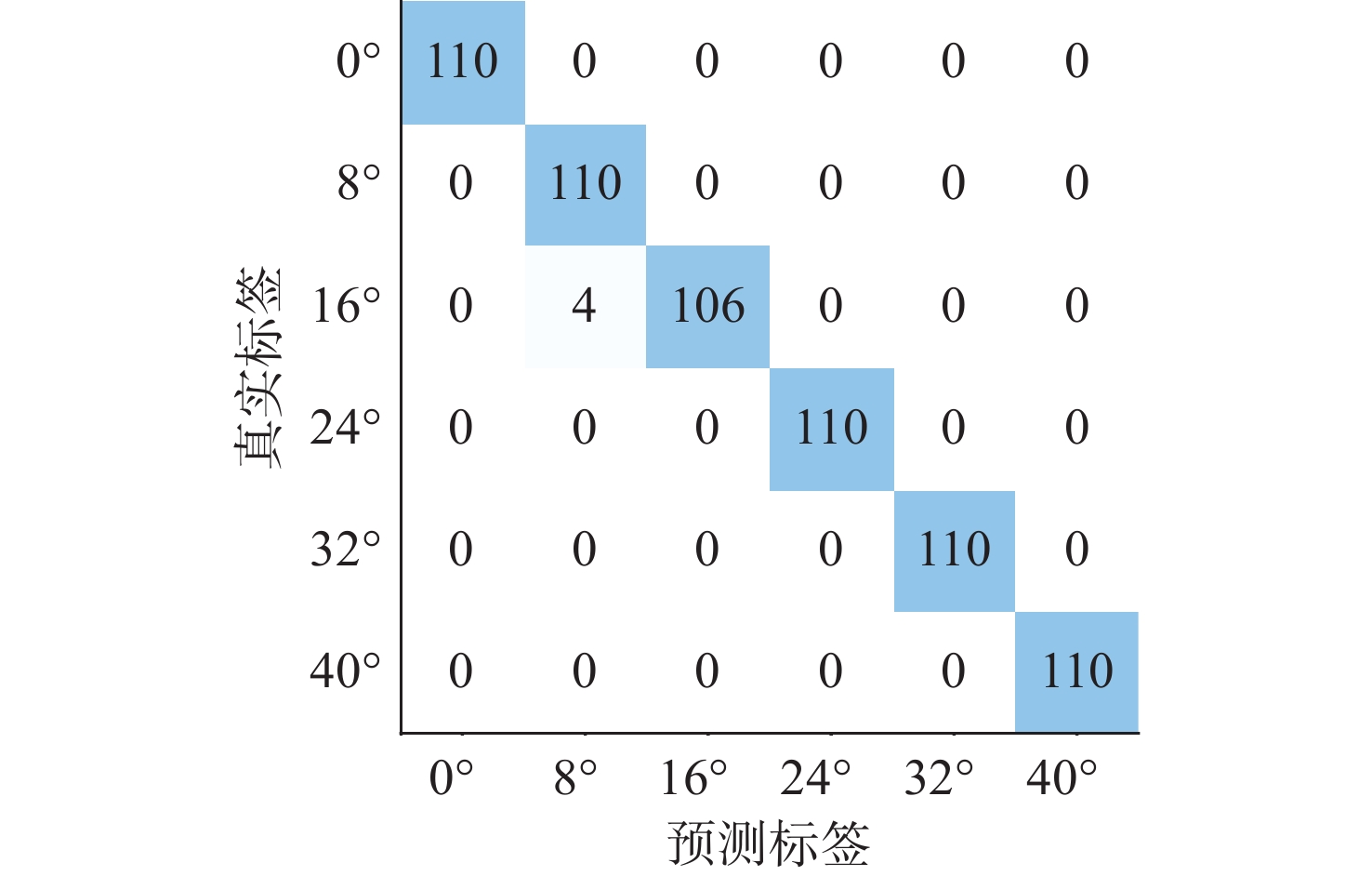
Aiming at the difficulty of small target recognition caused by the limited payload capacity of underwater unmanned platforms and the scarcity of sonar data samples, this paper proposed a single-beam sonar signal target recognition algorithm adapted to the few-shot condition. Based on the single-beam echo signal of active sonar targets, this algorithm extracted multi-dimensional time-domain and frequency-domain features of the waveform, performed effective feature selection through correlation analysis and principal component analysis for dimensionality reduction, and combined these with a random forest classifier to achieve high-precision target recognition under few-shot training sets. Test results on water tank experimental data show that compared with various methods combining multi-beam sonar images with deep learning, the proposed algorithm achieves 99.42% precision, 99.39% recall, 99.39% F1-score, and 99.39% accuracy with a smaller training set. The proposed method has the advantages of low computational cost, fast running speed, and strong interpretability, making it more suitable for deployment on underwater unmanned platforms with limited computing and storage resources. It provides an efficient and feasible scheme for small target recognition by underwater unmanned platforms under resource-constrained conditions.
Two-Dimensional Deconvolved Conventional Beamforming Based onNon-Stationary Signal Demodulation
FAN Xiaomeng, LIU Zhen, LI Mei, YE Tianming
2026, 34(3): 542-548. doi: 10.11993/j.issn.2096-3920.2026-0064
Abstract:
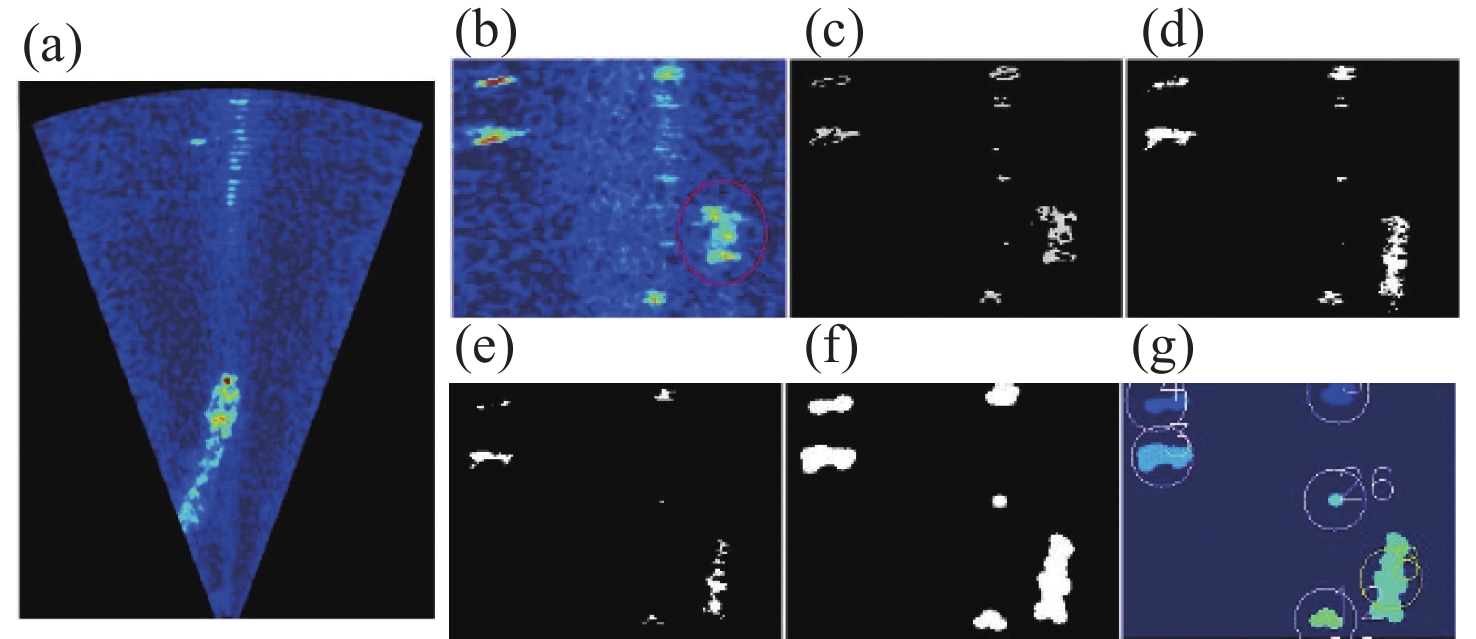
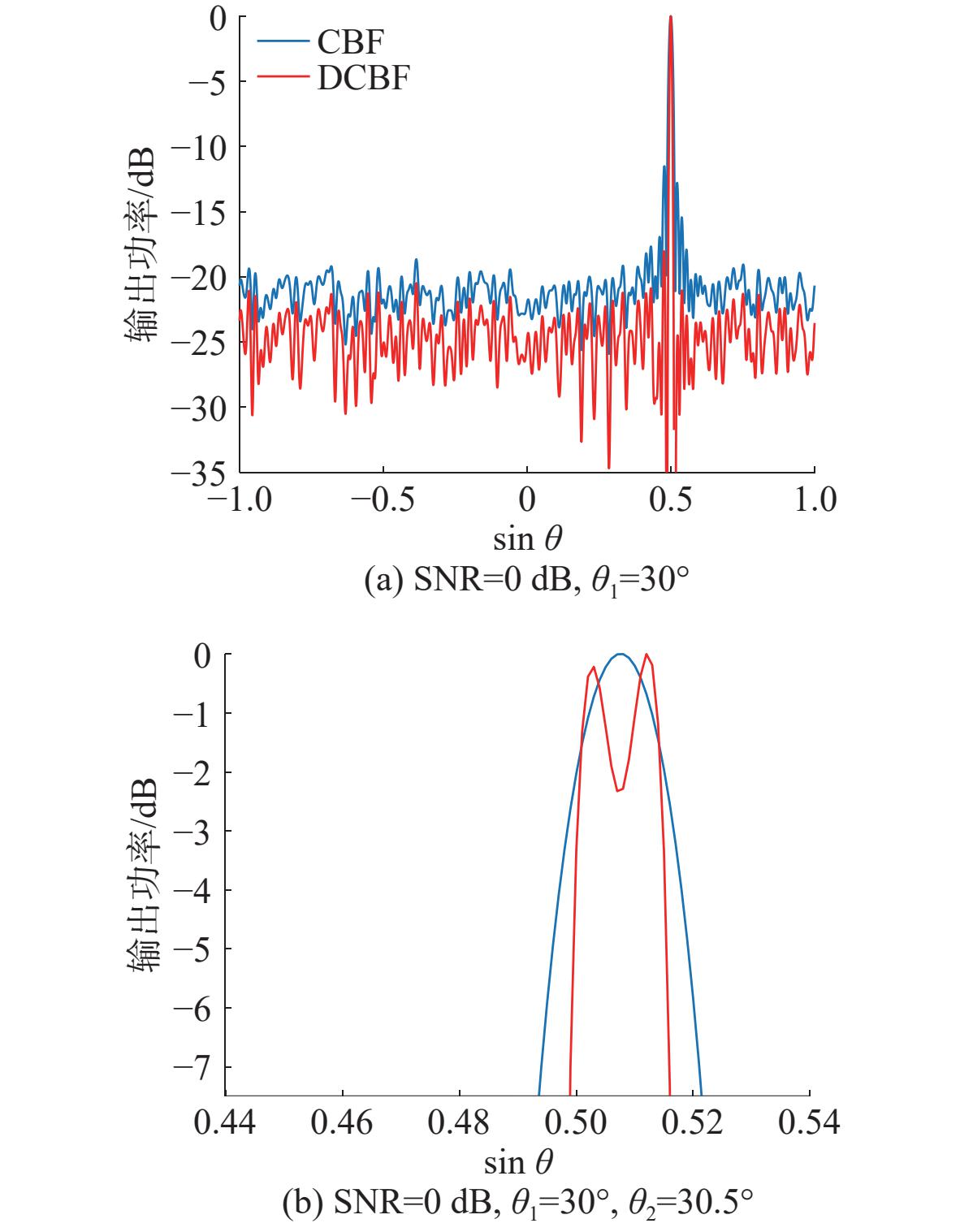
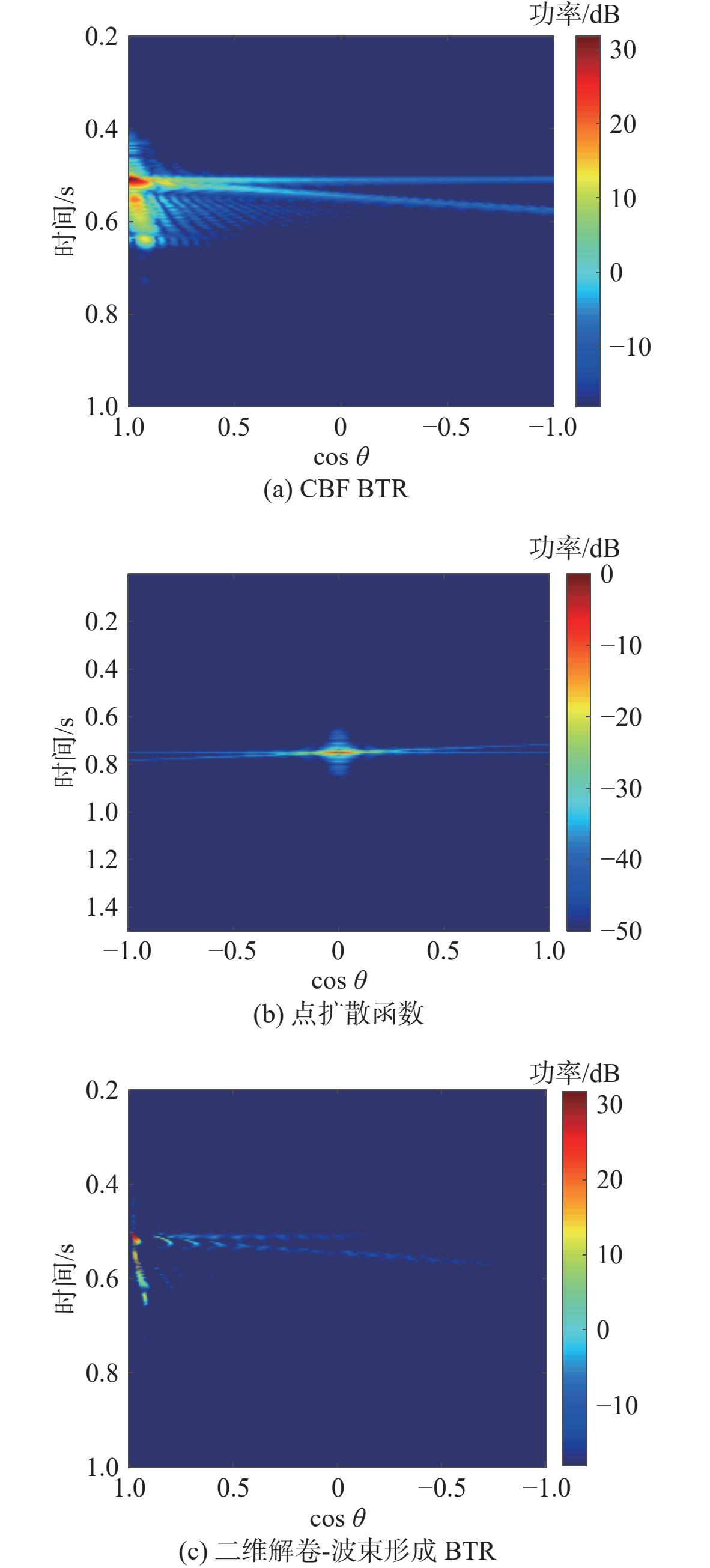
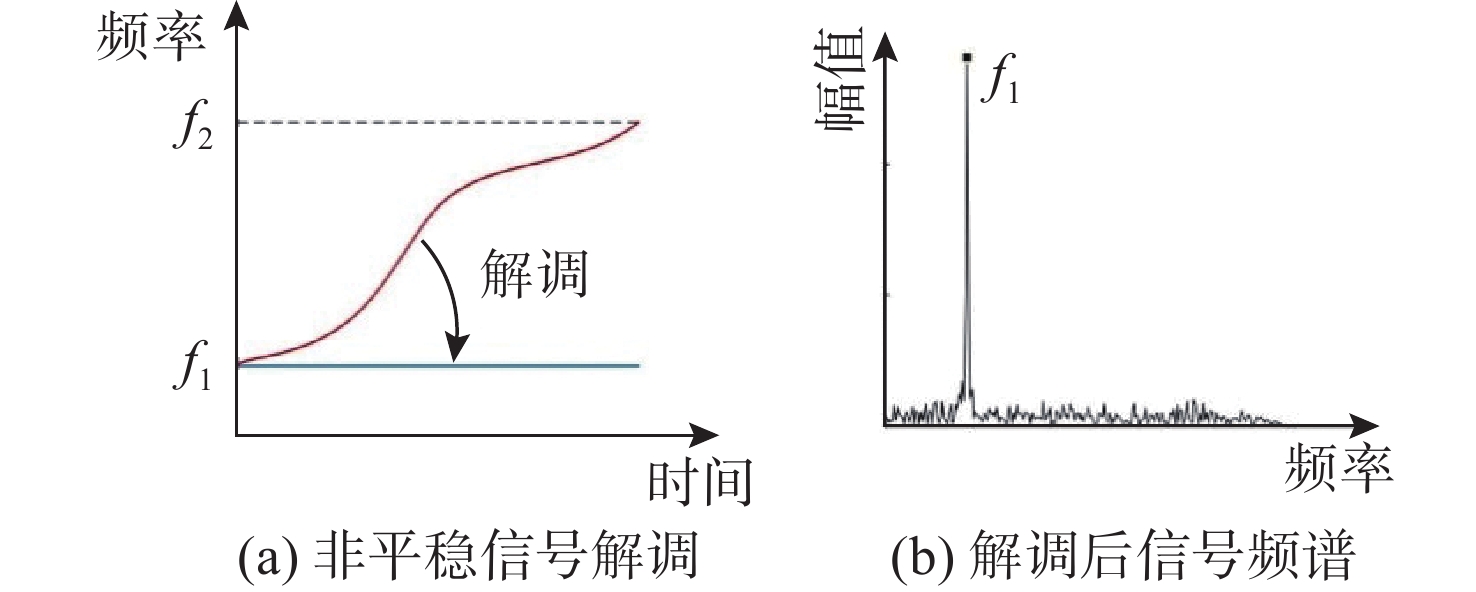
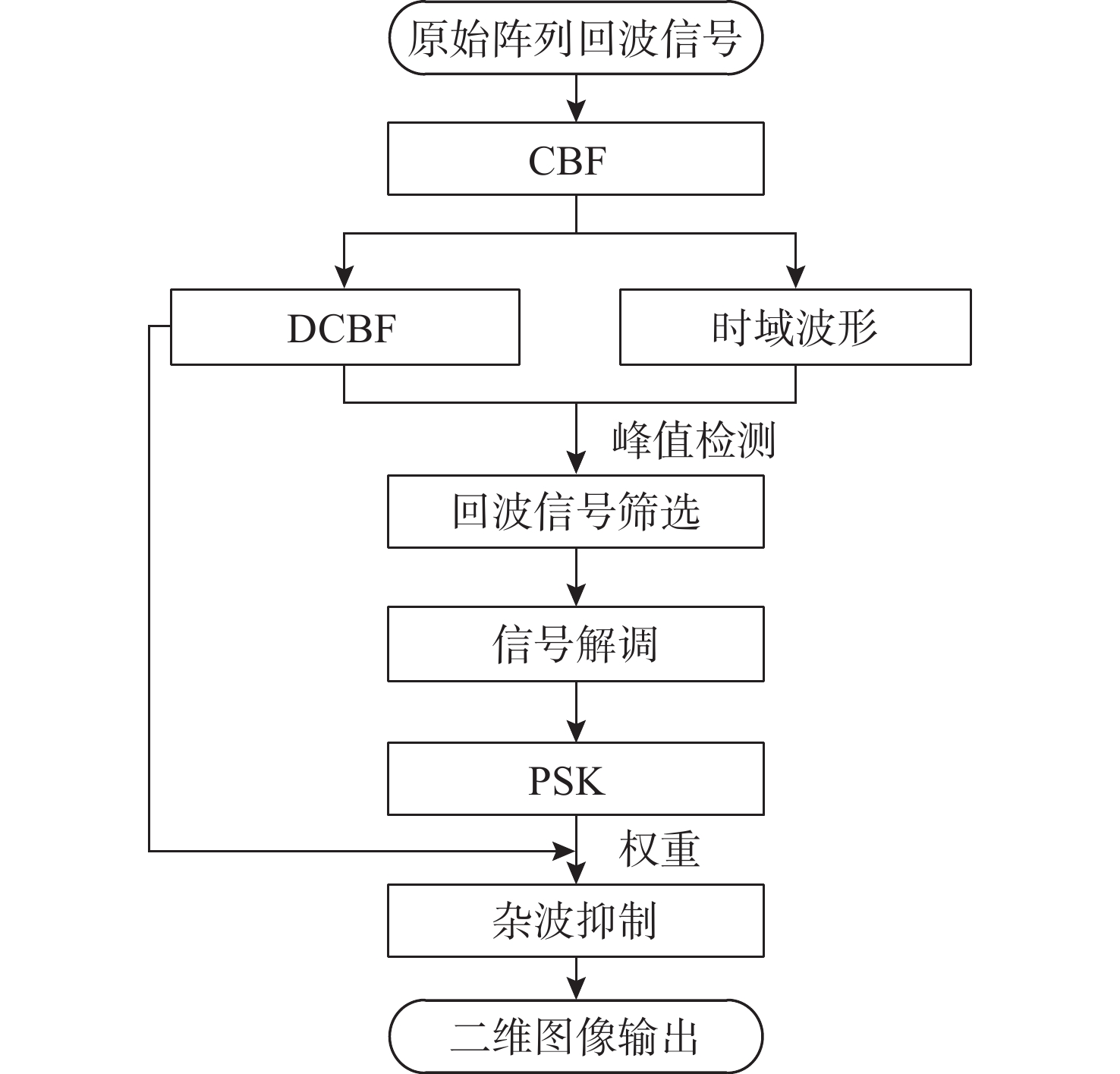
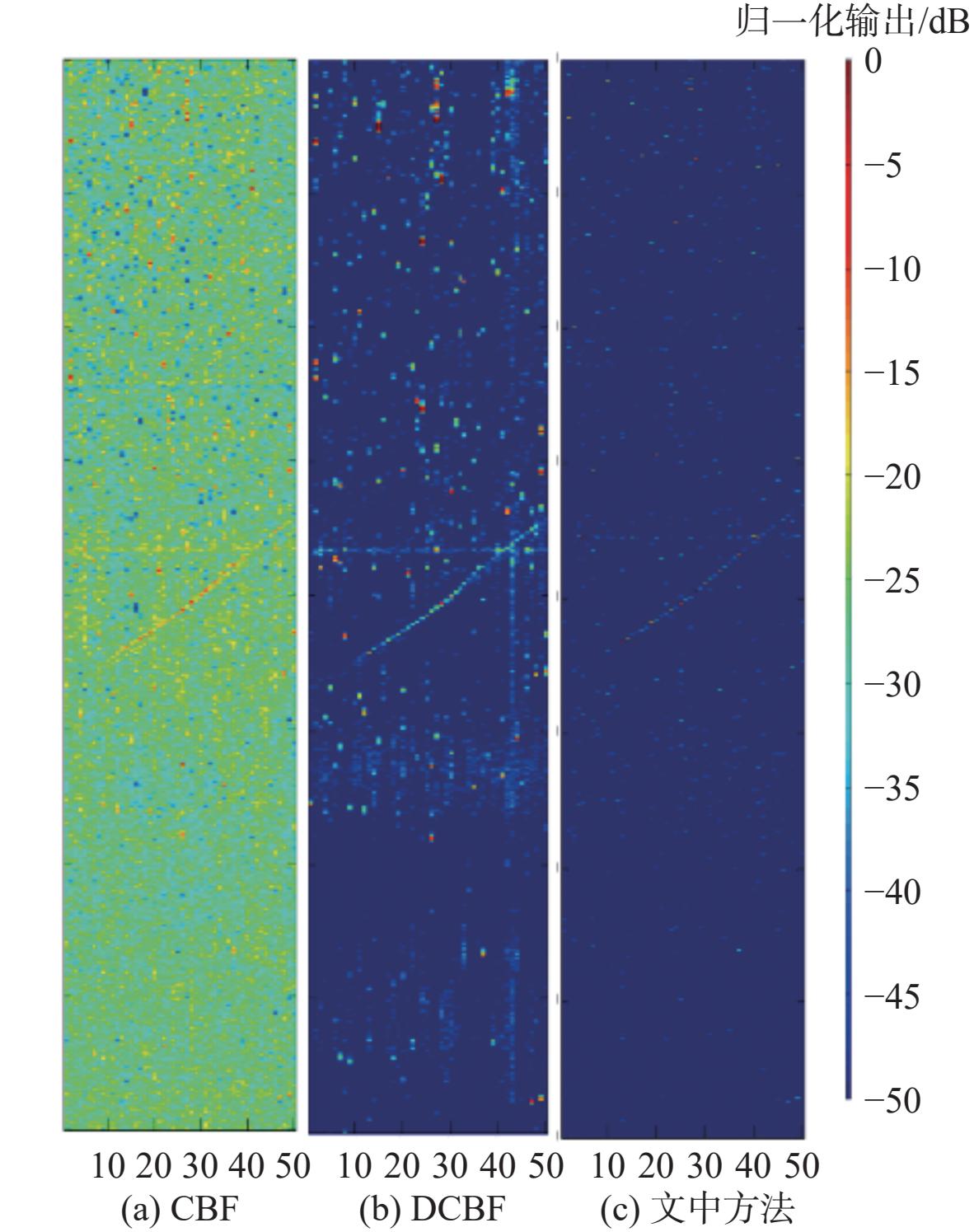
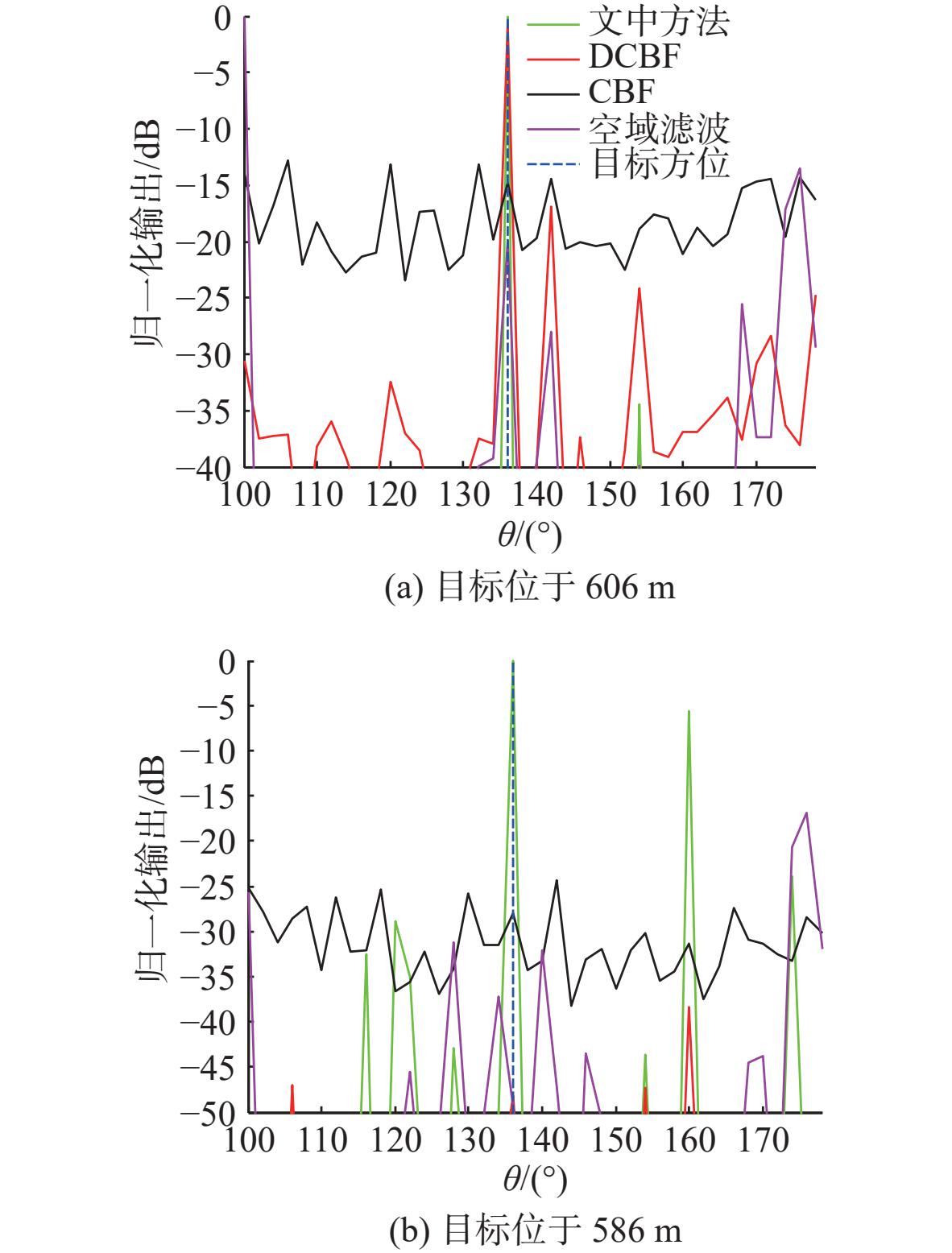
Underwater small target detection is a core topic in underwater acoustics signal processing, yet it still faces numerous challenges such as complex environments, numerous interfering targets, weak echoes, and poor image quality. To address the challenge of detecting typical underwater small intrusion targets such as divers, this paper proposed a two-dimensional deconvolved conventional beamforming(DCBF) based on non-stationary signal demodulation. This method utilized two-dimensional DCBF to obtain high-resolution target azimuth-range images. By combining peak detection on these high-resolution images, the time-domain waveform of suspected target echoes was precisely located. Subsequently, the time-domain waveforms of suspected echoes were demodulated, and the power spectral kurtosis(PSK) index was calculated. By leveraging the difference in PSK between genuine target echoes and clutter, weights were assigned to the two-dimensional DCBF images to achieve enhancement of small target echoes and suppression of clutter, ultimately yielding high-resolution target images. Experimental results demonstrate that the proposed method effectively suppresses clutter and improves target detection and tracking capability. The stable tracking range is improved by 60 meters.
Dual-Station Tracking Algorithm for Small Underwater Targets Based on AIMM-UKF with Probability Lower Bound Constraint
GAO Xuwen, YU Ge, LI Qing, YU Xiaoyang
2026, 34(3): 549-555, 562. doi: 10.11993/j.issn.2096-3920.2026-0058
Abstract:
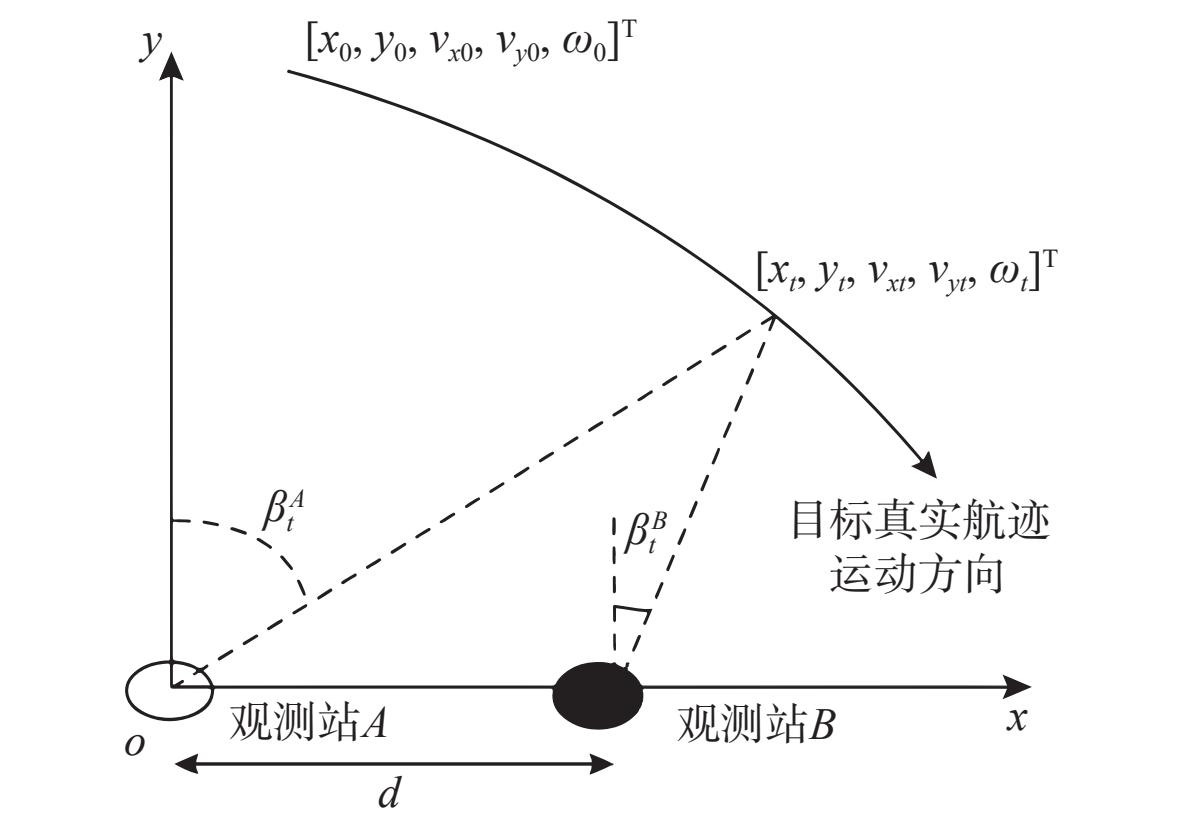
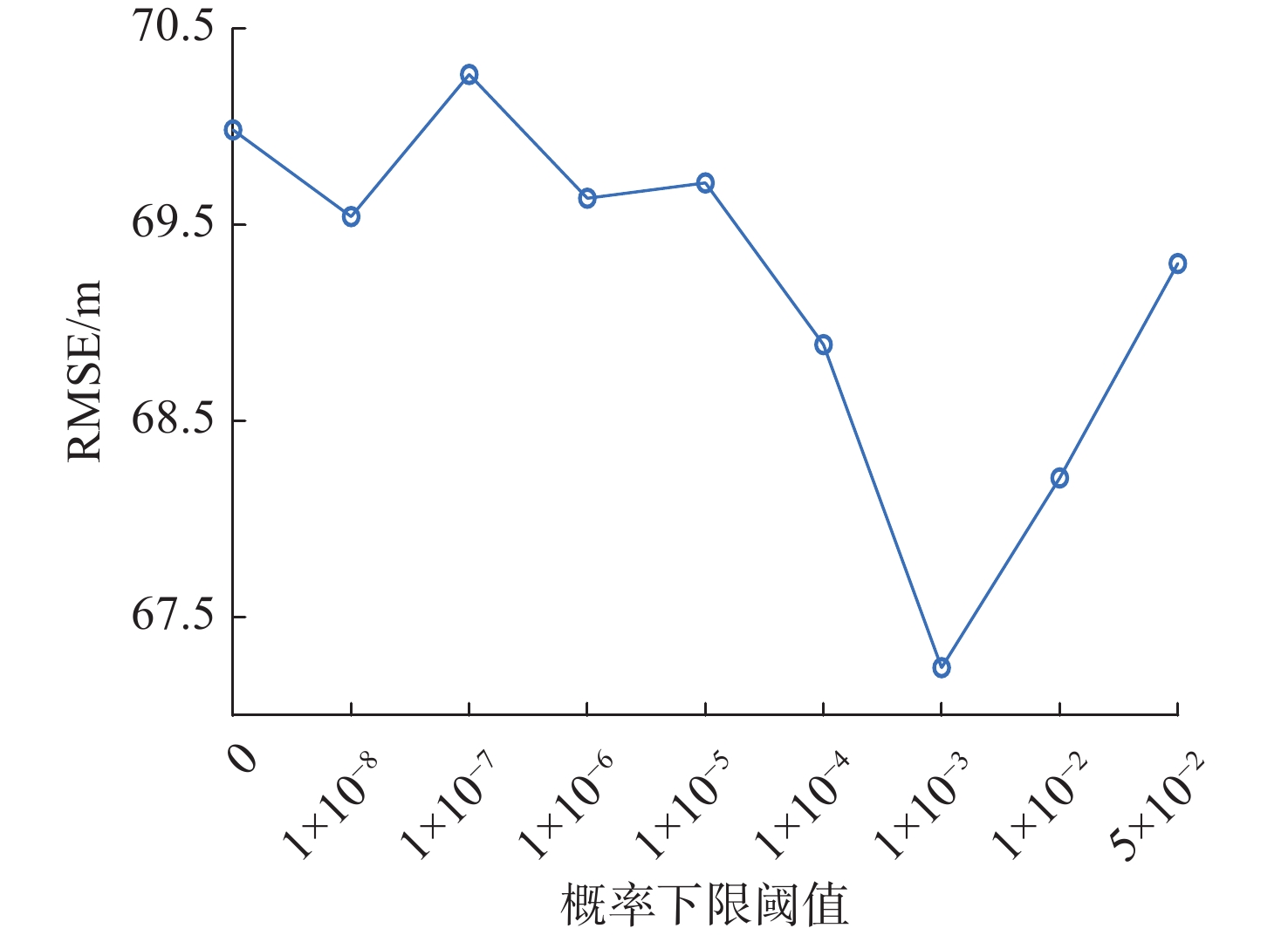
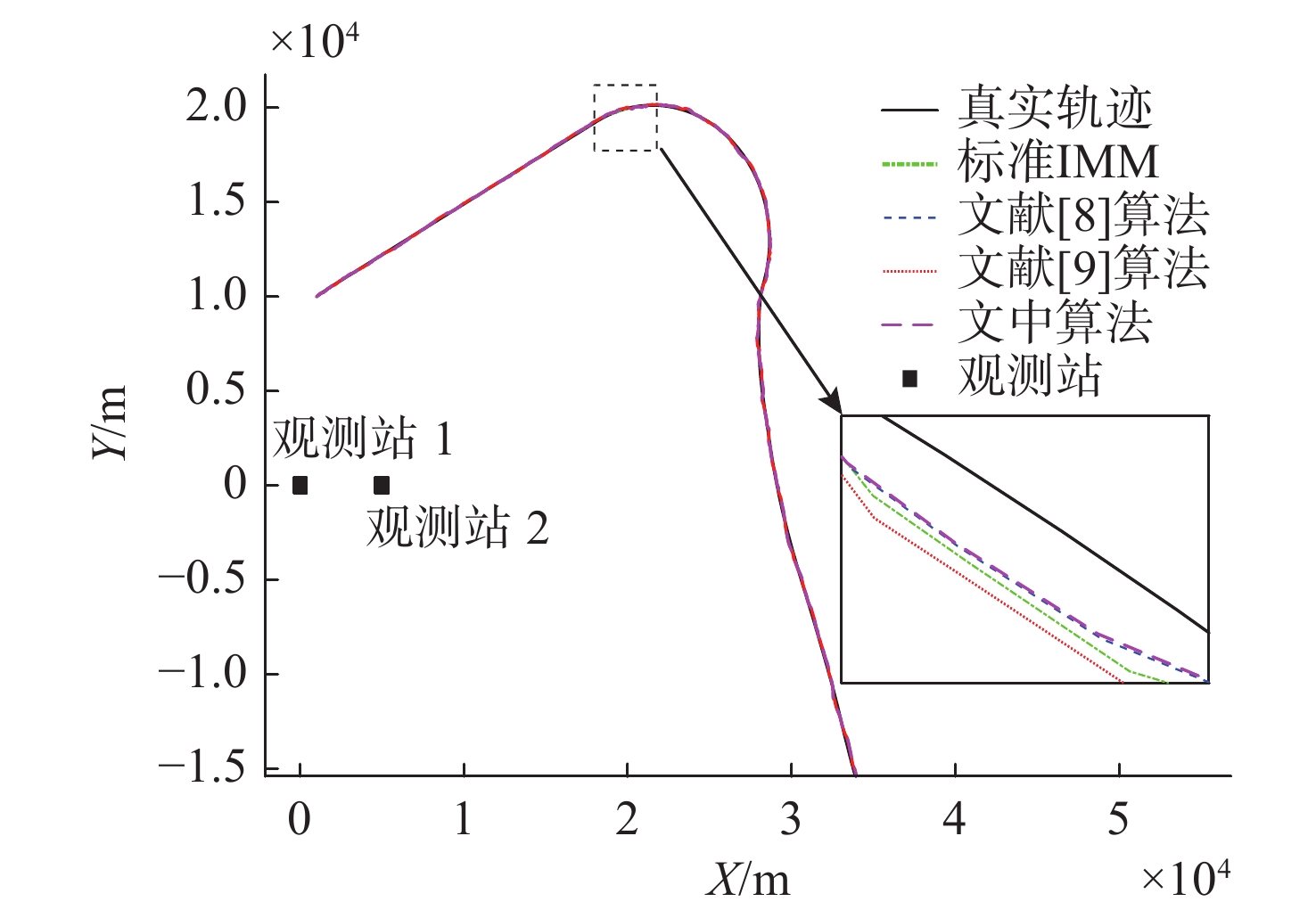
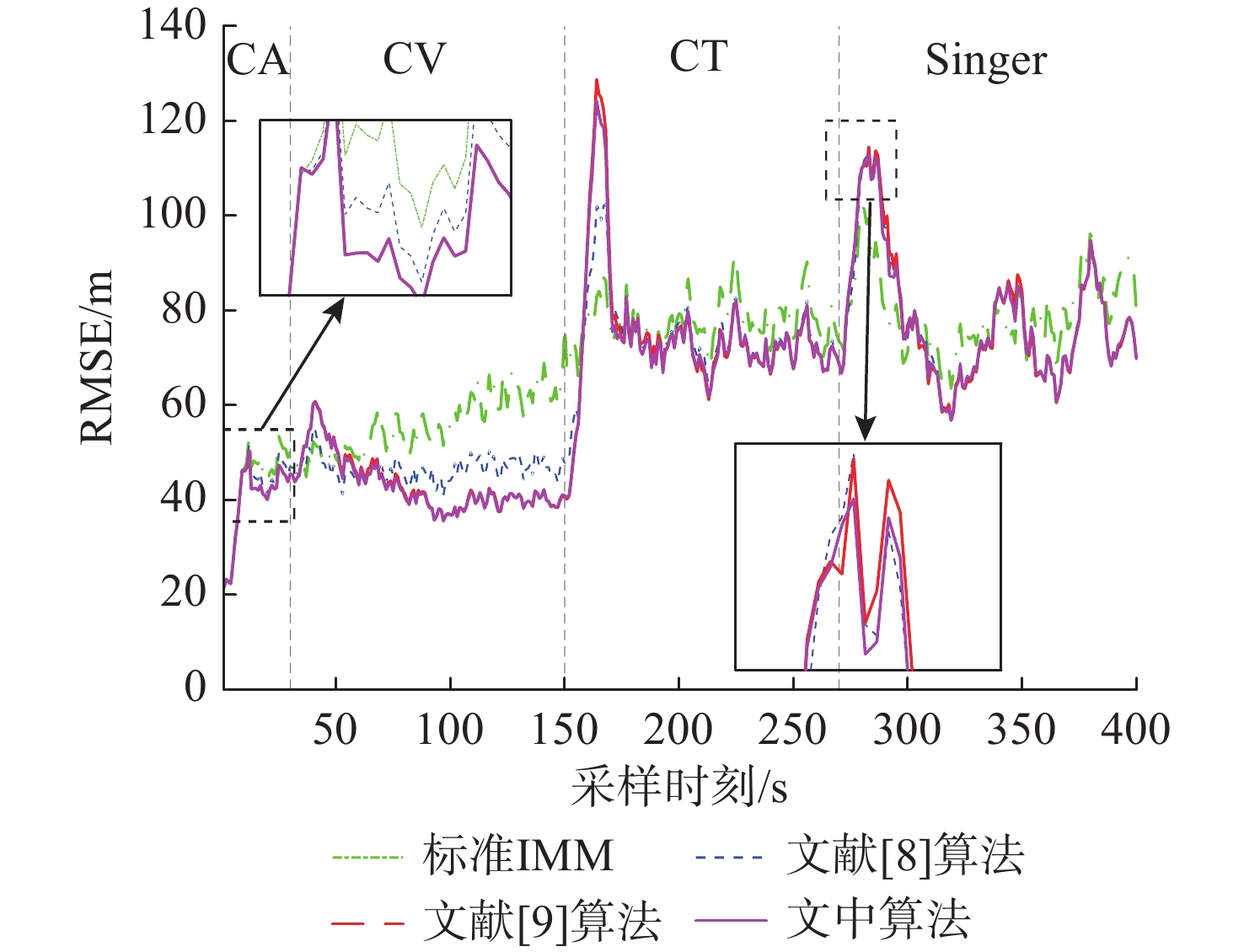
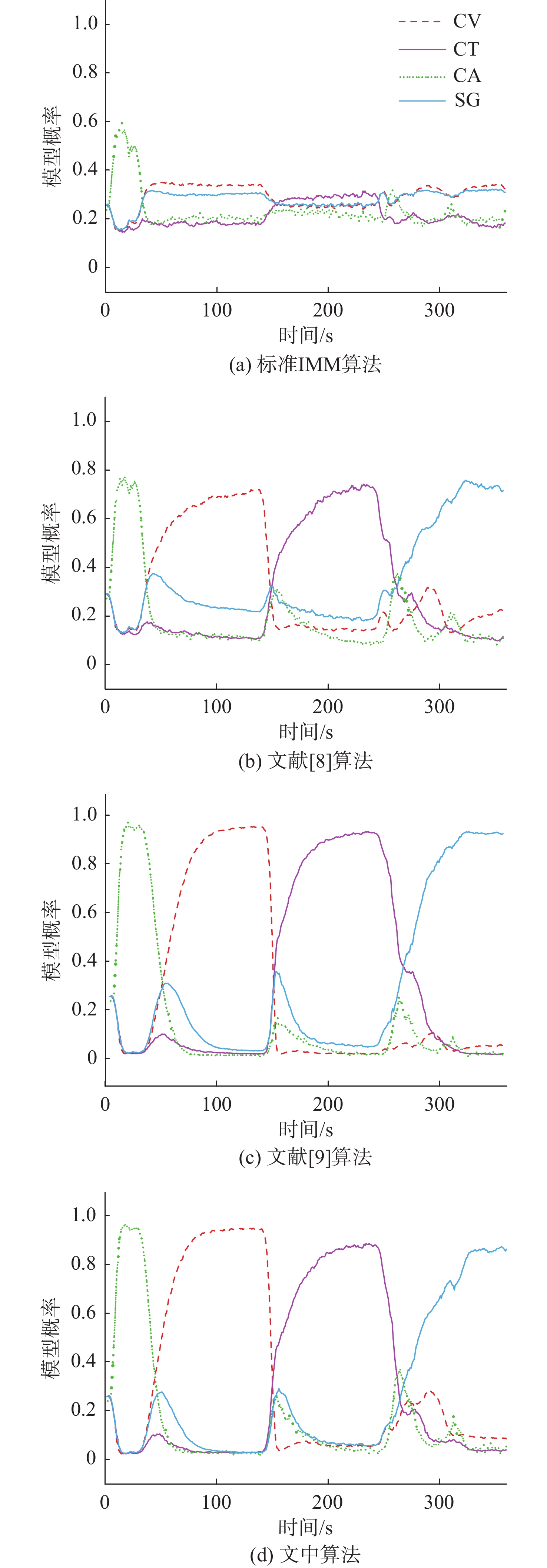
The complex underwater environment featuring boundary scattering, multipath effects, and strong noise makes it difficult to achieve real-time and precise tracking of the maneuvering trajectories of underwater small targets such as unmanned underwater vehicles and frogmen. Targeting the dual-station active sonar cooperative tracking system, this paper proposed an adaptive interacting multiple model-unscented Kalman filter(AIMM-UKF) algorithm incorporating probability lower bound constraints. In traditional AIMM algorithms, when a target remains in a long-term steady state, the prior probability of transitioning to a maneuvering model decays greatly, leading to switching hysteresis and increased tracking errors during sudden maneuvers. To mitigate this issue, this paper innovatively introduced a probability lower bound constraint and a decision-window secondary correction mechanism based on likelihood ratio modification. During long-endurance steady-state periods, the decision-window mechanism guaranteed high steady-state precision; at the instant of sudden maneuvers, the probability lower bound mechanism cooperated with likelihood ratio scaling to achieve rapid and accurate model switching. Monte Carlo simulations demonstrate that the proposed algorithm effectively overcomes the degradation problem caused by excessive probability absorption. It reduces the peak error during the initial maneuvering stage, achieves the lowest global position and velocity errors, and attains an optimal balance between transient switching and steady-state accuracy. This provides robust technical support for the continuous tracking and security early warning of underwater small targets.
Experimental Study on Low-Frequency Characteristics of Typical Physical Fields for Small Undersea Vehicles
ZHOU Guangyuan, WEN Wudi, ZHANG Guanghua, TU Yifan
2026, 34(3): 556-562. doi: 10.11993/j.issn.2096-3920.2026-0056
Abstract:
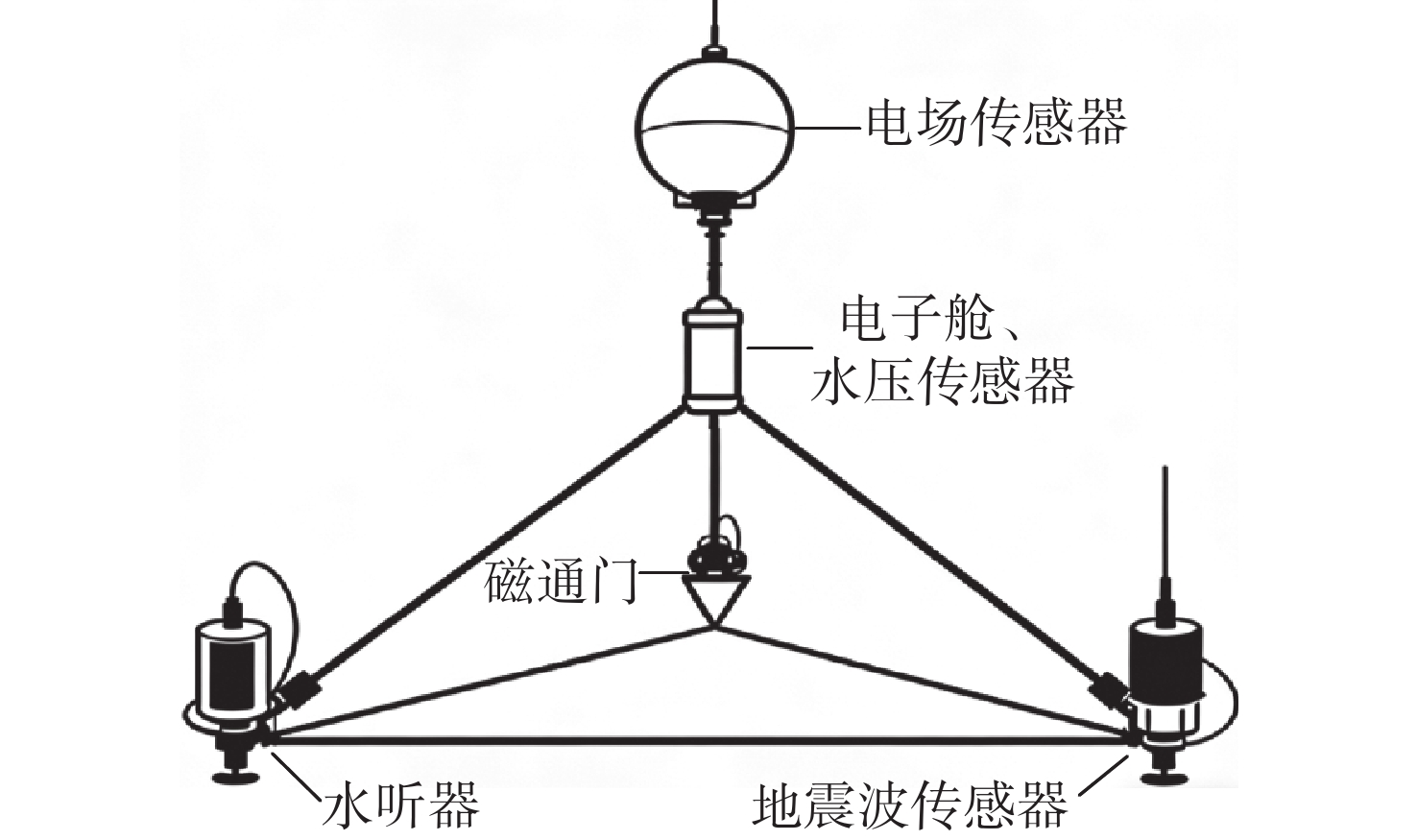
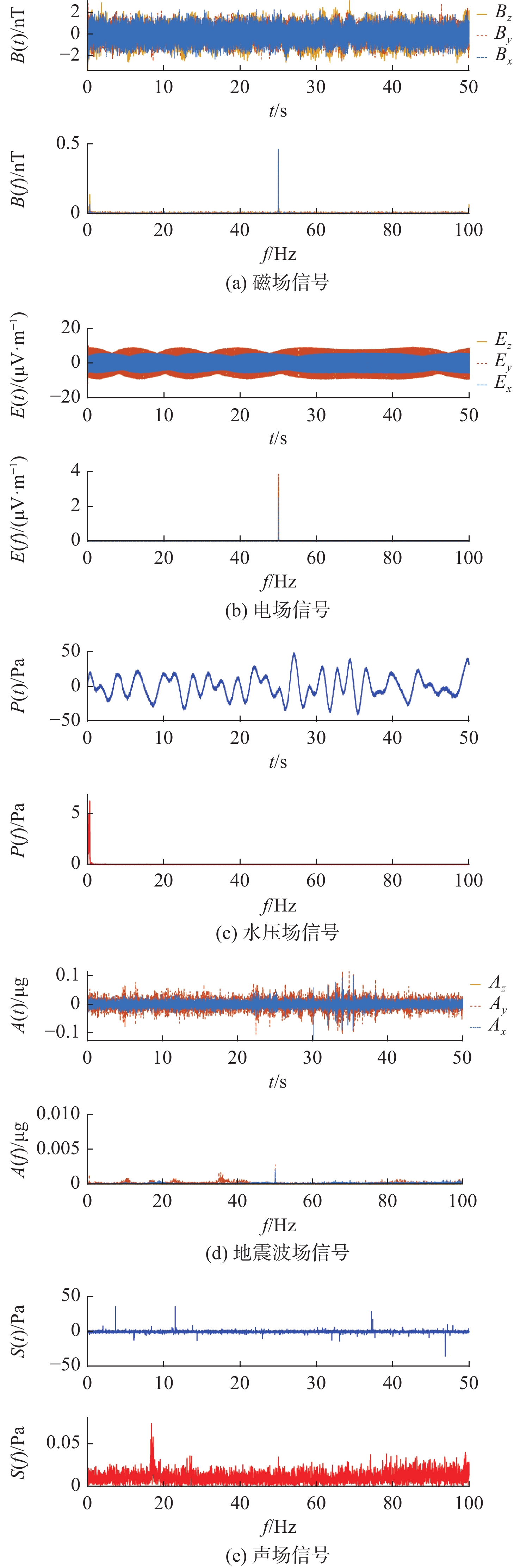
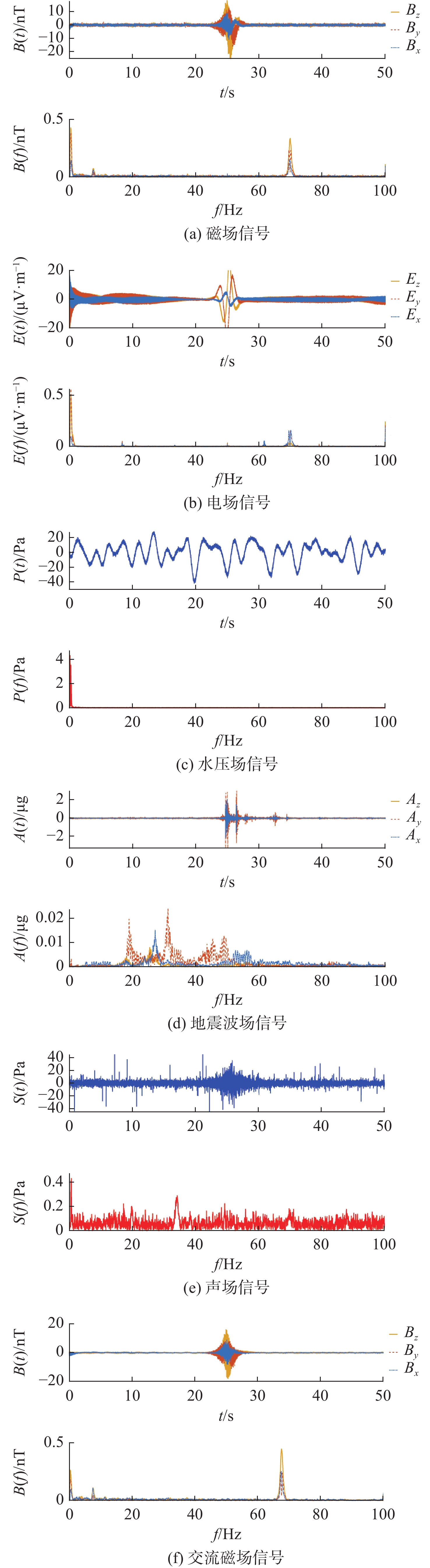
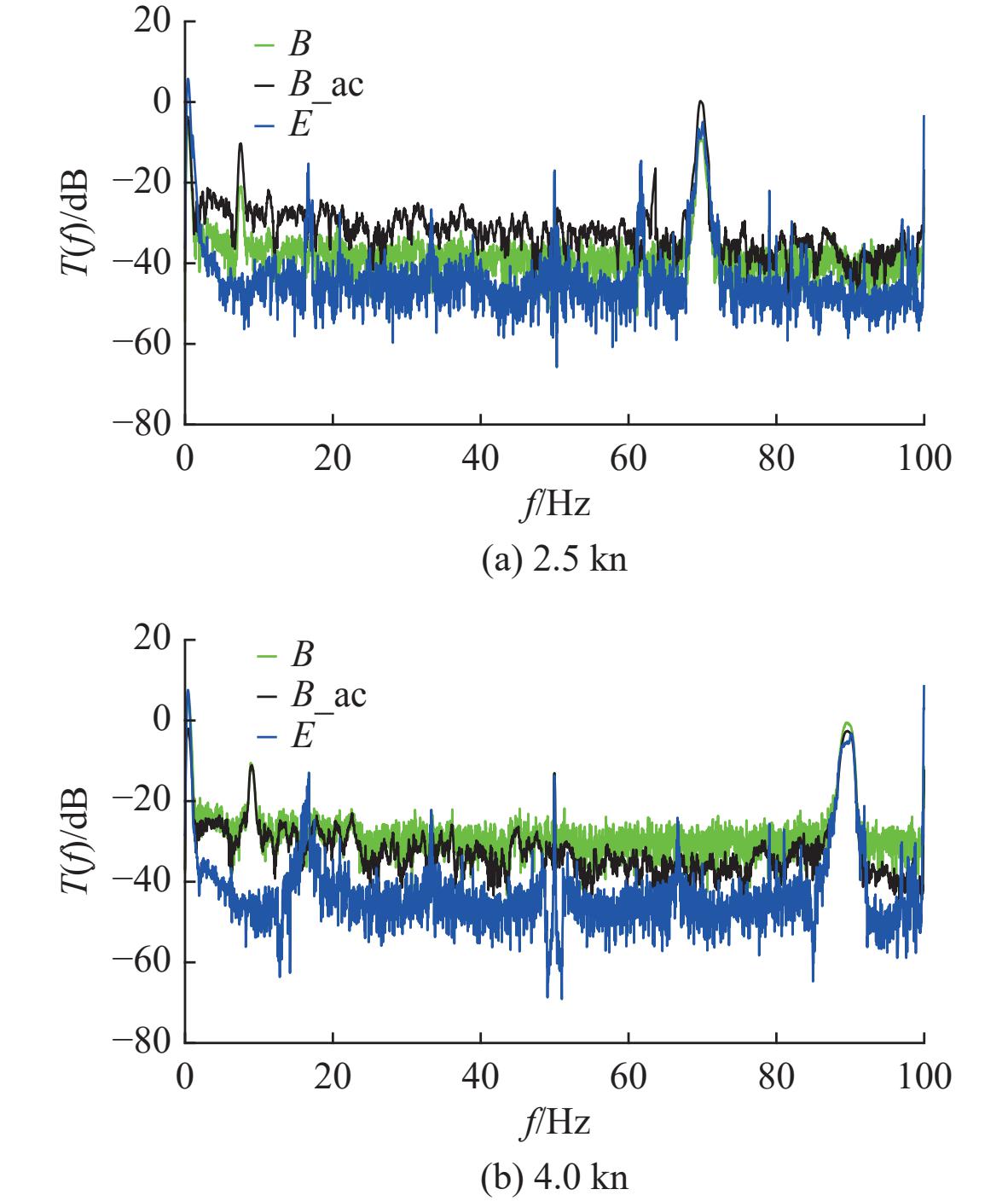
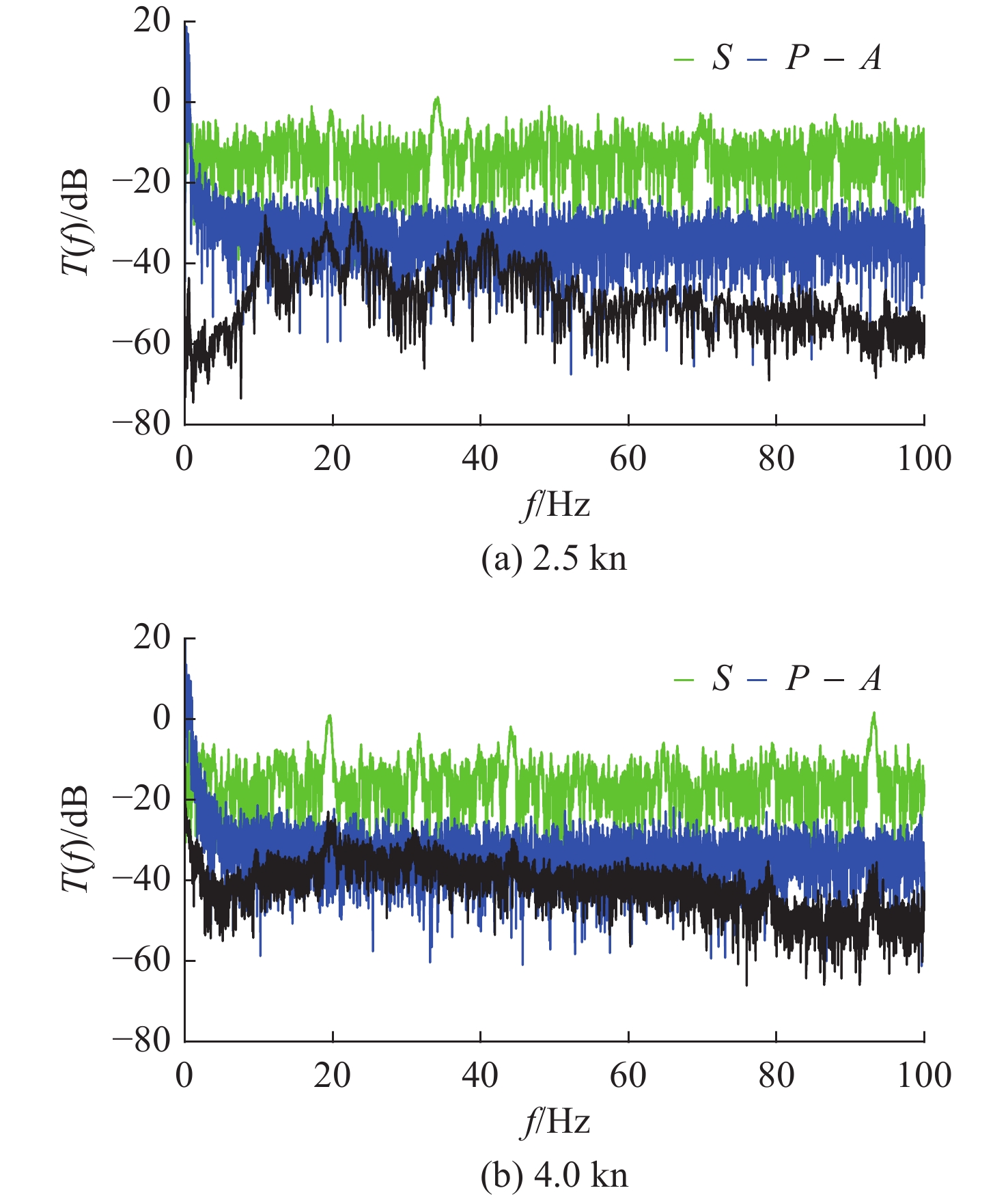
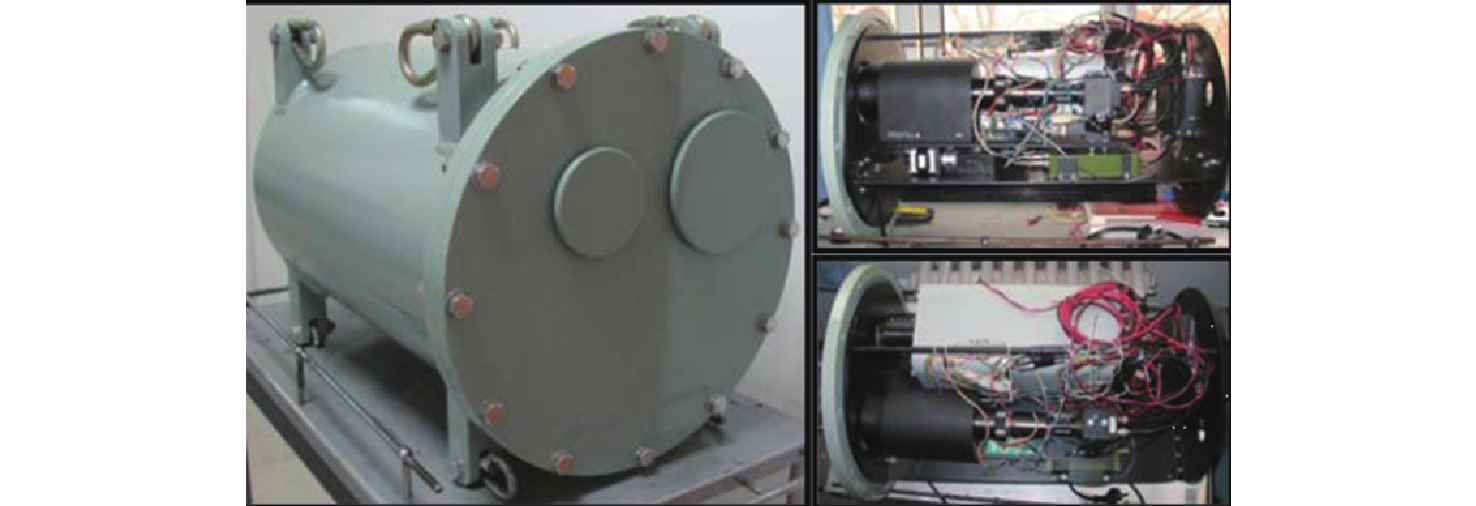
Current research on undersea multi-physical field detection mostly focuses on large-scale targets such as ships and submarines, while little attention has been paid to joint multi-physical field detection for small undersea vehicles. To investigate the low-frequency characteristics and inter-field correlation of multi-physical fields within 100 Hz and below for small undersea vehicles, field tests were carried out in a shallow-water sheltered harbor. Signals of acoustic, electric, magnetic, water pressure, seismic wave, and alternating magnetic fields were synchronously acquired. After data preprocessing and power frequency interference suppression, the time-domain passage characteristics and frequency-spectrum features of each physical field were analyzed, and the coupling characteristics of multi-physical fields were discussed. The results show that the electric field and magnetic field exhibit strong correlation and common-source characteristics, and the alternating magnetic field contains richer target feature information. The frequency-domain characteristics of the acoustic field and seismic wave field are highly consistent, and the seismic wave field is significantly superior to the water pressure field in resisting marine environmental interference. This study analyzed the typical low-frequency multi-physical field characteristics and coupling laws of small undersea vehicles, which can provide experimental support for joint multi-physical field detection and recognition of undersea small targets.
1D ViT-ResNet Method for Magnetic Source Localization of Small Ferromagnetic Targets on Shallow Seabeds
HUI Ran, LIANG Xiaofeng, GAO Haoran, YAN Shu
2026, 34(3): 563-573. doi: 10.11993/j.issn.2096-3920.2026-0057
Abstract:
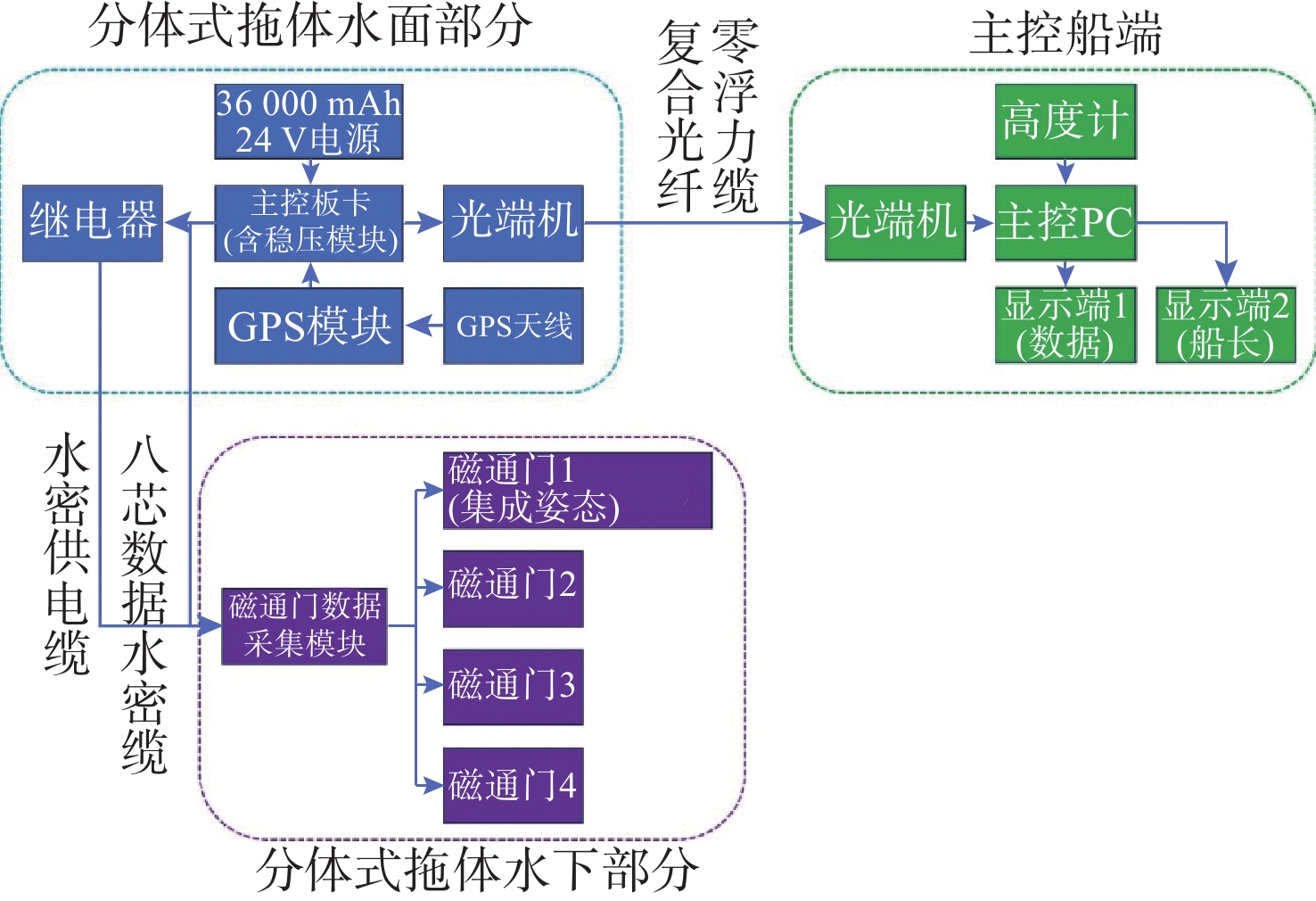
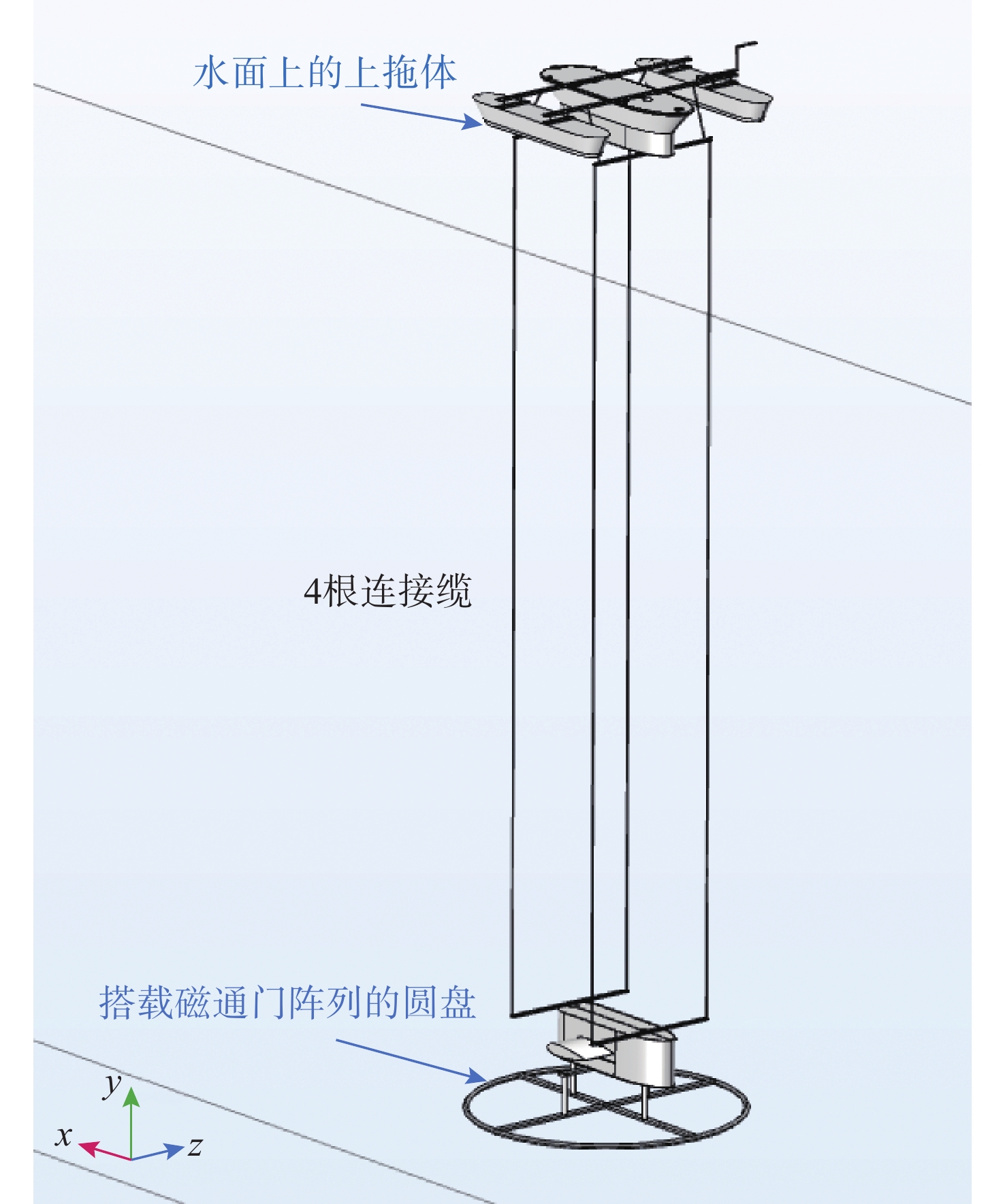
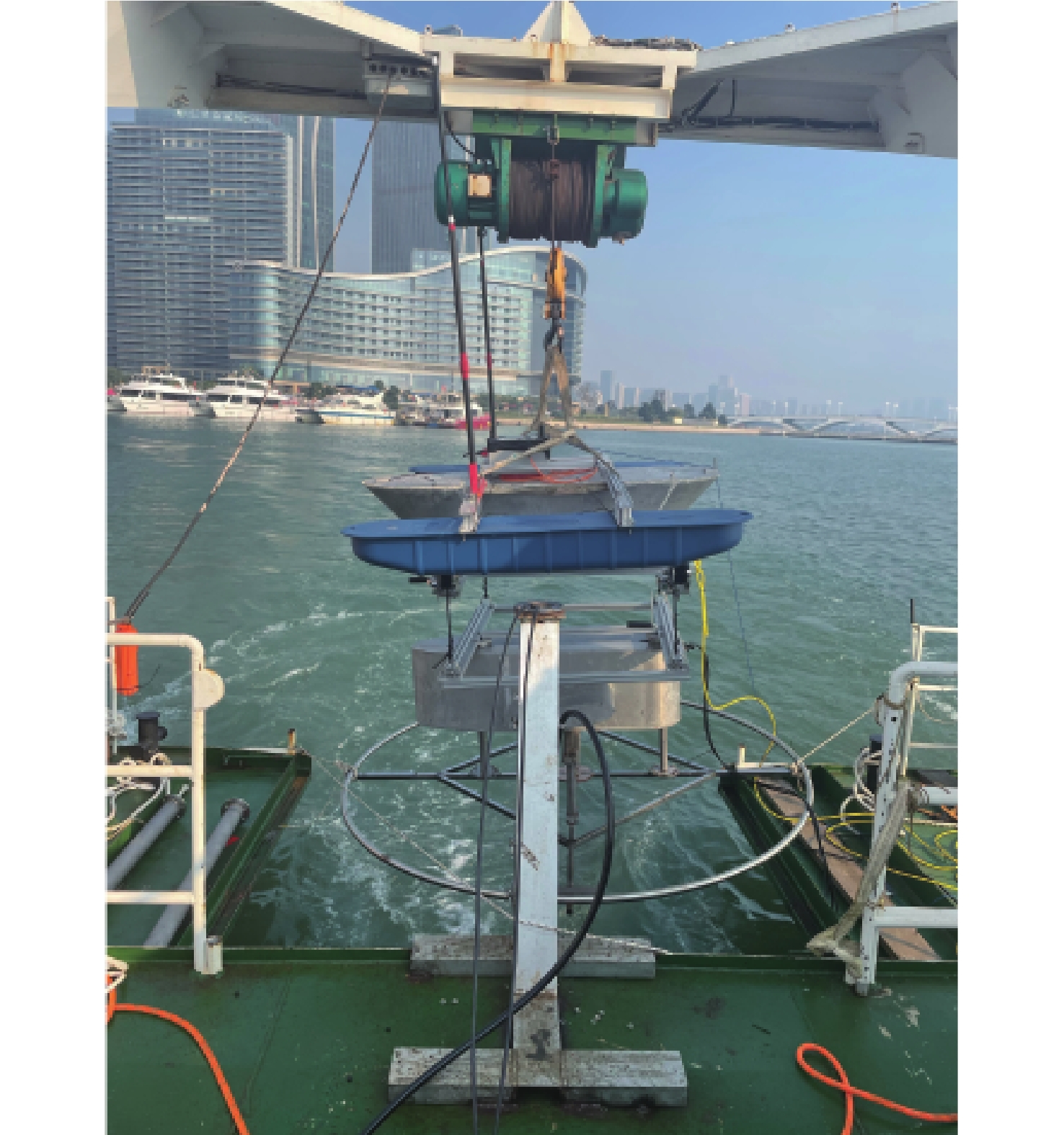
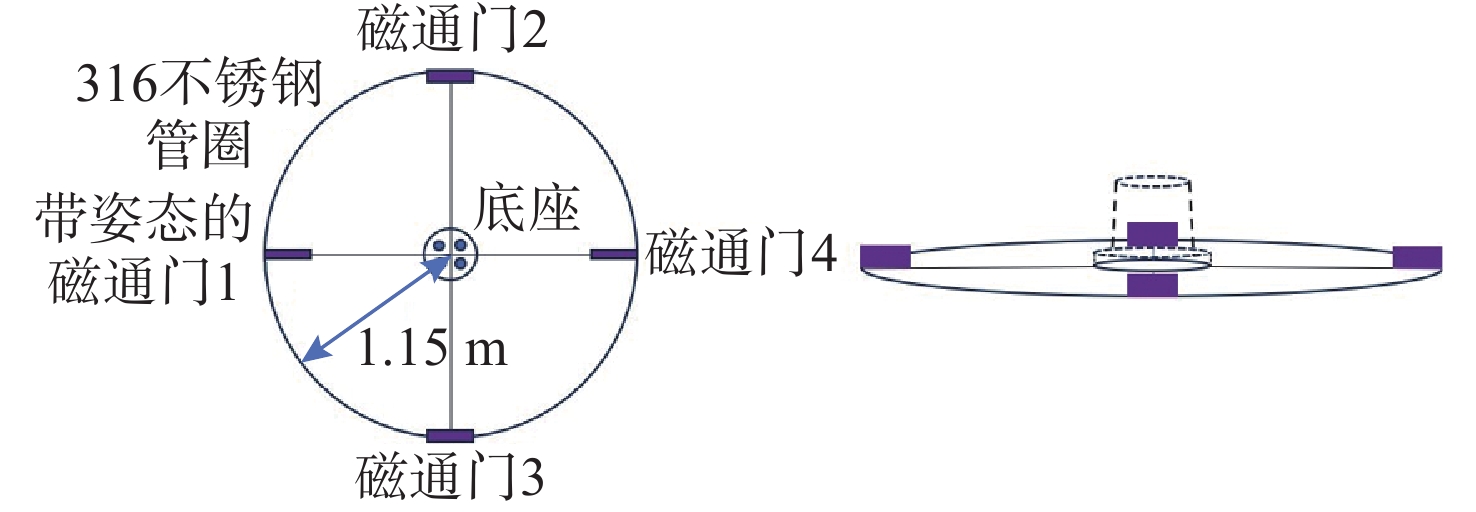
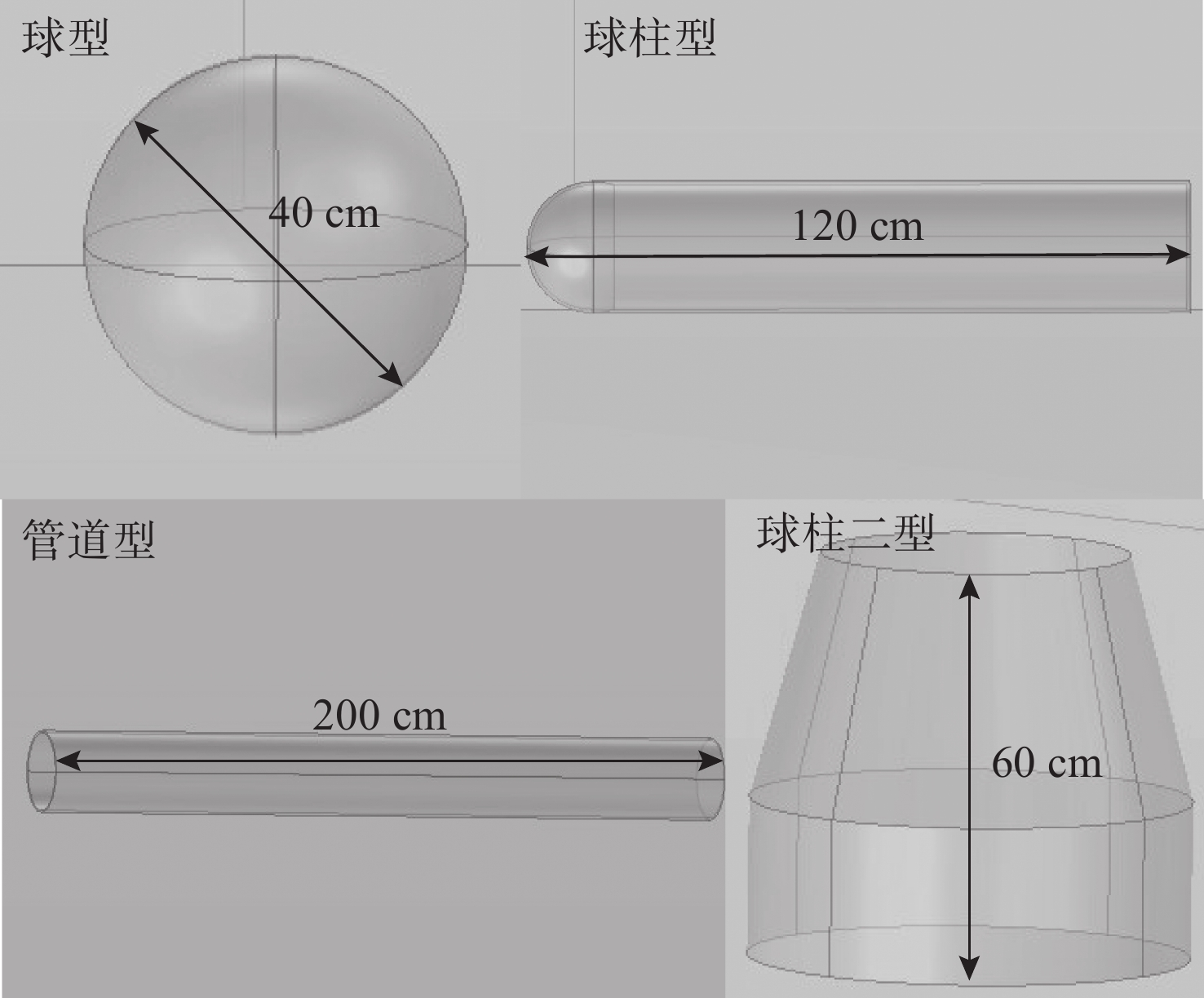
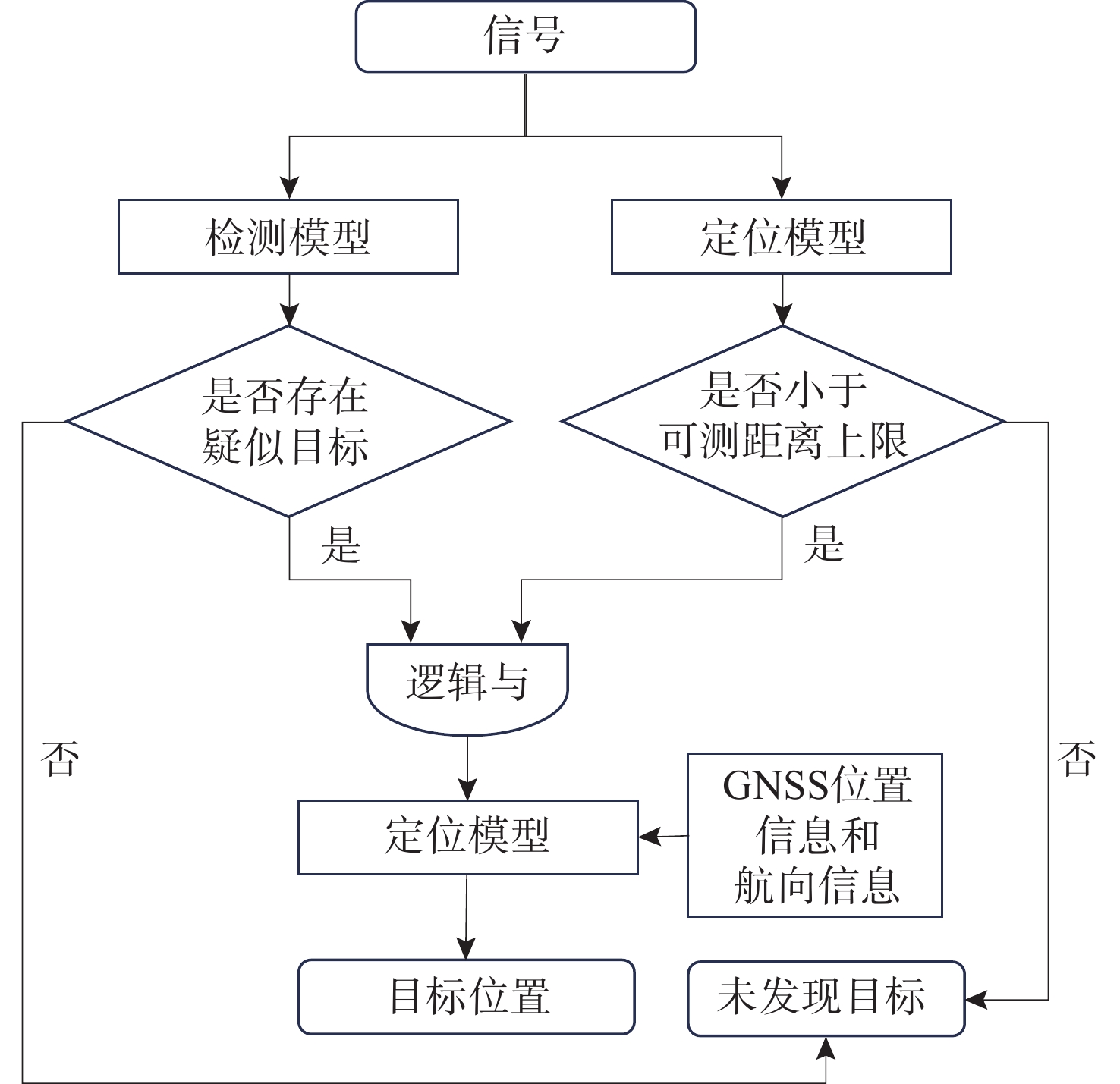
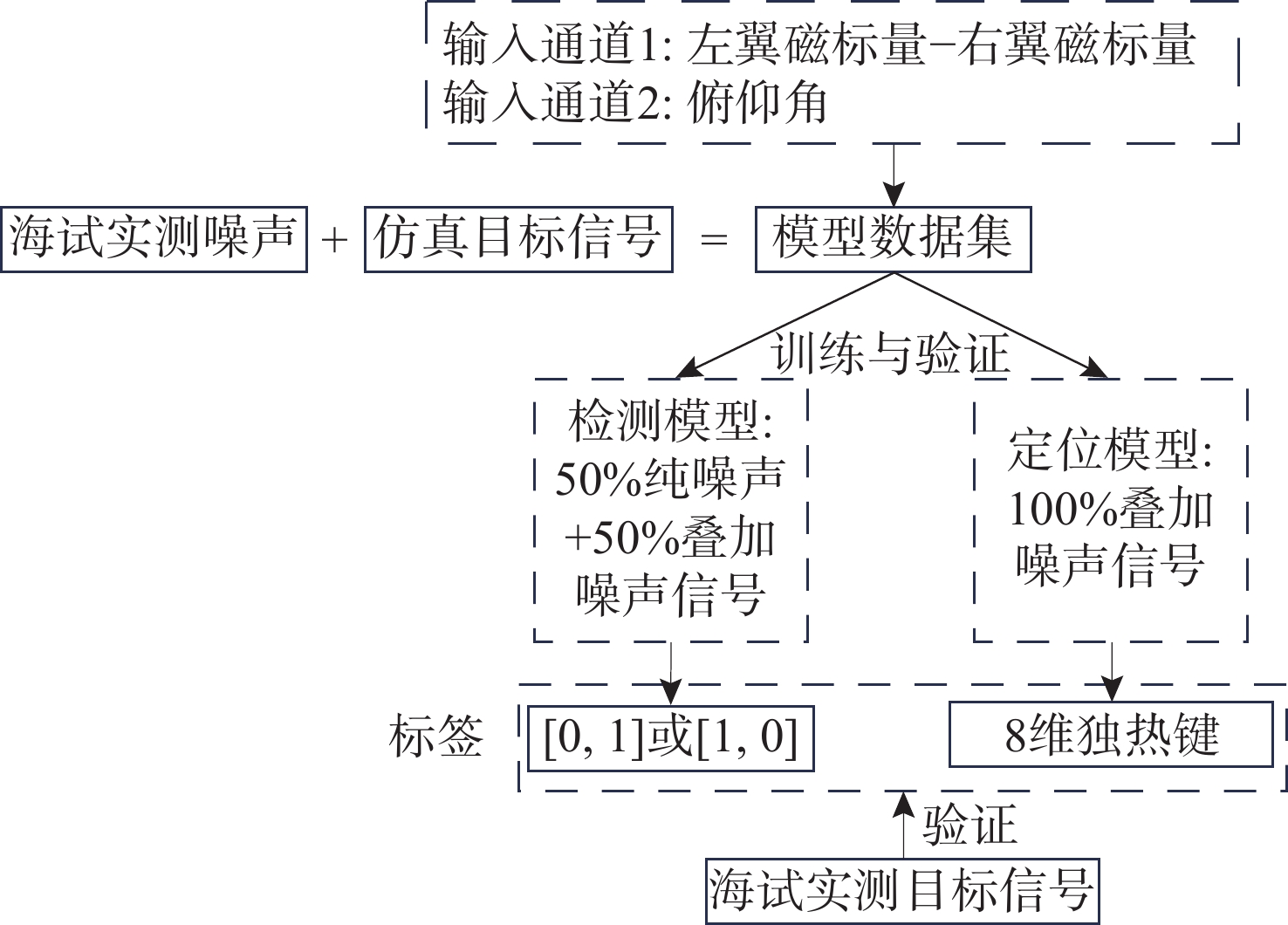
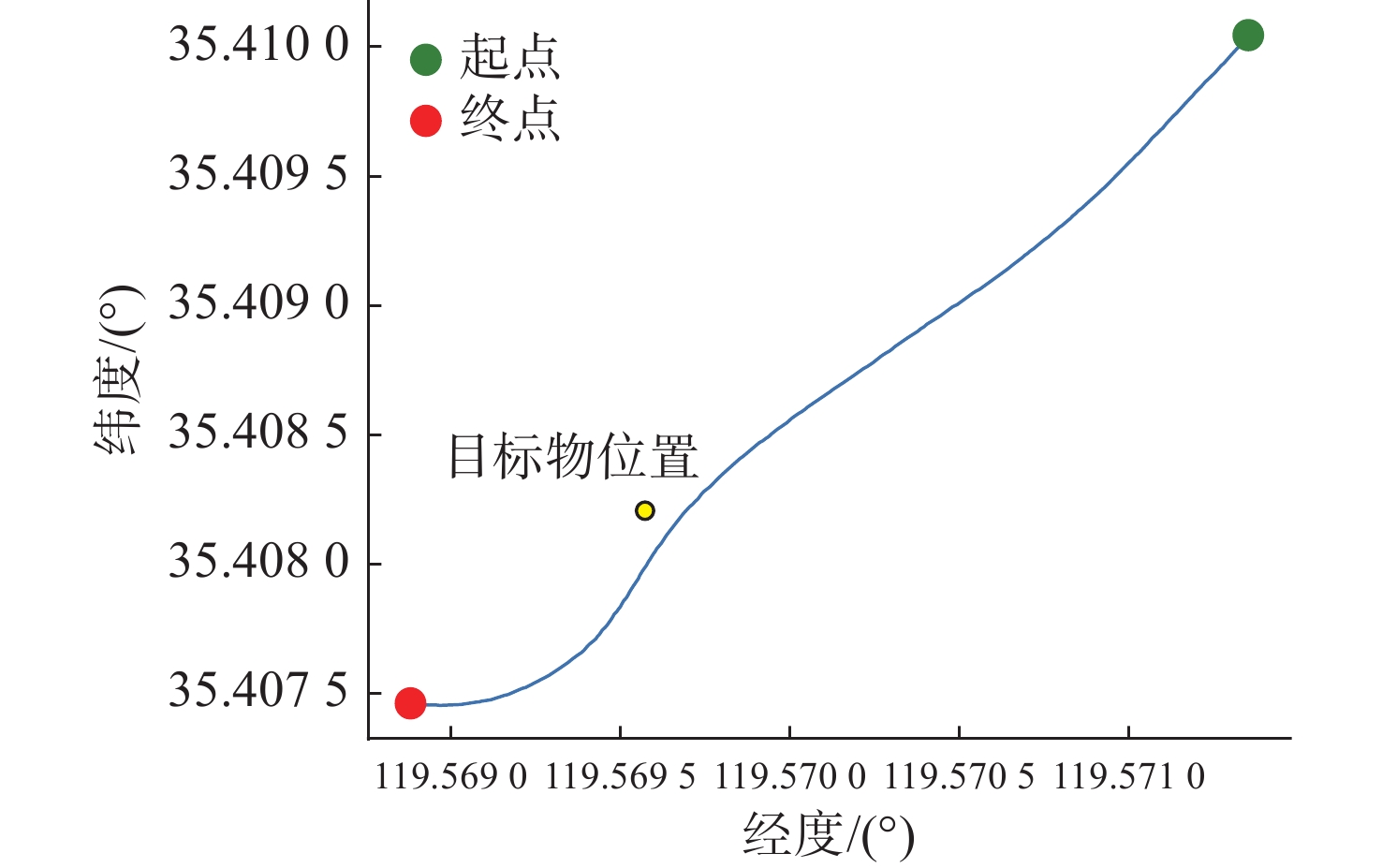
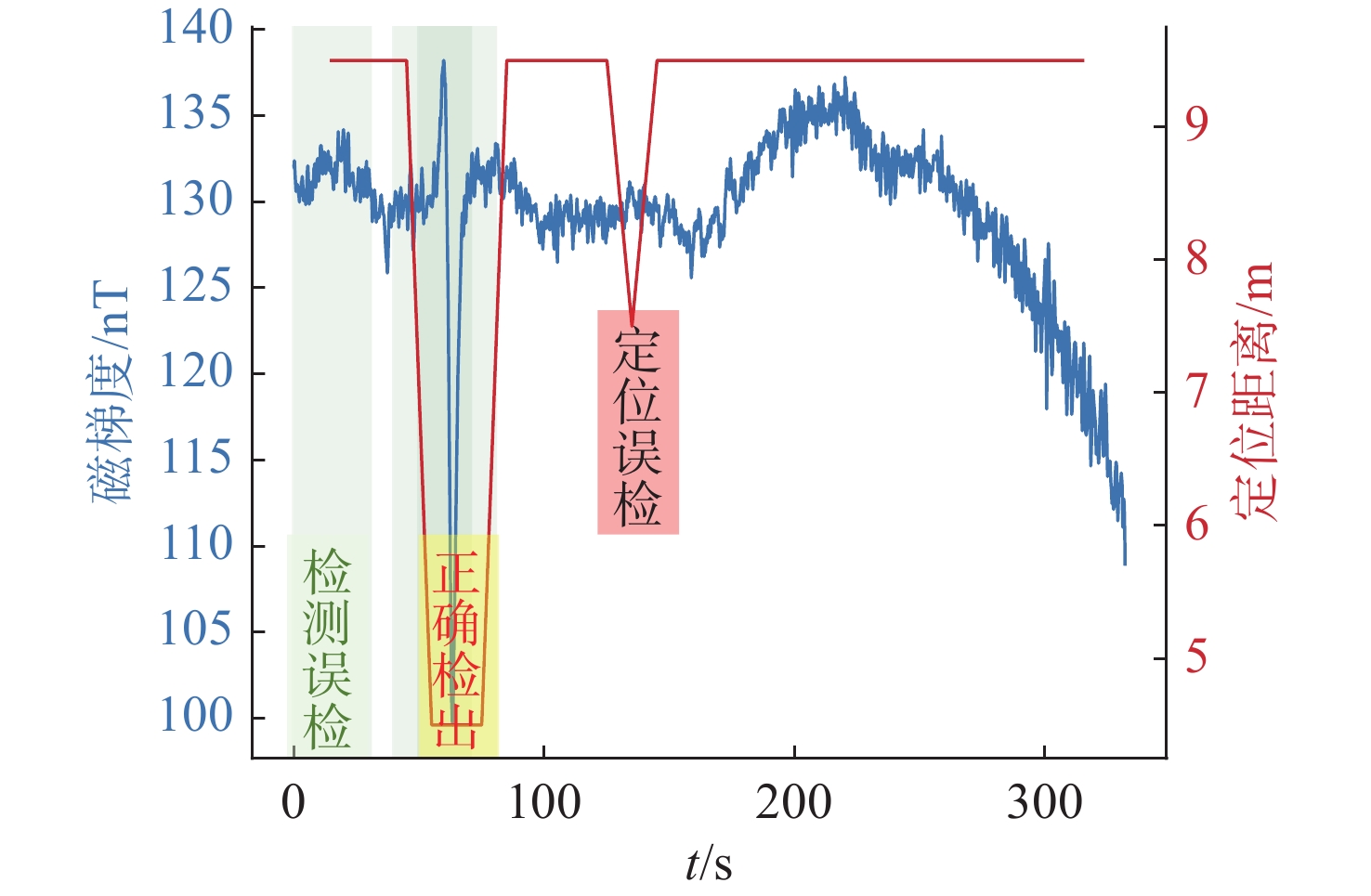
To address the challenges of magnetic signal acquisition in complex shallow-sea environments, this study designed and constructed a split towed system equipped with a fluxgate array. This system efficiently collected magnetic environmental noise and magnetic anomaly signals from four typical small ferromagnetic targets under dynamic conditions, successfully establishing a corresponding real-world measurement dataset. To compensate for the limitations of measured data and enhance data diversity, based on the characteristics of measured data, a simulation dataset containing the passage characteristic curves of four types of target magnetic sources was constructed using COMSOL multiphysics simulation software, providing data support for model training. To meet the requirements of real-time detection and localization of magnetic sources, this study proposed a magnetic source localization method, named 1D ViT-ResNet, based on the collaboration of a one-dimensional vision transformer(1D-ViT) detection model and a one-dimensional residual network(1D-ResNet) localization model. Validation results using measured target signals show that the algorithm achieves a mean localization estimation error of approximately 7%. Compared with single-model approaches, the dual-model method reduces the false detection rate by an average of 11 percentage points, significantly improving the accuracy and reliability of underwater magnetic detection.
Method of Vision-Task-Friendly Underwater Image Enhancement
CHENG Miao, WEI Yanhui, SUN Wenbin, HOU Tongtong
2026, 34(3): 574-583. doi: 10.11993/j.issn.2096-3920.2026-0023
Abstract:
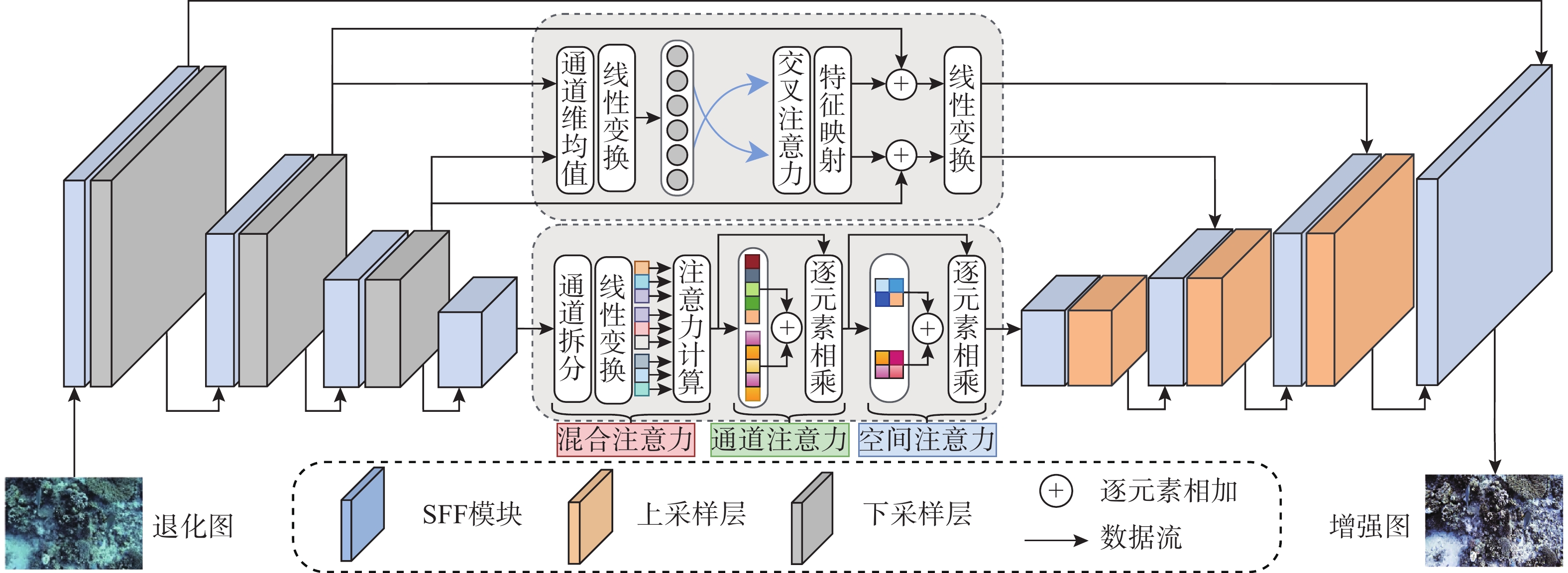
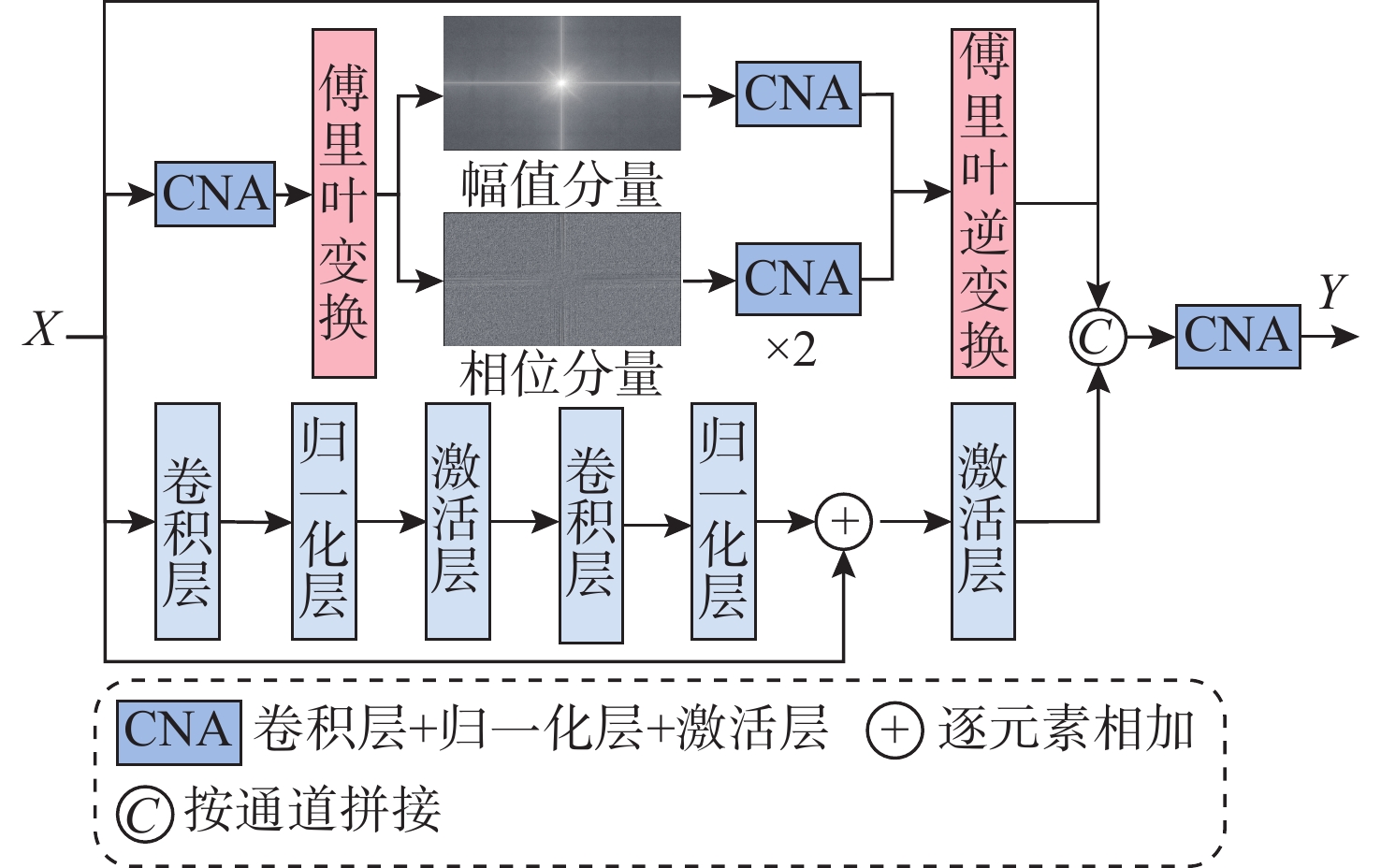
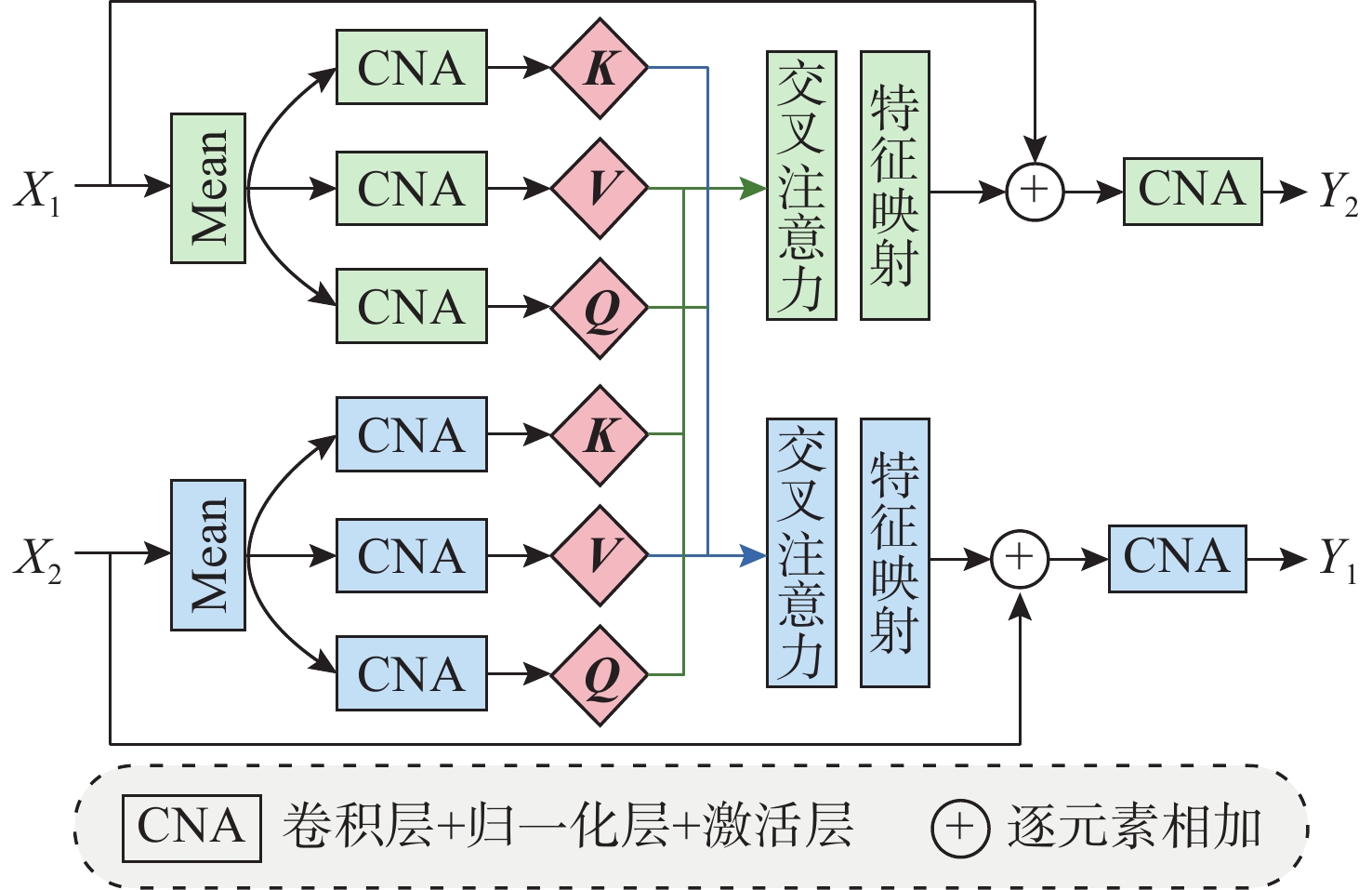
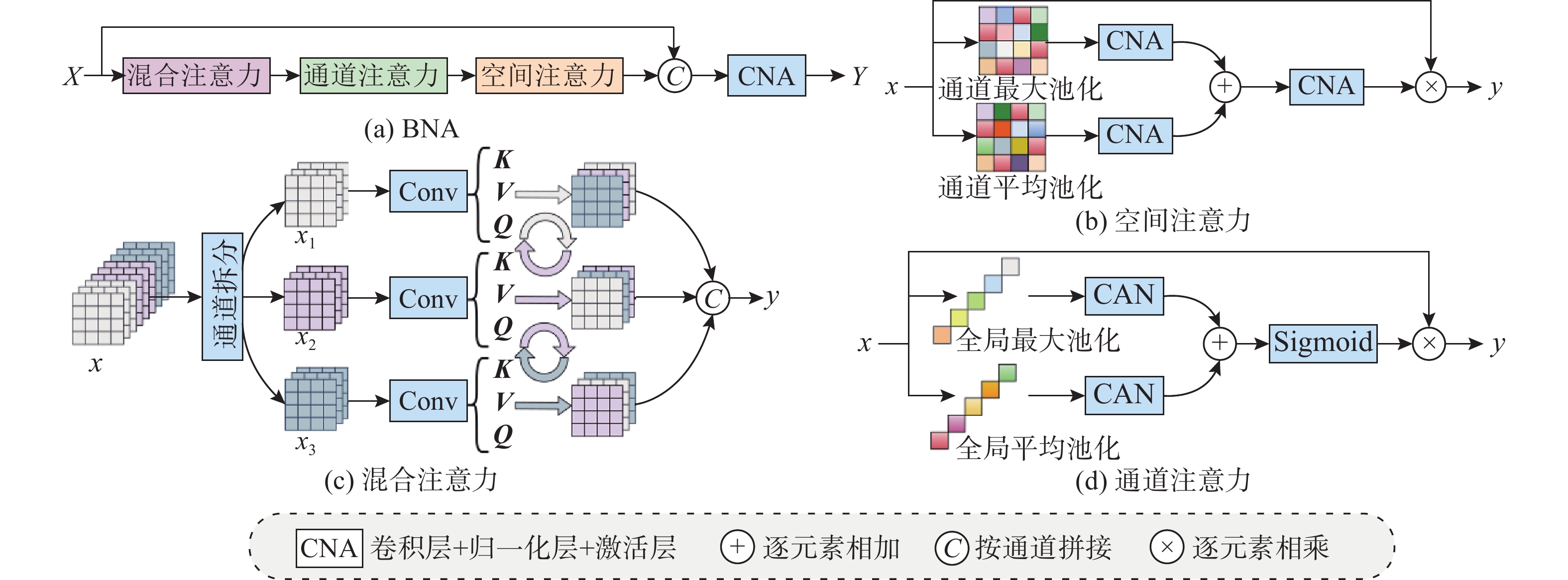
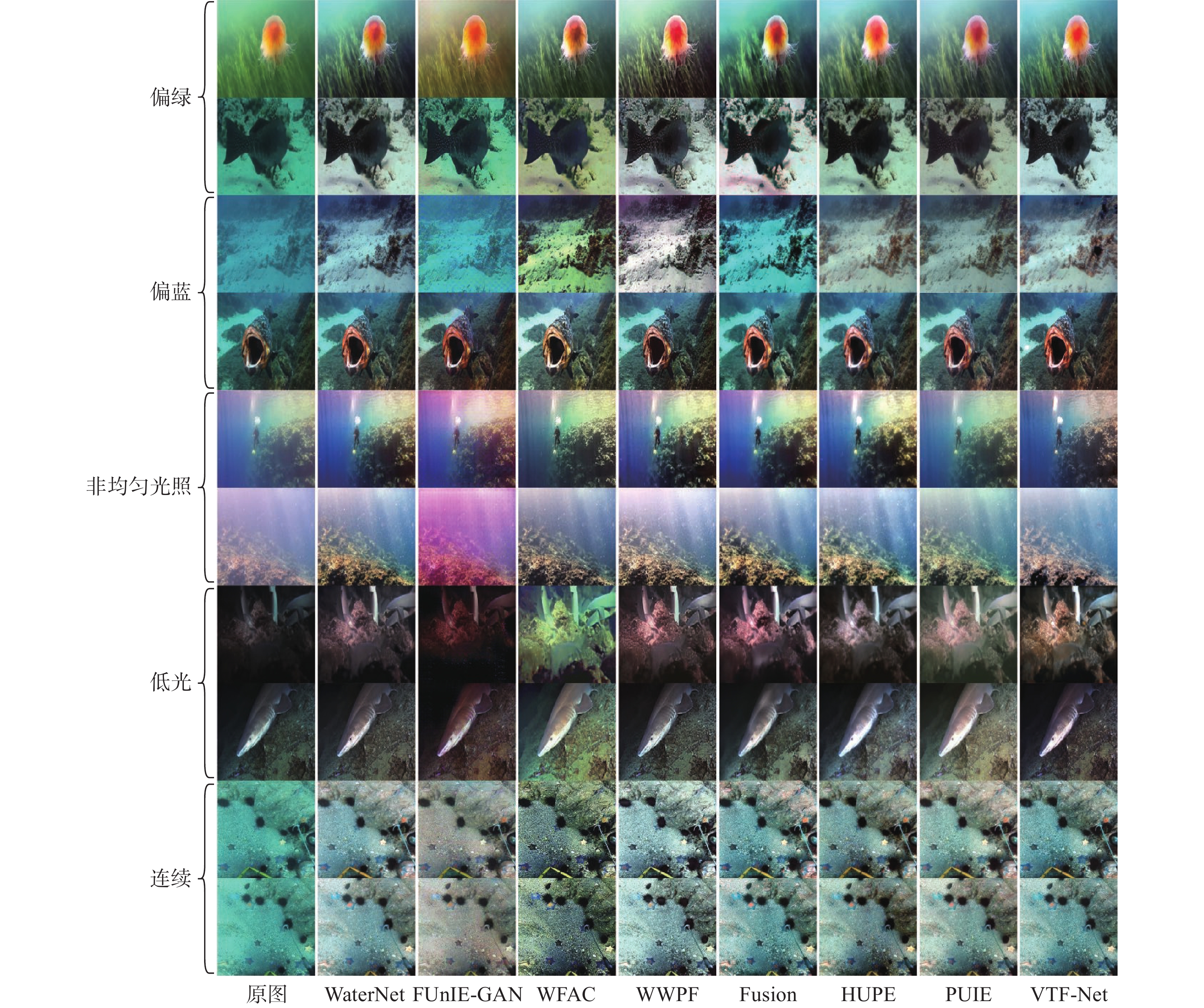
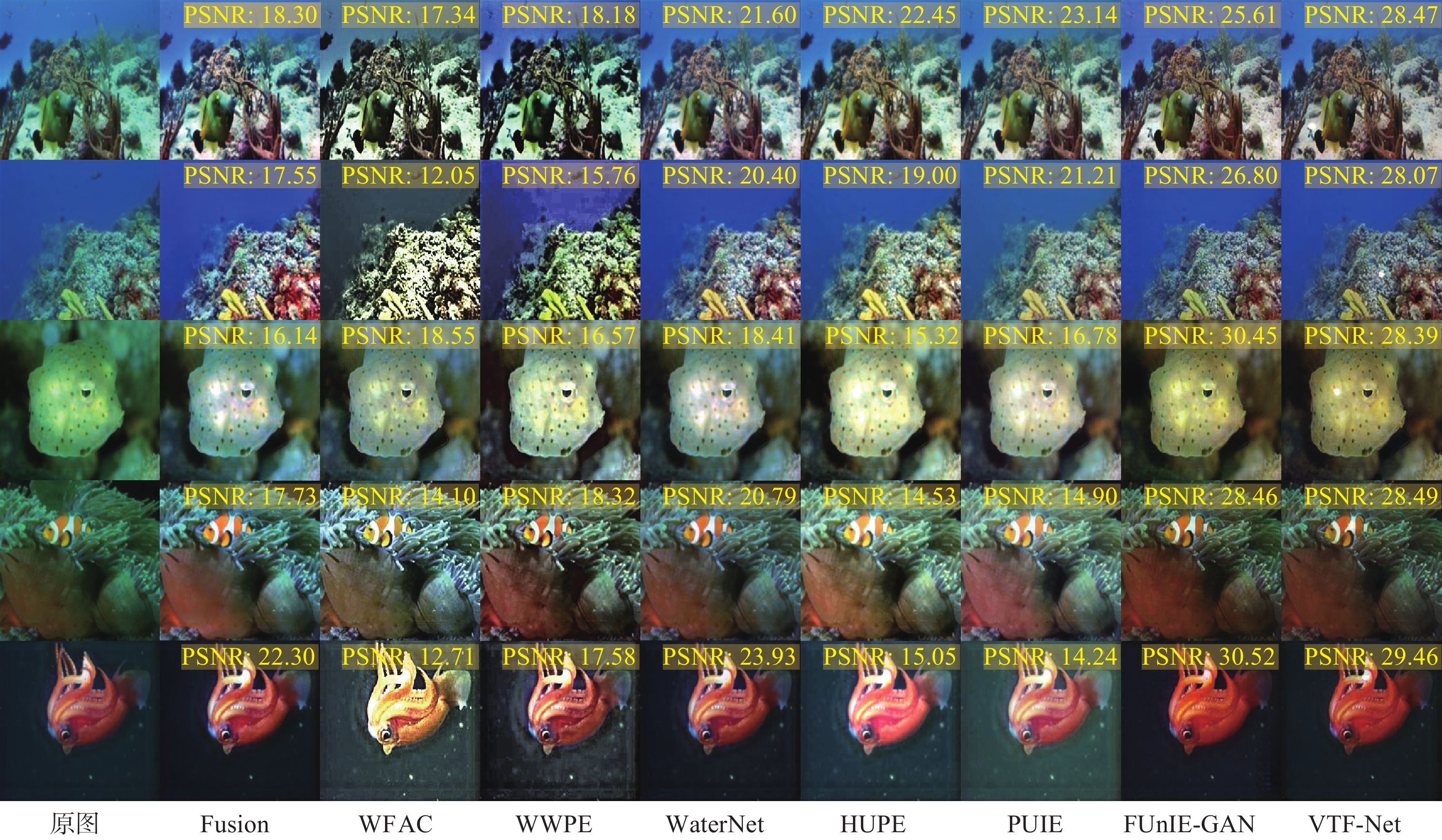
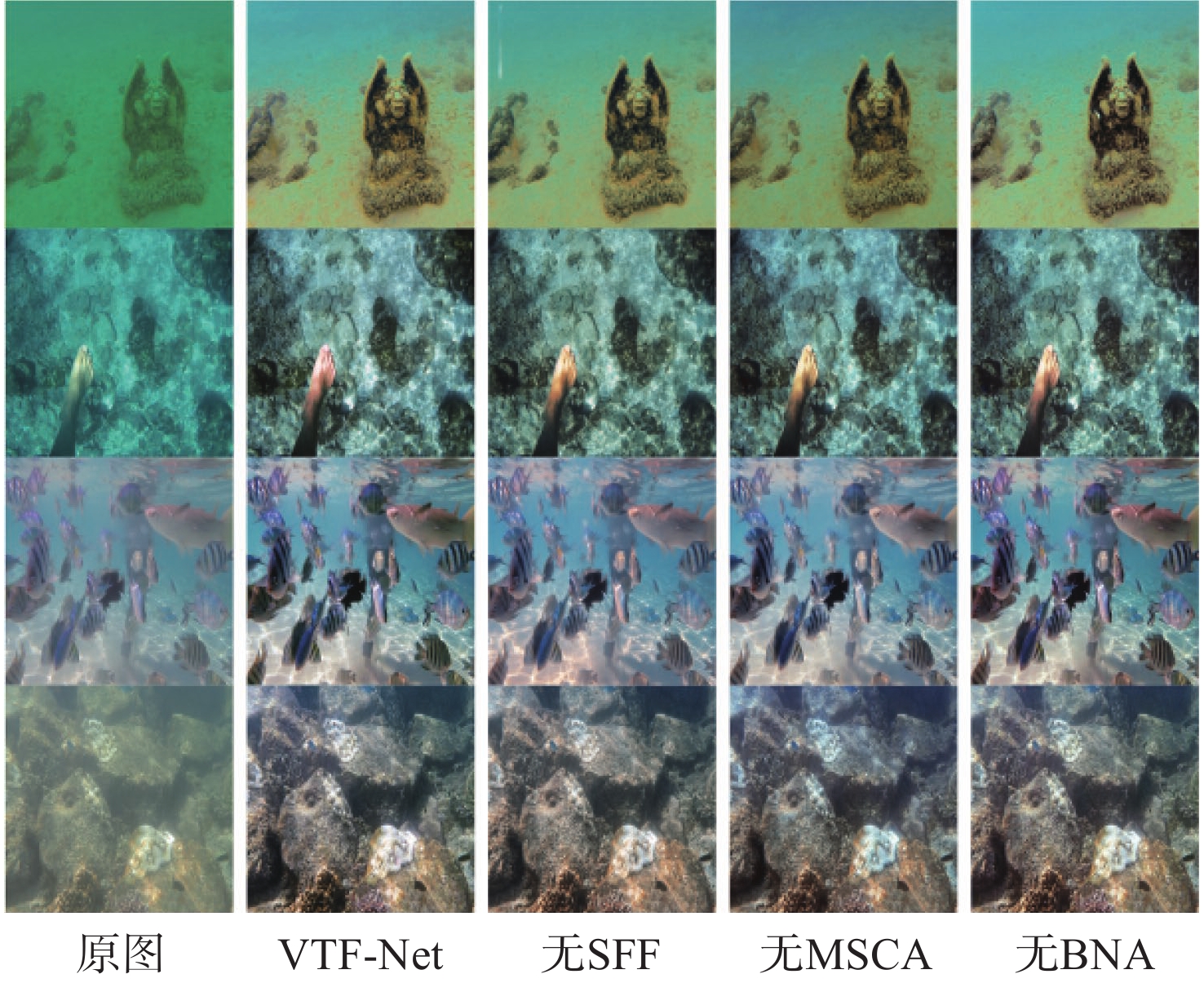
Underwater images suffer from severe color and structural distortions, which degrade the performance of various underwater vision tasks. Existing underwater image enhancement methods focus on improving visual appearance while ignoring the necessity of optimizing the downstream vision tasks. To address this issue, this paper proposed an underwater image enhancement method namely visual task-friendly network(VTF-Net). Specifically, it first designed a novel spatial-frequency fusion(SFF) module, which could significantly improve the model’s perception of texture details and image fidelity. Second, to achieve efficient information transmission between the encoder and decoder, it introduced a multi-scale cross-attention(MSCA) module and a bottleneck attention(BNA) module, which enhanced the perception of global gradients while ensuring efficient feature extraction, thereby effectively alleviating color cast and blurring. Finally, in line with the concept of visual task friendliness, it proposed a detection loss function that guided the optimization direction of the model by incorporating underwater object detection results. Experimental results demonstrate that the proposed method achieves superior performance in both qualitative and quantitative evaluations and obtains the best result in the application experiment of underwater object detection.
MFLM-FPN and GAFF-driven Underwater Target Detection Algorithms and Class Balancing Strategies
ZHAO Yan, LI Jinxin, JIA Rujian
2026, 34(3): 584-594. doi: 10.11993/j.issn.2096-3920.2026-0007
Abstract:
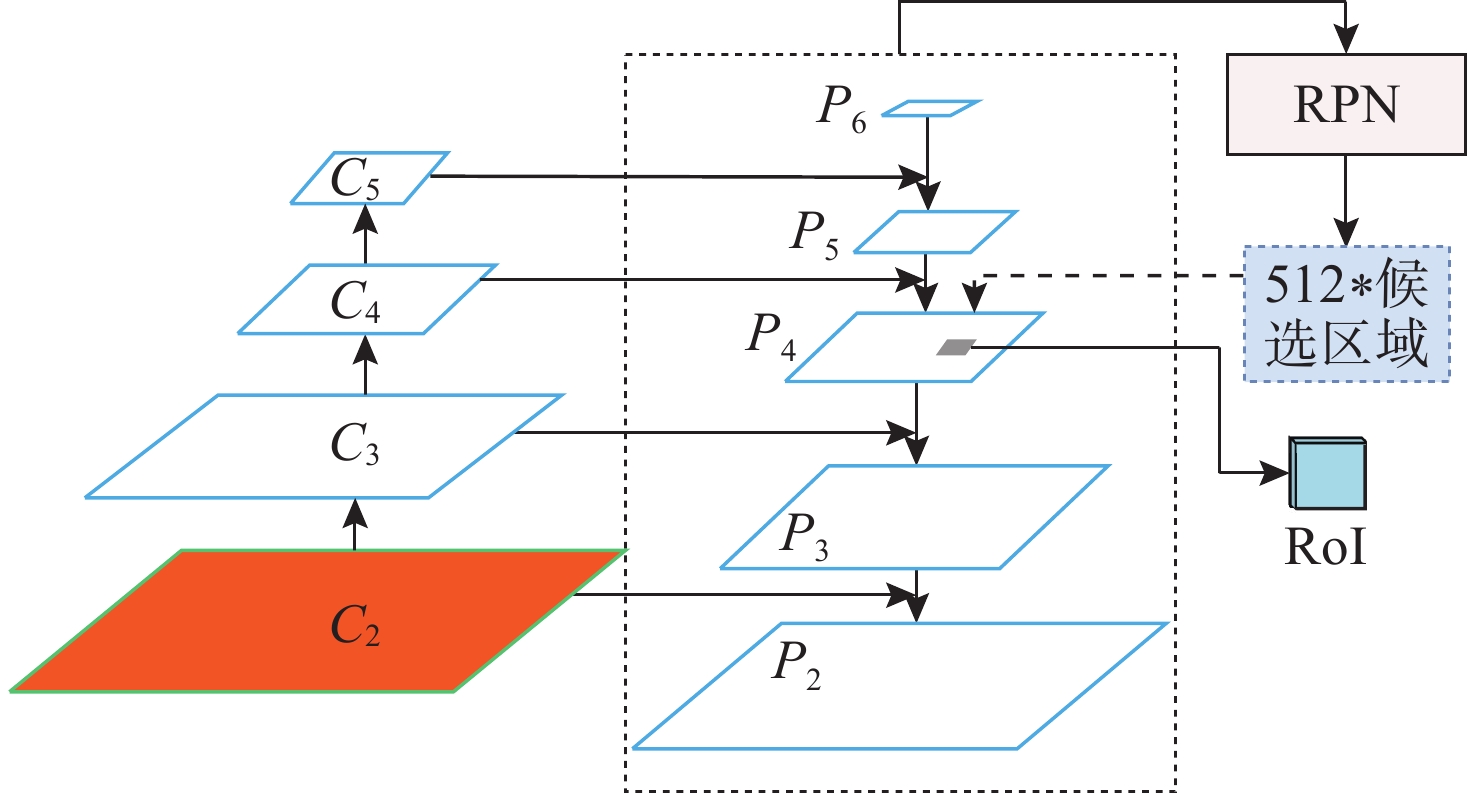
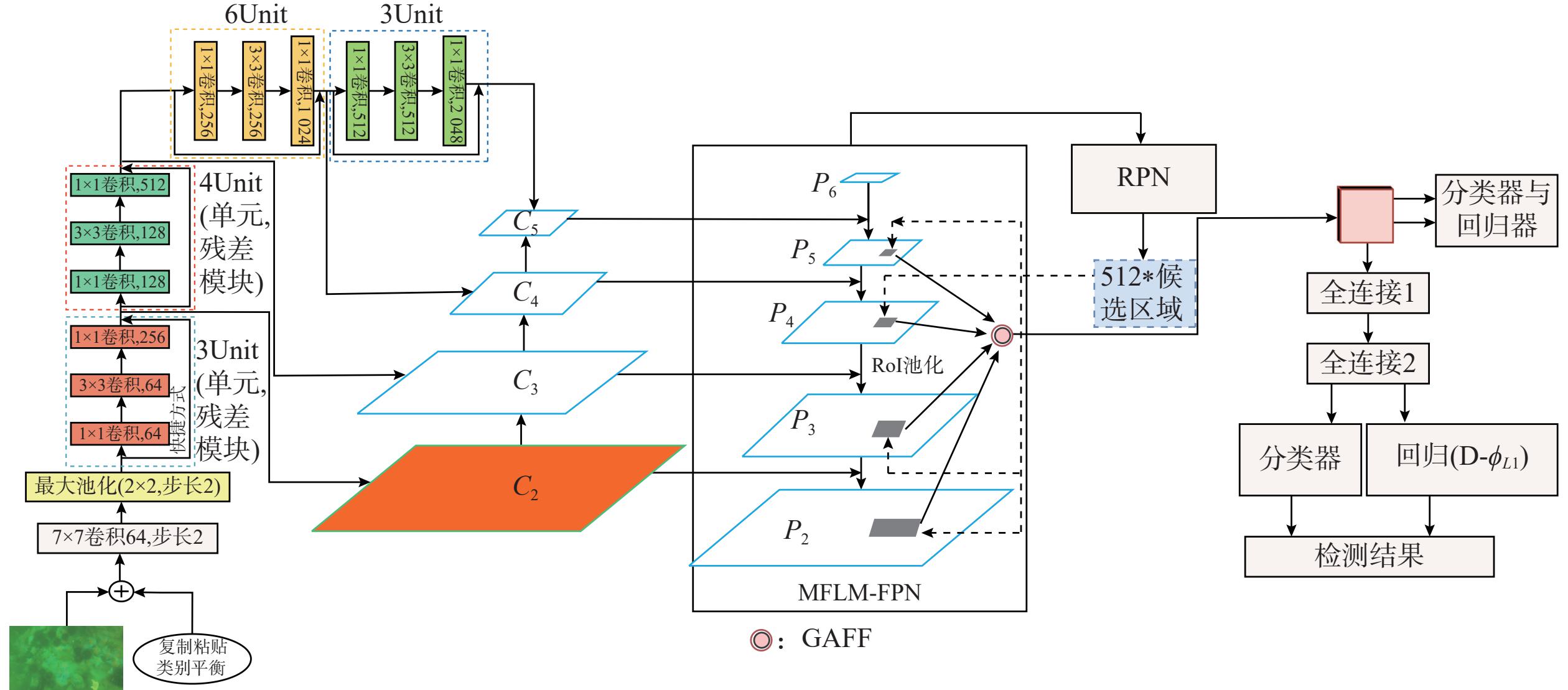
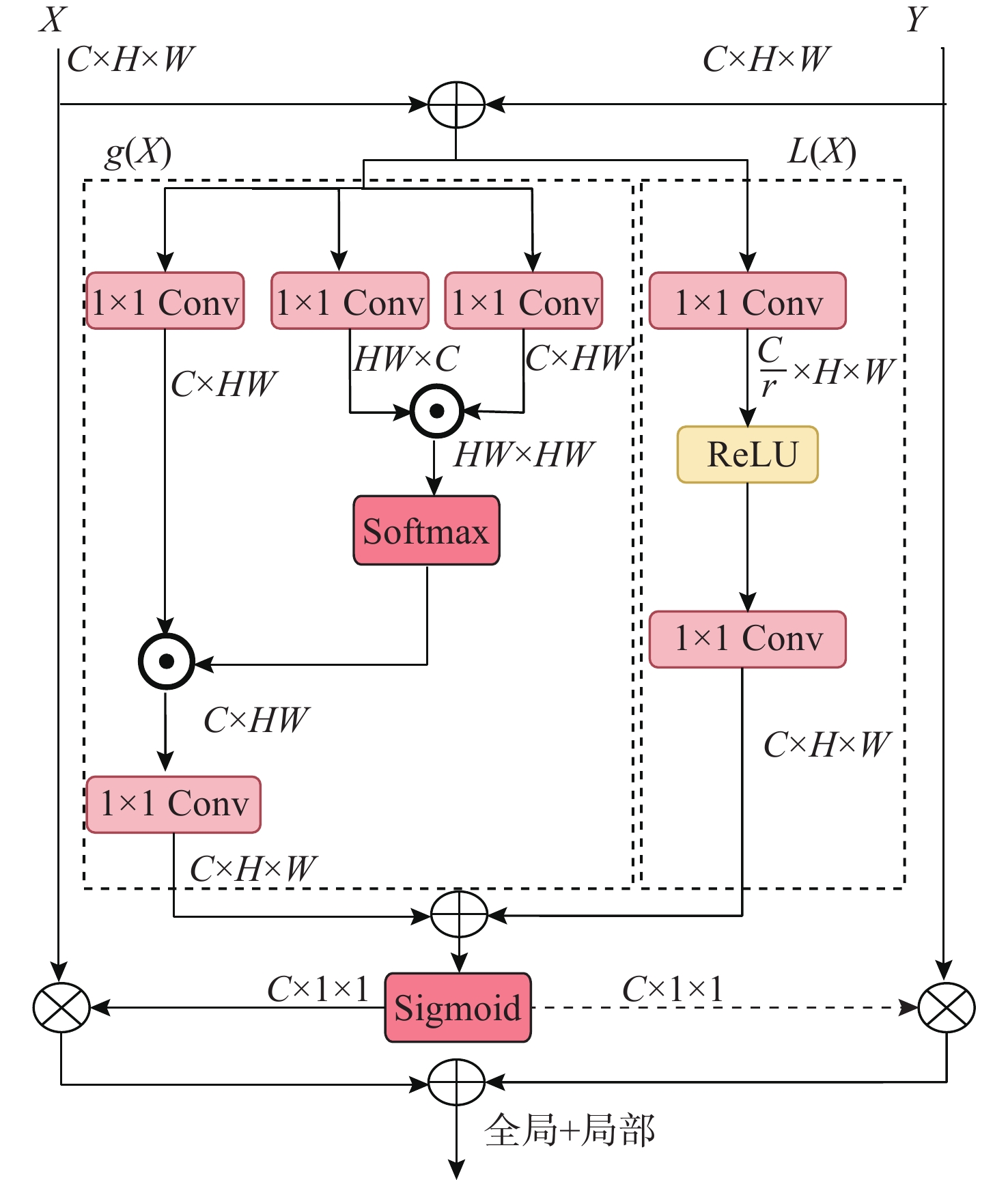
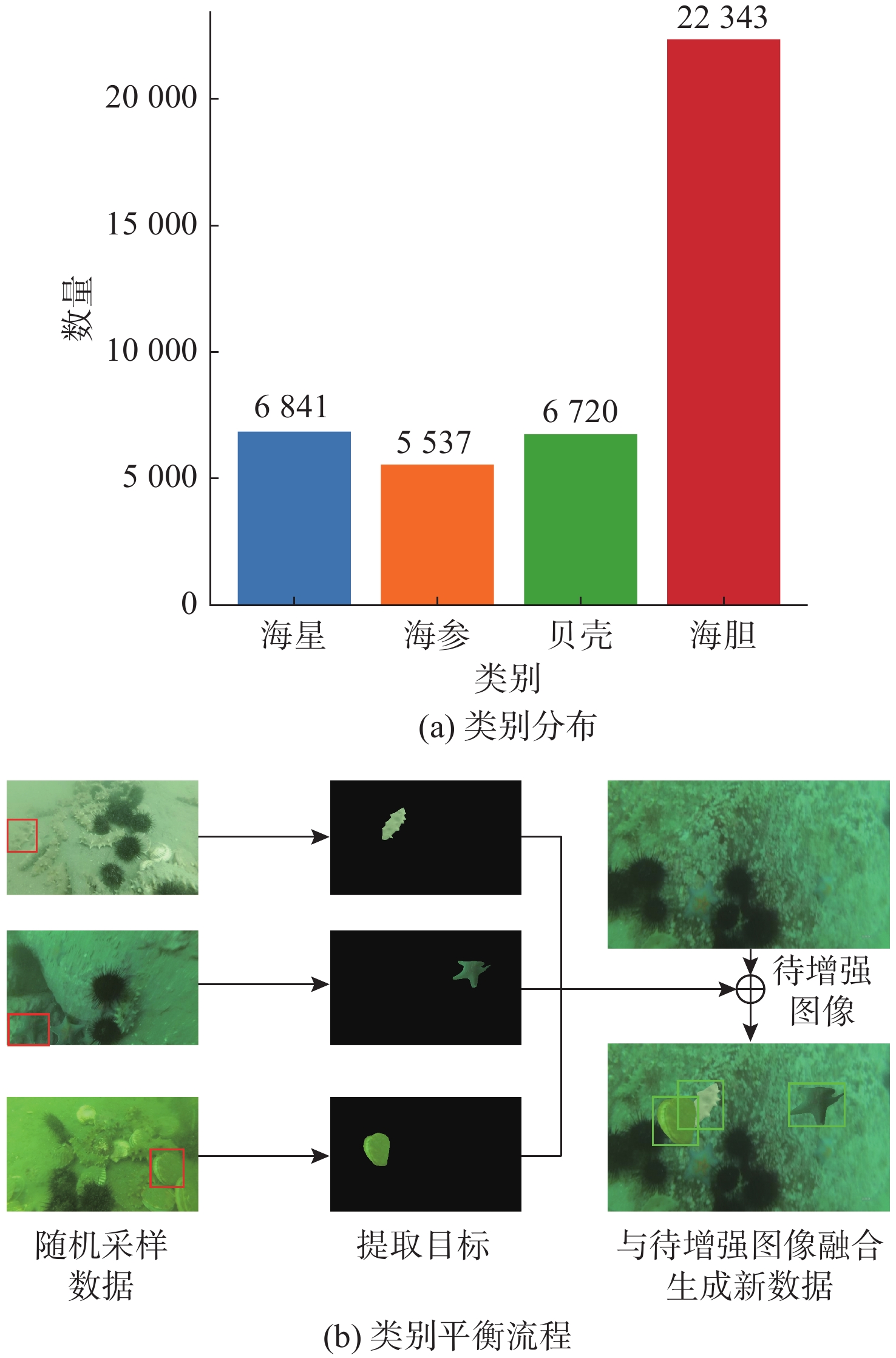
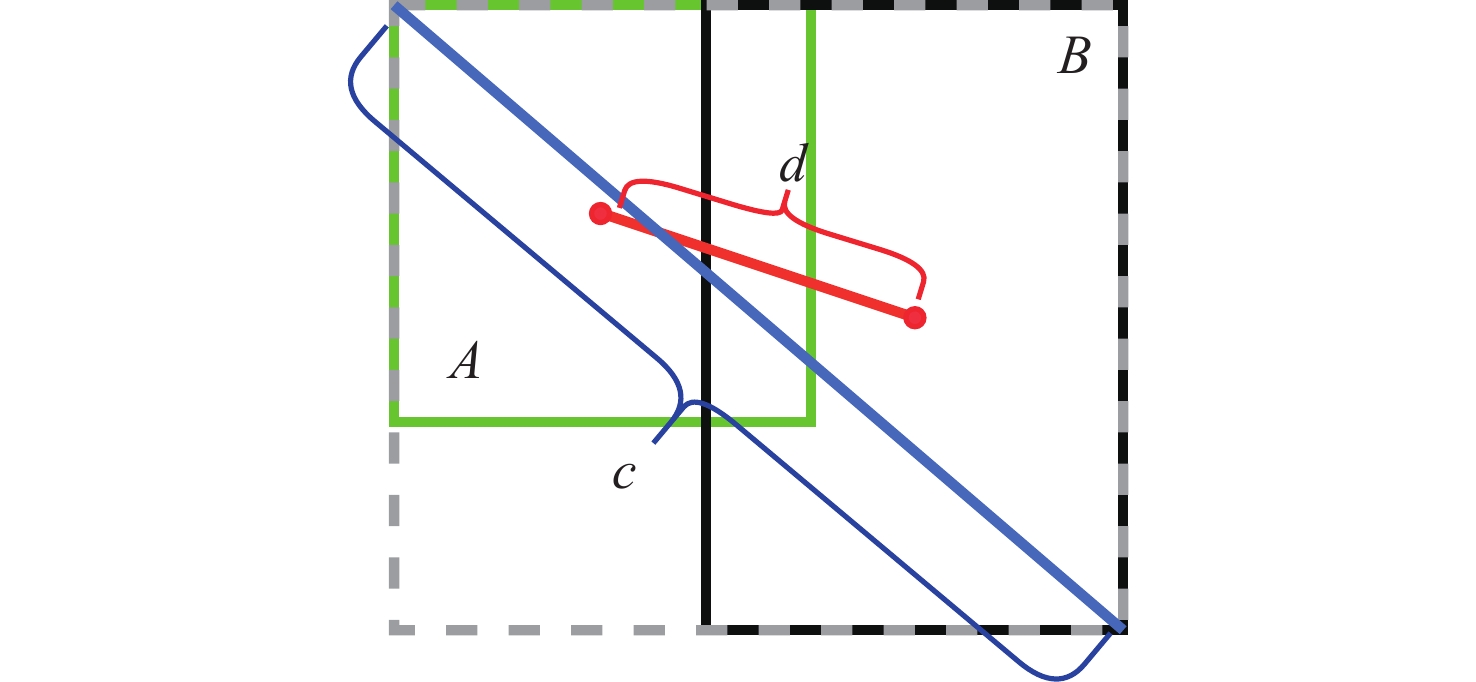
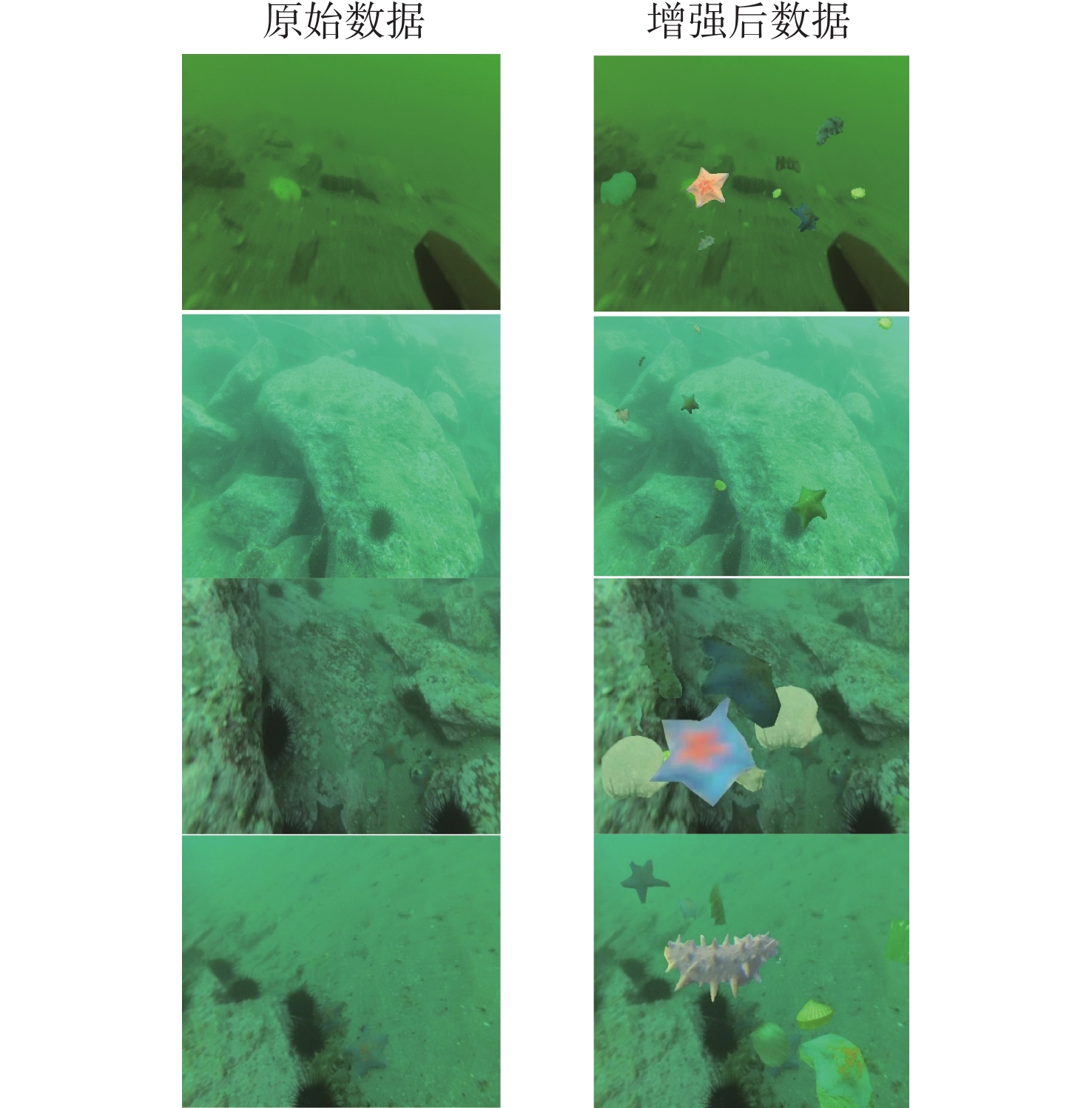
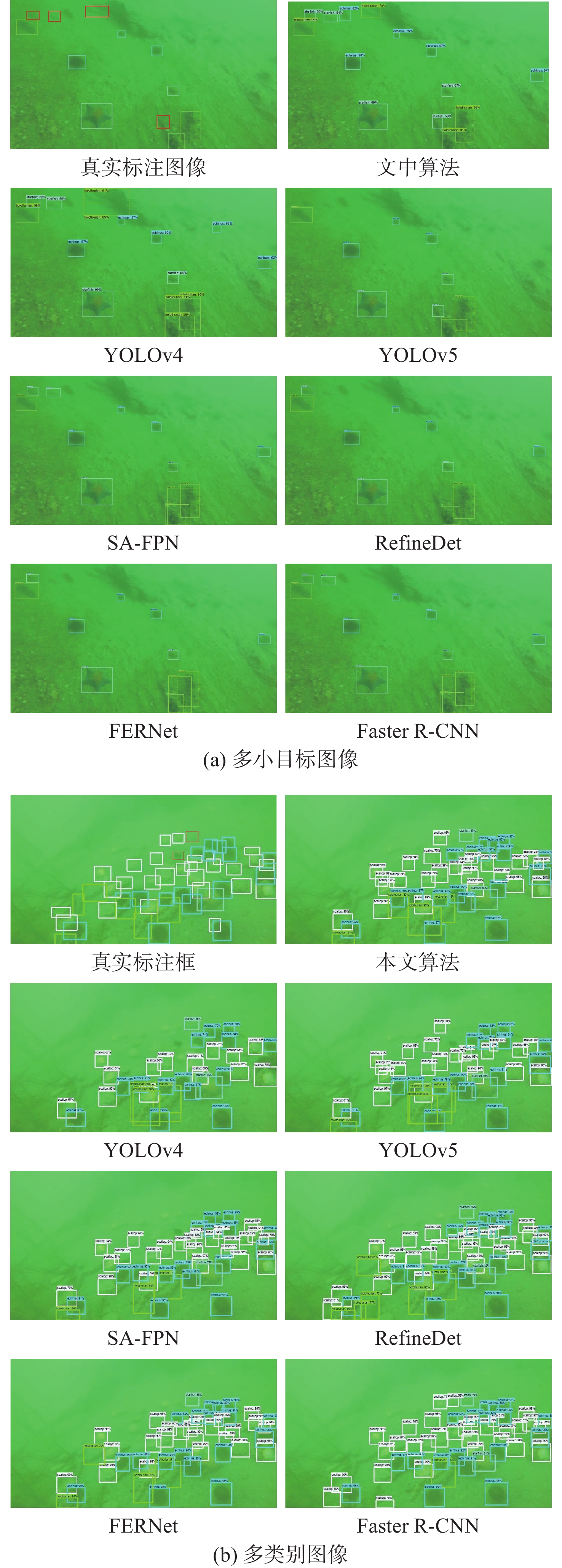
To address the problem of scarce feature information for underwater targets, this paper proposed an underwater target detection algorithm combined with a multi-feature-layer map feature pyramid network(MFLM-FPN) and global attention feature fusion(GAFF) mechanism. Firstly, MFLM-FPN was built to map each proposal box to different feature layers, and four feature layers of consistent size and complementary information were obtained after region-of-interest pooling. Then, GAFF was used to realize feature fusion, which could make full use of feature information of each layer and effectively alleviate the problem of insufficient features of underwater targets. To address the class imbalance problem in underwater datasets, a copy-paste class balancing strategy was designed to enhance the neural network’s attention to scarce categories such as sea cucumbers, starfish, and scallops. To address the issue of insufficient penalty in the loss function leading to decreased detection accuracy, the normalized distance between the predicted and target boxes was introduced as a penalty term in the smoothed L1 loss function, significantly improving the localization accuracy of underwater multi-scale targets. Experimental results show that on the National Underwater Robotics Competition dataset, the proposed method achieves a recognition accuracy of 81.93%, a 5.71% improvement over the baseline model Faster R-CNN, effectively reducing false negatives and false positives in complex underwater environments.
Dynamic Evaluation Method for Underwater Small Target Detection Effectiveness
YU Zhimin, CHEN Xiangguang, WANG Renzhong
2026, 34(3): 595-604. doi: 10.11993/j.issn.2096-3920.2026-0026
Abstract:
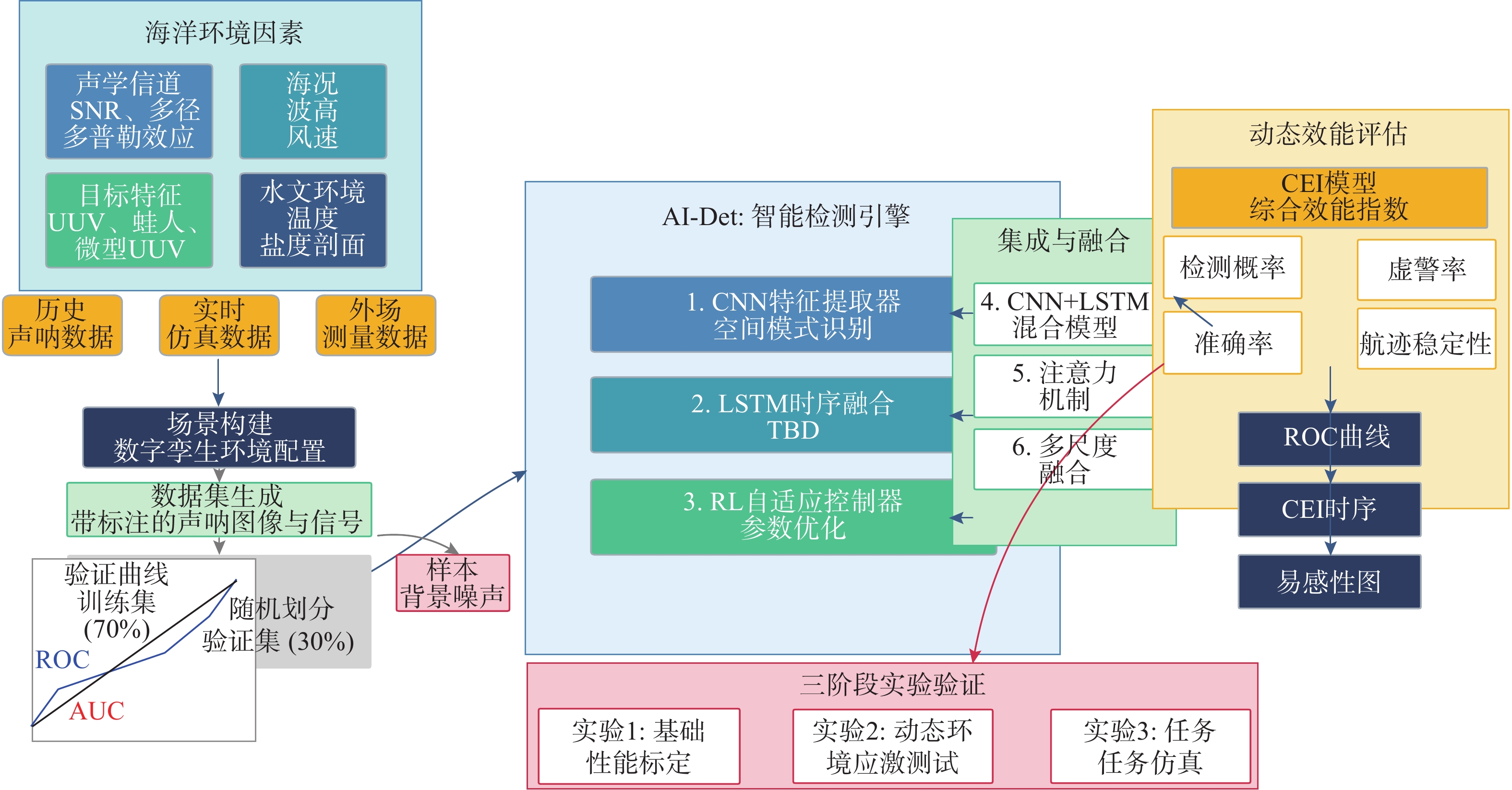
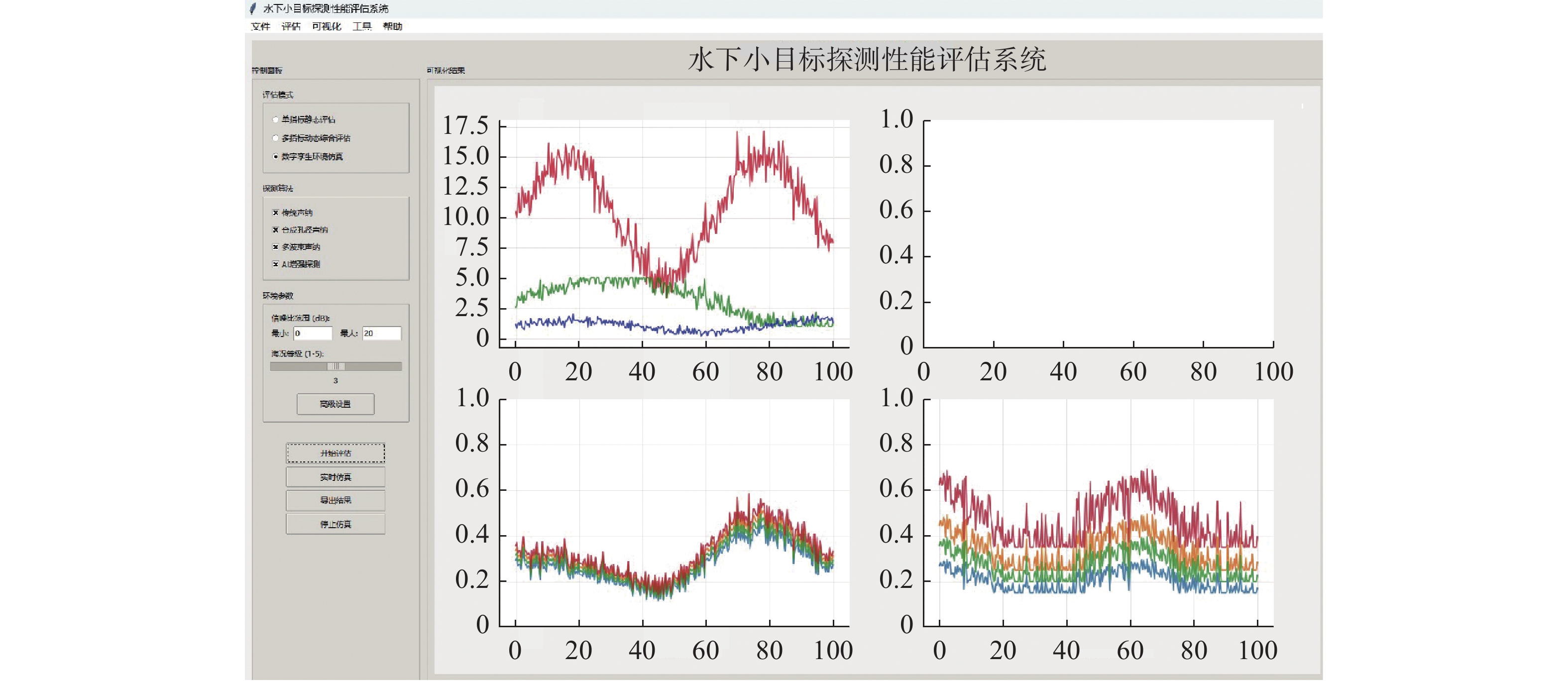
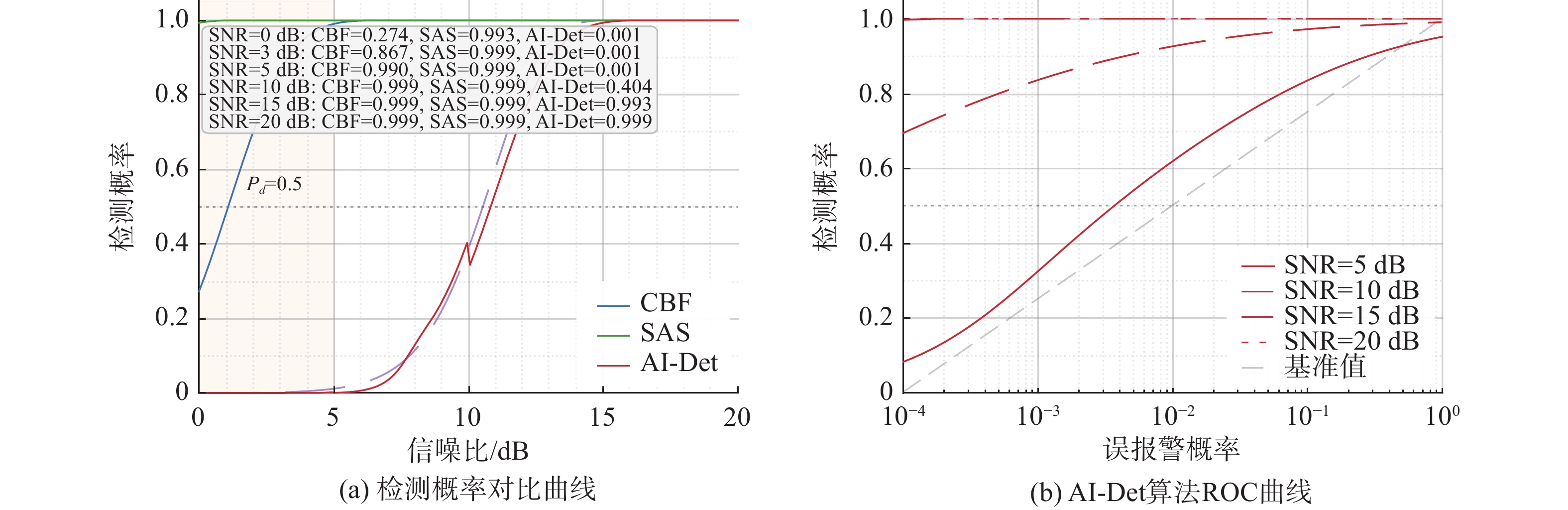
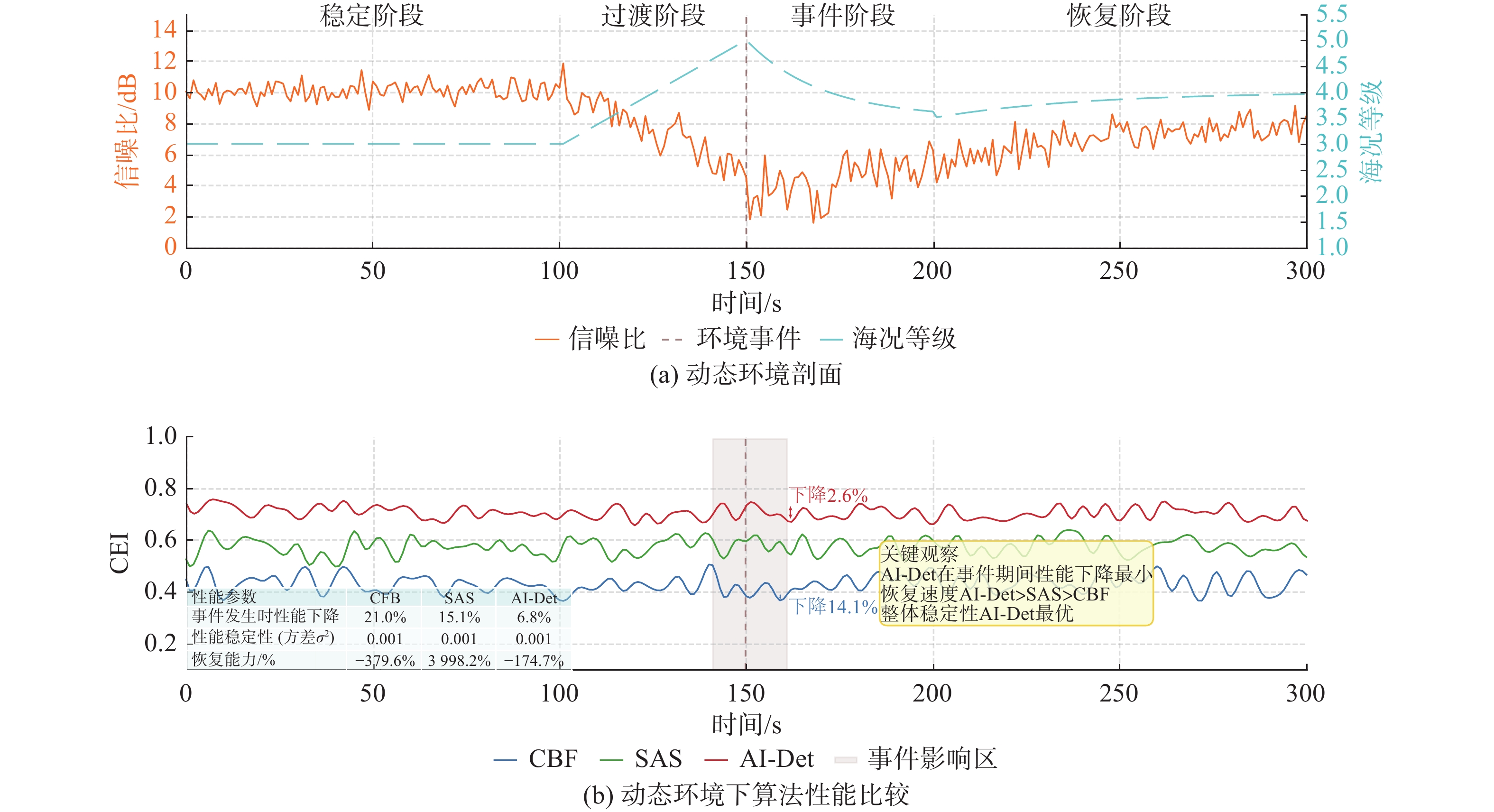
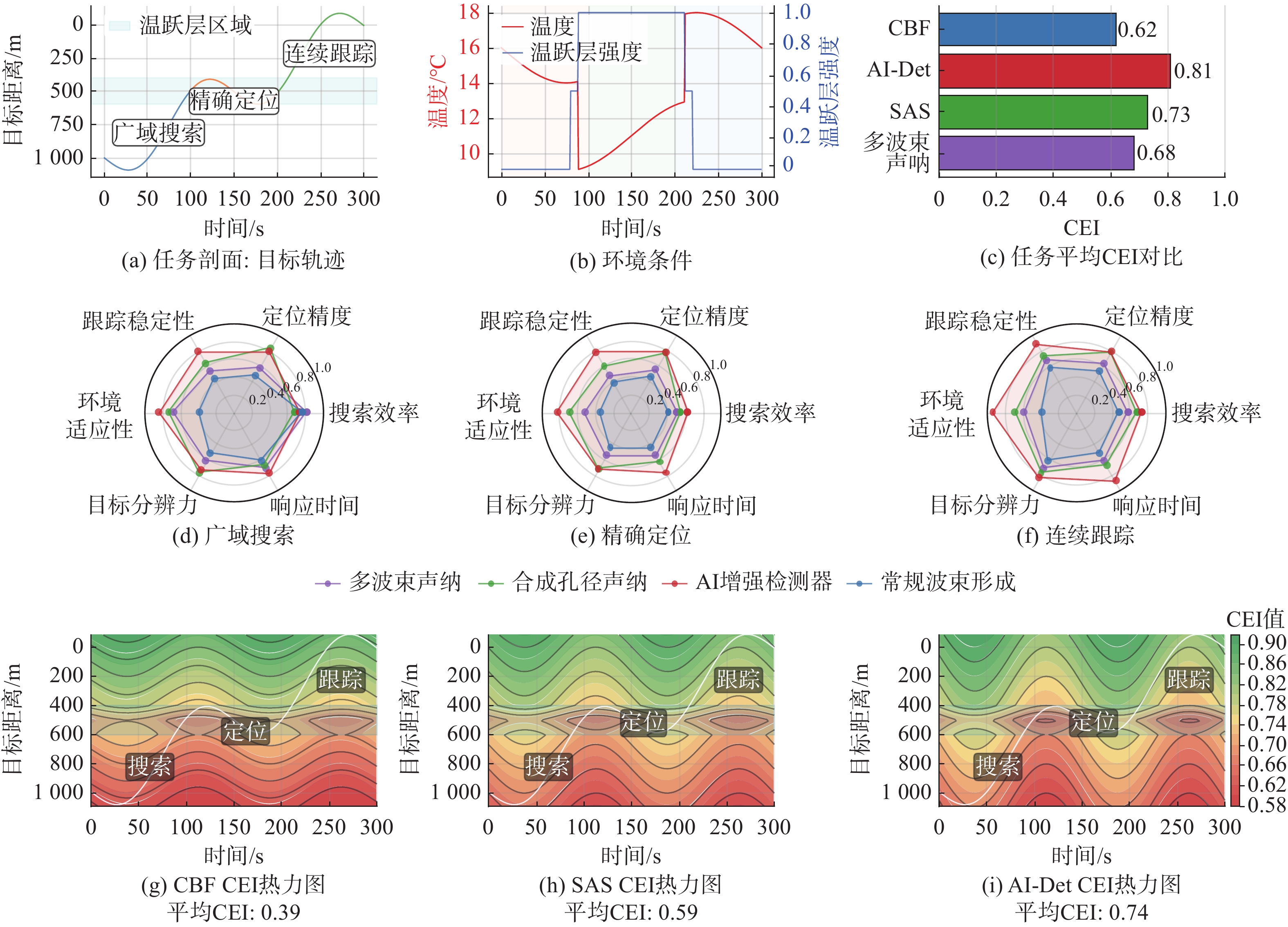
The evaluation of underwater small target detection effectiveness is a core challenge for ensuring maritime security and resource exploitation. Traditional static evaluation methods rely on fixed environmental parameters and single metrics, making it difficult to capture the dynamic adaptability of algorithms in complex and time-varying marine environments. To address this bottleneck, this paper proposed a novel dynamic effectiveness evaluation method based on multi-indicator fusion using Python. An environment-coupled dynamic detection probability model was established, extending classical detection theory to time-varying marine environments. The weighted geometric mean was introduced into the modeling of the comprehensive effectiveness index(CEI). An underwater detection dynamic evaluation system(UDDES) was designed and developed, supporting dynamic environment simulation, parallel testing of multiple algorithms, and multi-dimensional effectiveness visualization analysis. Simulation experimental results demonstrate that the detection probability of AI-Det is improved by approximately 99.8% compared with conventional beamforming(CBF). In dynamic environment stress tests involving sudden sea state deterioration and SNR drops, the mean CEI of AI-enhanced algorithms is increased by 36.5% over CBF, along with a 44.8% improvement in robustness coefficient and a 55.3% reduction in tracking stability error. This study shows that the proposed framework and system effectively overcome the inability of traditional static evaluation to quantify dynamic performance evolution, providing systematic theoretical methods and engineering tools for closed-loop testing, optimal selection, and effectiveness prediction of underwater detection algorithms.
Service
Subscribe