• 中国科技核心期刊
  • Scopus收录期刊
  • DOAJ收录期刊
  • JST收录期刊
  • Euro Pub收录期刊

Current Issue

2026 Vol. 34, No. 5

Display Method:
Review of Key Technologies for Underwater Resident AUV Docking
WANG Yun, WANG Meng, ZHANG Xilin, GUO Lei, SUN Zhilei
2026, 34(5): 801-816. doi: 10.11993/j.issn.2096-3920.2026-0051
Abstract:
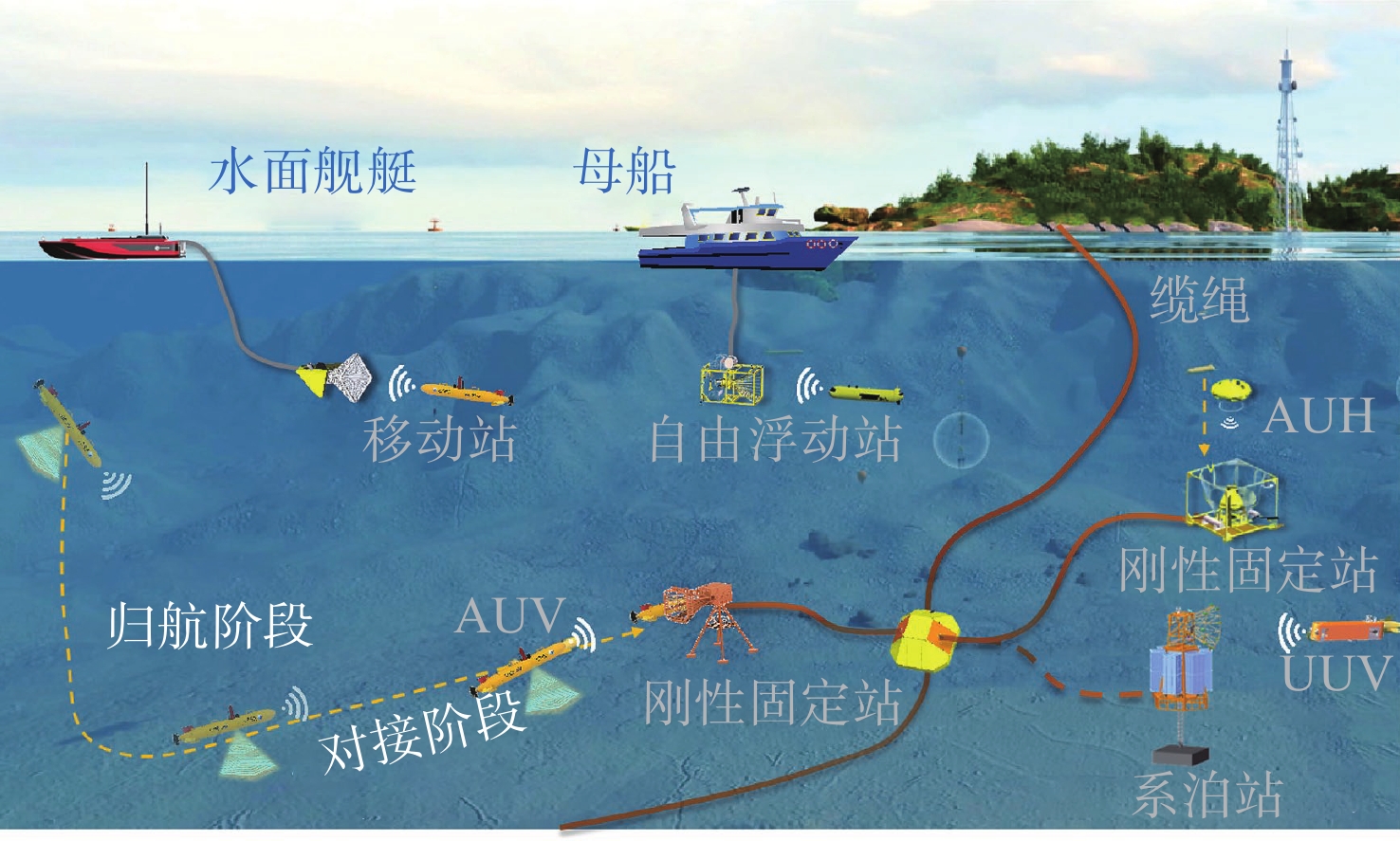
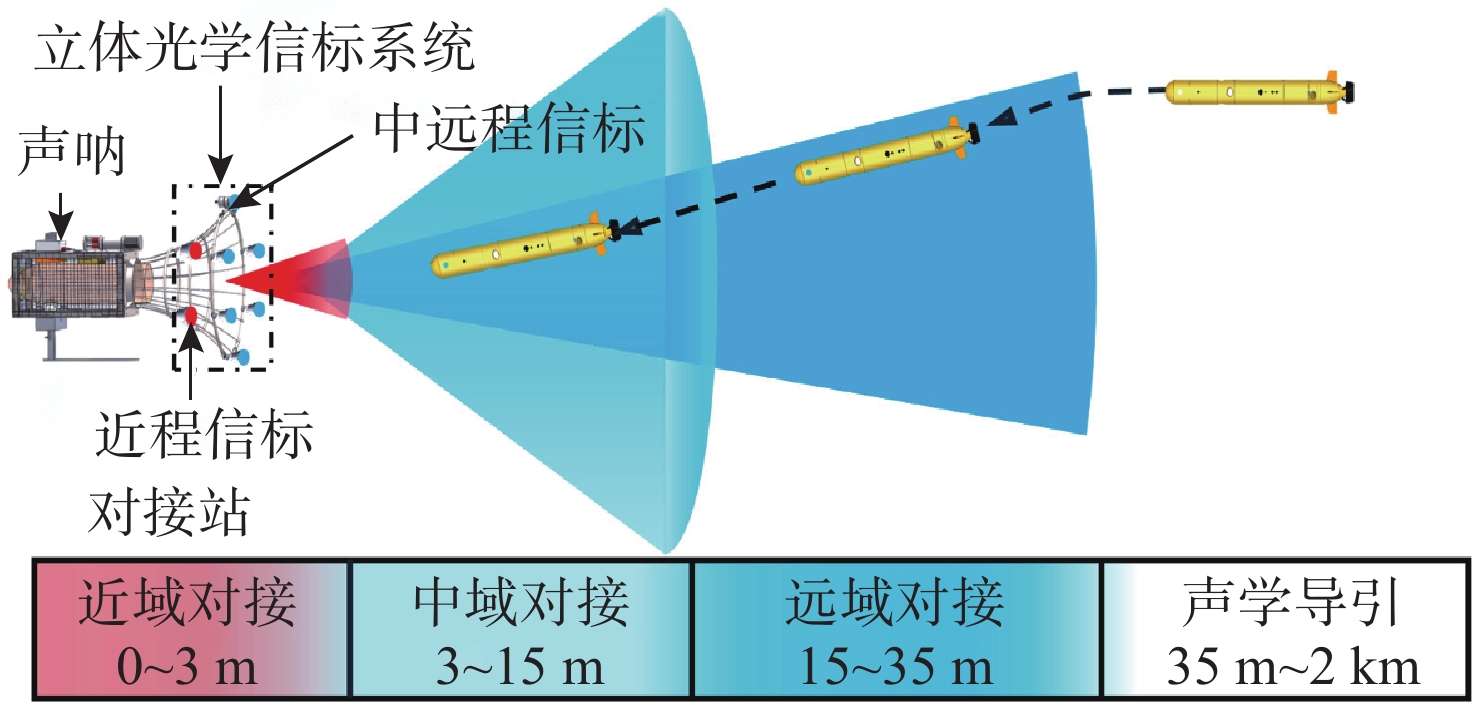
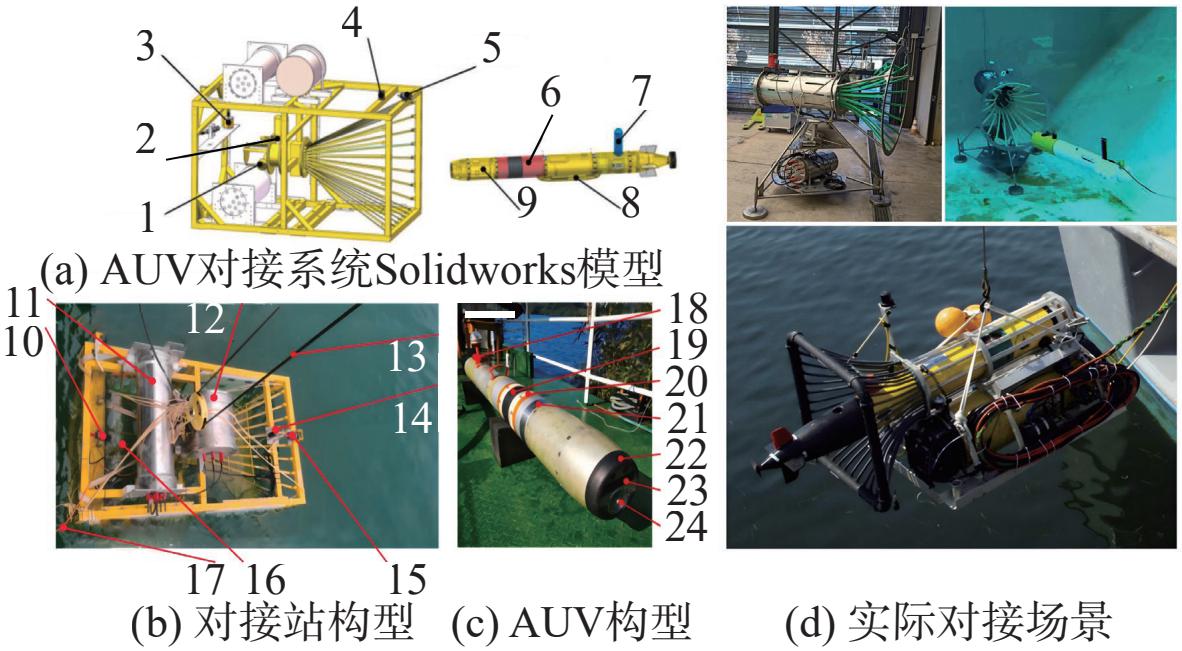
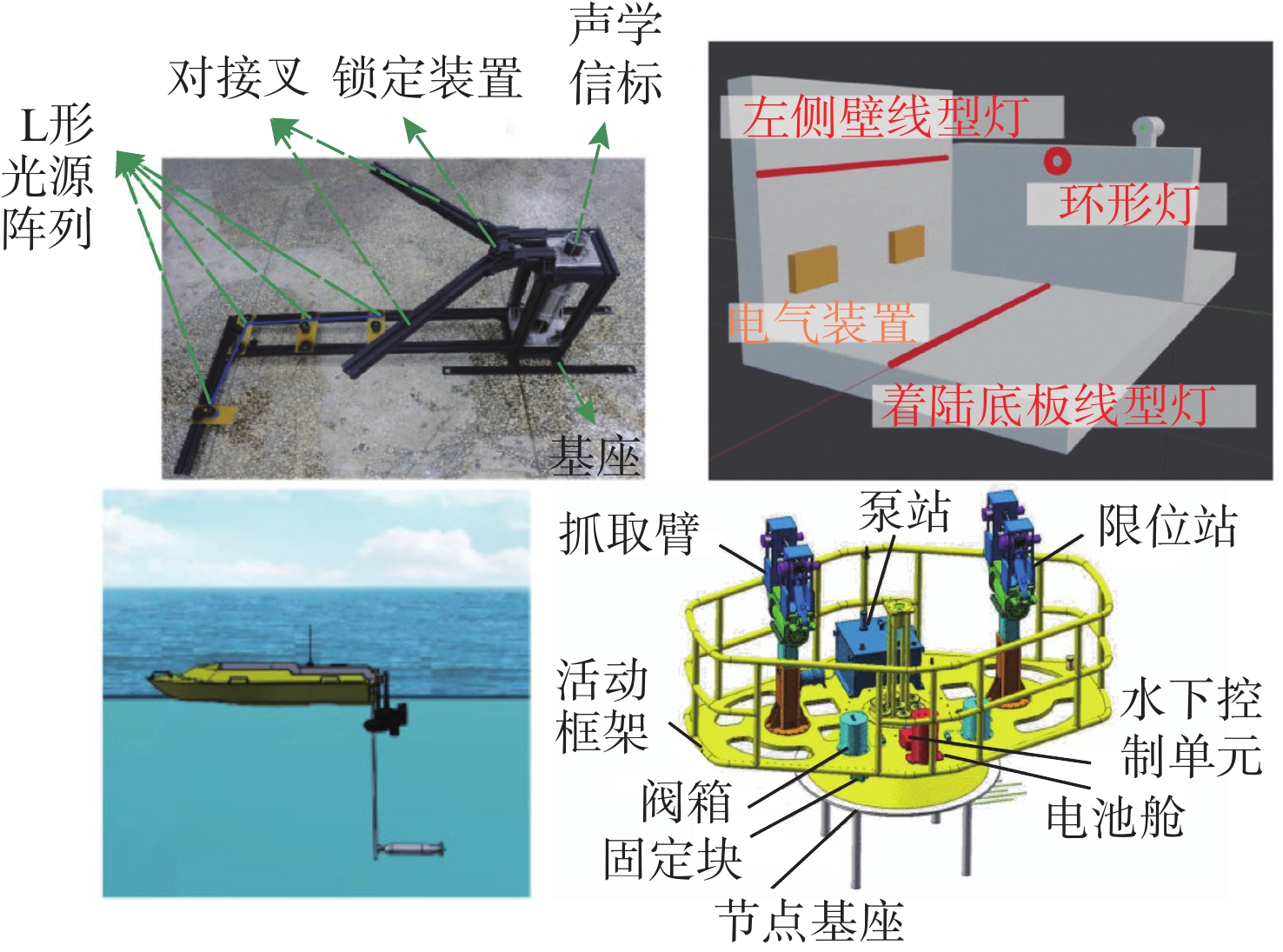
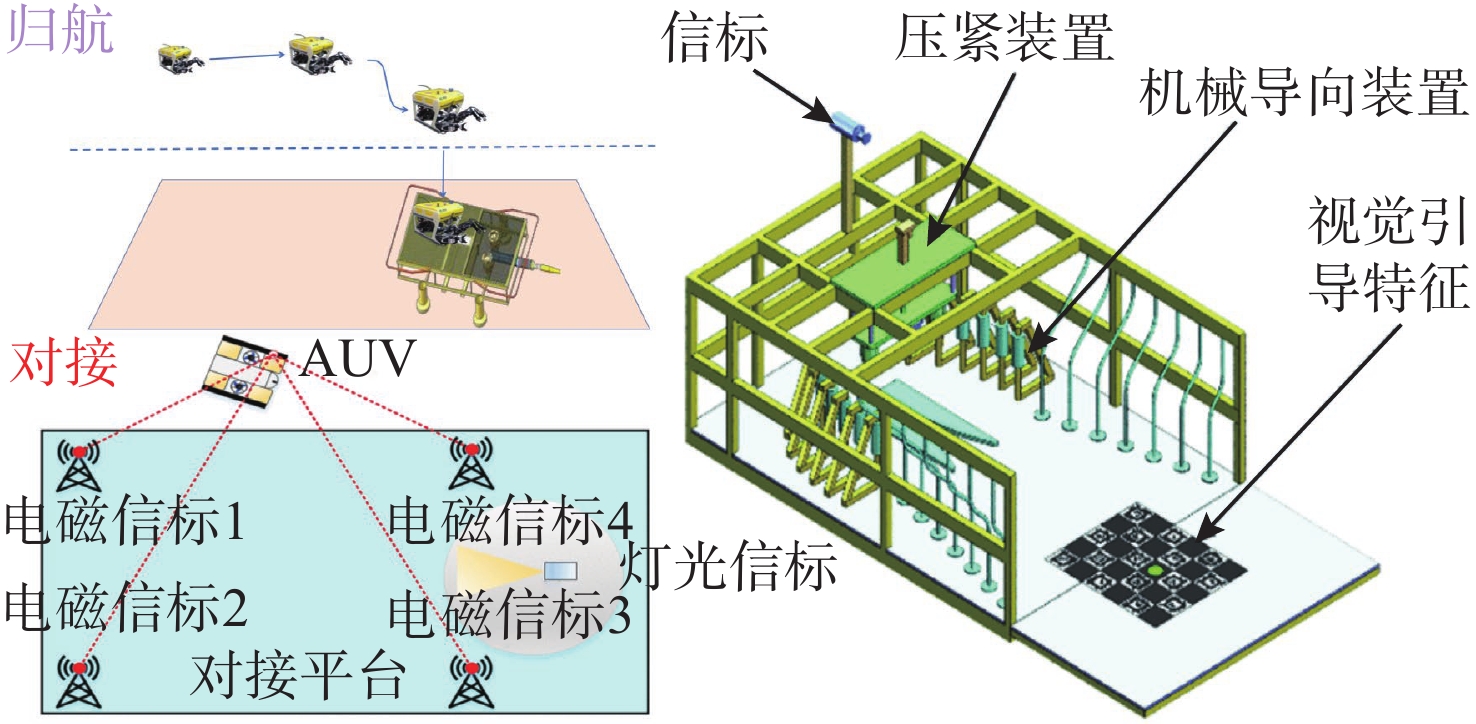
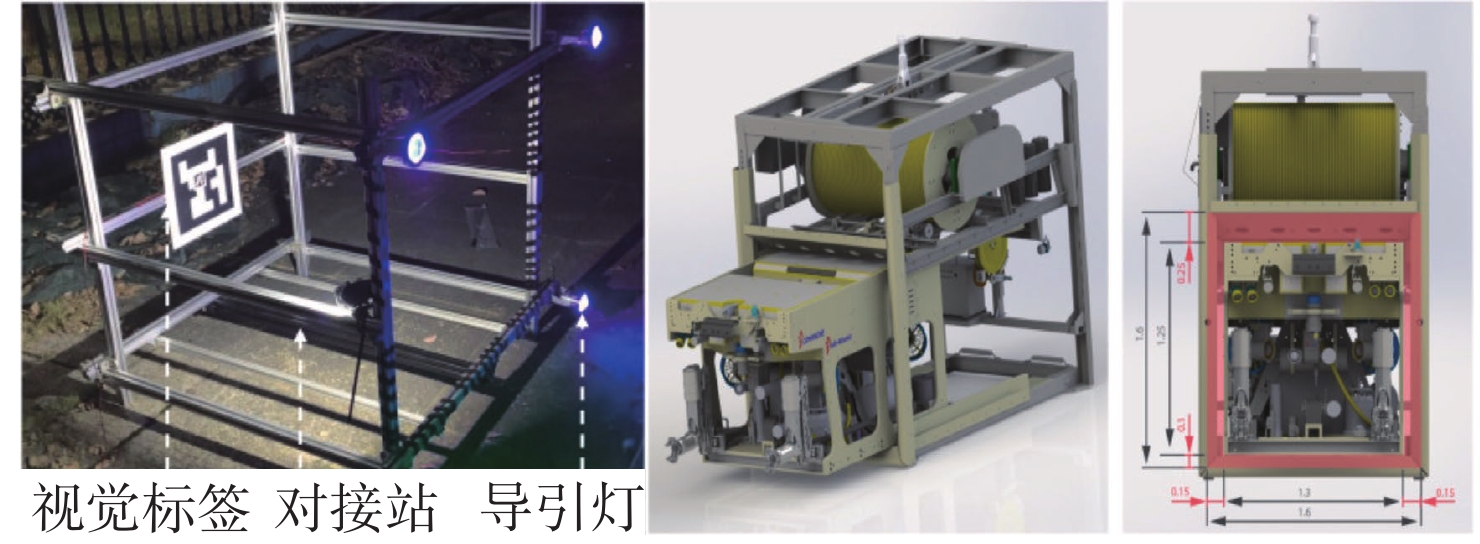
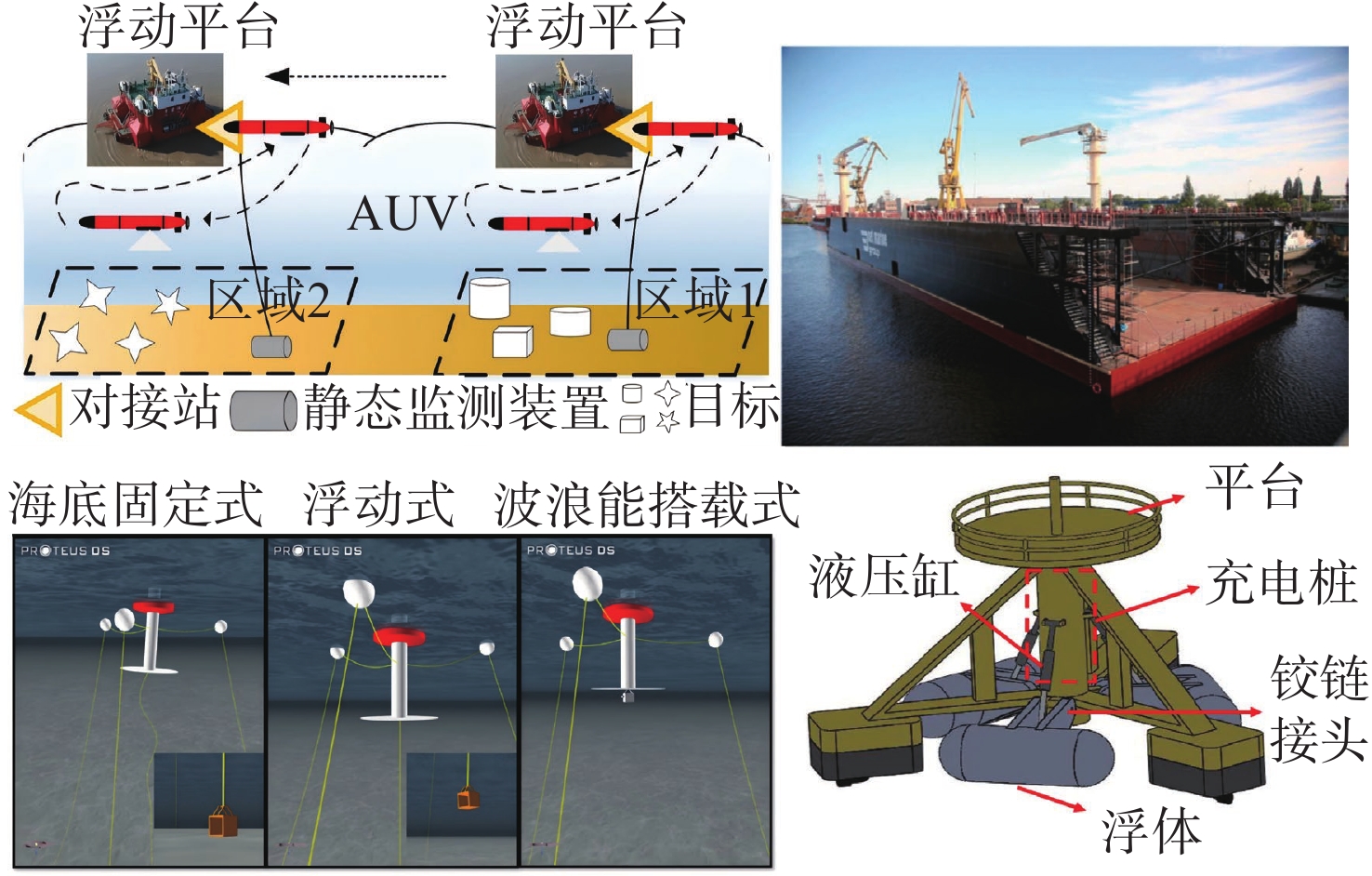
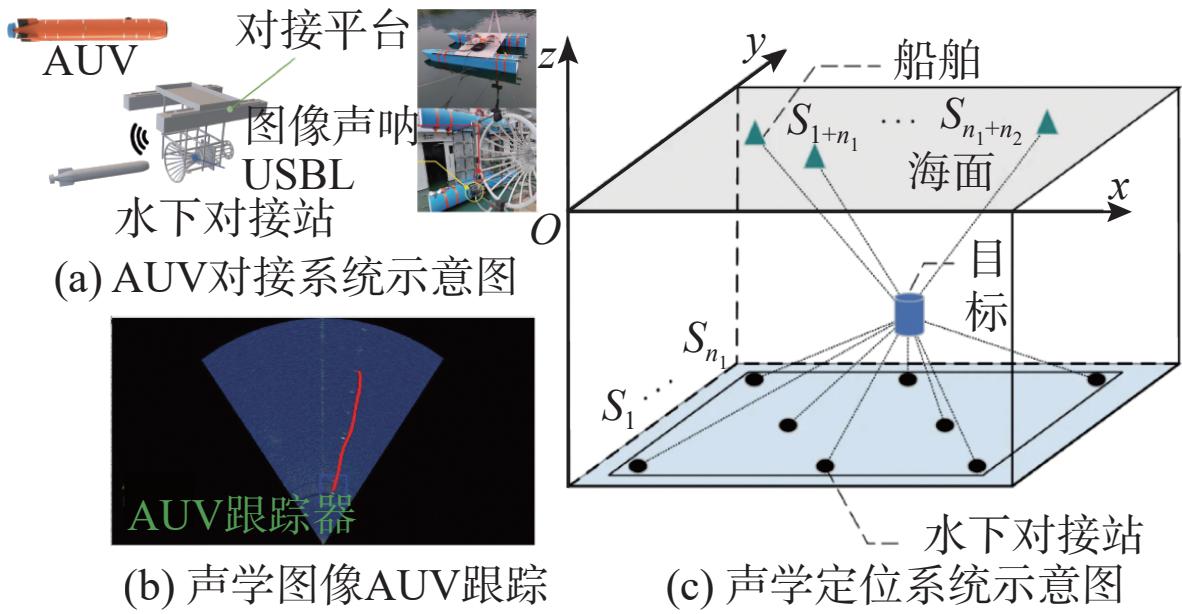
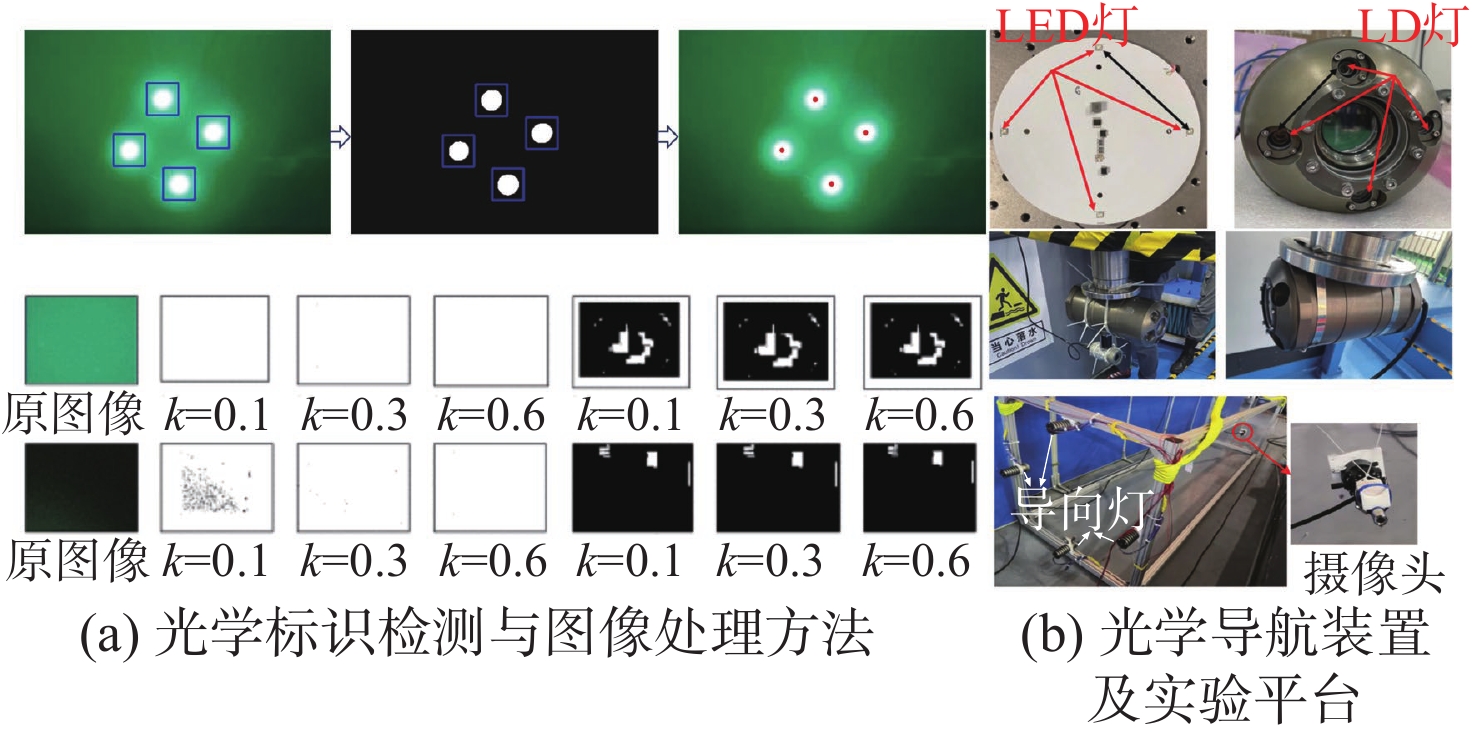
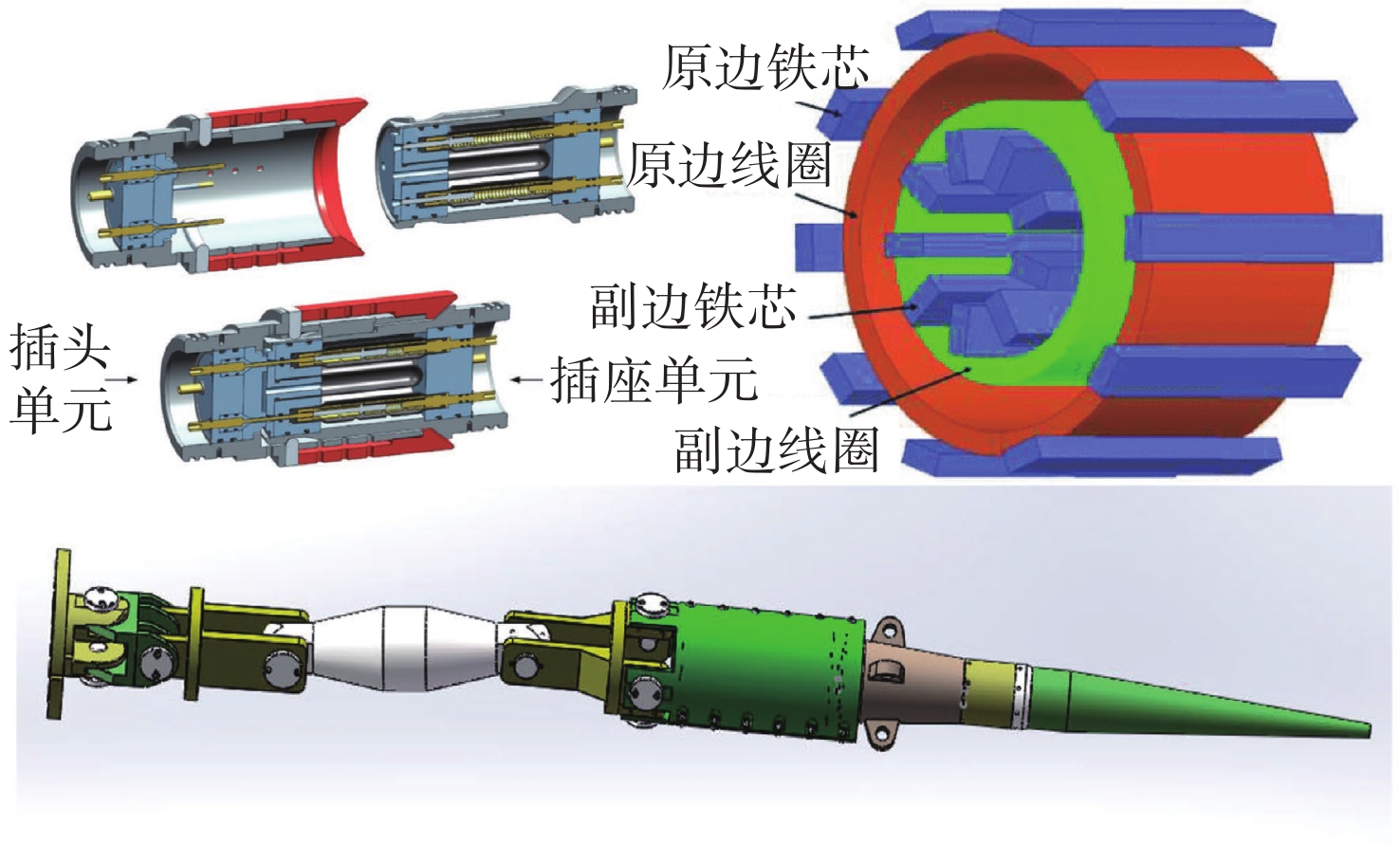
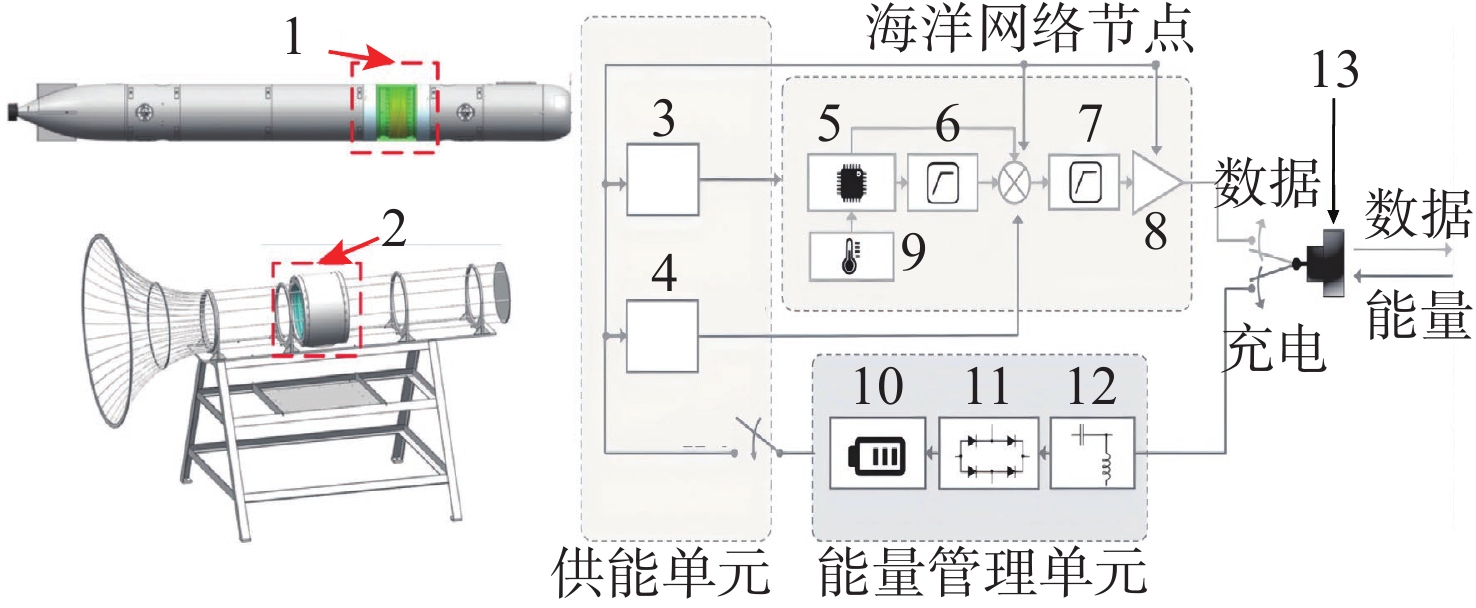
Docking of autonomous undersea vehicles(AUVs) is a key element in enabling underwater resident systems to achieve long-term continuous operation, energy replenishment, and data transmission, and its performance directly affects the operational efficiency and long-term reliability of these systems. In recent years, AUV docking technology for complex marine environments has evolved from early functional verification into a systematic technical framework covering docking station structures, positioning and navigation, planning and control, as well as energy and data management, with its development characterized by the deep coupling of structure, sensing, control, and energy. However, current studies still suffer from insufficient environmental adaptability, limited robustness under sensing degradation, inadequate evaluation of long-term operational reliability, and insufficient system-level collaborative design. This paper systematically reviews research progress in key technologies for AUV docking in underwater resident scenarios, including docking station structures, phased positioning and navigation, planning and control, and energy and data management, and analyzes the intrinsic relationships among these technologies and their practical challenges. The results show that AUV docking technology is shifting from isolated performance improvement toward system-level fault tolerance and collaborative optimization for uncertain environments.
Hydrodynamic Characteristics of Undersea Vehicle under Flow Disturbance Condition of Submarine
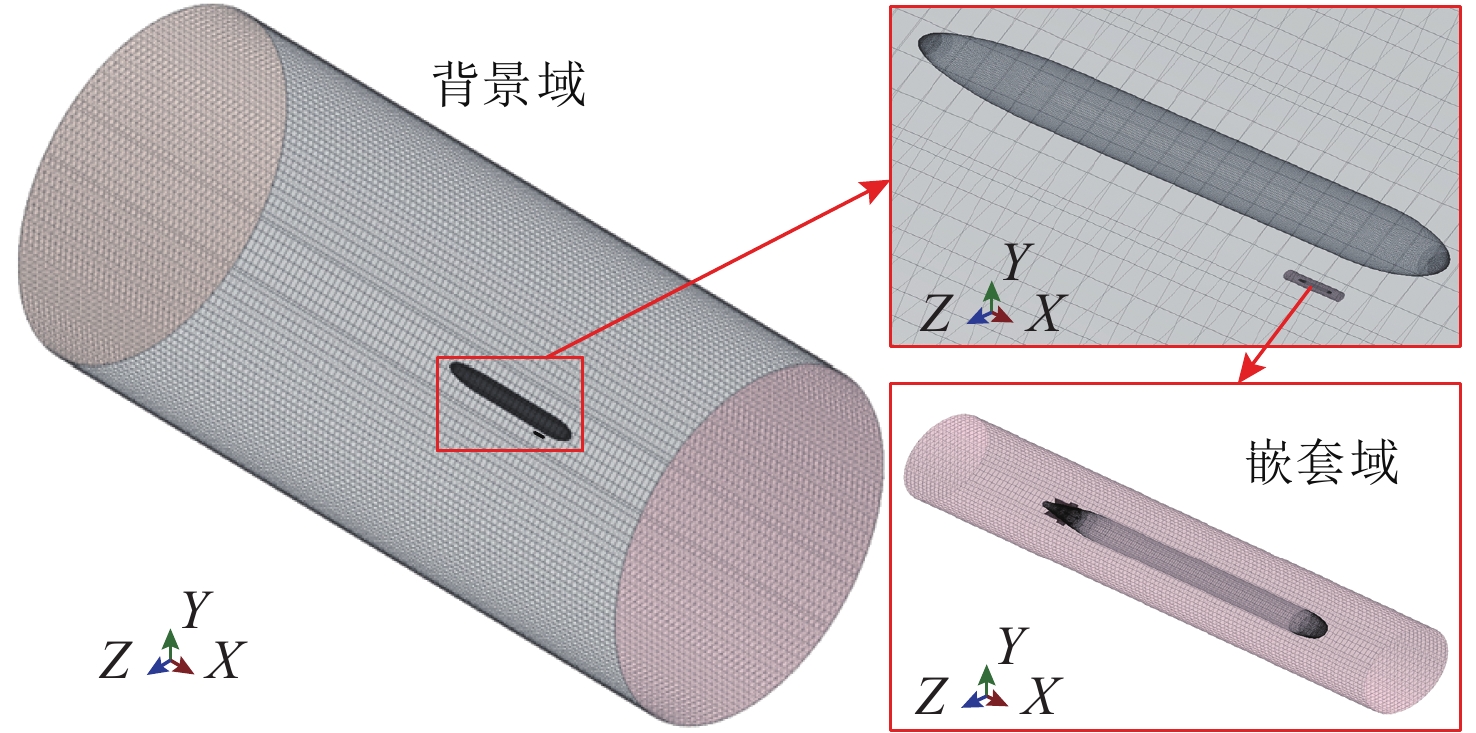
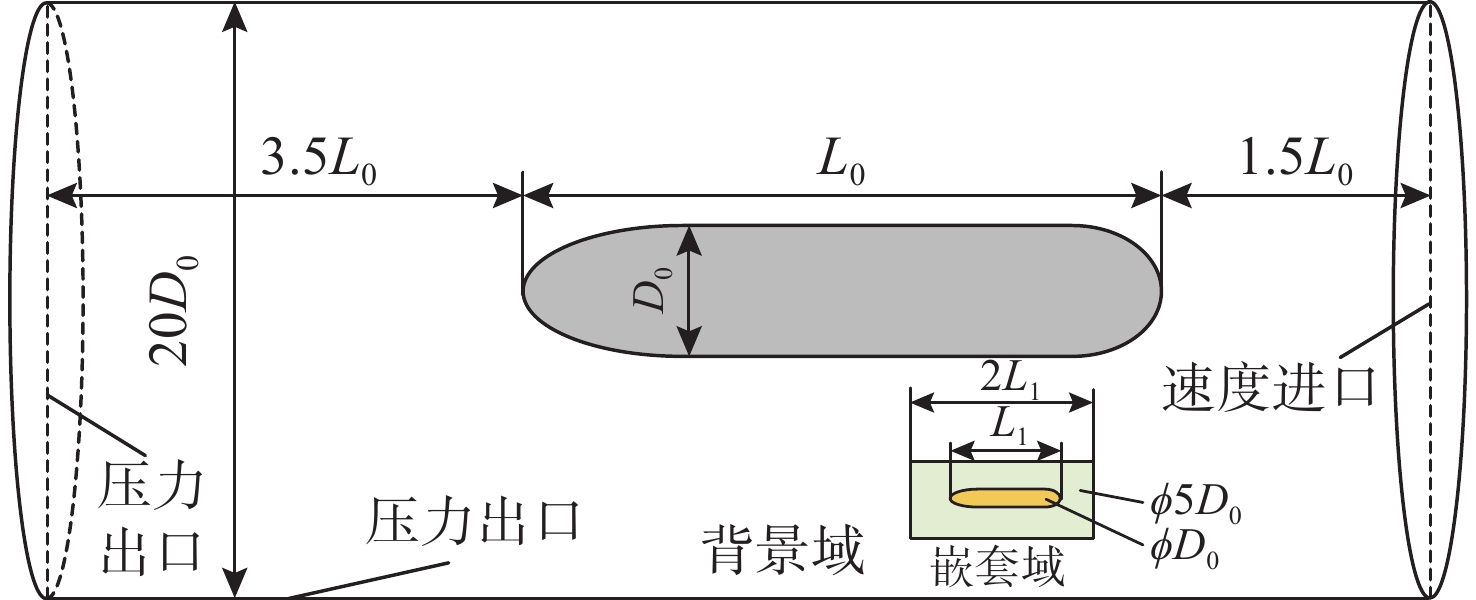
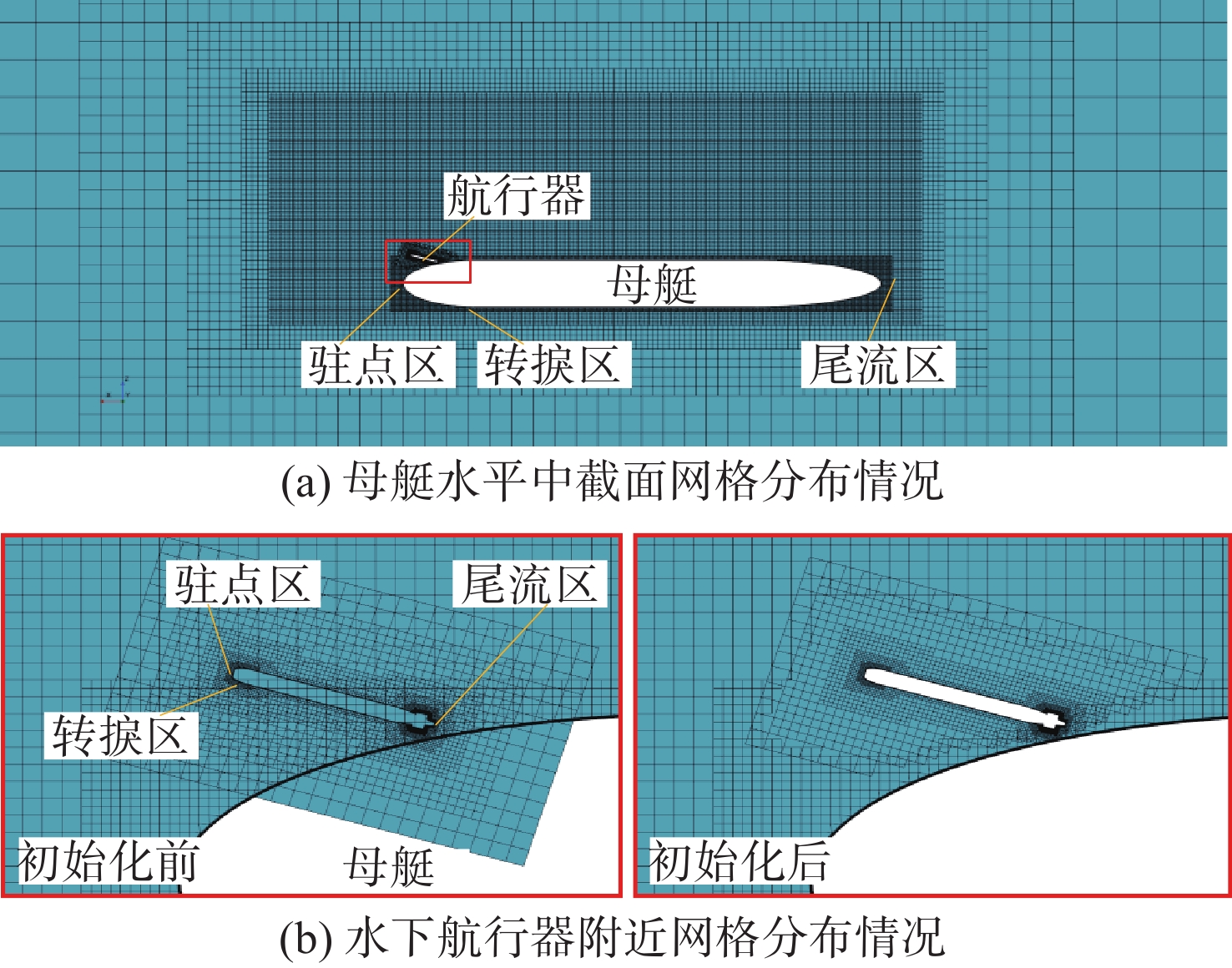
HUANG Chuang, HAO Sihan, ZHANG Chenchen, QIN Kan, XU Haiyu
2026, 34(5): 817-825. doi: 10.11993/j.issn.2096-3920.2025-0165
Abstract:
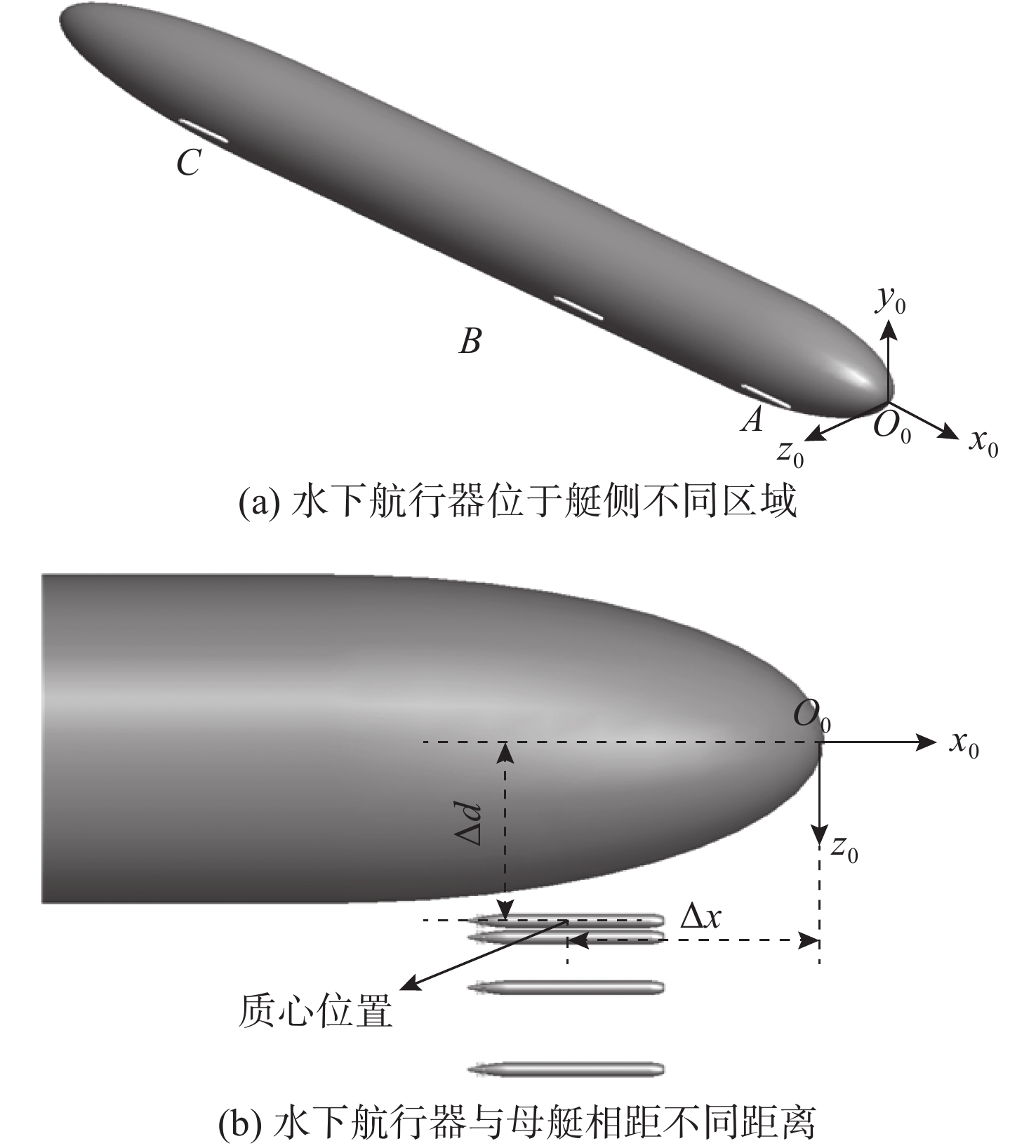
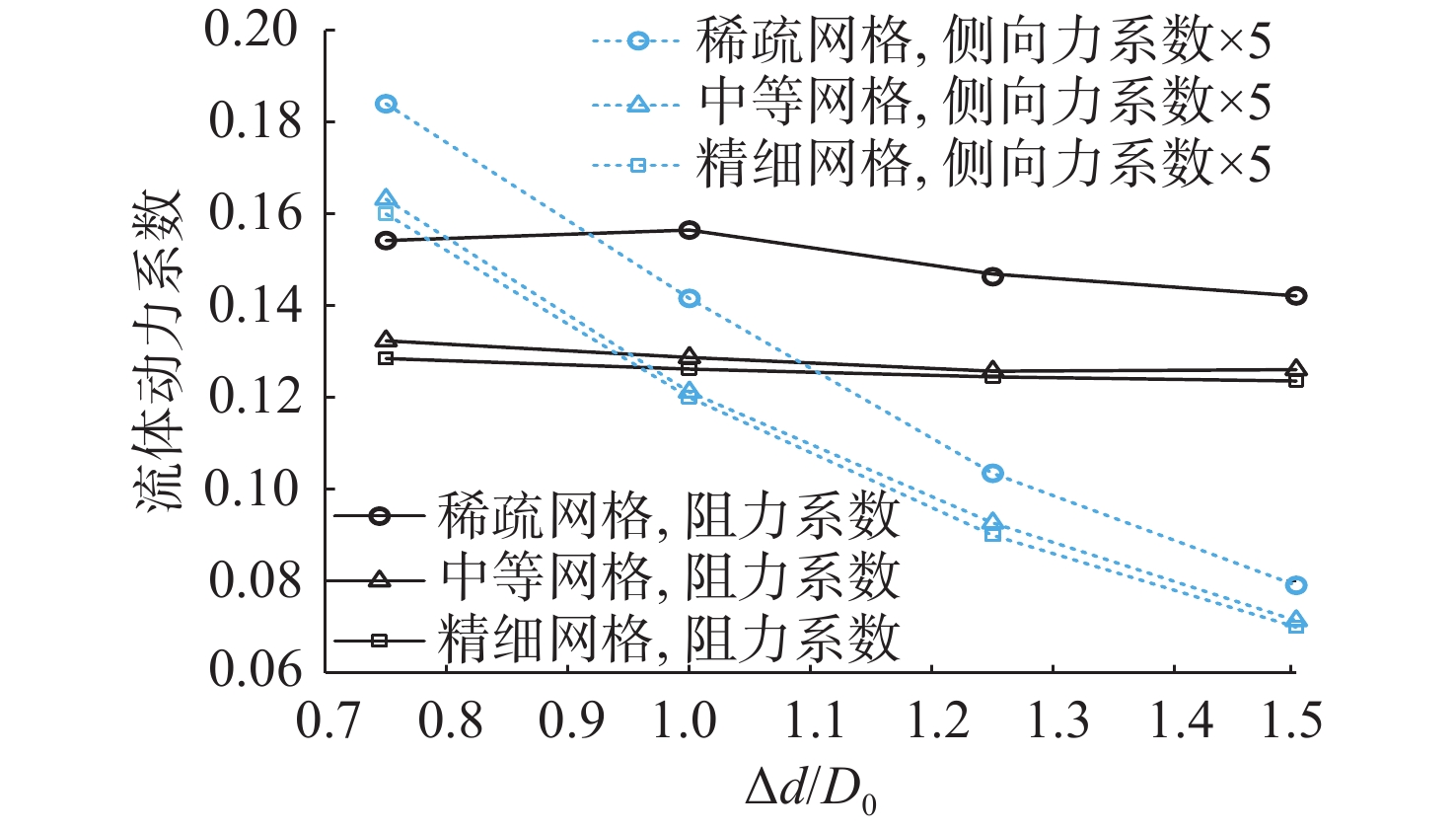
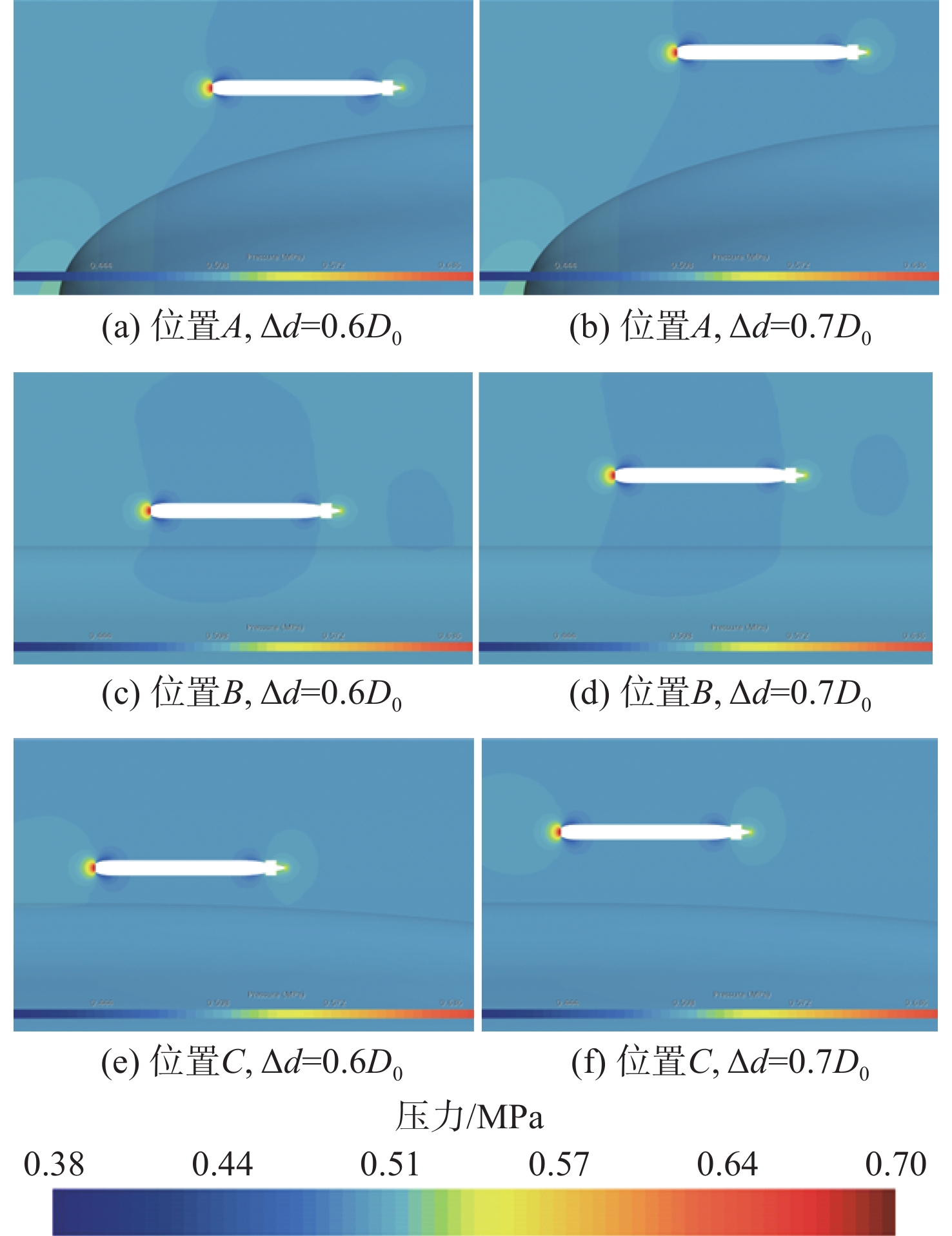
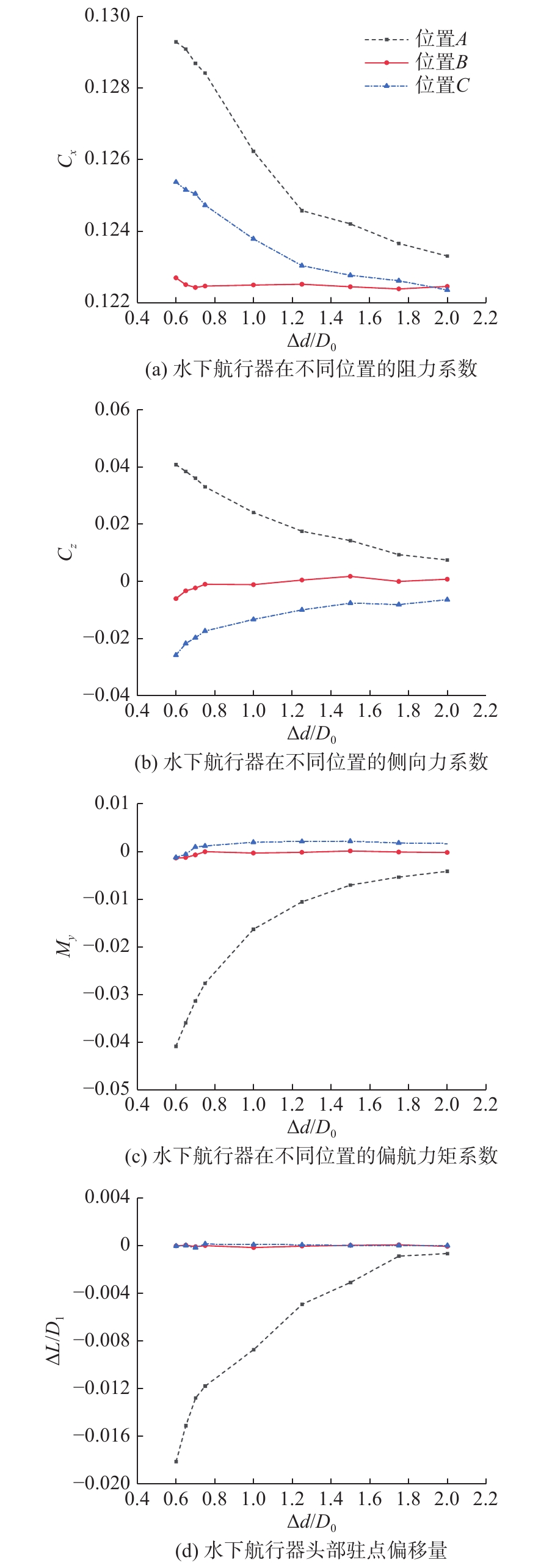
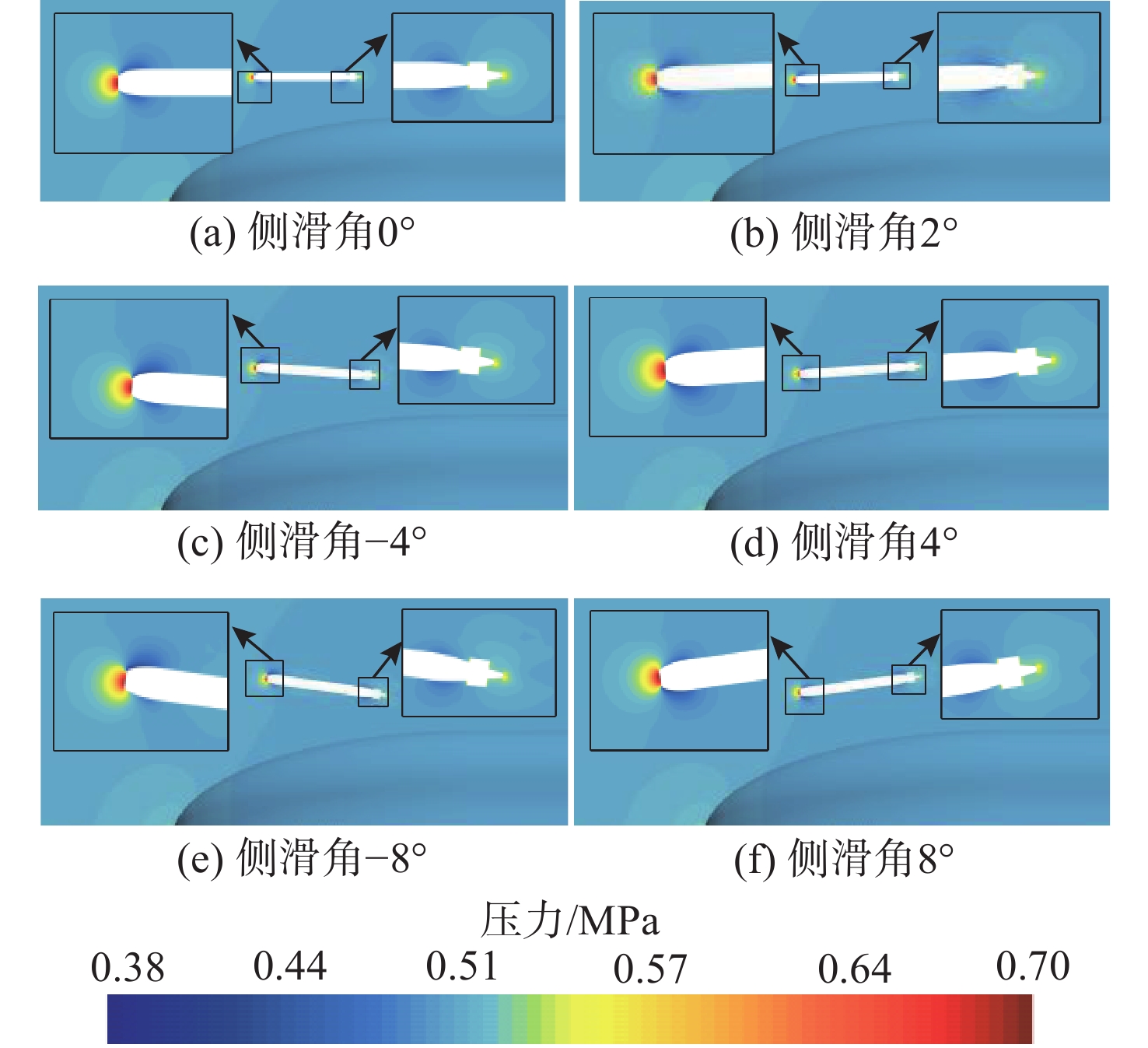
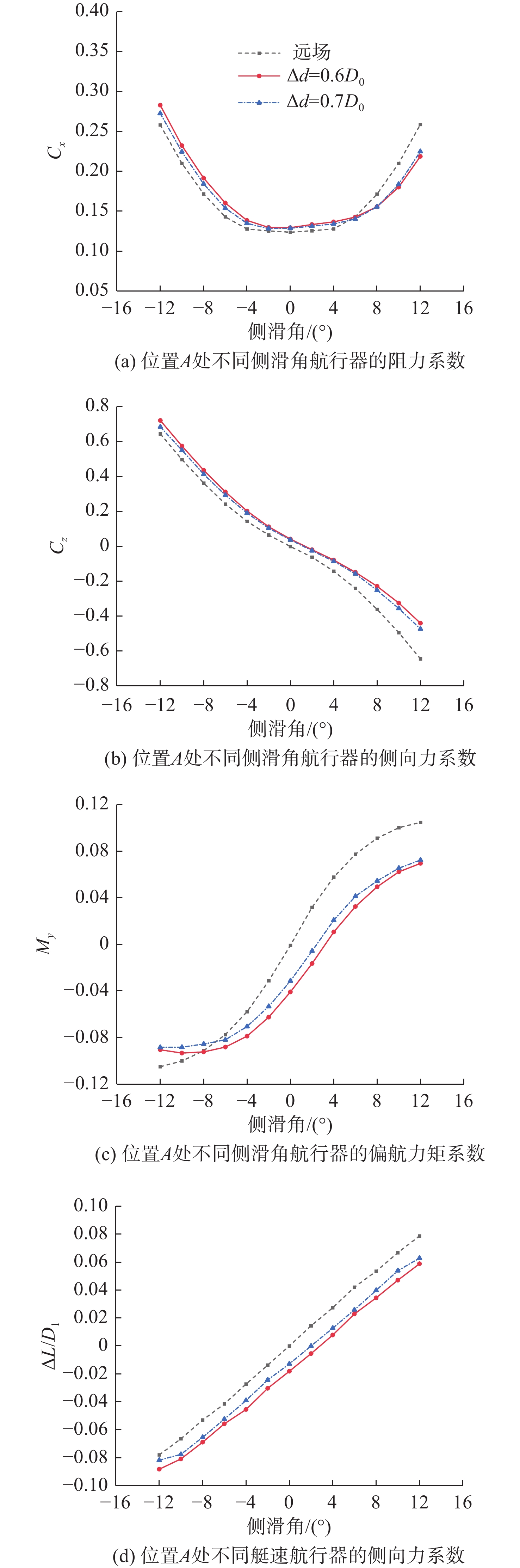
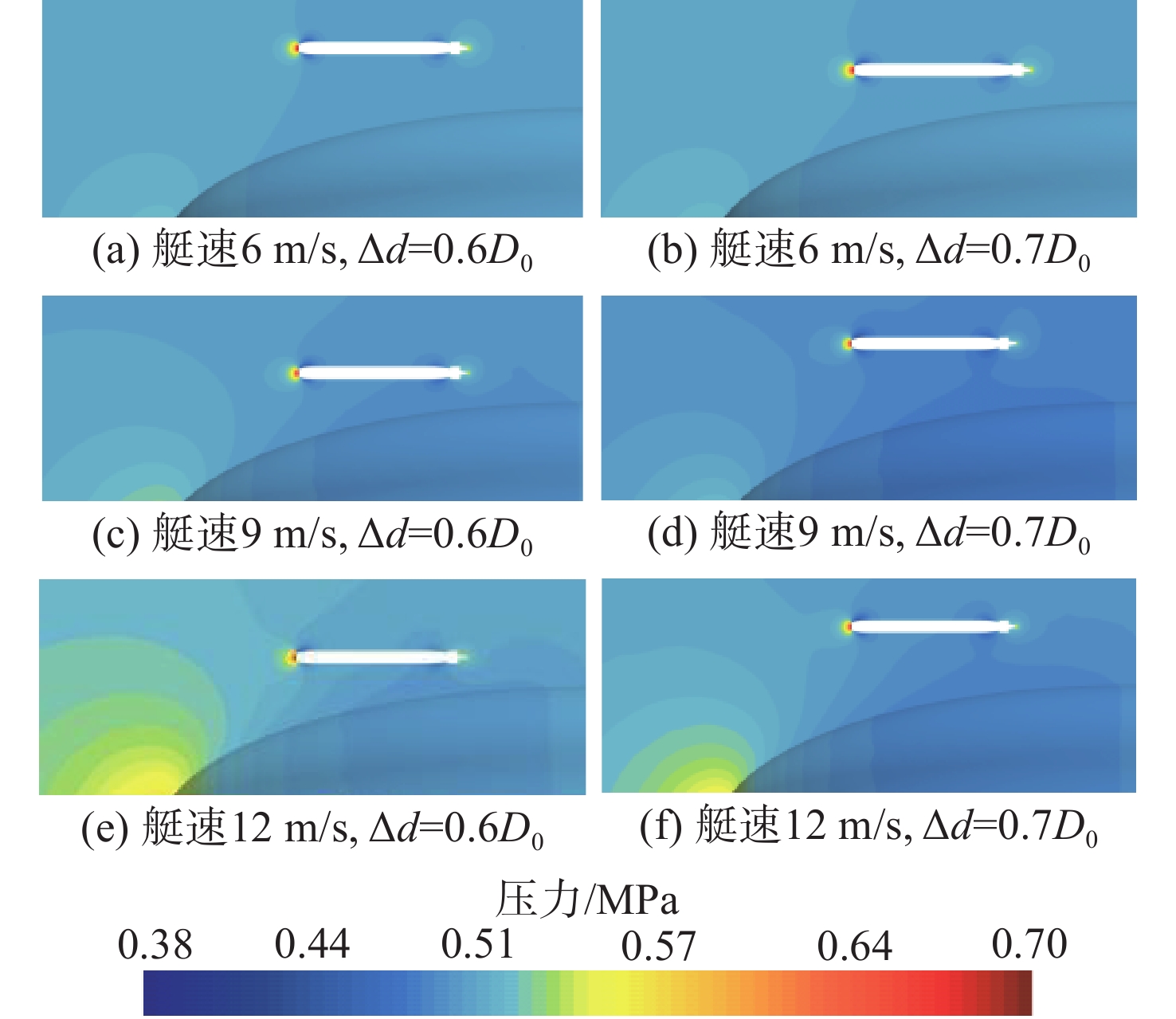
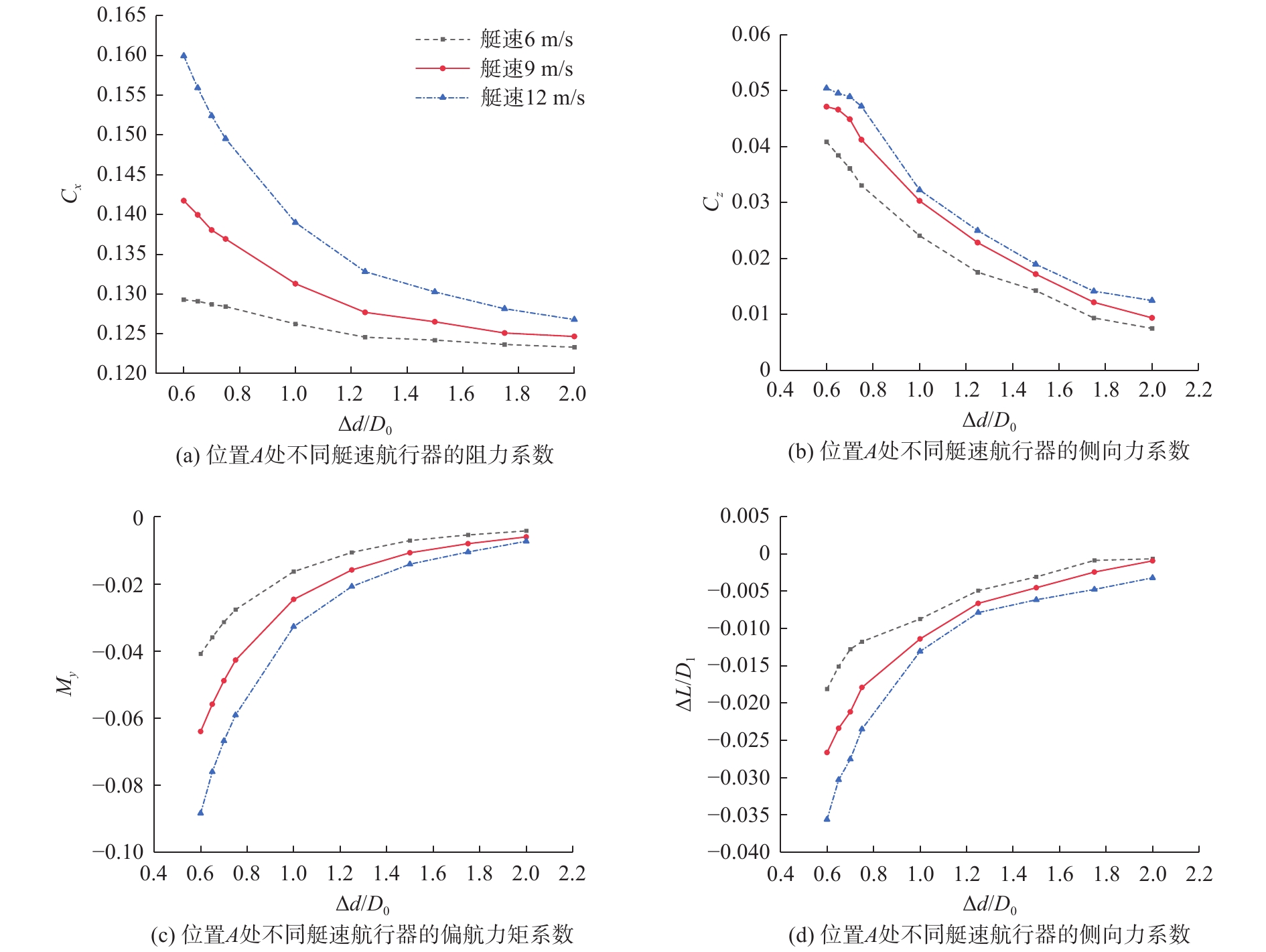
A numerical model of an undersea vehicle in the flow field of the submarine is established by combining the overset grid technology and the moving reference frame. The rationality of the numerical method is verified by comparing the simulation results with the standard model test data reported in the literature. The effects of the flow around the submarine on the external flow field and hydrodynamic characteristics of the vehicle are investigated. The results show that the underwater vehicle is most significantly affected by the flow around the submarine when it is located at the front side of the submarine, and the drag coefficient, lateral force coefficient, and yaw moment coefficient of the vehicle exhibit nonlinear characteristics. As the distance between the vehicle and the submarine increases, the influence of the flow around the submarine on the hydrodynamic characteristics of the underwater vehicle gradually weakens, and the influence can be neglected when the distance is greater than 1.75 times the diameter of the submarine. With the increase in the speed of the submarine, the hydrodynamic parameters of the vehicle are more strongly affected by the flow around the submarine. The research results can provide a reference can provide a reference for the prediction of launching initial trajectory of underwater vehicles.
TCN-Attention-Based Loosely Coupled SINS/DVL Integrated Navigation Method
WANG Guoxiang, HAN Xingcheng, GAO Shengwen, WANG Ling
2026, 34(5): 826-835. doi: 10.11993/j.issn.2096-3920.2026-0047
Abstract:
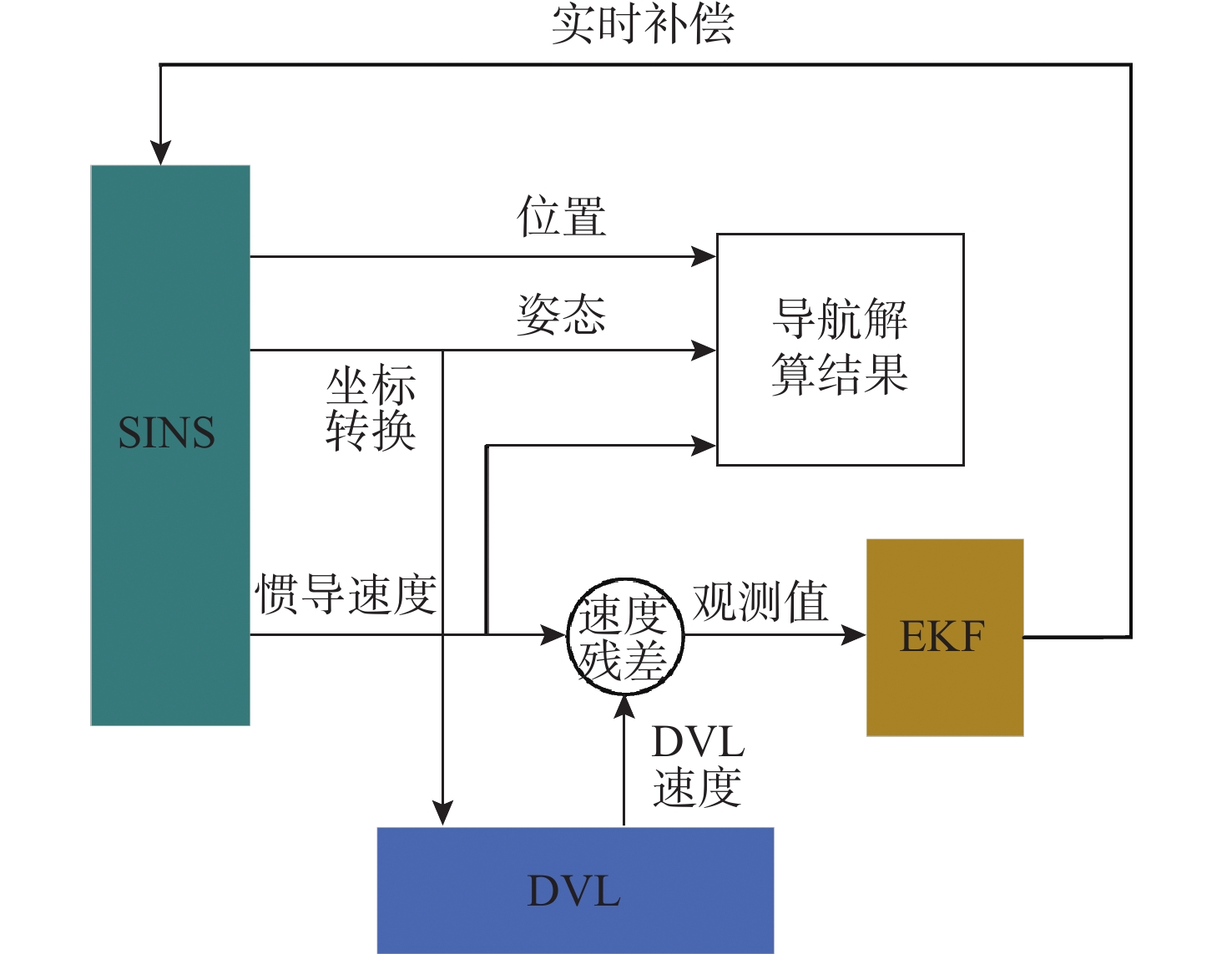
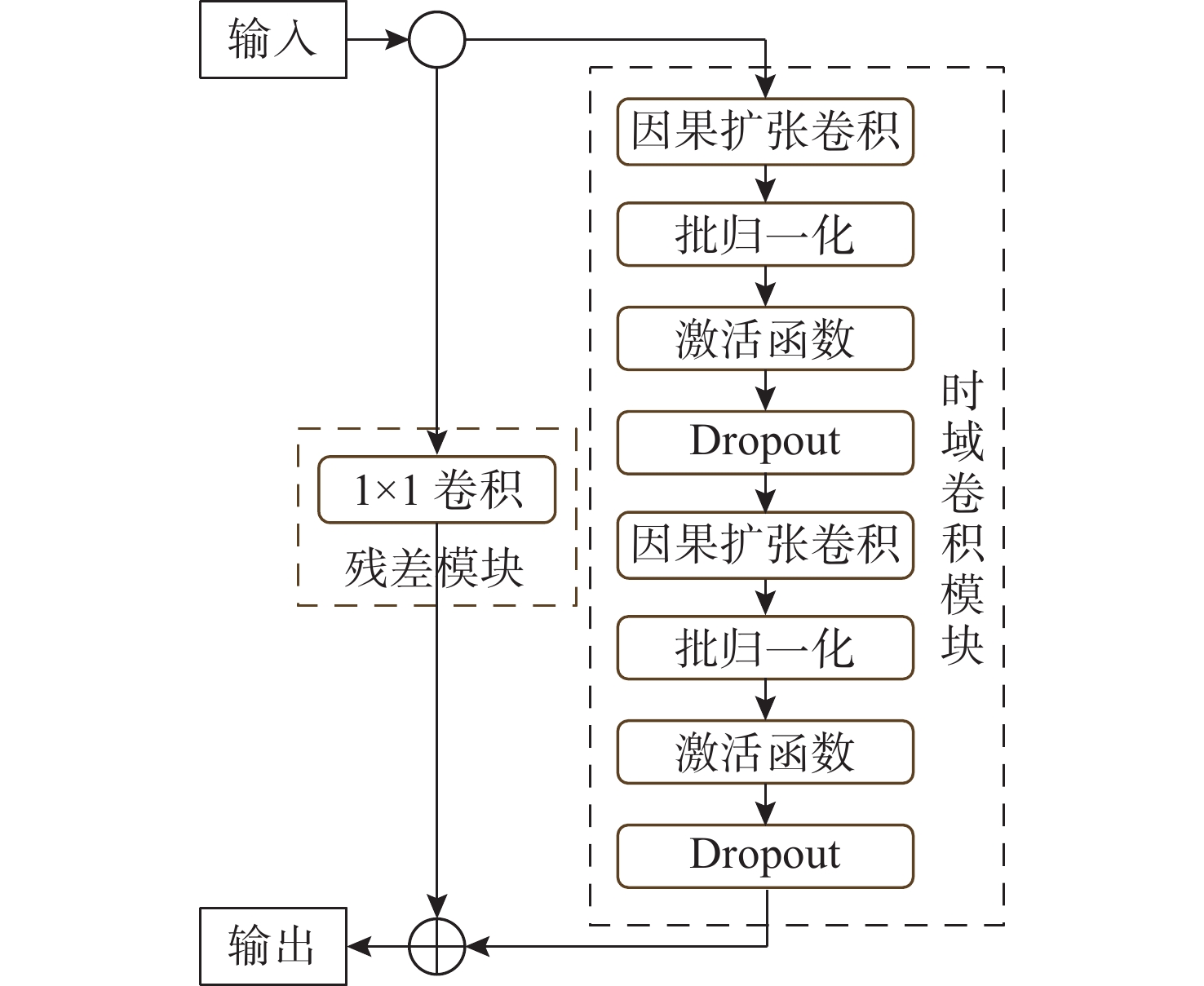
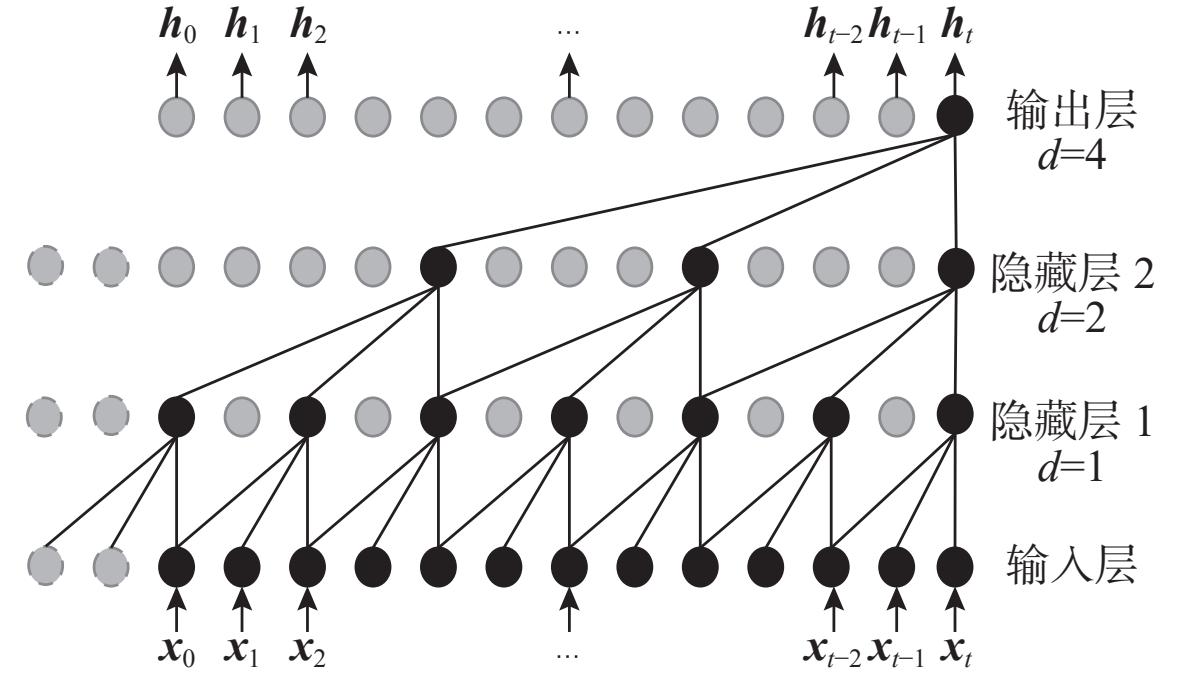
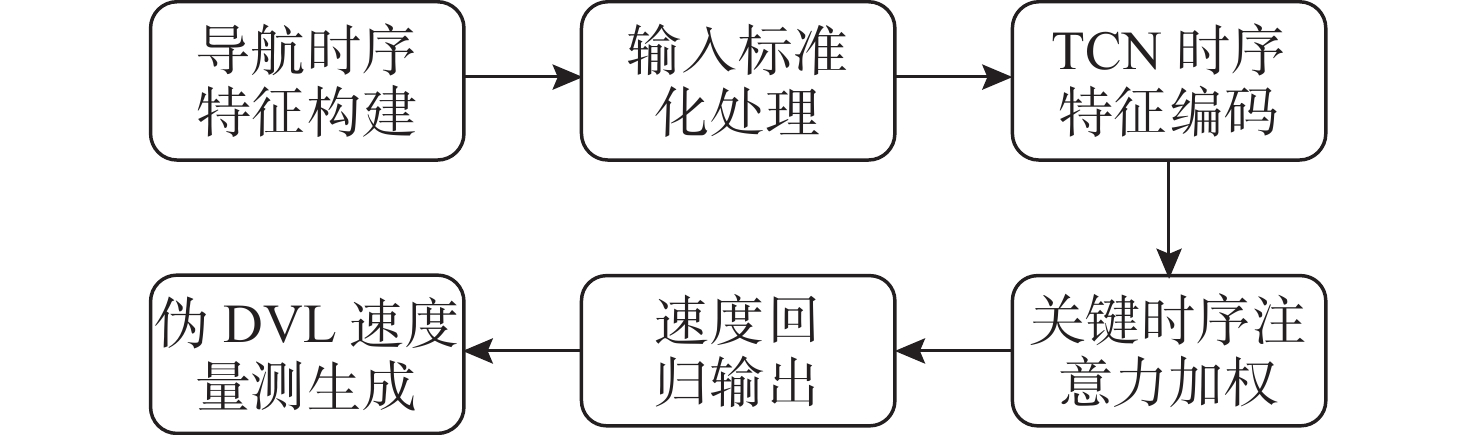
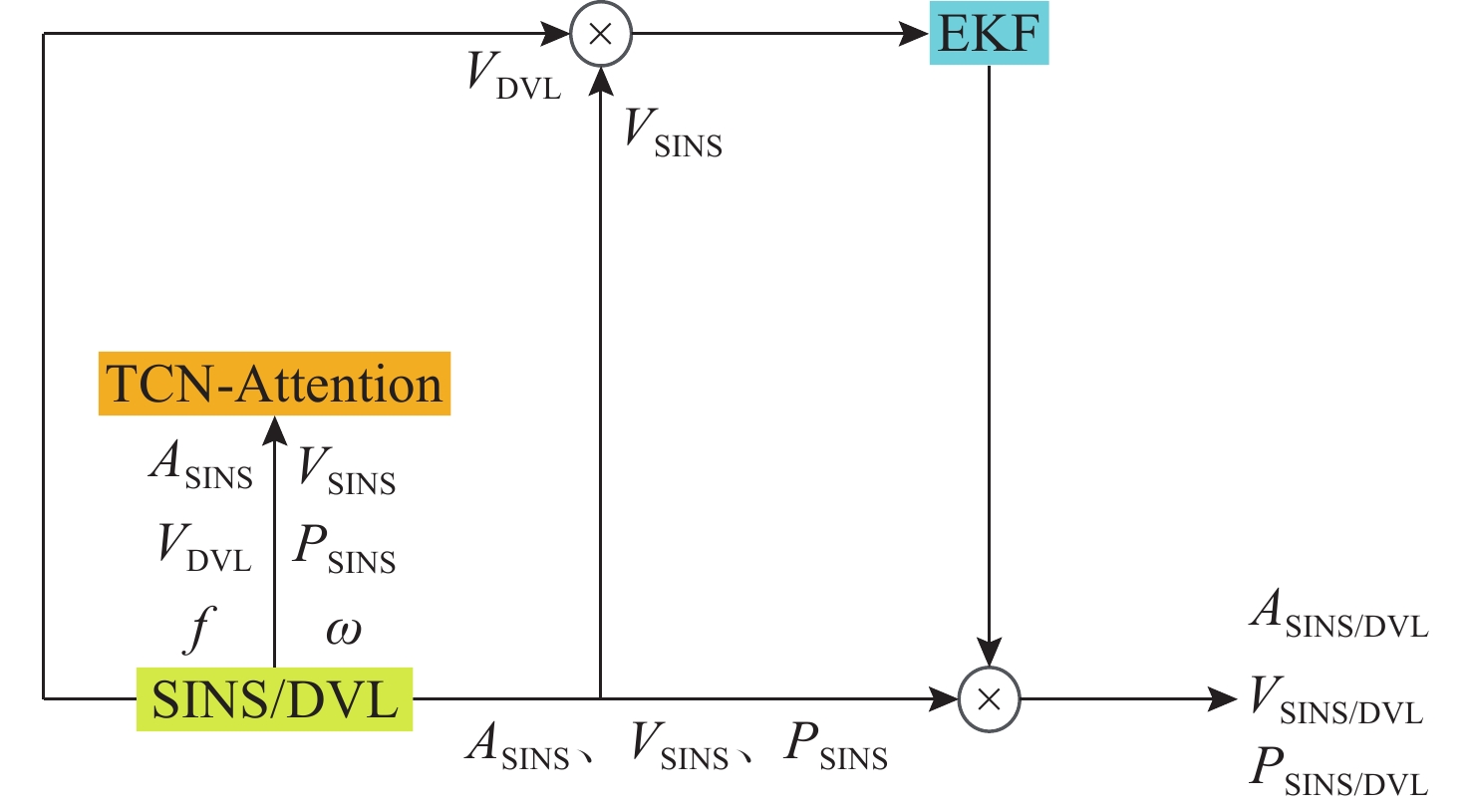
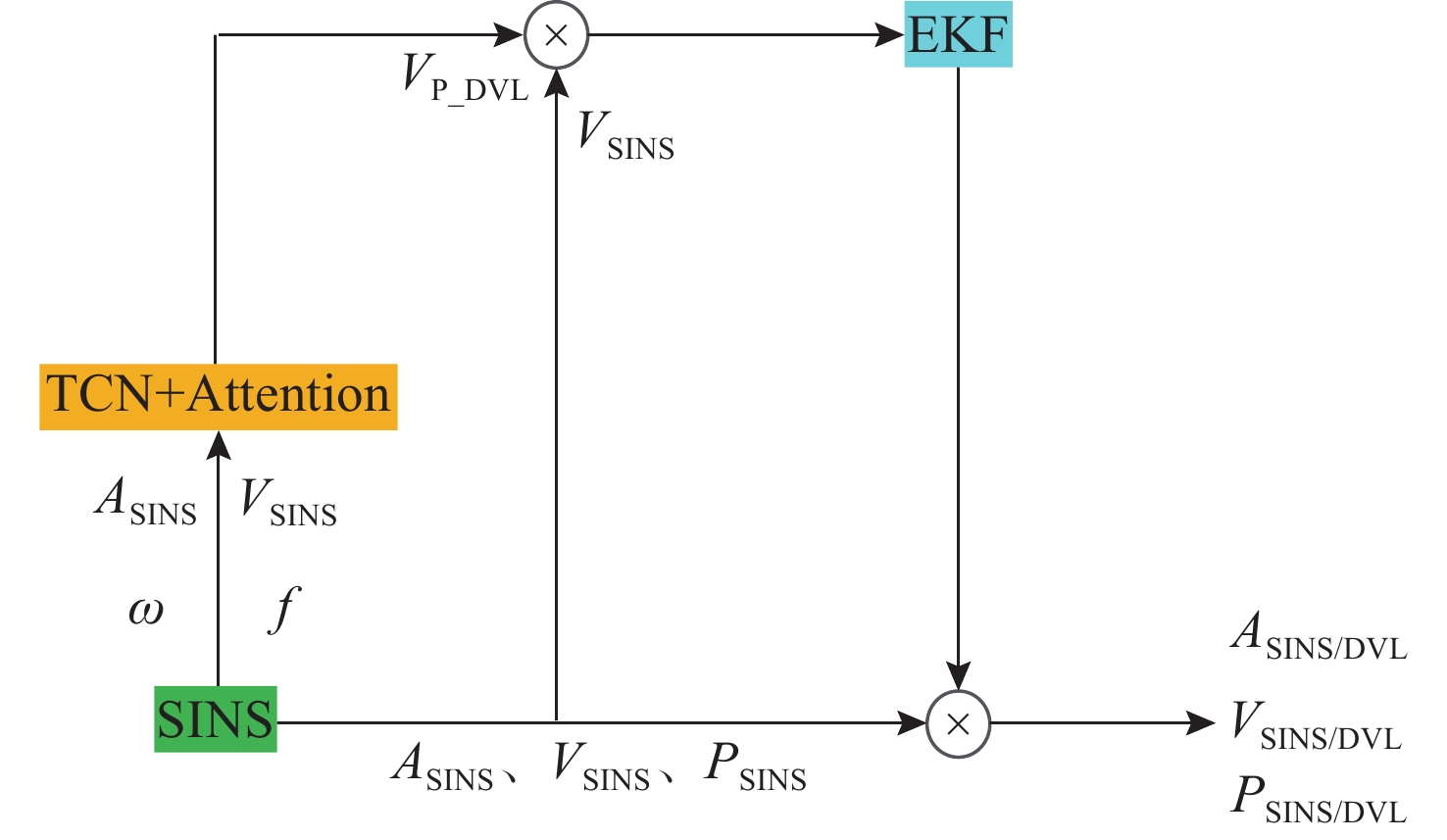
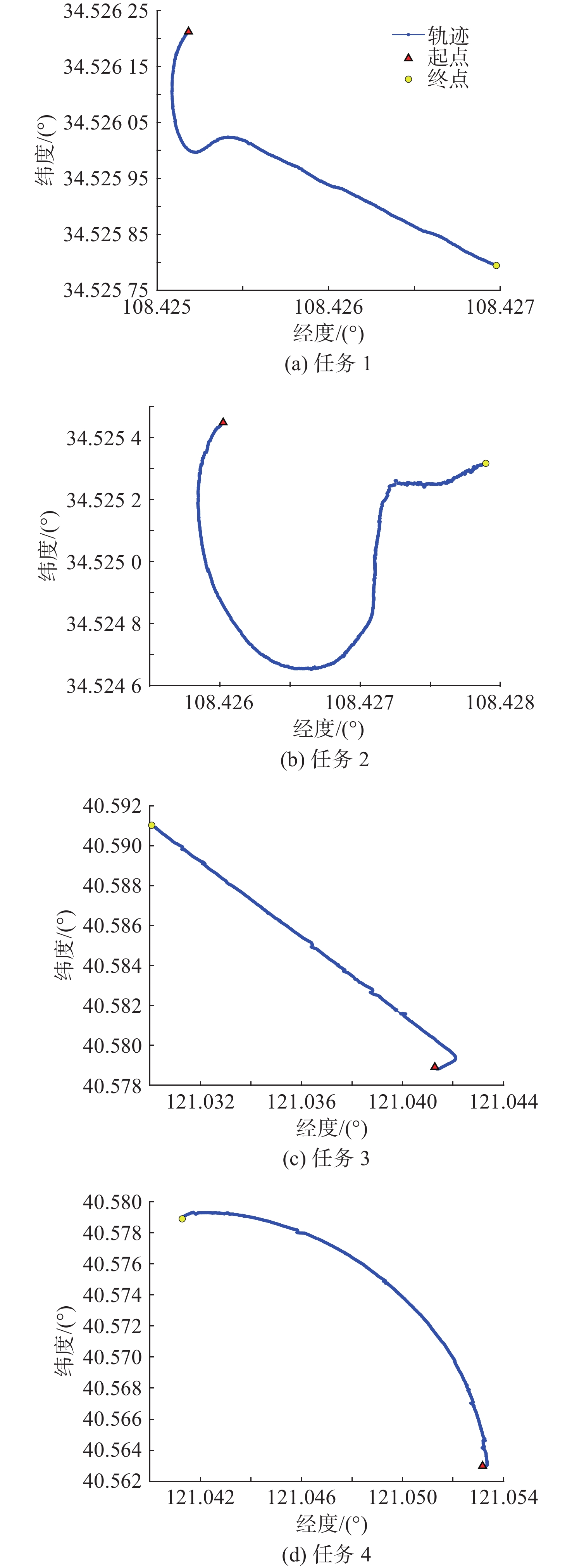
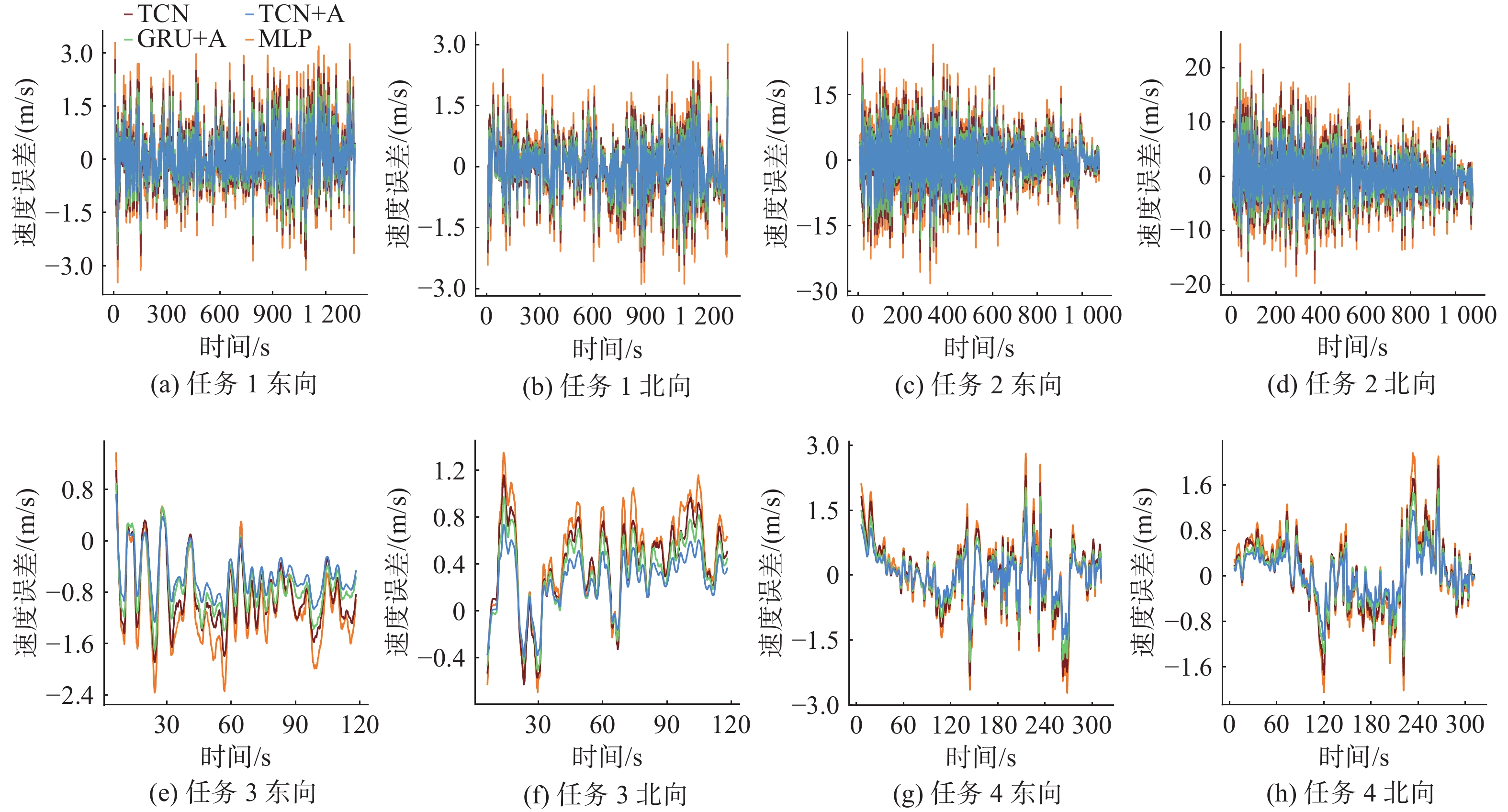
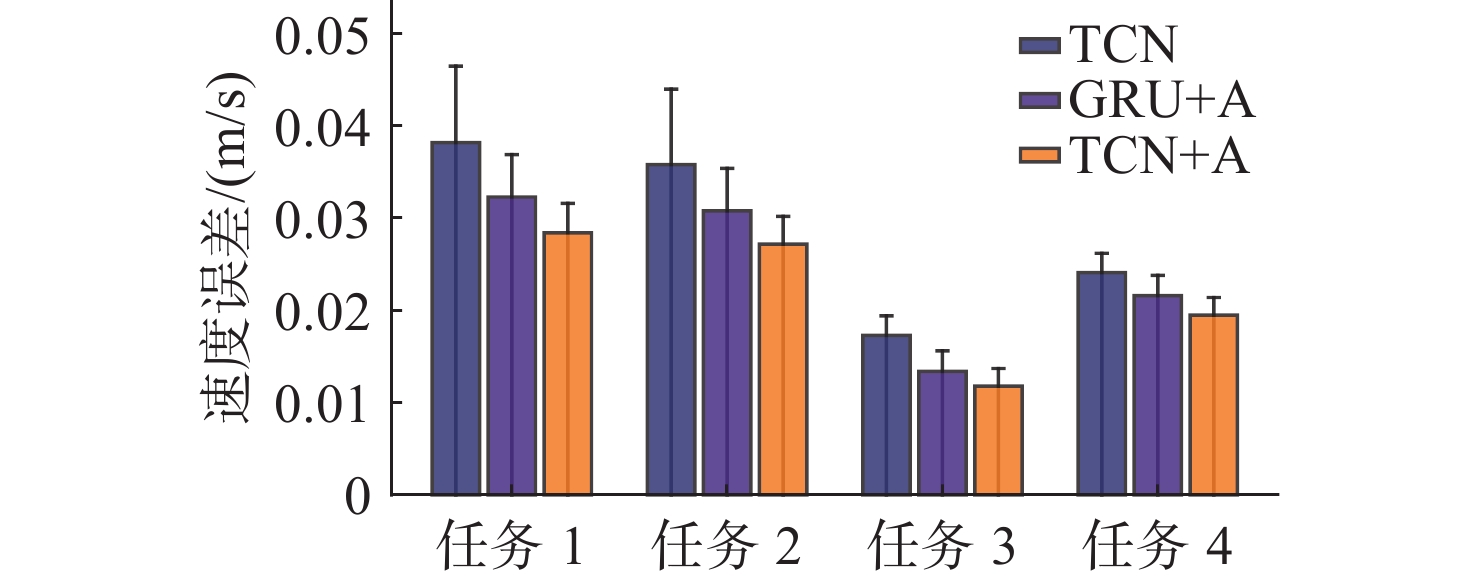
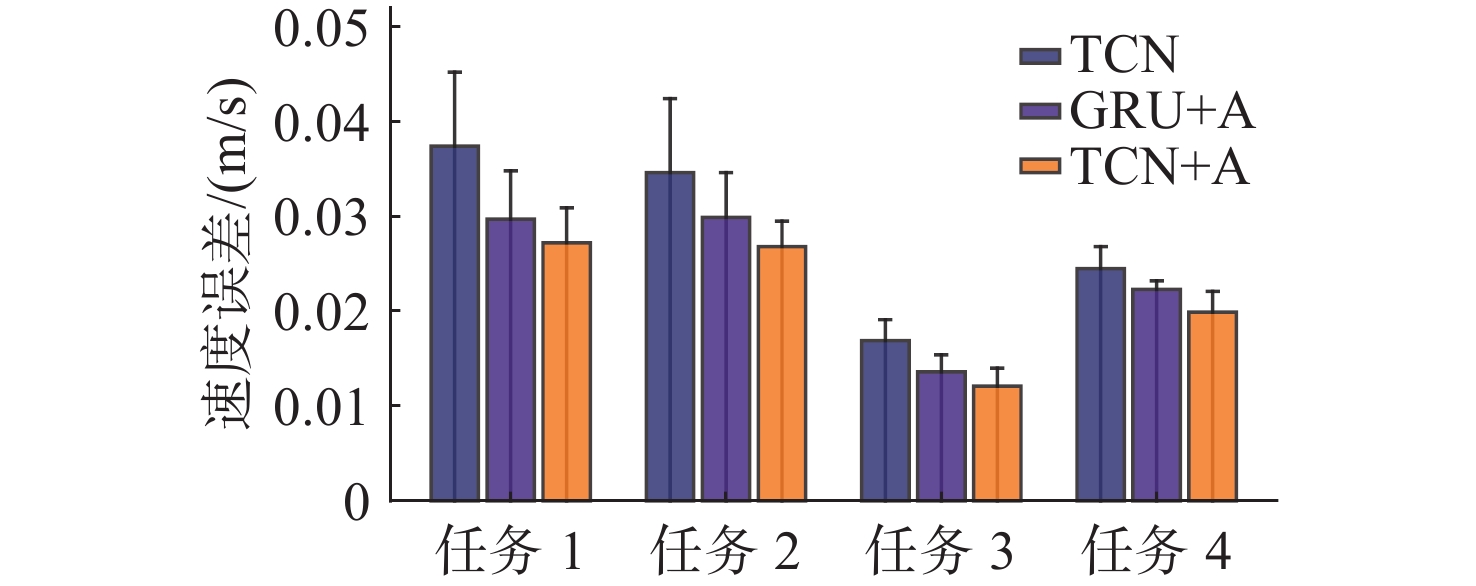
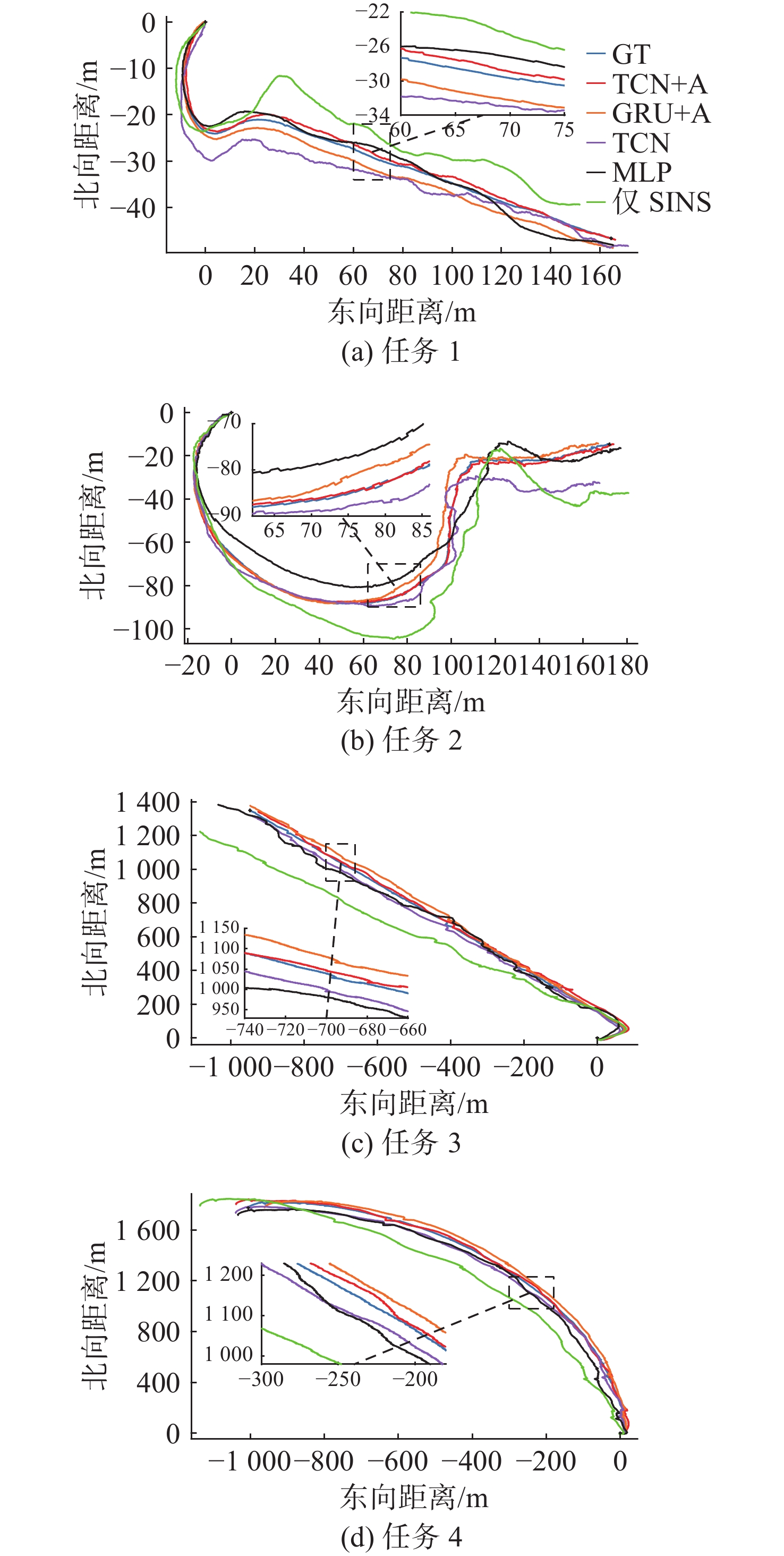
Doppler velocity log(DVL) unavailability in deep-water or complex seafloor environments degrades the accuracy of loosely coupled strapdown inertial navigation system(SINS)/DVL integrated navigation for autonomous undersea vehicles. To address this problem, a pseudo-DVL velocity measurement generation method based on a temporal convolutional network with an attention mechanism(TCN-Attention) is proposed. The method uses the angular velocity and specific force measured by the inertial measurement unit(IMU), together with the attitude, position, and velocity obtained from inertial navigation calculations, as sequential inputs. During the DVL-available stage, supervised samples are constructed using DVL velocity measurements, and the network is trained offline. During the DVL-unavailable stage, the trained model outputs pseudo-velocity measurements, which are incorporated into the extended Kalman filter(EKF) update to suppress inertial navigation error accumulation. Causal dilated convolutions are adopted to extract temporal features, and an attention mechanism is introduced to enhance the representation of key dynamic segments such as turning, acceleration, and deceleration. Simulation results based on 16 sets of trajectory data show that, compared with the temporal convolutional network(TCN) and the gated recurrent unit with attention model(GRU-Attention), the proposed method achieves lower eastward and northward velocity errors as well as lower absolute trajectory error, and reconstructs trajectories closer to the ground truth, demonstrating its effectiveness and robustness under continuous DVL-outage conditions.
Online Joint Calibration Method for SINS/USBL Integrating Sound Speed Correction and Time-Delay Estimation
QIN Hongmao, ZHAO Wenhao, CUI Fengyi, WANG Guangcai, YANG Fan
2026, 34(5): 836-847. doi: 10.11993/j.issn.2096-3920.2026-0084
Abstract:
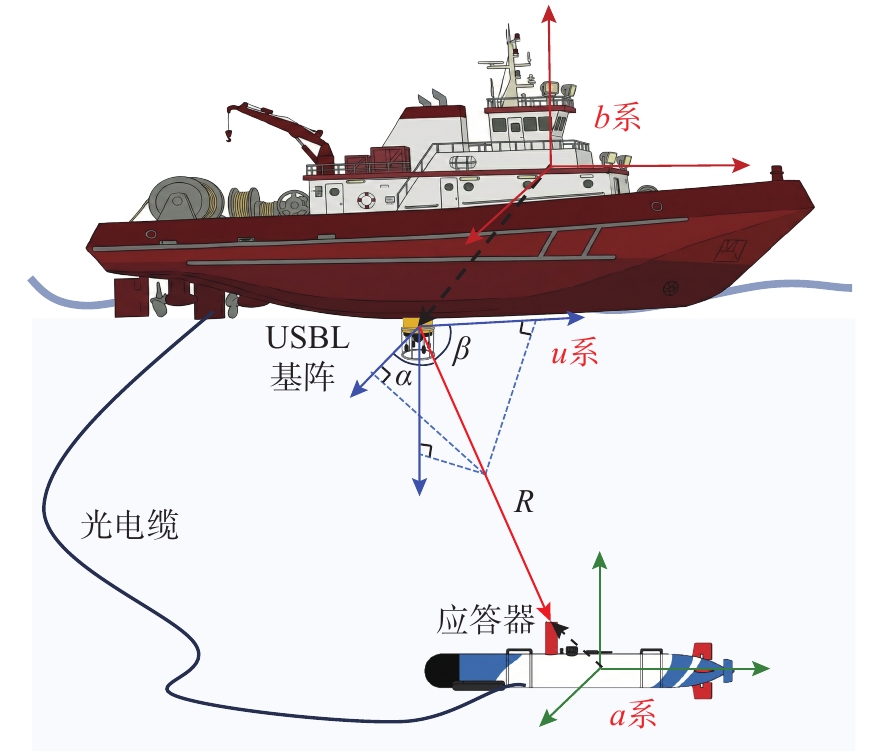
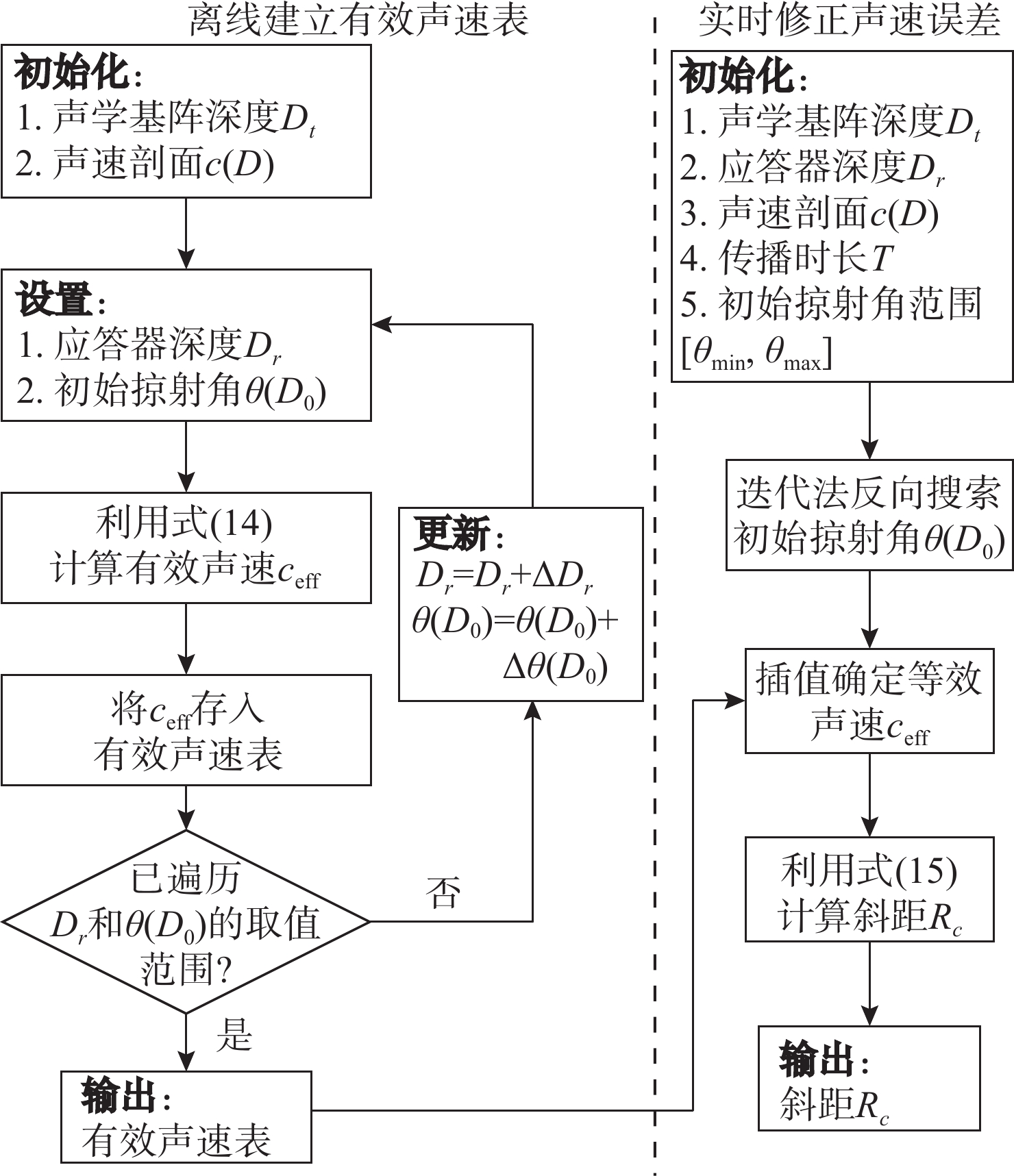
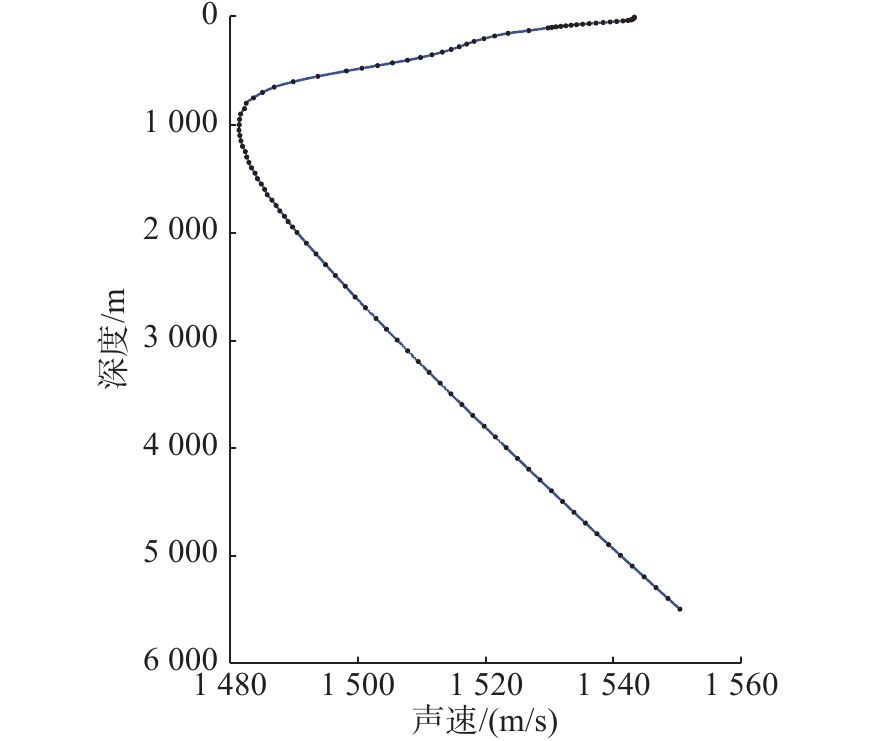
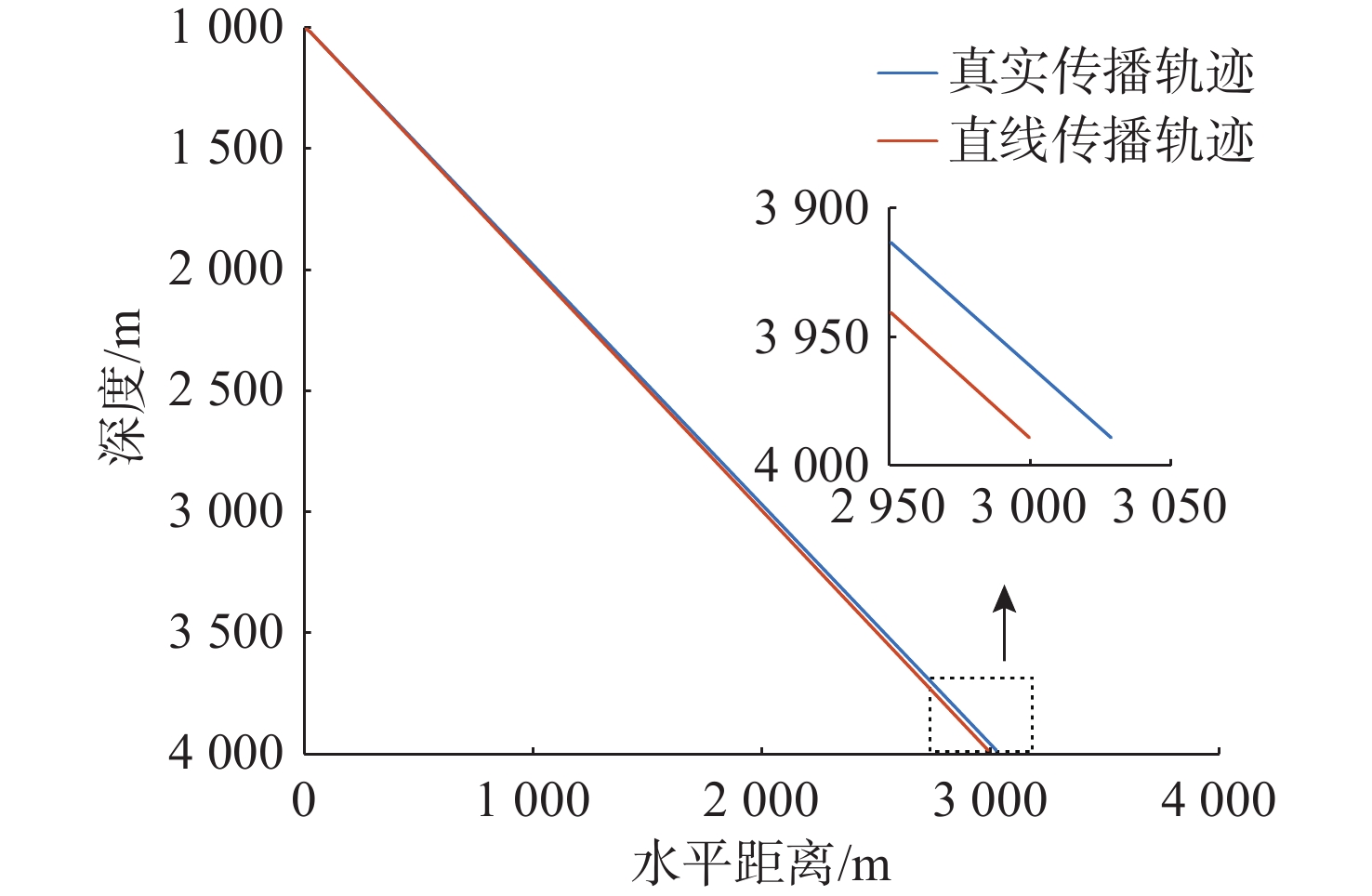
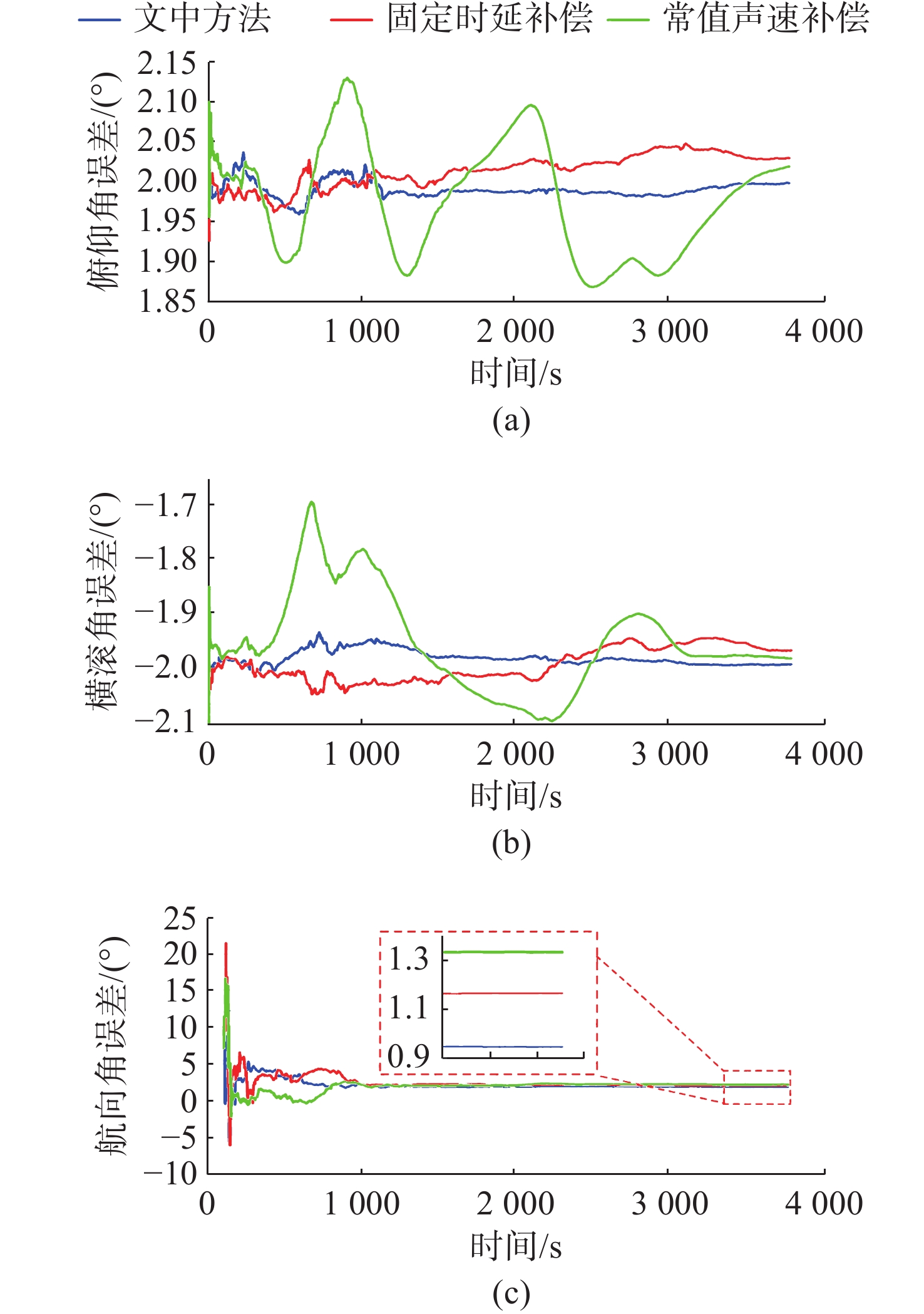
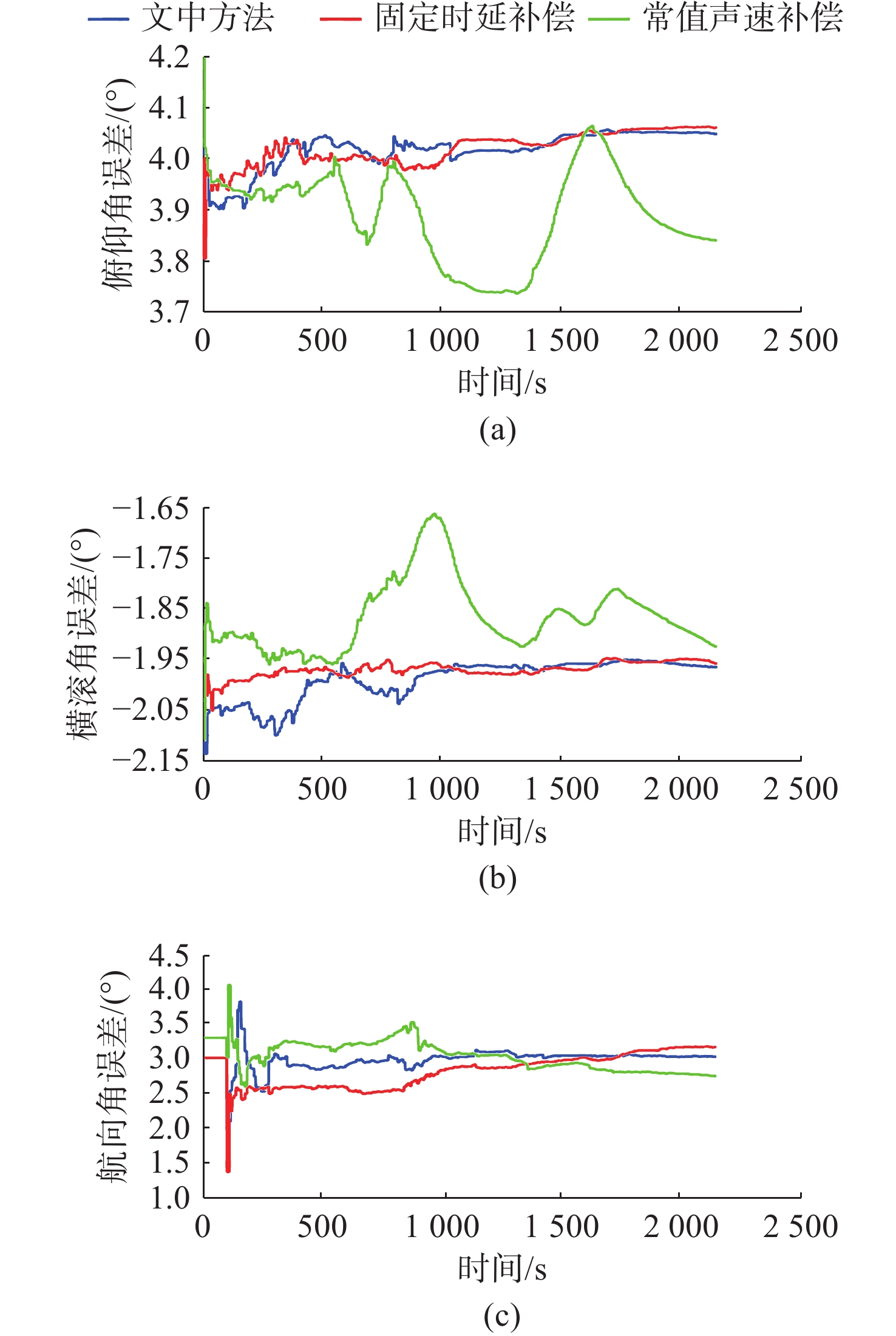
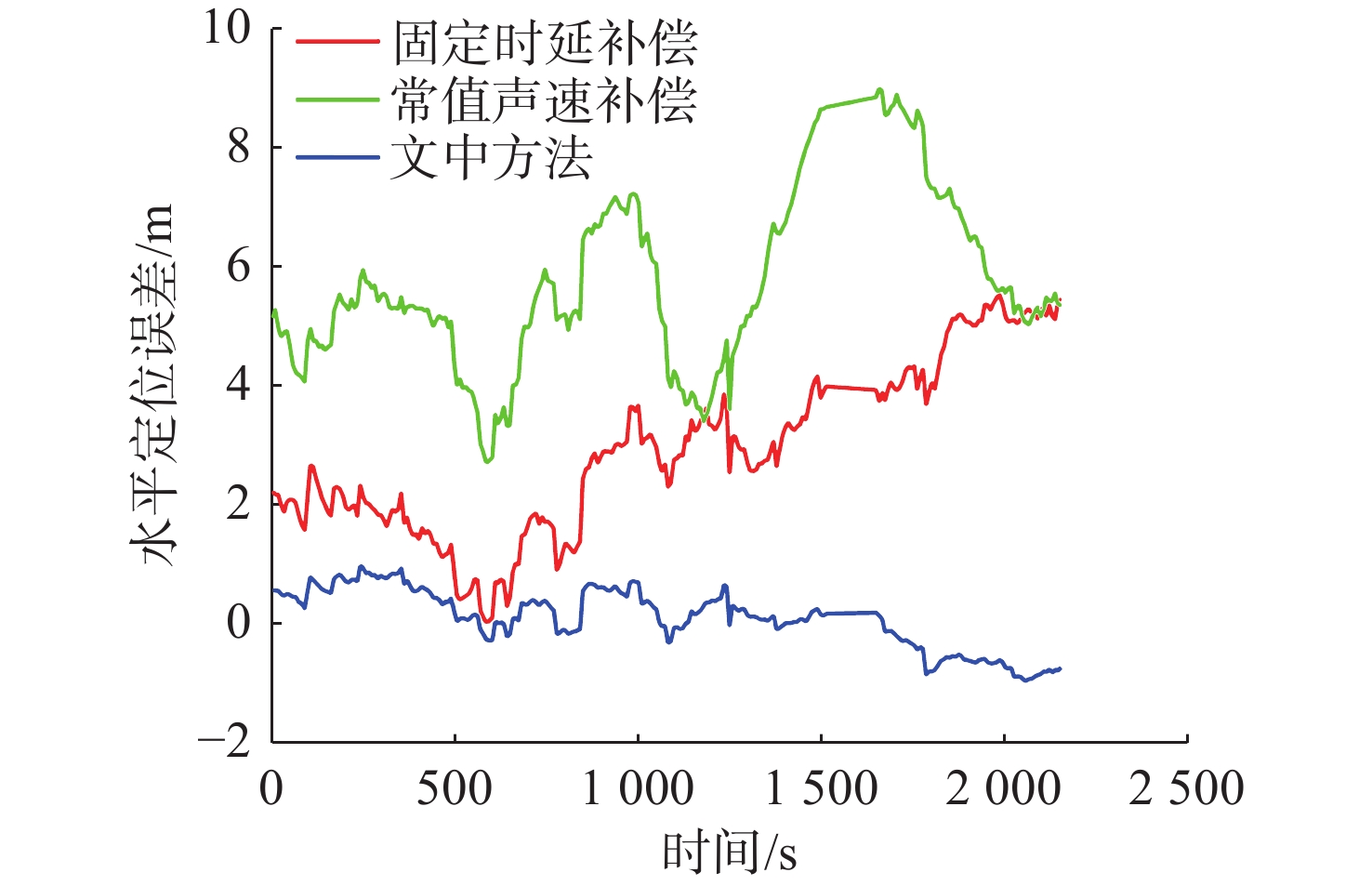
The integration of the strapdown inertial navigation system(SINS) and the ultra-short baseline(USBL) acoustic positioning system has become the mainstream solution for deep-sea navigation. High-precision sensor calibration is the core prerequisite for ensuring the performance of the integrated navigation system. Existing calibration methods lack sufficient real-time performance for deep-sea acoustic ray-bending correction. Moreover, traditional methods often ignore the strong coupling characteristics between random acoustic measurement time-delay jitter and spatial errors. This limitation restricts calibration accuracy, which in turn limits the operational precision and adaptability of the navigation system in deep-sea scenarios. To address these issues, this paper proposes an online joint calibration method that integrates an effective sound speed table with time-delay estimation. First, a refined mapping table among the transponder depth, the initial grazing angle, and the effective sound speed is established offline. During the calibration process, first-order bilinear interpolation is performed online to circumvent the complex iterative computations of ray tracing, thus achieving real-time correction of sound speed errors. Furthermore, the system calculates historical position and attitude matrices through time-delay backtracking. The residual time delay is modeled as a first-order Markov process to compensate for the time jitter introduced during information reconstruction, thus enabling dynamic updates of acoustic measurements. Finally, the sound speed error correction method and the residual time-delay model are incorporated into a state estimation framework. Through closed-loop joint estimation of multiple error sources, USBL range distortion and installation misalignment angles are jointly corrected. Simulation and sea trial results demonstrate that the proposed method can effectively suppress deep-sea sound speed disturbance errors and mitigate the negative impact of measurement latency. Compared with calibration methods without deep-sea multi-source error compensation, the proposed method improves navigation positioning accuracy by approximately 90.1%.
Bionic Fish Lateral-Line Triboelectric Underwater Multidirectional Flow Velocity Sensing Technology
LIU Jianhua, YU Aiqiang, WANG Siyuan, XU Peng, XU Minyi
2026, 34(5): 848-854. doi: 10.11993/j.issn.2096-3920.2026-0065
Abstract:
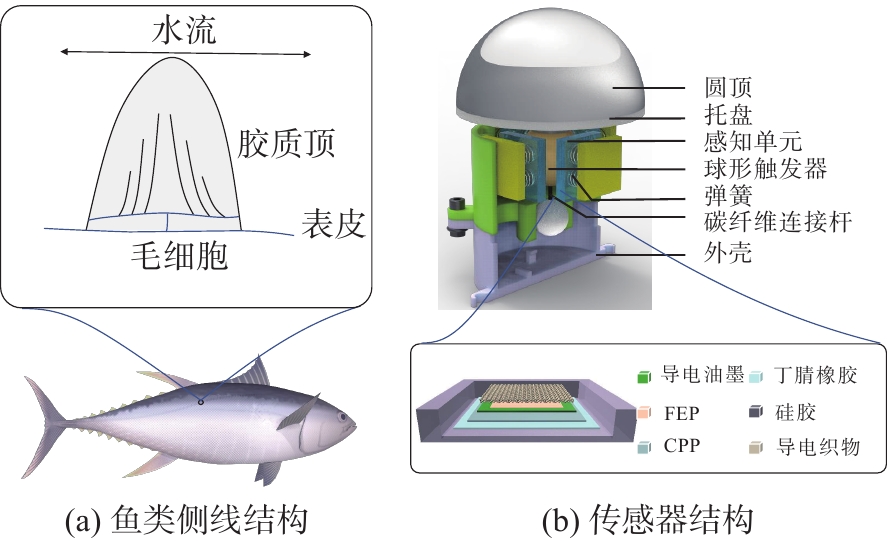
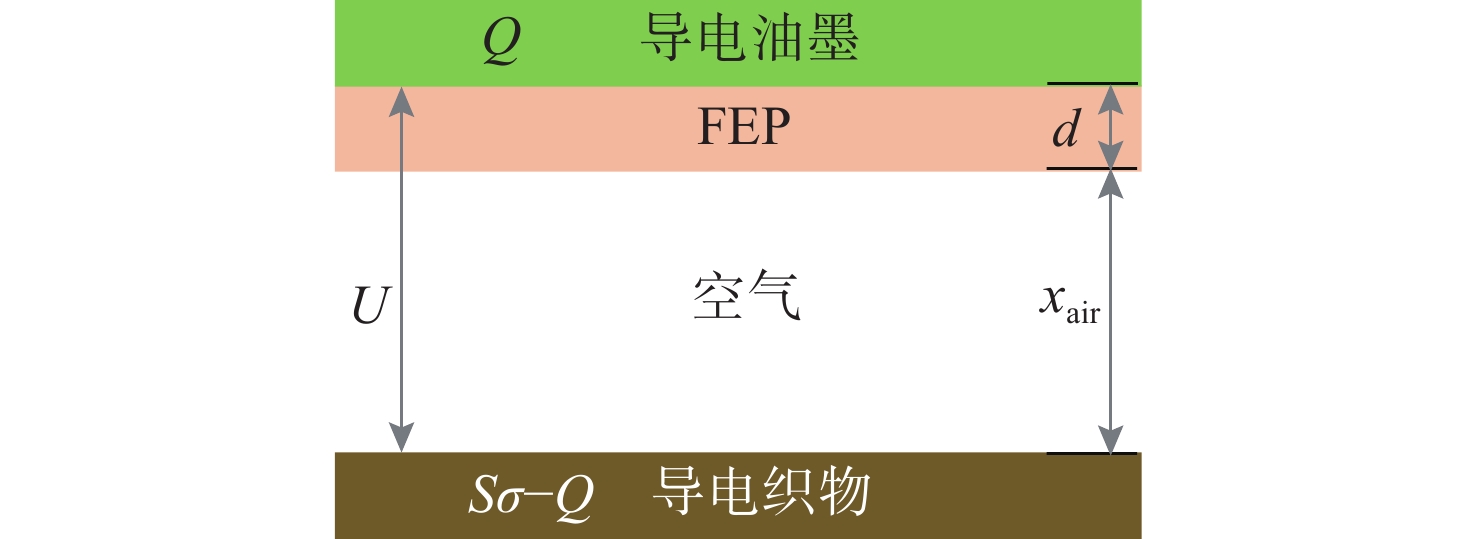
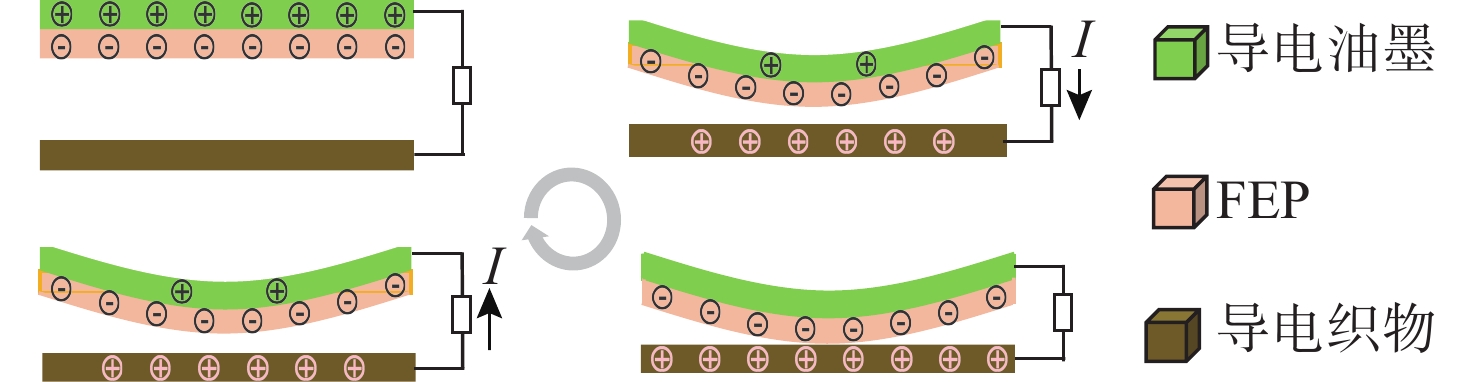
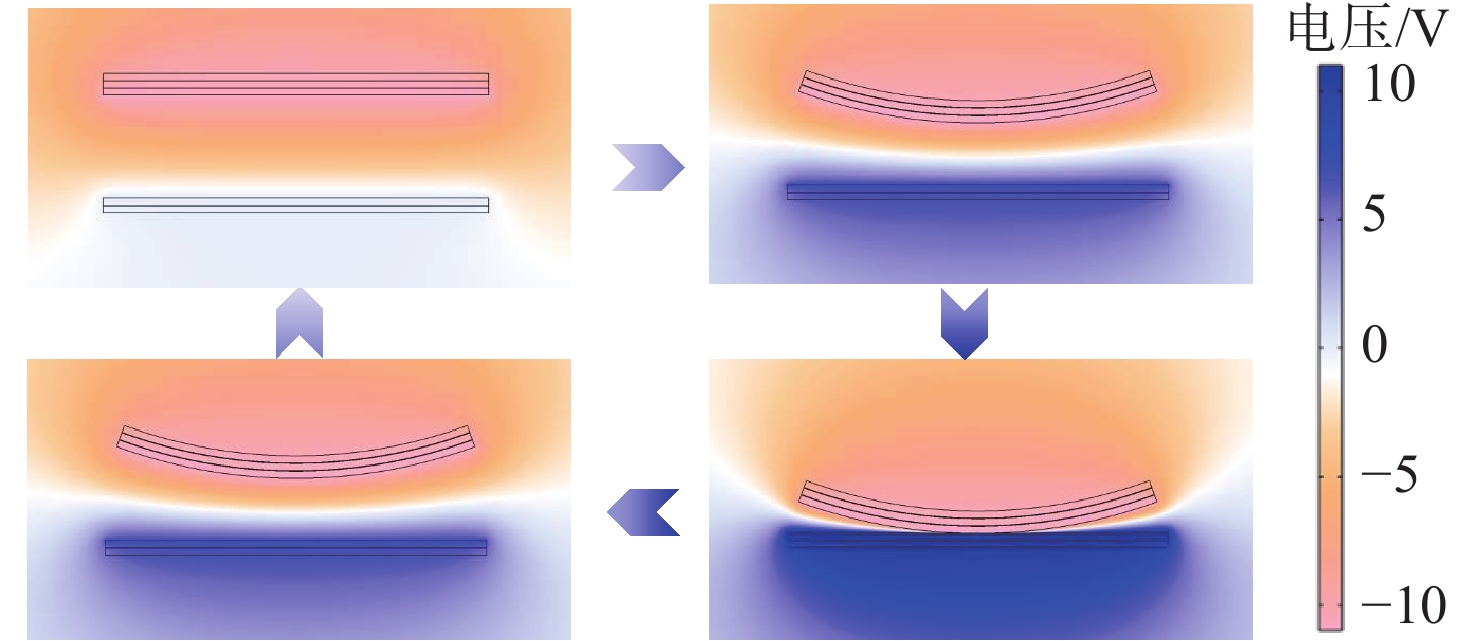
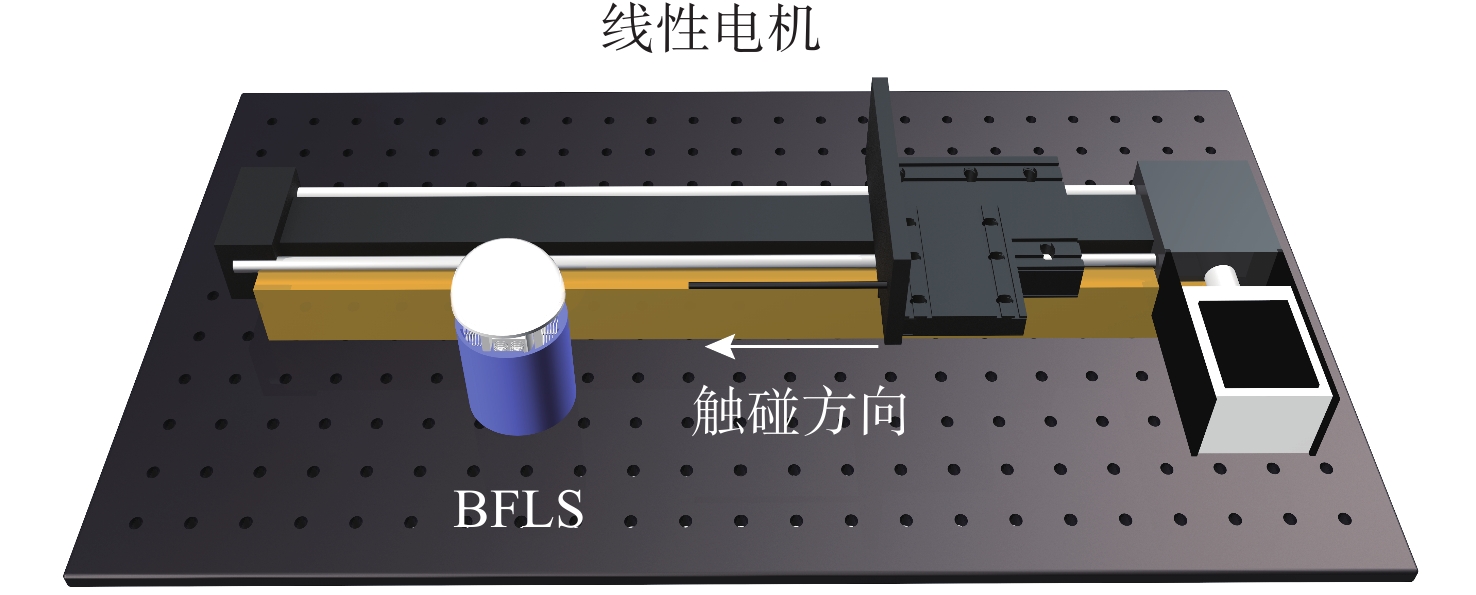
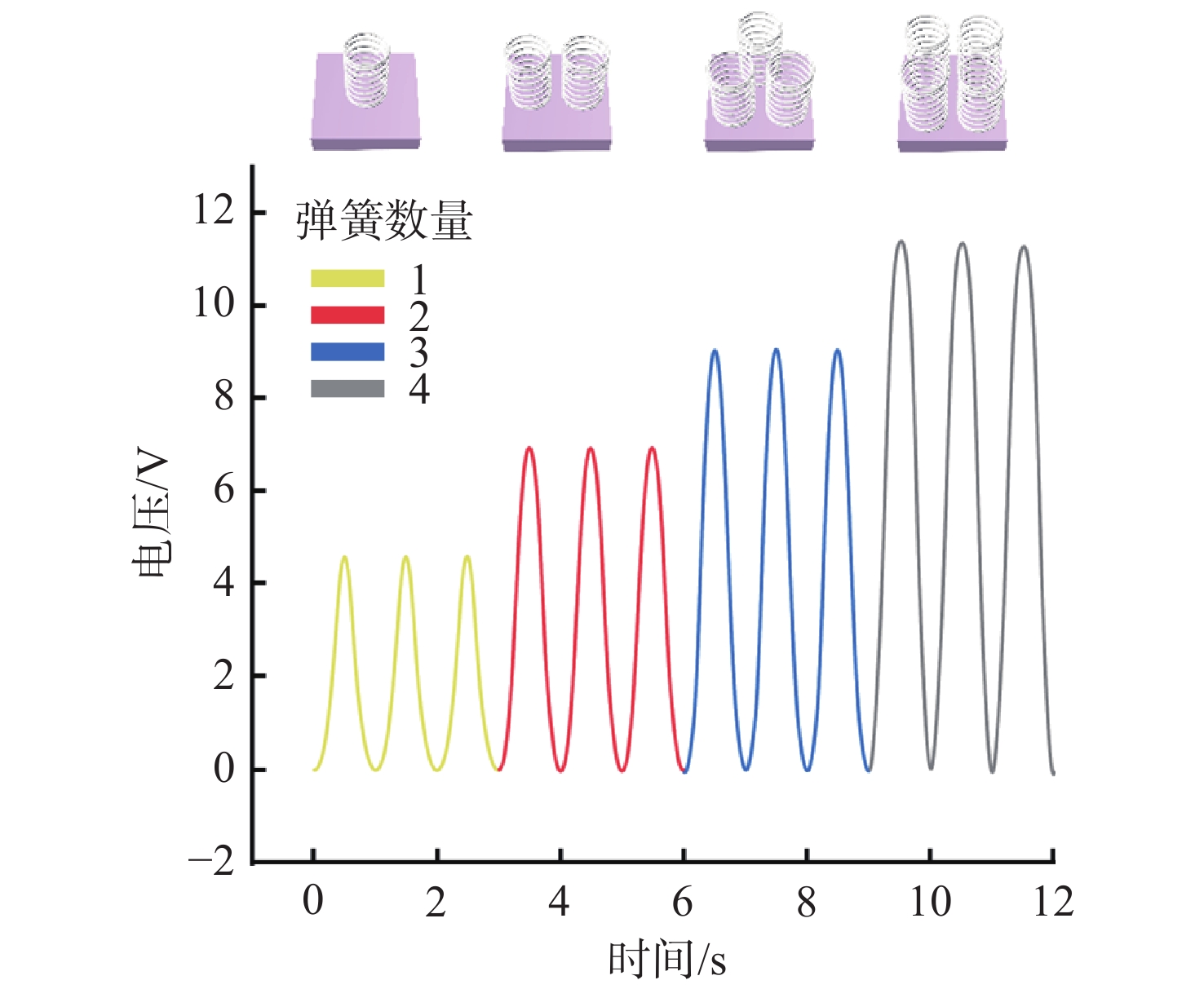
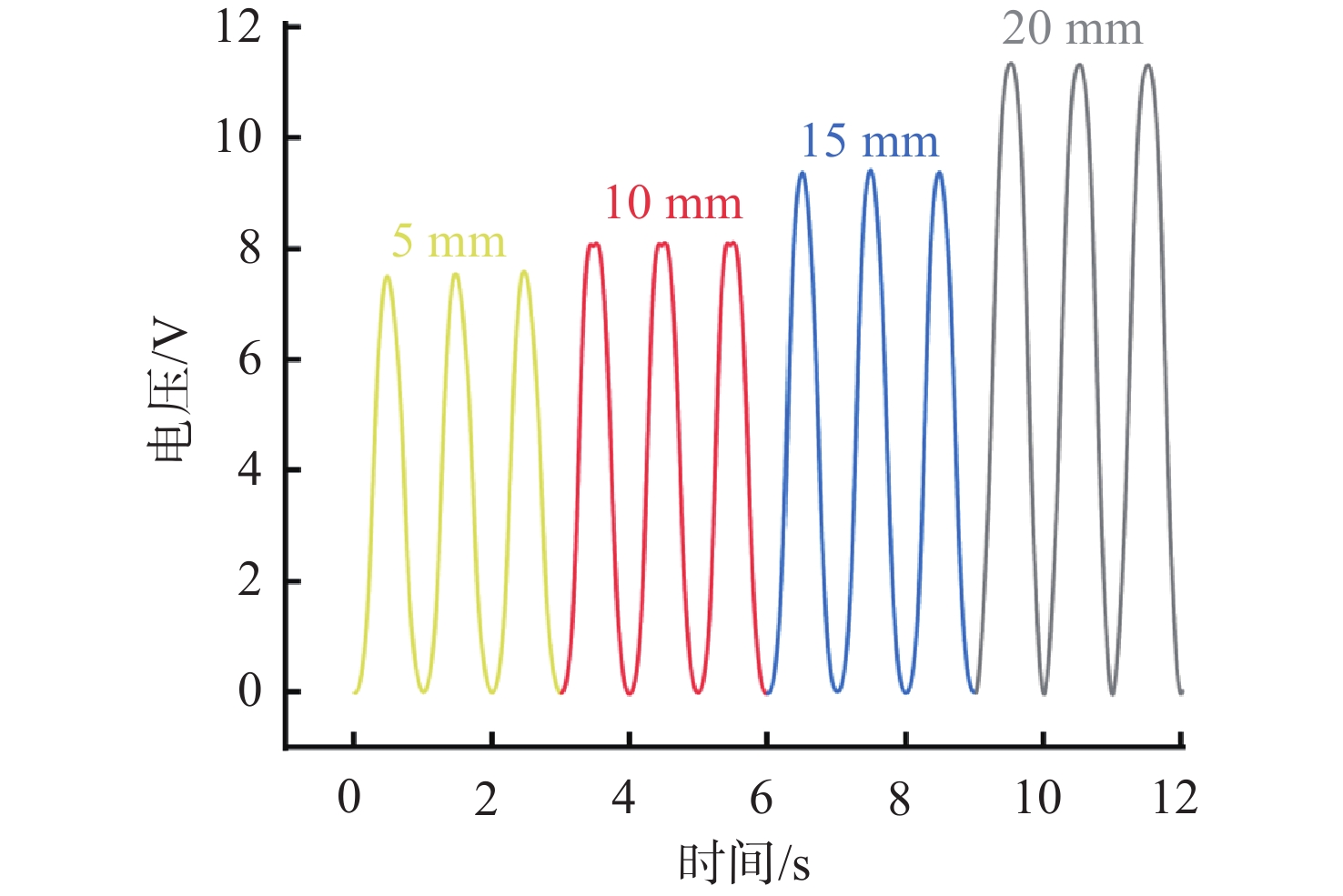
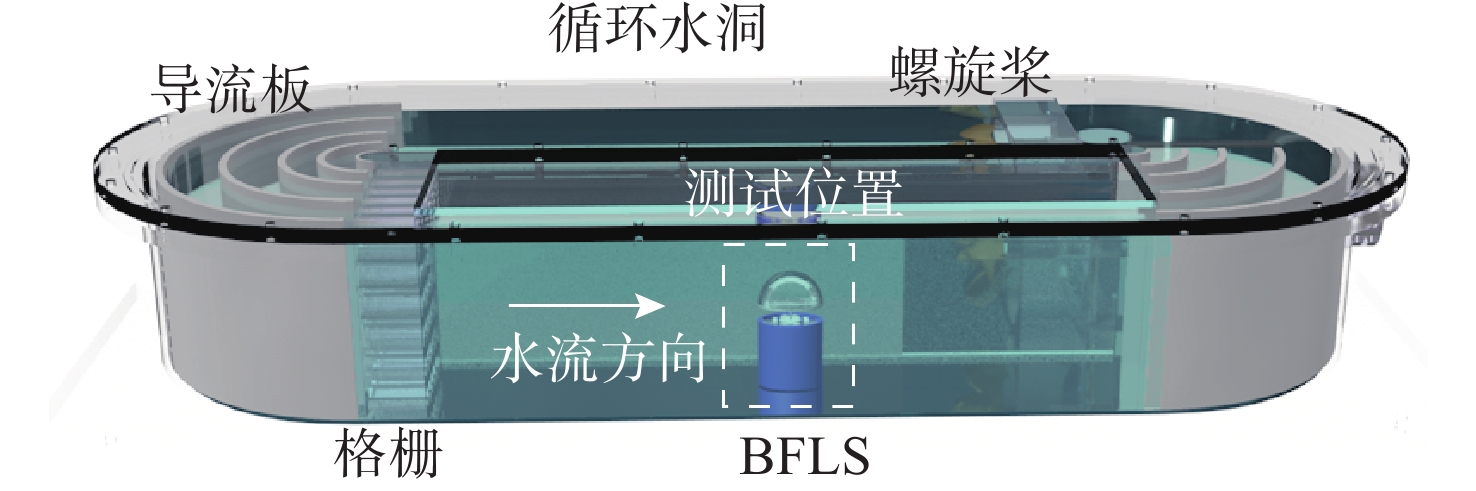
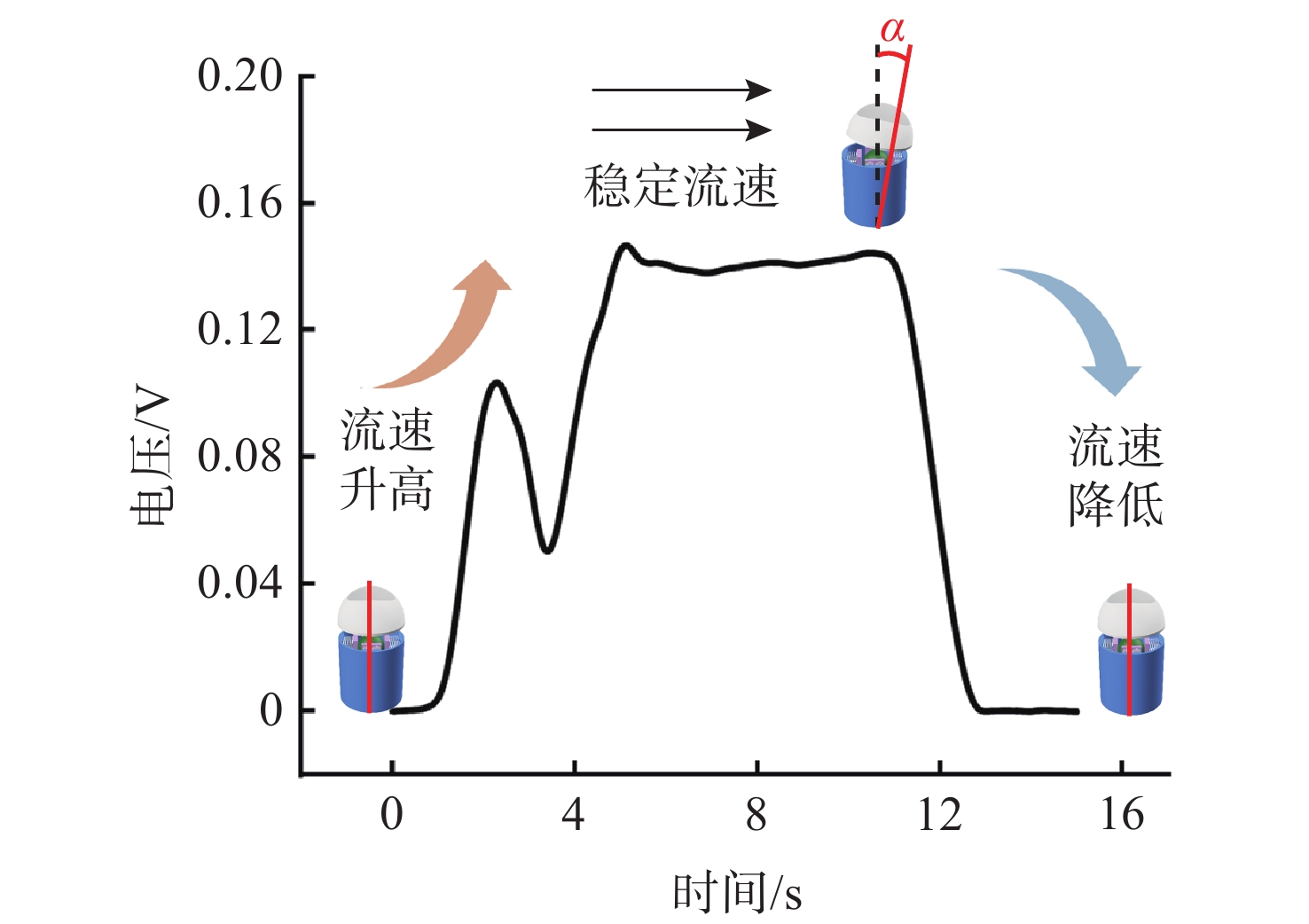
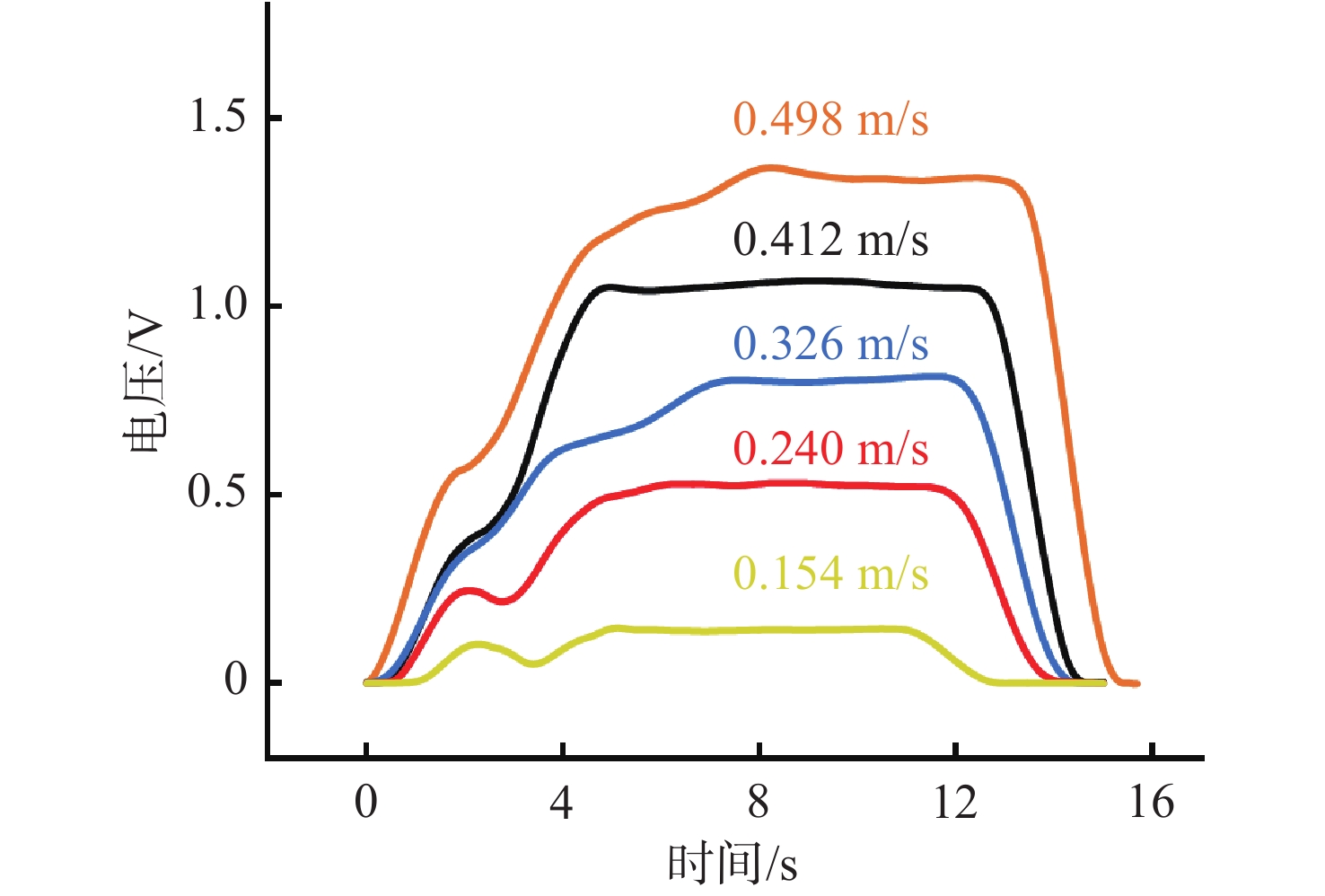
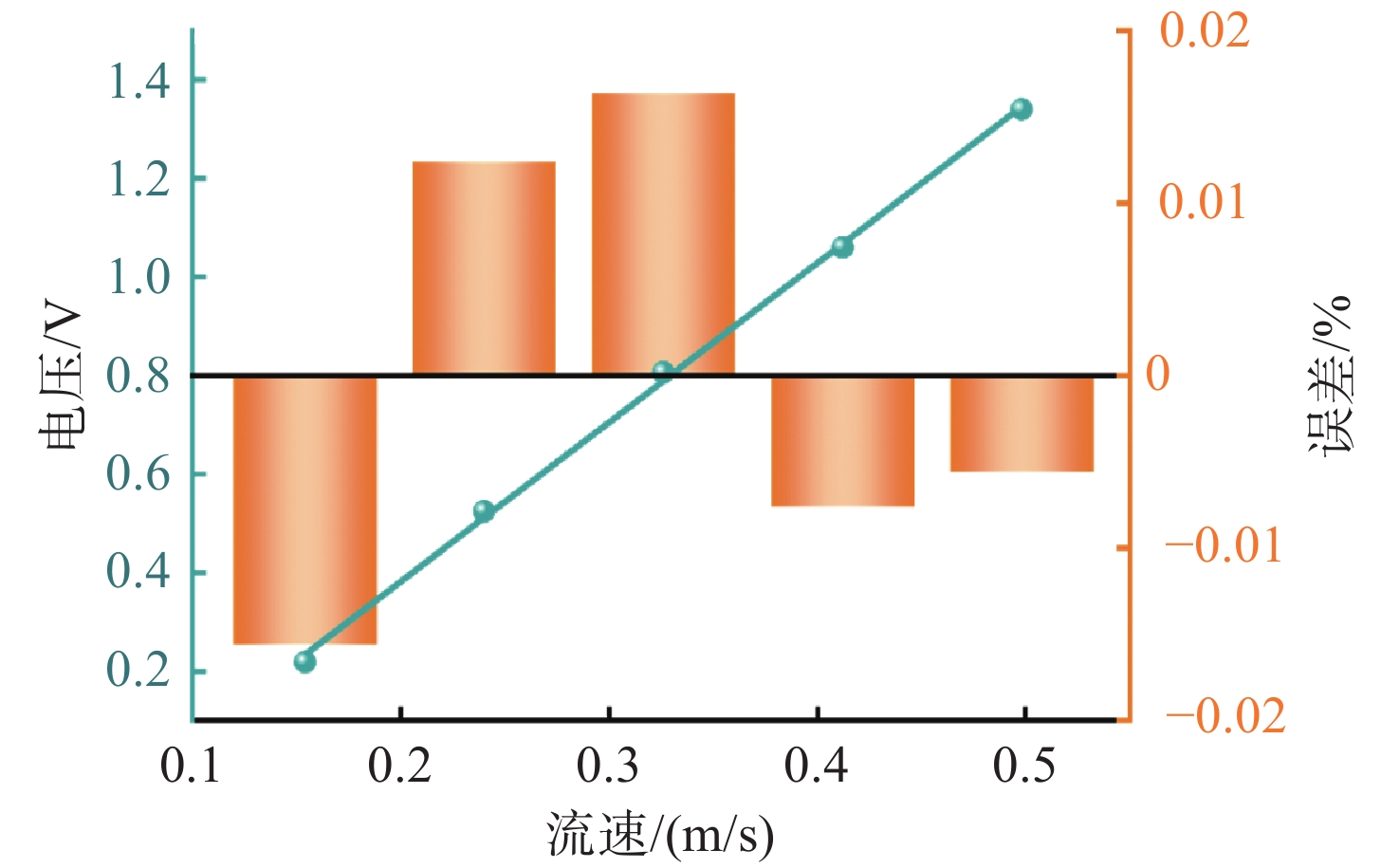
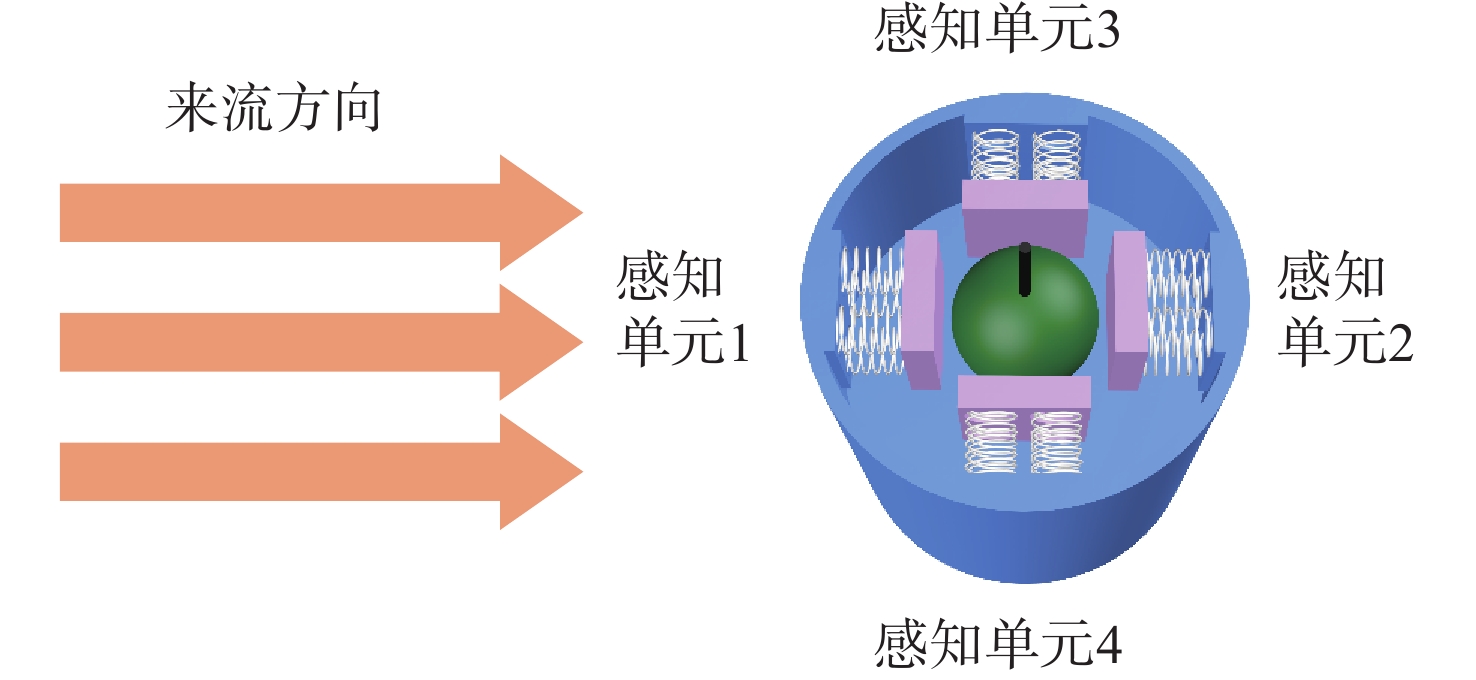
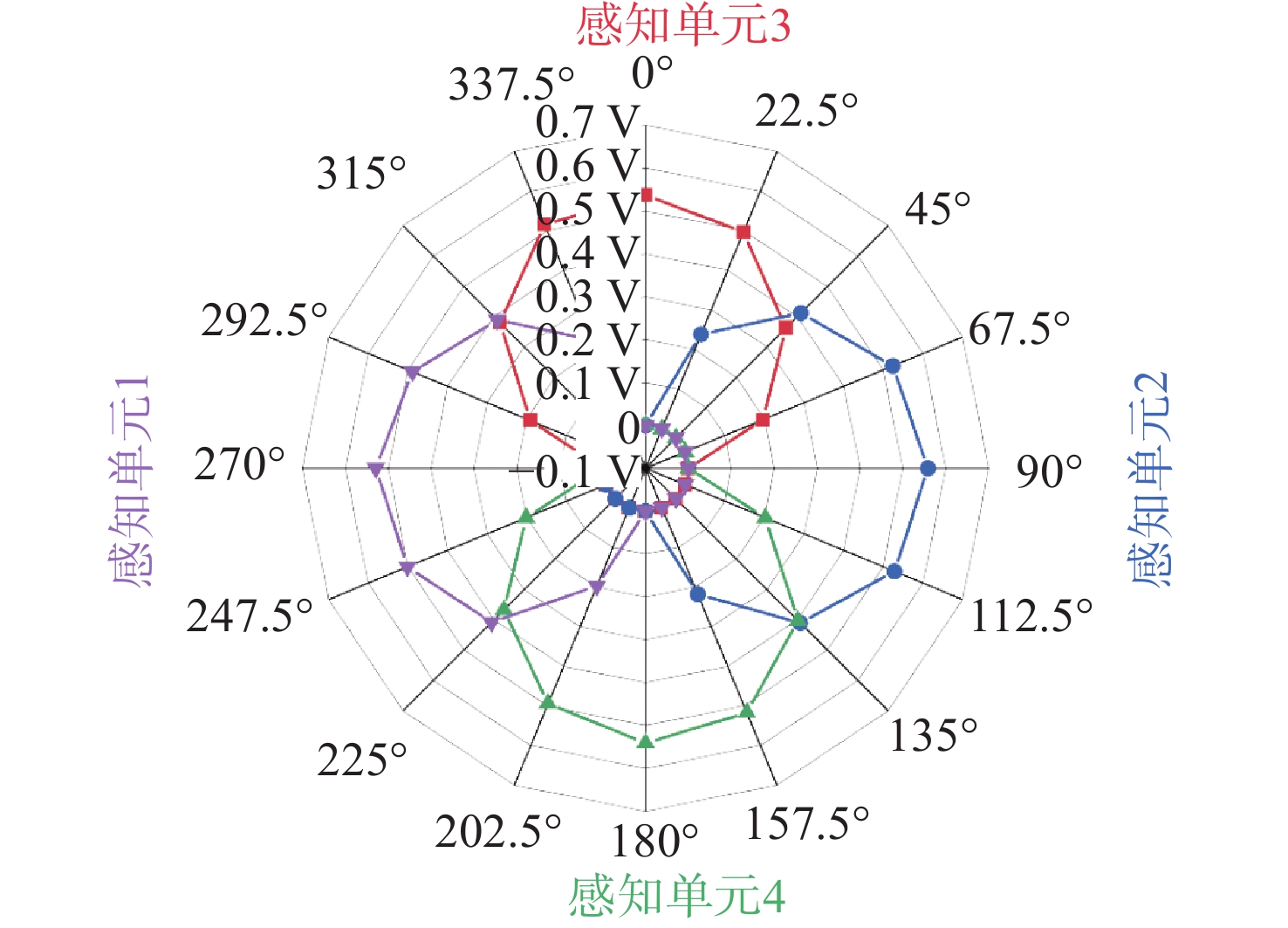
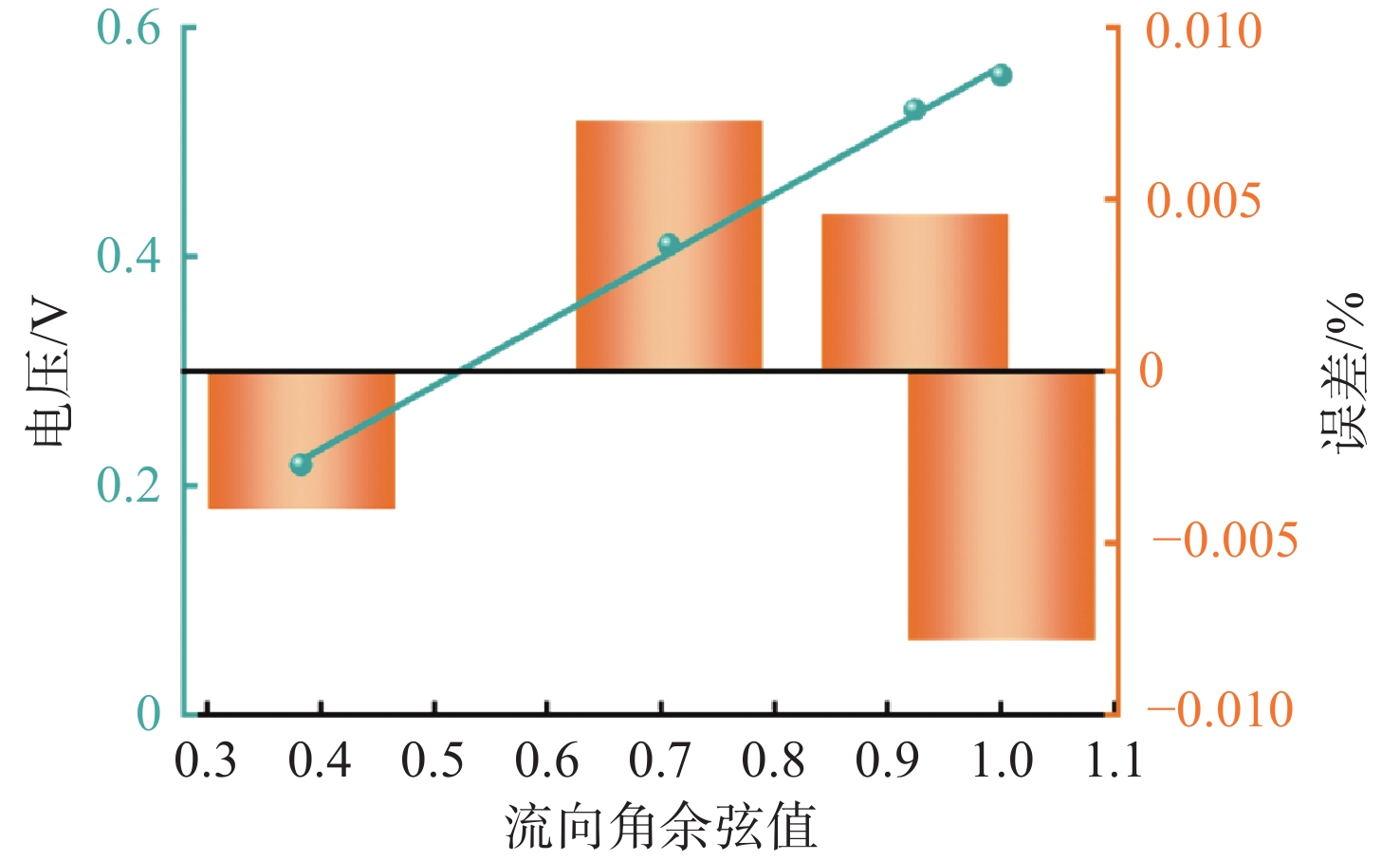
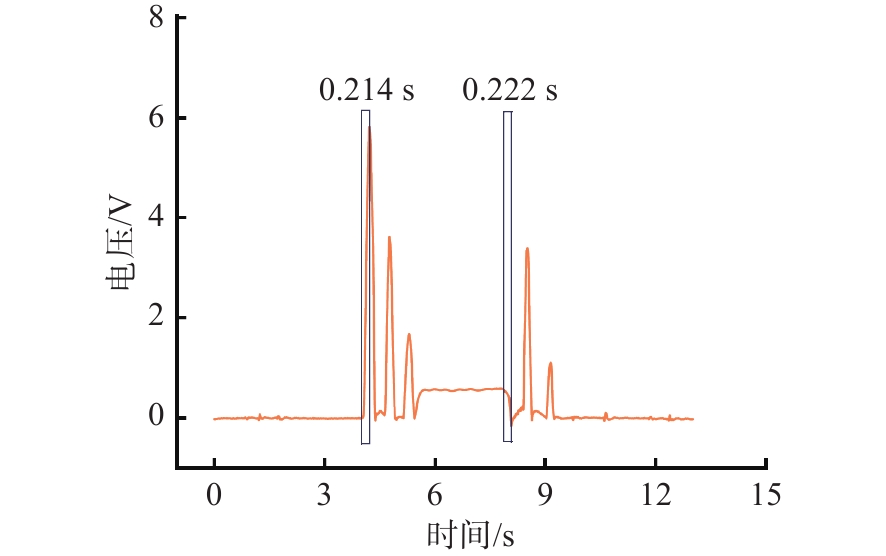
Inspired by the superficial neuromast structure and sensing mechanism in the fish lateral line system, a bionic fish lateral-line sensor(BFLS) was proposed based on a triboelectric nanogenerator. When an external flow field was applied to the sensor, its dome structure deflected and drove an internal spherical trigger, causing the conductive fabric and fluorinated ethylene propylene film in the sensing unit to undergo contact separation motion, thereby generating a corresponding electrical signal output. By optimizing structural parameters such as the carbon fiber connecting rod of the sensor and the back spring quantity in the sensing unit, the sensing performance of BFLS was significantly improved. Underwater experiments show that BFLS can effectively sense underwater flow speed and direction at intervals of 22.5°. The coefficient of determination for the linear fit between the BFLS’s output electrical signal and flow speed exceeds 0.9, and the flow speed detection sensitivity is approximately 3.2V/(m·s−1), demonstrating the reliable capability of BFLS to sense underwater flow speed. In addition, the BFLS also has advantages including simple structure, low manufacturing cost, and self-powered characteristics, showing great application potential in underwater flow field monitoring in marine environments.
Degradation-Aware Prior Guided Adaptive Underwater Image Enhancement Method
SHAN Siyao, WANG Wei
2026, 34(5): 855-865. doi: 10.11993/j.issn.2096-3920.2026-0048
Abstract:
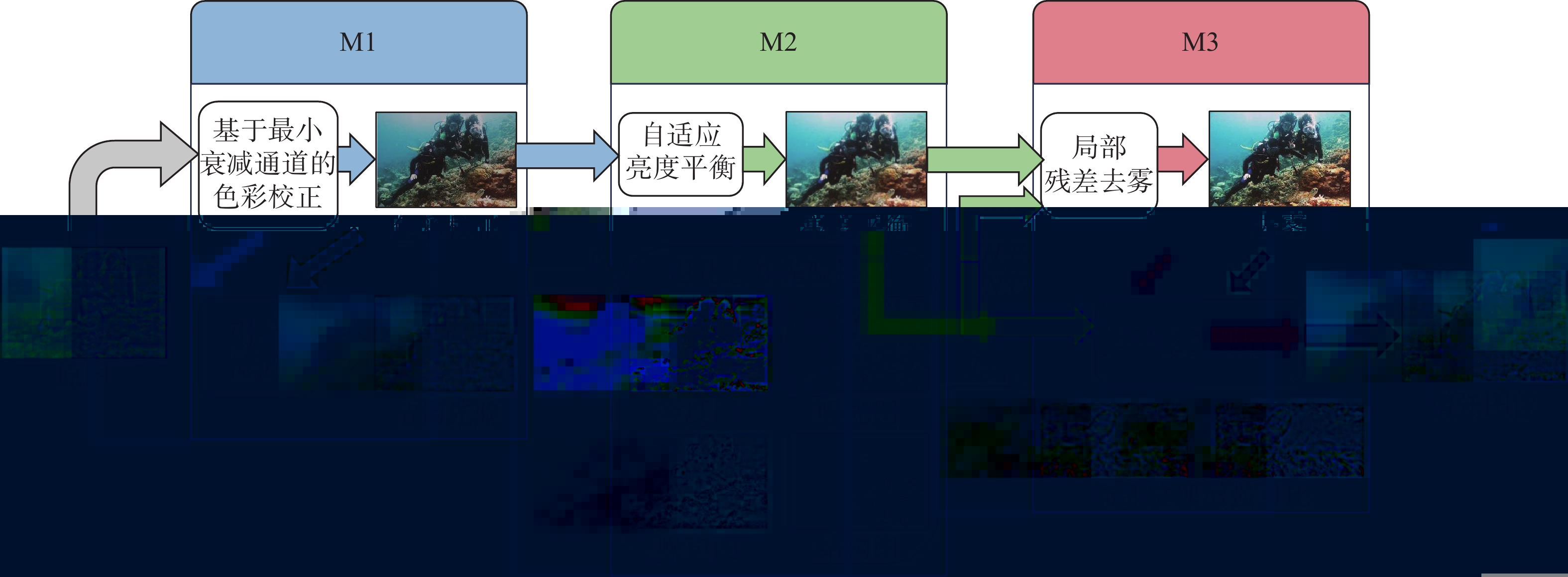
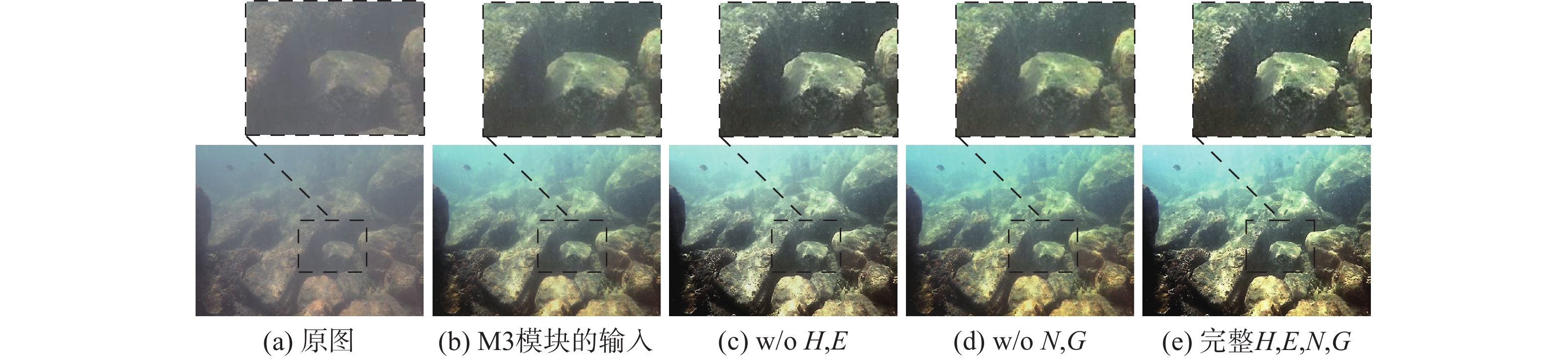
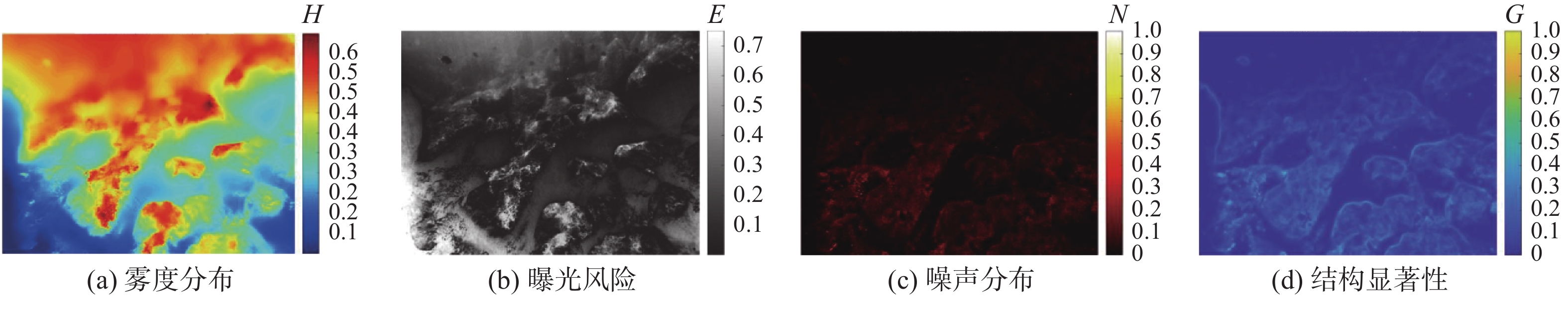
To address the limitations of traditional underwater image enhancement methods, where non-physical-model-based approaches often lack degradation-mechanism constraints and may cause under-enhancement or over-enhancement, while physical-model-based approaches are limited by the stability of key parameter estimation, this paper proposes an adaptive enhancement method guided by degradation-aware priors. The method constructs physically interpretable degradation-aware priors from local statistical image features, thus preserving the flexibility of non-physical-model-based enhancement while incorporating degradation-mechanism constraints, without requiring network training on the target dataset or explicit estimation of all parameters in the underwater imaging model. Specifically, color cast is first corrected using a minimum attenuation channel strategy, followed by adaptive luminance equalization based on a non-uniform ambient light field estimated using guided filtering. Local contrast variance, ambient light field offset, local energy statistics, and gradient magnitude are then mapped to haze distribution, exposure risk, noise distribution, and structural saliency, respectively, to guide local dehazing and multi-scale texture enhancement. Experimental results show that the proposed method performs favorably in color cast correction, structural preservation, and texture detail enhancement, while also demonstrating greater computational efficiency.
Loss Evolution Characteristics Analysis of Micro Axial-Flow Turbine under Off-Design Conditions
LI Xiangyu, YI Jinbao, MA Weifeng, WEN Menggang, HUANG Qilong, YANG Jun
2026, 34(5): 866-875, 886. doi: 10.11993/j.issn.2096-3920.2026-0077
Abstract:
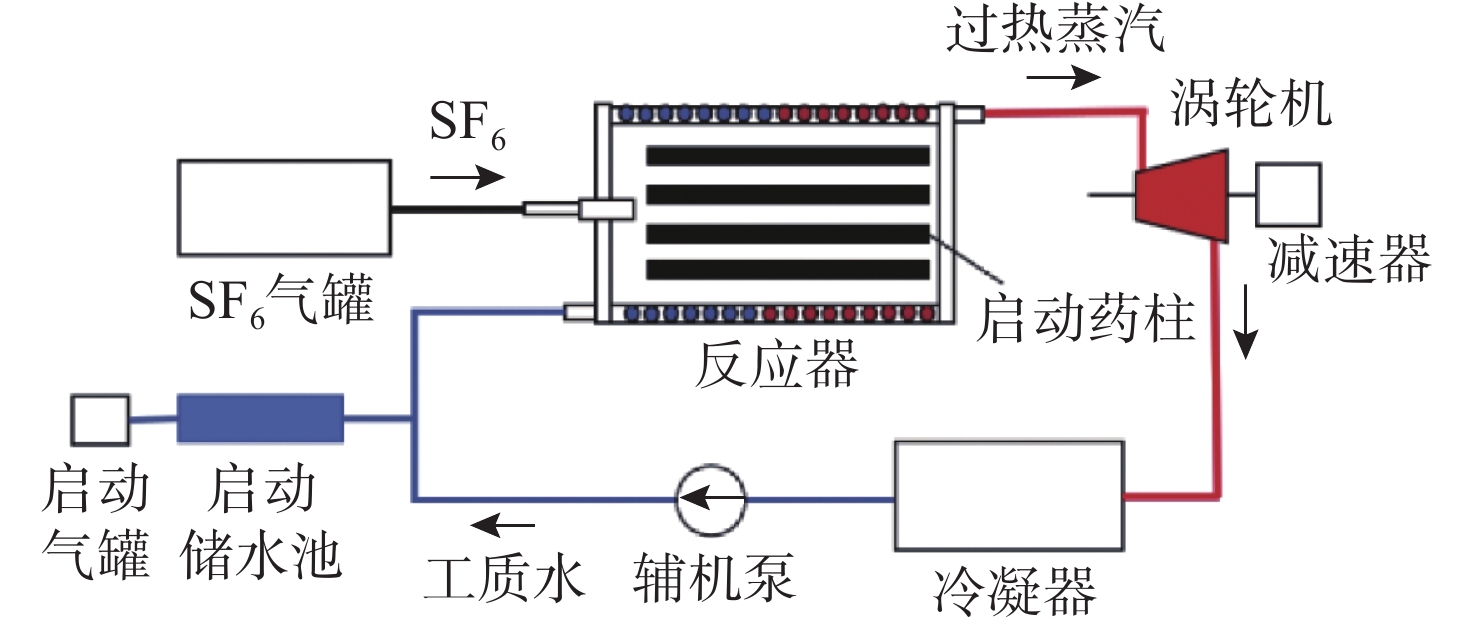
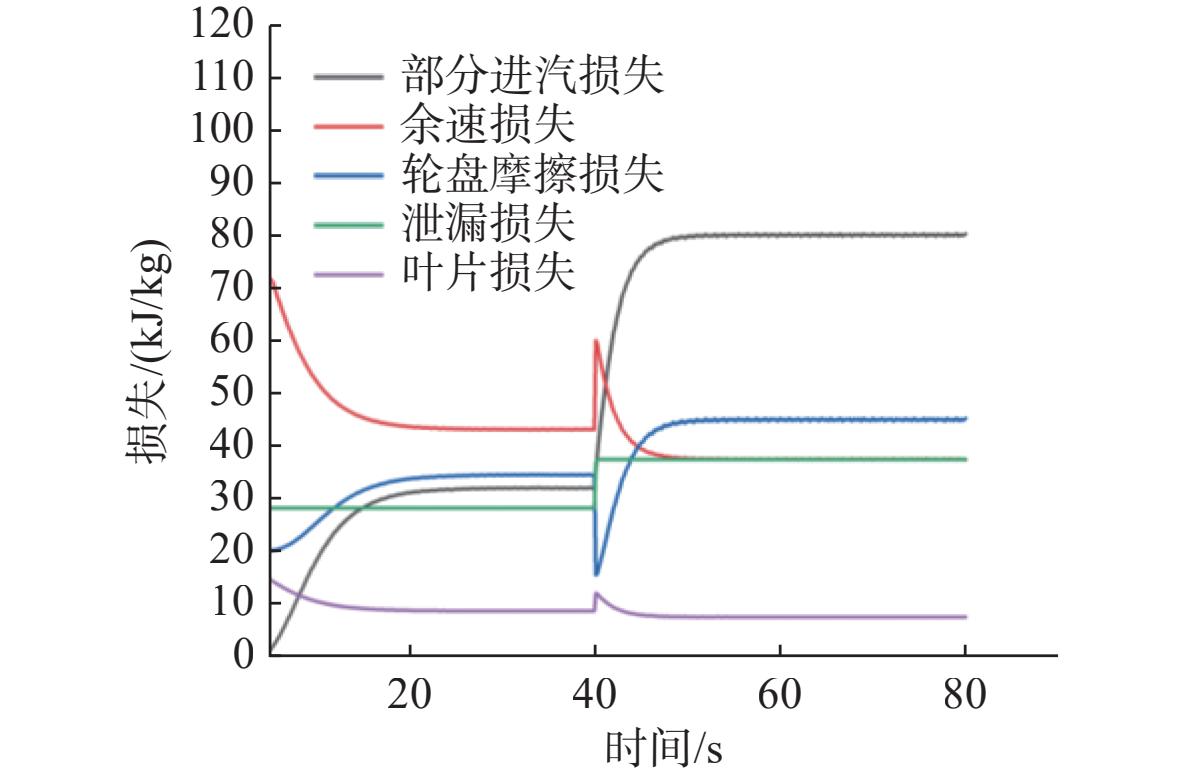
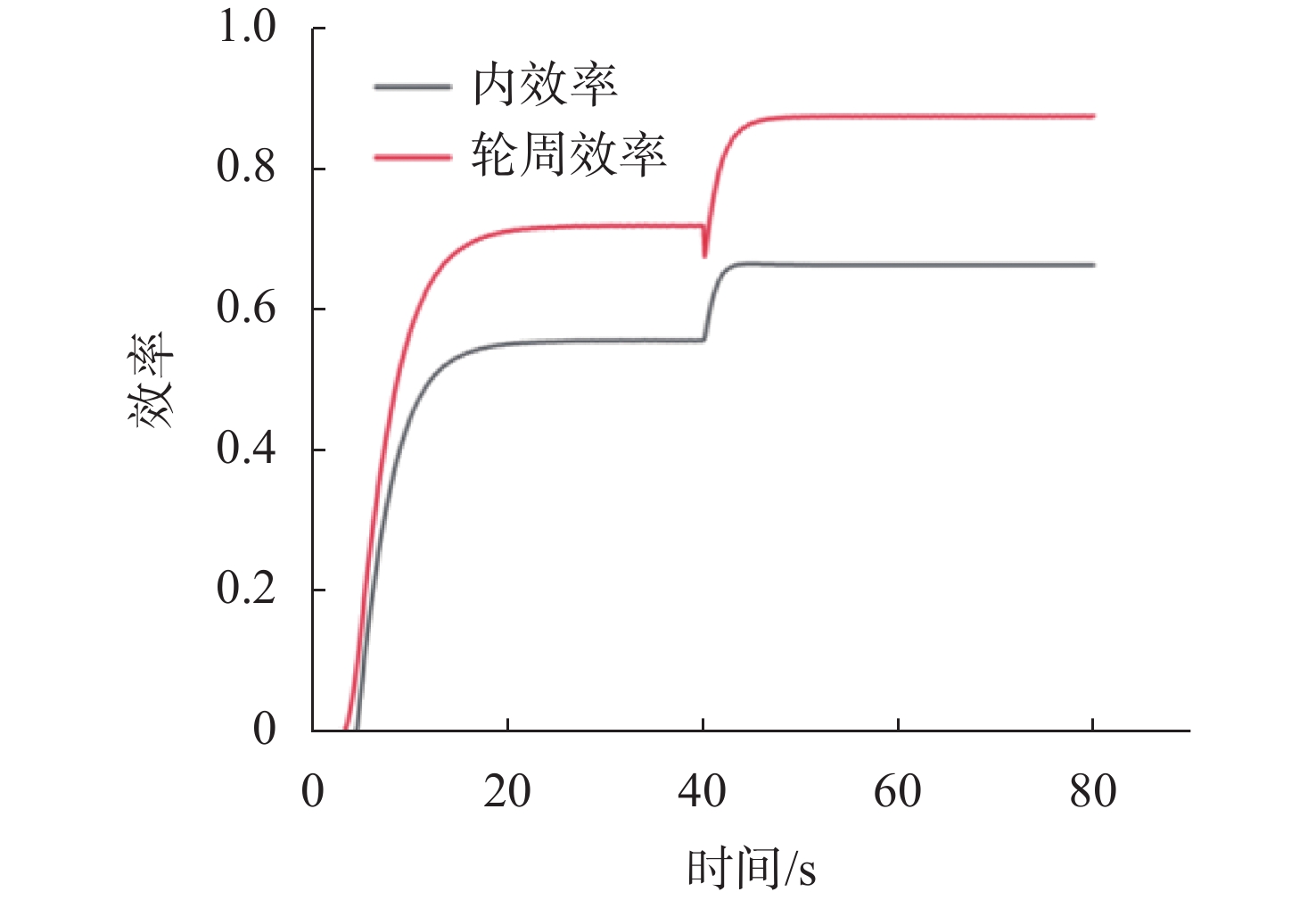
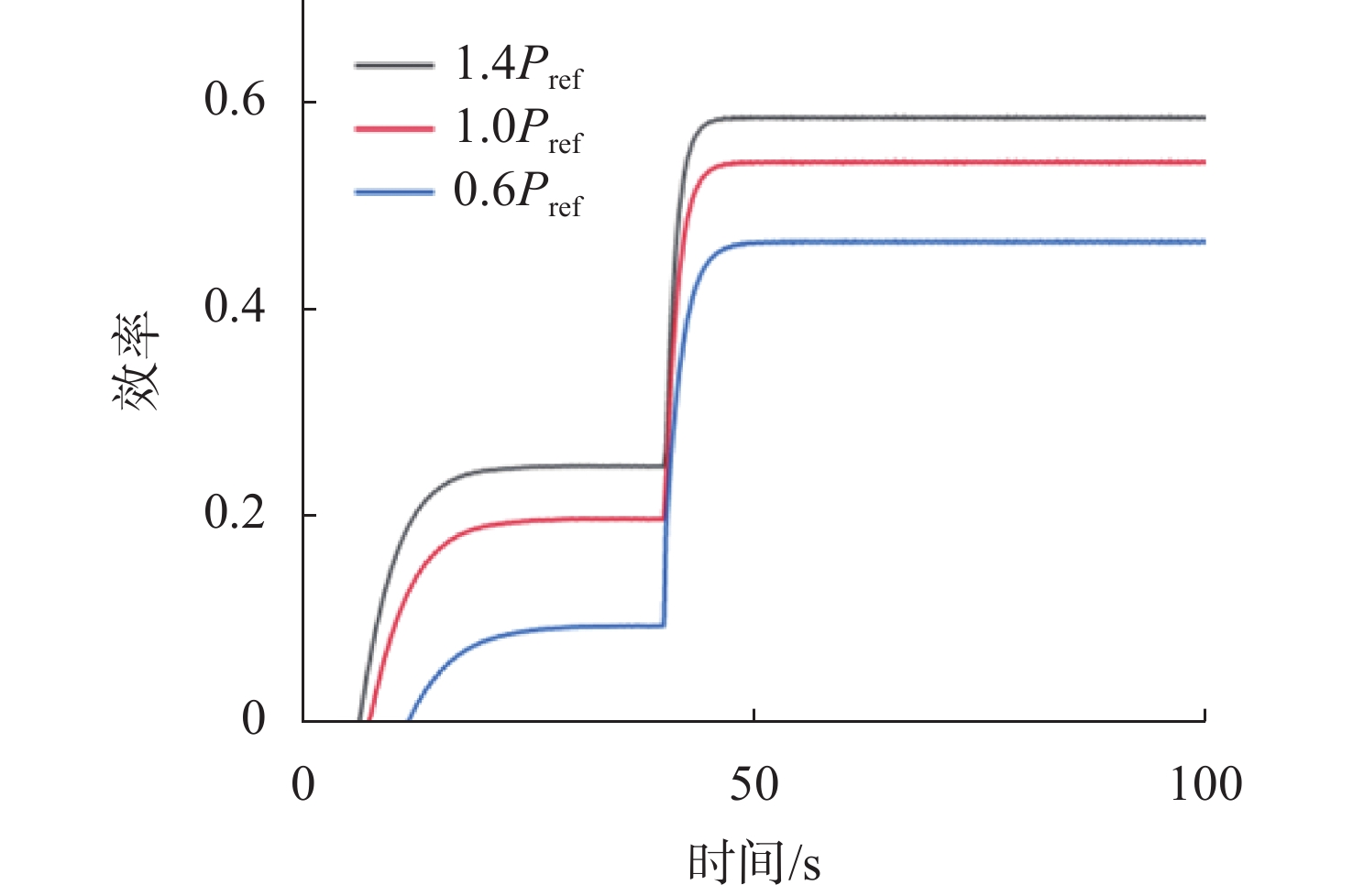
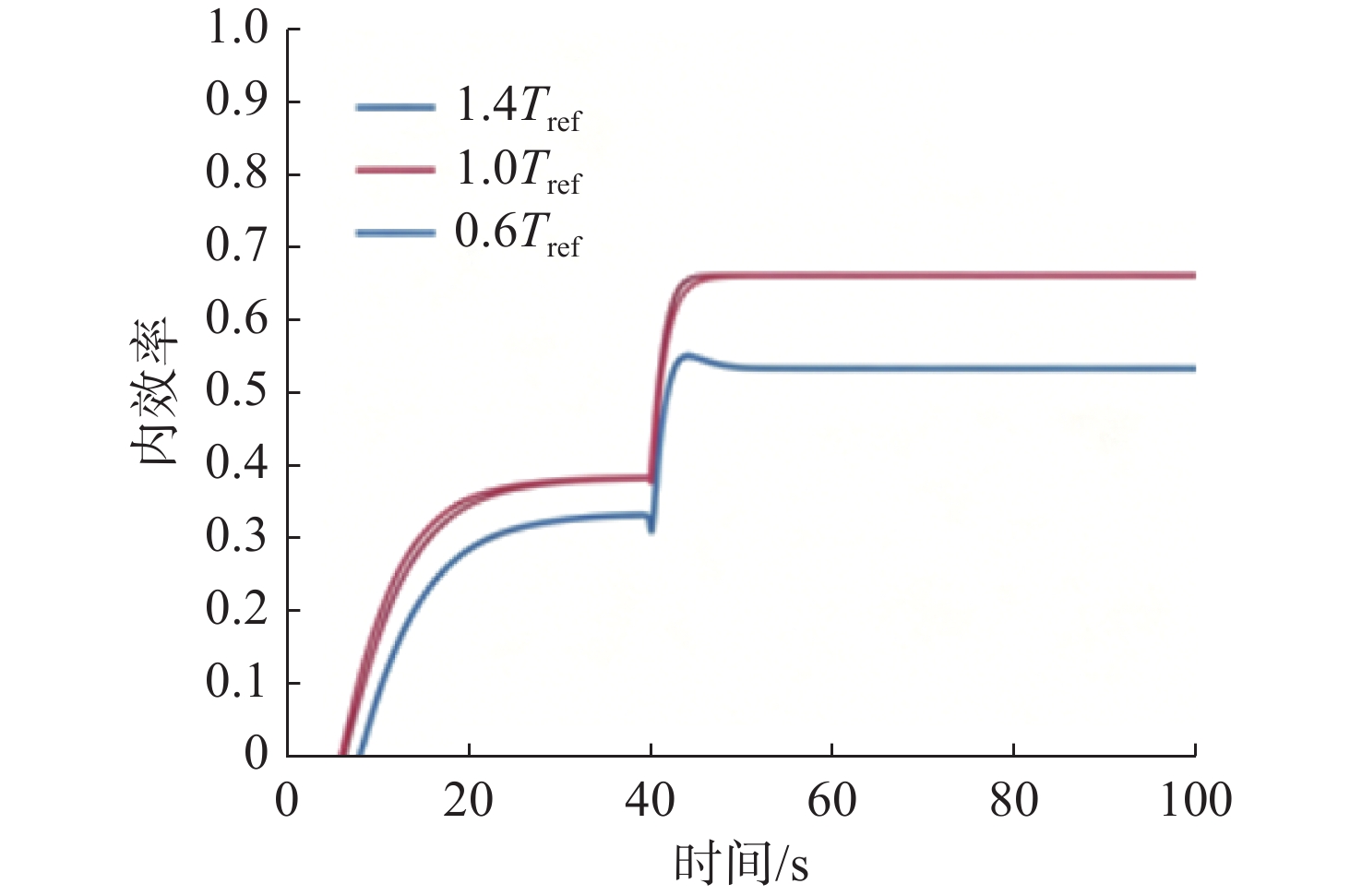
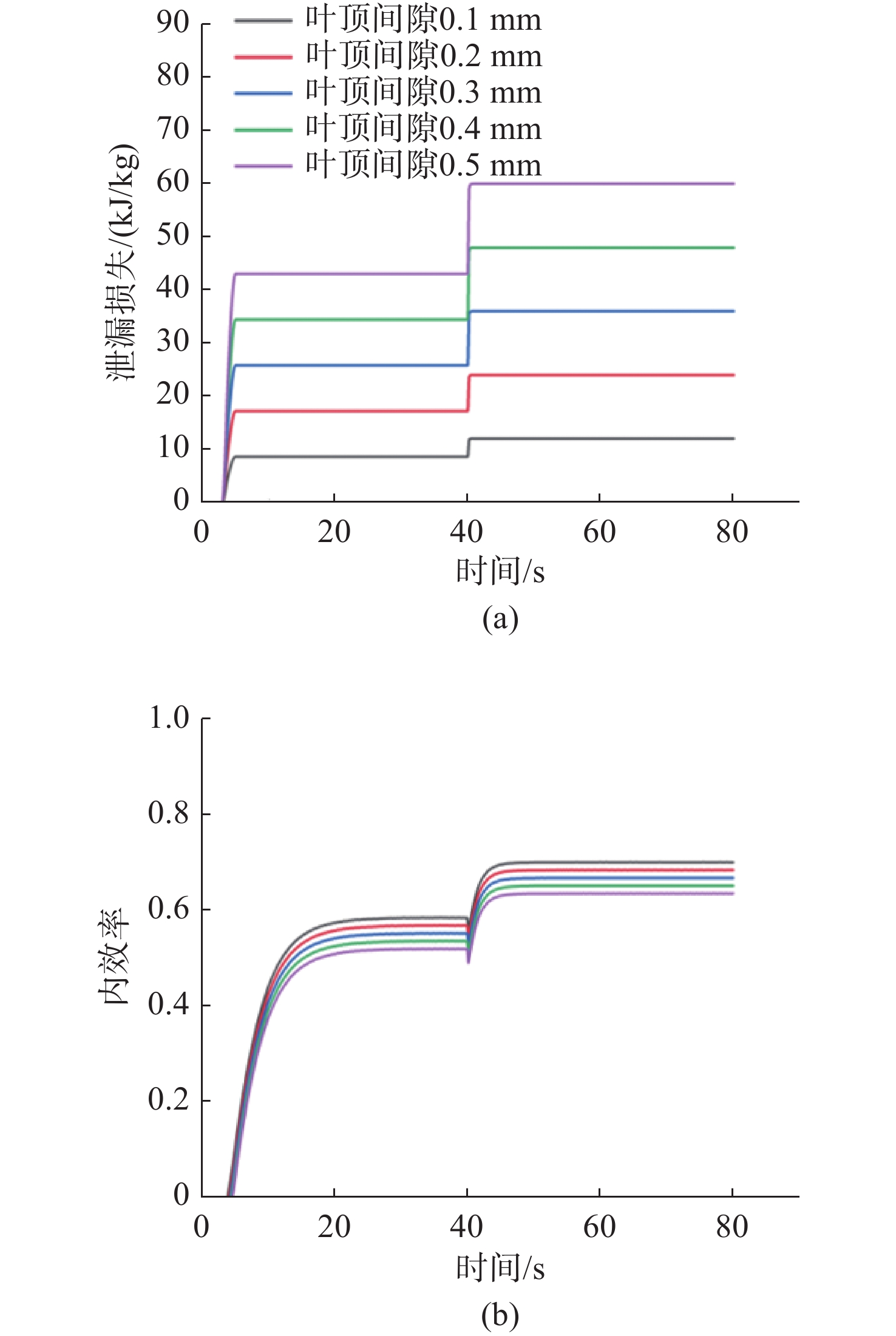
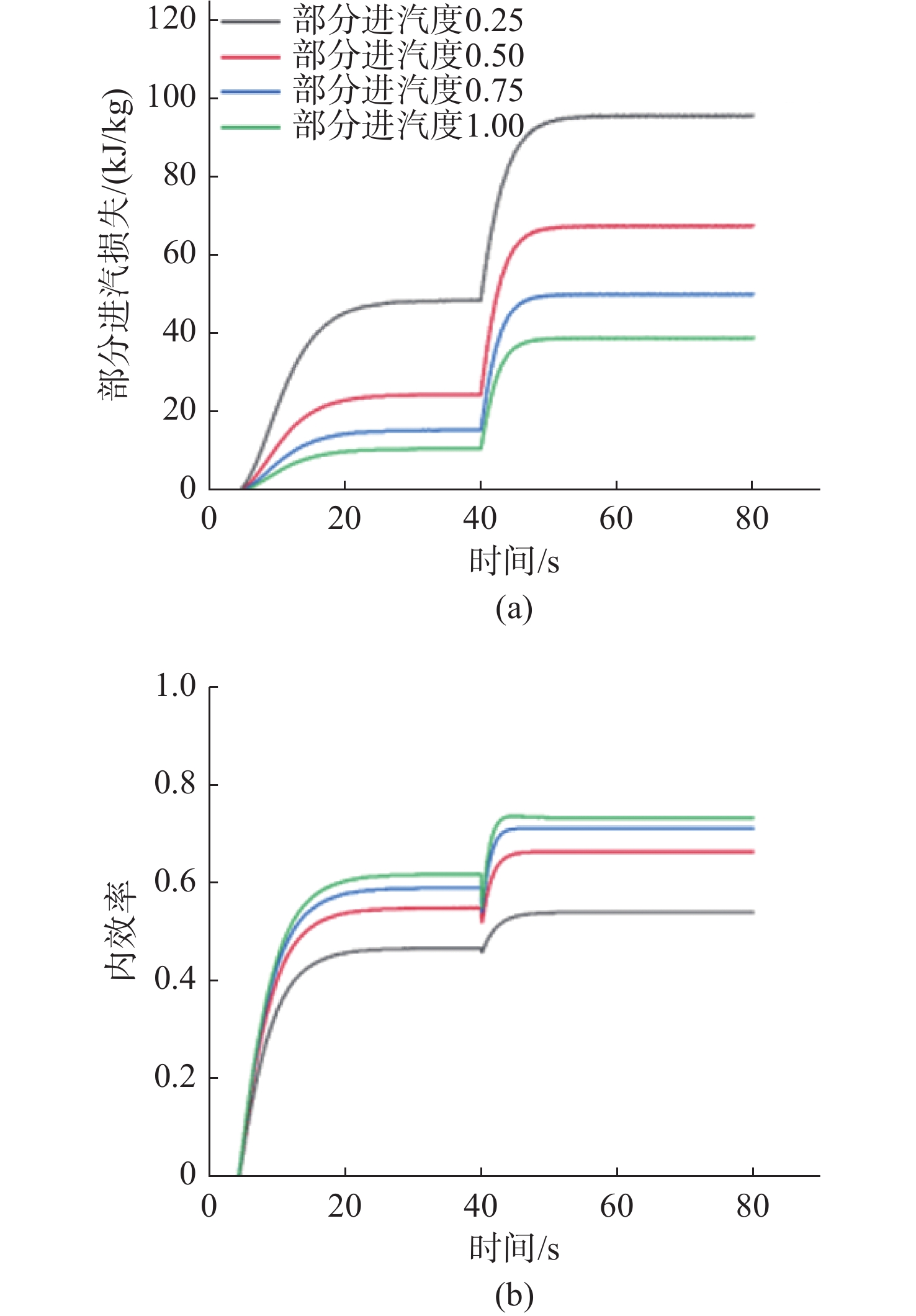
To address the efficiency issues of micro axial-flow turbines in micro undersea vehicles operating over a wide speed range, a study on the evolution mechanism of off-design condition losses was carried out. A thermo-mechanical-fluid multiphysics coupling model was developed based on the Modelica language. Micro-scale nonlinear loss corrections were introduced, such as disk friction loss, partial admission loss, tip clearance leakage loss, and leaving velocity loss. Through transient simulations under a typical mission profile and full-speed-range parameter sweeps, the stage-wise evolution of the loss mechanism under off-design conditions was revealed. During low-speed cruise, leaving velocity loss, disk friction loss, and partial admission loss share comparable contributions, forming a co-dominant regime, while leakage loss remains relatively stable. During high-speed dash, partial admission loss and disk friction loss become the dominant loss sources. Further investigation shows that system performance is significantly influenced by both operating and geometric parameters. Higher inlet pressure and temperature can reduce the loss proportion, but proper matching between inlet parameters and aerodynamic characteristics must be ensured. Kinetic energy dissipation and micro-scale loss can be effectively suppressed by controlling tip clearance, appropriately increasing partial admission ratio, and adopting a small rotor exit angle, thereby improving the efficiency over the whole operating conditions. The findings provide a theoretical basis and simulation support for energy management, definition of high-efficiency operating intervals, and structural optimization of micro power systems.
Sensorless Heavy-Load Startup Method for Underwater PMSM Driven by Long Umbilical Cable
ZHAO Xinyu, DONG Hang, YANG Rui, LI Ming
2026, 34(5): 876-886. doi: 10.11993/j.issn.2096-3920.2026-0046
Abstract:
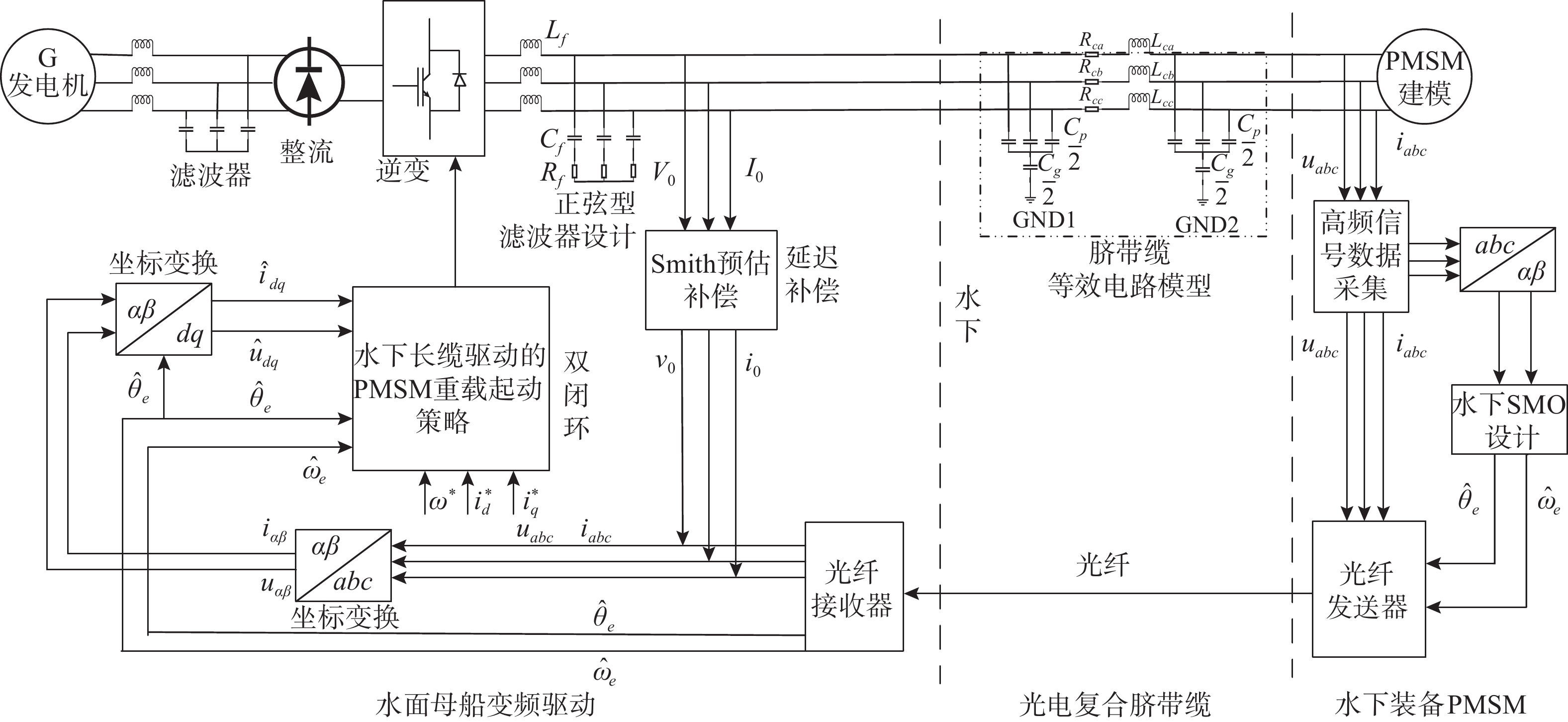
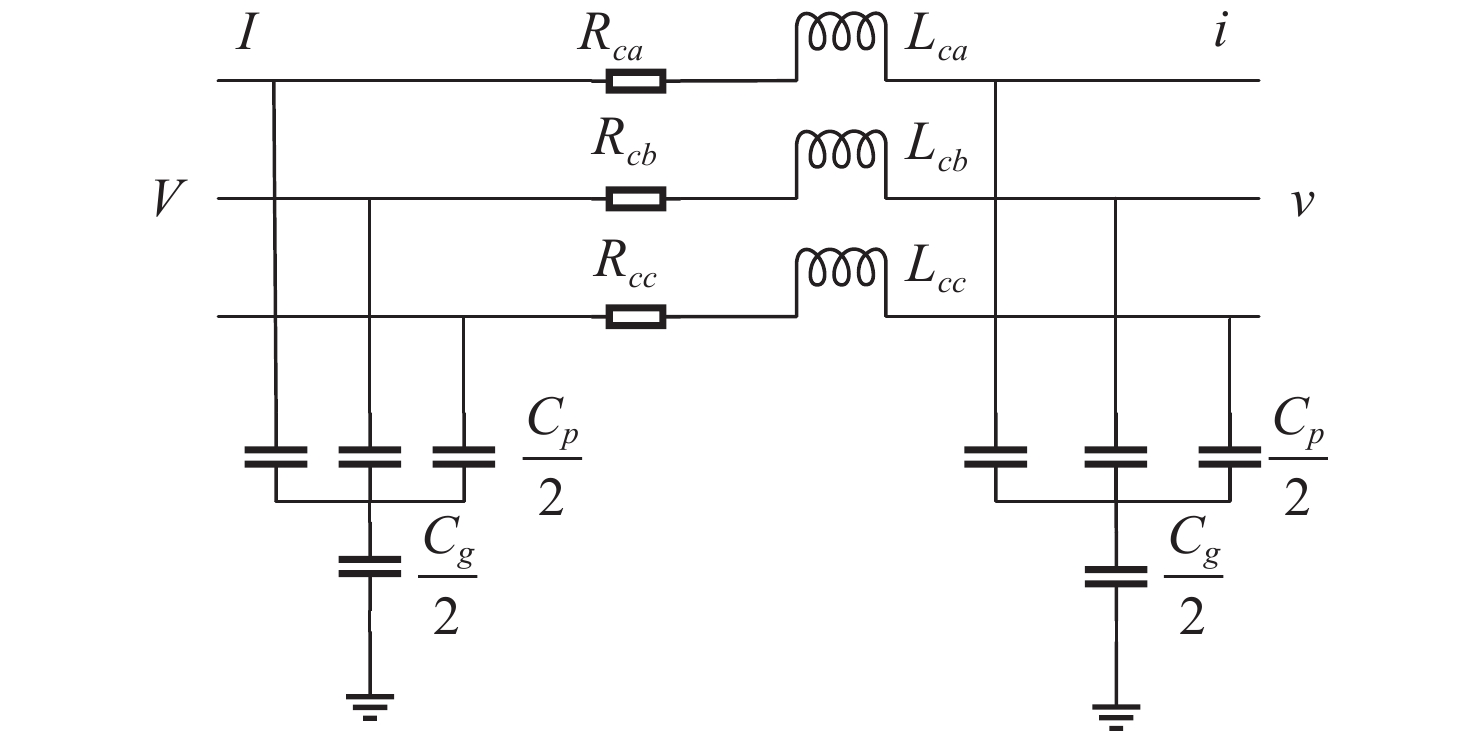
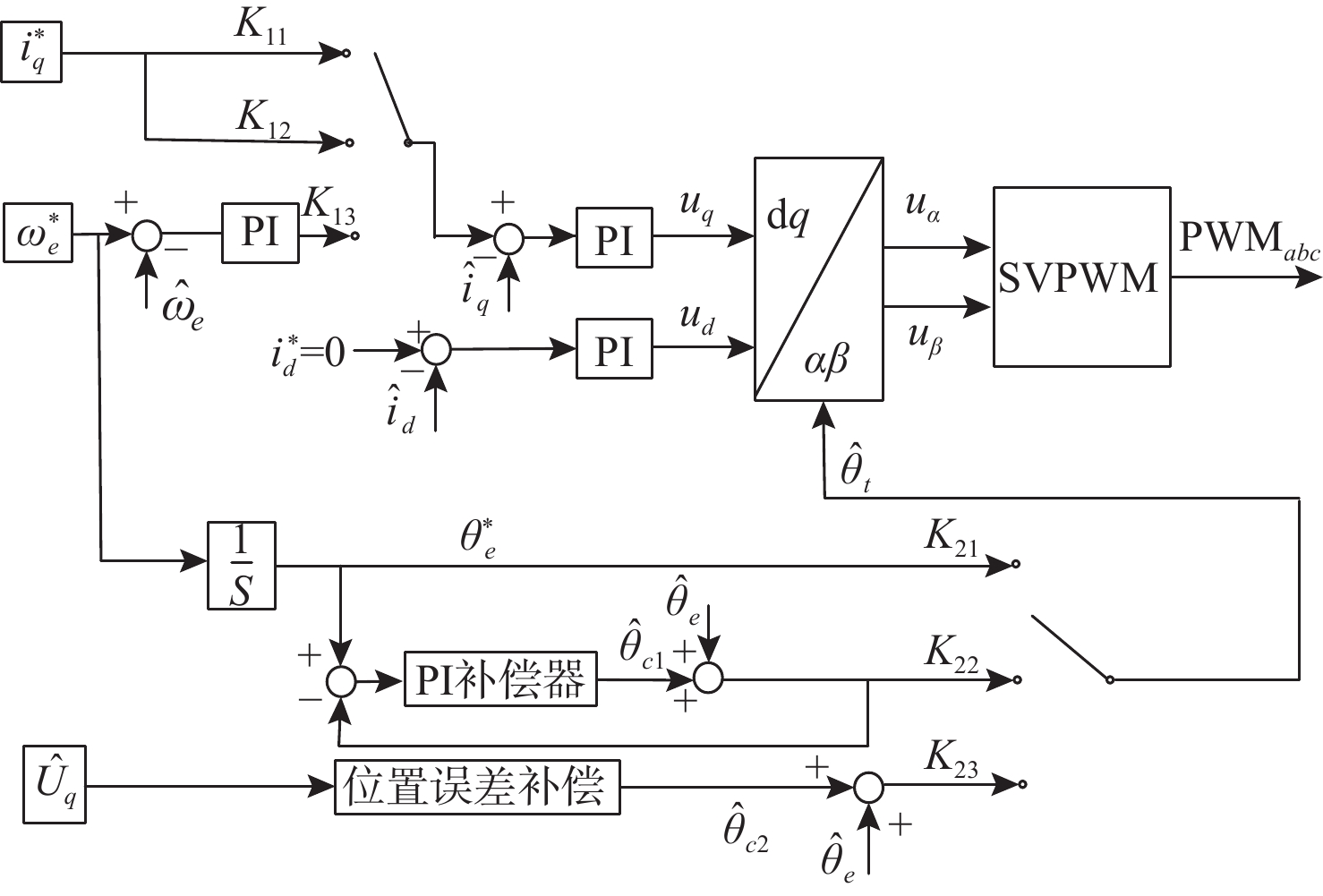
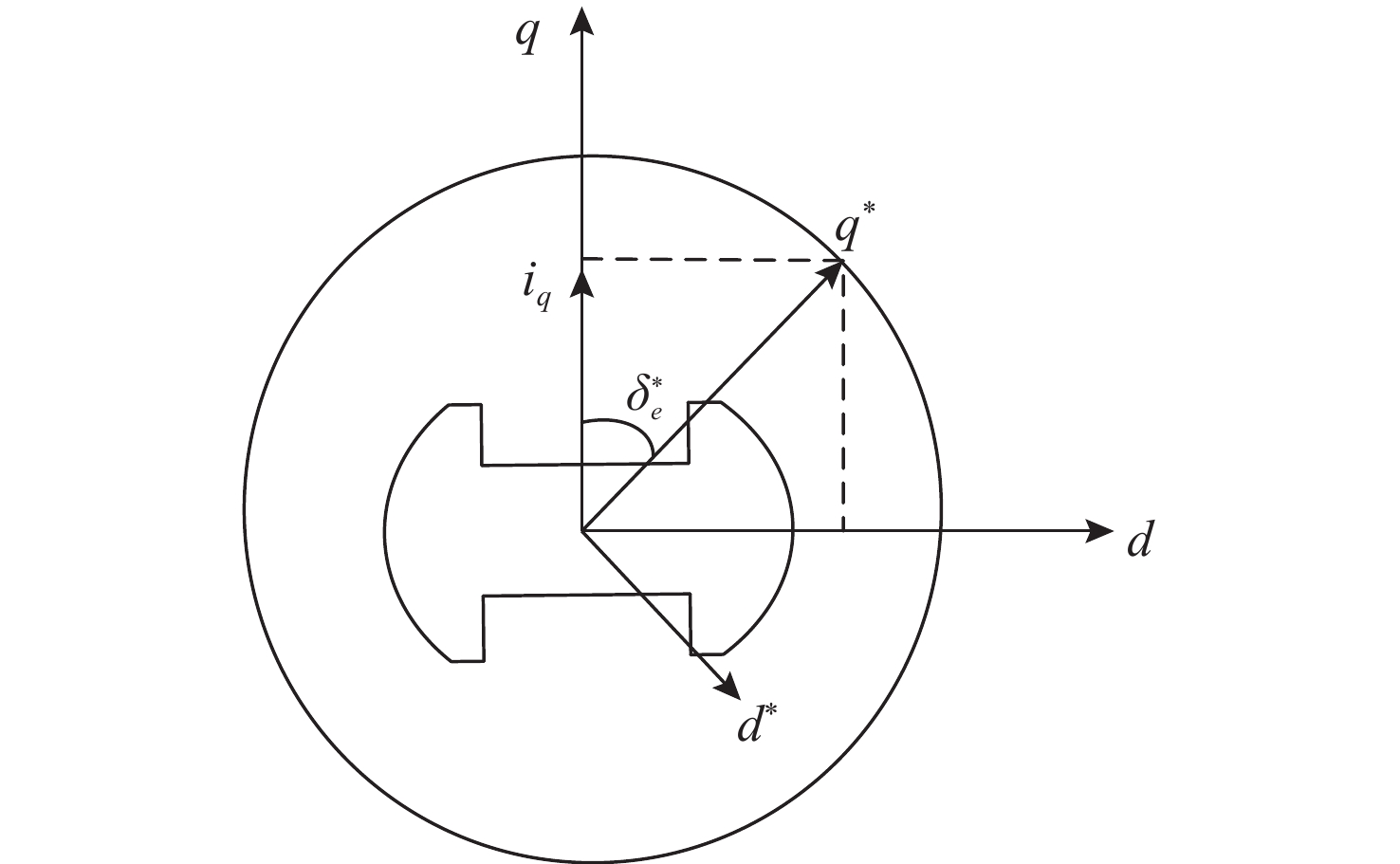
To address the challenges associated with heavy-load startup and unstable transitions in an underwater permanent magnet synchronous motor(PMSM) driven by a surface vessel via a long umbilical cable, this paper proposes a sensorless control scheme based on motor-side rotor position estimation and a three-stage strategy for smooth transitions. First, a distributed architecture consisting of “subsea observation and surface control” is established. Voltage and current signals are sampled locally at the motor terminals. This reduces sampling distortion, thus improving the accuracy of rotor position estimation. A Smith predictor is adopted to compensate for the transmission delay in the optical-fiber communication link. Second, a three-stage startup and transition method is designed, incorporating current-frequency(I-f) open-loop acceleration, pre-synchronization of the given reference frame, and online compensation for closed-loop errors to achieve a seamless transition from I-f open-loop control to closed-loop field-oriented control. Simulation results indicate that the proposed strategy significantly outperforms the conventional two-stage switching method during the transition from open-loop I-f control to closed-loop speed control. Specifically, under heavy-load conditions, the proposed method reduces the peak amplitude of speed oscillations and the amplitude of q-axis current oscillations by 83.7% and 88.5%, respectively, thus improving the stability of heavy-load motor startup under long-umbilical-cable conditions and enhancing system reliability and robustness.
Compact Sensorless Control for Underwater Propulsion Using Single-Current-Sensor Reconstruction
WANG Yu, SUN Guo Rui, XU Lei, WANG Yuankui
2026, 34(5): 887-899. doi: 10.11993/j.issn.2096-3920.2025-0174
Abstract:
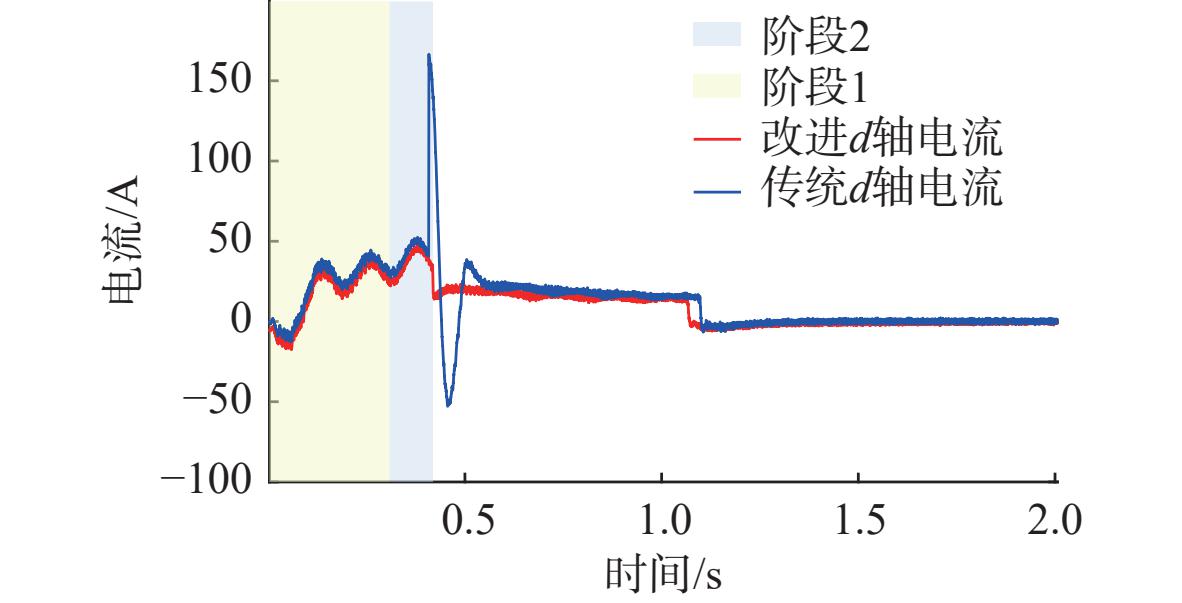
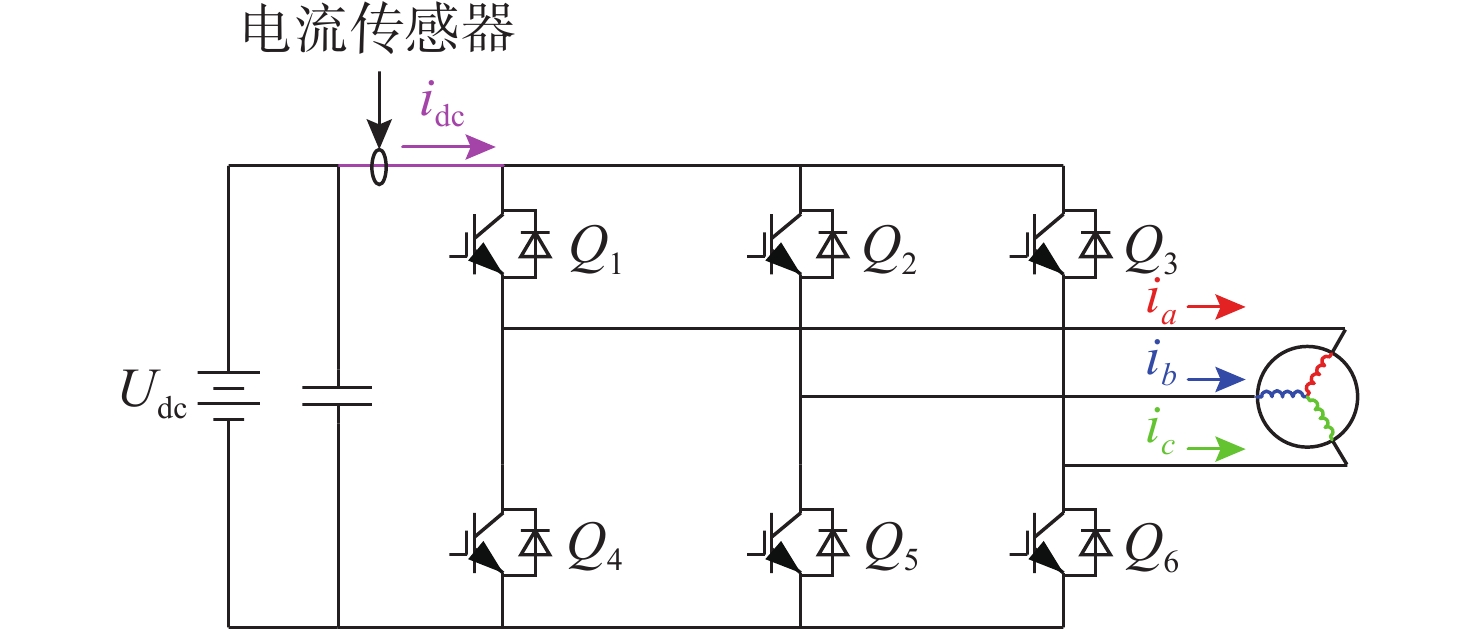
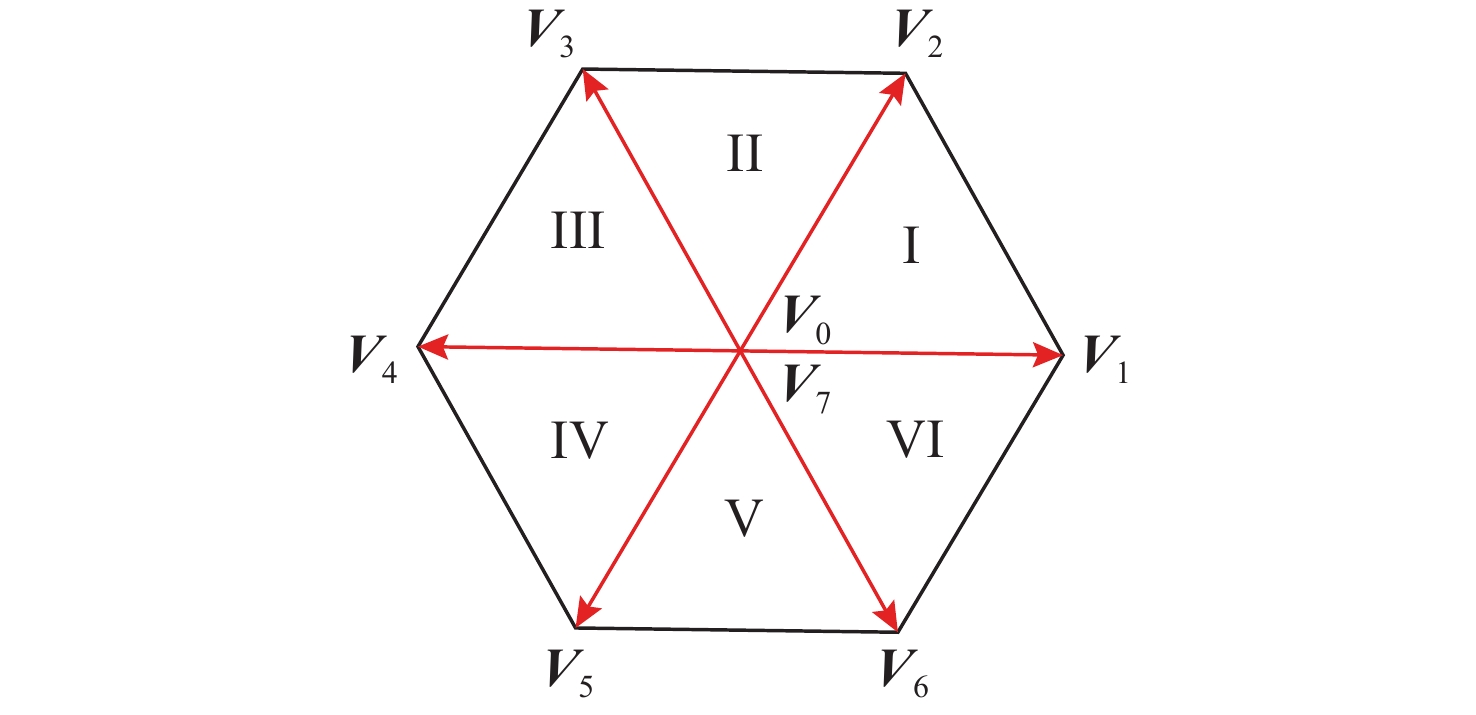
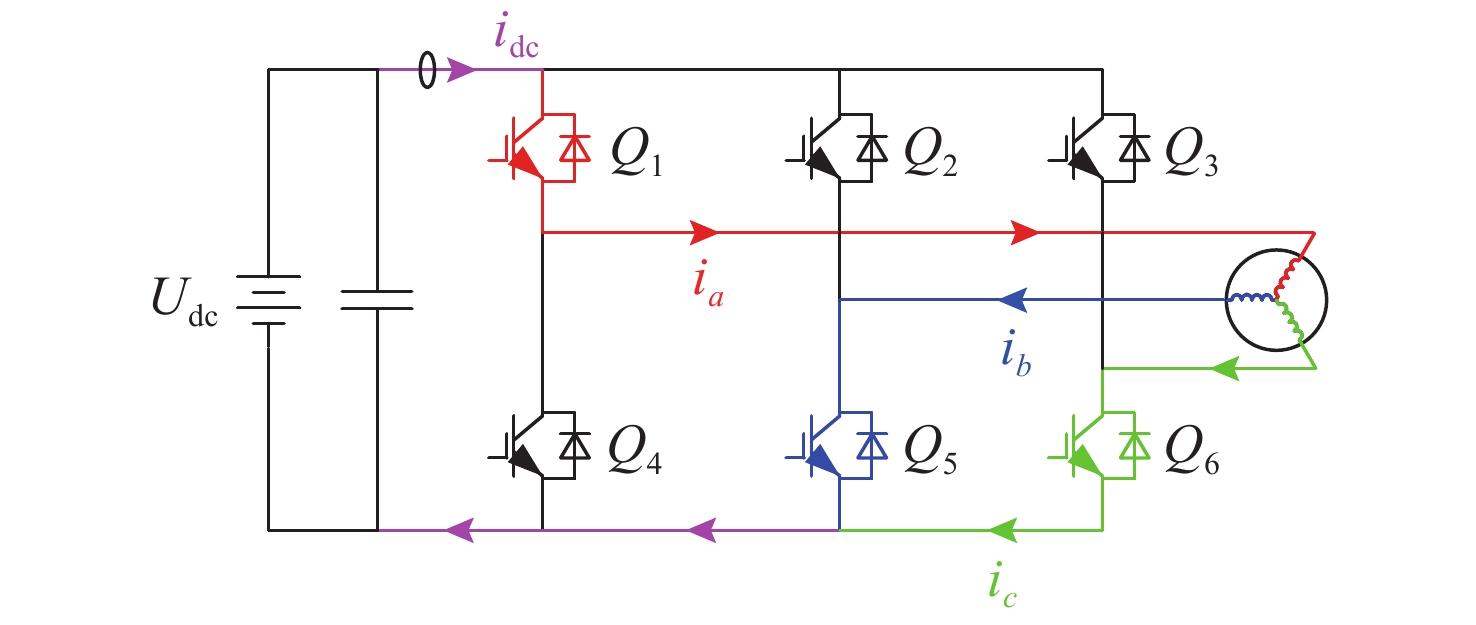
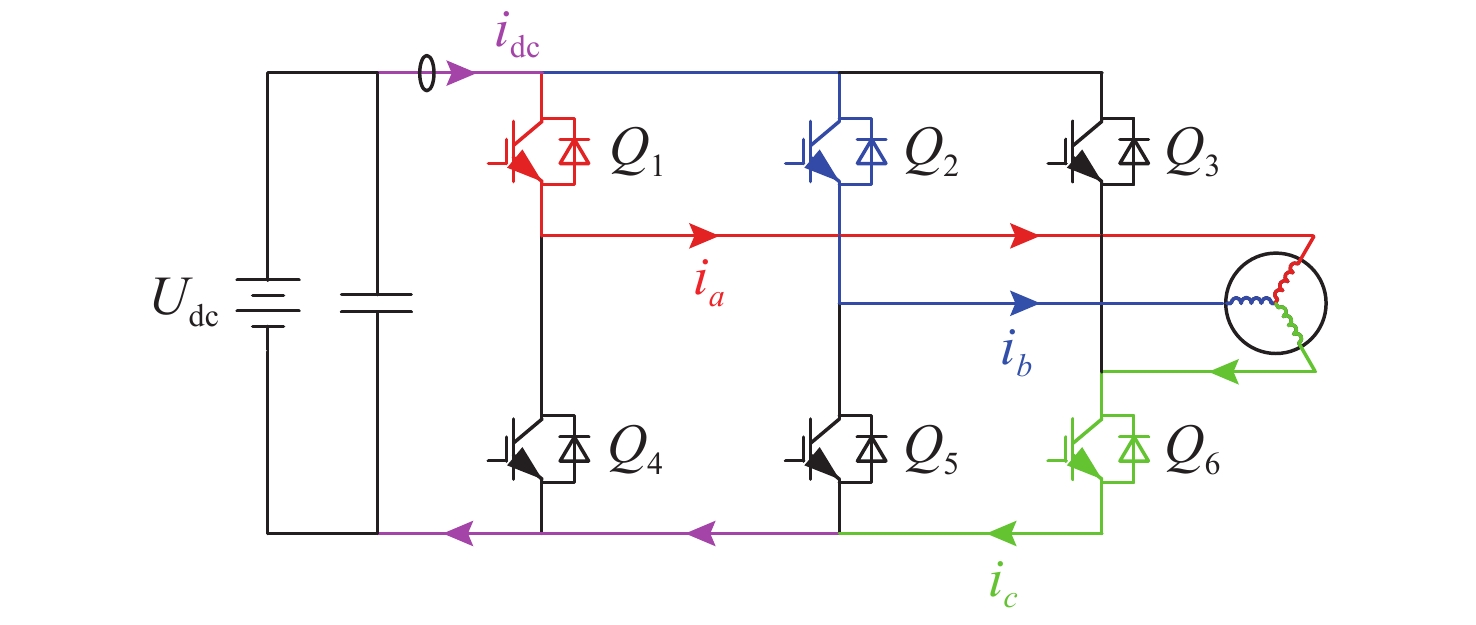
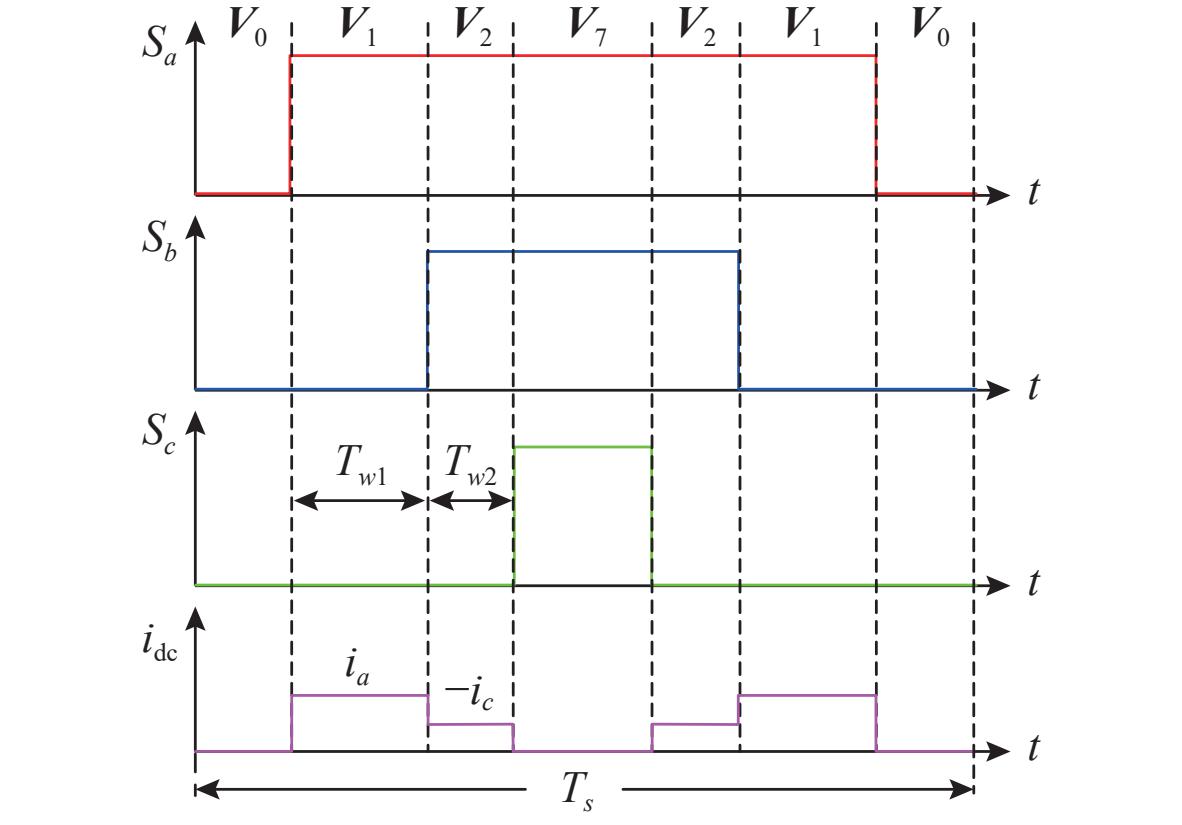
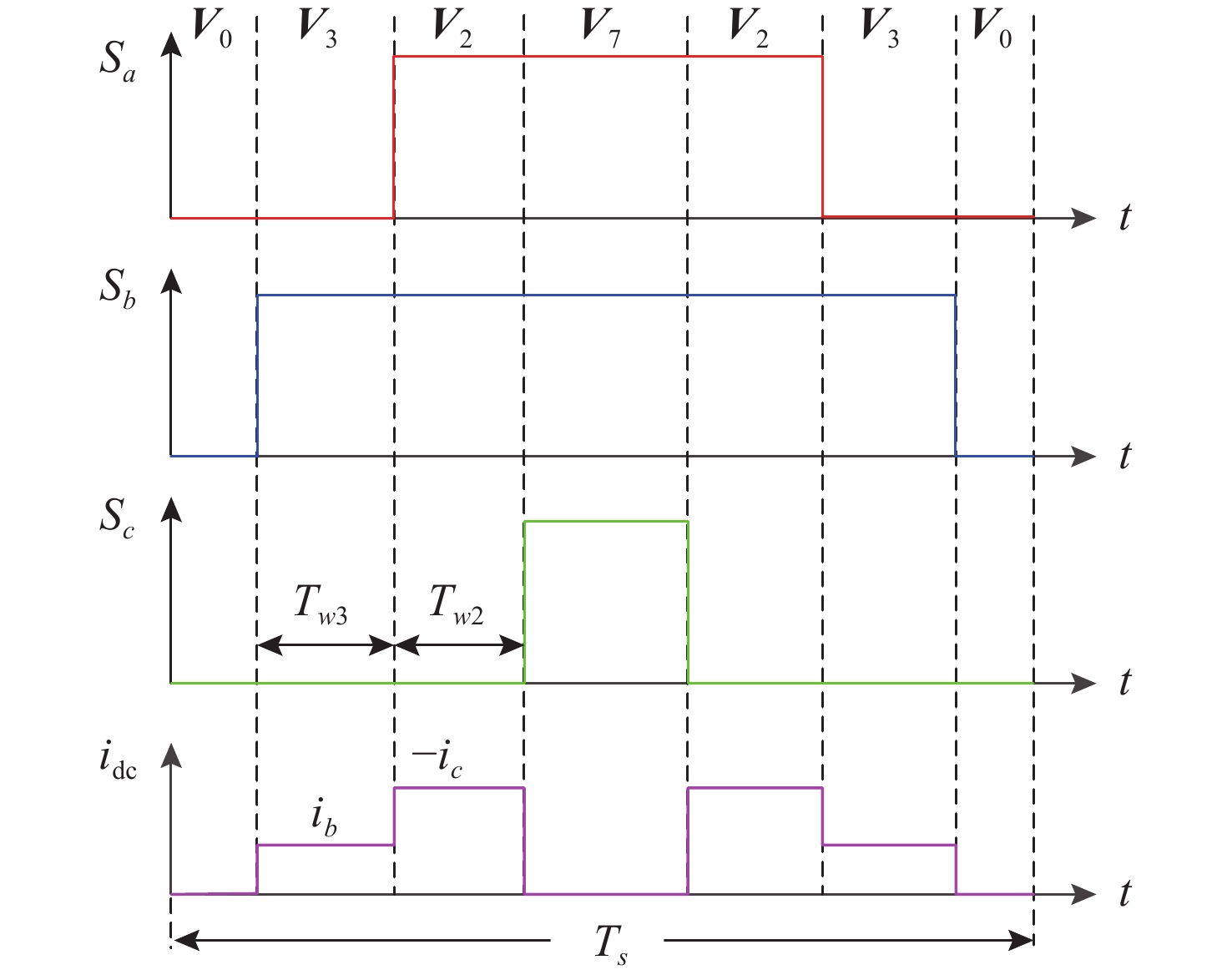
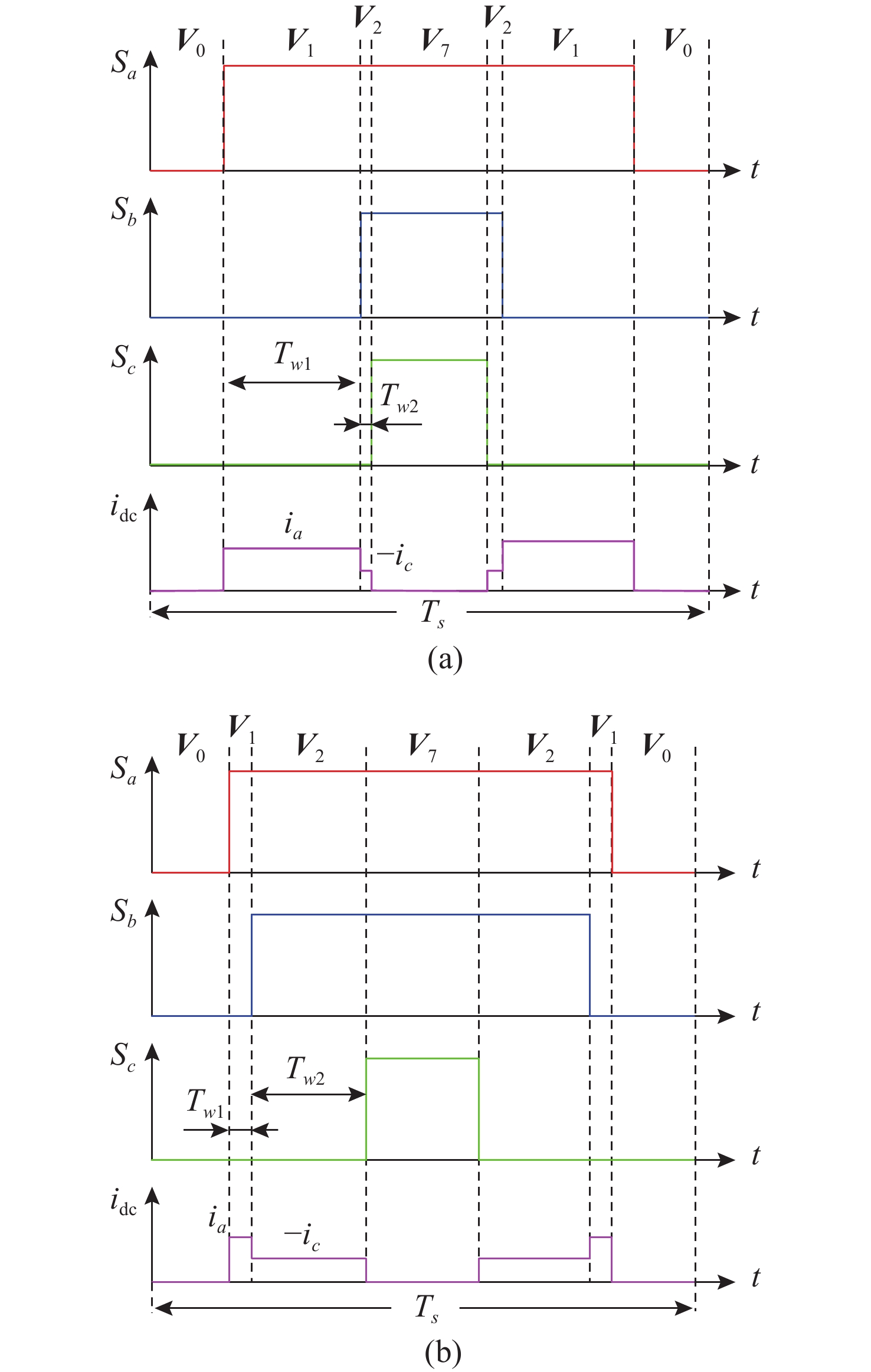
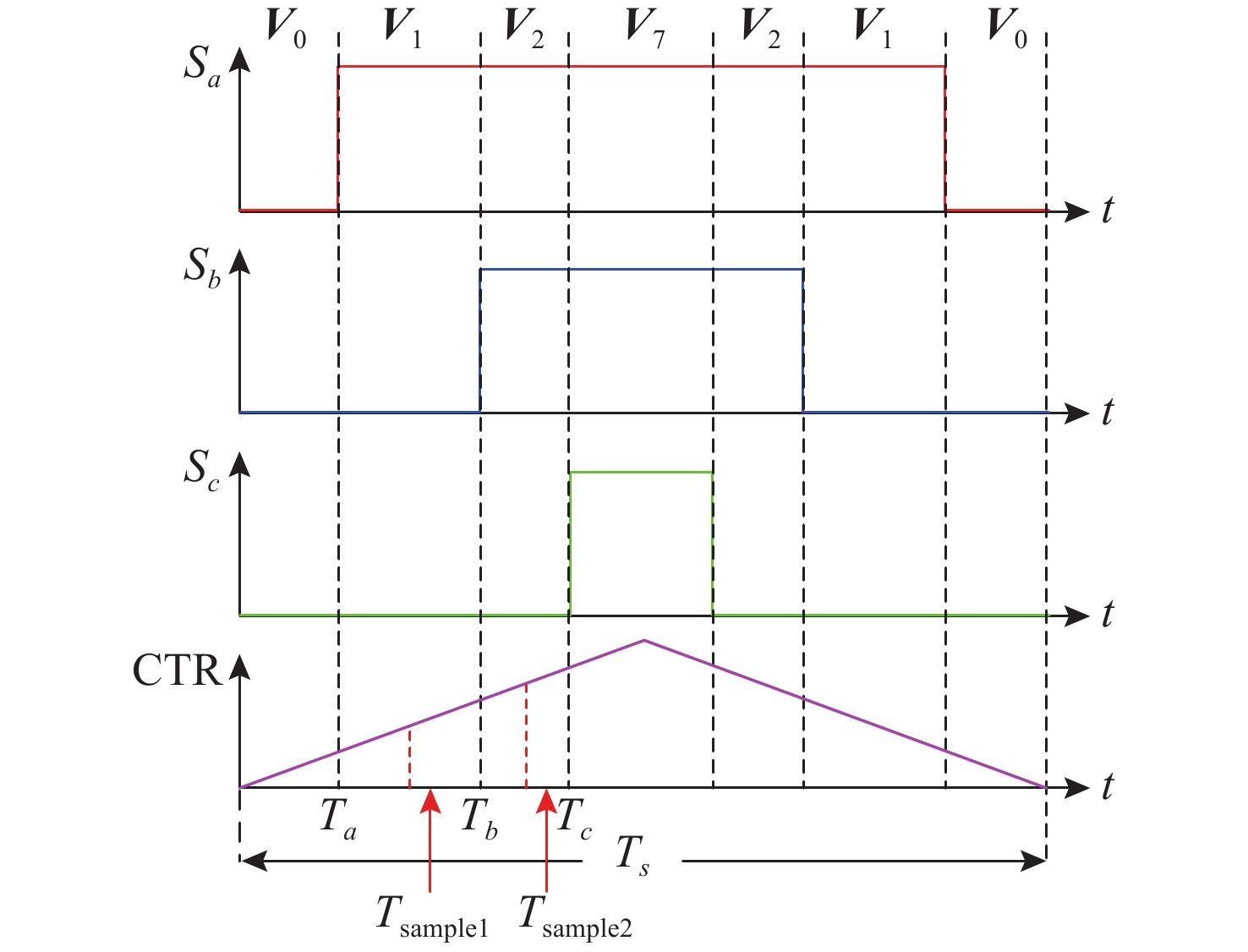
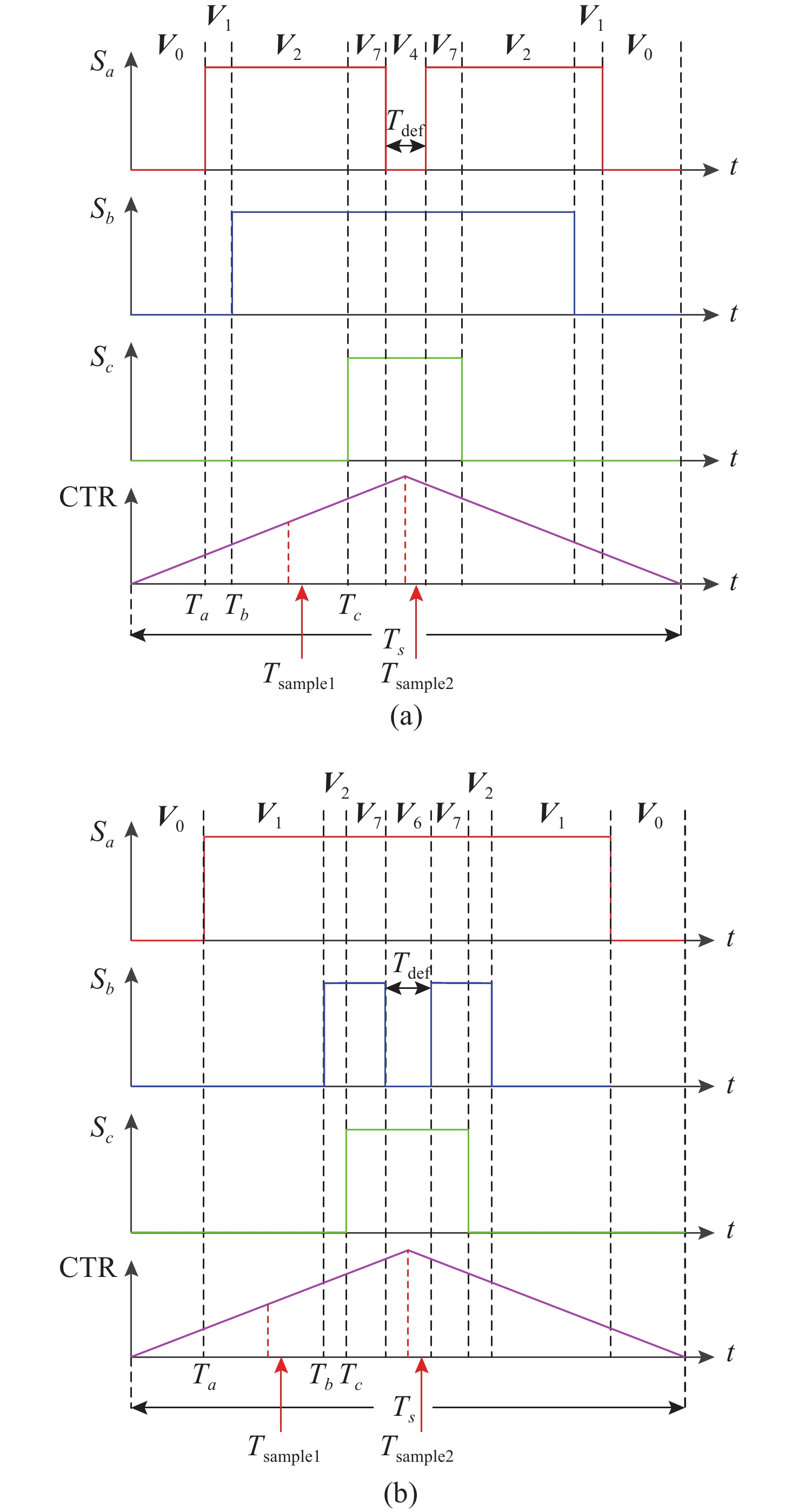
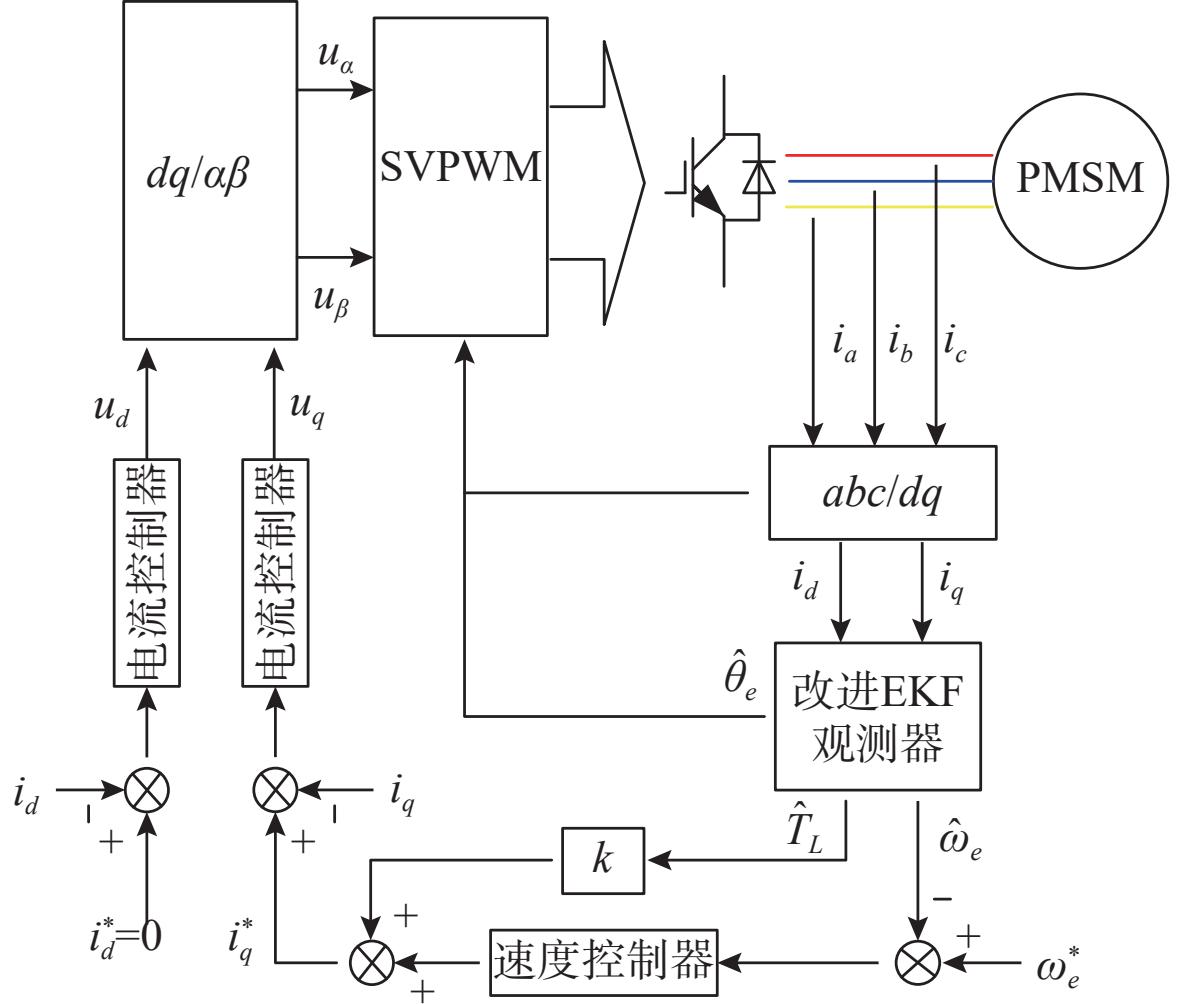
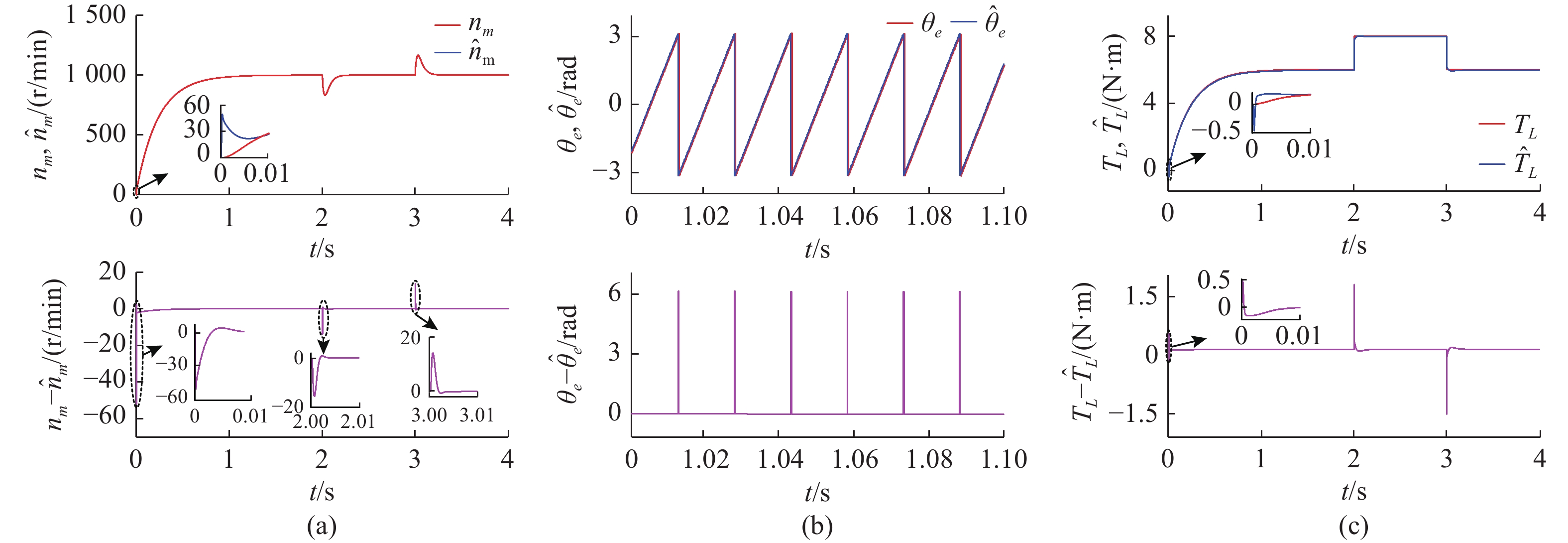
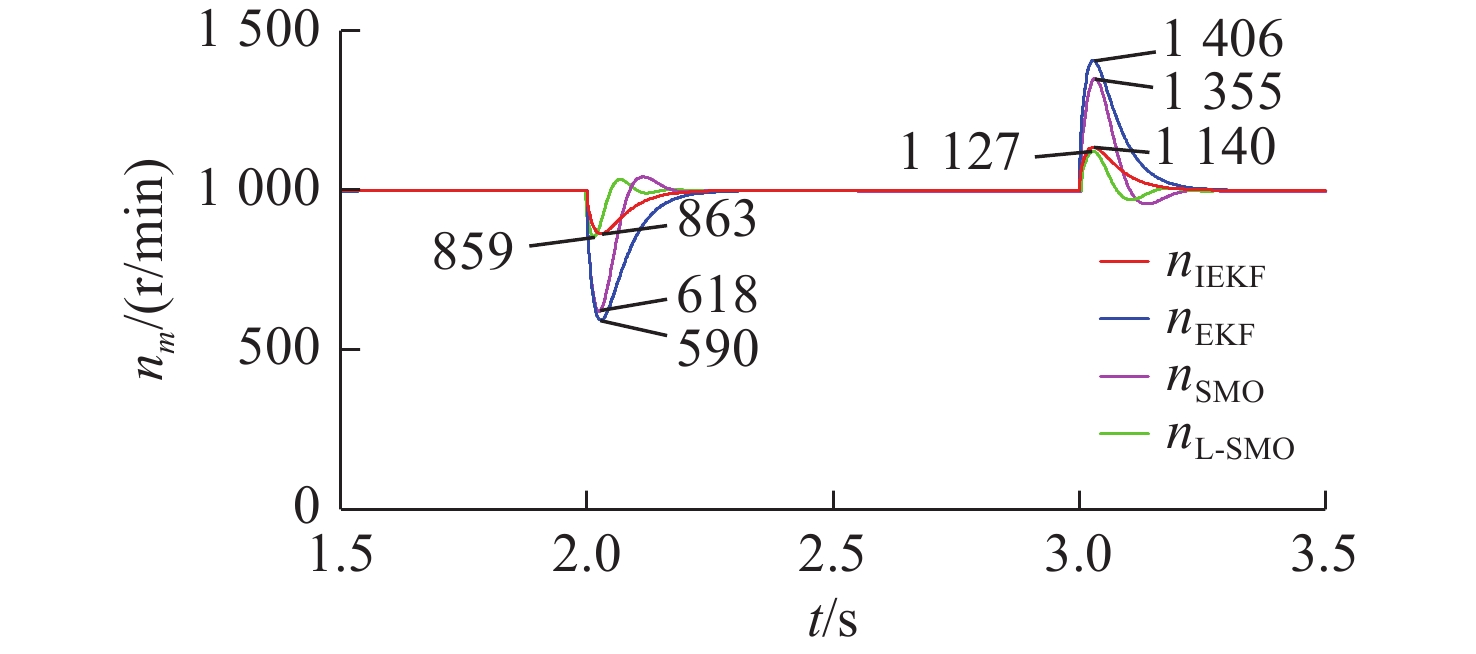
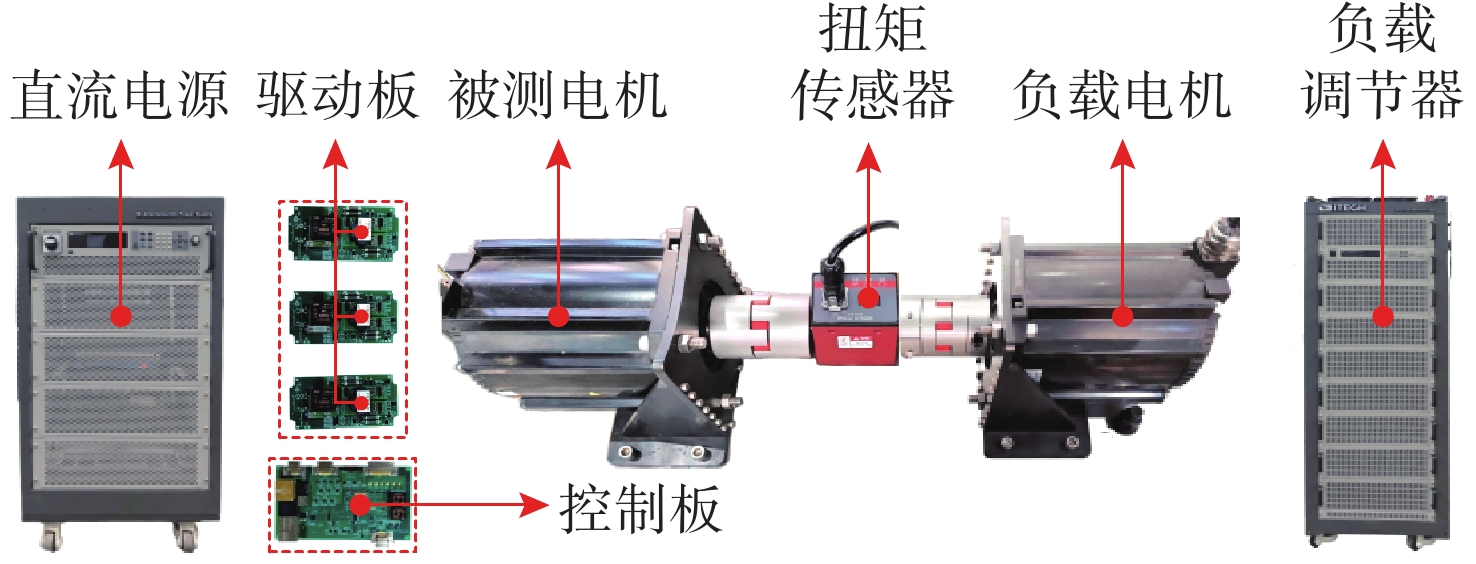
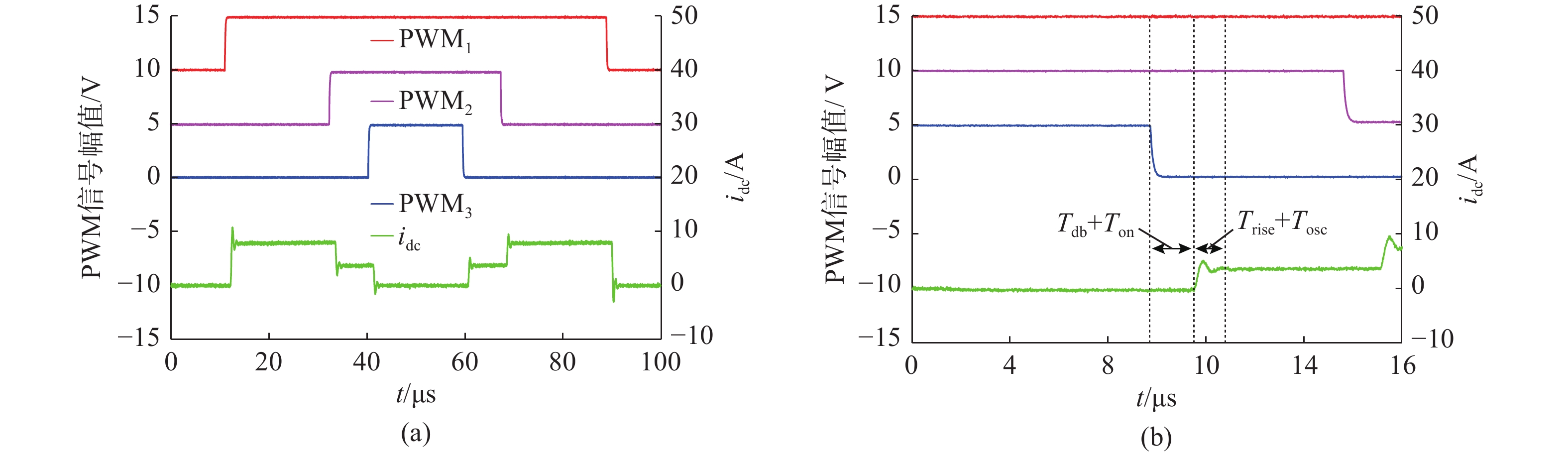
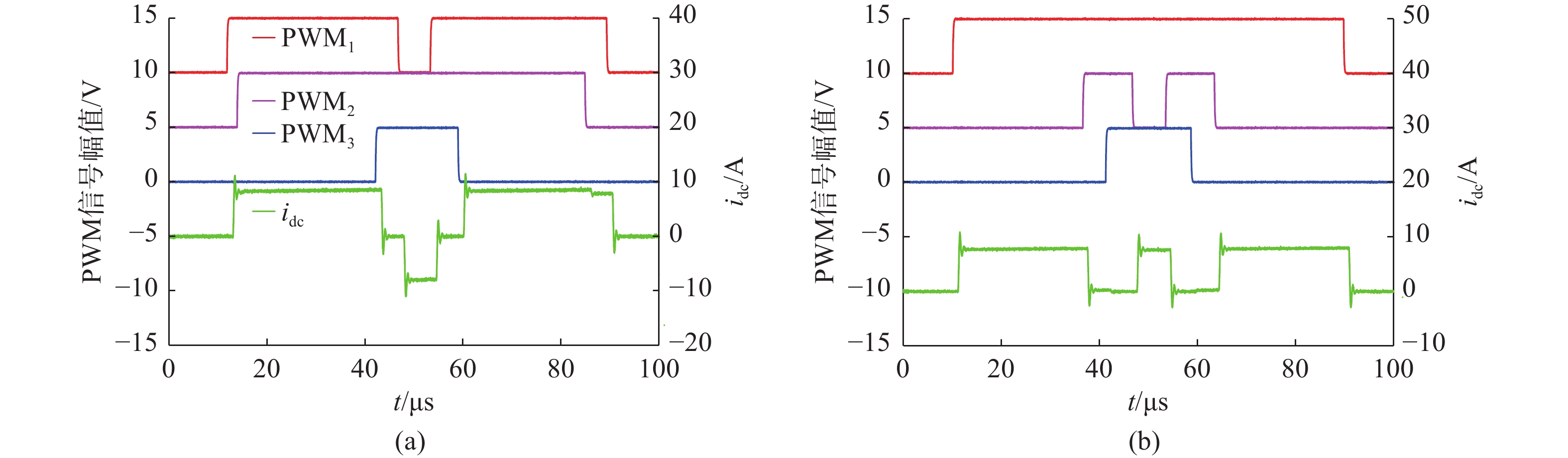
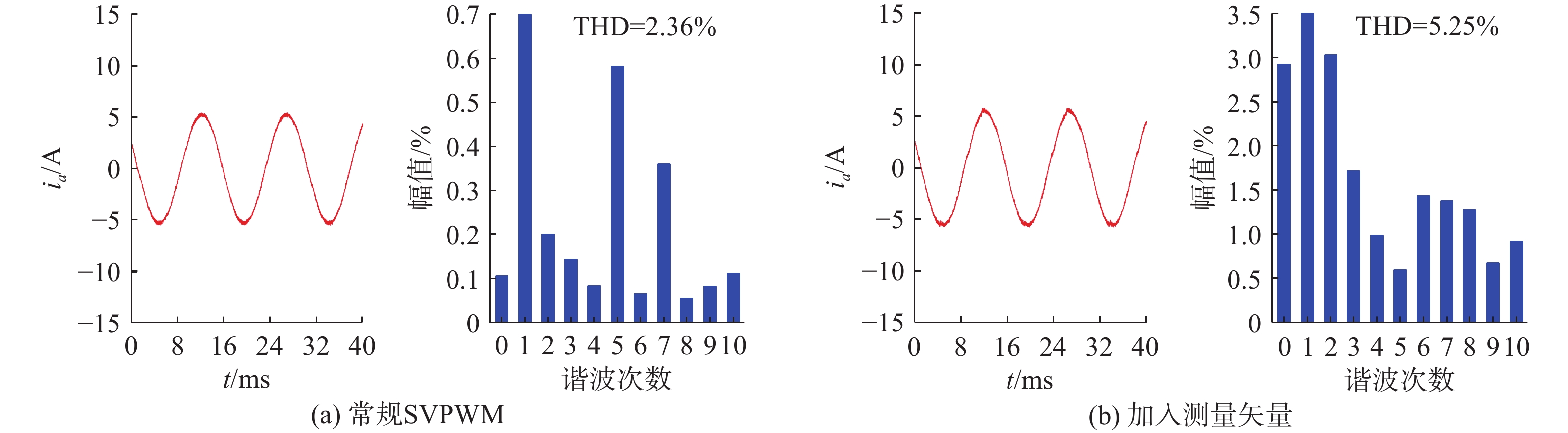
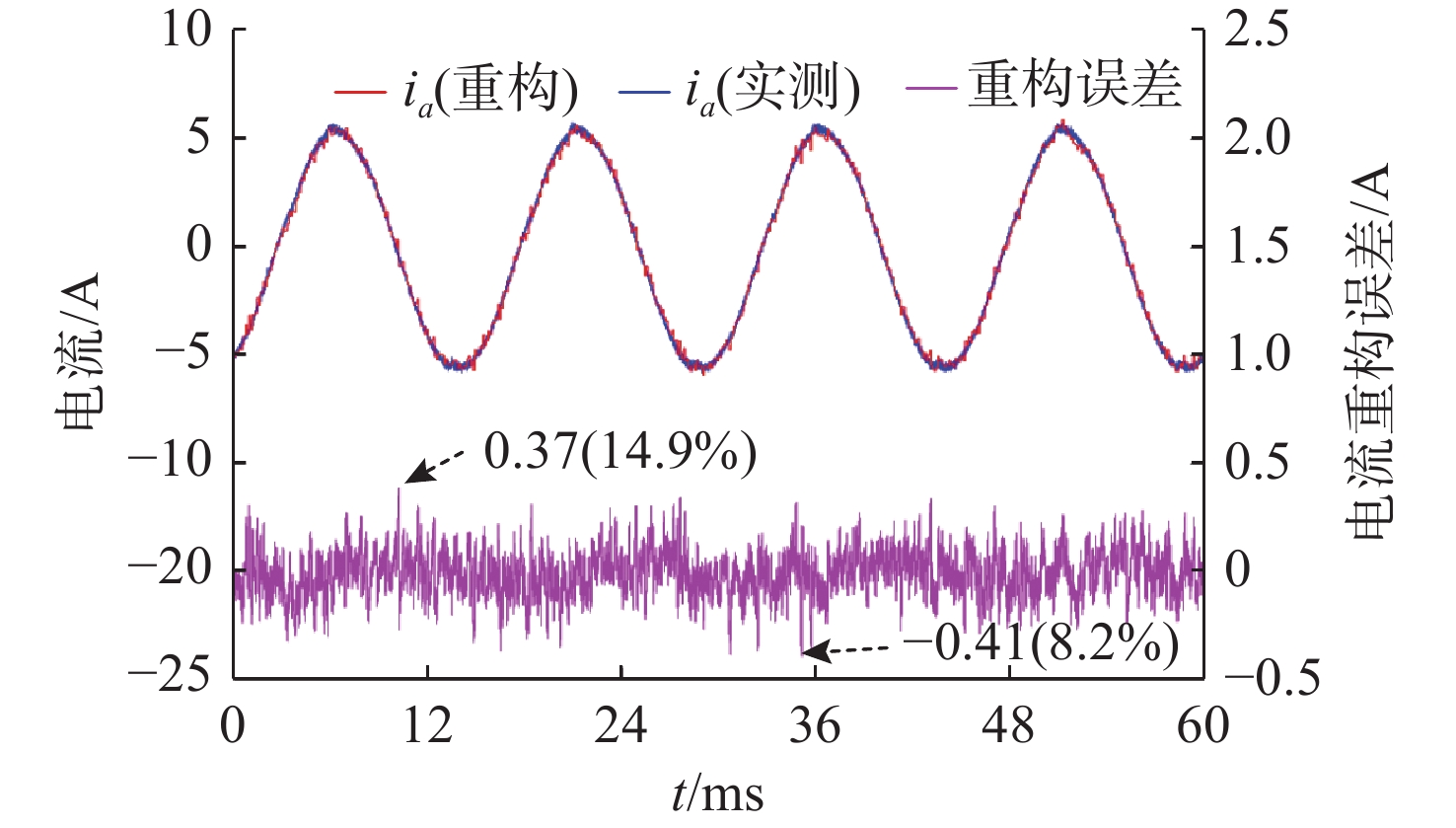
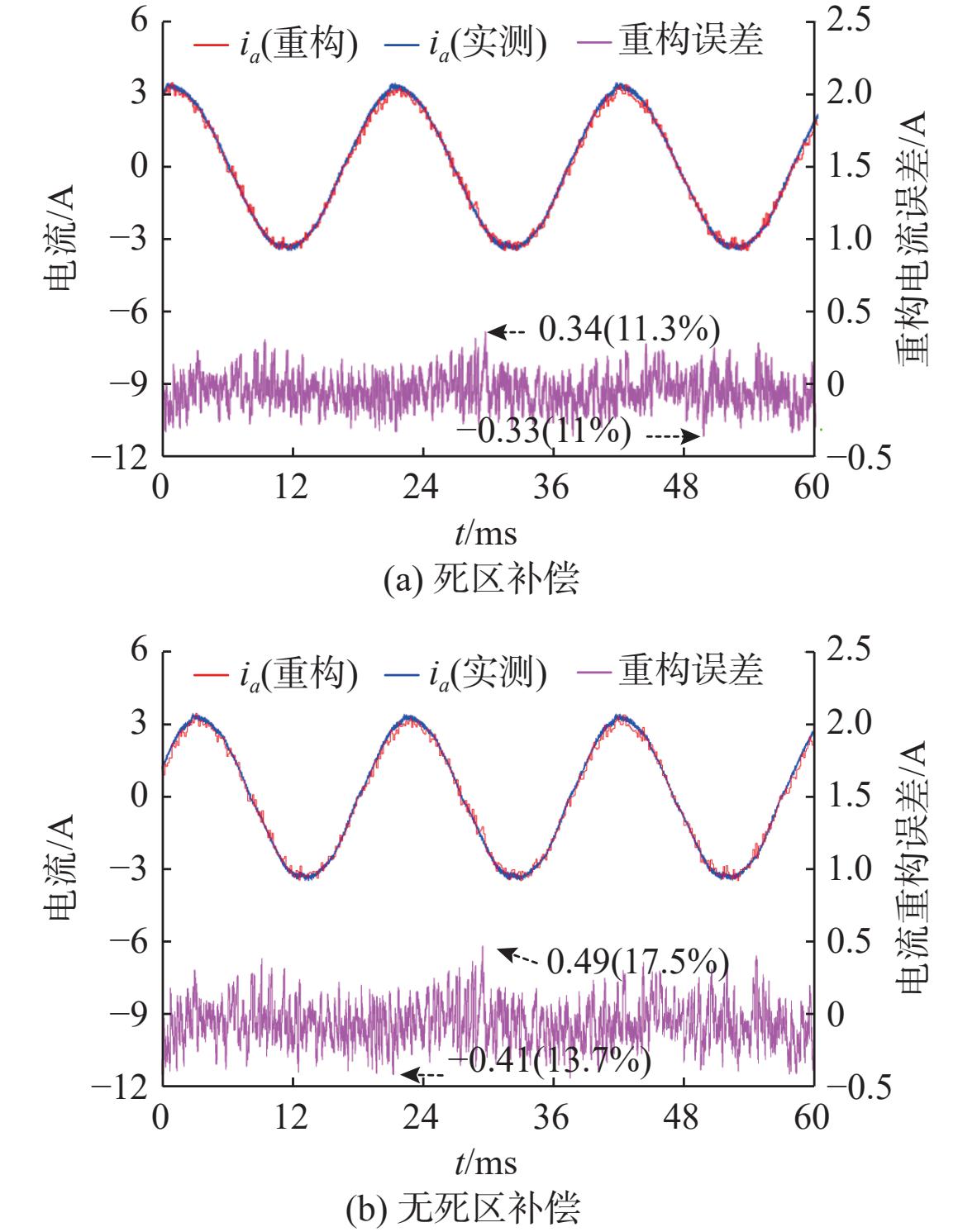
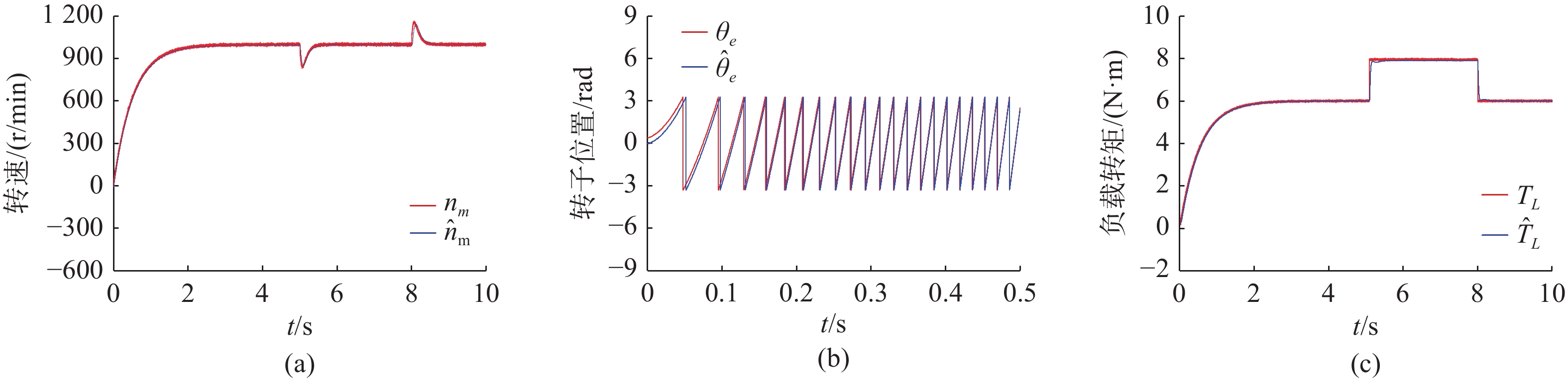
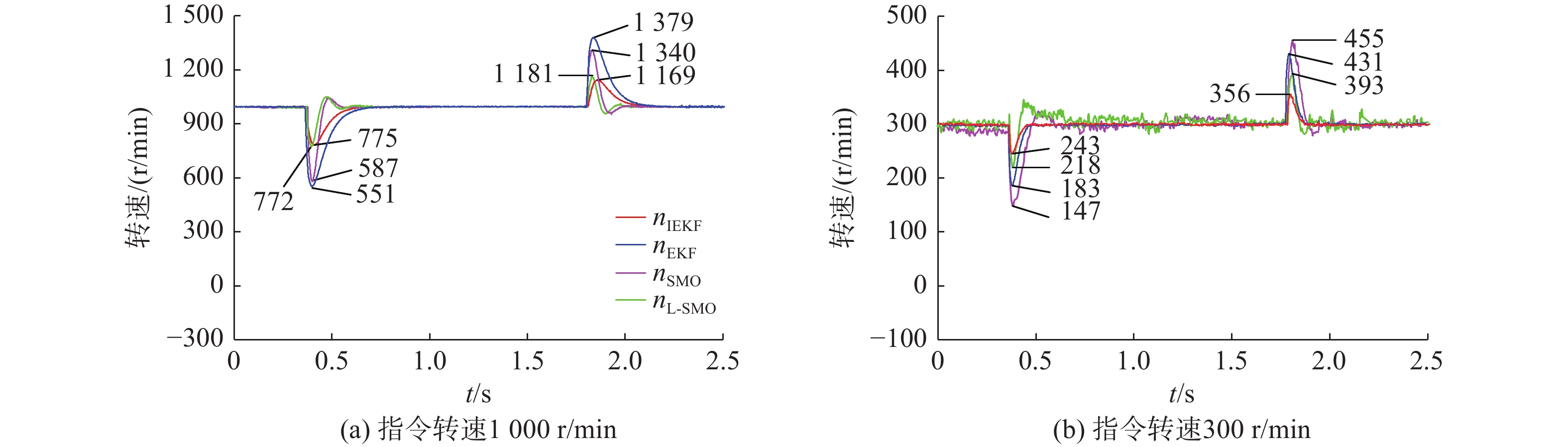
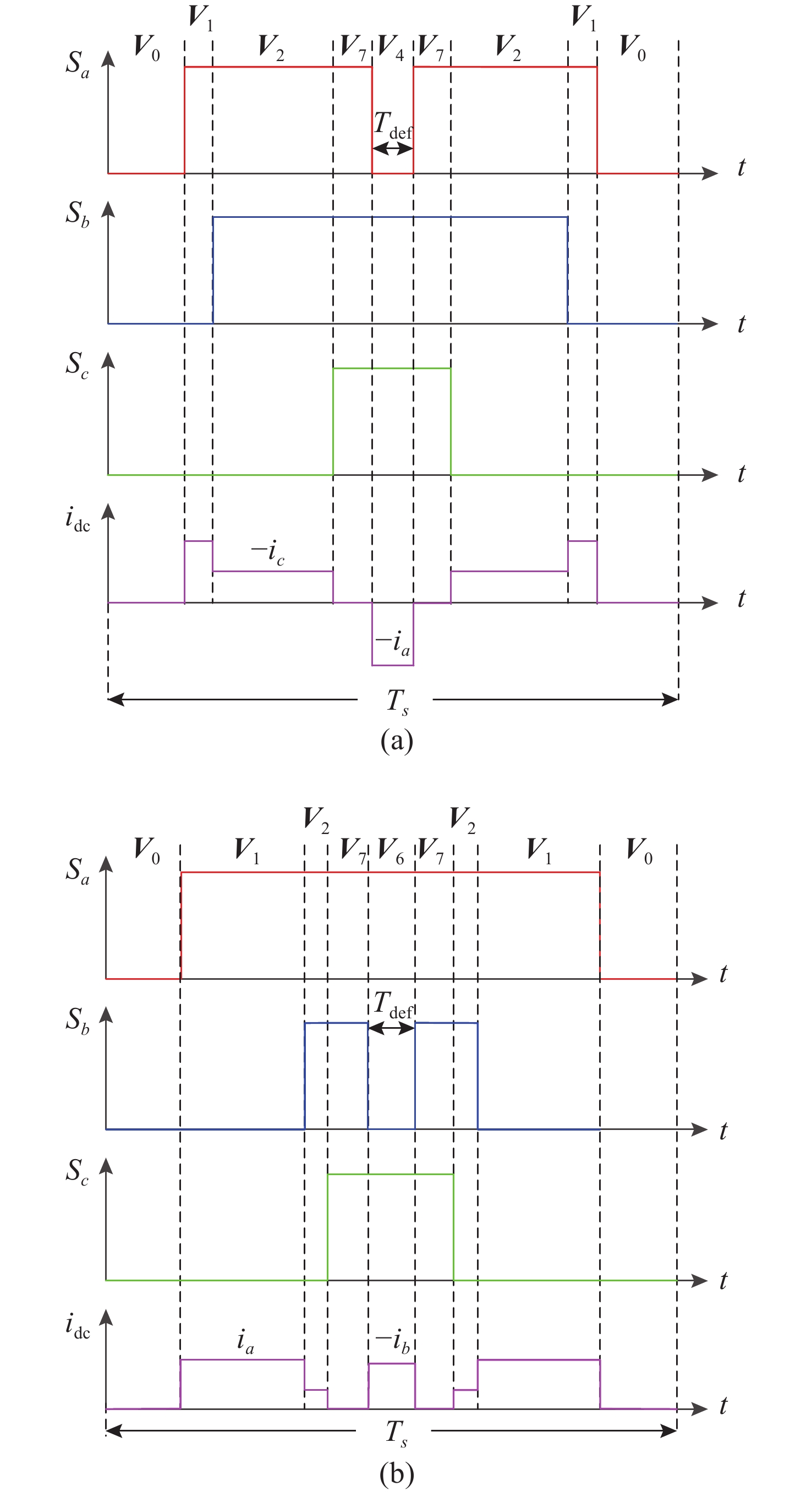
The propulsion system of an underwater operating platform is typically integrated within a narrow compartment, imposing severe constraints on the spatial layout. The traditional vector control system for a permanent magnet synchronous motor(PMSM) relies on multiple current sensors and a position sensor. This not only occupies the thermal dissipation space required for power devices but also increases the risk of sensor failure in a harsh deep-sea environment characterized by high pressure and corrosion. To address these challenges, this paper proposed a compact sensorless control scheme that integrates single-current-sensor technology with an improved extended Kalman filter(IEKF) to simplify the hardware architecture. To overcome the measurement blind spot inherent in single-current-sensor sampling, the scheme optimized space vector pulse width modulation(SVPWM) timing. Specifically, when the duration of the effective voltage vector was insufficient for sampling, a dedicated non-zero measurement vector was dynamically inserted to create a stable current sampling window. This effectively suppressed distortion in the reconstructed phase current waveform. Furthermore, to enhance the system response speed under dynamic loads, this paper improved the EKF observer by incorporating the load torque as an extended state variable for real-time estimation. A feedforward compensation mechanism was employed to bolster the system’s ability to suppress load disturbances. Experimental results demonstrate that the reconstructed current waveform closely matches the actual current waveform. Compared with the traditional EKF, the sliding mode observer(SMO), and the Luenberger sliding mode observer(L-SMO), the improved EKF exhibits superior performance in suppressing speed fluctuations and achieving faster recovery. The proposed solution successfully simplifies the hardware structure while achieving control performance with high precision and strong robustness, making it highly suitable for complex underwater operating environments.
Factors Influencing Leakage Current in Lithium Reserve Battery Packs
GAO Xinlong, JIA Bin, LIN Pei, CHENG Haichao, LI Xuehai
2026, 34(5): 900-904. doi: 10.11993/j.issn.2096-3920.2026-0083
Abstract:
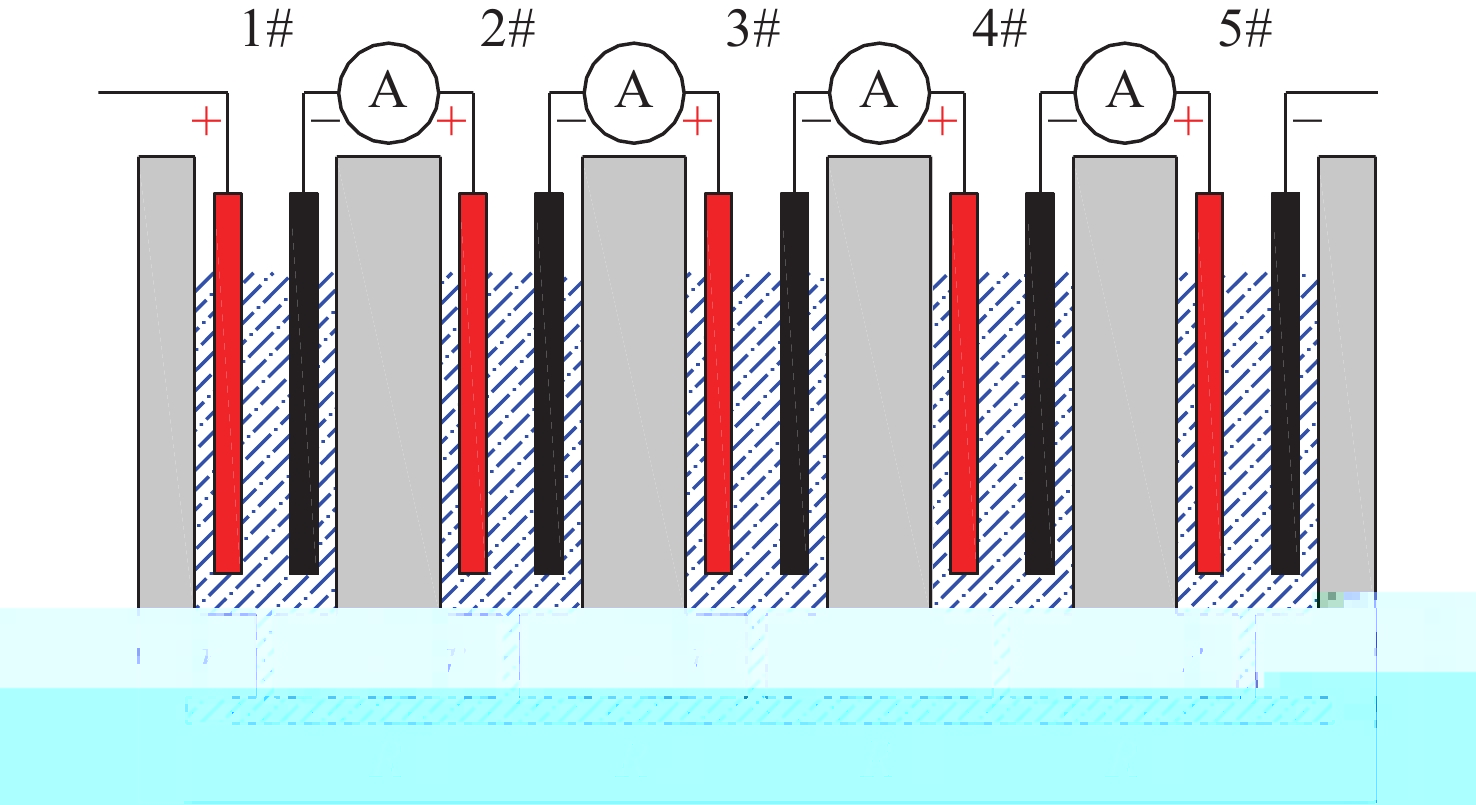
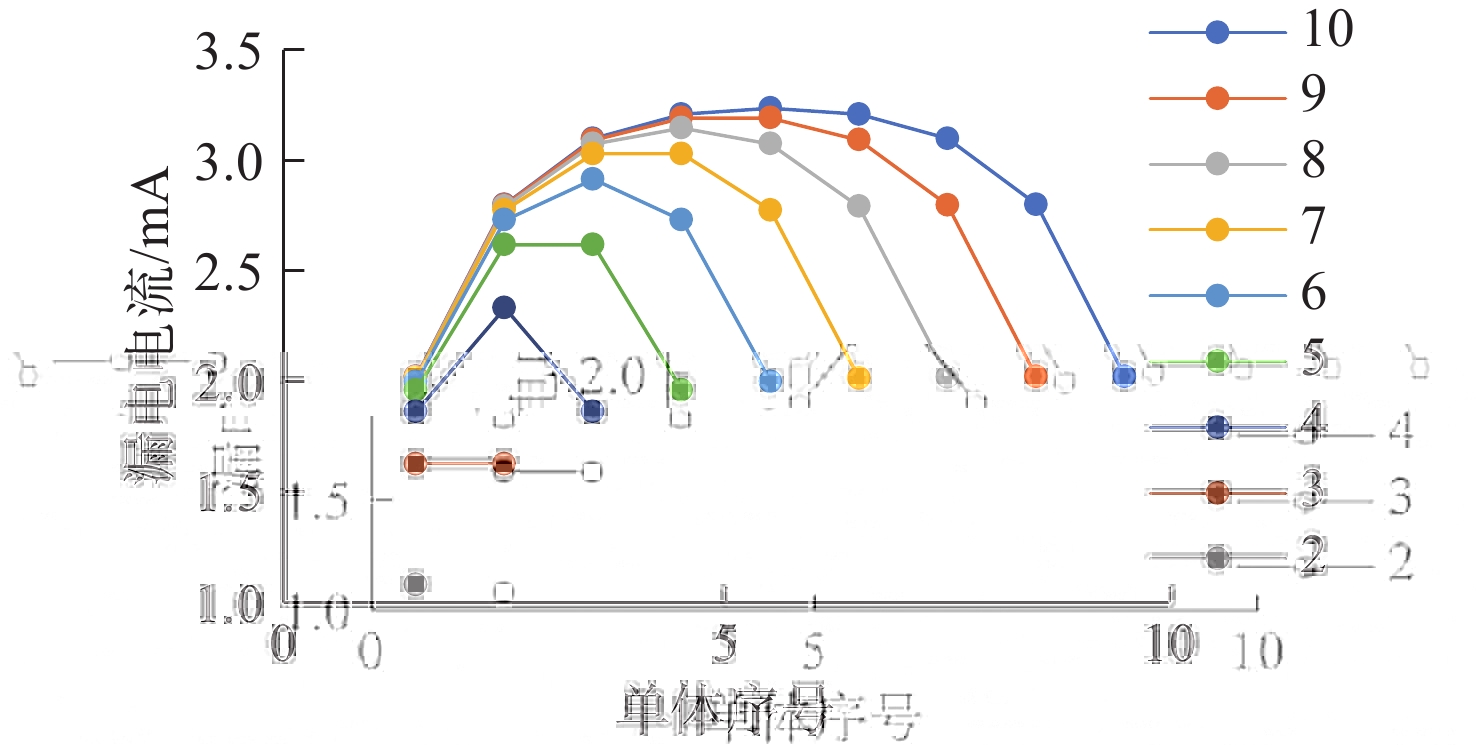
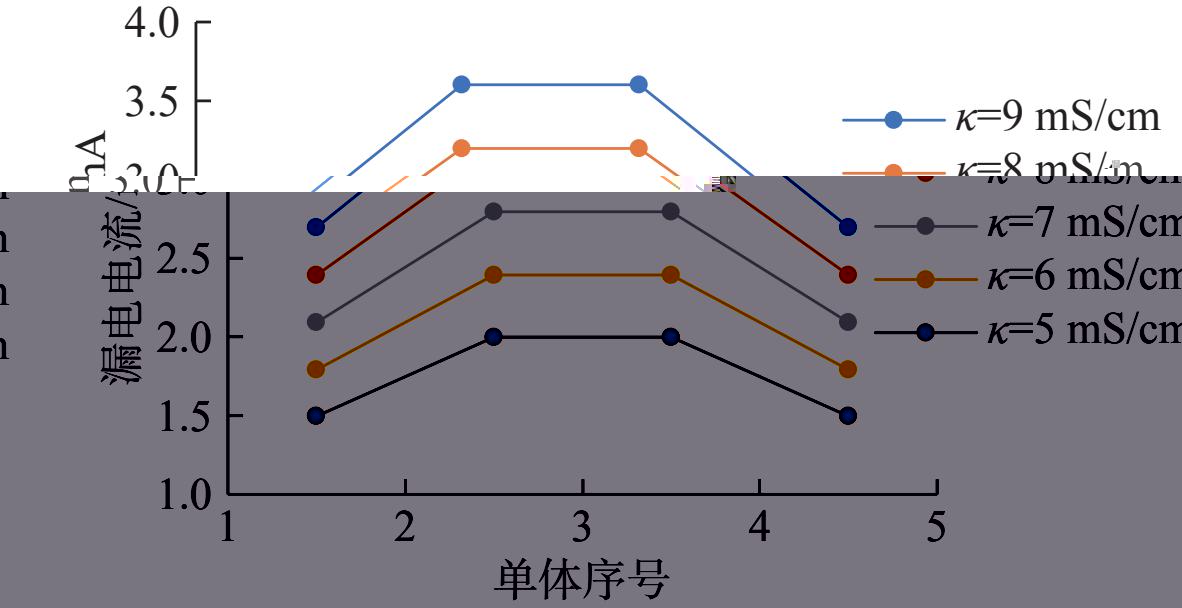
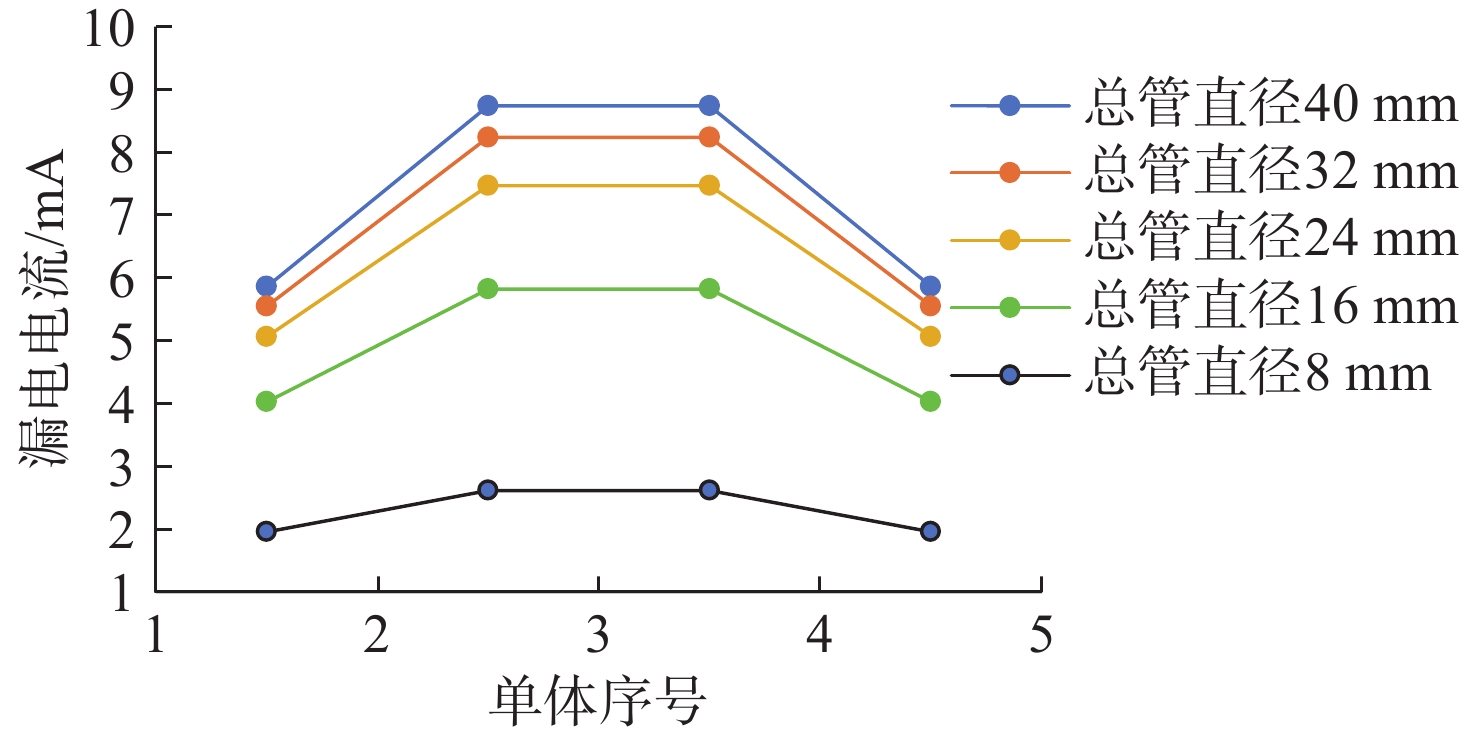
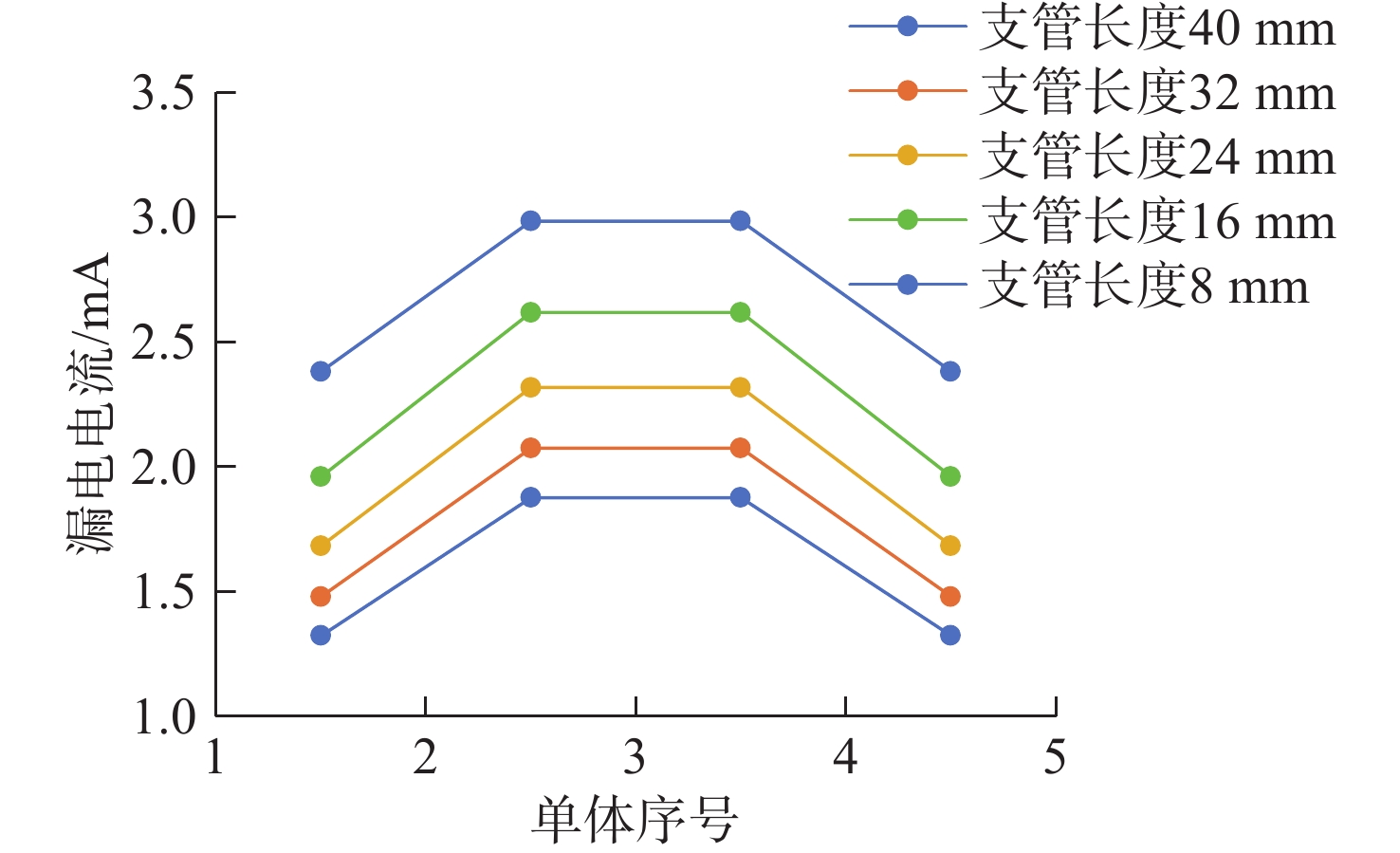
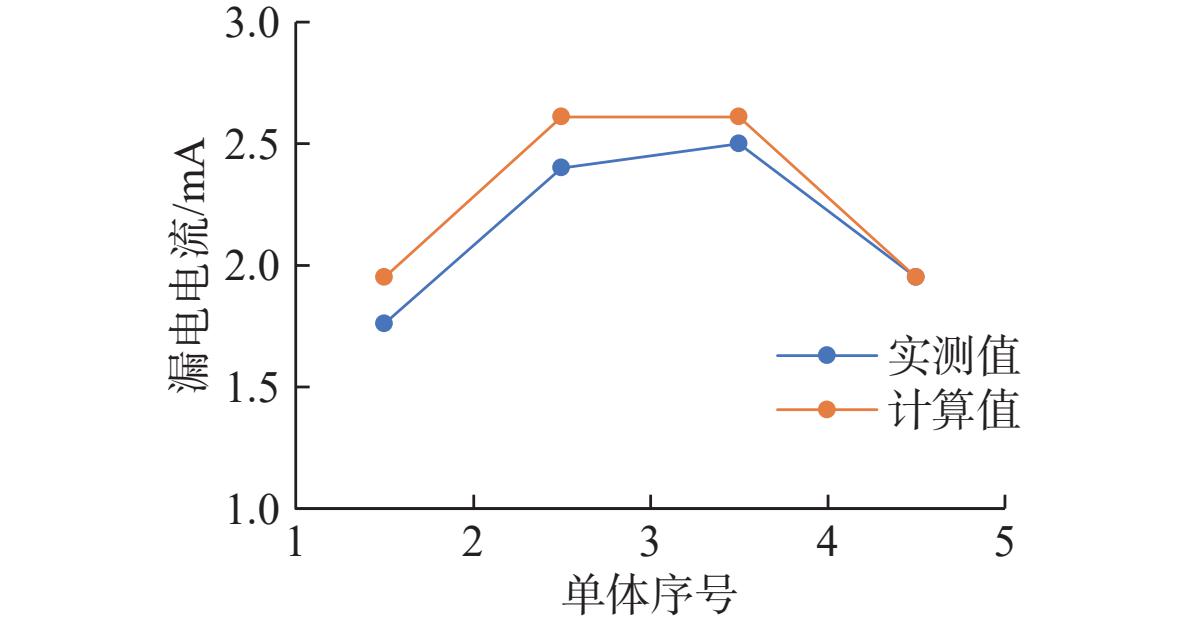
To address the internal leakage current caused by the shared electrolyte under the centralized liquid-injection mode of lithium reserve battery packs, an equivalent-circuit simulation method was adopted to investigate the distribution of leakage current. The effects of the number of cells connected in series, electrolyte conductivity, and the structural characteristics of the injection pipeline on leakage current were analyzed. A leakage-current test setup for battery modules was developed, and the experimental results were compared with the simulation results, thus validating the equivalent-circuit simulation method. The results show that the leakage current in lithium reserve battery packs is generally in the milliampere range and exhibits a parabolic distribution, with higher values in the middle and lower values at both ends. Leakage current can be suppressed by reducing the number of cells connected in series, increasing the liquid-phase impedance of the electrolyte, and optimizing impedance matching between the main and branch injection pipes. These findings provide a theoretical basis for the pack-level design of lithium reserve battery systems.
Adaptive LPV-MPC and NFTSM-ESO Cooperative Control Method for Underactuated AUV
ZHANG Yuxuan, YAN Tianhong, CHEN Shuwen
2026, 34(5): 905-918. doi: 10.11993/j.issn.2096-3920.2026-0067
Abstract:
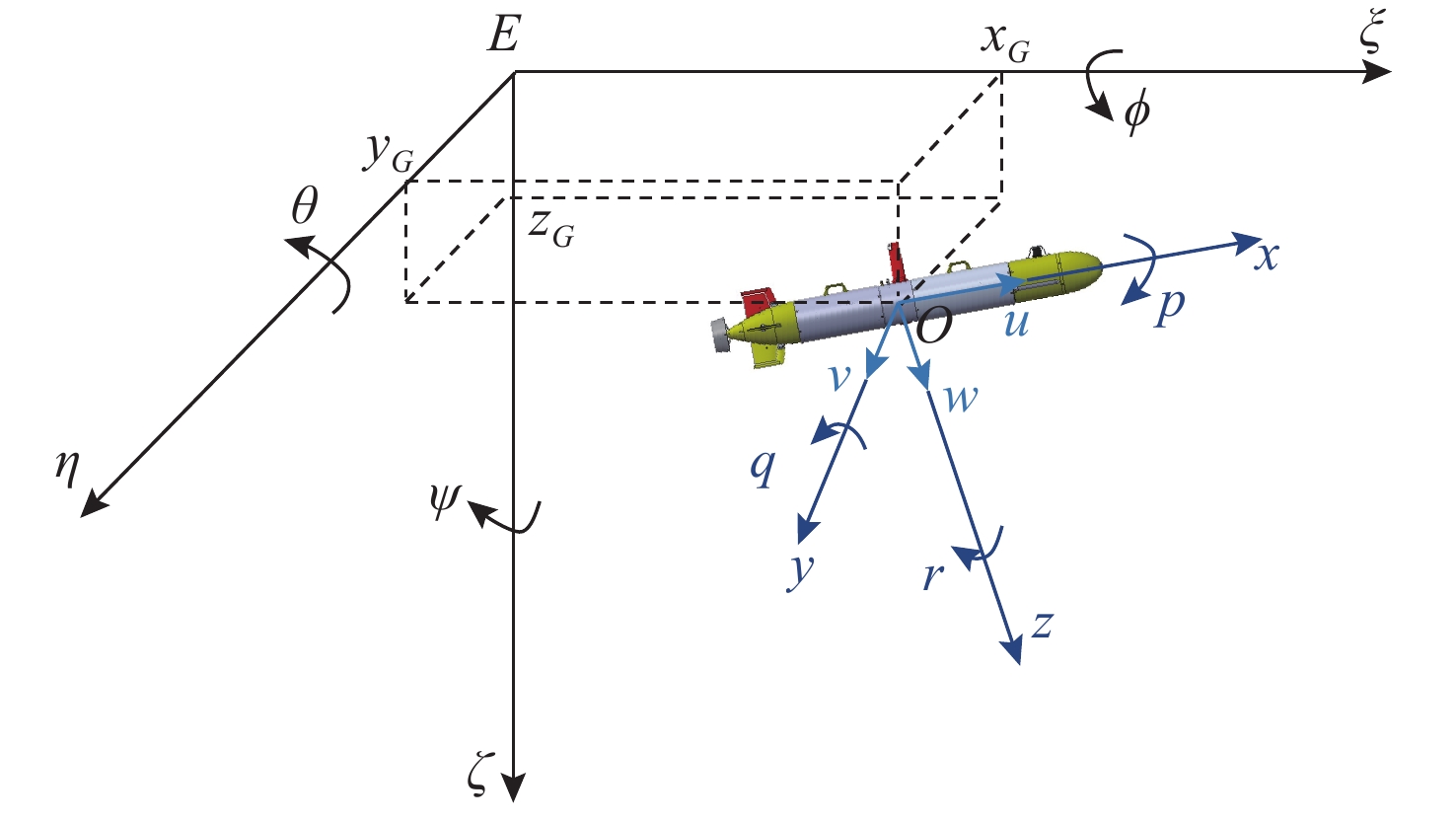
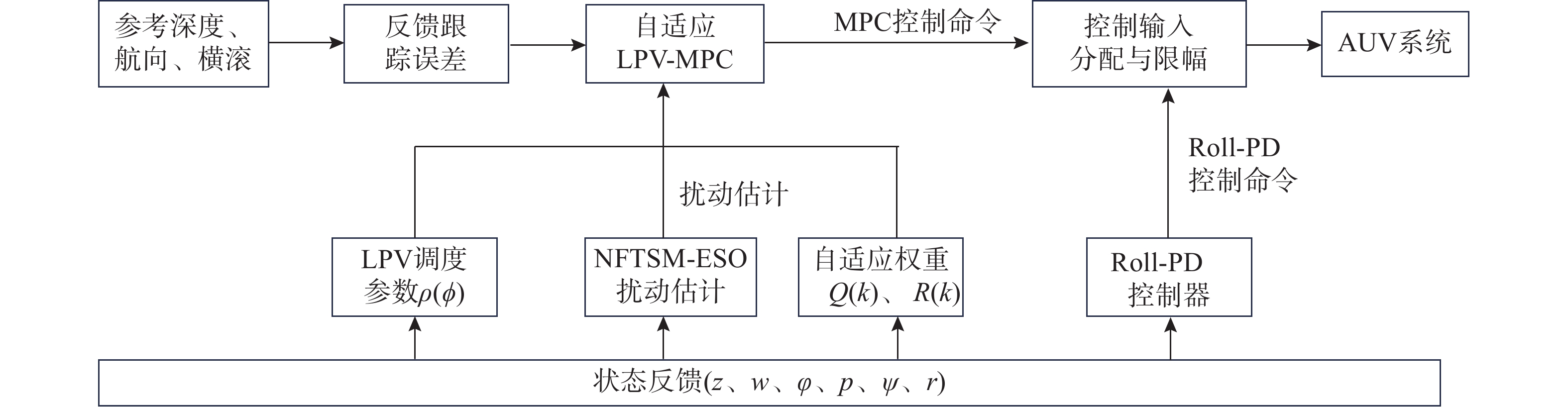
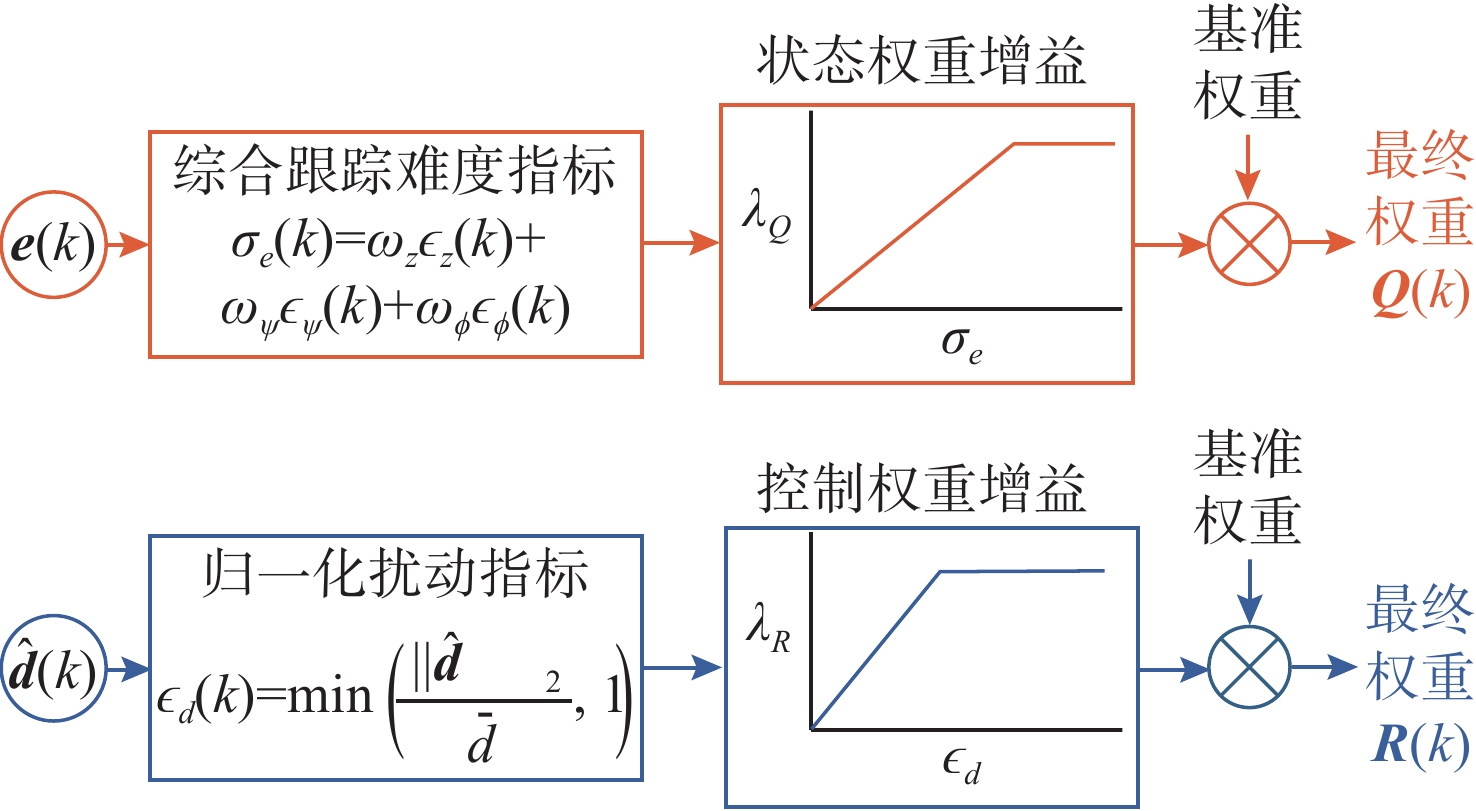
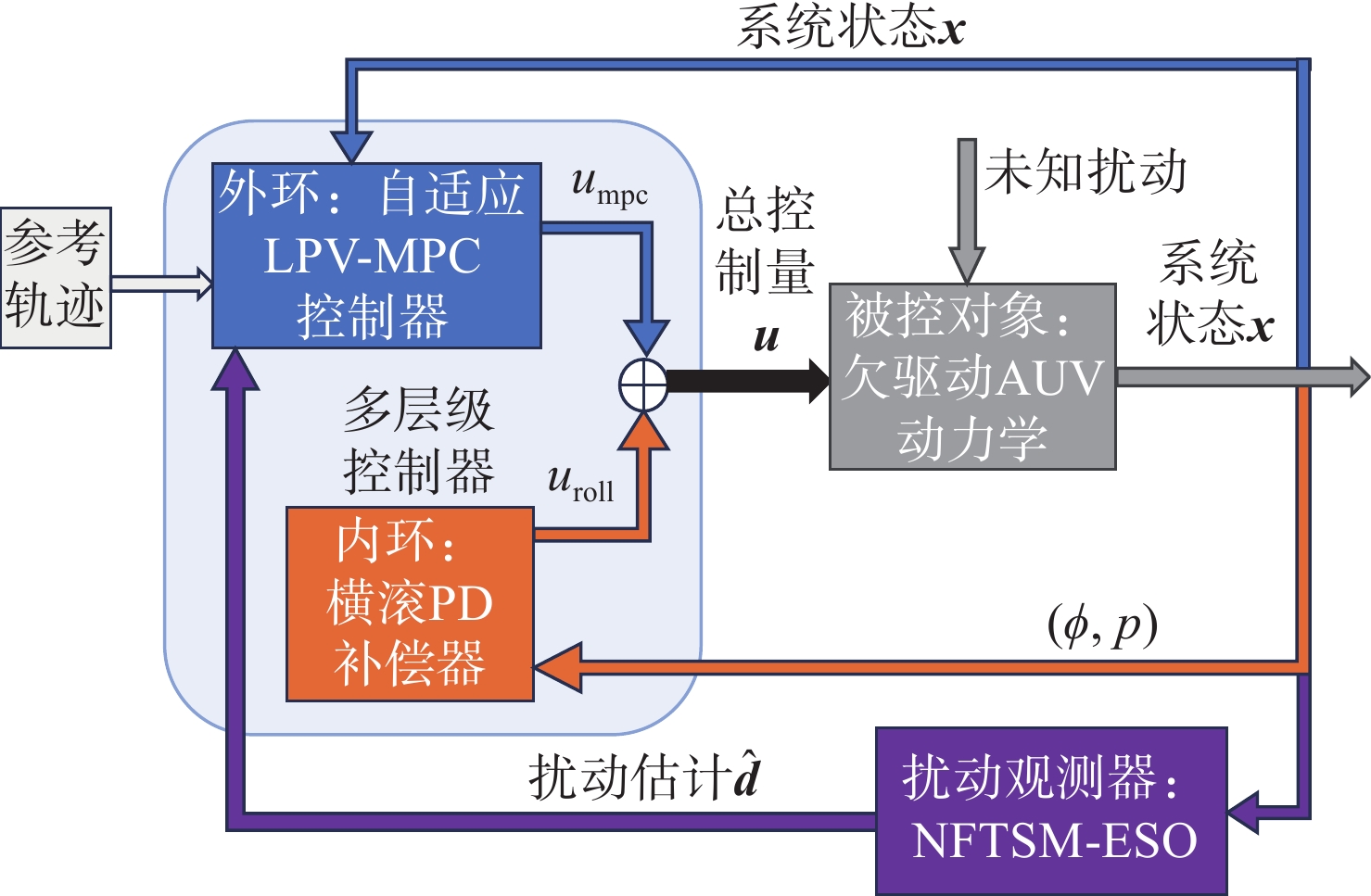
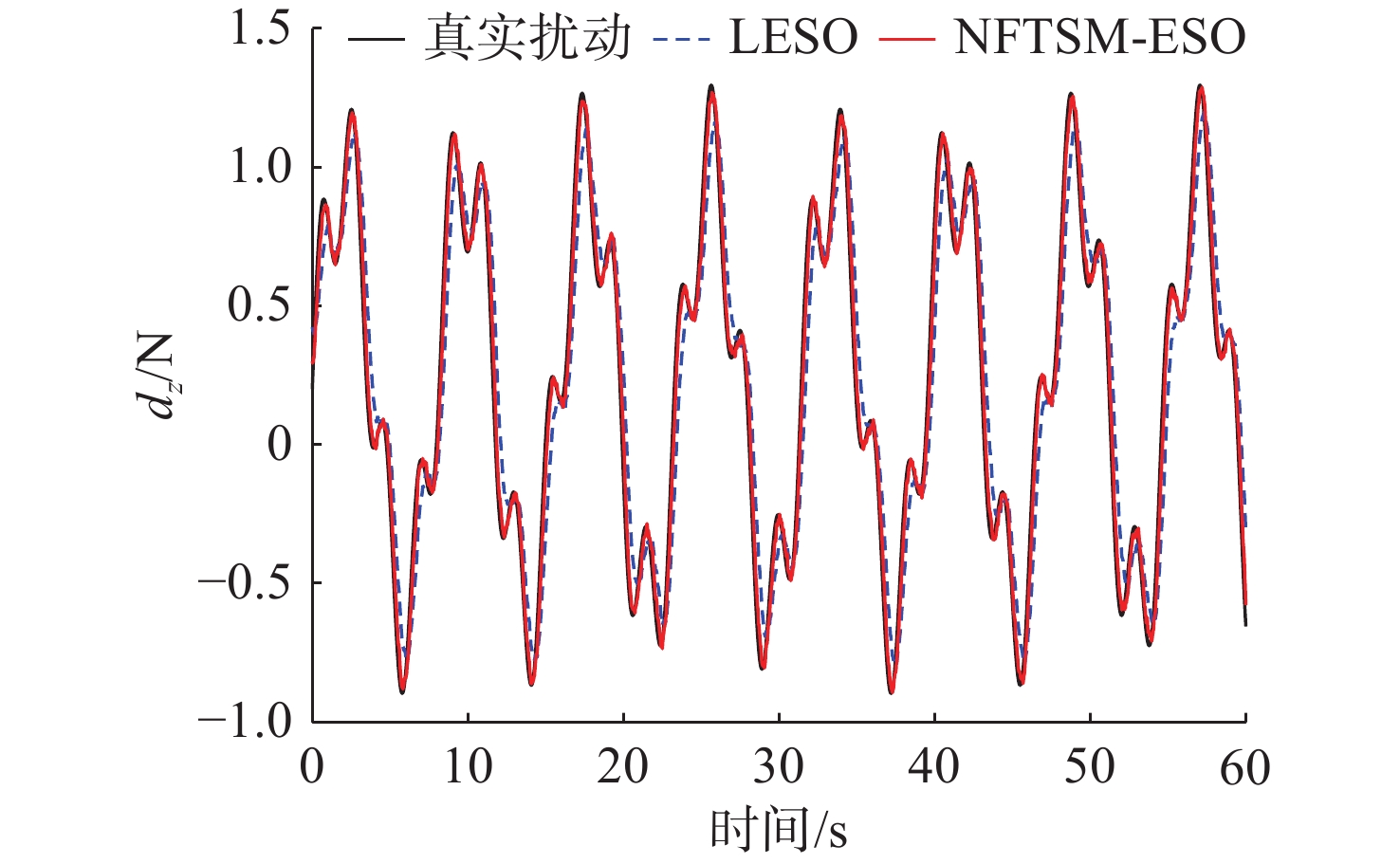
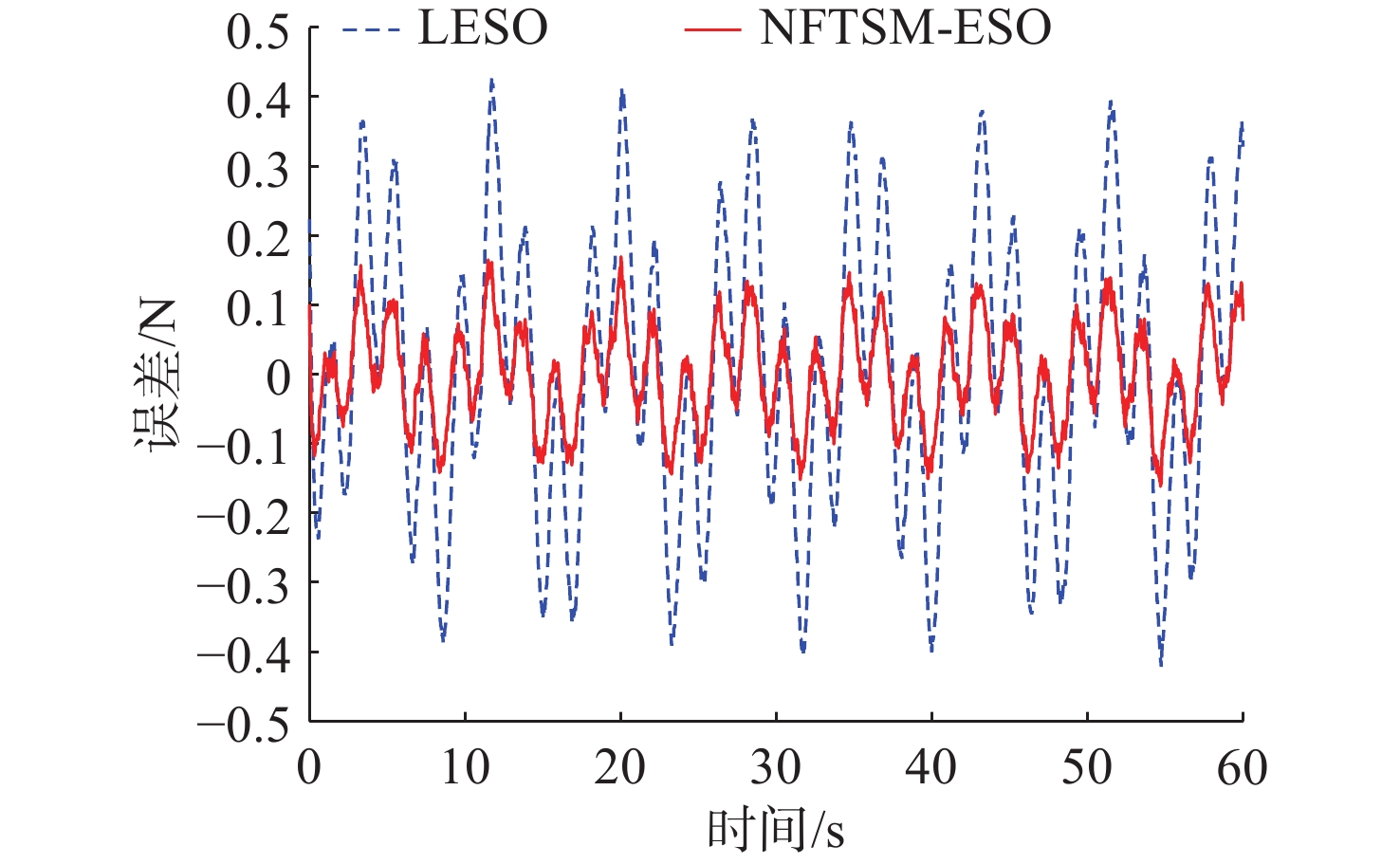
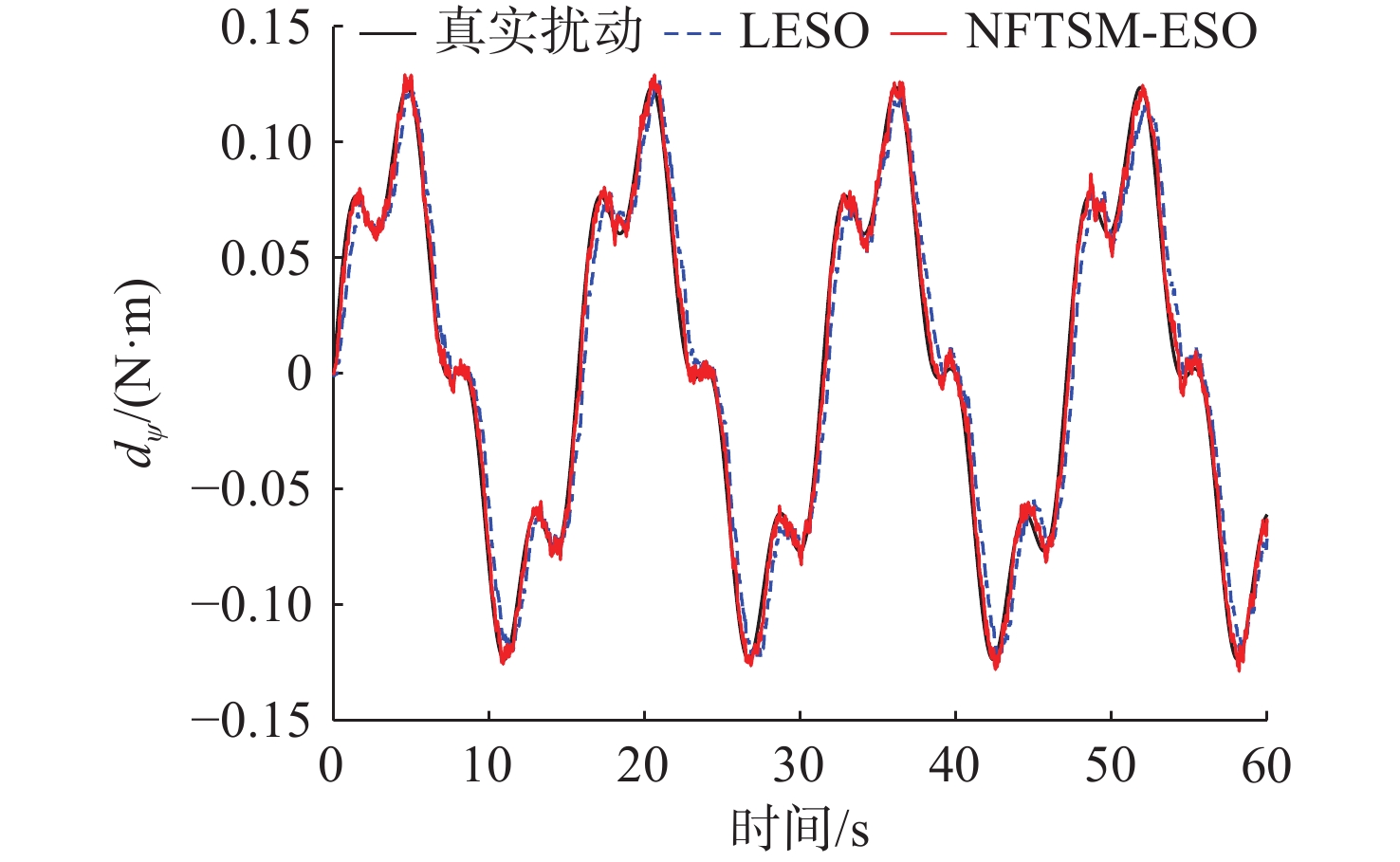
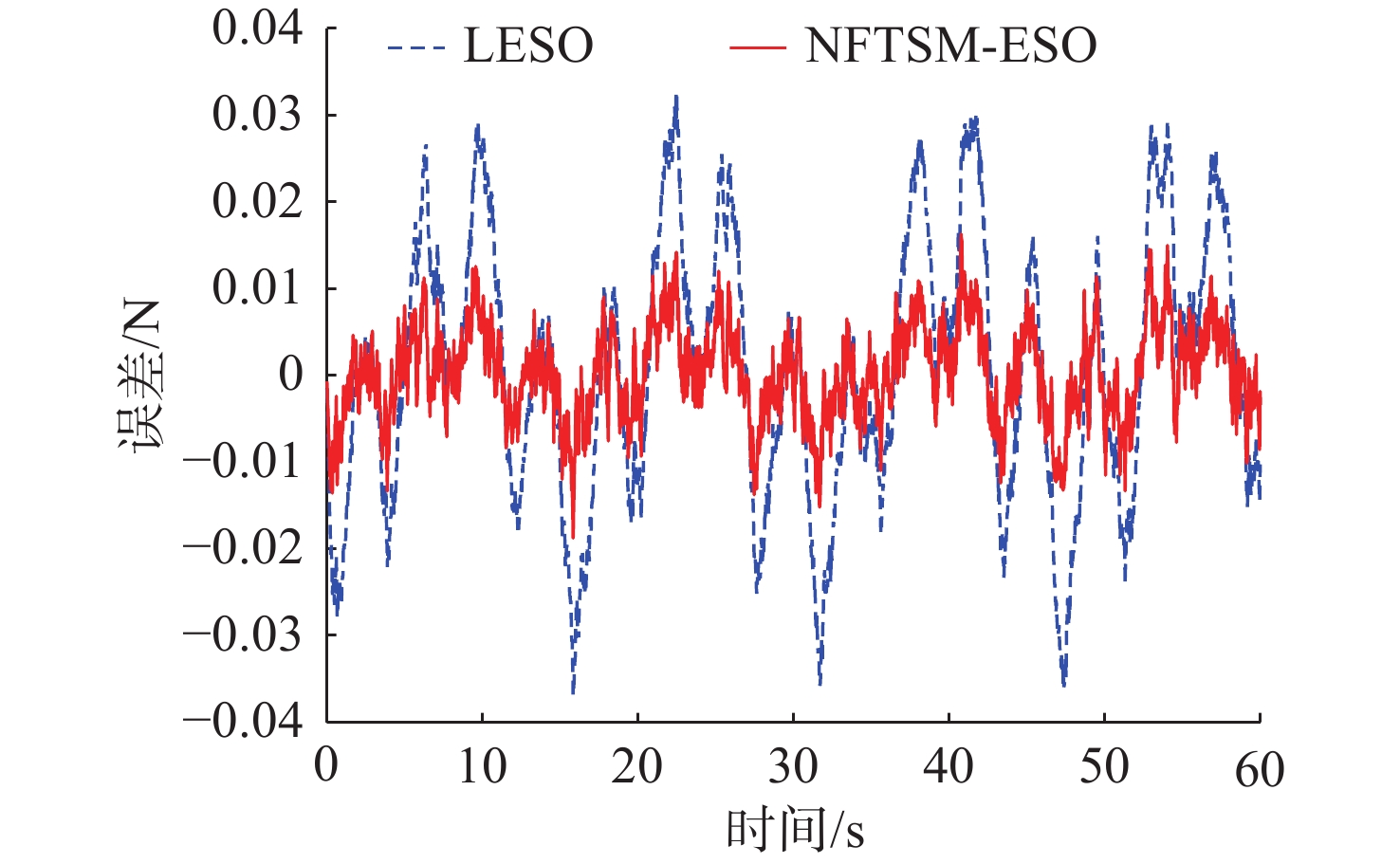
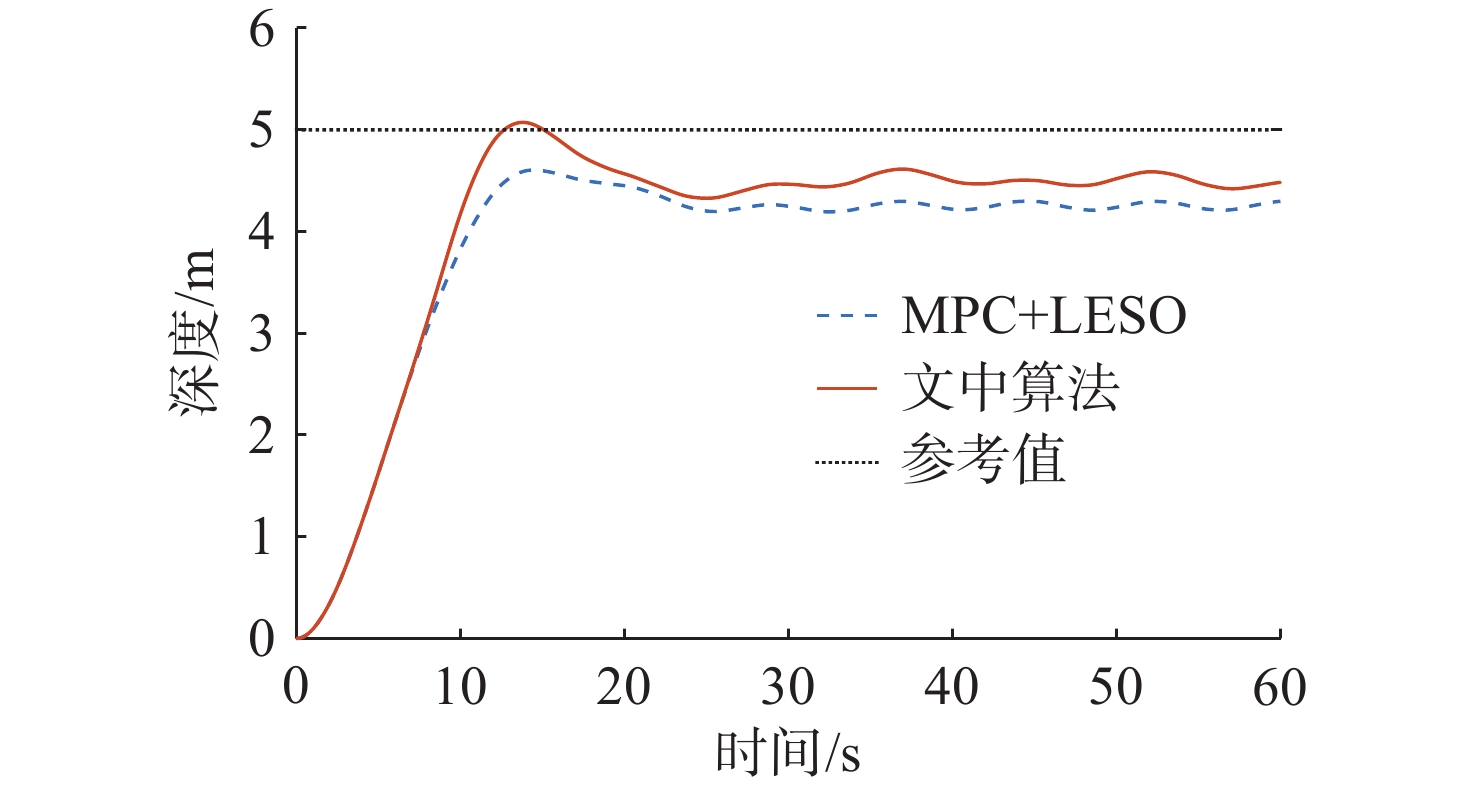
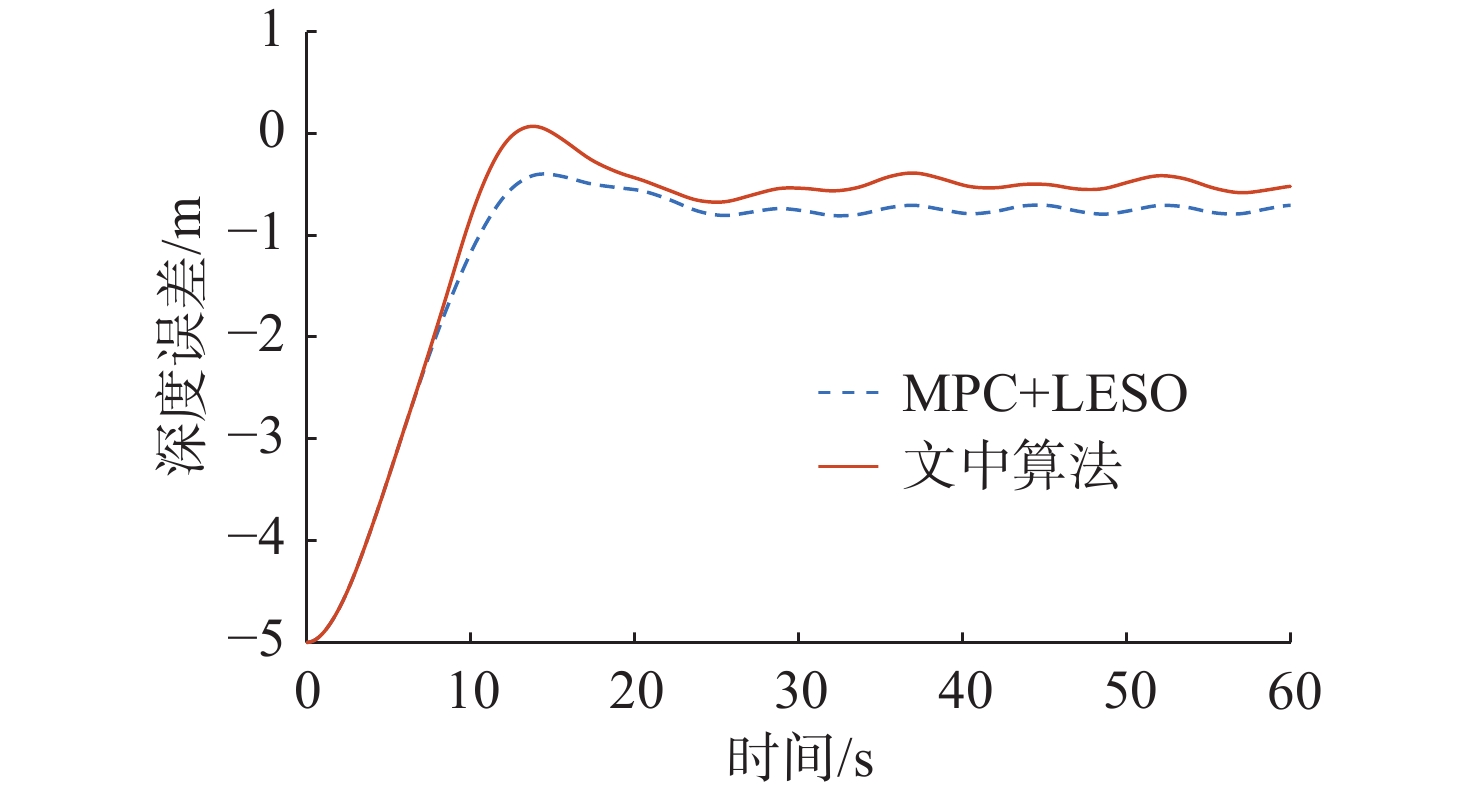
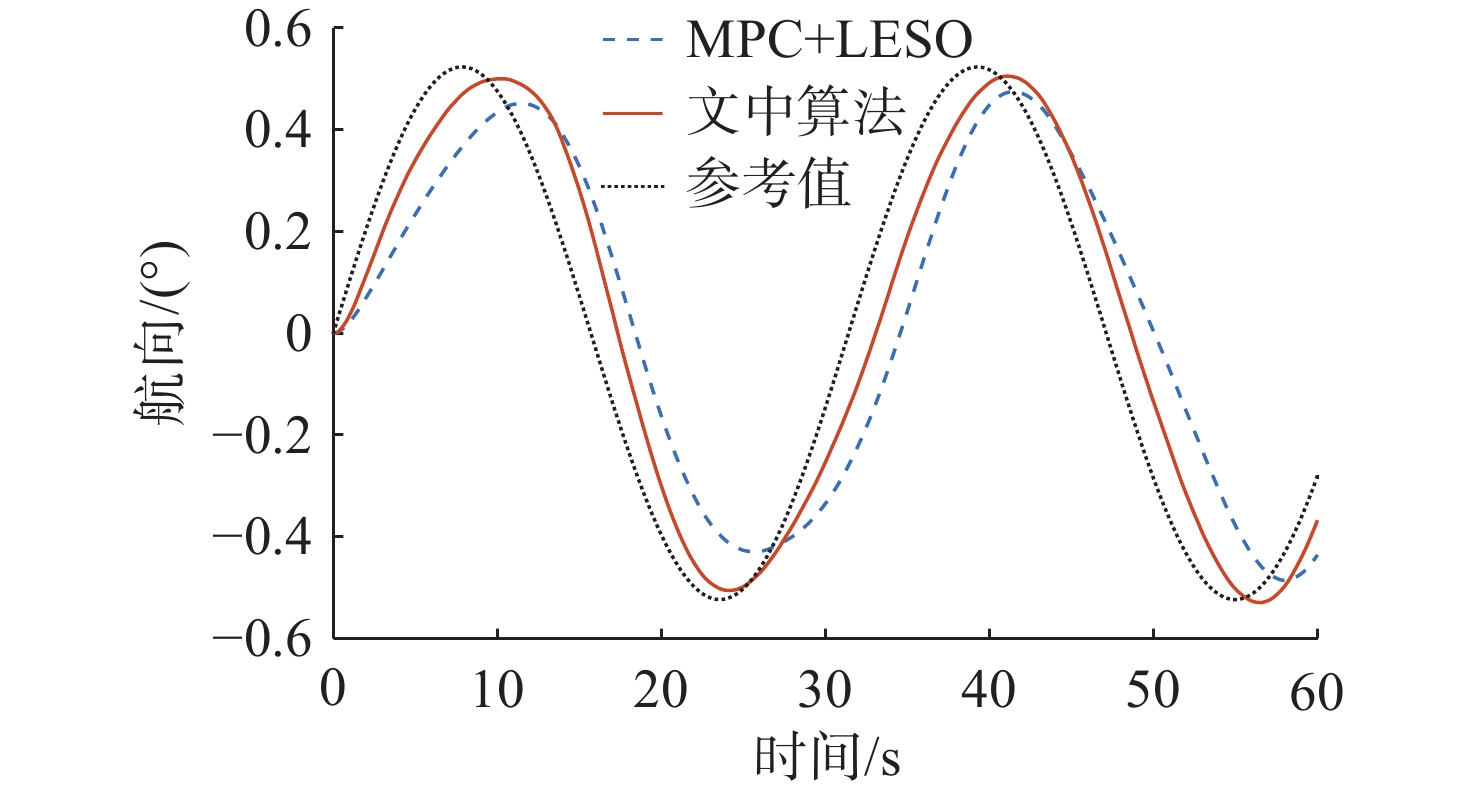
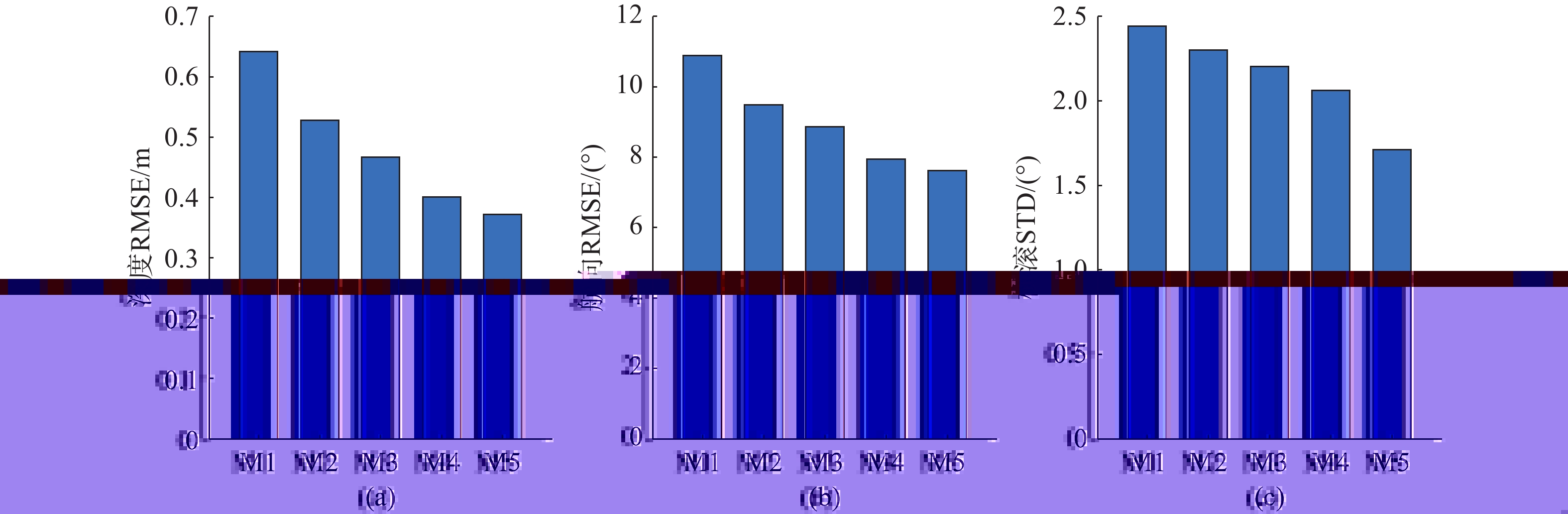
This paper addresses depth-heading tracking and roll stabilization of underactuated autonomous undersea vehicles(AUVs) subject to the lack of independent sway/roll actuators, rudder-induced channel coupling, actuator constraints, and time-varying marine disturbances. A cooperative control framework integrating adaptive linear parameter-varying model predictive control(LPV-MPC), a nonsingular fast terminal sliding mode extended state observer(NFTSM-ESO), and a roll proportional-derivative(PD) inner loop is proposed. A roll-angle-scheduled depth-roll-heading LPV error model is first established by characterizing how elevator and rudder effectiveness vary with roll attitude, thus incorporating the influence of roll on the depth and heading channels into the prediction model. An adaptive LPV-MPC driven by two metrics, tracking error and disturbance magnitude, is then developed to compute a sequence of control increments online, subject to constraints on the magnitude and rate of rudder deflection, as well as soft constraints on roll angle, thus generating feasible rudder angle commands. The NFTSM-ESO rapidly and smoothly estimates lumped disturbances arising from currents, wave-induced moments, hydrodynamic parameter uncertainties, and unmodeled dynamics. The estimates are used for feedforward compensation and weight scheduling. A roll PD inner loop is incorporated into the rudder control channel to provide high-bandwidth roll damping and mitigate the effects of roll-heading coupling on the outer-loop prediction model. Simulation and ablation results demonstrate that the proposed method outperforms standard MPC+LESO, fixed-weight LPV-MPC, and the scheme without roll inner-loop compensation in reducing depth error, heading error, and roll oscillations while satisfying rudder angle constraints, providing an interpretable control framework with strong real-time performance for cooperative depth-heading control of underactuated AUVs under complex disturbance conditions.
AUV Path Planning Method Based on RRT* and Improved Artificial Potential Field
LIU Yuqing, CHEN Mojiang, HAO Chengpeng
2026, 34(5): 919-929. doi: 10.11993/j.issn.2096-3920.2026-0025
Abstract:
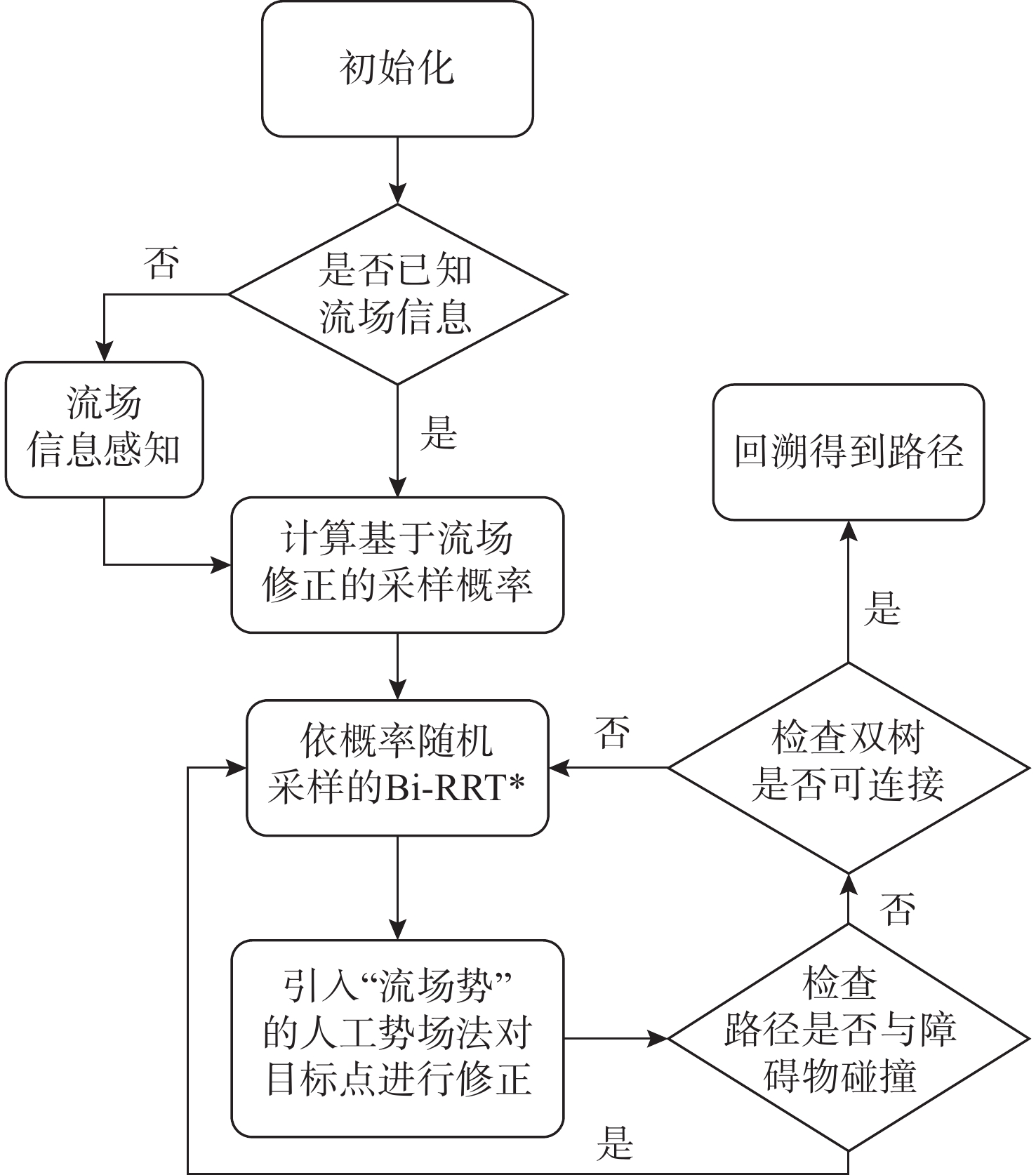
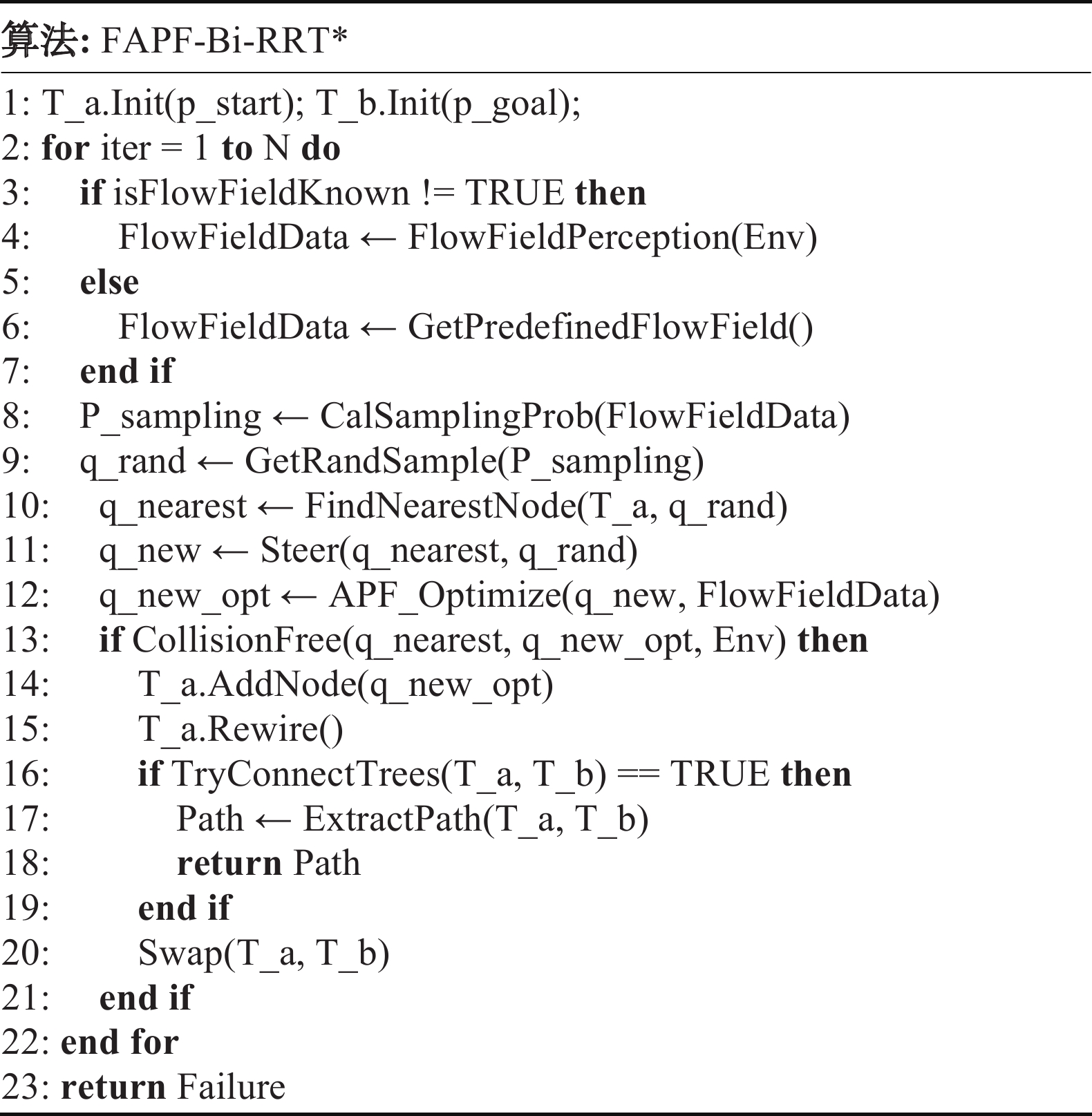
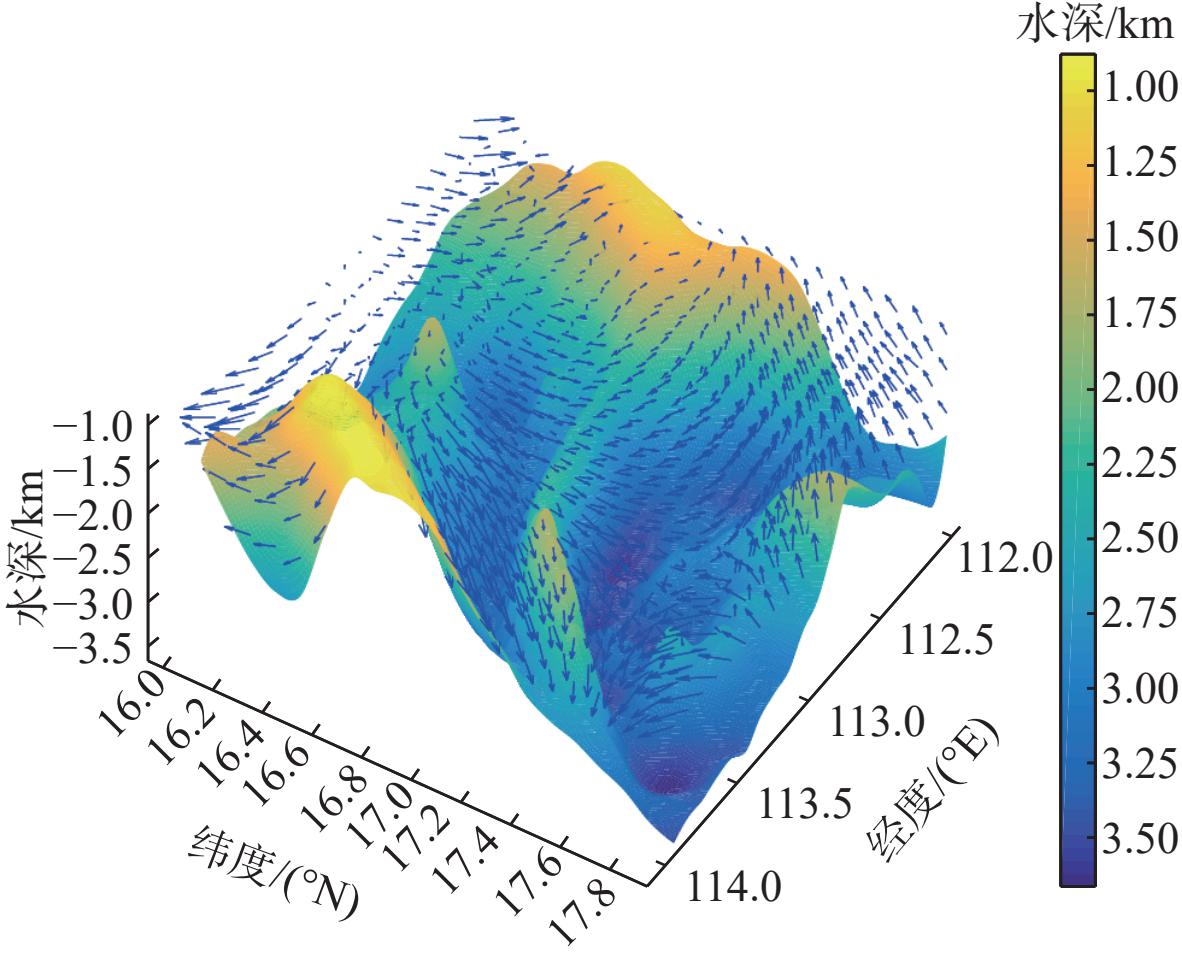
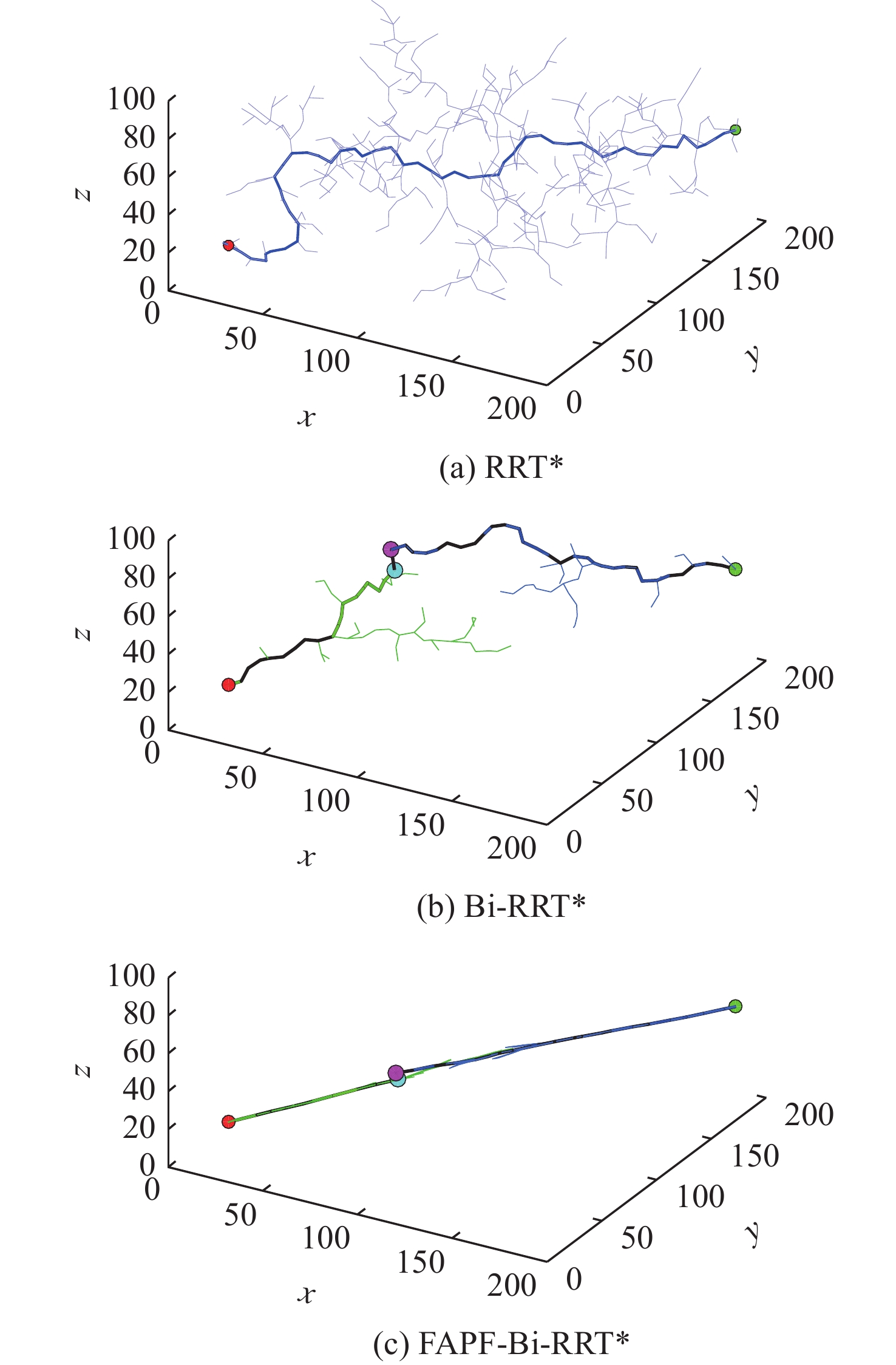
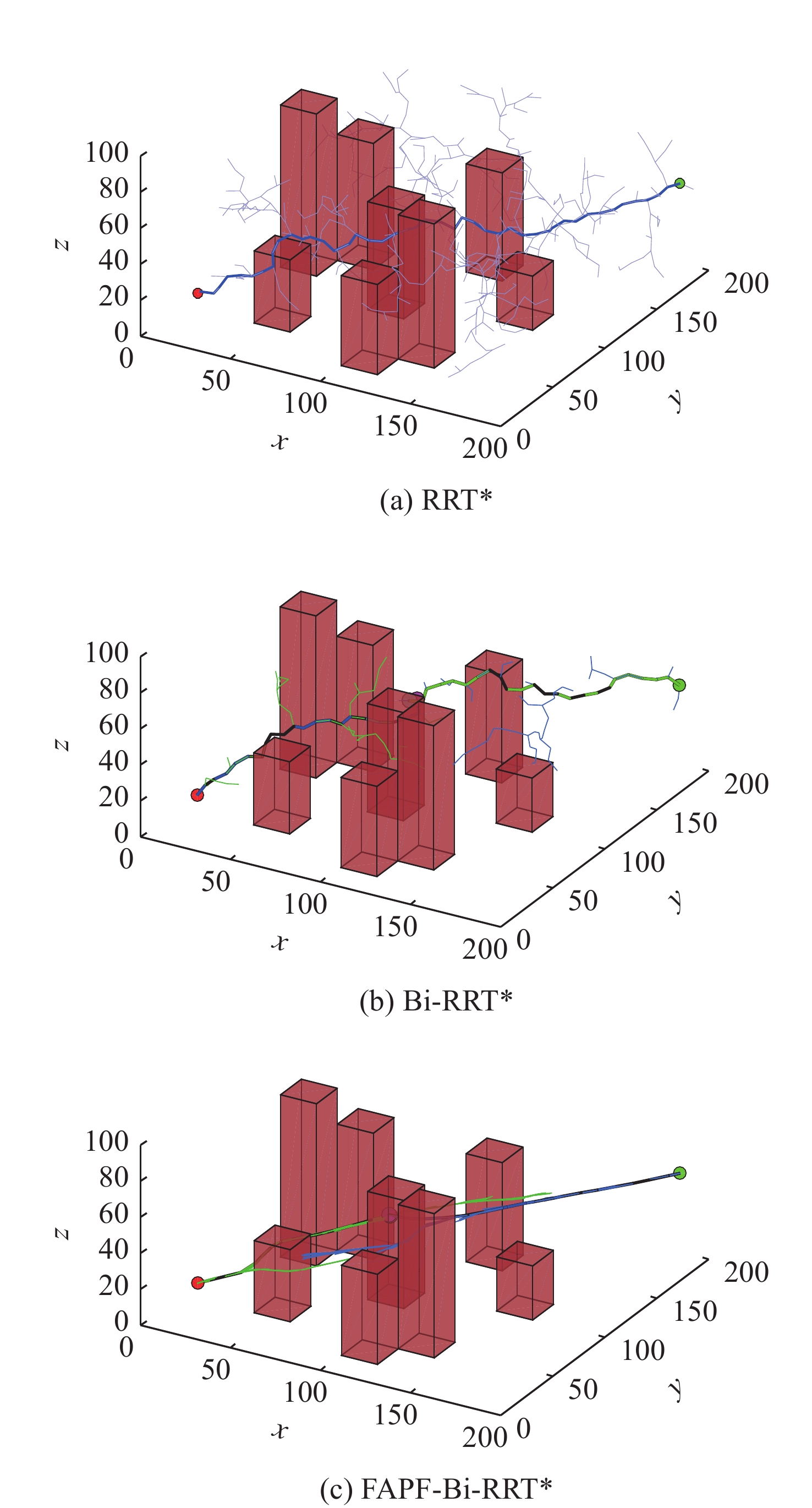
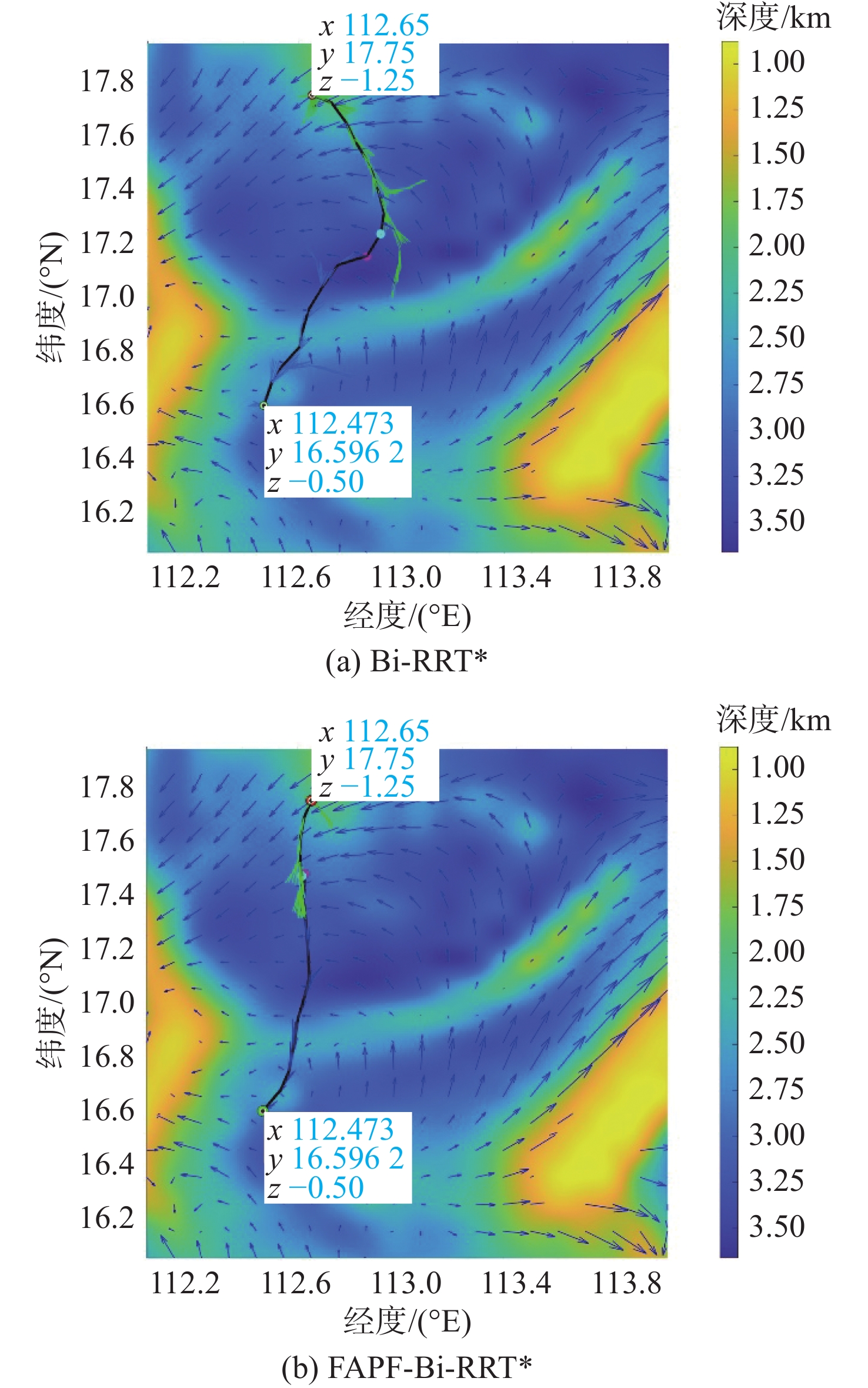
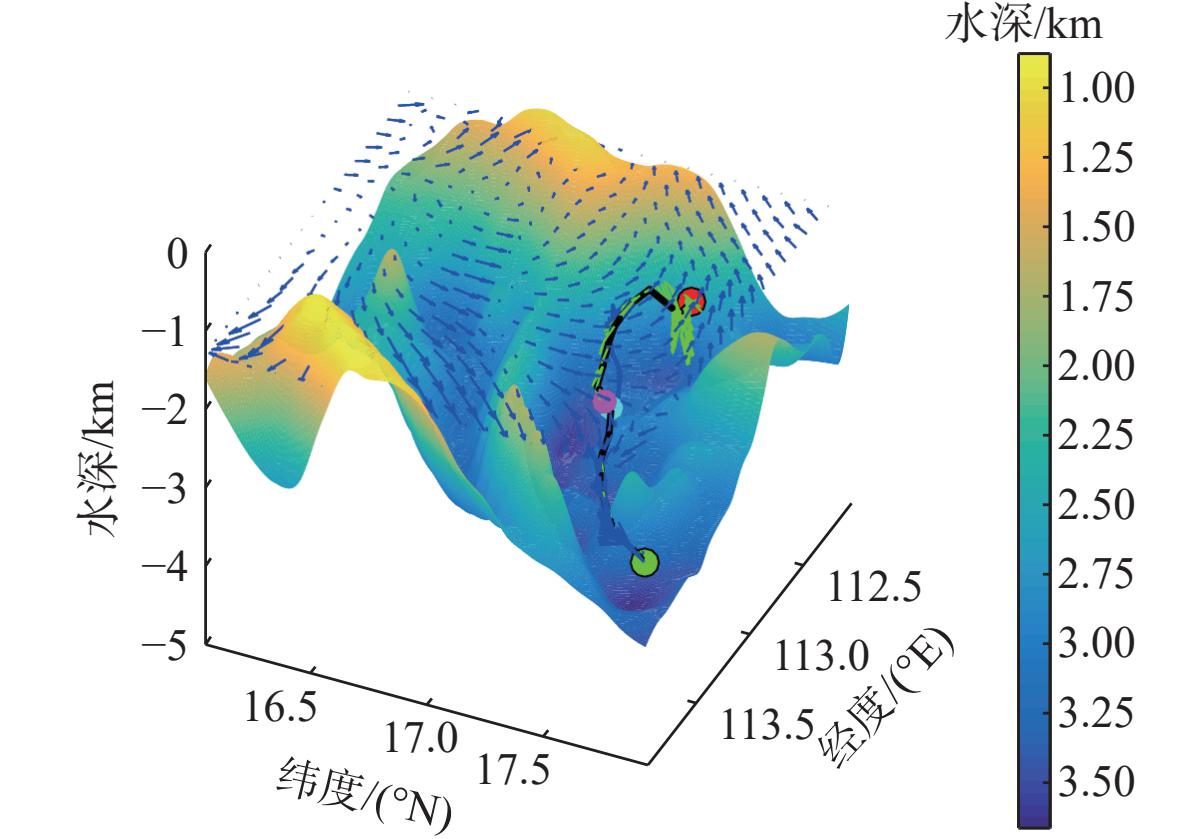
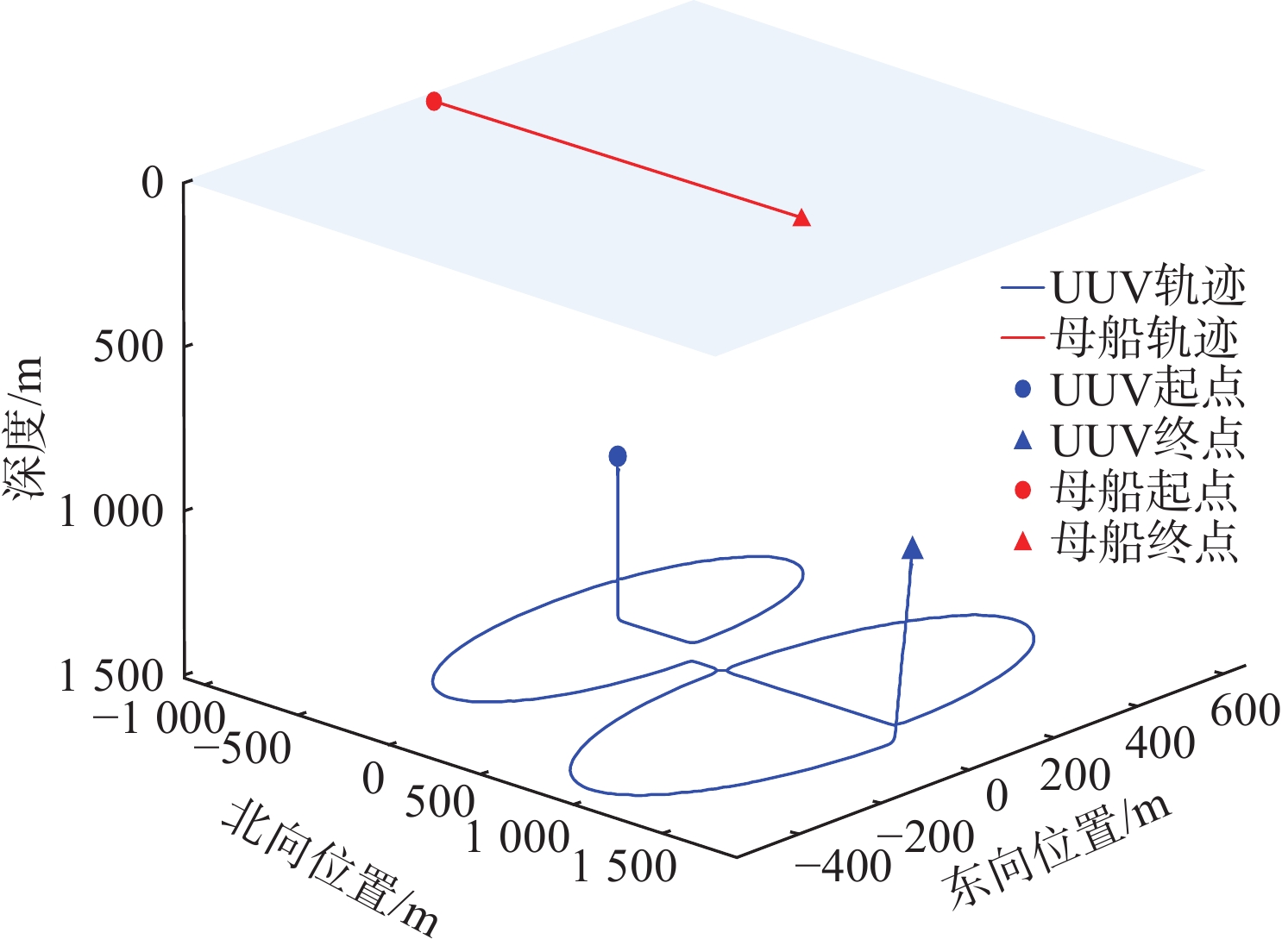
In response to the complex ocean current environment significantly affecting the navigation efficiency and energy use of autonomous undersea vehicle(AUV), an energy consumption-optimized path planning algorithm(FAPF-Bi-RRT*) was proposed by integrating bidirectional rapidly-exploring random tree with flow field-guided sampling and improved artificial potential field method. Firstly, a multi-strategy sampling probability correction method was designed based on flow field information. By calculating the consistency measure between the flow field and the target direction, the sampling weight was dynamically adjusted to guide the random tree to expand toward downstream and low-energy-consumption areas, thus solving the blind search problem of the traditional RRT* algorithm. Secondly, an adaptive flow field potential field model was established, converting the pushing and resistance effects of ocean currents into potential field gradients. An adaptive adjustment mechanism of flow field gain was introduced into the artificial potential field to assist node expansion and reconnection in real time, thereby avoiding countercurrent traps. Finally, a composite cost function including path length and energy consumption was constructed for progressive optimization. Simulation results under real terrain and flow field data show that while ensuring probabilistic completeness and obstacle avoidance capability, the proposed algorithm reduces the path length by approximately 14% and the path energy consumption by approximately 11% compared with the traditional Bi-RRT* algorithm in strong flow field environments. Efficient and energy-saving path planning in complex marine environments is thus achieved.
Path Planning for Underwater Inspection Robots Based on Improved Ant Colony Algorithm
SHEN Zhaowen, PAN Xinfeng, HUANG Mengshi, YANG Tianci, ZHANG Wenze, YI Zhengyao
2026, 34(5): 930-938. doi: 10.11993/j.issn.2096-3920.2026-0066
Abstract:
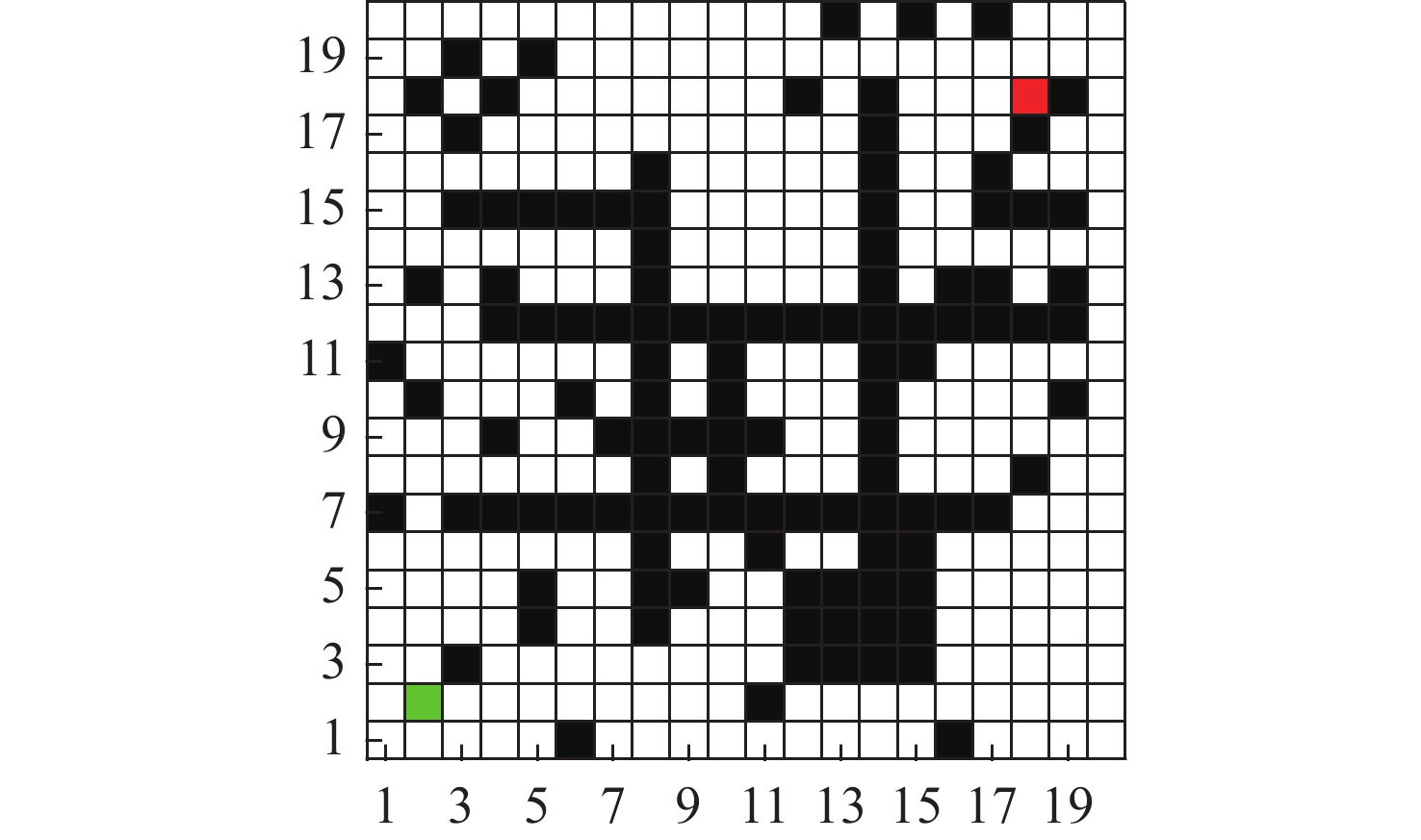
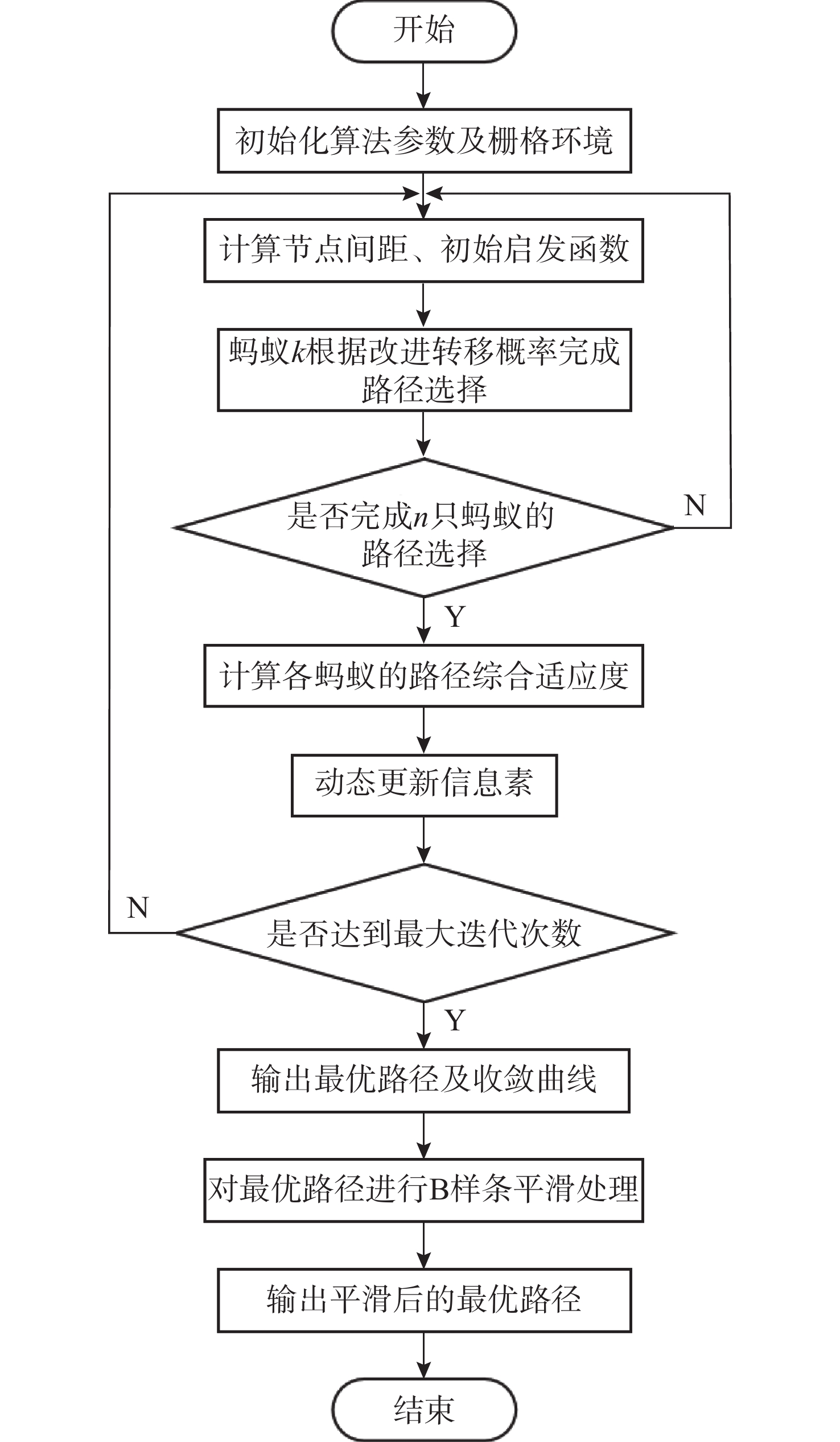
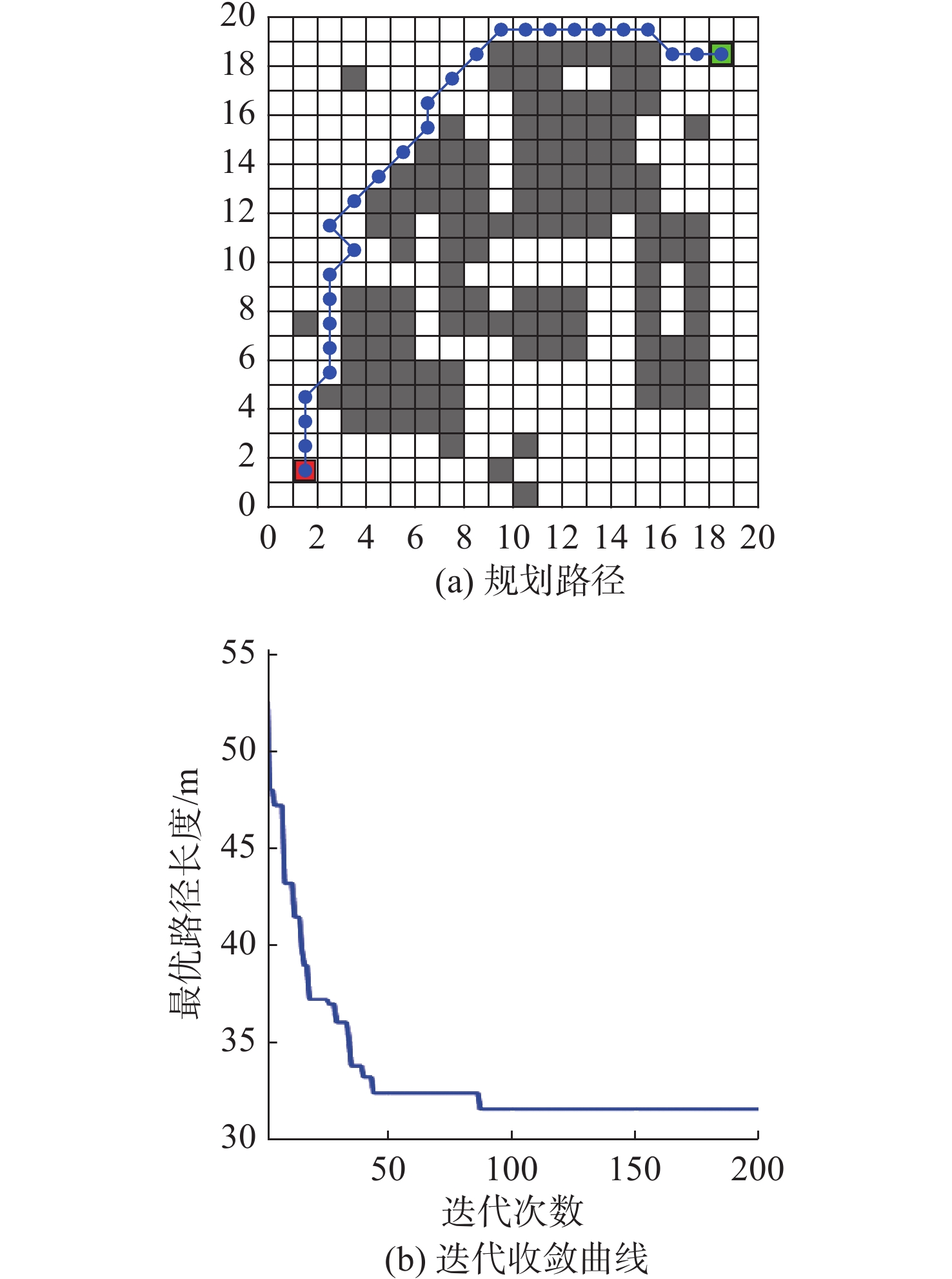
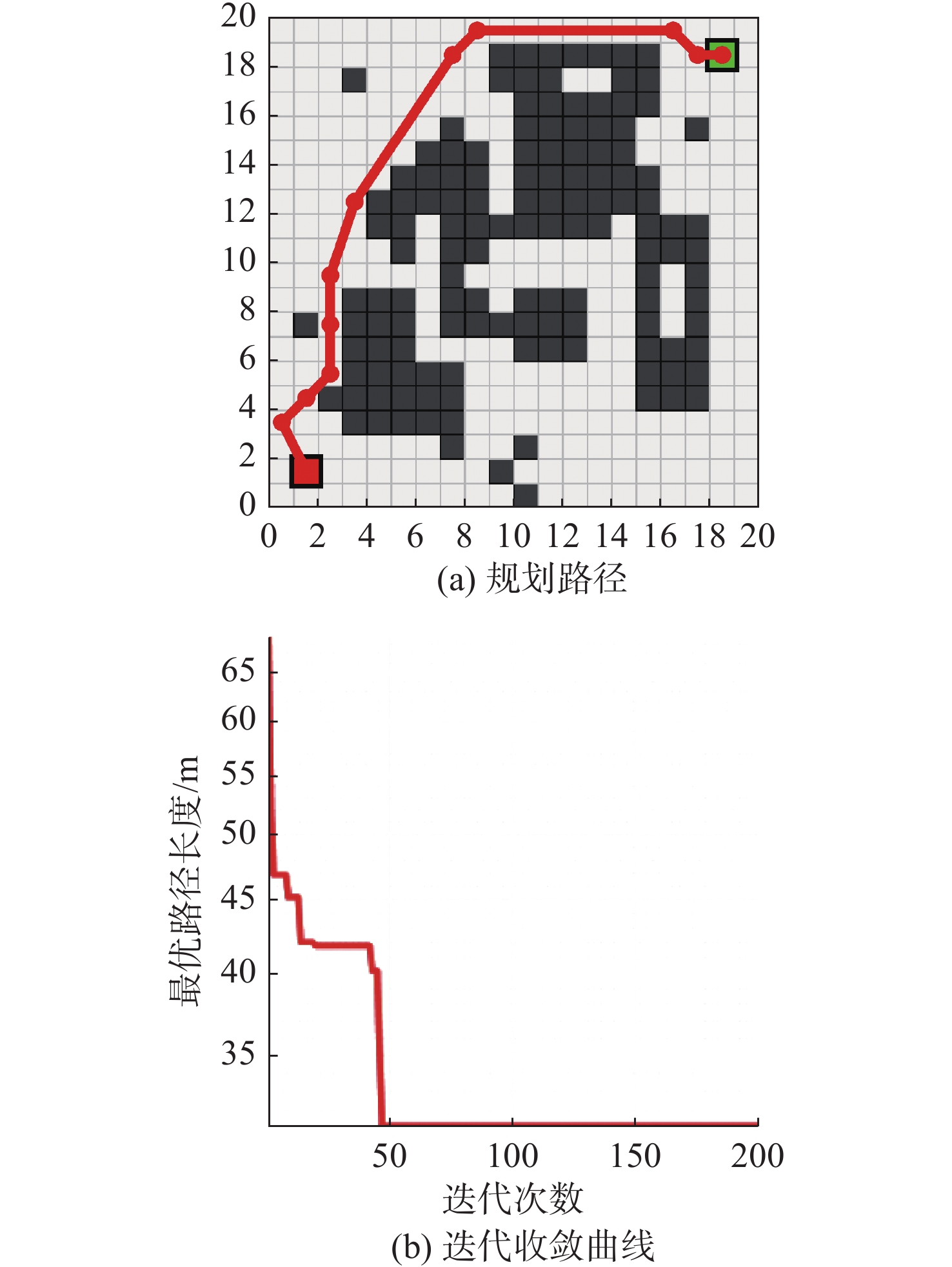
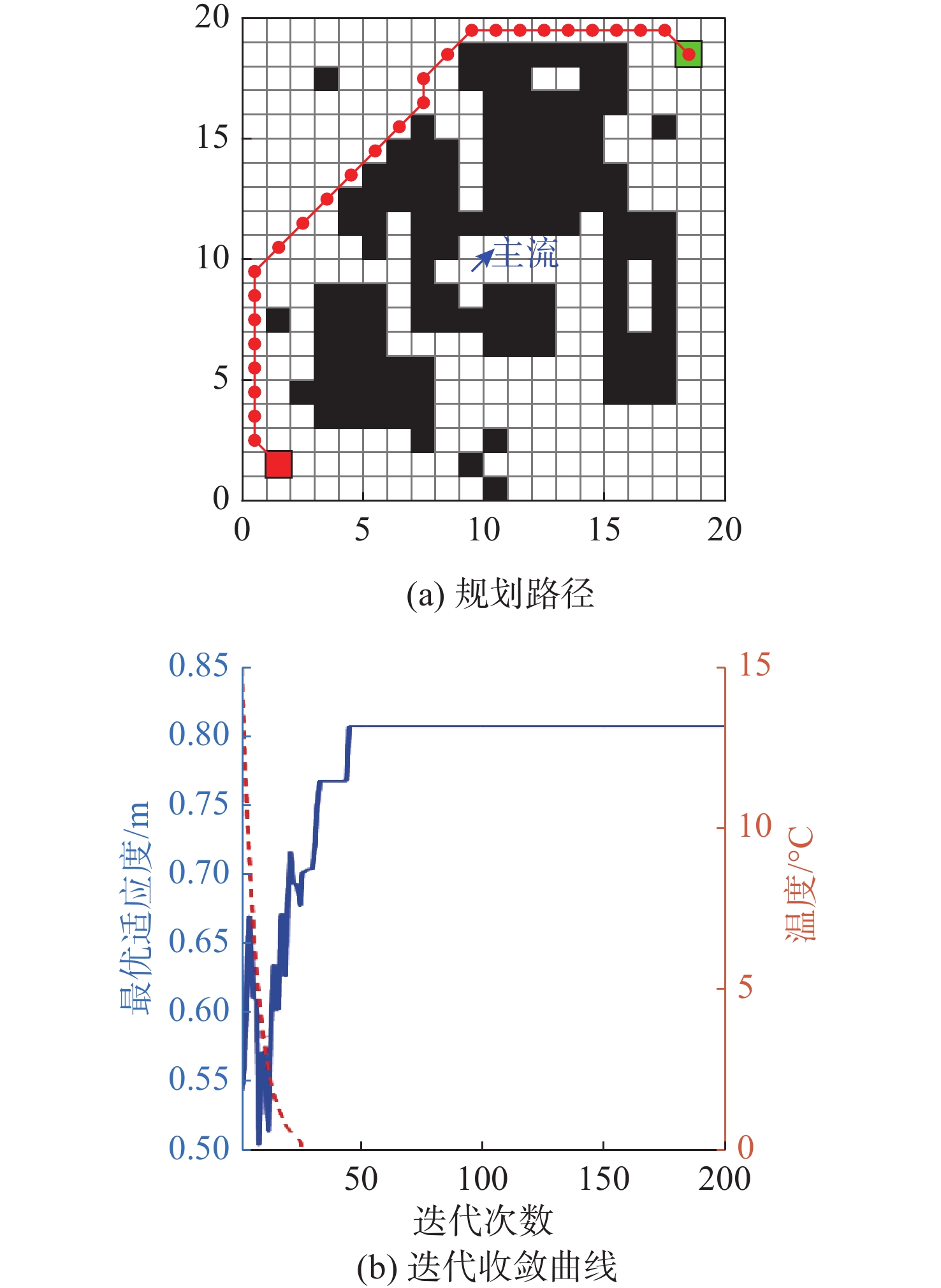
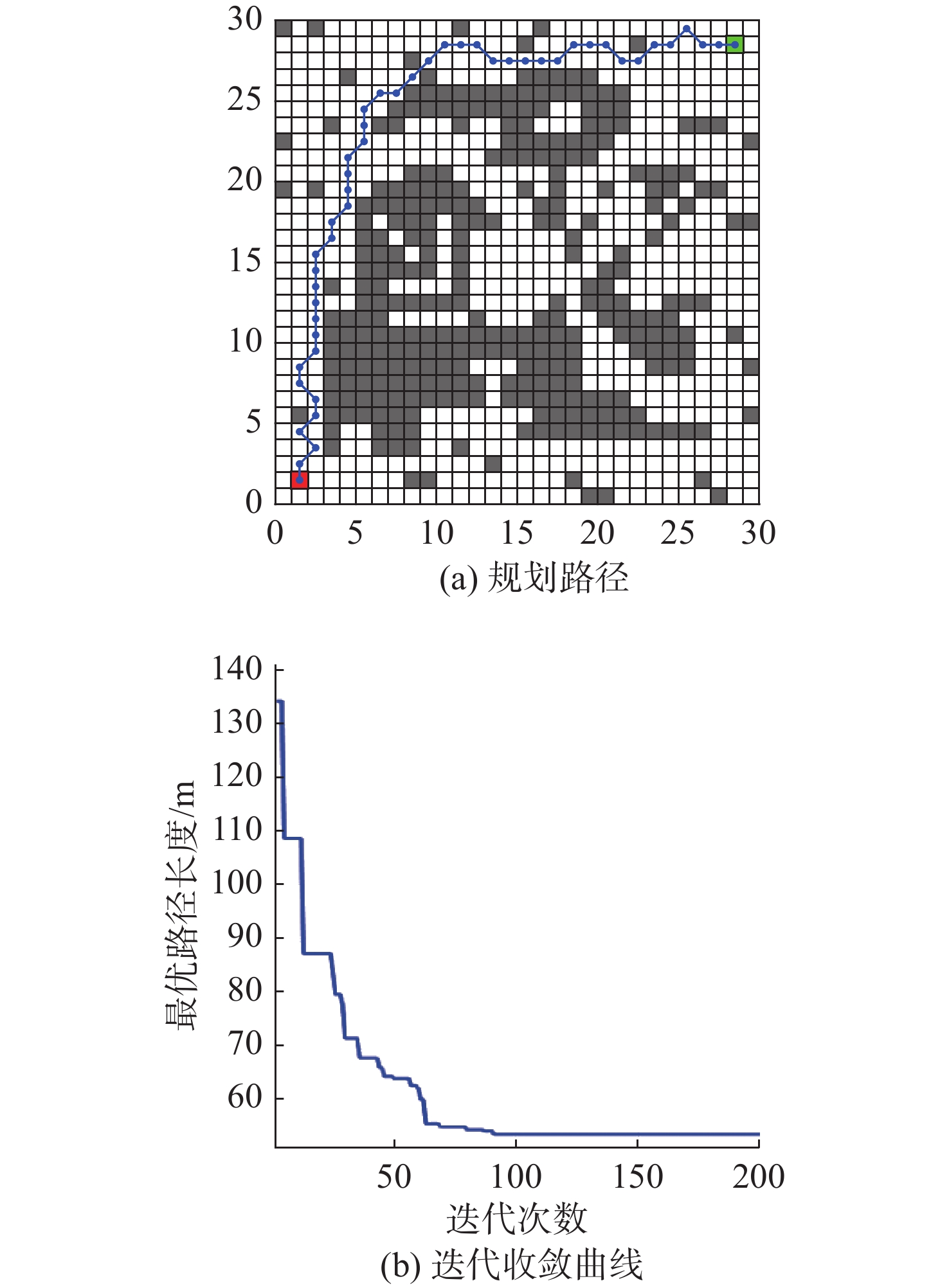
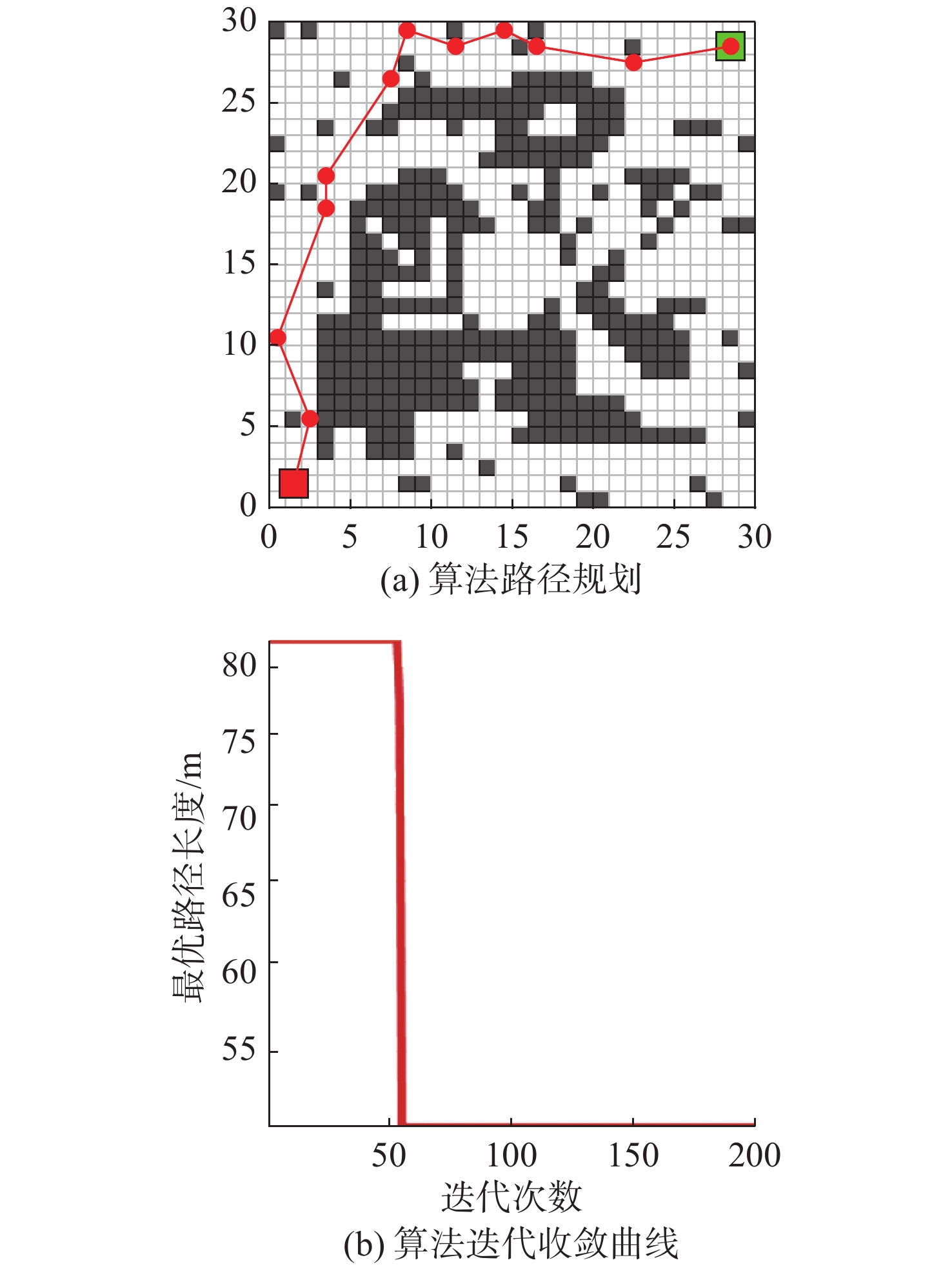
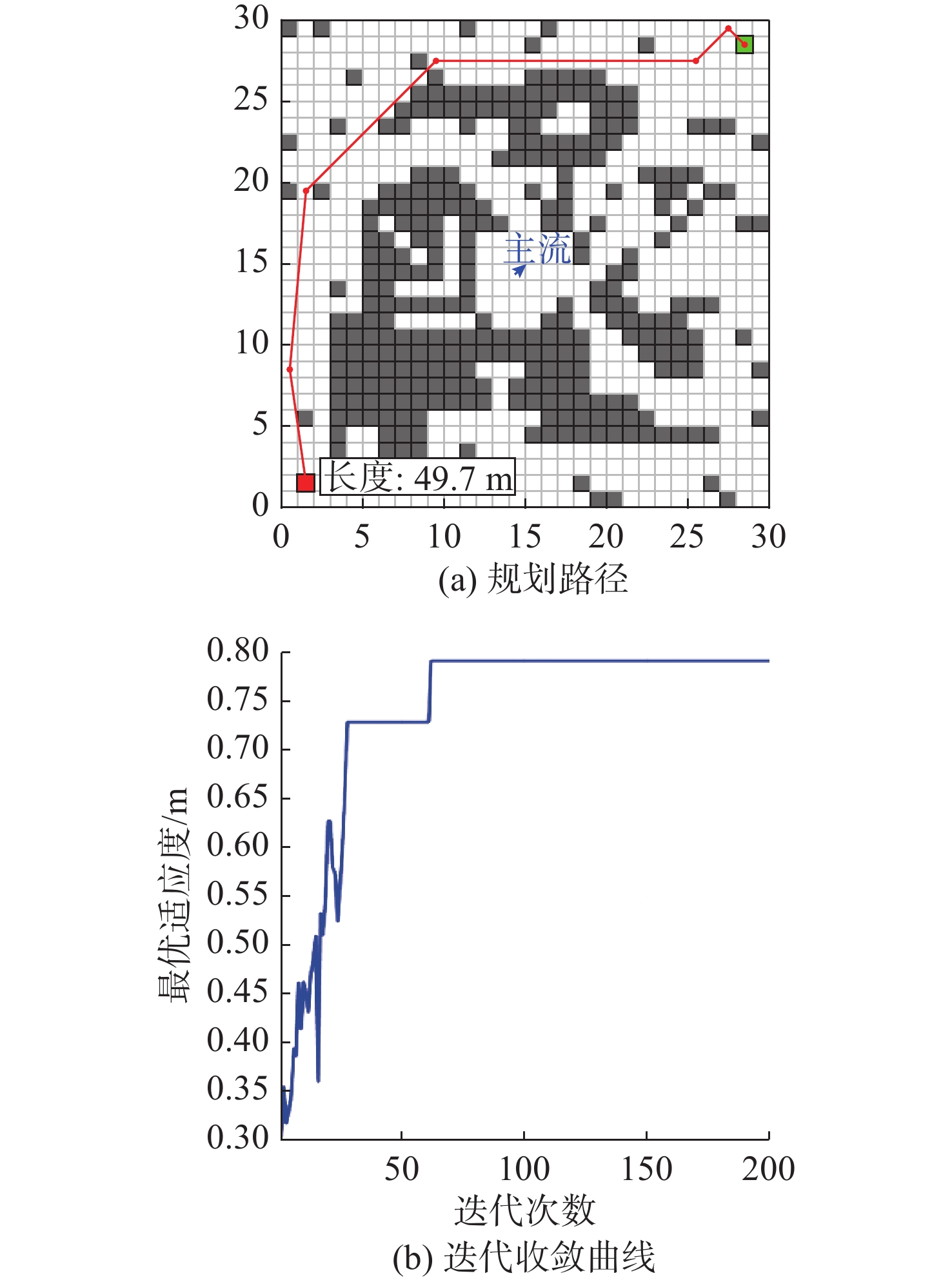
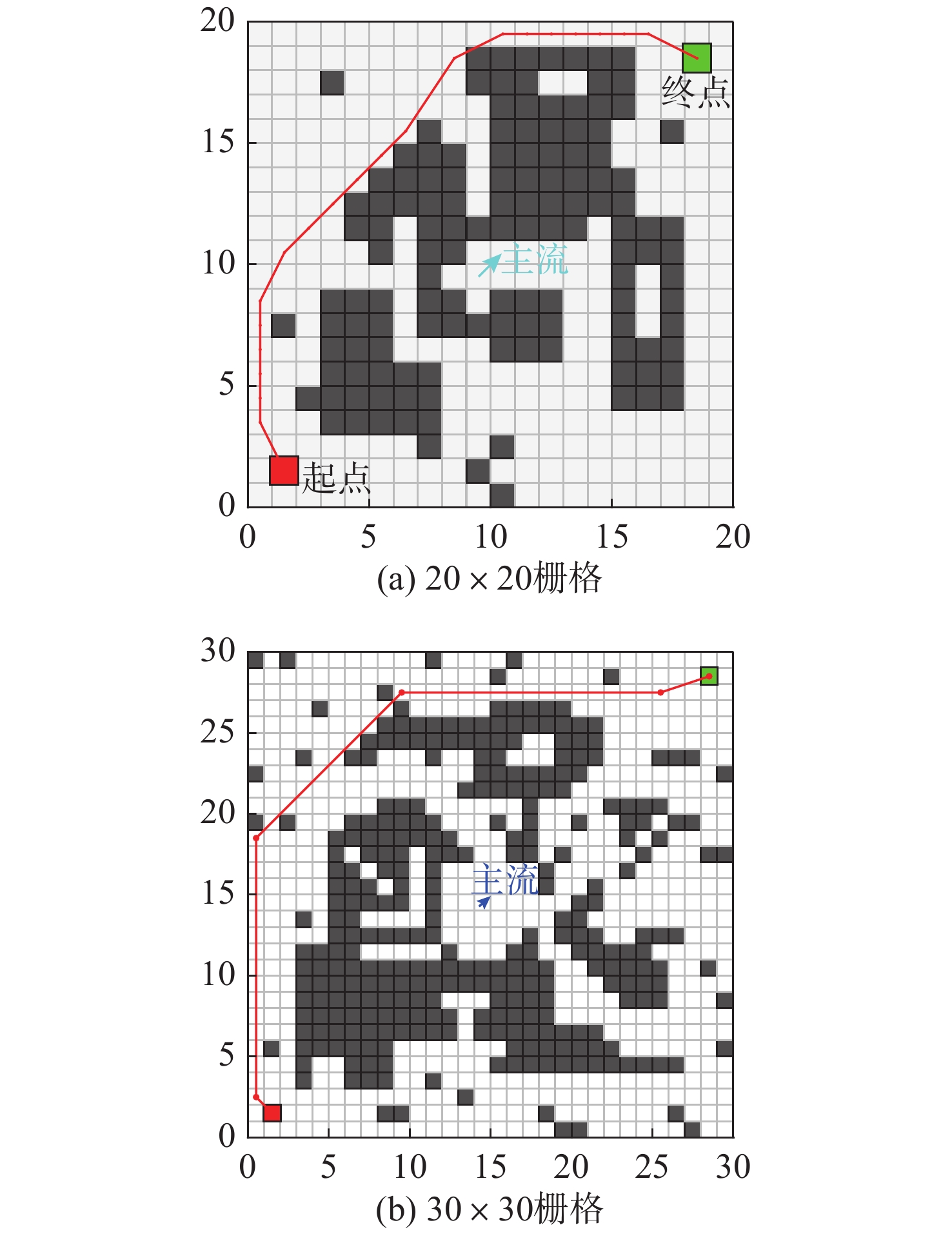
When the traditional ant colony algorithm is applied in path planning of underwater inspection robots, issues occur, including slow convergence speed, susceptibility to local optima, and poor adaptability to the underwater environment. In response to these issues, an improved ant colony algorithm was proposed. Firstly, a comprehensive evaluation function considering path length, safety, smoothness, and water flow adaptability was constructed. The pheromone release coefficient was dynamically adjusted by the path fitness. The pheromone volatilization coefficient was also dynamically adjusted according to the iterative process, thus expediting the convergence speed in the later stage of the algorithm iteration. Secondly, the water flow factor and obstacle distance factor were introduced into the heuristic function to guide the algorithm to choose the superior path. Then, the simulated annealing mechanism was integrated to avoid the algorithm falling into a local optimum. Finally, the B-spline curve was applied to smooth the path to reduce the energy consumption of the underwater robots. A comparison experiment was carried out under the grid simulation environments of 20×20 and 30×30, respectively. The results show that compared to the traditional ant colony algorithm and reference algorithm, the proposed improved ant colony algorithm achieves a shorter planning path, fewer turning points, and faster convergence speed, which effectively meets the actual requirements of collisionless and low-energy-consumption planning path for underwater inspection robots
UAV-USV Collaborative Water Depth Inversion Model Based on Multi-Modal Heterogeneous Sensors
LIN Zibo, LAI Yunshan, ZHANG Runda
2026, 34(5): 939-945. doi: 10.11993/j.issn.2096-3920.2026-0006
Abstract:
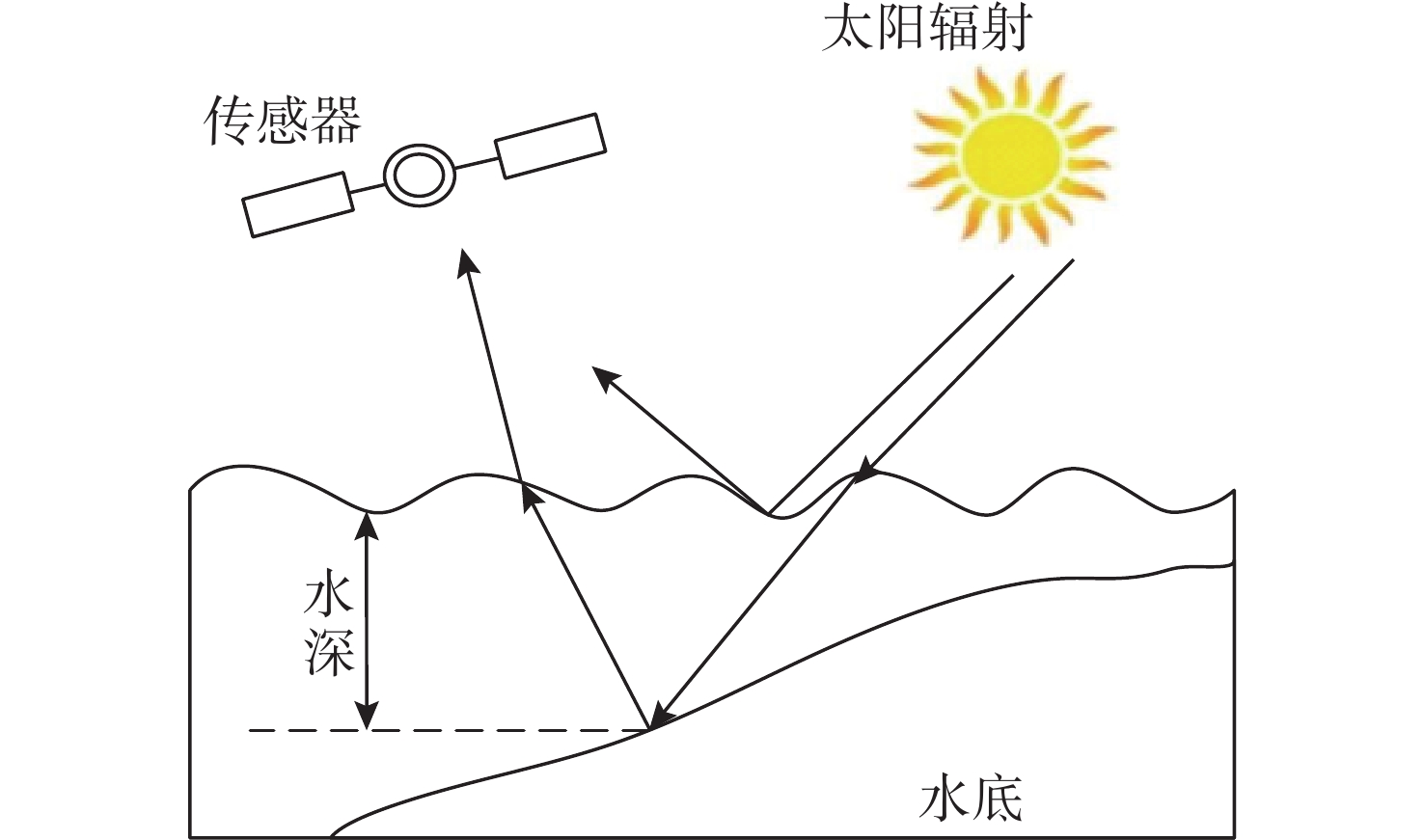
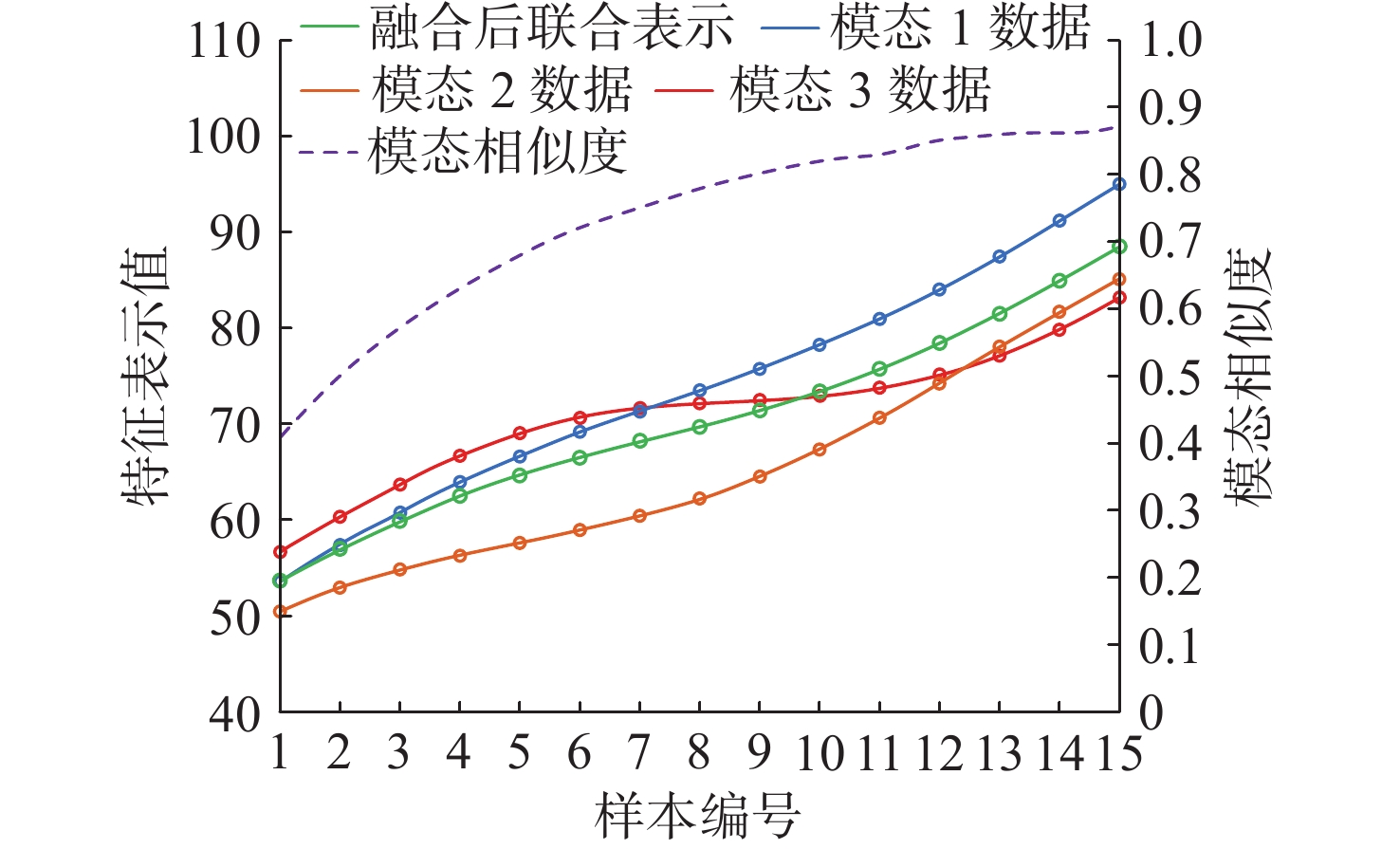
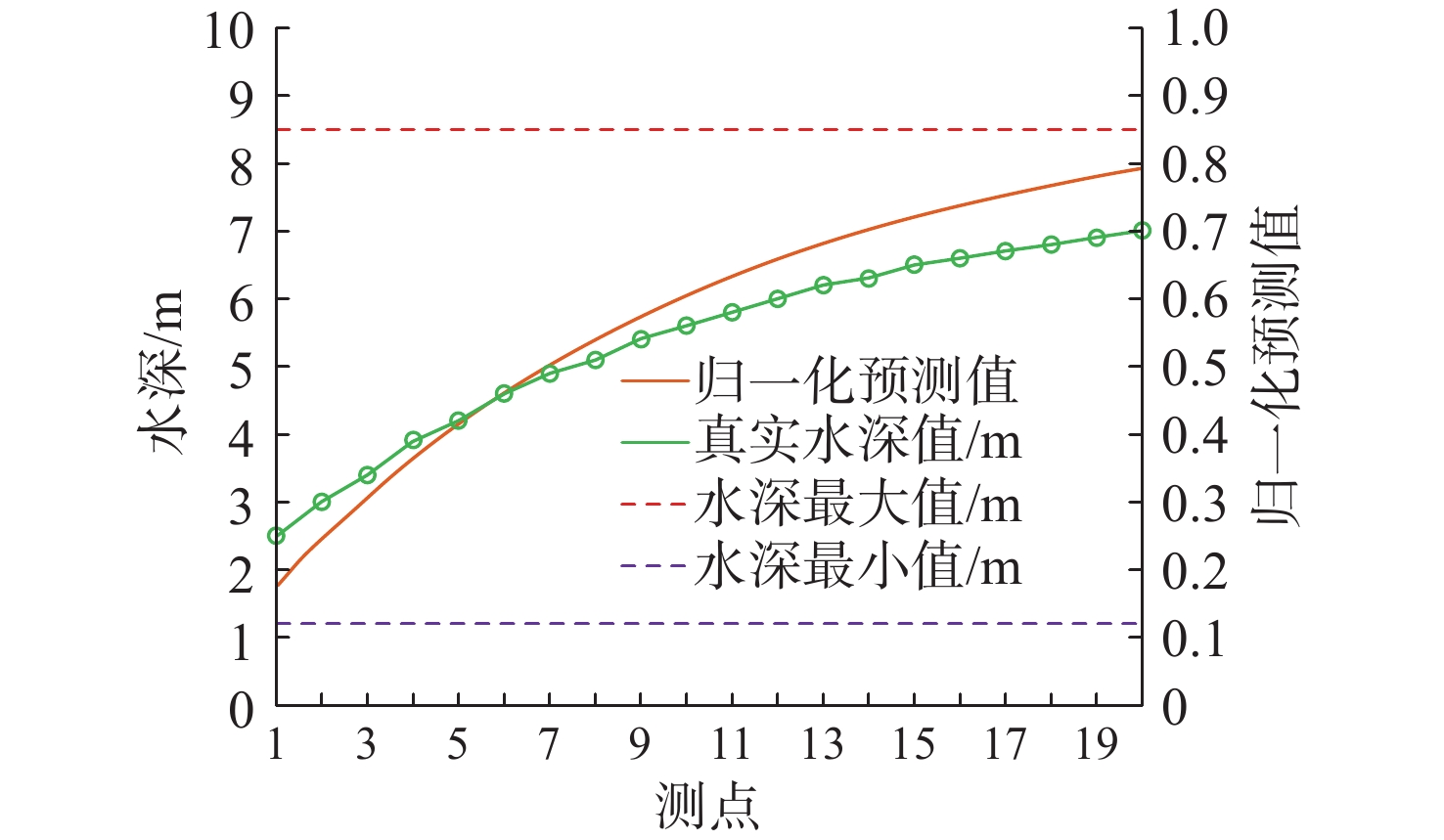
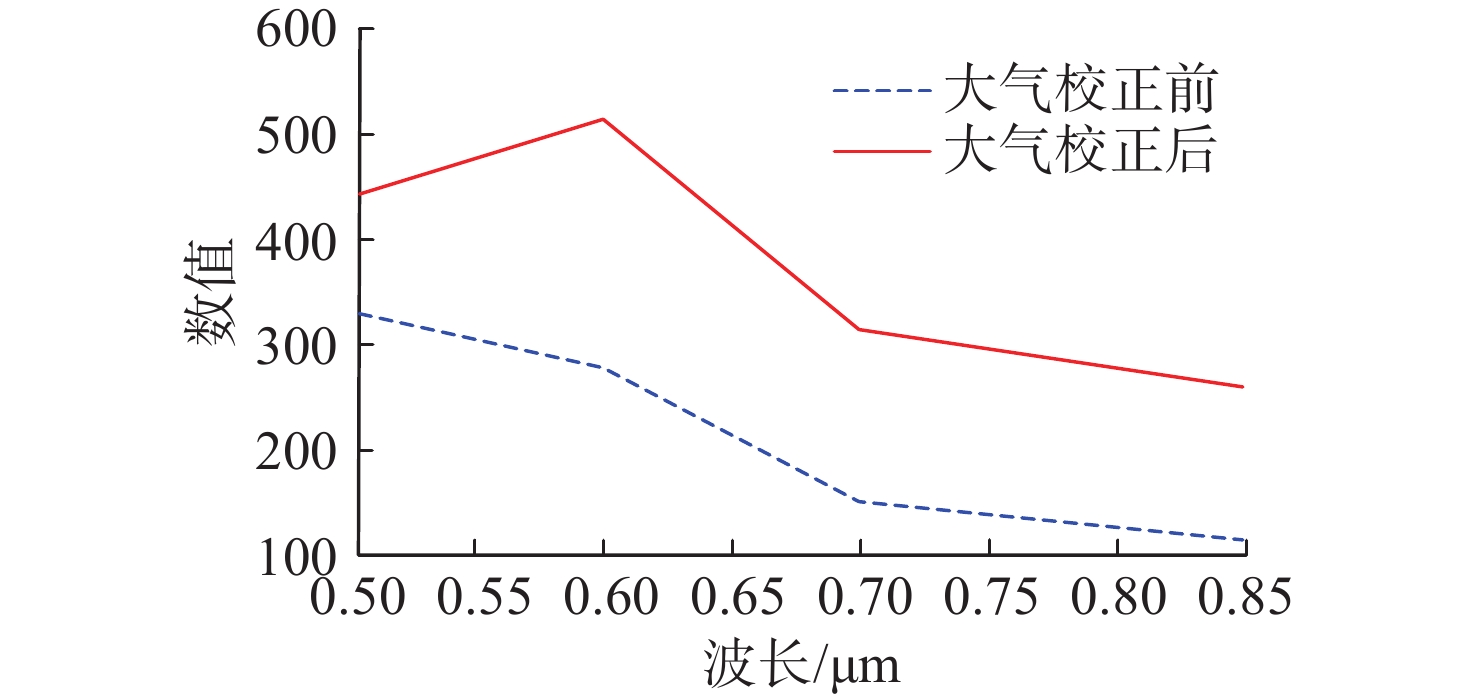
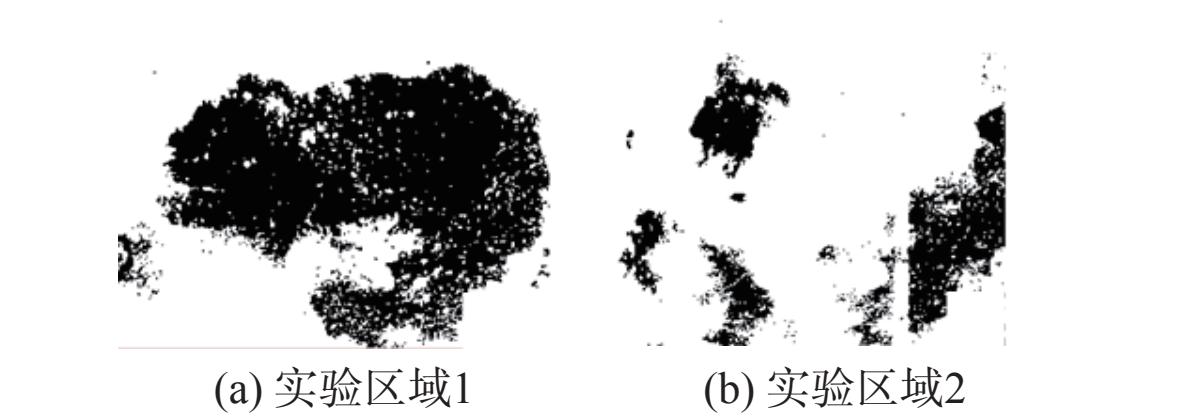
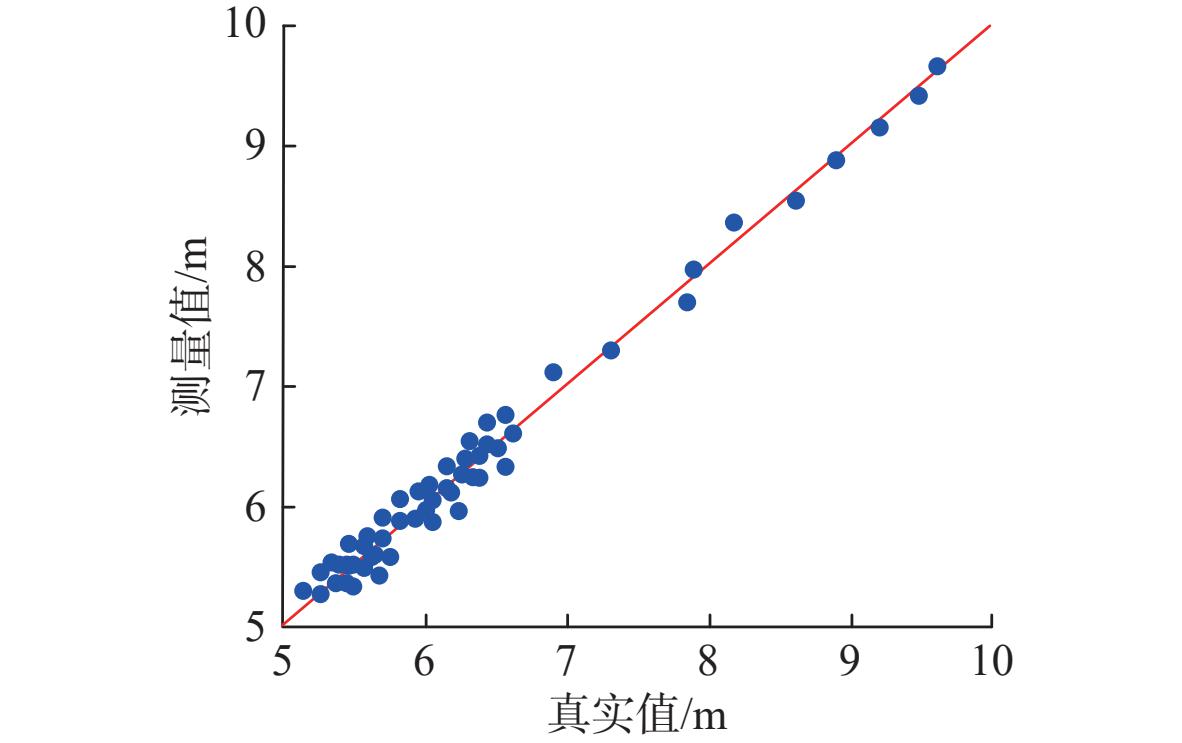
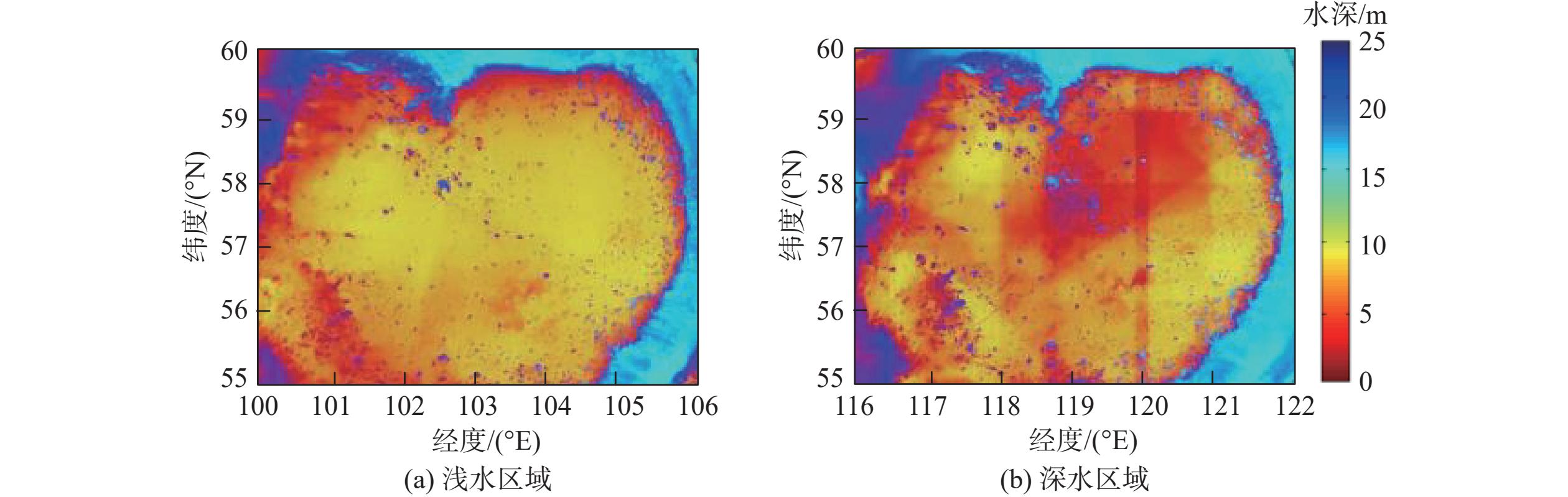
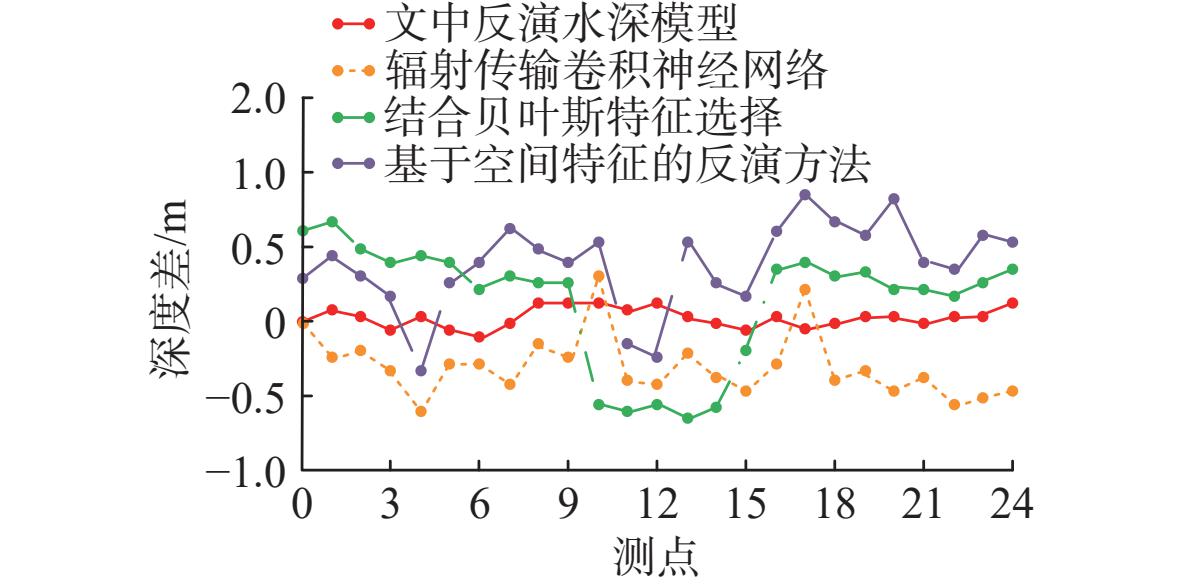
In response to the low accuracy of water depth inversion in complex water environments using a single remote sensing platform or homogeneous data, a collaborative water depth inversion model between unmanned aerial vehicle(UAV) and unmanned surface vehicle(USV) was proposed based on multi-modal heterogeneous sensors. The target water body was first extracted by the model through the normalized difference water index and multi-spectral indices. The dual-platform multi-modal sensor data was then integrated. The gradient boosting decision tree was applied to mine the nonlinear mapping relationships between features and water depths so as to invert the water depth. The experimental results show that the model has a coefficient of determination of 0.971 and a root mean square error of 0.31 m. The water depth inversion fluctuation is controlled within ±0.2 m. The inversion accuracy is significantly superior to traditional comparison methods.
Entry-Exit Water Perception and Damage Monitoring of Rotors for Cross-Media Vehicle
BO Fusen, PAN Deng, FANG Ziyi, FU Bowei, LI Hanyang, LIU Zhihai
2026, 34(5): 946-958. doi: 10.11993/j.issn.2096-3920.2026-0045
Abstract:
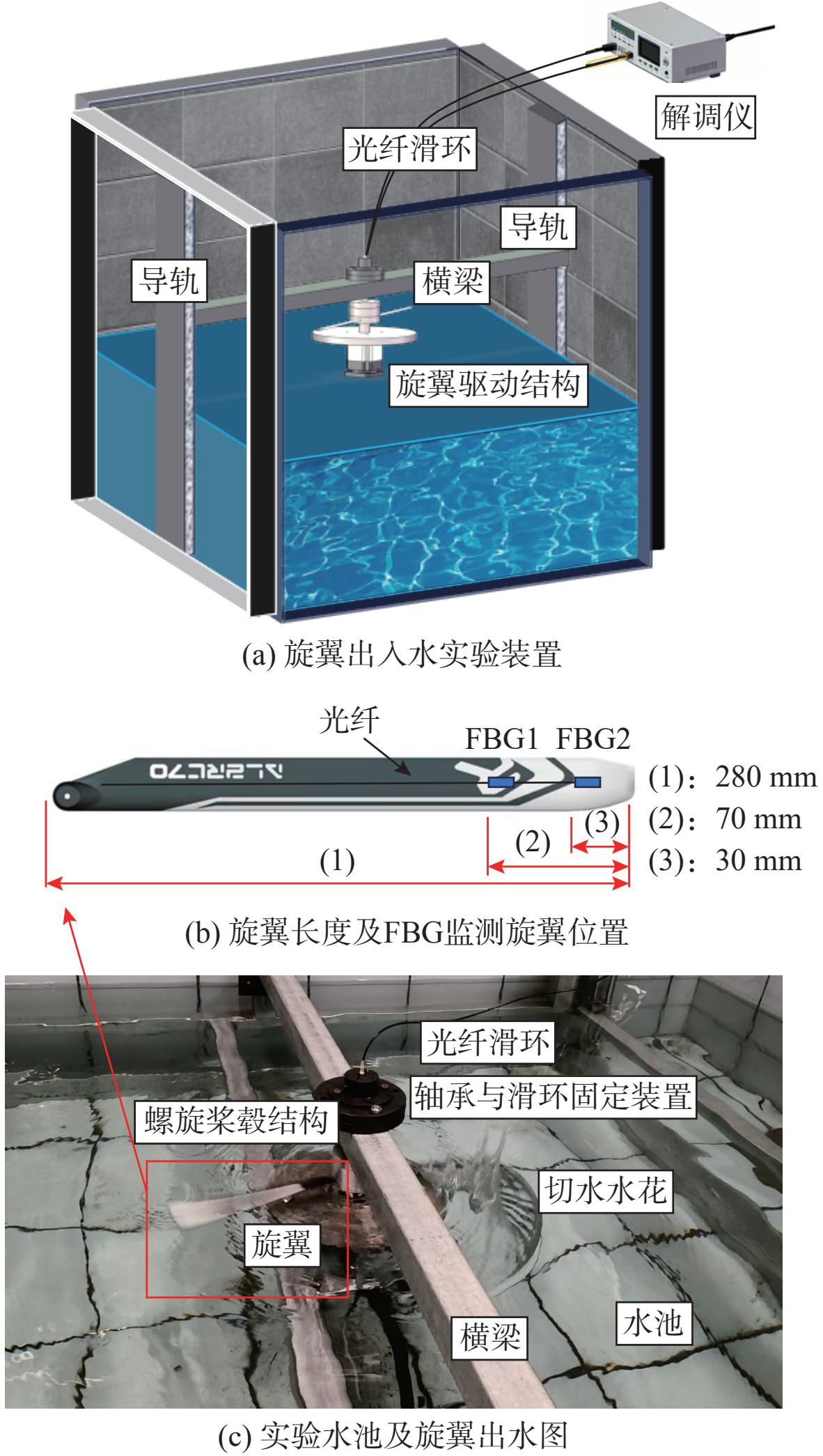
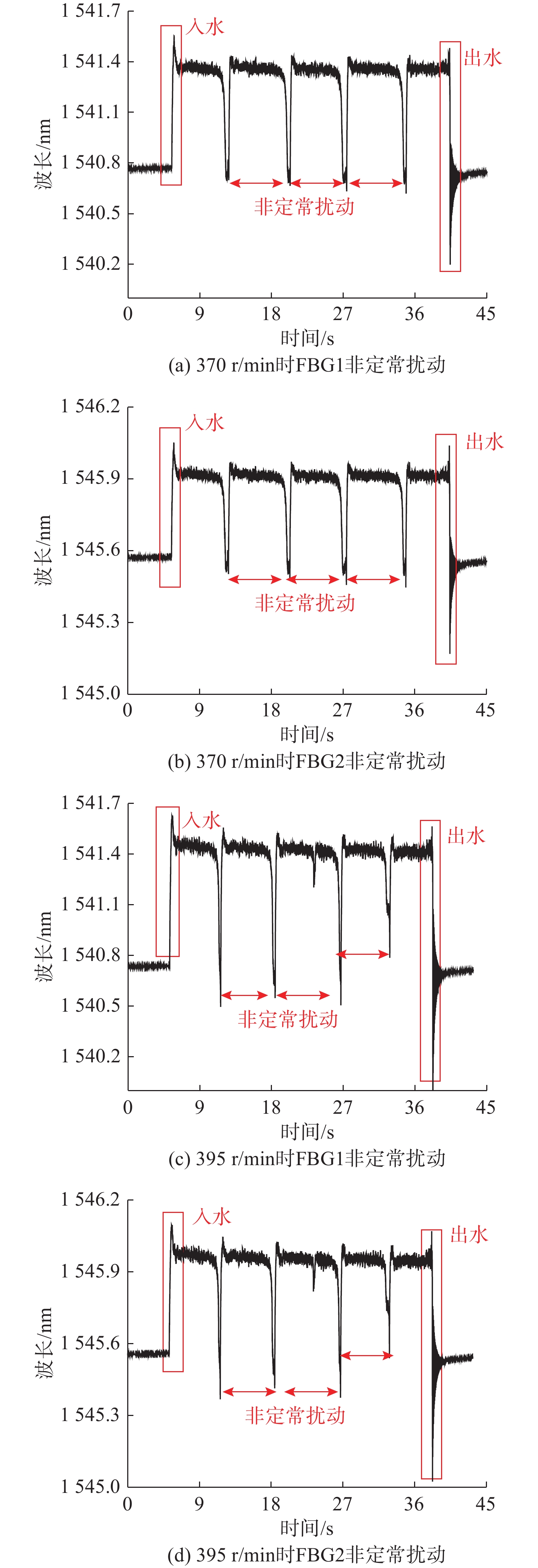
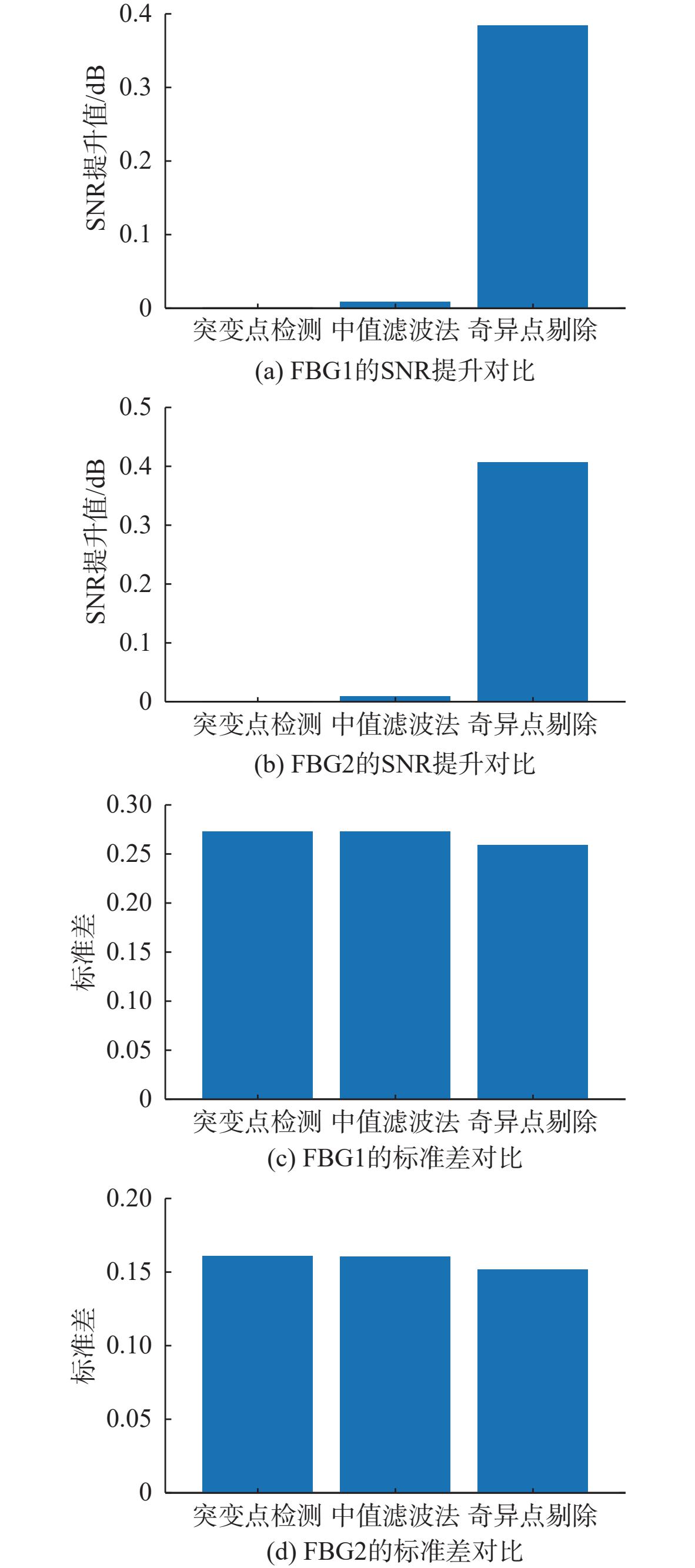
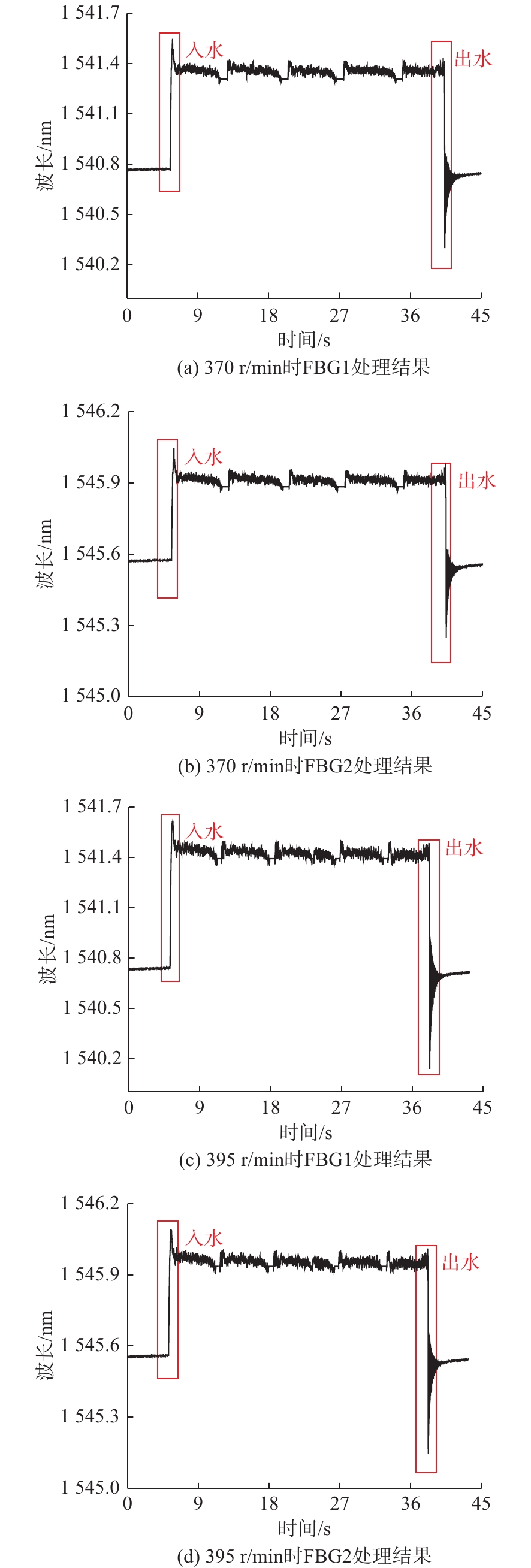
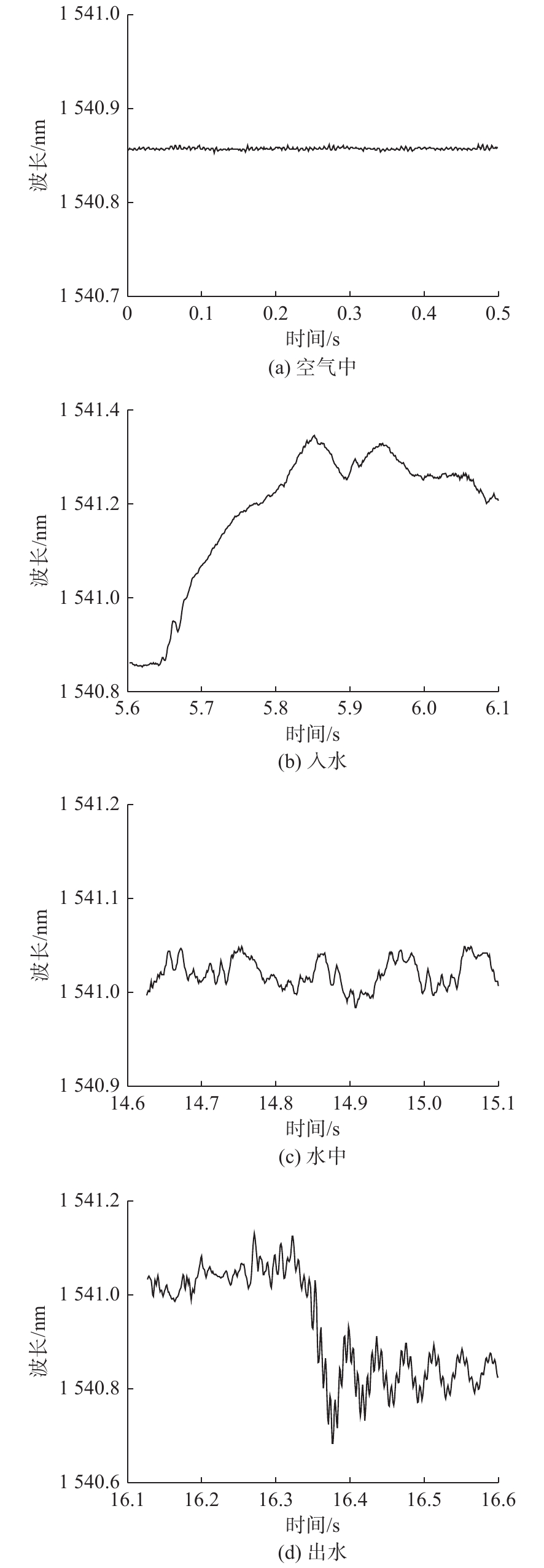
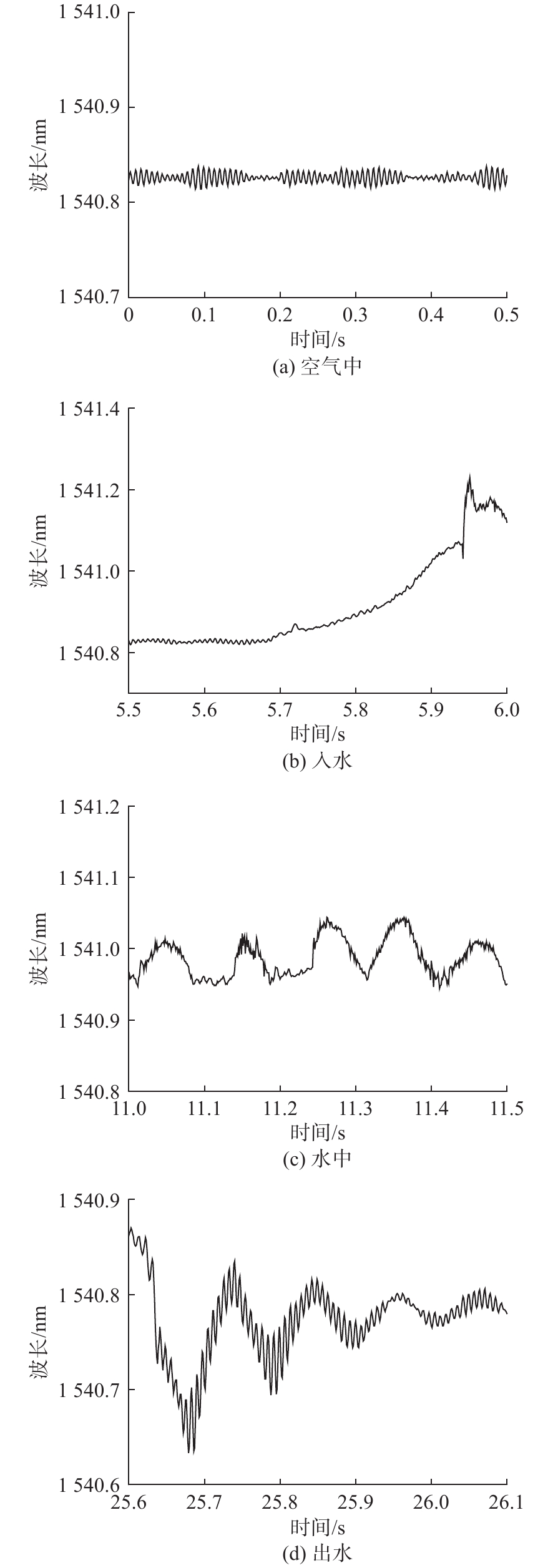
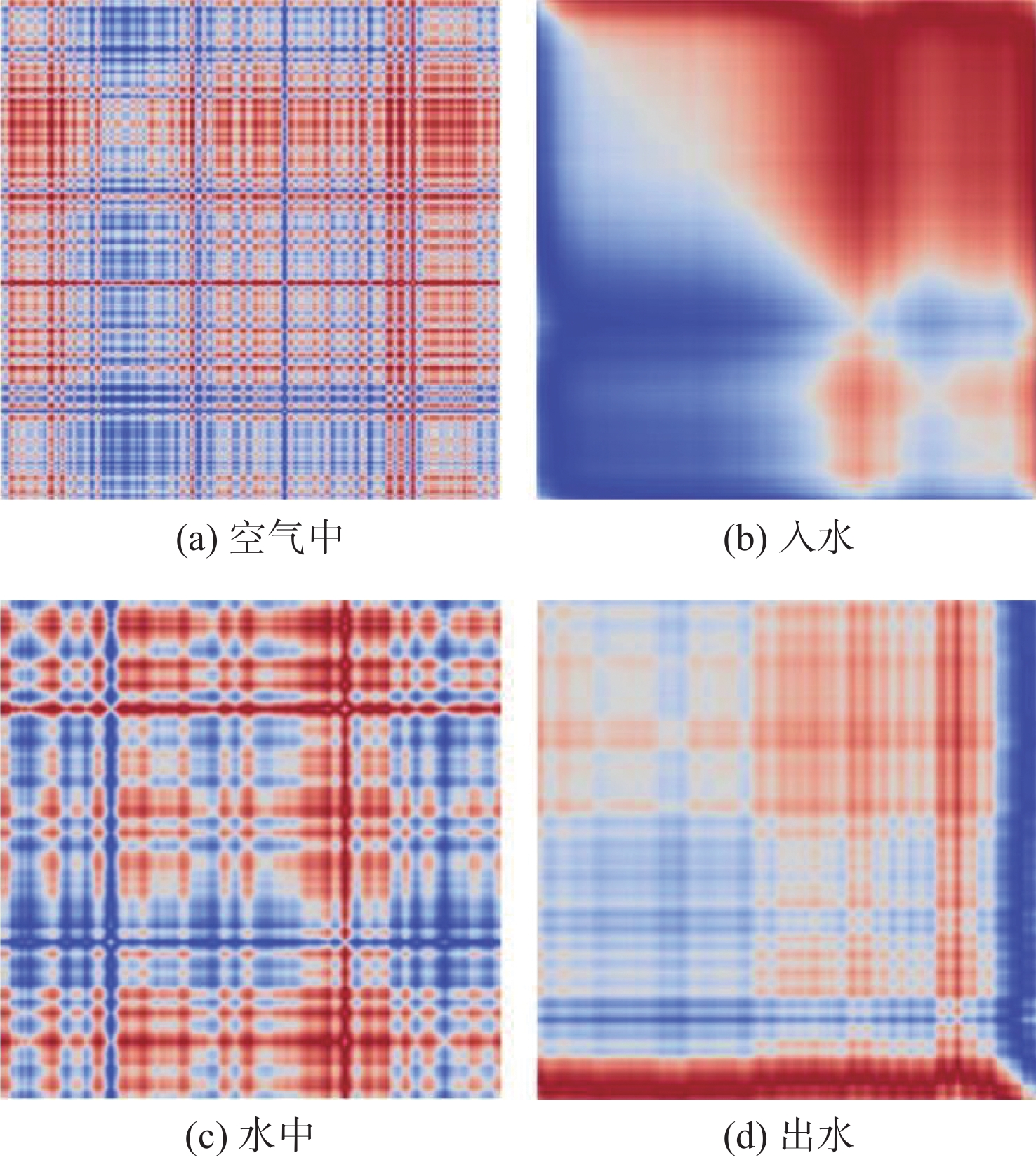
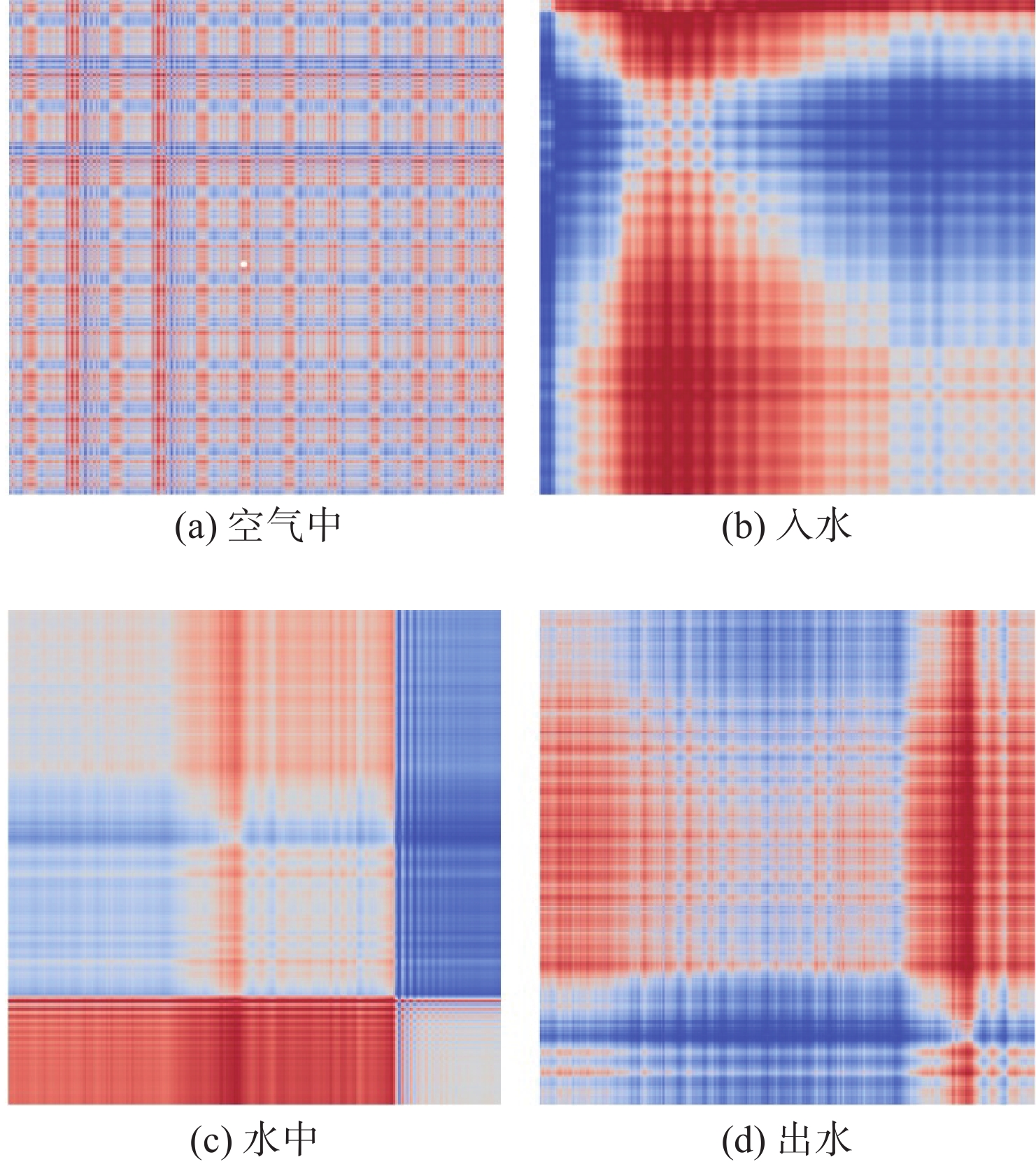
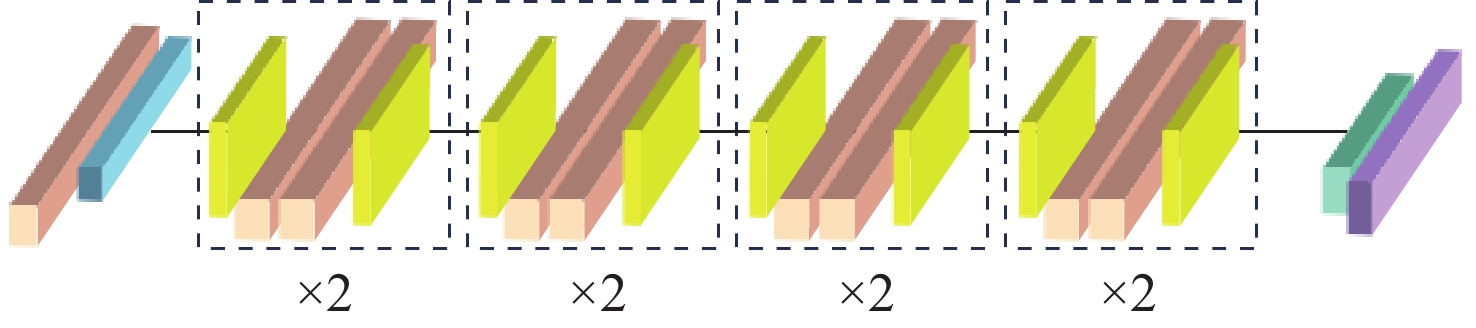
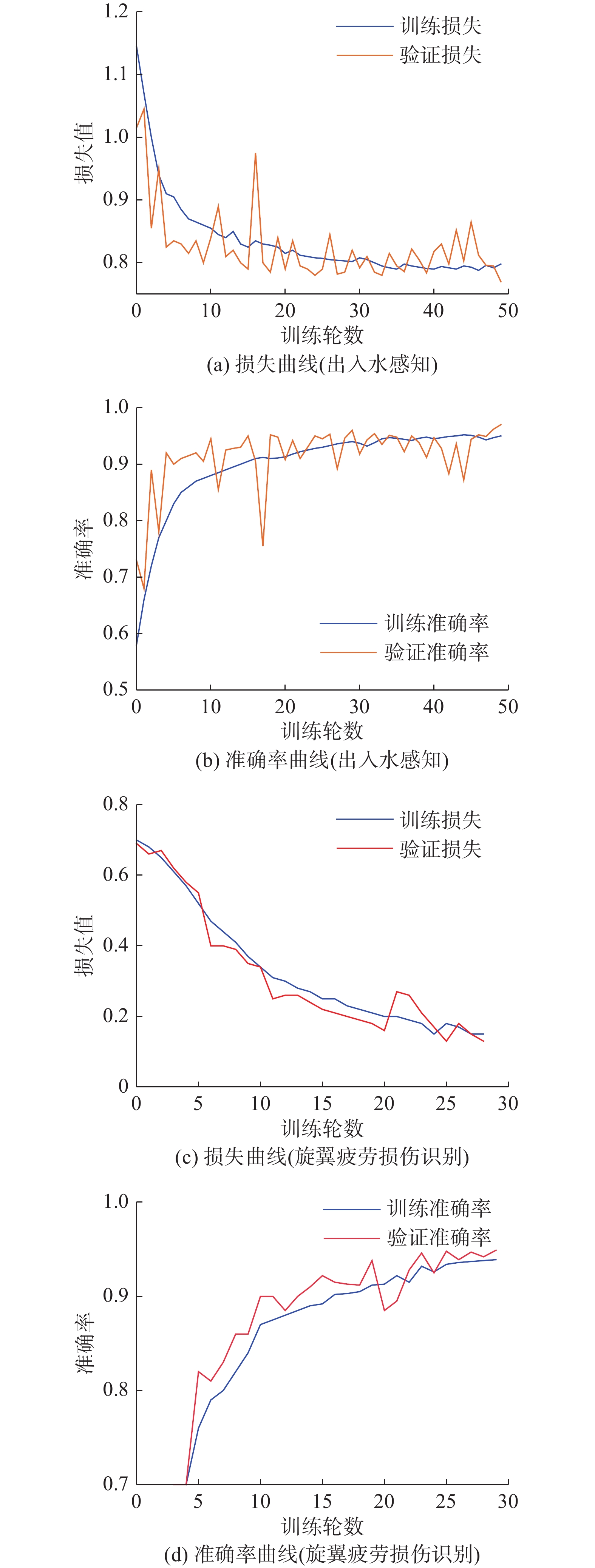
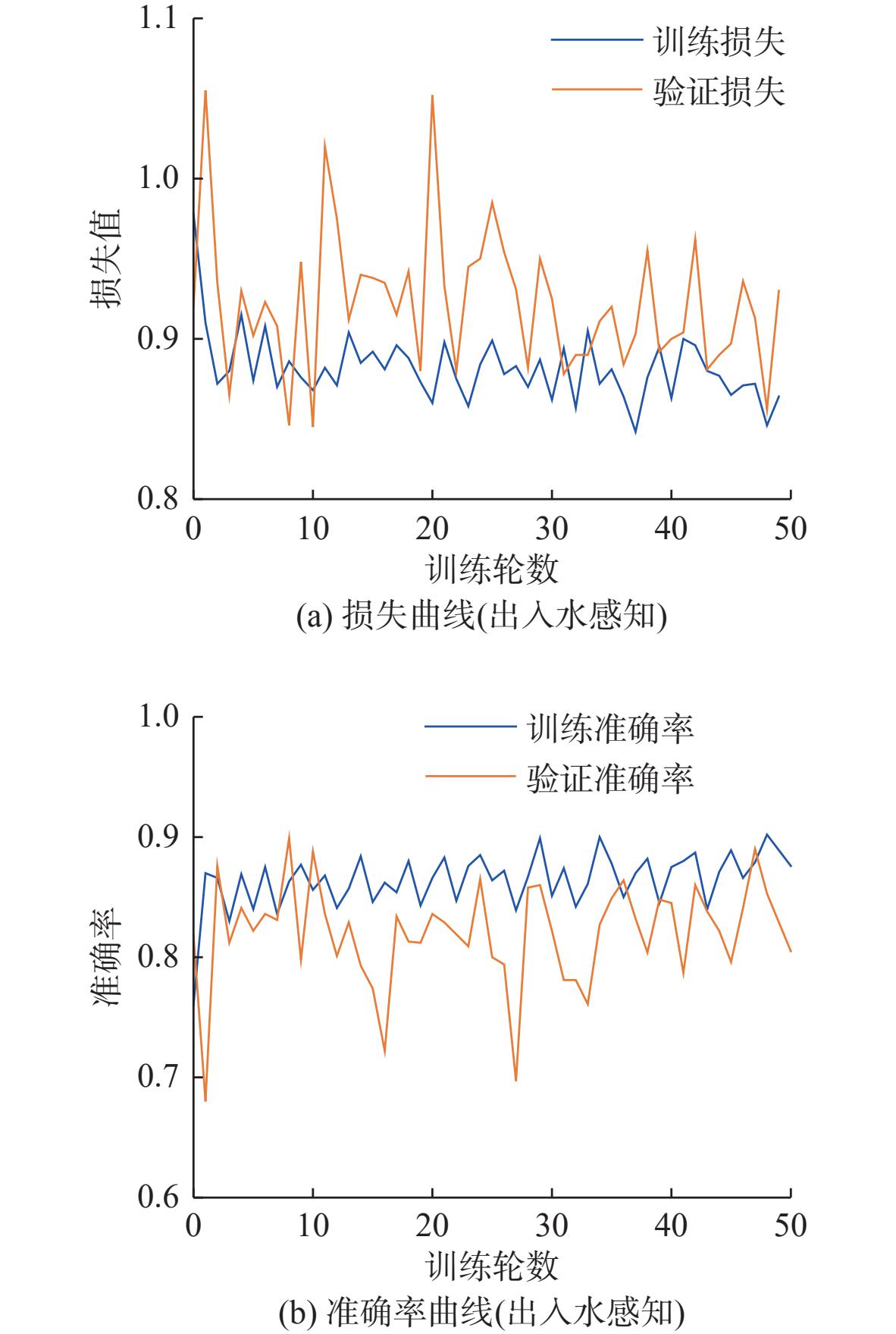
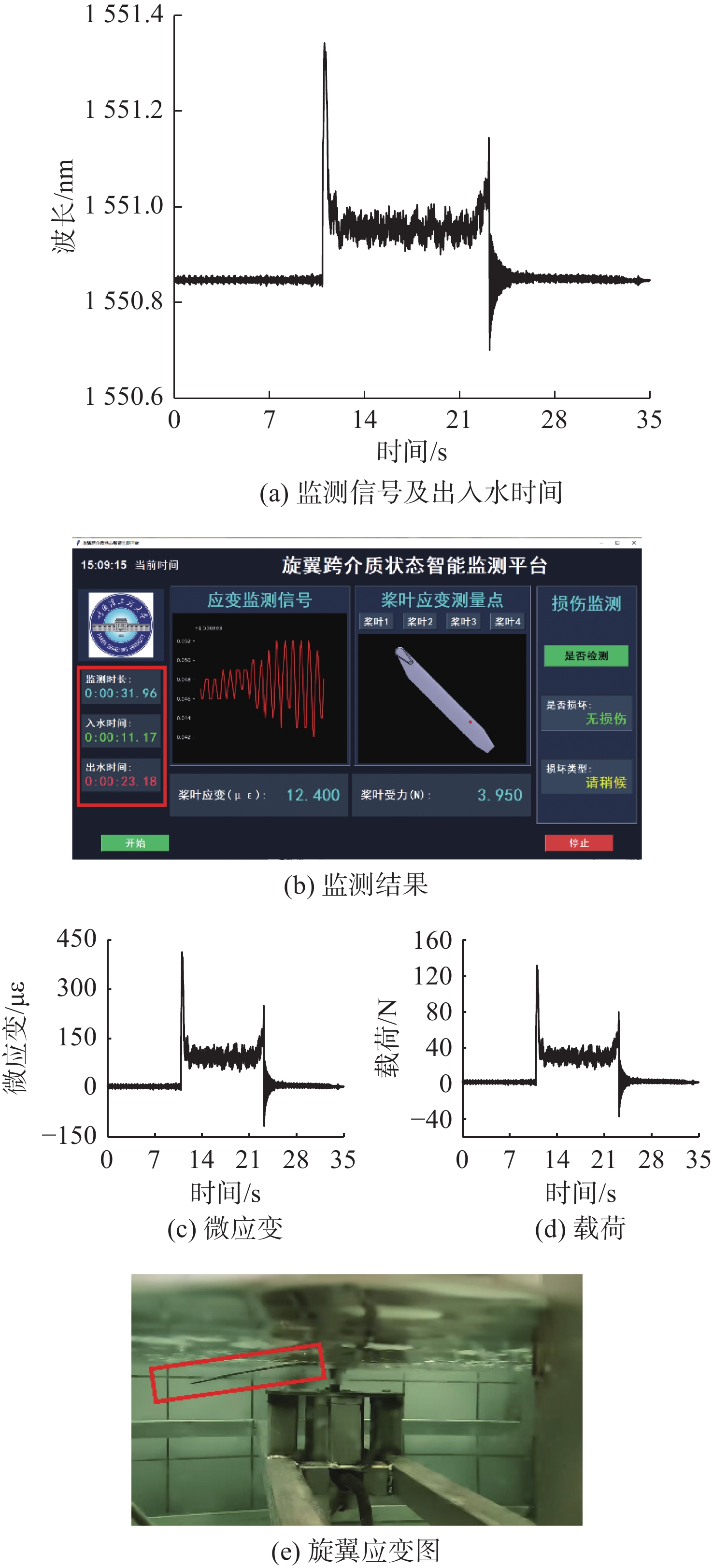
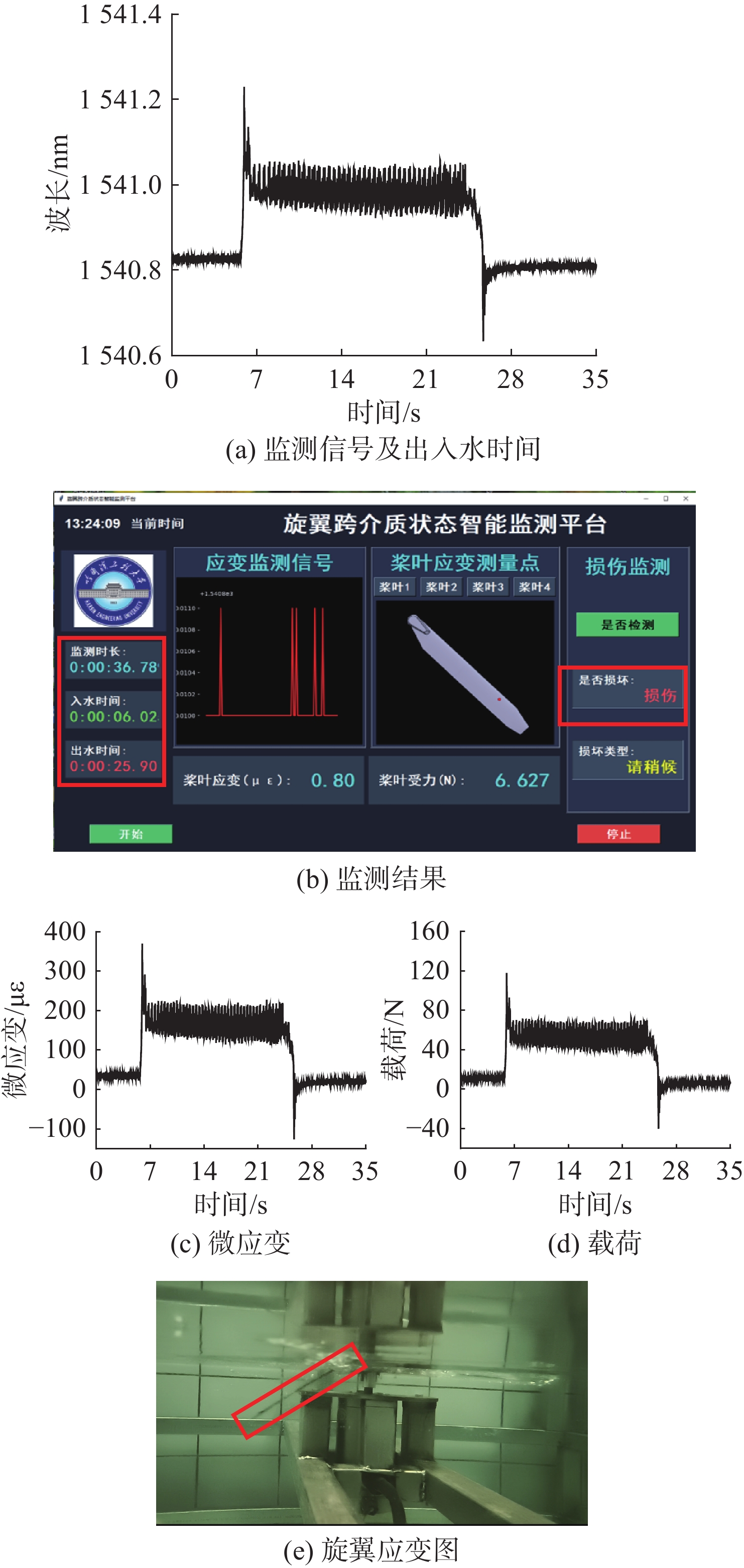
In the process of water-air medium conversion, the rotor of cross-media vehicle faces complex instantaneous strain due to the sudden change of medium physical parameters. Long-term alternating load can easily lead to the microcrack initiation and propagation, and even blade fracture, which seriously threatens the operational reliability and task continuity of the vehicle. To solve the core problems of rotor entry-exit water state perception and damage monitoring, a complete technical system of “signal acquisition-processing-feature extraction-model training-state perception” was constructed. The rotor entry-exit water experimental platform was established. The rotor driving structure was controlled through the guide rail to complete the entry-exit water. The fiber Bragg grating demodulator was applied to collect the whole process signal of the rotor entry-exit water in real time. The singular point elimination method was selected to identify and eliminate the abnormal data points, with the characteristics of the signal for entering water, being in water, and exiting water completely retained. The one-dimensional time sequence was converted into a two-dimensional image by Graham angular field. The timestamp and amplitude information were retained, and the time correlation characteristics were enhanced while eliminating redundancy. Then the pre-processed feature signal and the converted image were used for model training. The results show that the trained model realizes accurate identification and real-time damage warning of the rotor entry-exit water state of the cross-media vehicle, providing decision support for the route adjustment of the vehicle. Its intelligent perception and penetration ability can be effectively improved, and the in-depth application of optical monitoring technology can be promoted in the field of cross-media vehicles.
Motion and Mooring Load Characteristics of Floating Beidou Beacons under Different Sea Conditions
ZHAO Xiaowei, LIU Nian, ZHANG Yaorui, ZHANG Li, SHU Hang, LI ChunBao
2026, 34(5): 959-966. doi: 10.11993/j.issn.2096-3920.2026-0102
Abstract:
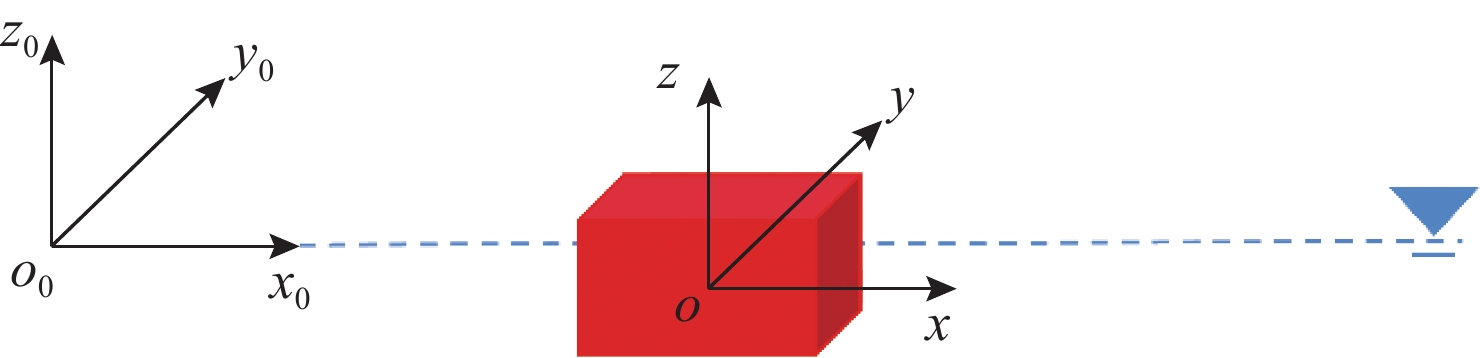
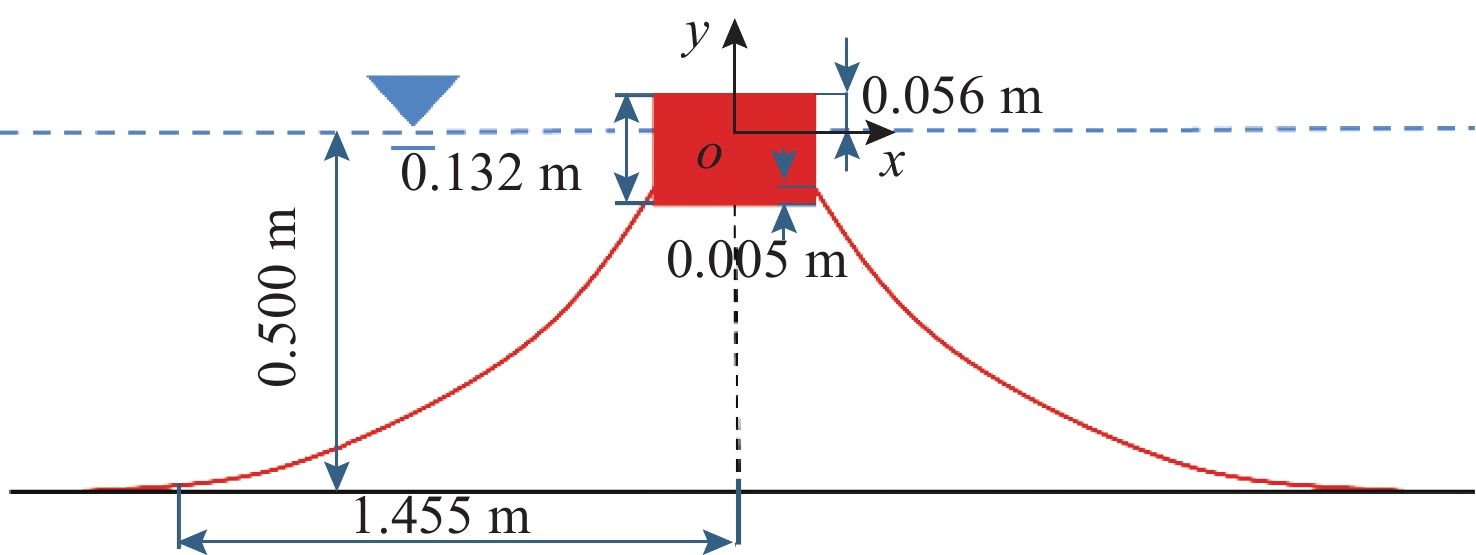
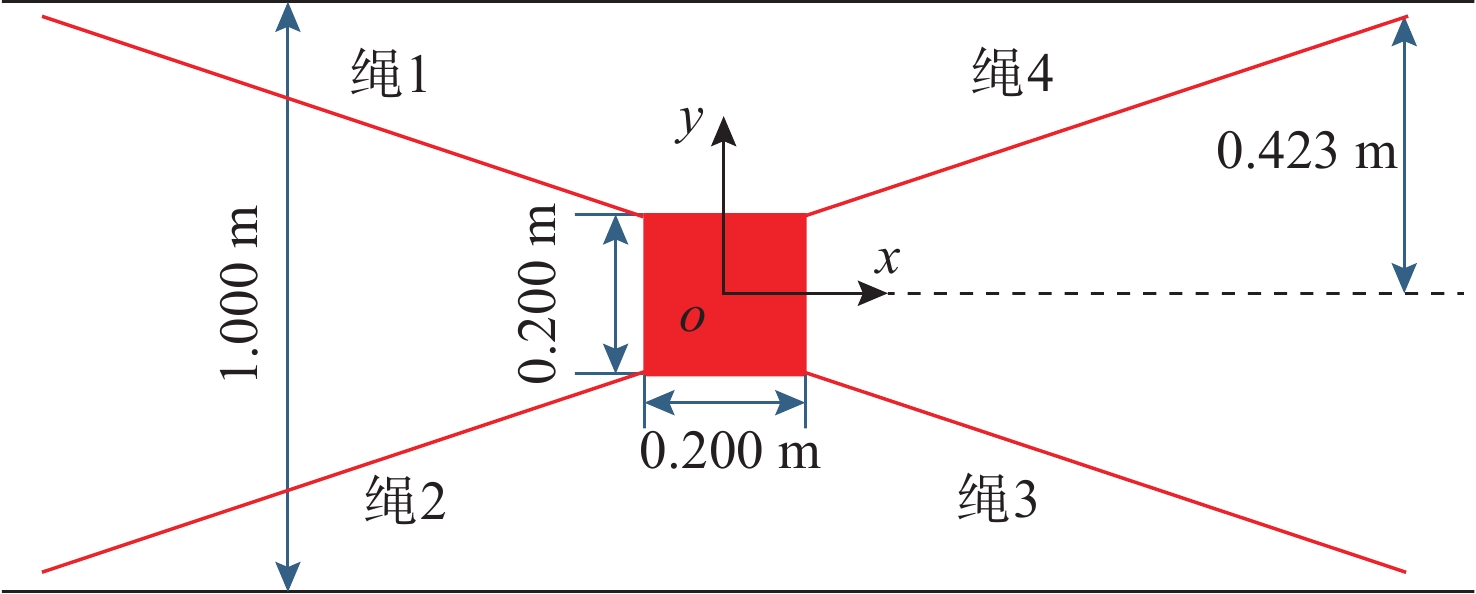
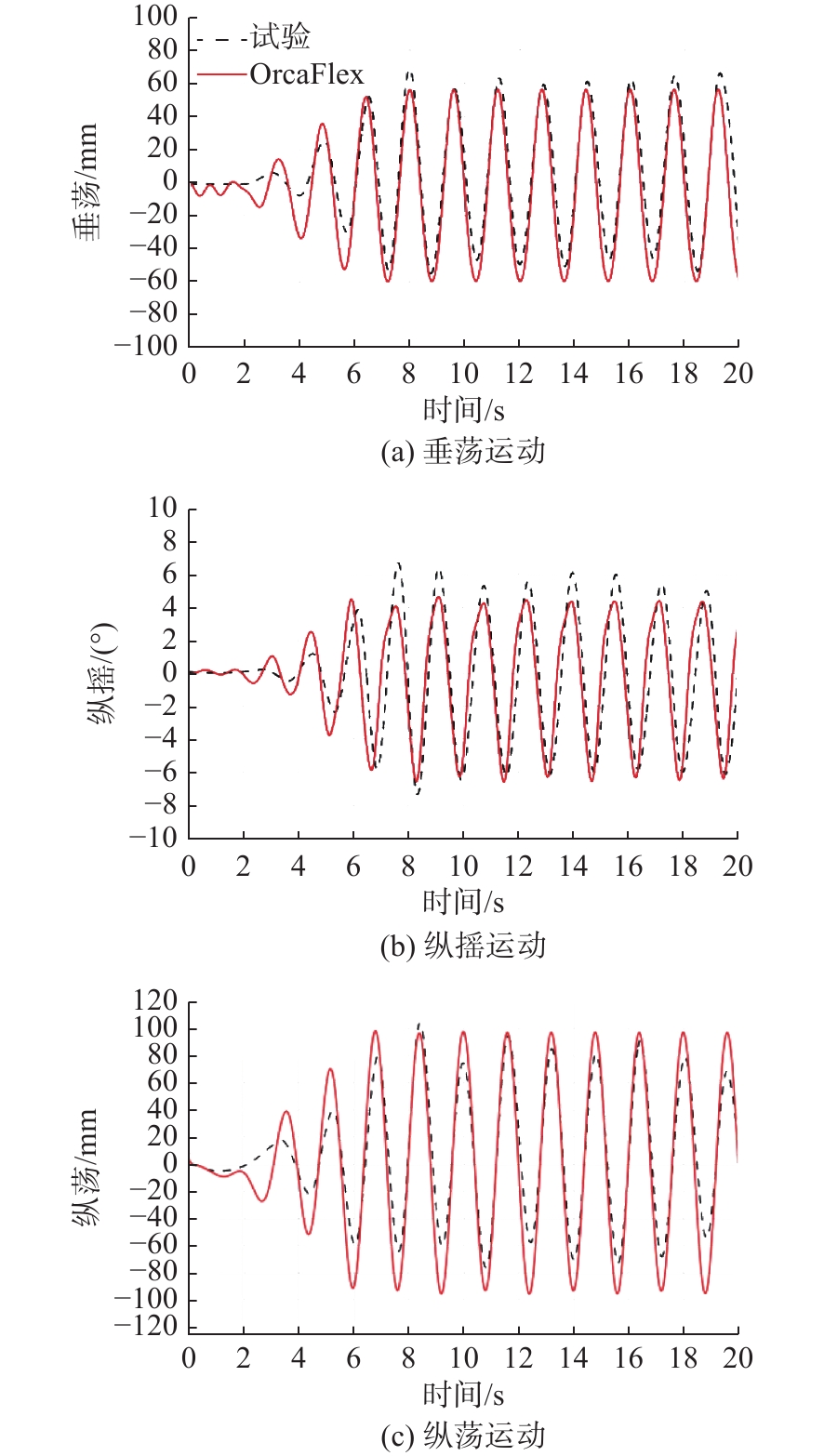
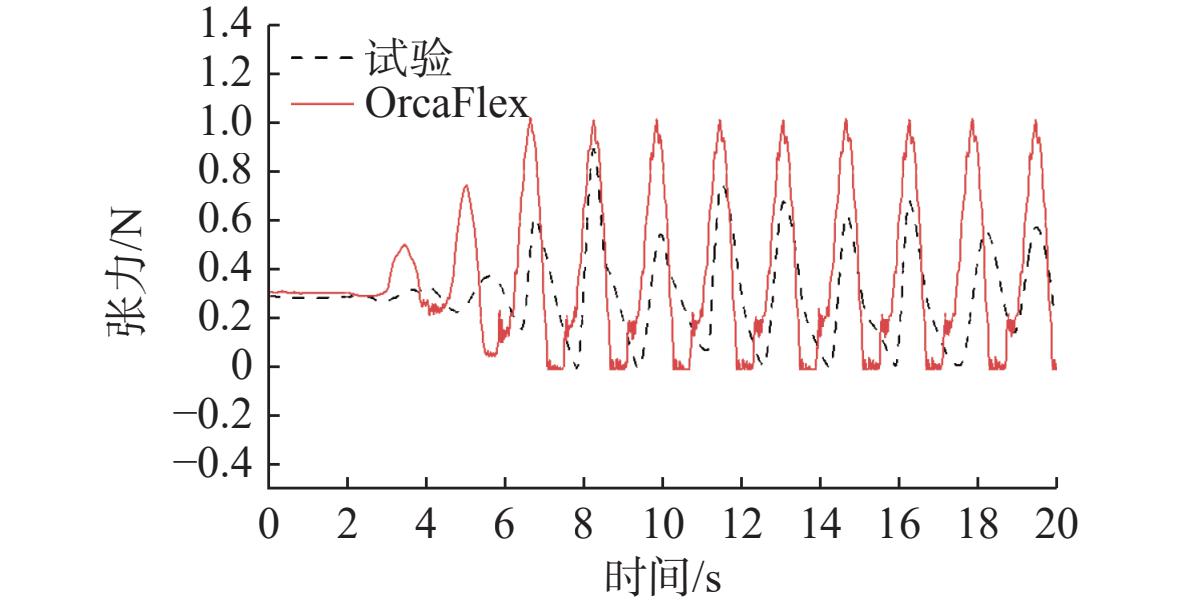
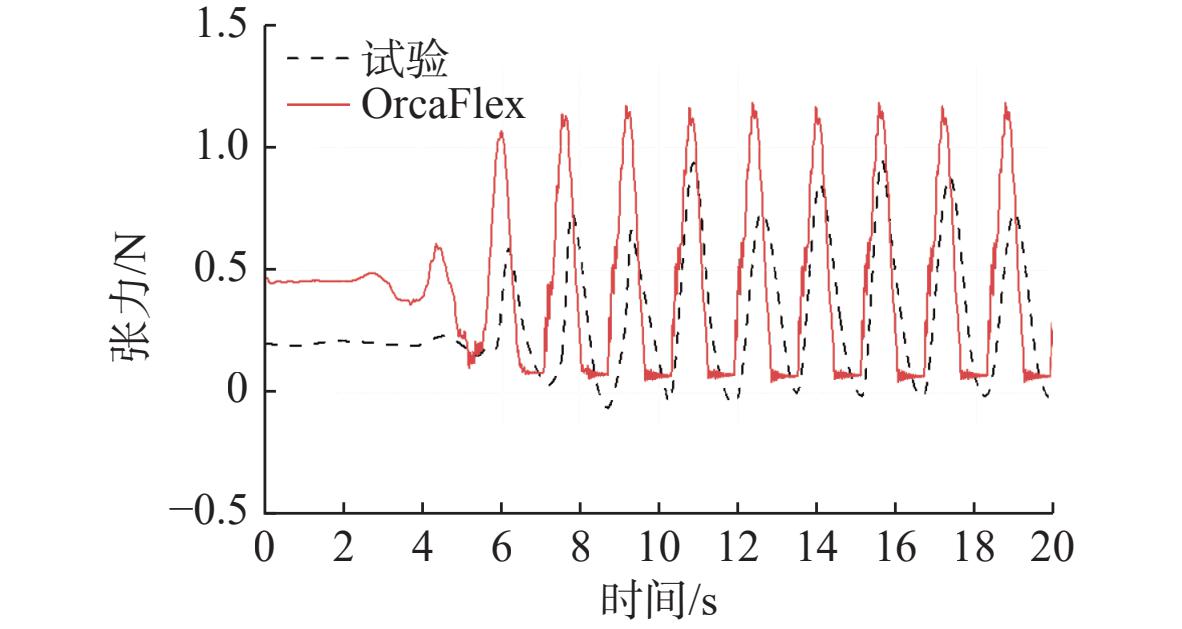
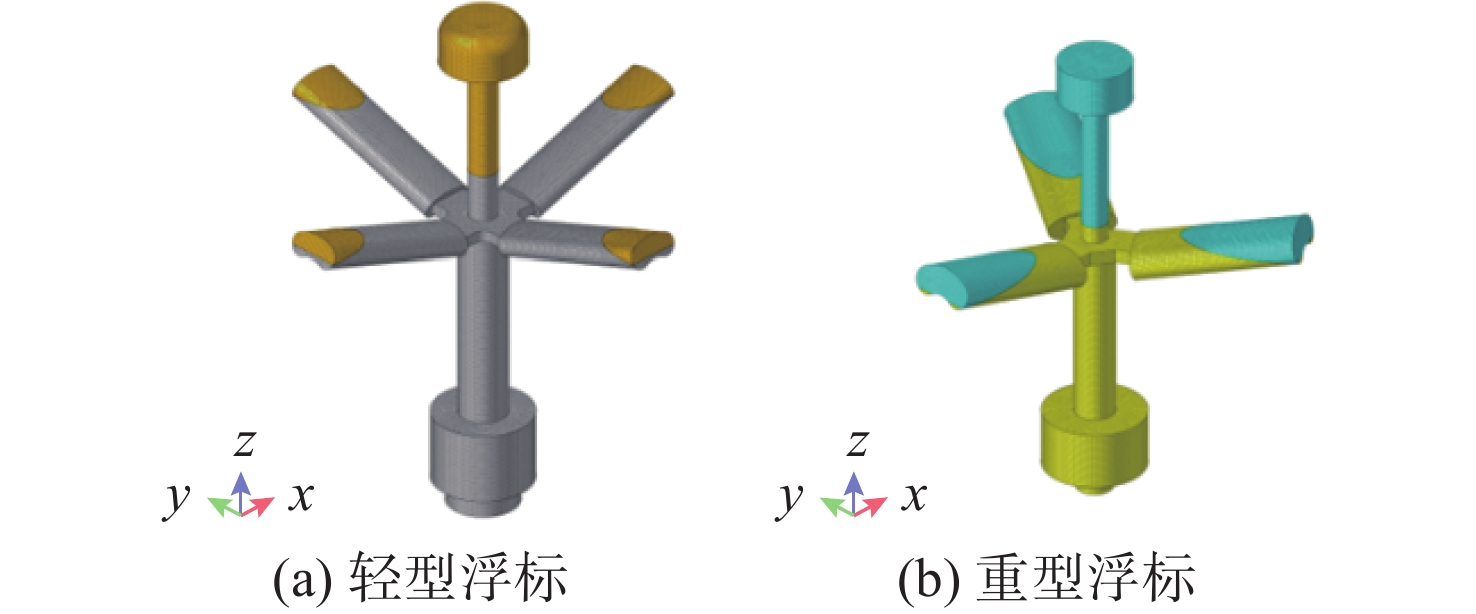
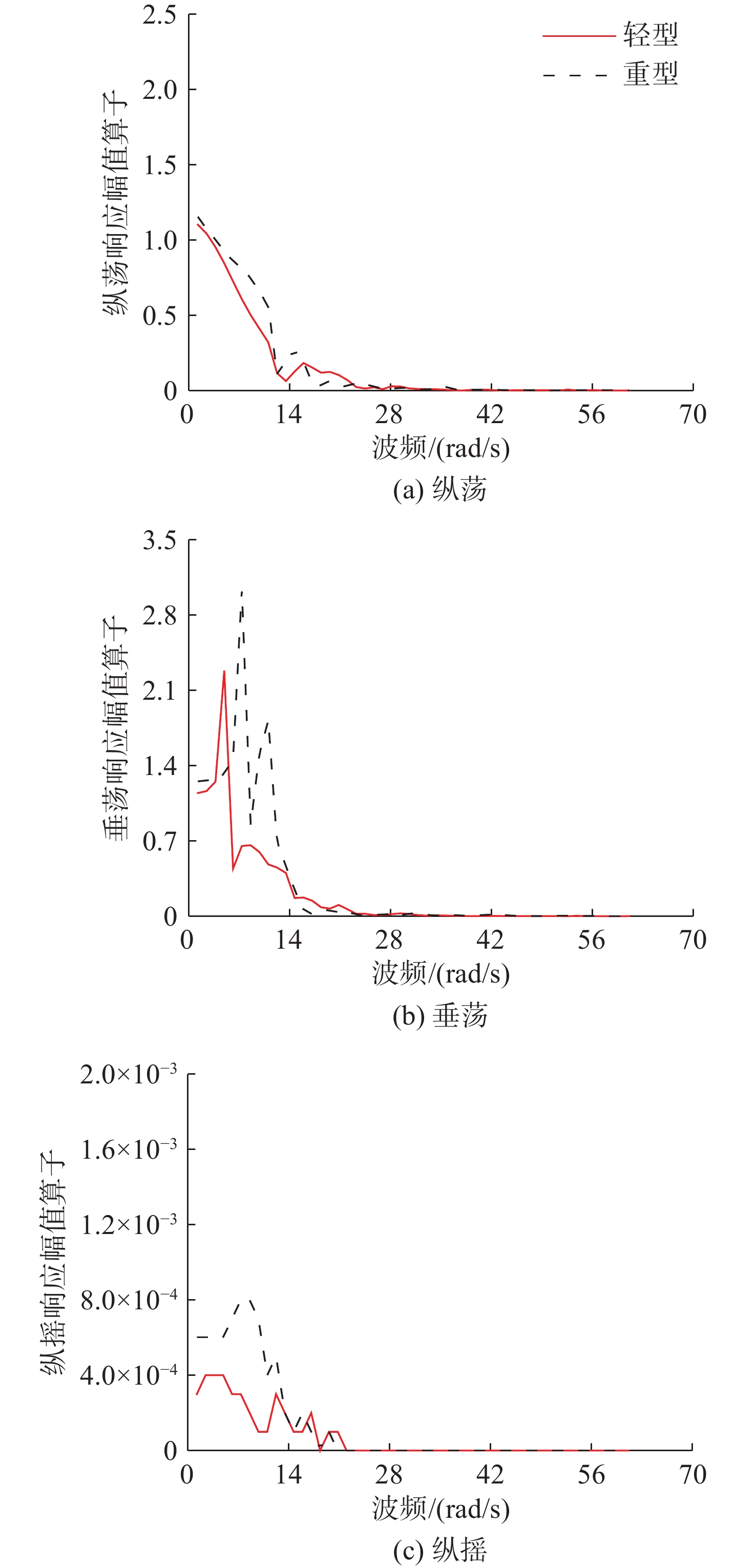
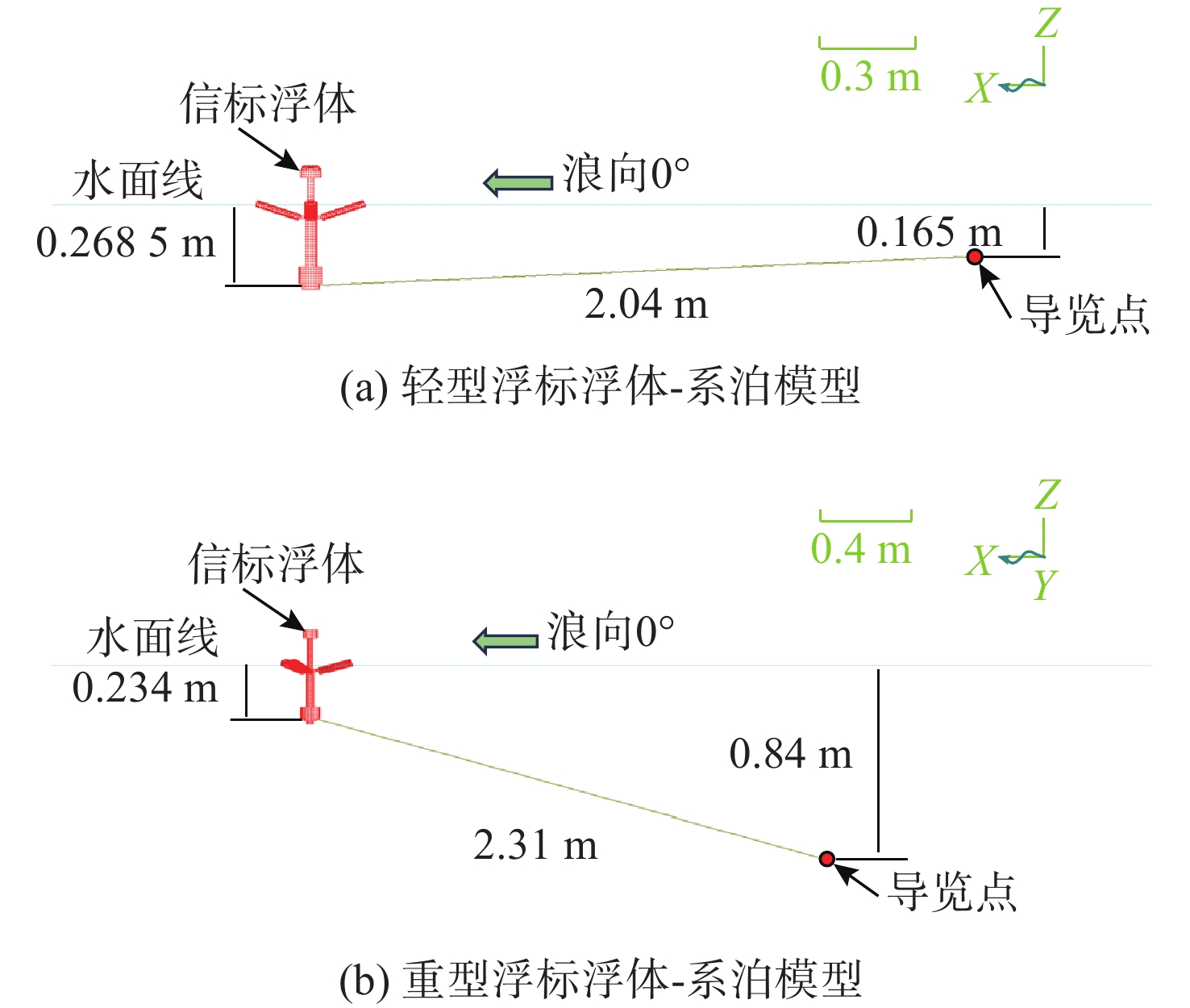
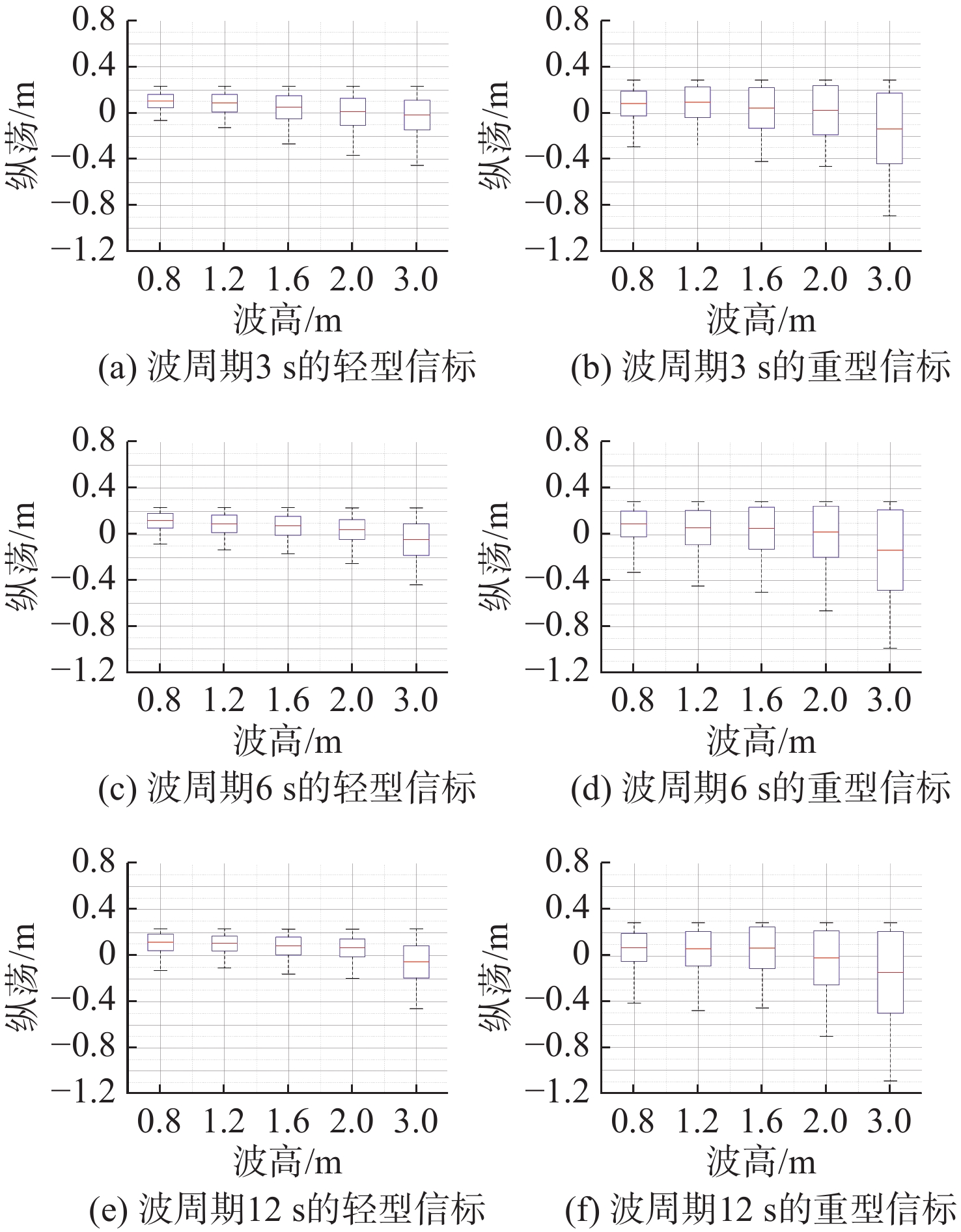
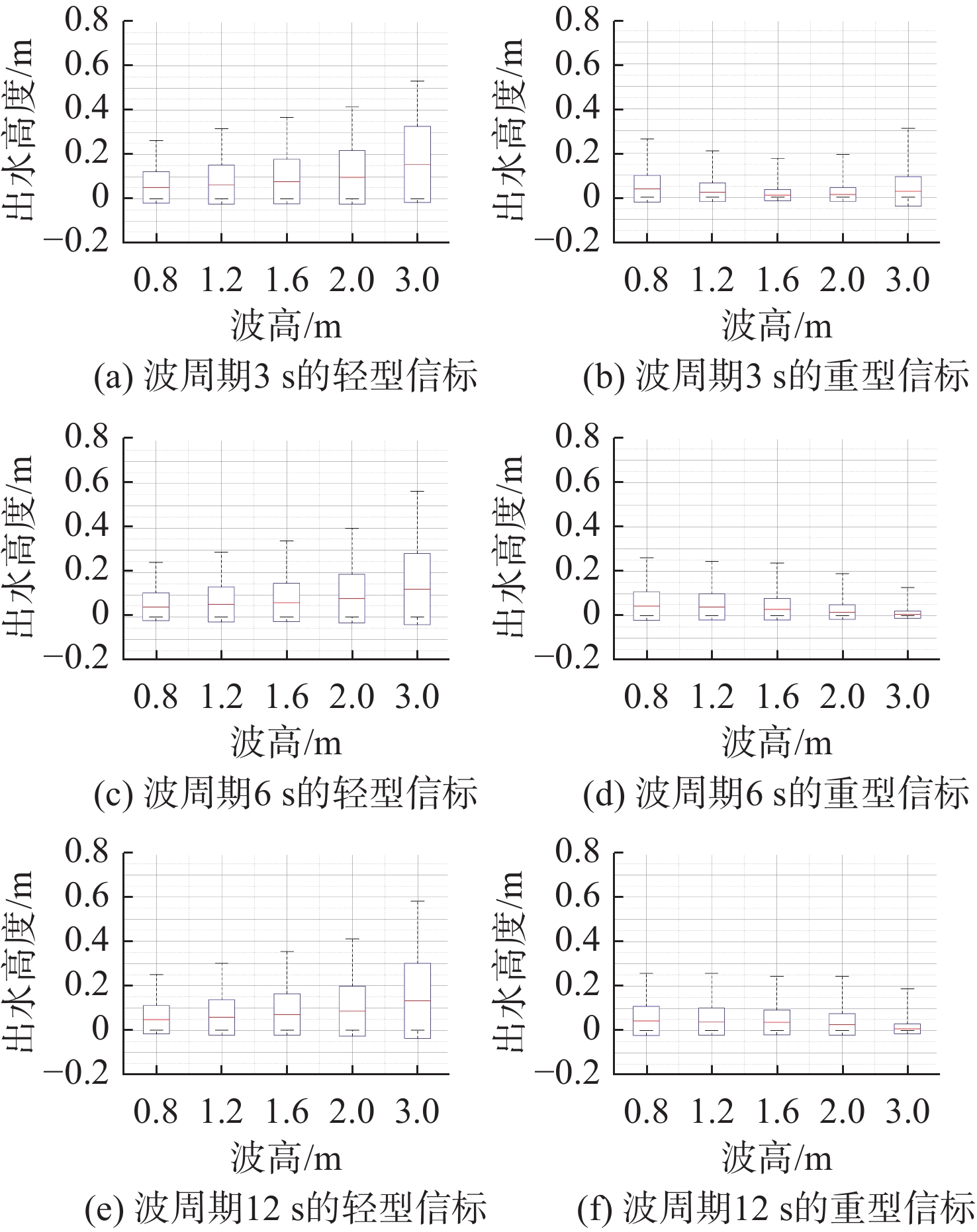
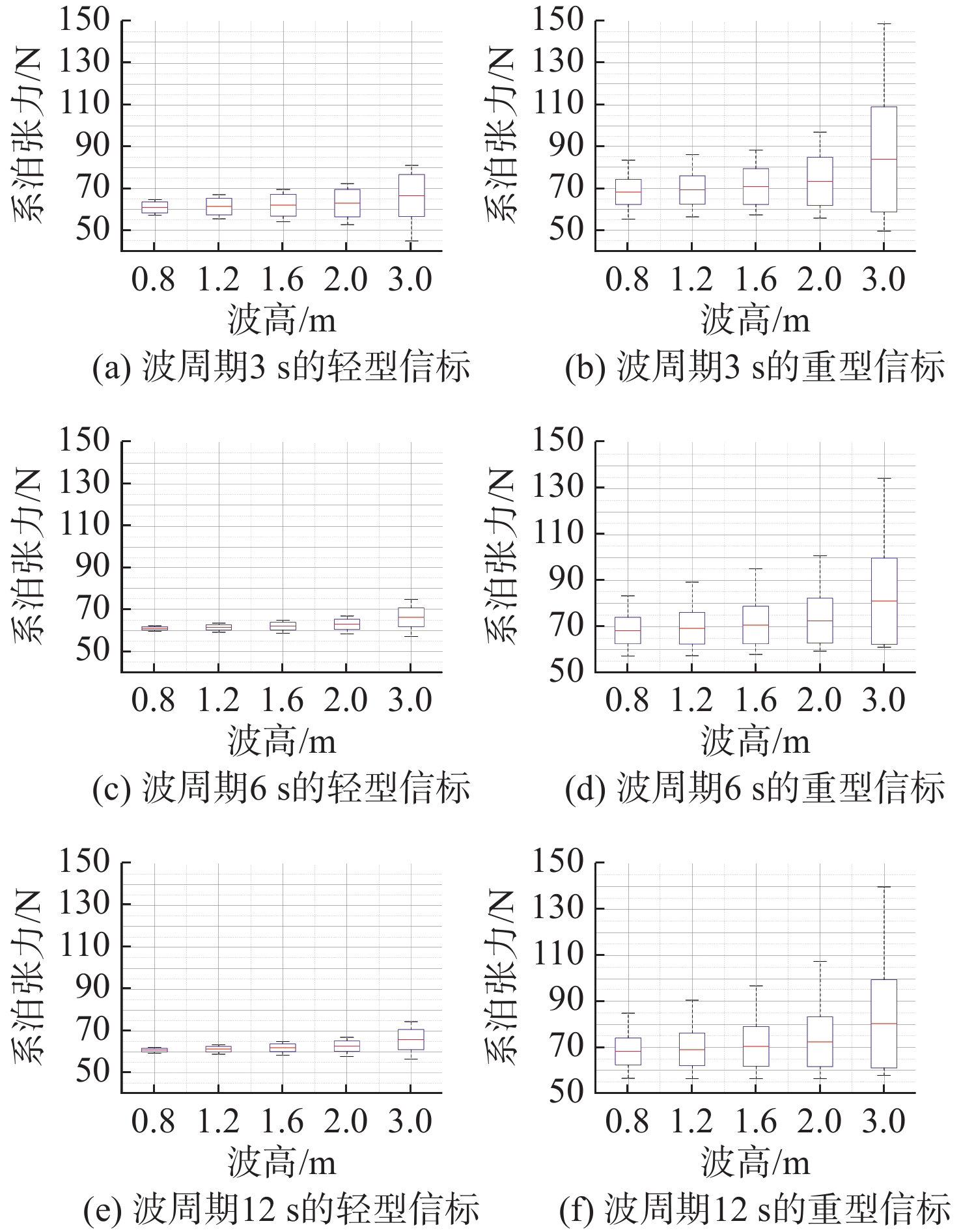
Accurately assessing the motion and mooring load response characteristics of floating BeiDou beacons under complex sea conditions is crucial for addressing their operational reliability and the safety of the mooring system. This paper employed an AQWA-OrcaFlex coupled numerical simulation method to establish time-domain motion response models for lightweight and heavy beacon buoys. This model was preliminarily validated with experimental data from a moored box test, ensuring the reliability and rationality of the numerical simulation method and its results. Based on this, the statistical characteristics of the beacon’s surge, antenna freeboard, and mooring tension were systematically analyzed under typical sea conditions. Research indicates that wave height is the key factor dominating various beacon responses. Heavy beacons show significantly higher responses in all aspects than lightweight beacons, with the most intense responses occurring under high-wave height and long-period sea conditions. This study revealed the motion and load patterns of floating BeiDou beacons under different sea conditions, providing a reference for their structural optimization design and mooring system configuration.
Terminal Effectiveness Analysis of Undersea Vehicles Incorporating a Terminal Guidance Mechanism
CAI Yi, MA Feng, ZHU Wei, JIA Xiyu, XUE Jianmin
2026, 34(5): 967-978. doi: 10.11993/j.issn.2096-3920.2026-0037
Abstract:
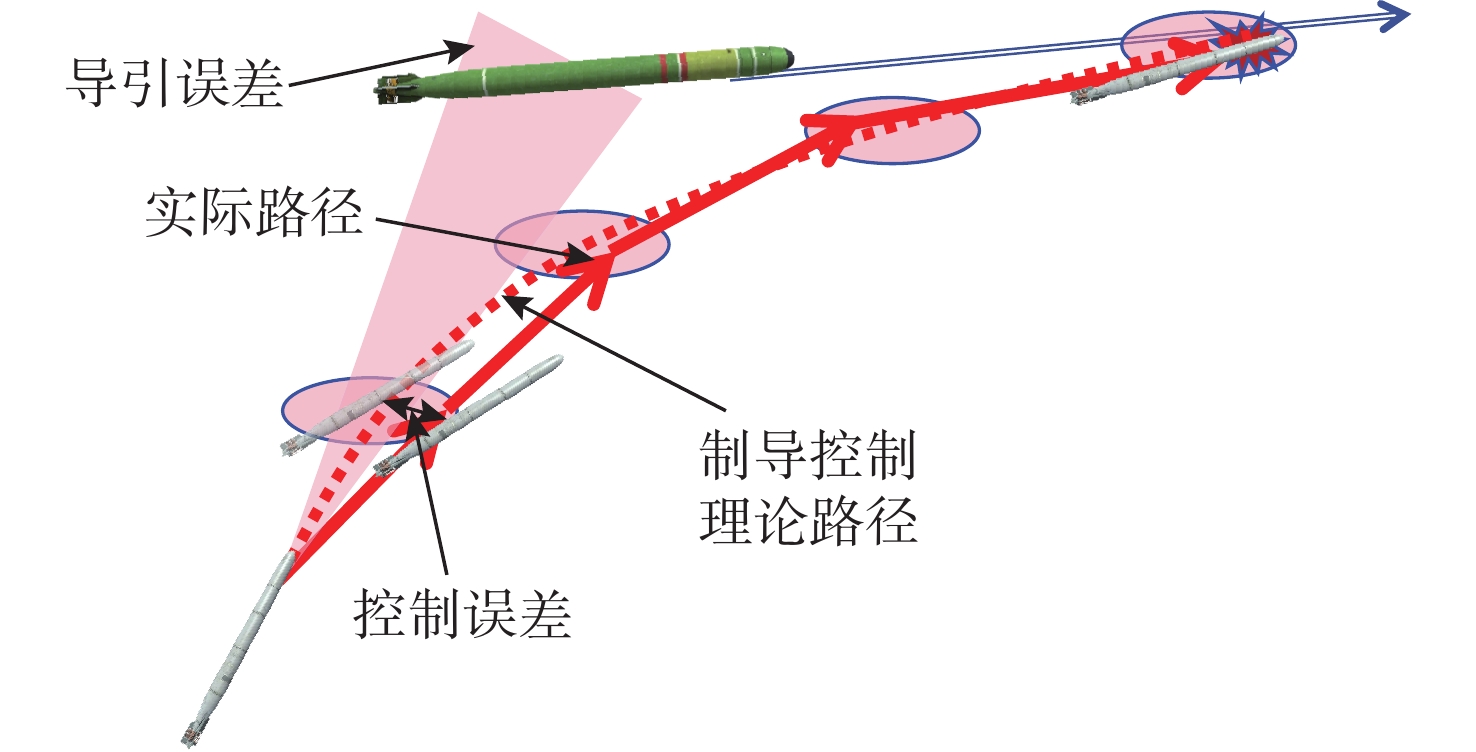
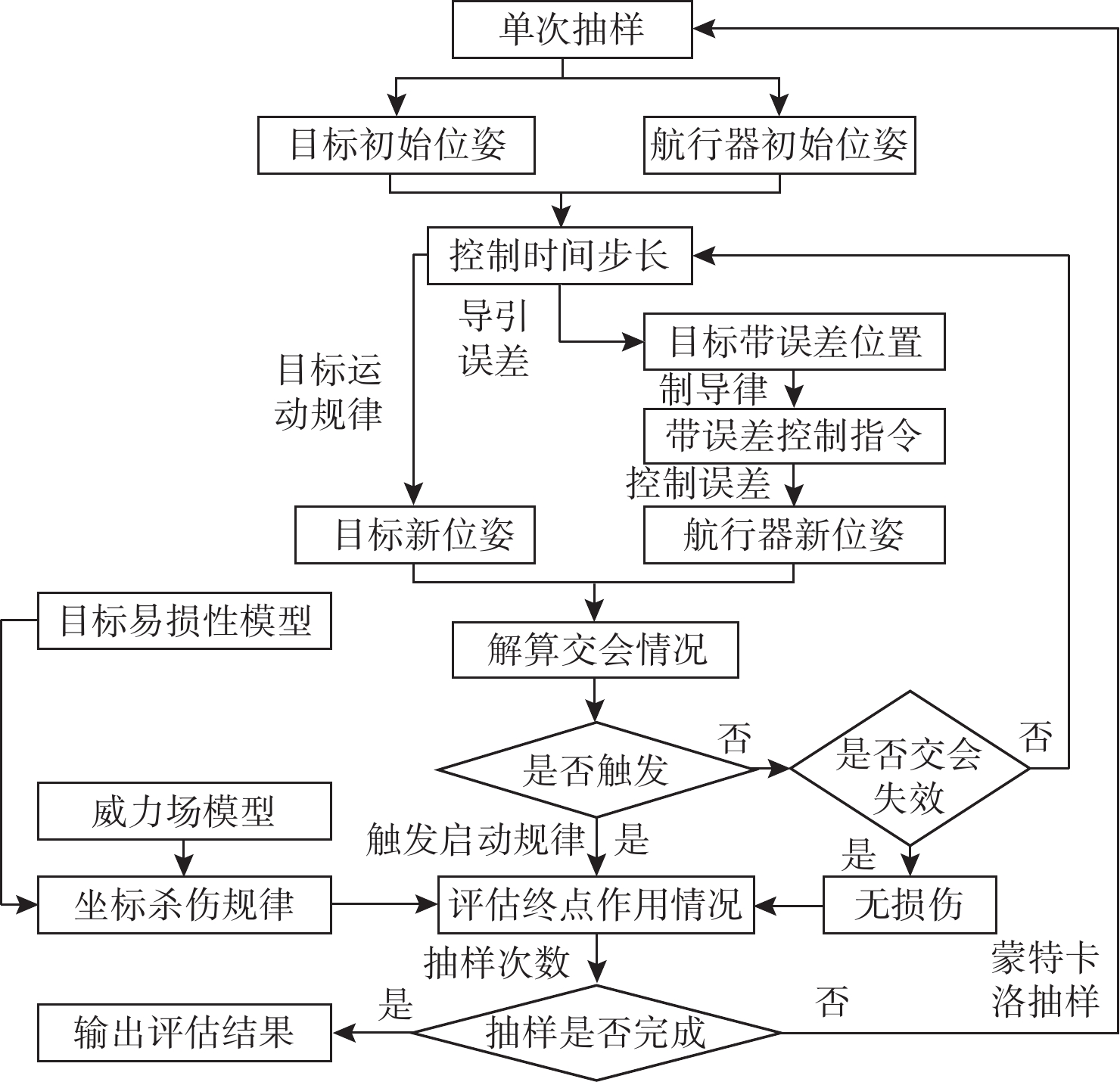
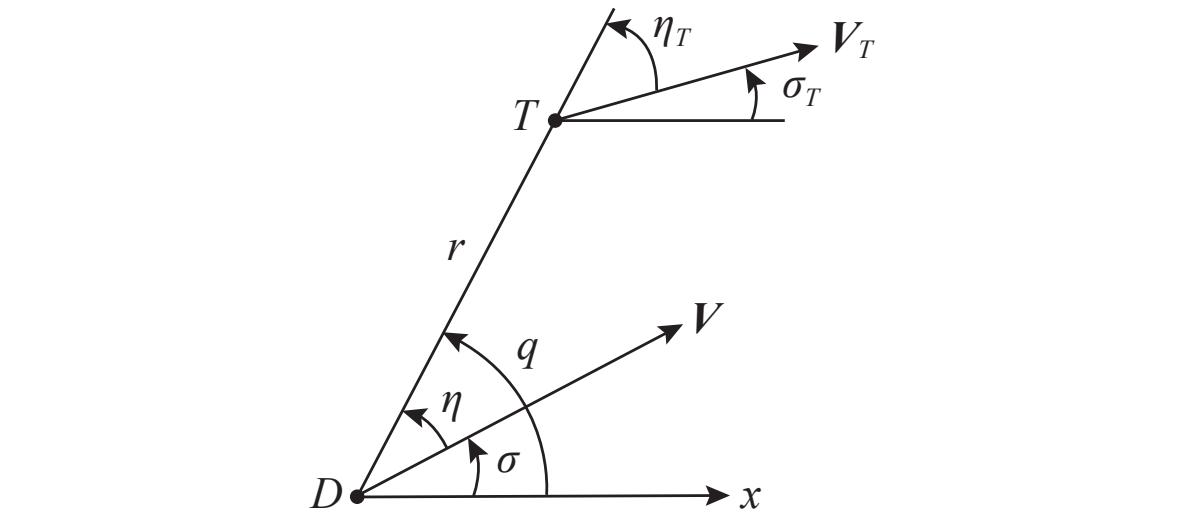
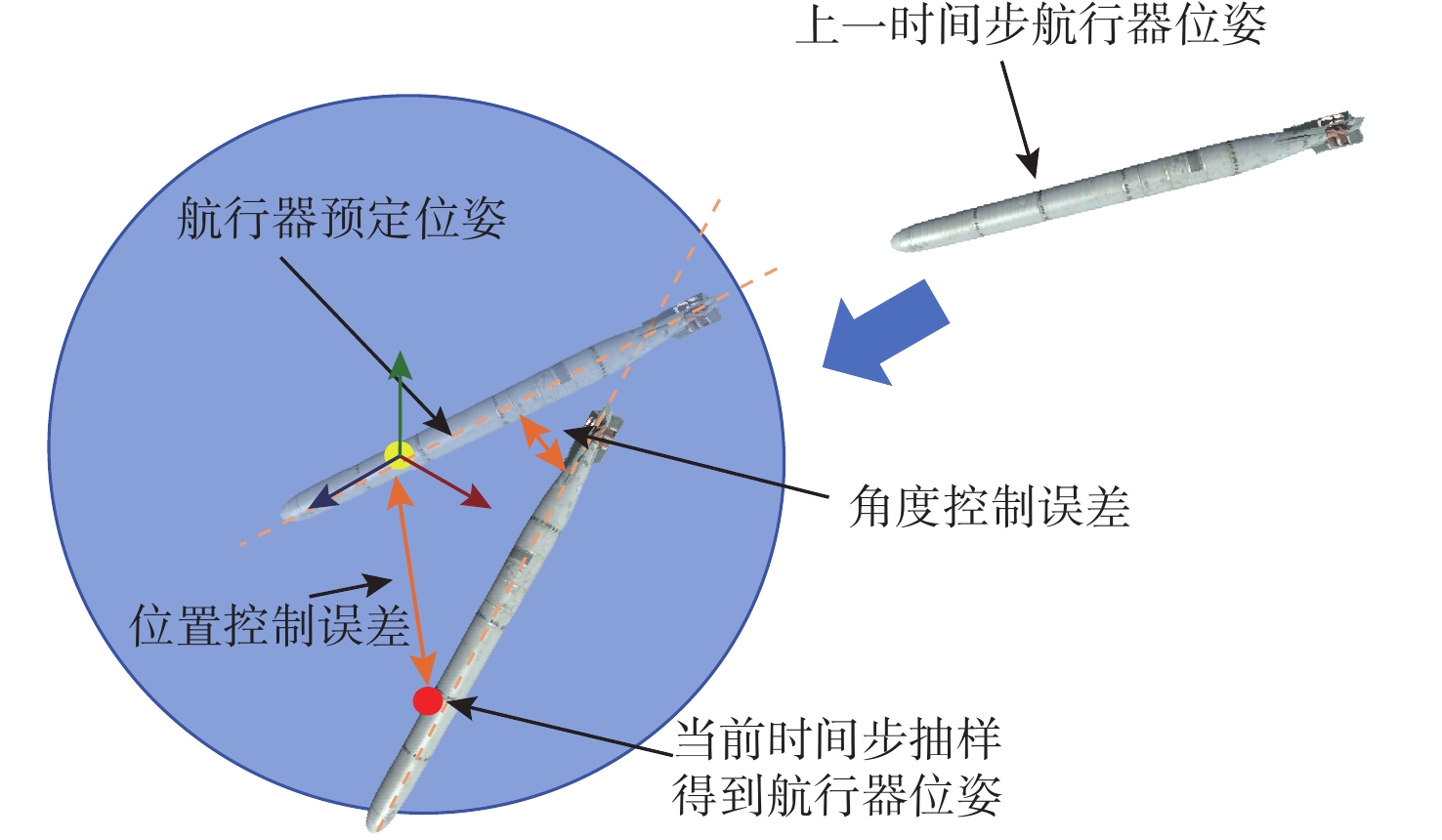
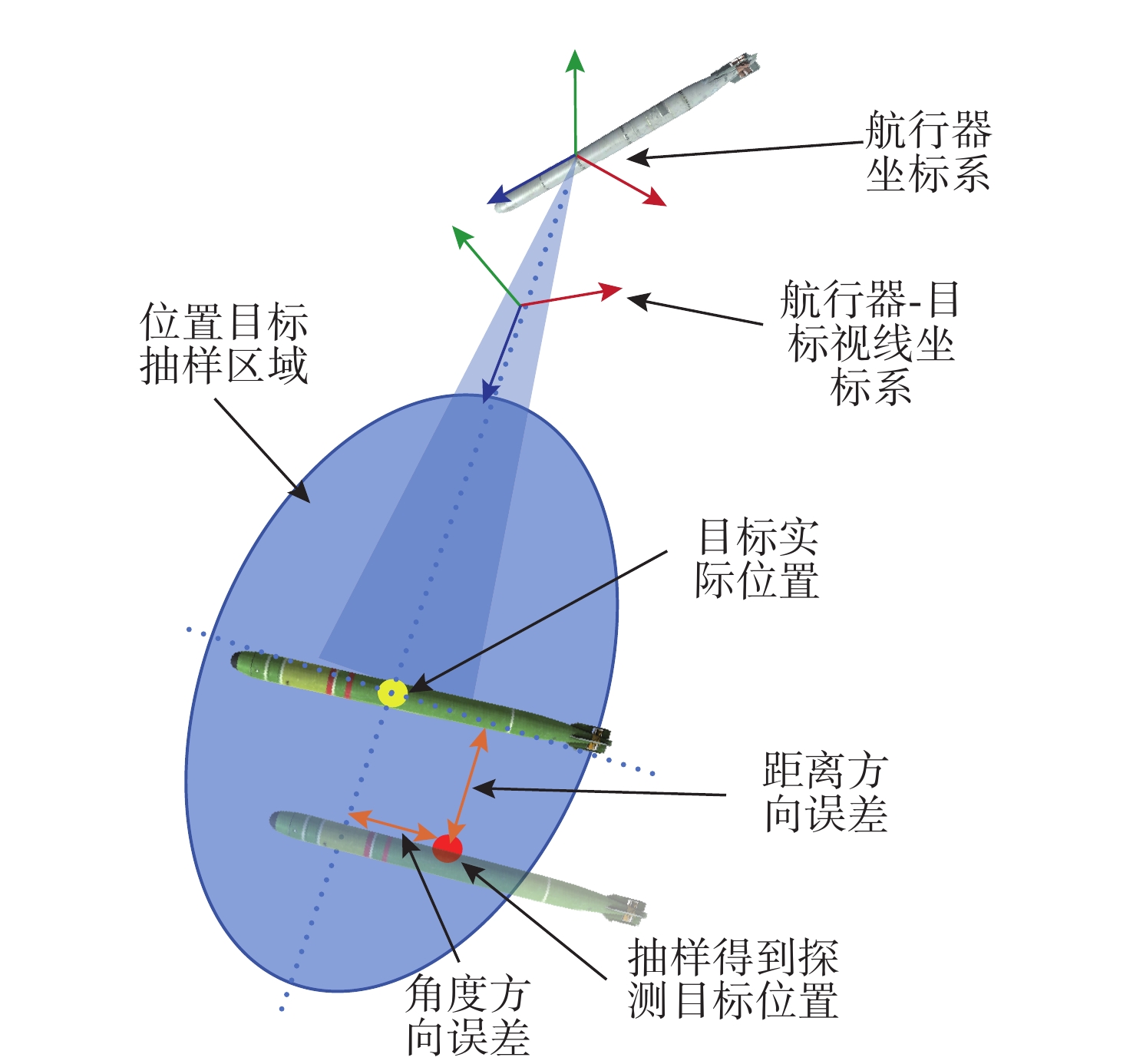
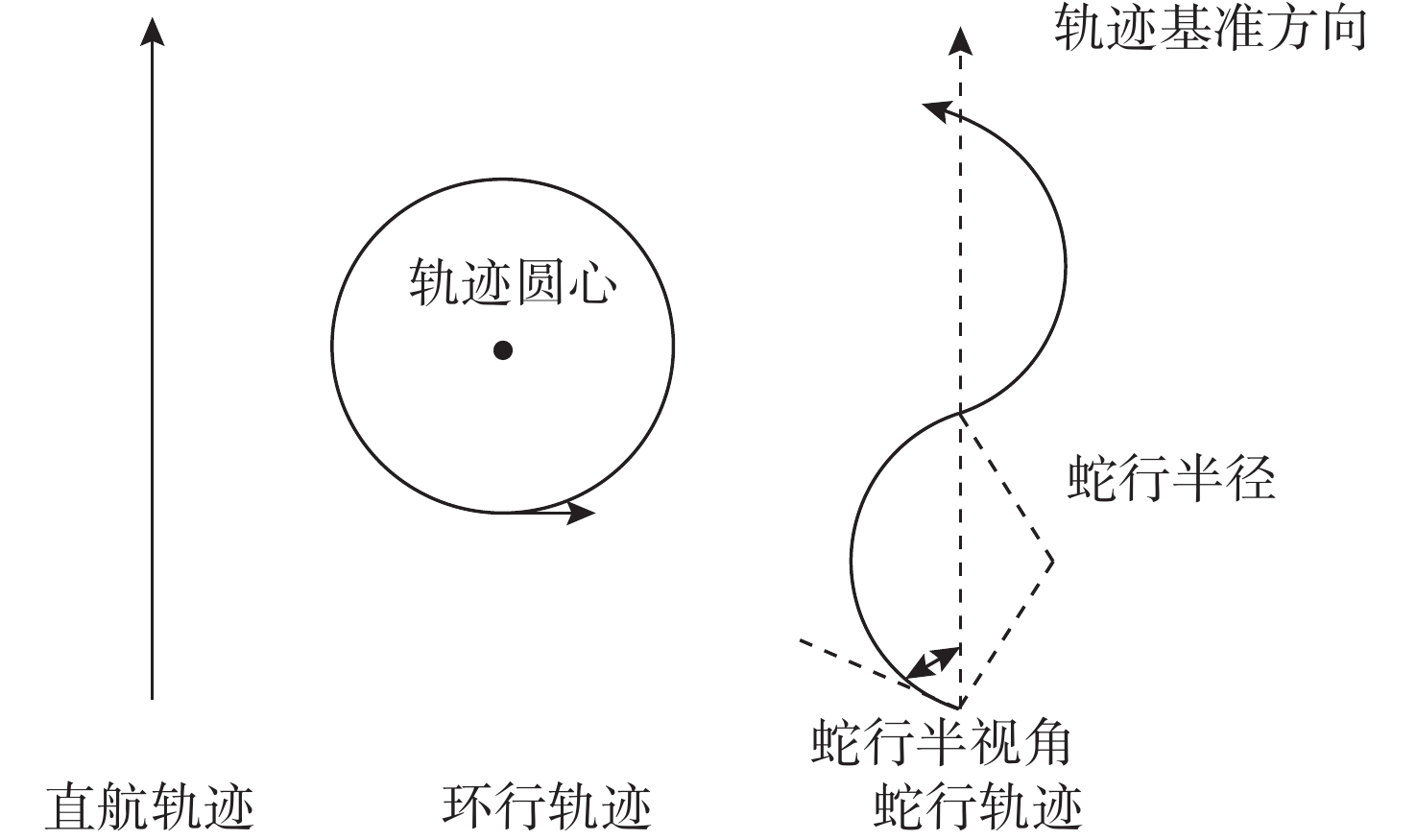
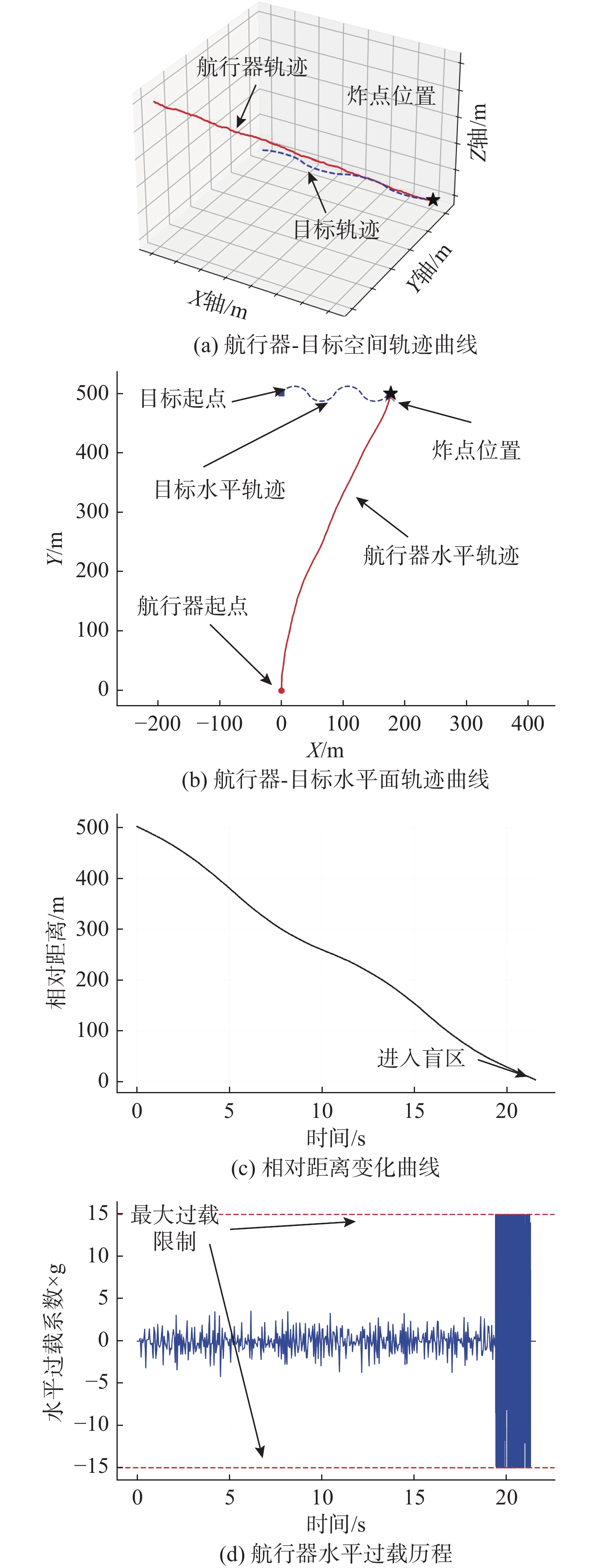
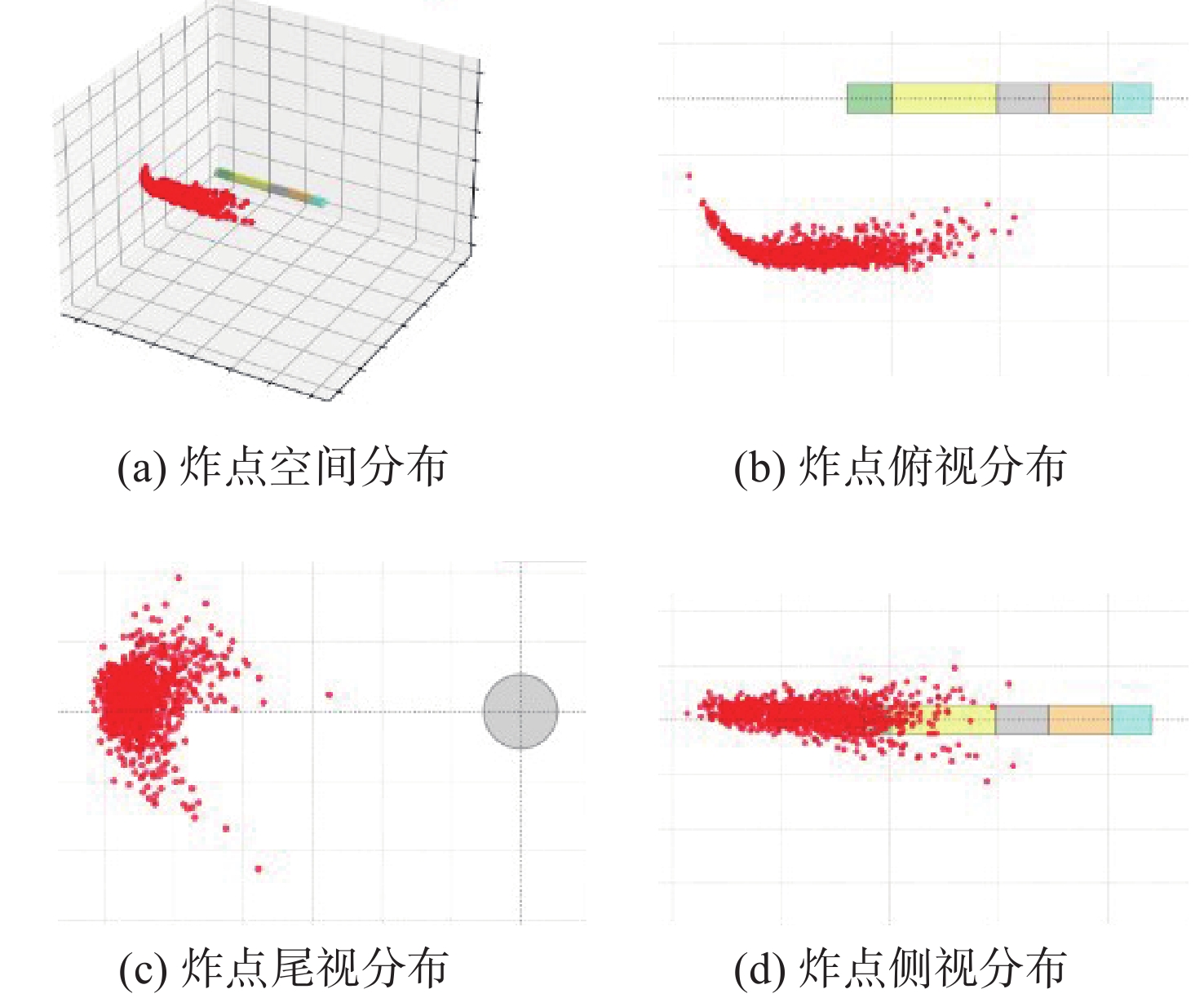
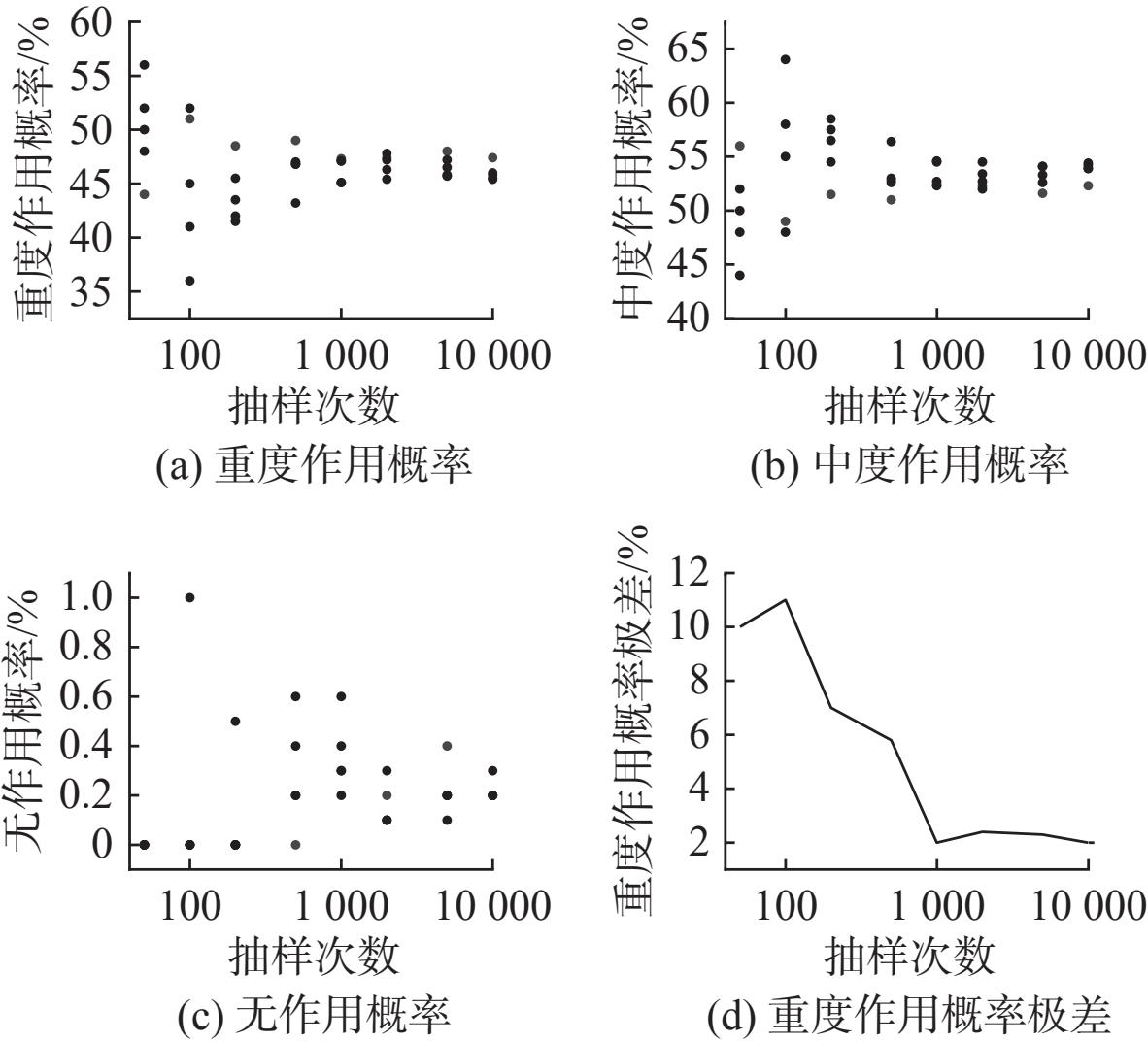
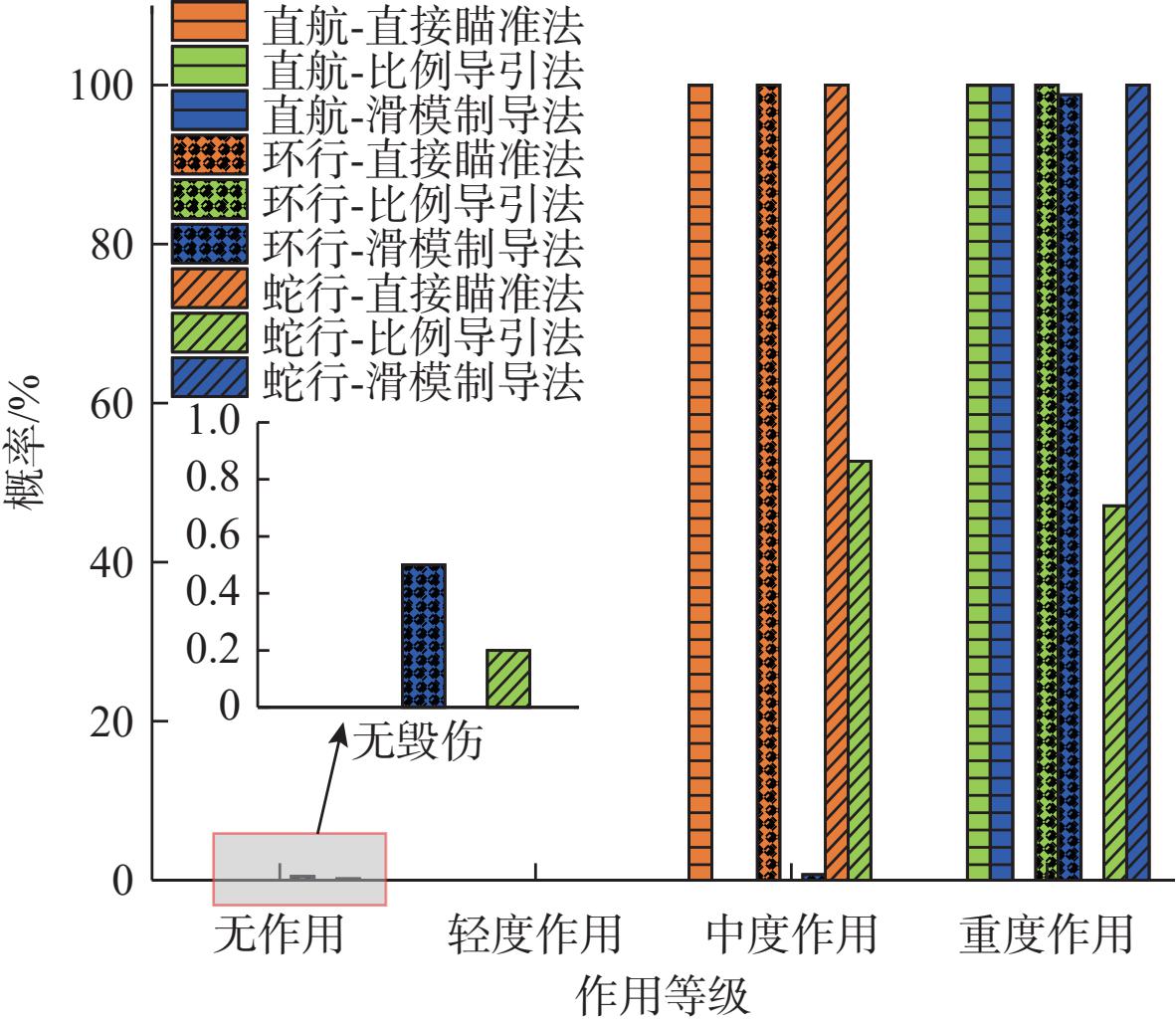
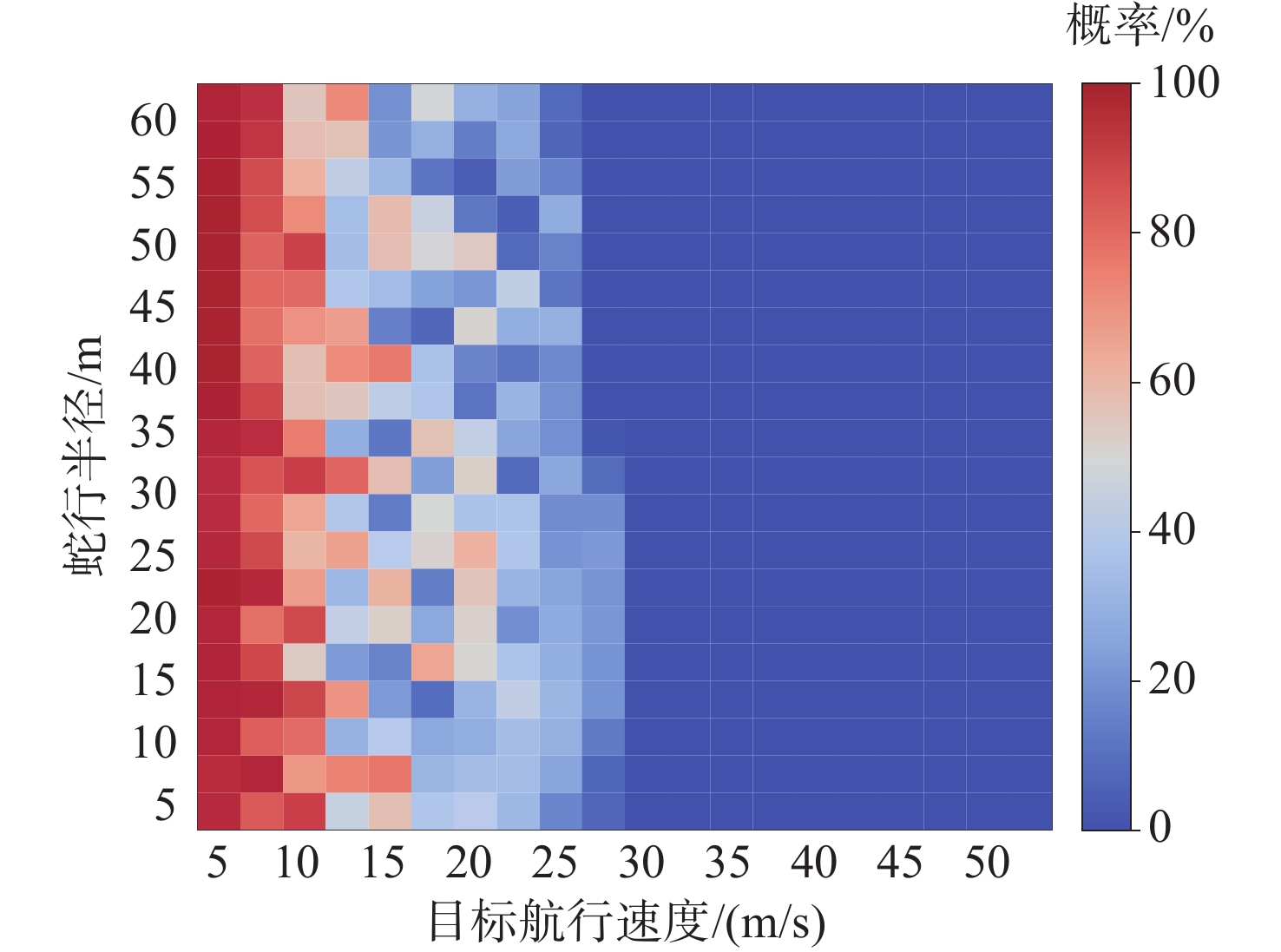
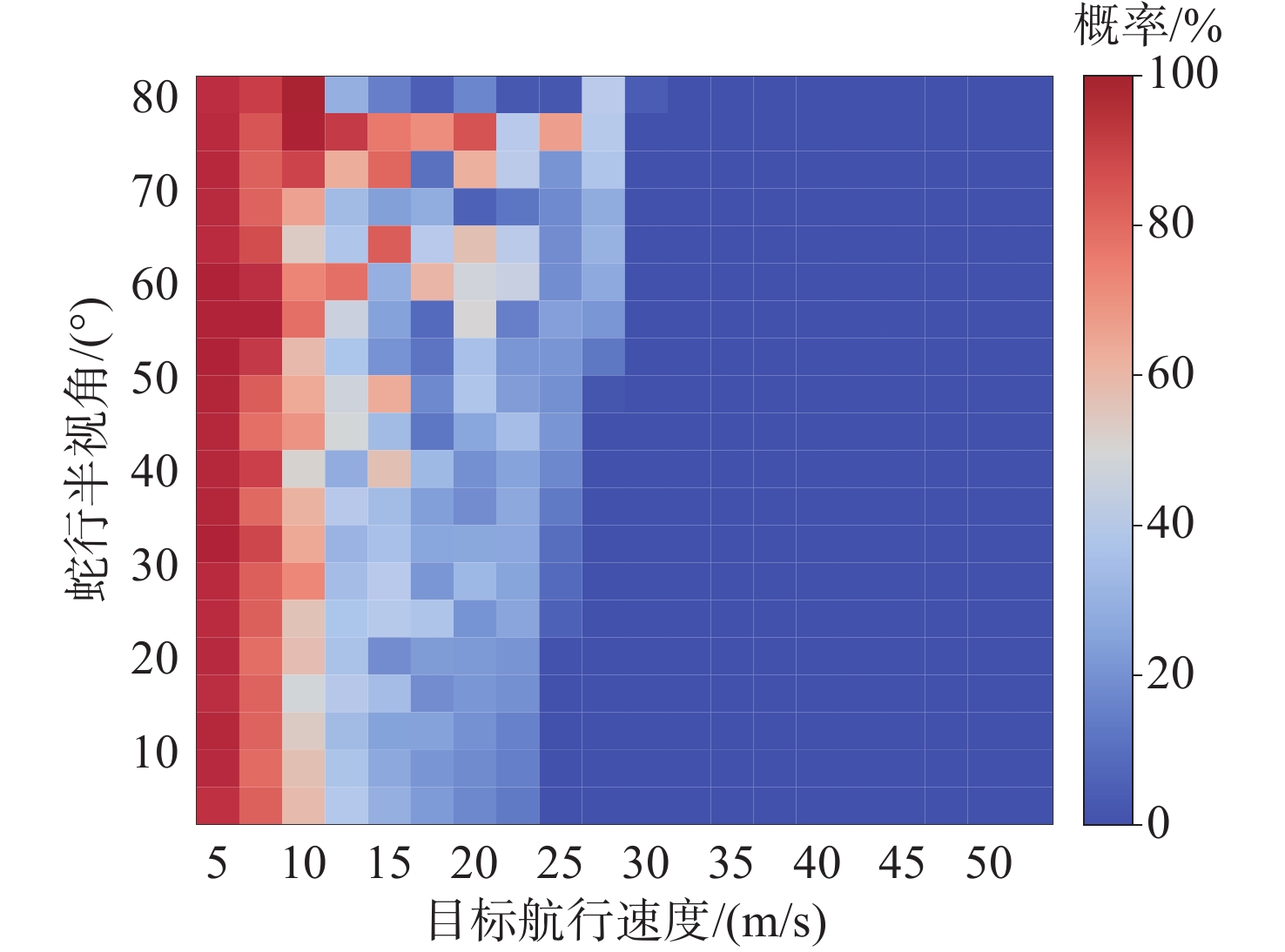
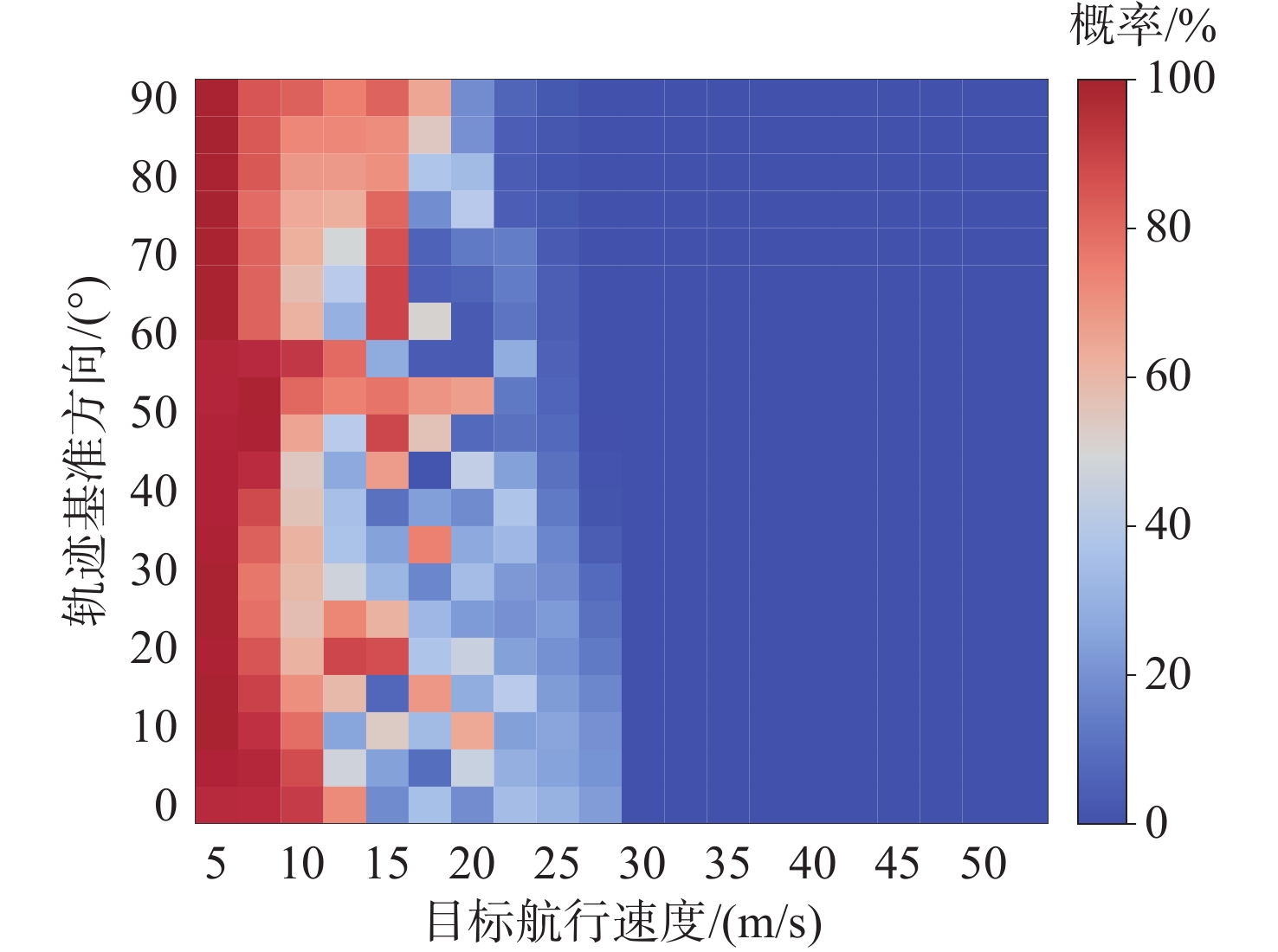
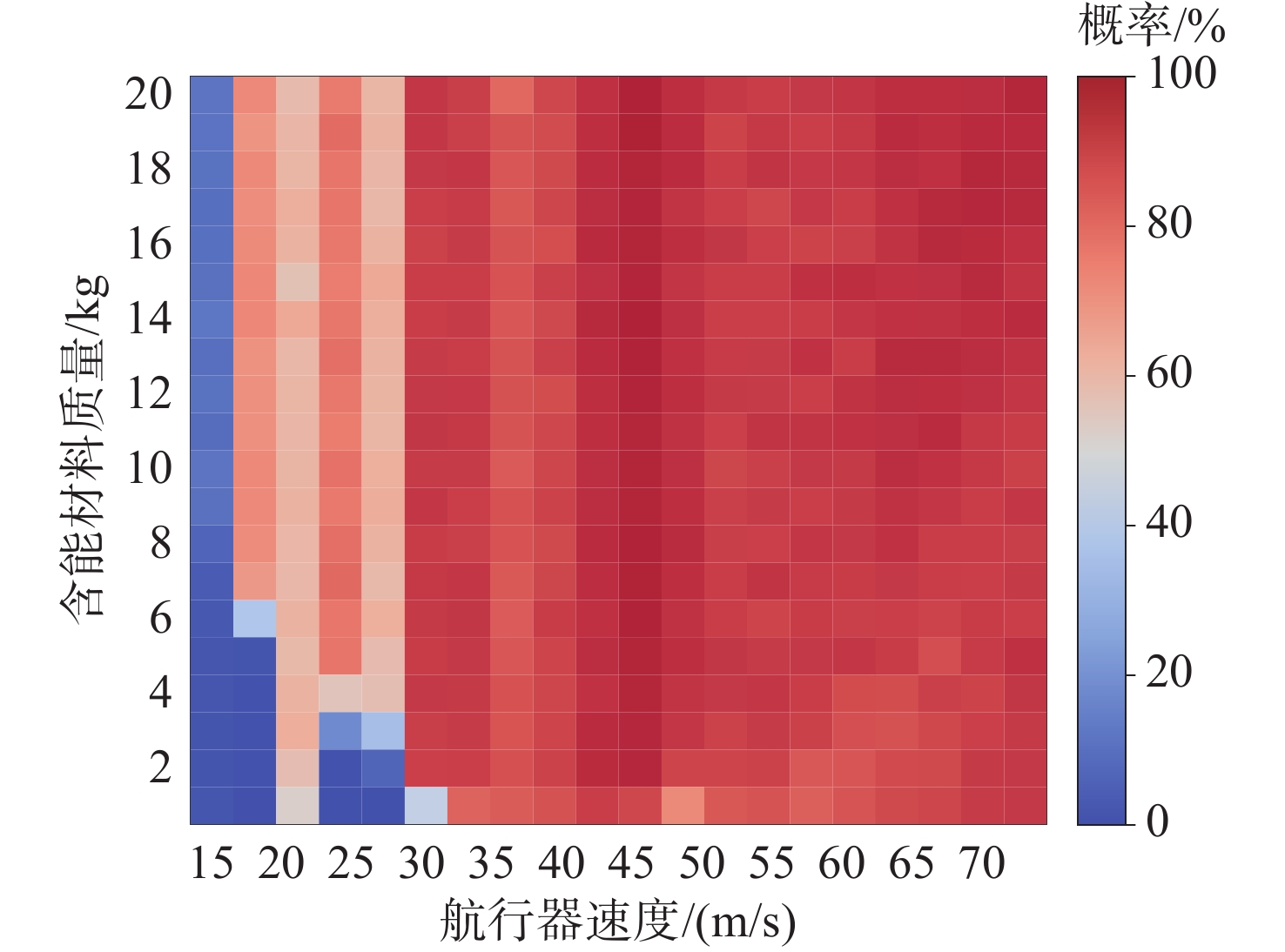
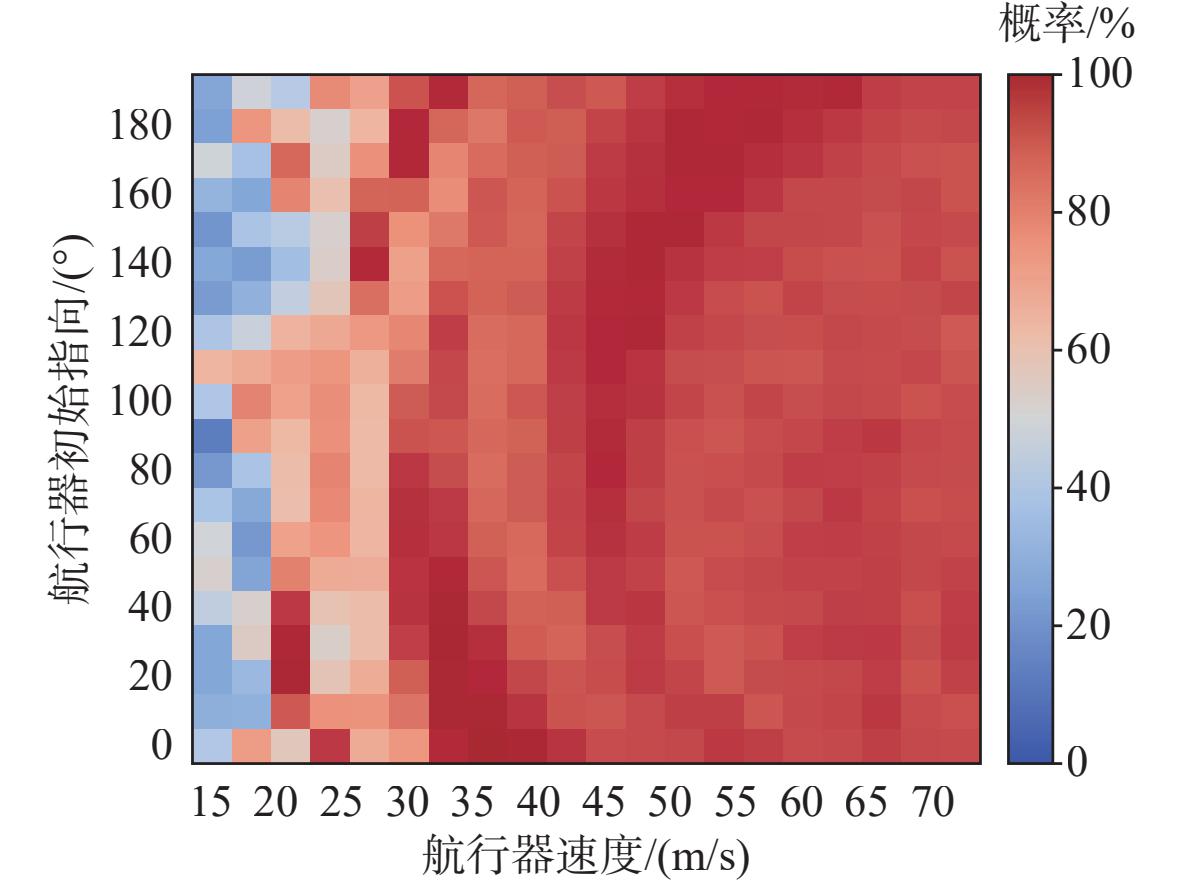
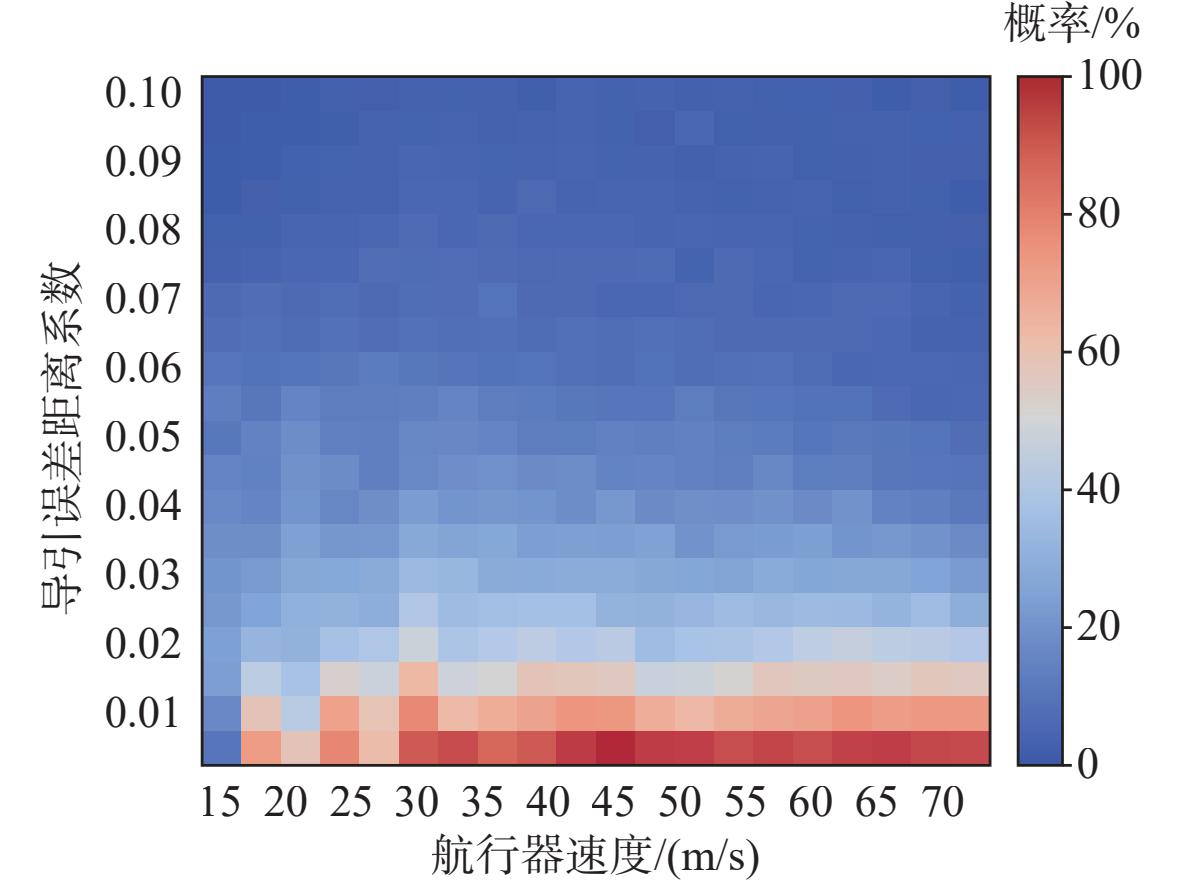
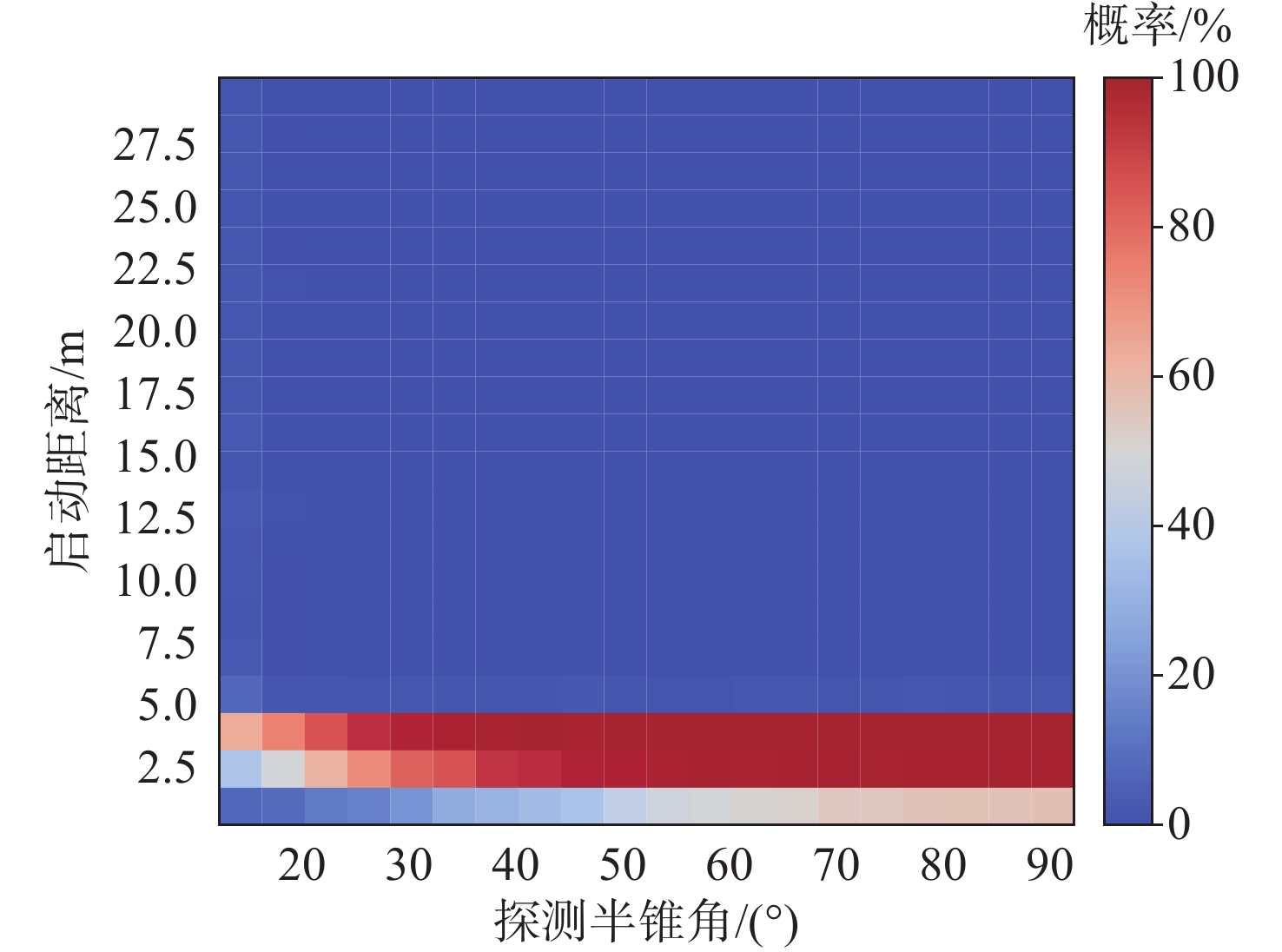
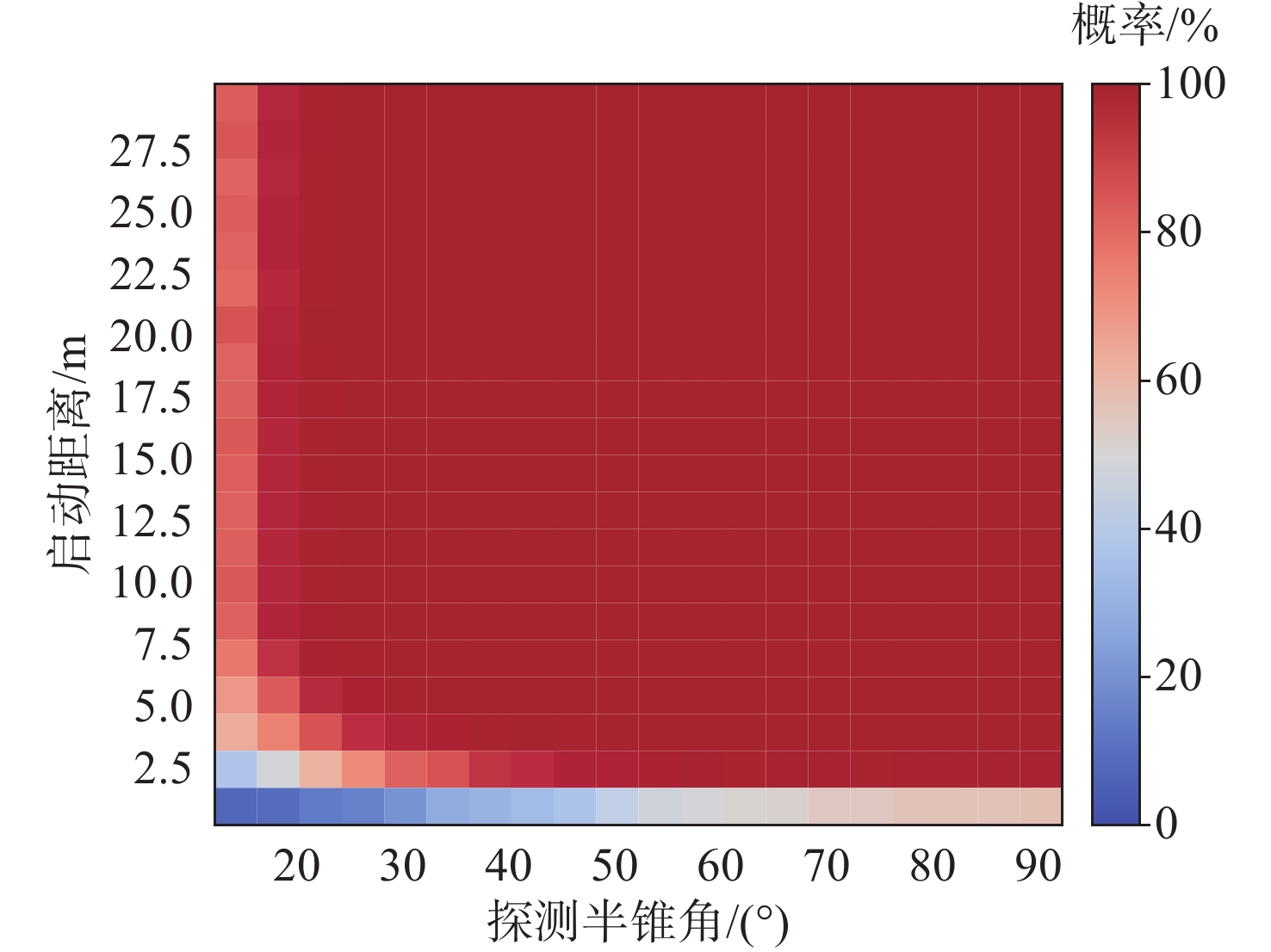
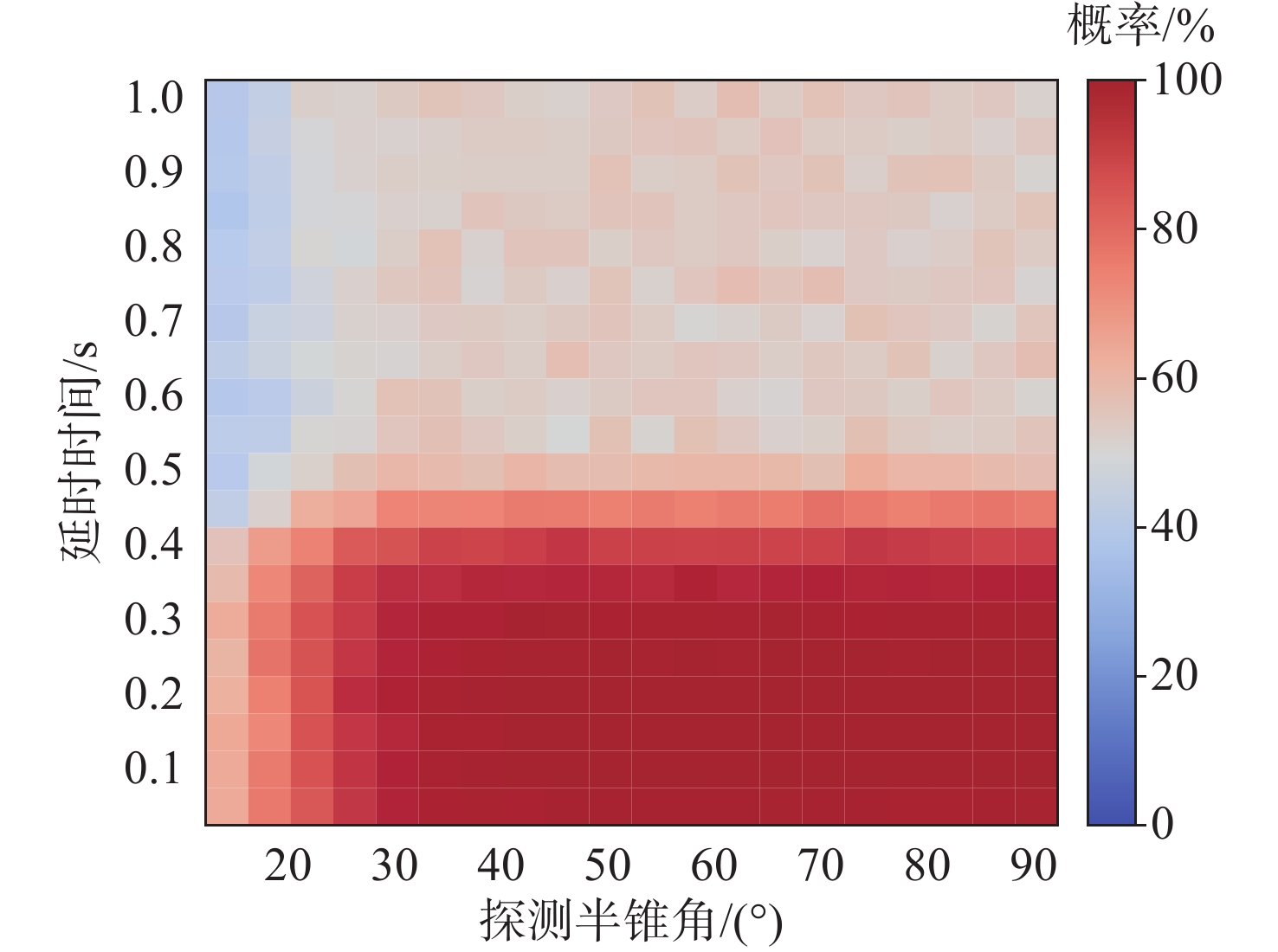
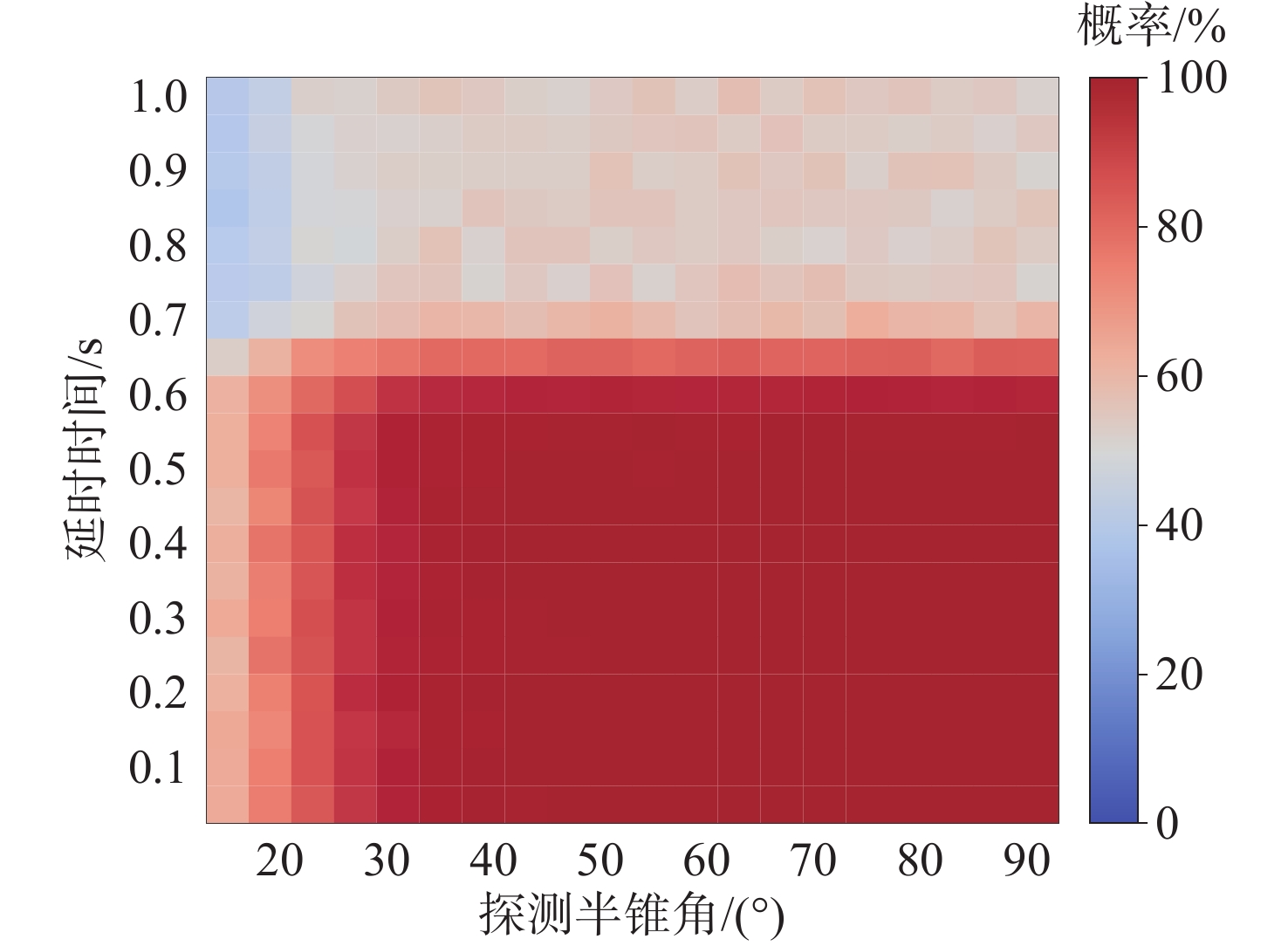
terminal-effect technologies, the assessment of terminal effectiveness against maneuvering targets requires more comprehensive consideration of the combined effects of multisubsystem parameters, including guidance, near-field triggering mechanisms, and terminal effect units. This paper proposes a terminal effectiveness assessment method for undersea vehicles that incorporates a terminal guidance mechanism. By backtracking the terminal guidance mechanism and introducing two types of error models, namely control error and guidance error models, Monte Carlo sampling is performed on random trajectories to obtain near-field trigger point positions. Three typical guidance laws are selected to construct terminal trajectory models, thereby enabling terminal effectiveness analysis under maneuvering conditions. Case studies show that, compared with the direct aiming method, the sliding mode guidance law yields a higher probability of severe terminal effects when tracking and encountering maneuvering targets. Taking the proportional navigation guidance method for tracking and encountering a weaving target as an example, the effects of multiple coupled parameters on final terminal effectiveness are further analyzed. The results indicate that, to achieve stable and efficient terminal effects, the vehicle must attain 2~3 times the target velocity and a guidance coefficient greater than 1.5; the desirable initiation distance of the near-field triggering mechanism is 2.5~4 m, and the desirable delay time is below 0.4 s. The proposed method comprehensively considers multisubsystem parameters of guidance, the near-field triggering mechanism, and the terminal effect unit, and can more accurately and comprehensively reflect the influence of parameters on terminal effectiveness results under maneuvering conditions, thereby providing a reference for the optimal design and operational use of relevant equipment.
Research on Mission Effectiveness Evaluation of Undersea Vehicles Based on Bayesian-Optimized BP Neural Network
PU Shi, WANG Jiarong, JIA Yushan, FU Xuezhi
2026, 34(5): 979-985. doi: 10.11993/j.issn.2096-3920.2026-0039
Abstract:
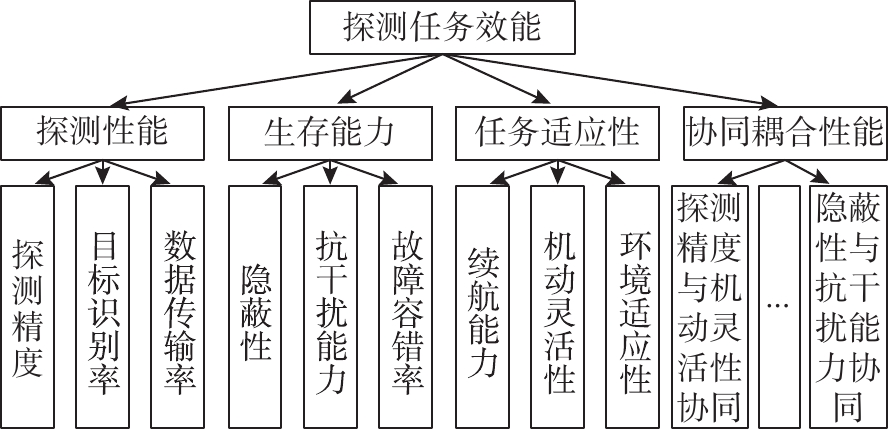
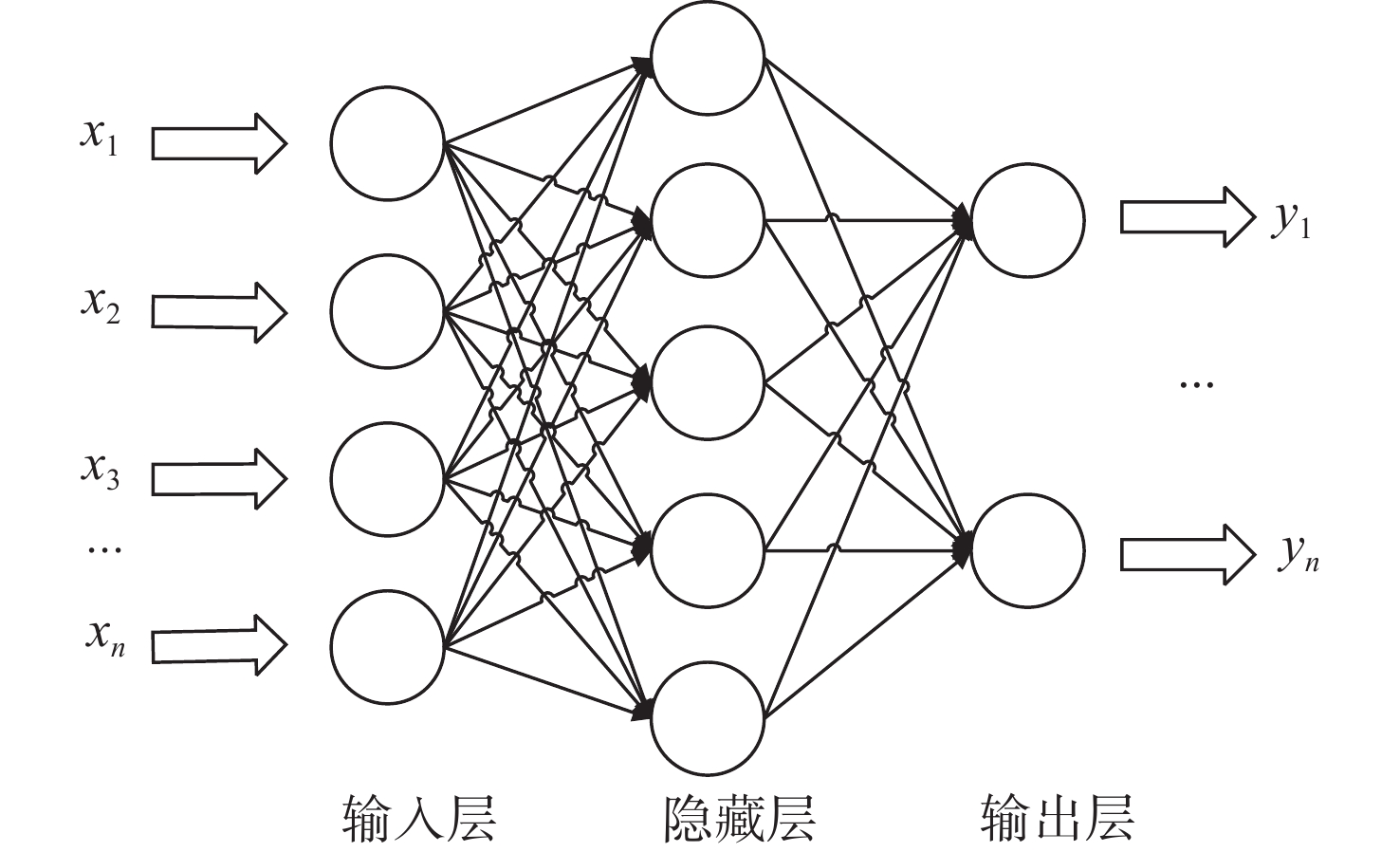
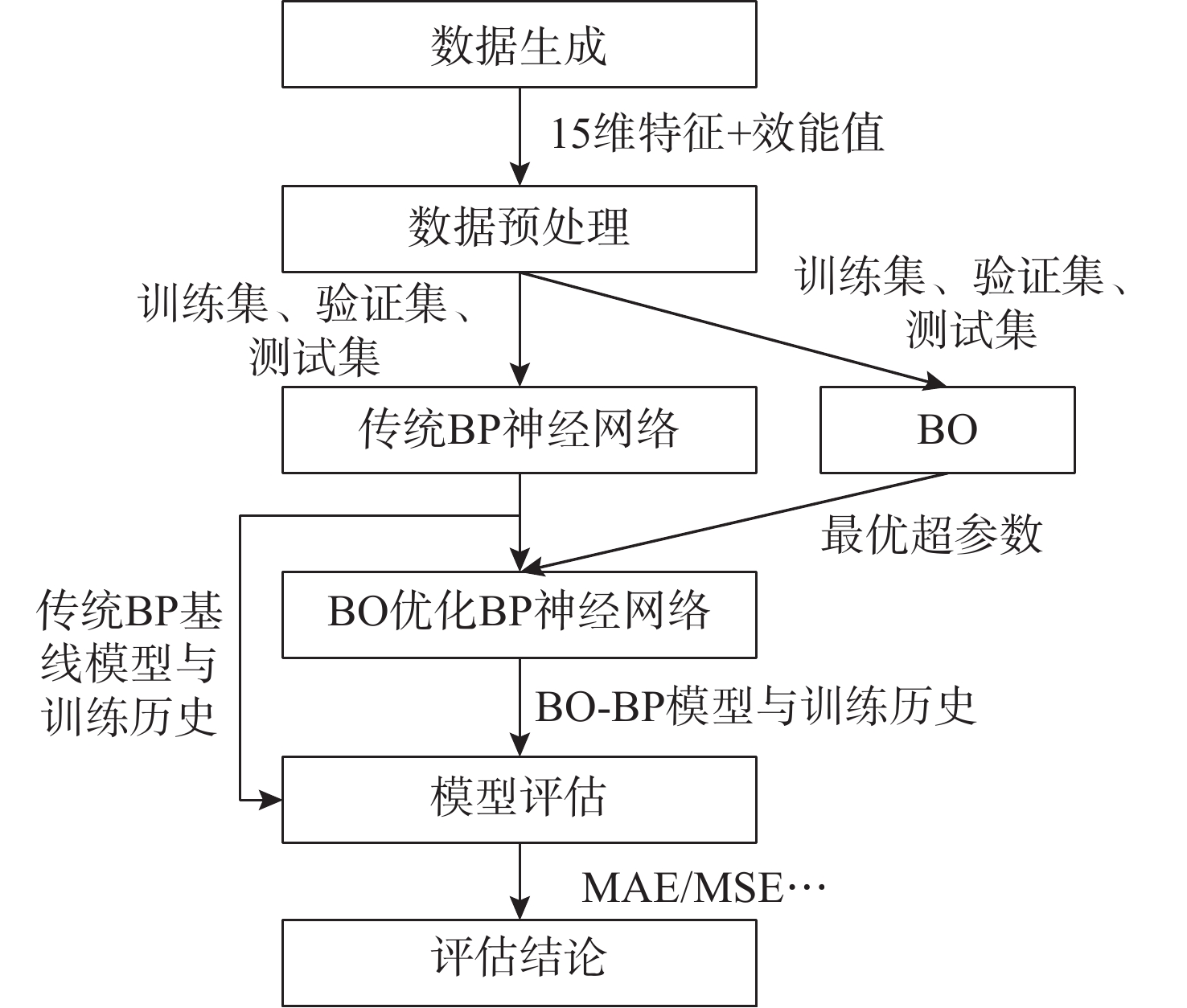
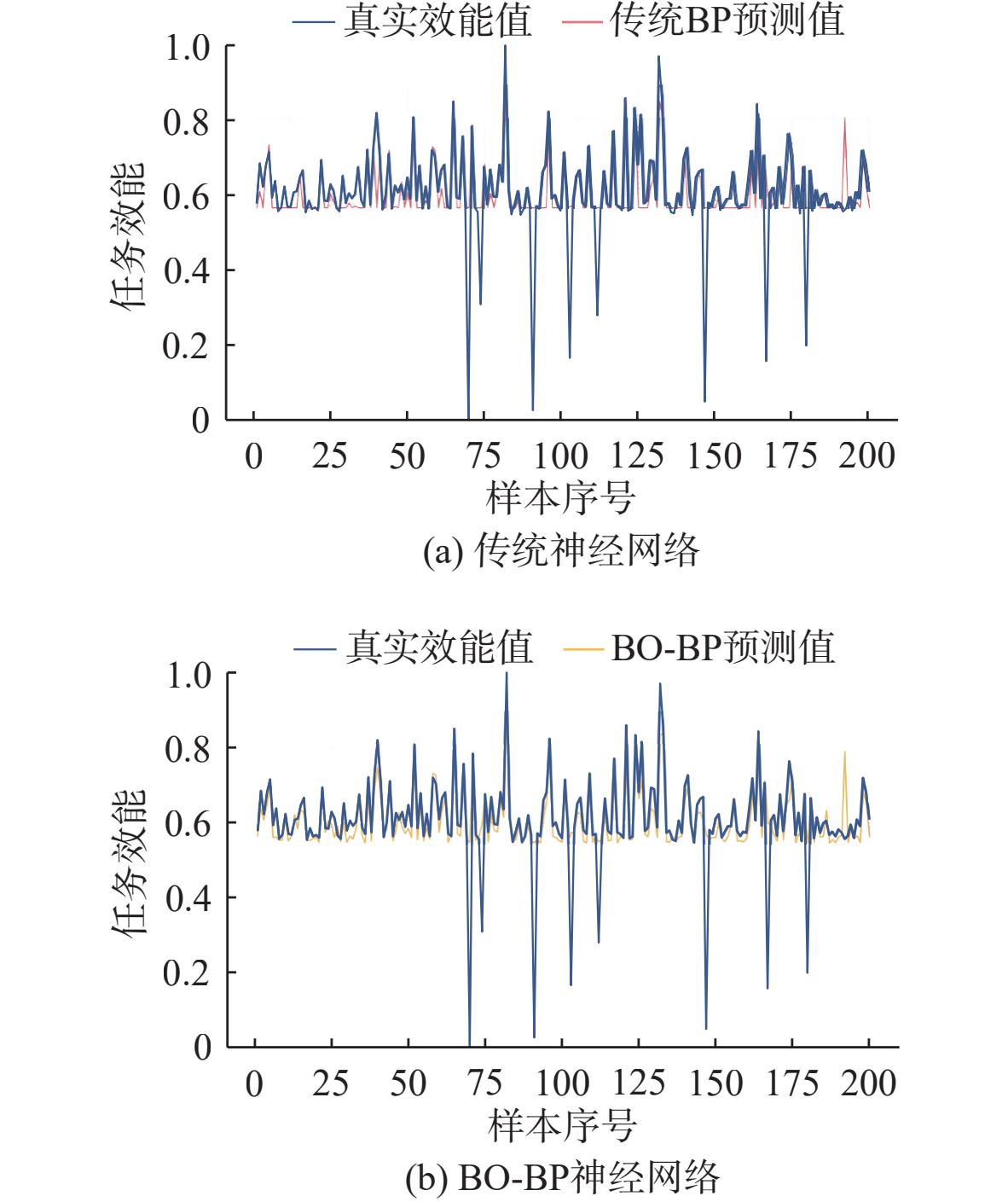
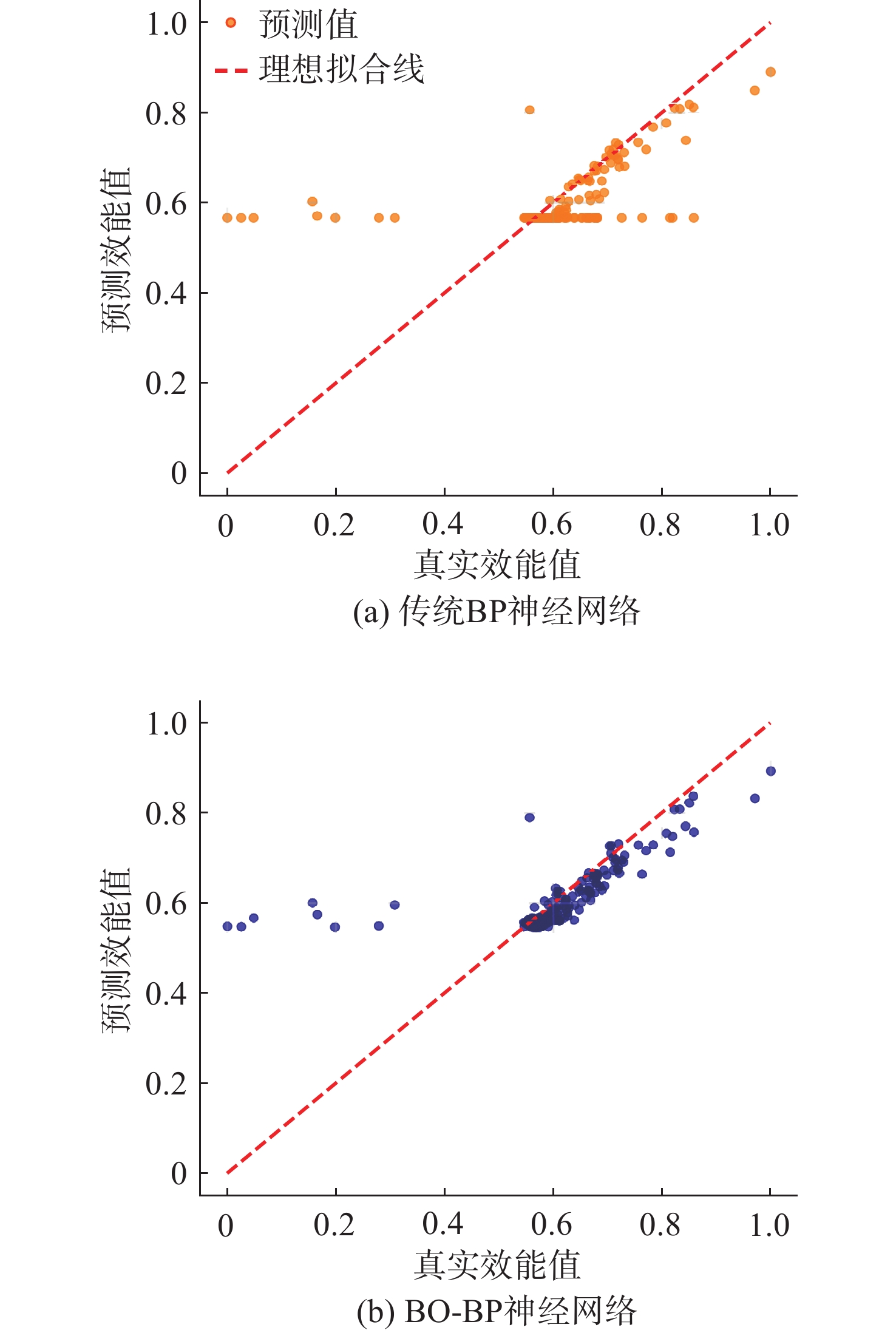
To address the evaluation of the mission effectiveness of undersea vehicles, an evaluation indicator system for their reconnaissance mission effectiveness was established, consisting of 9 core indicators and 6 nonlinear interaction indicators. Traditional backpropagation(BP) neural networks are prone to becoming trapped in local optima when used to evaluate mission effectiveness. Therefore, Bayesian optimization(BO) was used to optimize the hyperparameters of the BP neural network, and an mission effectiveness evaluation model based on a BO-BP neural network was established. The model was implemented and validated using Python. The simulation results show that the mission effectiveness evaluation indicator system and adaptation scheme for engineering applications developed in this paper can more accurately reflect the actual mission effectiveness of undersea vehicles and provide valuable practical guidance for equipment demonstration, mission deployment, modification, and upgrading. Compared with general evaluation schemes, the proposed method offers significant improvements in scenario adaptability, evaluation accuracy, and practical applicability.
Vehicle-Mounted Industrial CT Testing and Recognition System and Its Application in Unmanned Undersea Equipment
MA Junli, WANG Shuai, LIU Wenbin, GAO Haoyang, LI Chenhui, ZHANG Xitong, SU Chenghai
2026, 34(5): 986-996. doi: 10.11993/j.issn.2096-3920.2025-0171
Abstract:
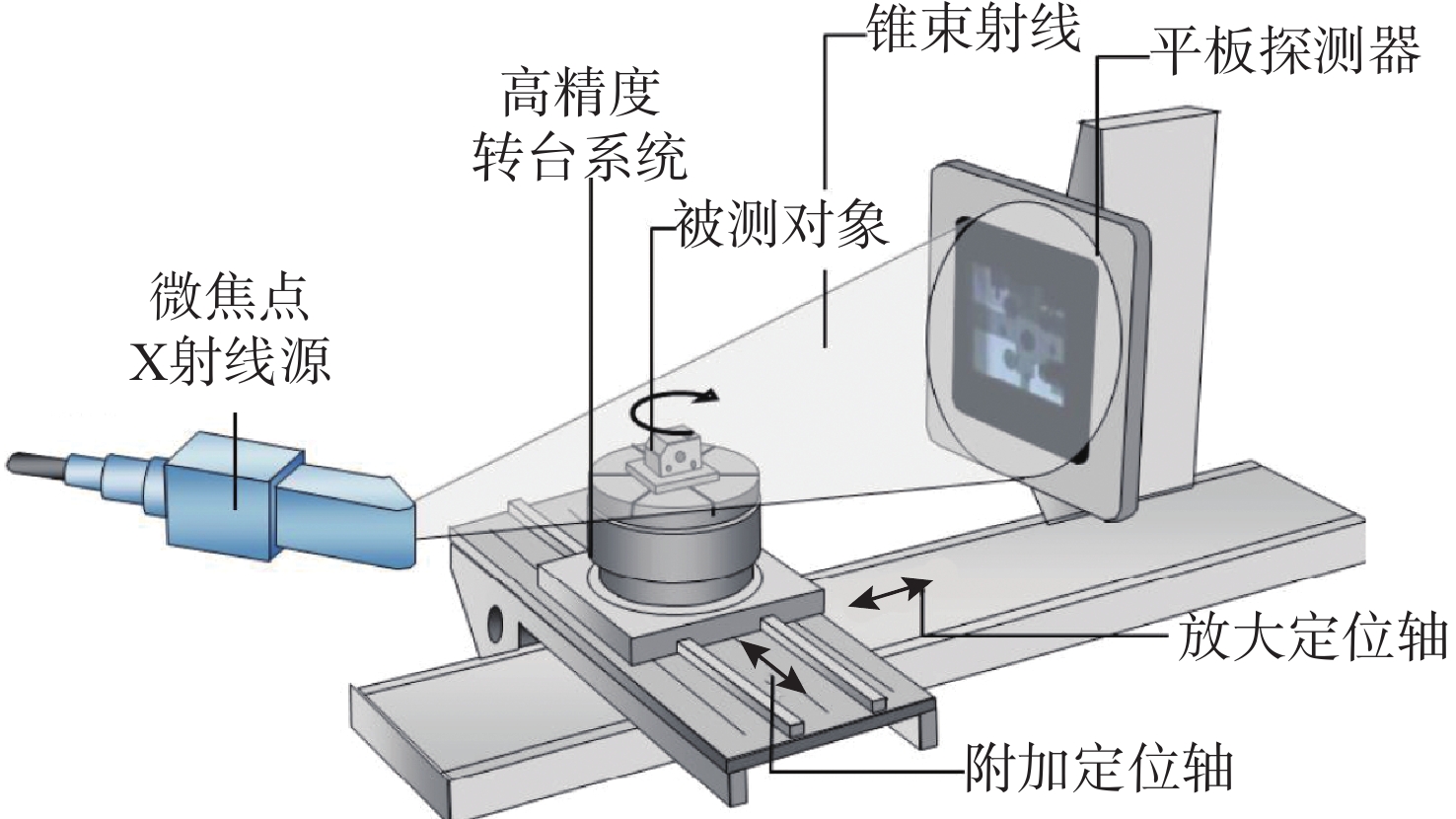
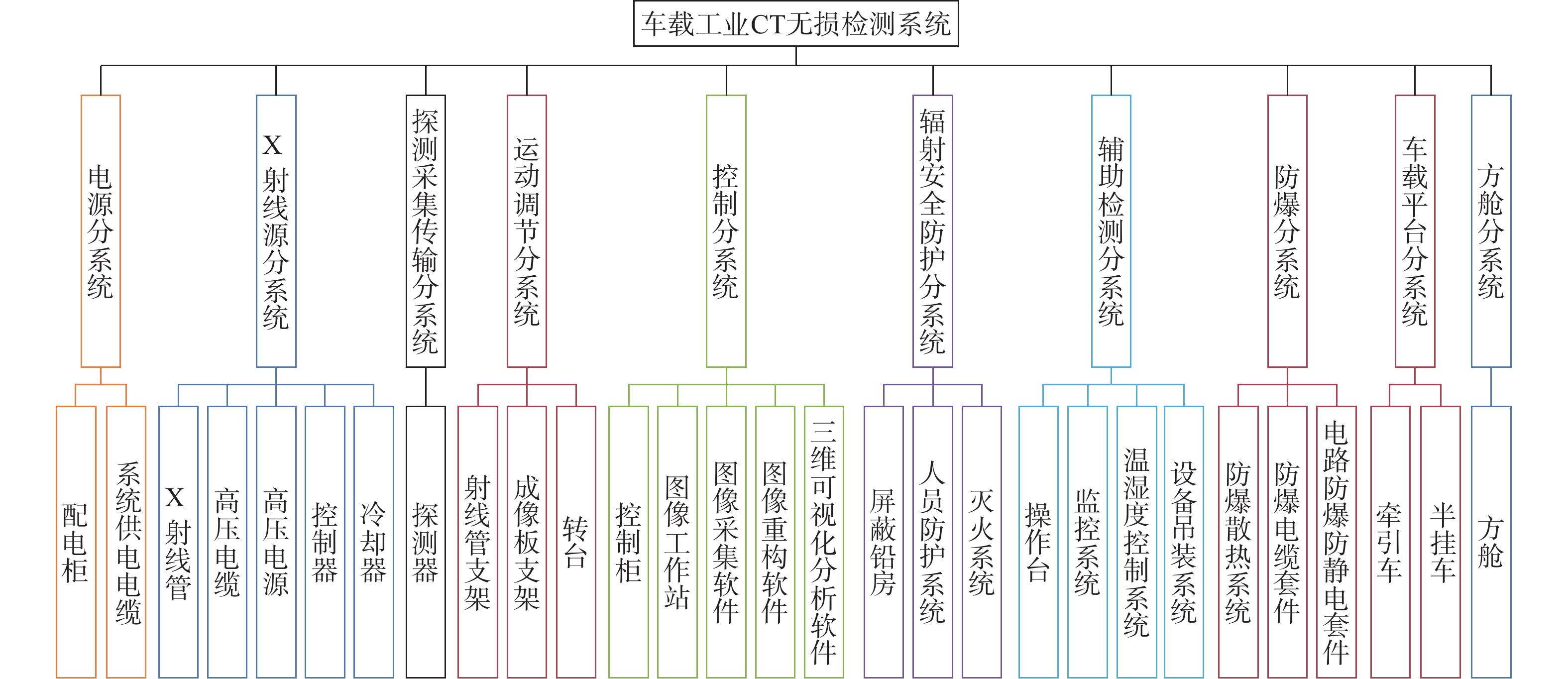
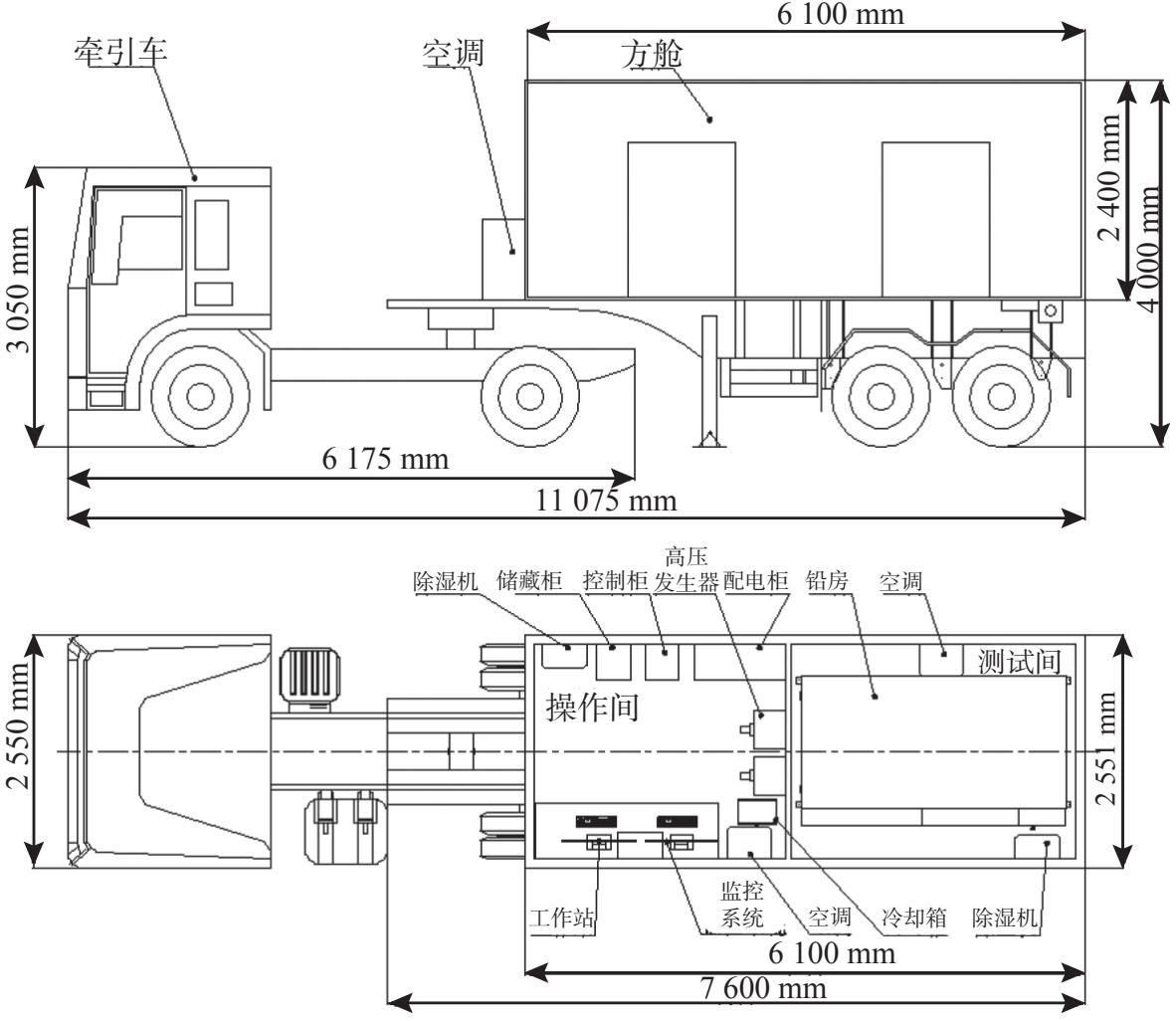
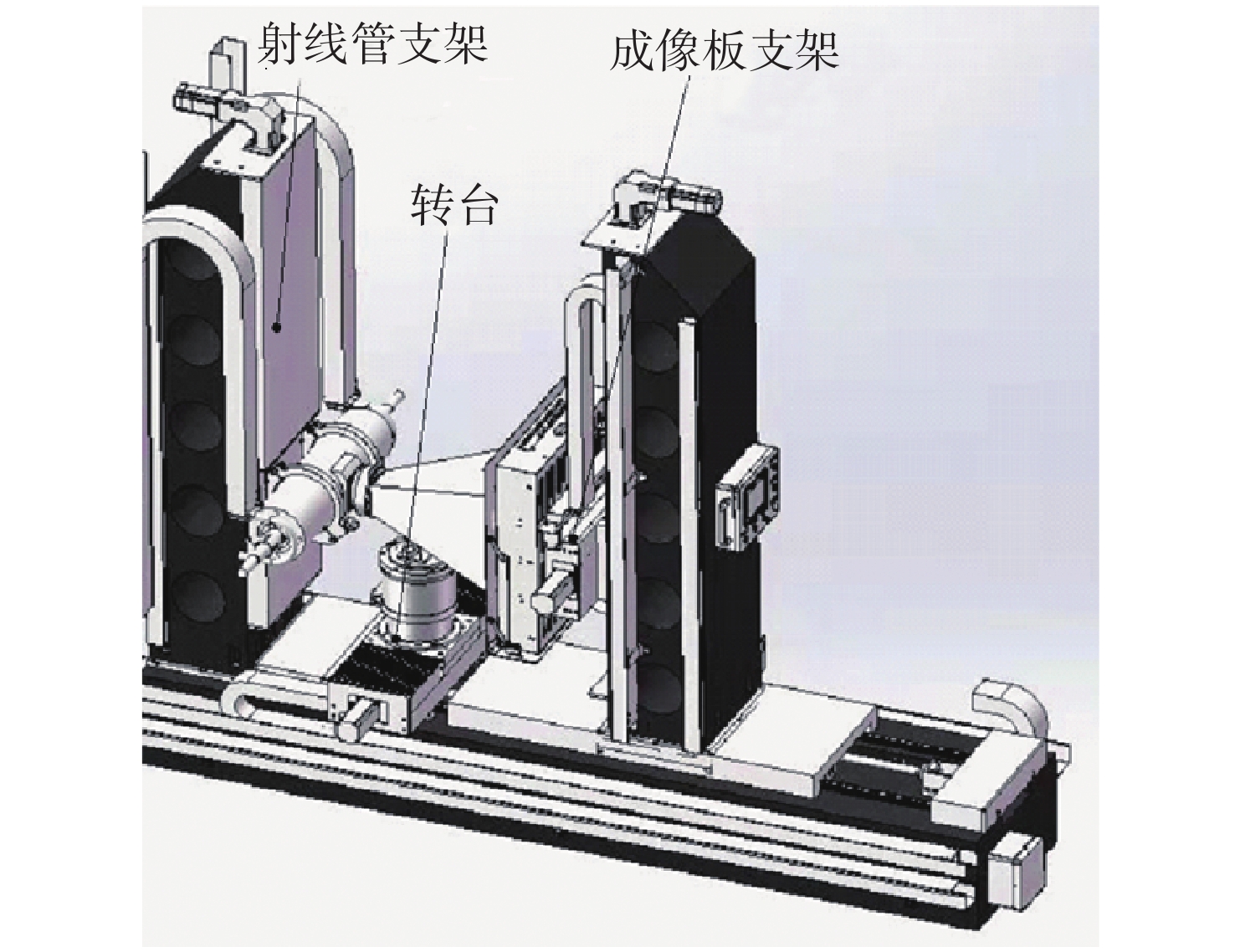
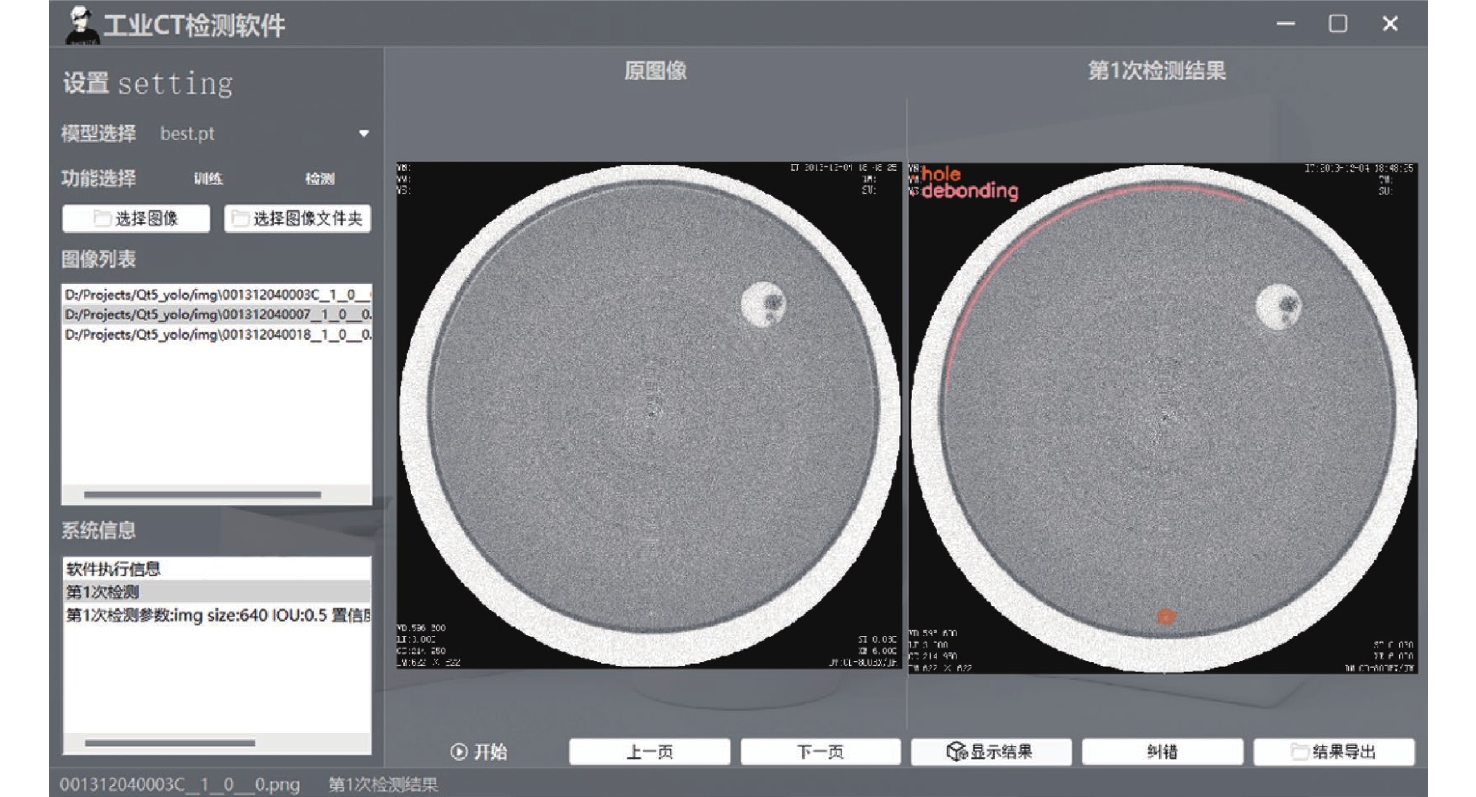
To meet the inspection demands of unmanned undersea equipment that is stored in remote areas, unsuitable for frequent transportation and difficult to conduct centralized testing, this paper built a vehicle-mounted industrial computed tomography(CT) nondestructive defect detection and recognition system with hardware subsystems including power supply, X-ray source, and detection, acquisition, and transmission. Combined with deep neural networks, an image recognition software for defects in industrial CT inspection products was developed to process inspection images and realize the recognition and marking of internal product defects. Practical test results demonstrate that the proposed system can effectively detect and identify pores, cracks, debonding, and other internal defects in high-energy fillers of underwater unmanned equipment. The imaging accuracy exceeds 98%, and both the missed detection rate and false alarm rate of defect recognition are no more than 5%. This system can adapt to different materials and shapes of the products and can operate in various environments, showing promising application prospects.
Service
Subscribe