

Bionic Fish Lateral-Line Triboelectric Underwater Multidirectional Flow Velocity Sensing Technology
-
摘要: 受鱼类侧线系统中的表皮神经丘结构启发, 文中提出一种基于摩擦纳米发电机的仿生鱼类侧线传感器(BFLS)。当外部流场作用于传感器时, 其圆顶结构发生偏转并驱动内部球形触发器使感知单元中的导电织物和氟化乙烯丙烯薄膜发生接触分离运动, 从而产生对应的电信号输出。通过对传感器的碳纤维连接杆和感知单元背部弹簧等结构参数优化, 显著提升BFLS的感知性能。水下实验结果表明, BFLS能够实现以22.5°为间隔完成对水下流速和流向的有效感知。BFLS的输出电信号与流速之间的线性拟合决定系数超过0.9, 流速检测灵敏度约为3.2 V/ms−1, 说明BFLS对水下流速具有可靠的感知能力。此外, BFLS还具有结构简单、制造成本低以及自供电等优势。该传感器有望在海洋环境中的水下流场监测领域发挥重要作用。Abstract: Inspired by the superficial neuromast structure in the lateral line system of fish, this paper proposes a bionic fish lateral-line sensor(BFLS) based on a triboelectric nanogenerator. When an external flow field is applied to the sensor, its dome structure deflects and drives an internal spherical trigger, causing the conductive fabric and fluorinated ethylene propylene film in the sensing unit to undergo contact separation motion, thereby generating a corresponding electrical signal output. By optimizing structural parameters such as the carbon fiber connecting rod of the sensor and the back spring of the sensing unit, the sensing performance of BFLS has been significantly improved. Underwater experiments show that BFLS can effectively sense underwater flow speed and direction at intervals of 22.5°. The coefficient of determination for the linear fit between the BFLS’s output electrical signal and flow speed exceeds 0.9, and the flow speed detection sensitivity is approximately 3.2V/ms−1, demonstrating the sensor's reliable capability to detect underwater flow speed. In addition, the BFLS also has advantages such as simple structure, low manufacturing cost, and self-powered. This sensor is expected to play an important role in underwater flow field monitoring in marine environments.
-
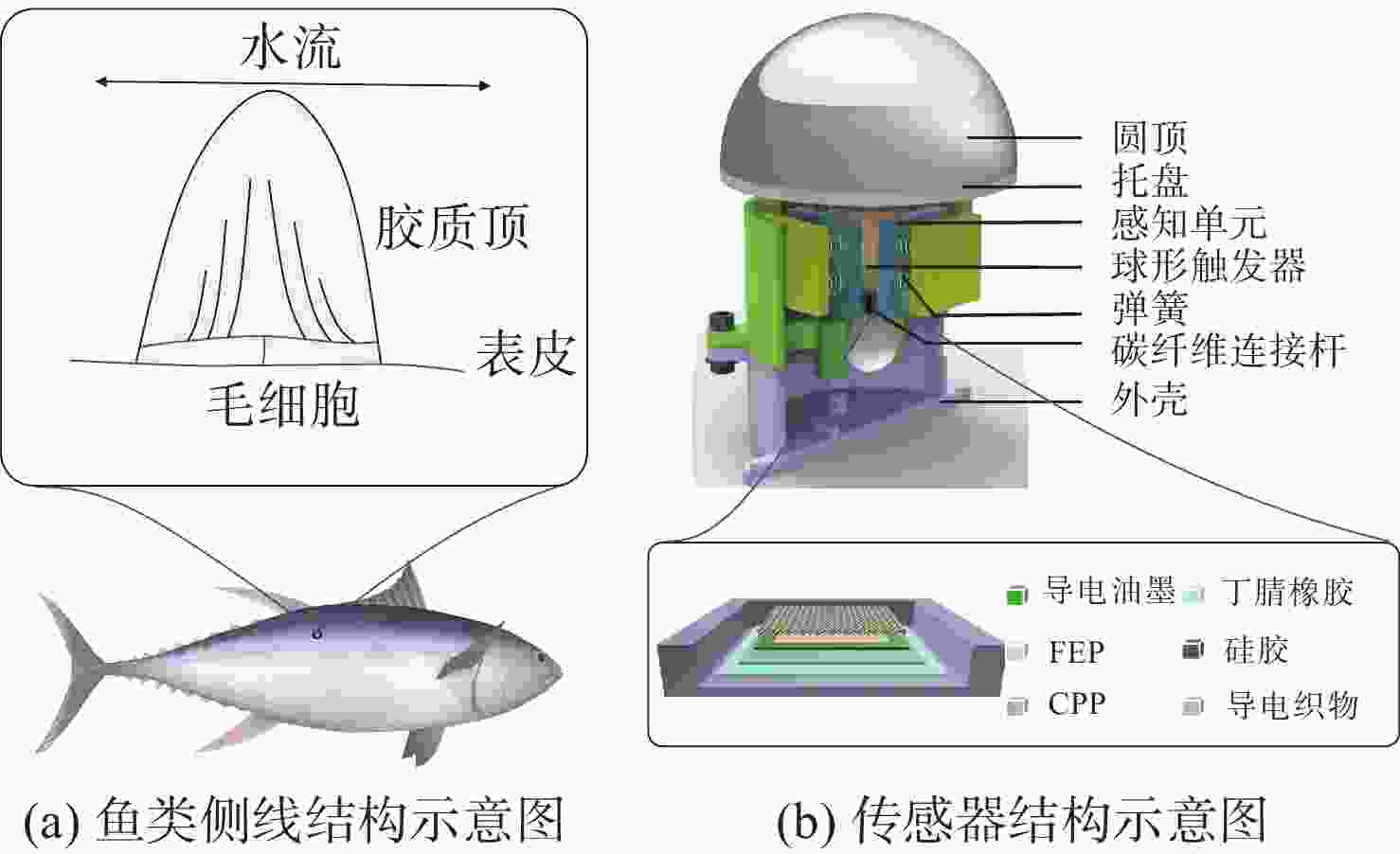
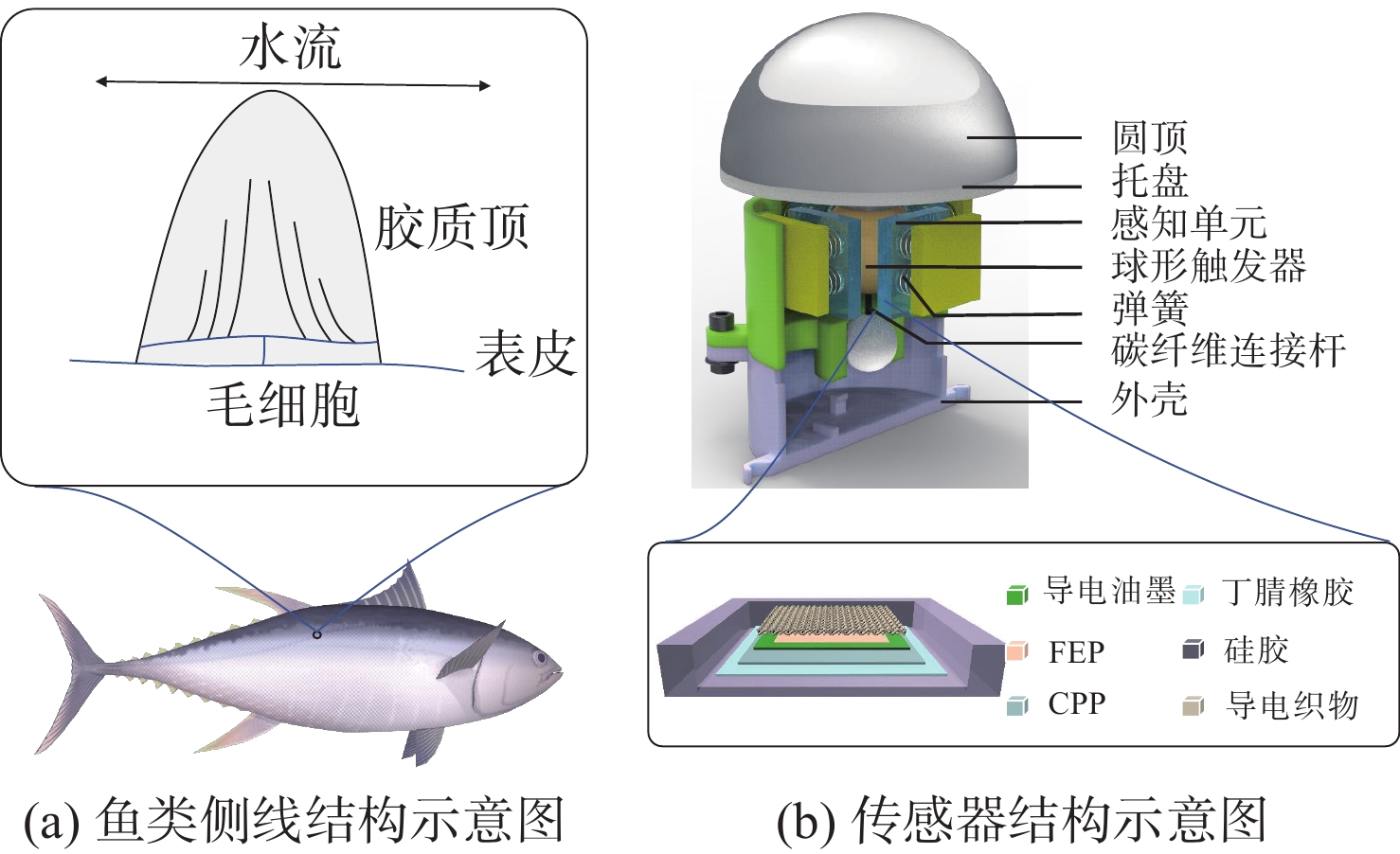
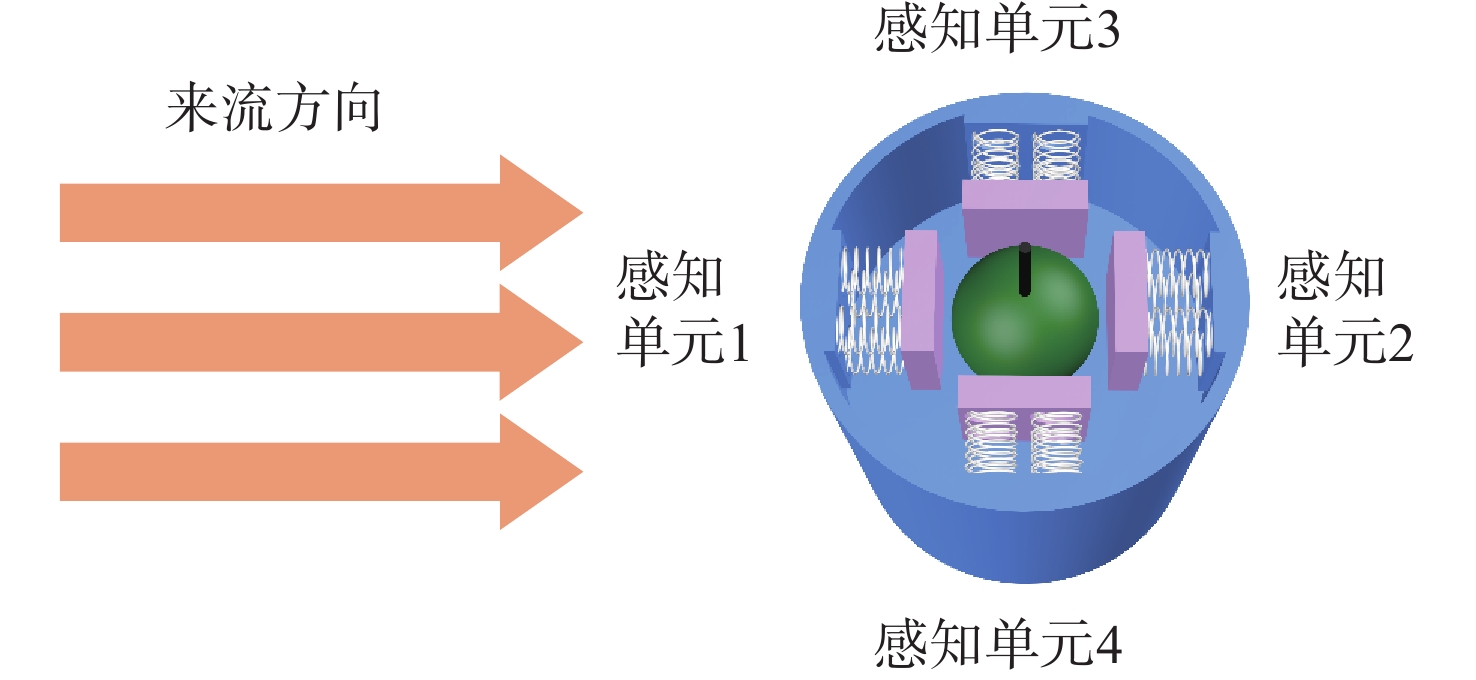
图 1 鱼类侧线结构及传感器结构示意图
Figure 1. Schematic diagram of the fish lateral line structure and sensor structure
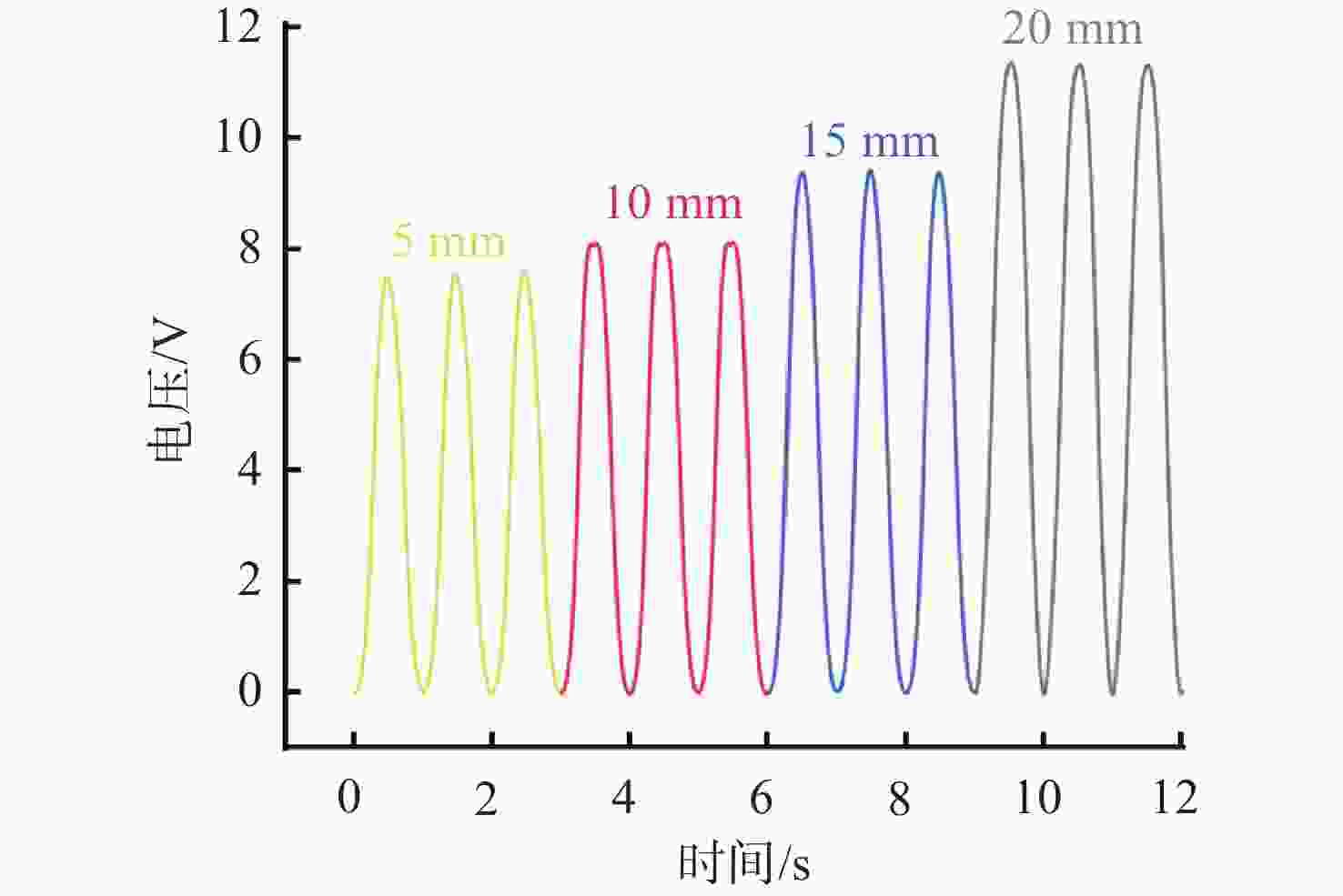
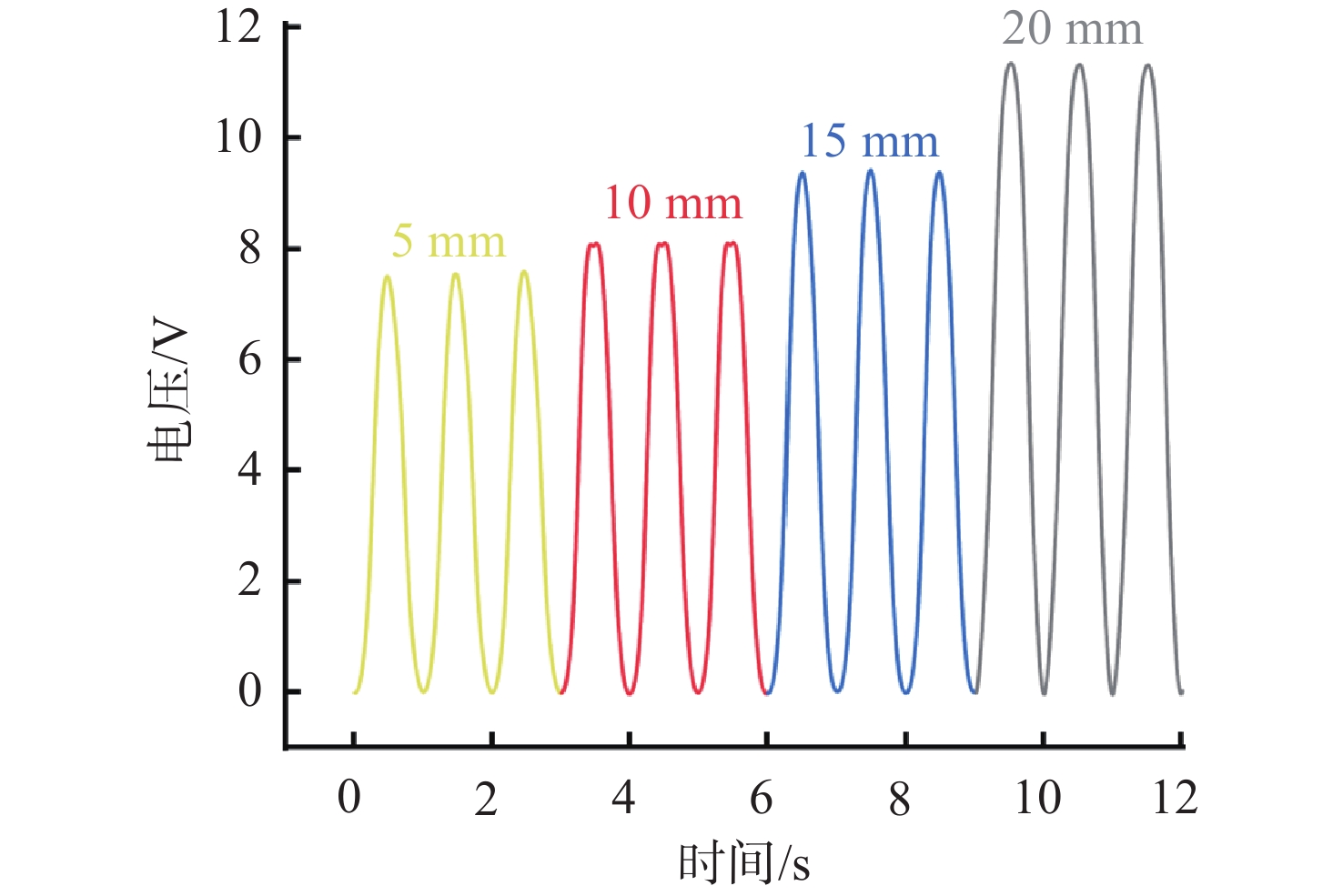
图 7 碳纤维连接杆长度对输出性能的影响
Figure 7. Effect of carbon fiber connecting rod length on output performance
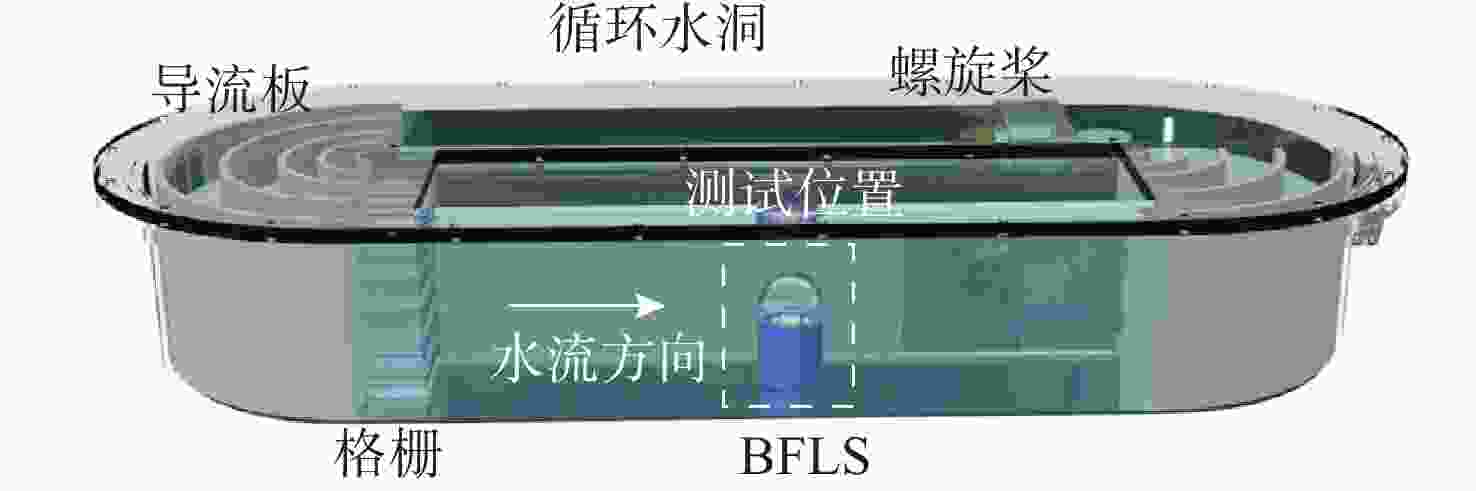
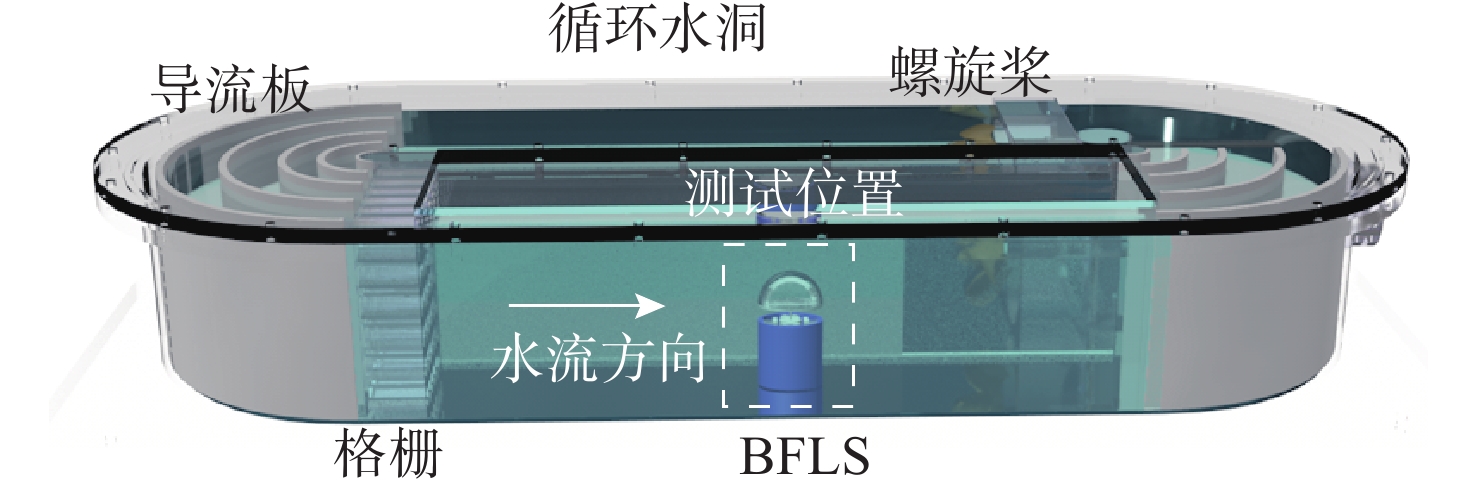
图 8 循环水洞实验装置示意图
Figure 8. Schematic diagram of circulating water tunnel experimental device
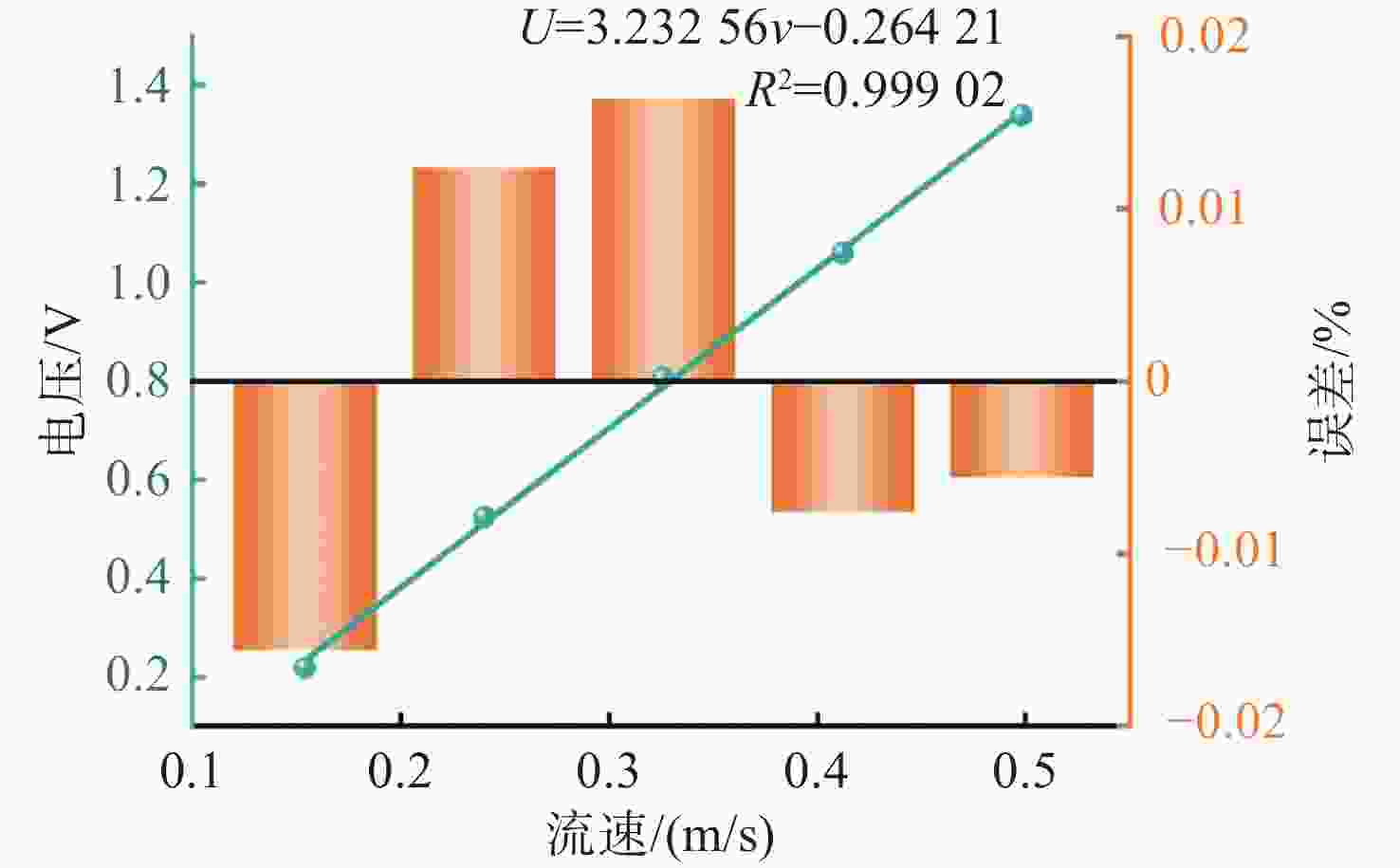
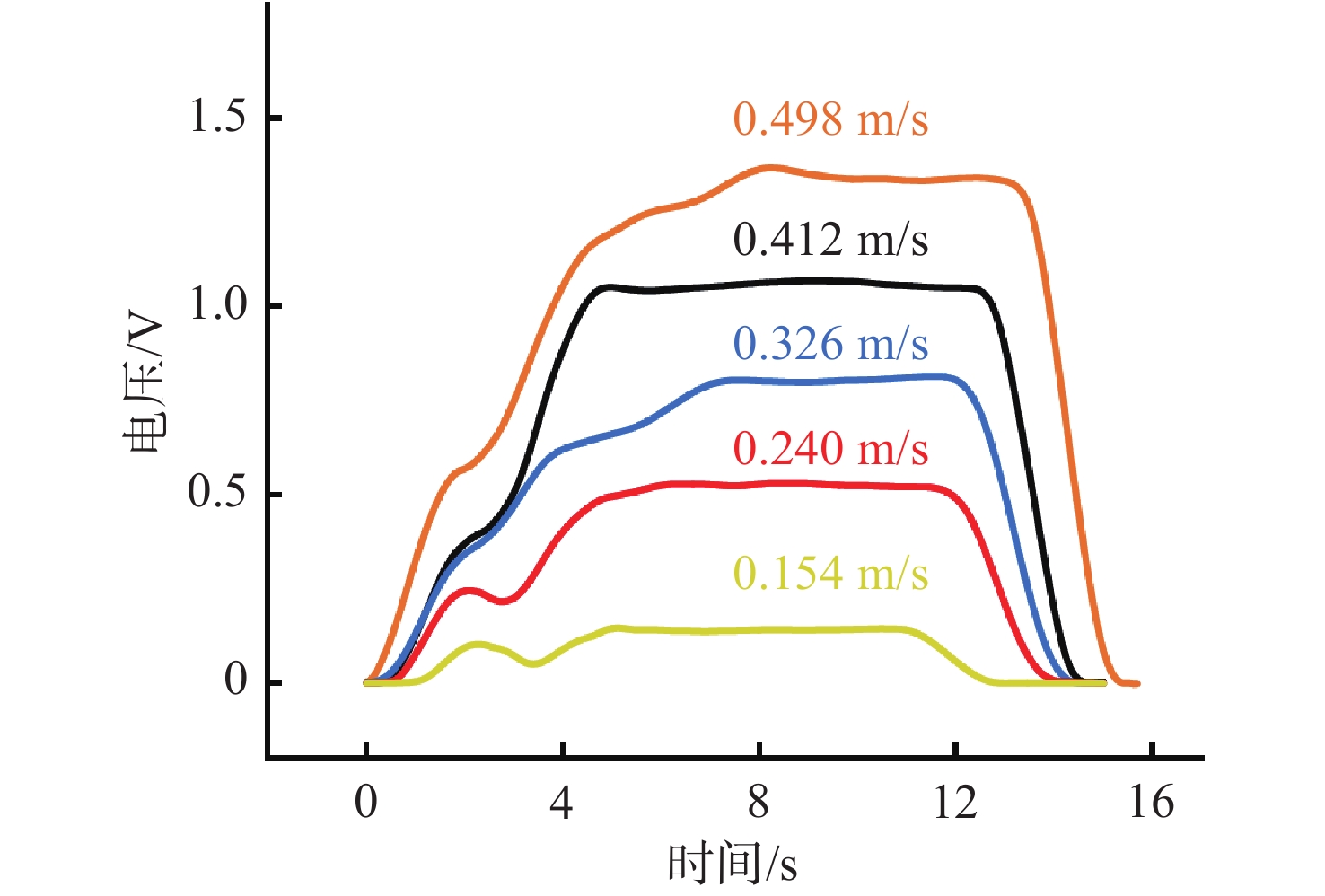
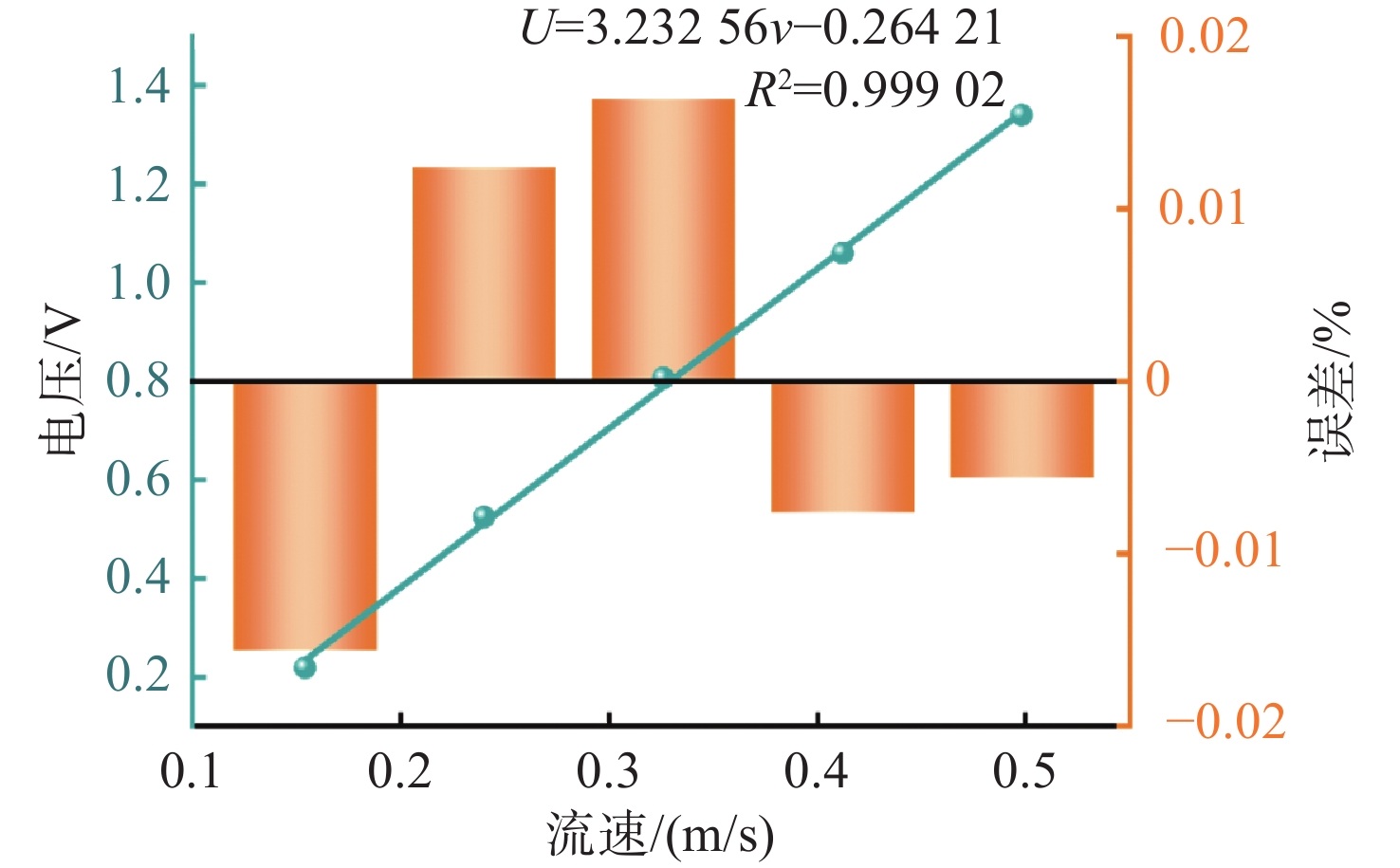
图 11 传感器的输出电压与流速之间的关系
Figure 11. Relationship between output voltage of sensor and flow rate
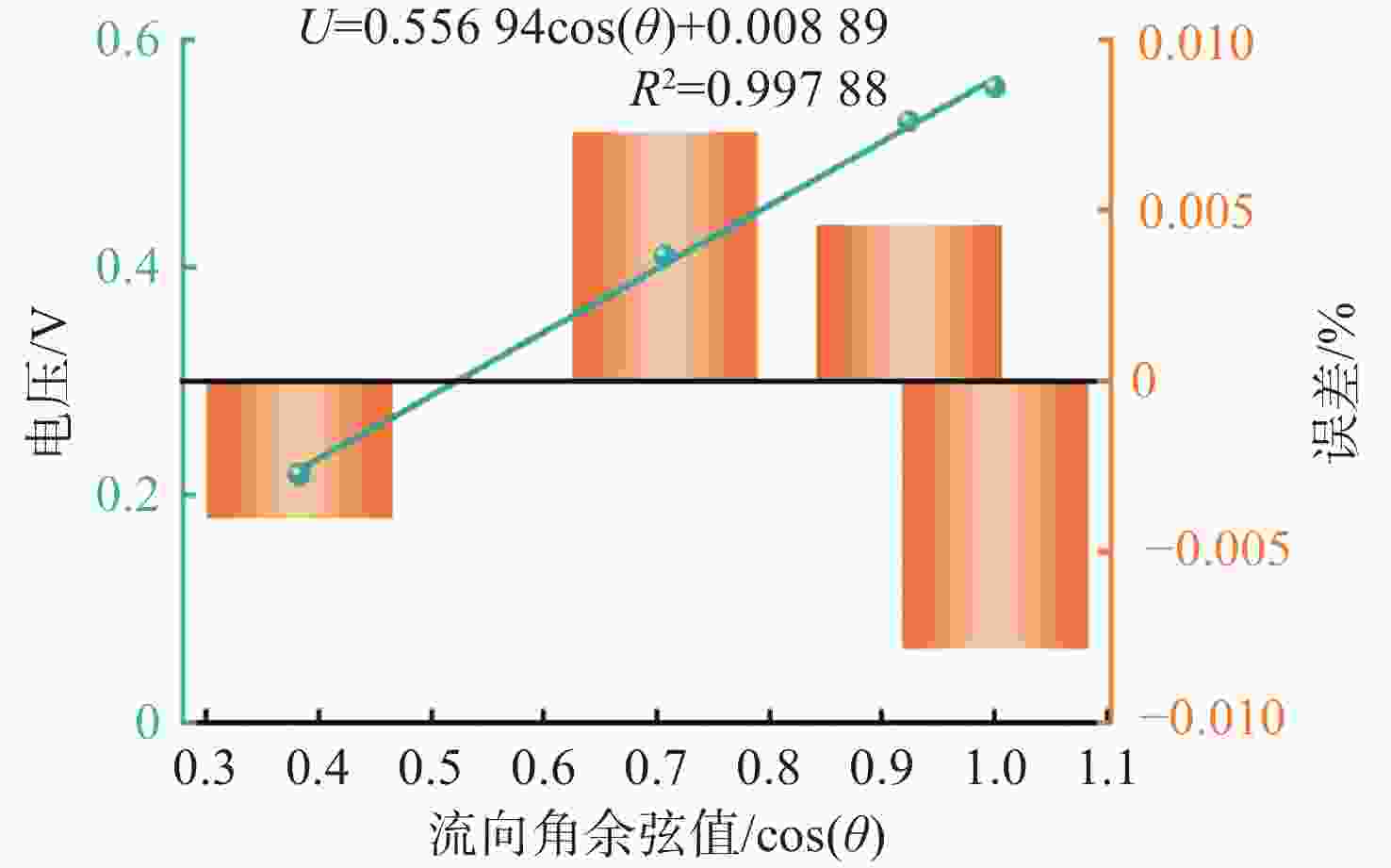
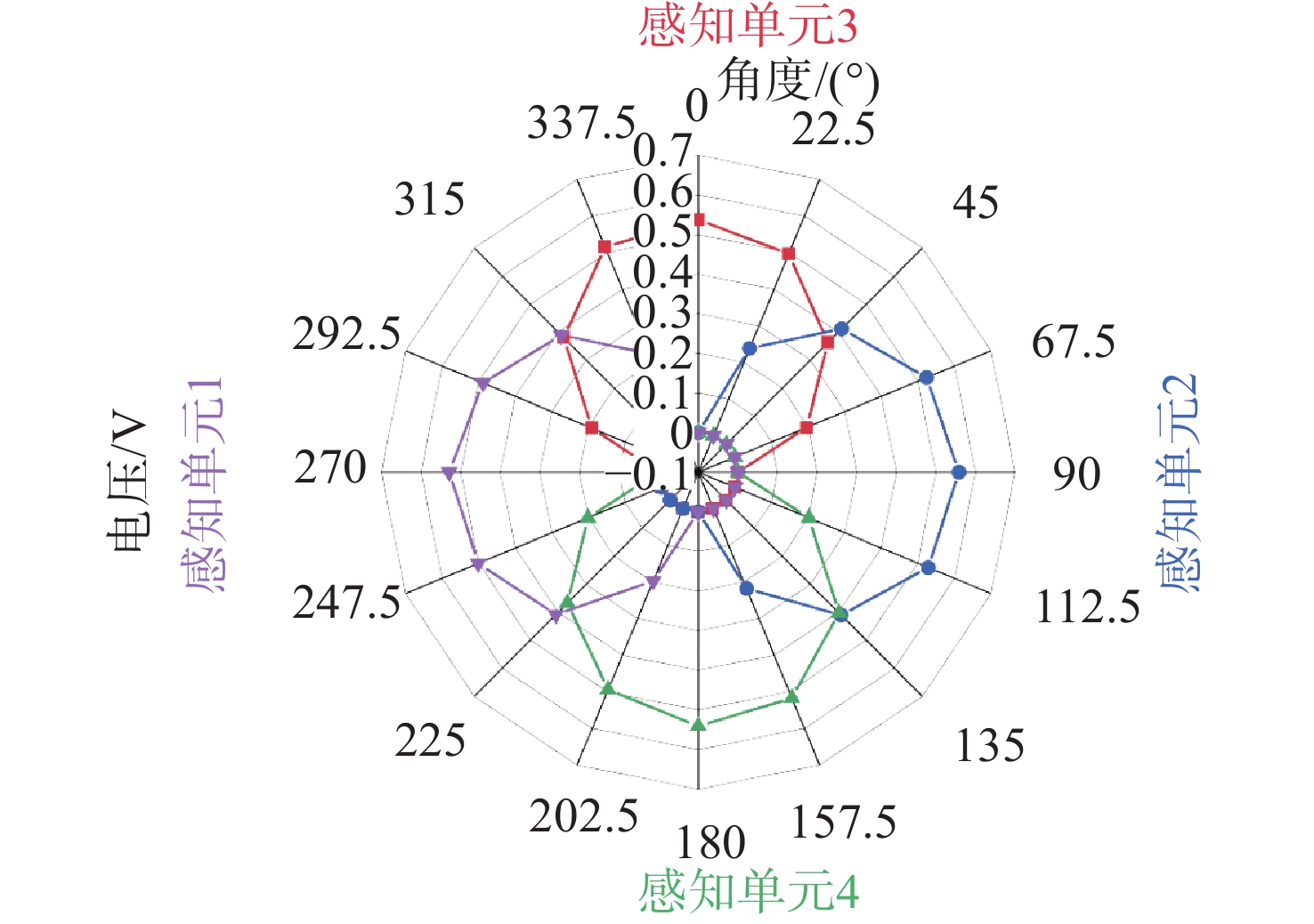
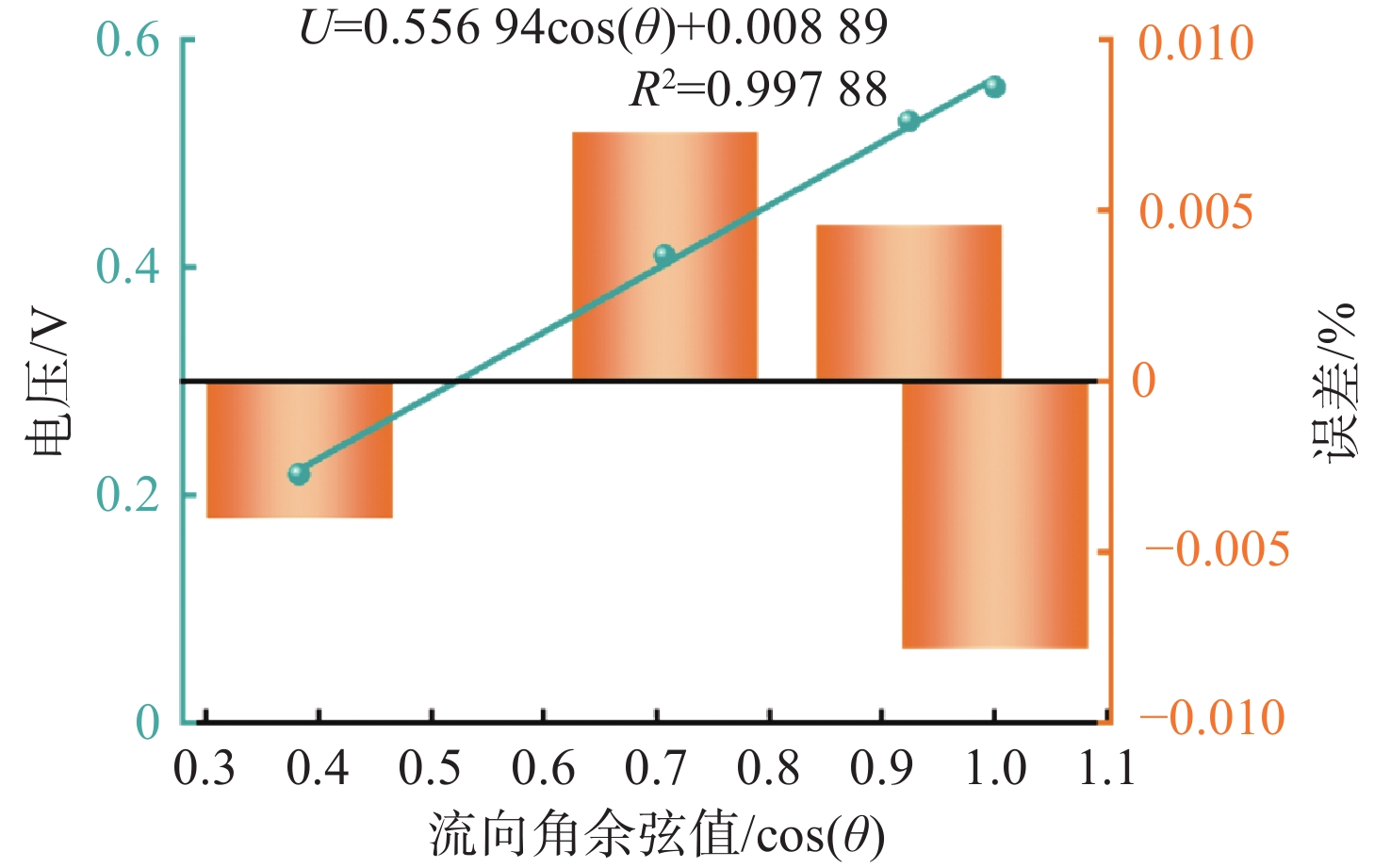
图 14 感知单元1的输出电压与流向之间的关系
Figure 14. Relationship between output voltage and flow direction of sensing unit 1
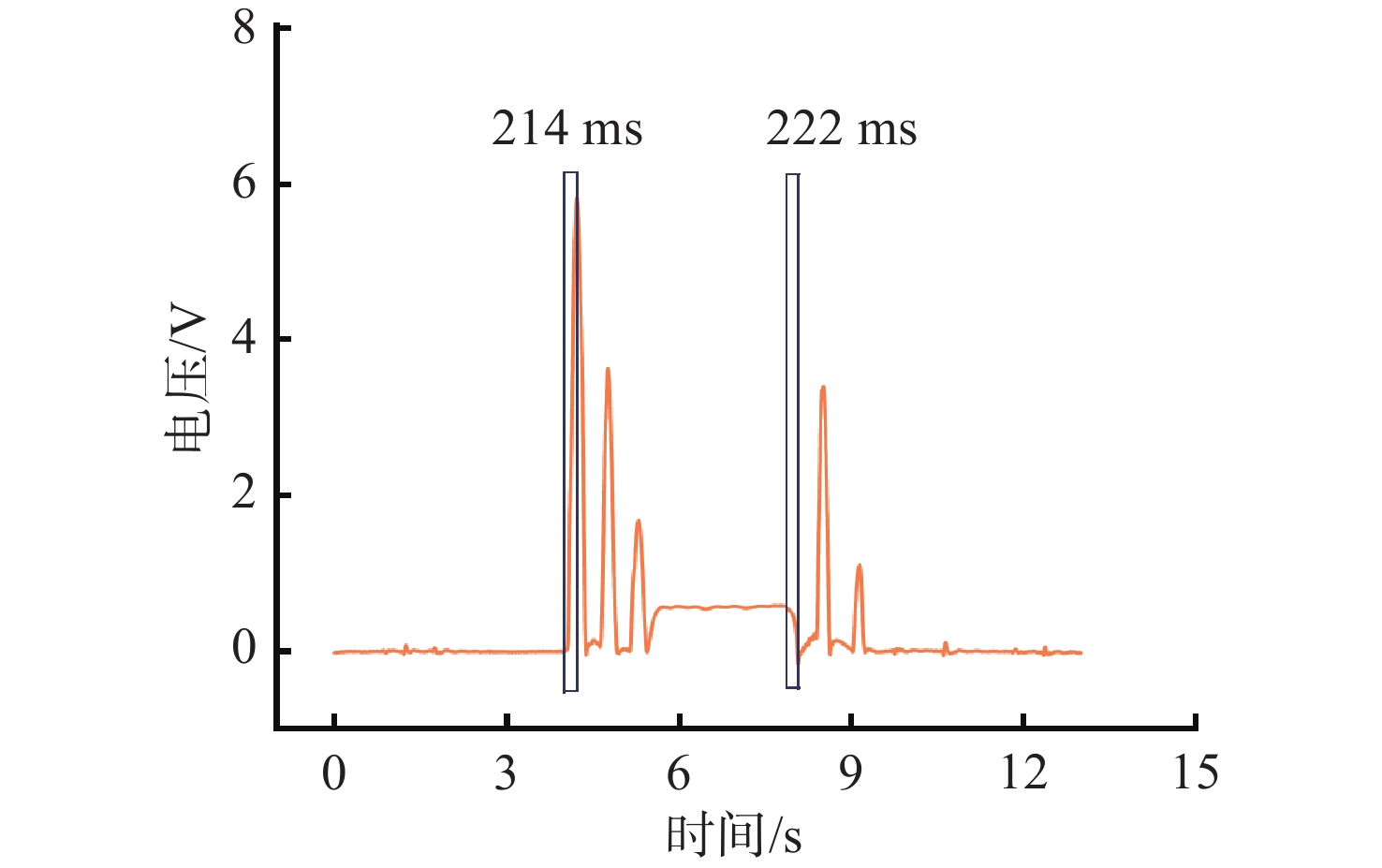
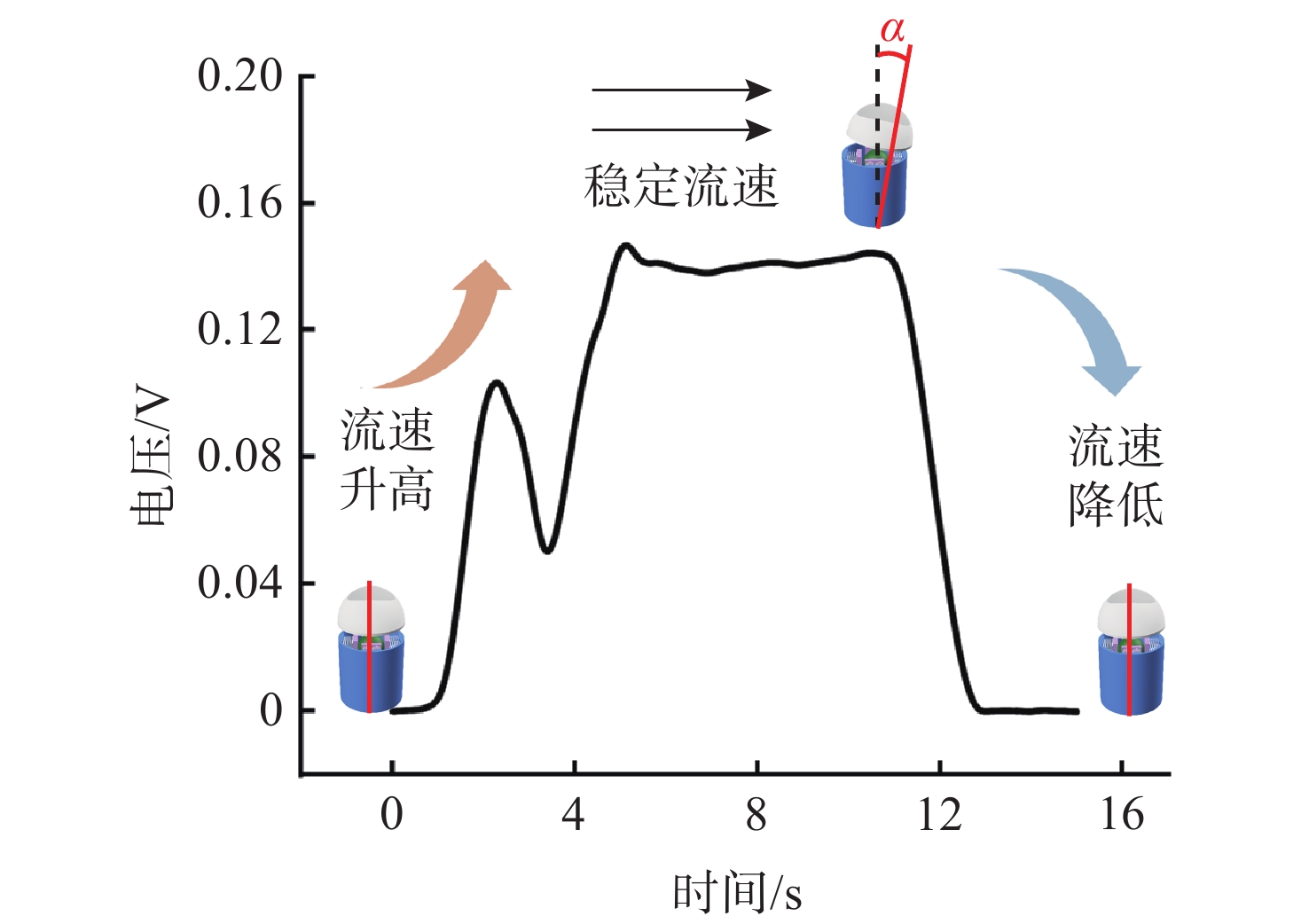
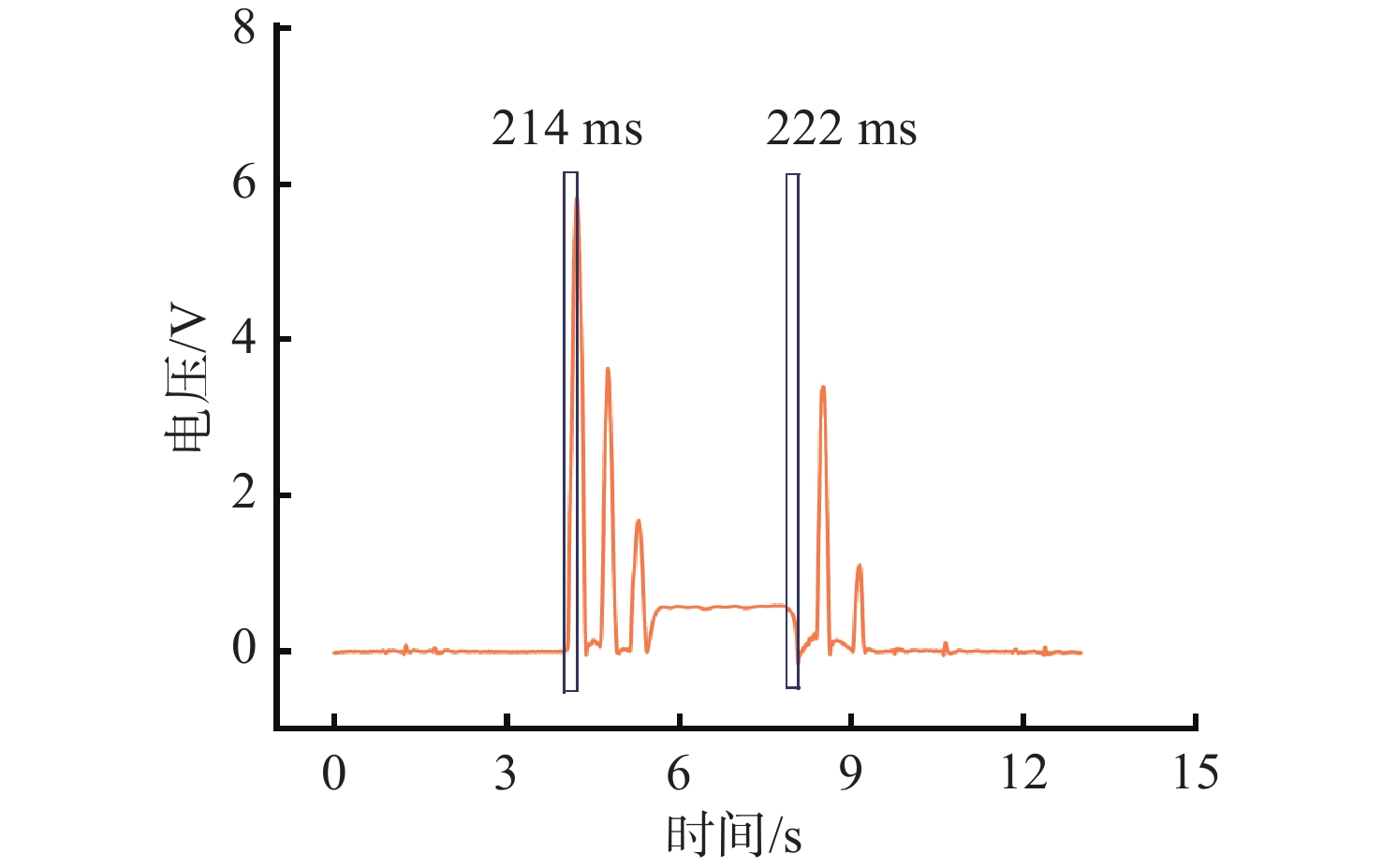
图 15 流速突变下BFLS的响应能力
Figure 15. Response capability of bfls under sudden change of flow velocity
表 1 基于TENG的仿生侧线传感器特点对比
Table 1. Characteristics comparison of bionic lateral line sensor based on TENG
工作 检测对象 感知单
元数量适用
环境方向识
别能力文中工作 流速、机械载荷 4 水下、空气 是 FLLF-TENG 机械载荷 1 空气 否 TVS 机械载荷 1 空气 否 BLLS 振荡流 1 水下 否 TBLS 振荡流、尾流 1 水下 否  下载: 导出CSV
-
[1] 陈旭光, 寇海磊, 牛小东, 等. 深海水下技术装备发展研究[J]. 中国工程科学, 2024, 26(2): 1-14. doi: 10.15302/J-SSCAE-2024.02.002Chen X G, Kou H L, Niu X D, et al. Research on the development of deep-sea underwater technology and equipment[J]. Chinese Engineering Science, 2024, 26(2): 1-14. doi: 10.15302/J-SSCAE-2024.02.002 [2] Xia Q, Song N, Liu C, et al. Current development of bionic flexible sensors applied to marine flow field detection[J]. Sensors and Actuators A: Physical, 2023, 351: 114158. doi: 10.1016/j.sna.2023.114158 [3] Sun K, Cui W, Chen C. Review of underwater sensing technologies and applications[J]. Sensors, 2021, 21(23): 7849. doi: 10.3390/s21237849 [4] 翟宇凡, 熊明磊, 王晨, 等. 水下仿生侧线感知研究进展[J]. 水下无人系统学报, 2023, 31(1): 50-67. doi: 10.11993/j.issn.2096-3920.2022-0073Zhai Y F, Xiong M L, Wang C, et al. Research progress on underwater biomimetic lateral line perception[J]. Journal of Unmanned Undersea Systems, 2023, 31(1): 50-67. doi: 10.11993/j.issn.2096-3920.2022-0073 [5] Sharif M A, Tan X. A pressure difference sensor inspired by fish canal lateral line[J]. Bioinspiration & biomimetics, 2019, 14(5): 055003. doi: 10.1088/1748-3190/ab2fa8 [6] Shizhe T. Underwater artificial lateral line flow sensors[J]. Microsystem Technologies, 2014, 20(12): 2123-2136. doi: 10.1007/s00542-014-2350-1 [7] Zhao Z, Yang Q, Li R, et al. A comprehensive review on the evolution of bio-inspired sensors from aquatic creatures[J]. Cell Reports Physical Science, 2024, 5(7): 102064. doi: 10.1016/j.xcrp.2024.102064 [8] Wang Z, Wang S, Wang X, et al. Underwater moving object detection using superficial electromagnetic flow velometer array-based artificial lateral line system[J]. IEEE Sensors Journal, 2024, 24: 12104-12121. doi: 10.1109/JSEN.2024.3370259 [9] Shu S, Wang T, He J, et al. Bionic underwater multimodal sensor inspired by fish lateralis neuromasts[J]. Device, 2023, 1(5): 100175. doi: 10.1016/j.device.2023.100175 [10] Liu L, Xu J, Zuo W, et al. High-performance triboelectric nanogenerators for marine science: from material design, intelligent structures to system integration[J]. Advanced Energy Materials, 2026, 16(13): e06057. doi: 10.1002/aenm.202506057 [11] Wang S, Xu P, Liu J, et al. Underwater triboelectric nanogenerator[J]. Nano Energy, 2023, 118: 109018. doi: 10.1016/j.nanoen.2023.109018 [12] 蒲雄, 刘佳鑫, 李绍欣, 等. 纳米发电机应用: 自驱动系统[J]. 中国科学: 技术科学, 2023, 53(06): 967-988.Pu X, Liu J X, Li S X, et al. Application of nanogenerators: self-powered systems[J]. Science in China: Technological Sciences, 2023, 53(06): 967-988. [13] 刘一函, 王思远, 徐鹏. 水下仿生感知技术的发展及应用[J]. 水下无人系统学报, 2025, 33(06): 1097-1110. doi: 10.11993/j.issn.2096-3920.2025-0075Liu Y H, Wang S Y, Xu P. Development and application of underwater biomimetic sensing technology[J]. Journal of Unmanned Undersea Systems, 2025, 33(06): 1097-1110. doi: 10.11993/j.issn.2096-3920.2025-0075 [14] Liu J, Xu P, Liu B, et al. Underwater biomimetic lateral line sensor based on triboelectric nanogenerator for dynamic pressure monitoring and trajectory perception[J]. Small, 2024, 20(19): e2308491. doi: 10.1002/smll.202308491 [15] Dong K, Zhang Y, Fan X, et al. Microfiber-based triboelectric acoustic sensors enable self-powered ultrasonic localization and tracking underwater[J]. ACS sensors, 2025, 10(2): 1366-1377. doi: 10.1021/acssensors.4c03283 [16] Zhang Y, Li Y, Cheng R, et al. Underwater monitoring networks based on cable-structured triboelectric nanogenerators[J]. Research, 2022, 2022: 9809406. doi: 10.34133/2022/9809406 [17] 王廷宇, 石柯涌, 吴梦维, 等. 水下柔性传感器研究进展[J]. 水下无人系统学报, 2025, 33(05): 758-768. doi: 10.11993/j.issn.2096-3920.2025-0093Wang T Y, Shi K Y, WU M W, et al. Recent advances in underwater flexible sensors[J]. Journal of Unmanned Undersea Systems, 2025, 33(05): 758-768. doi: 10.11993/j.issn.2096-3920.2025-0093 [18] Zhang C, Hao Y, Yang J, et al. Recent advances in triboelectric nanogenerators for marine exploitation[J]. Advanced Energy Materials, 2023, 13(19): 2300387. doi: 10.1002/aenm.202300387 [19] Liu J, Xu P, Zheng J, et al. Whisker-inspired and self-powered triboelectric sensor for underwater obstacle detection and collision avoidance[J]. Nano Energy, 2022, 101: 107633. doi: 10.1016/j.nanoen.2022.107633 [20] Ma G, Zhang M, Gao F, et al. Bioinspired, fiber-based, flexible self-powered sensor for wearable applications[J]. Device, 2024, 2(11): 100508. doi: 10.1016/j.device.2024.100508 [21] He Q, Wu Y, Feng Z, et al. Triboelectric vibration sensor for a human-machine interface built on ubiquitous surfaces[J]. Nano Energy, 2019, 59: 689-696. doi: 10.1016/j.nanoen.2019.03.005 [22] Liu J, Liu B, Xi Z, et al. Highly sensitive and integratable triboelectric bionic lateral line sensor for flow recognition of underwater vehicle[J]. Advanced Materials Technologies, 2025, 10(13): 2500072. doi: 10.1002/admt.202500072 [23] Niu S, Wang S, Lin L, et al. Theoretical study of contact-mode triboelectric nanogenerators as an effective power source[J]. Energy & Environmental Science, 2013, 6(12): 3576-3583. doi: 10.1039/c3ee42571a -

 下载:
下载:

 点击查看大图
计量
- 文章访问数: 87
- HTML全文浏览量: 43
- PDF下载量: 7
- 被引次数: 0