

Ocean Thermal Energy Conversion Systems Based on Supercooled Thermal Energy Storage
-
摘要: 针对水下滑翔机(UG)等水下无人系统续航受限的问题, 提出并实验验证了一种基于封装相变材料(EPCM)与热电模块(TEM)耦合的海洋温差发电系统。该系统利用 EPCM 在下潜过程中保持过冷液态、在低温海水环境中自发结晶释放潜热的特性, 在 TEM 冷、热端之间建立稳定温差, 实现海洋温差能向电能的直接转换。制备了3种不同配比、质量为 2.5 kg 的 EPCM, 并在模拟海表-深海温度环境下测试其过冷稳定性和发电性能。结果表明, 98%六水氯化钙(CCH)+2% PEG200的EPCM过冷和释放潜热行为更稳定, 在深海工况下最大开路电压为 15.2 V、最大短路电流为 43.06 mA, 单次发电持续约2 640 s, 输出电能为518.09 J; 在完整下潜—上浮剖面中累计输出电能达821.44 J, 对应系统体积能量密度为 547.63 kJ·m−3。研究结果表明, 该系统可在单个潜浮剖面内实现稳定能量输出, 具有良好的工程应用潜力。Abstract: An ocean thermal energy conversion system coupling the encapsulated phase change material(EPCM) with thermoelectric module(TEM) was proposed and experimentally validated to address the limited endurance of underwater unmanned systems such as the underwater glider(UG). By maintaining EPCM in a supercooled liquid state during the descent and triggering spontaneous crystallization with latent heat release in cold seawater, a stable temperature difference was established between the hot and cold ends of TEM, enabling direct conversion of ocean thermal energy into electrical energy. Three EPCMs with different compositions and a mass of 2.5 kg were prepared, and their supercooling stability and power generation performance were evaluated in simulated sea surface-deep sea thermal conditions. The results show that EPCM composed of 98% calcium chloride hexahydrate(CCH) and 2% PEG200 exhibits more stable supercooling and latent heat release behavior. In deep-sea conditions, the system achieves a maximum open-circuit voltage of 15.2 V, a maximum short-circuit current of 43.06 mA, a single power generation duration of approximately 2 640 s, and output electric energy of 518.09 J. During a complete descent-ascent profile, the cumulative electric energy output reaches 821.44 J, corresponding to a volumetric energy density of 547.63 kJ·m−3. The results demonstrate that the proposed system can achieve stable energy output within a single descent-ascent profile and shows promising engineering application potential.
-
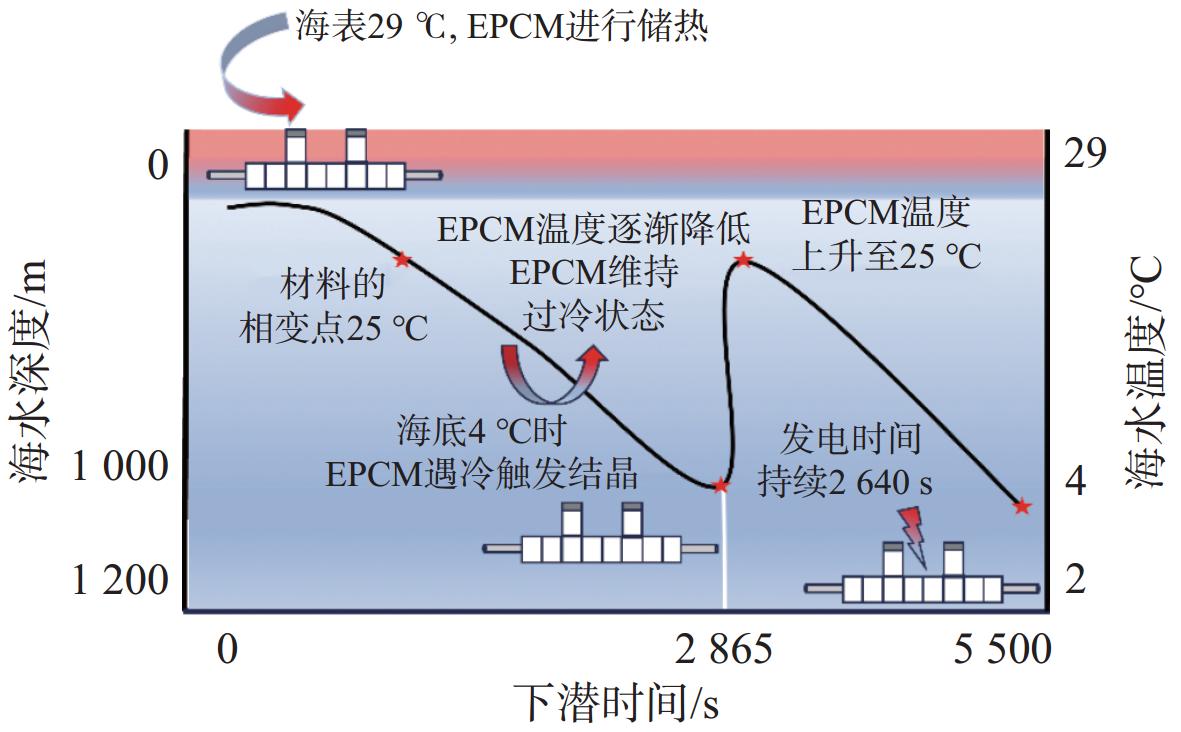
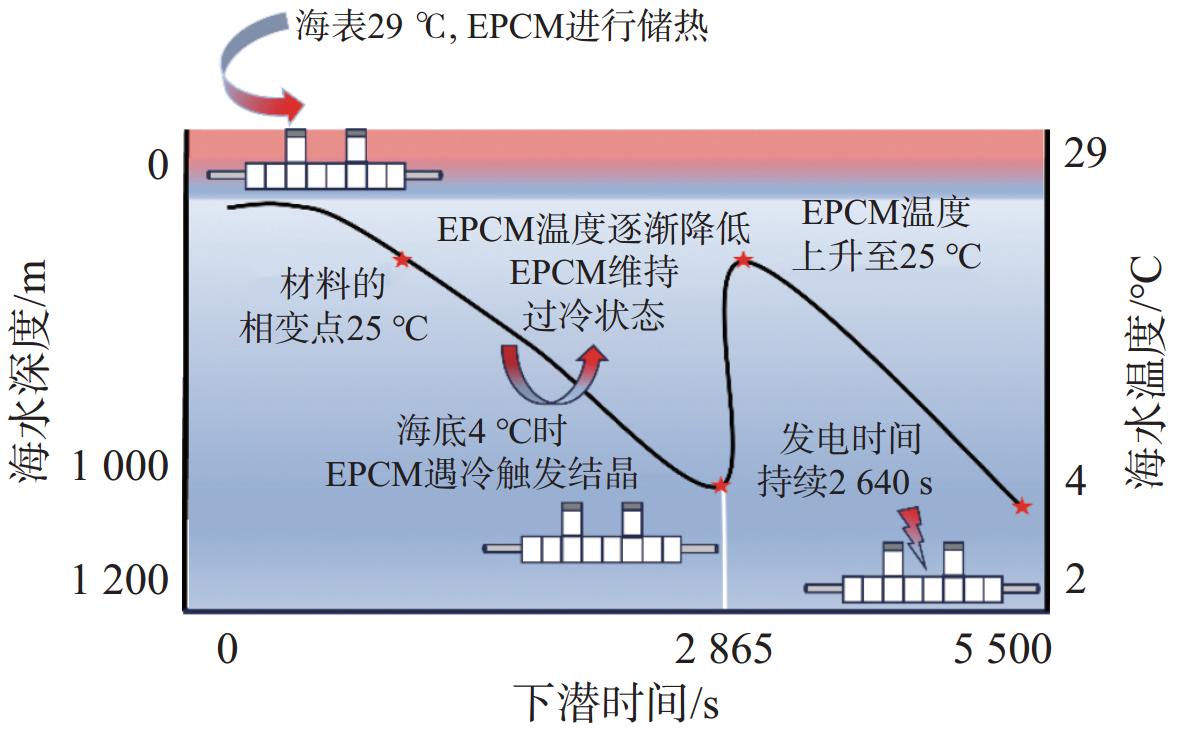
图 1 基于过冷储热的海洋温差发电系统原理示意图
Figure 1. Schematic diagram of the supercooling thermal-storage-based ocean thermal energy conversion system
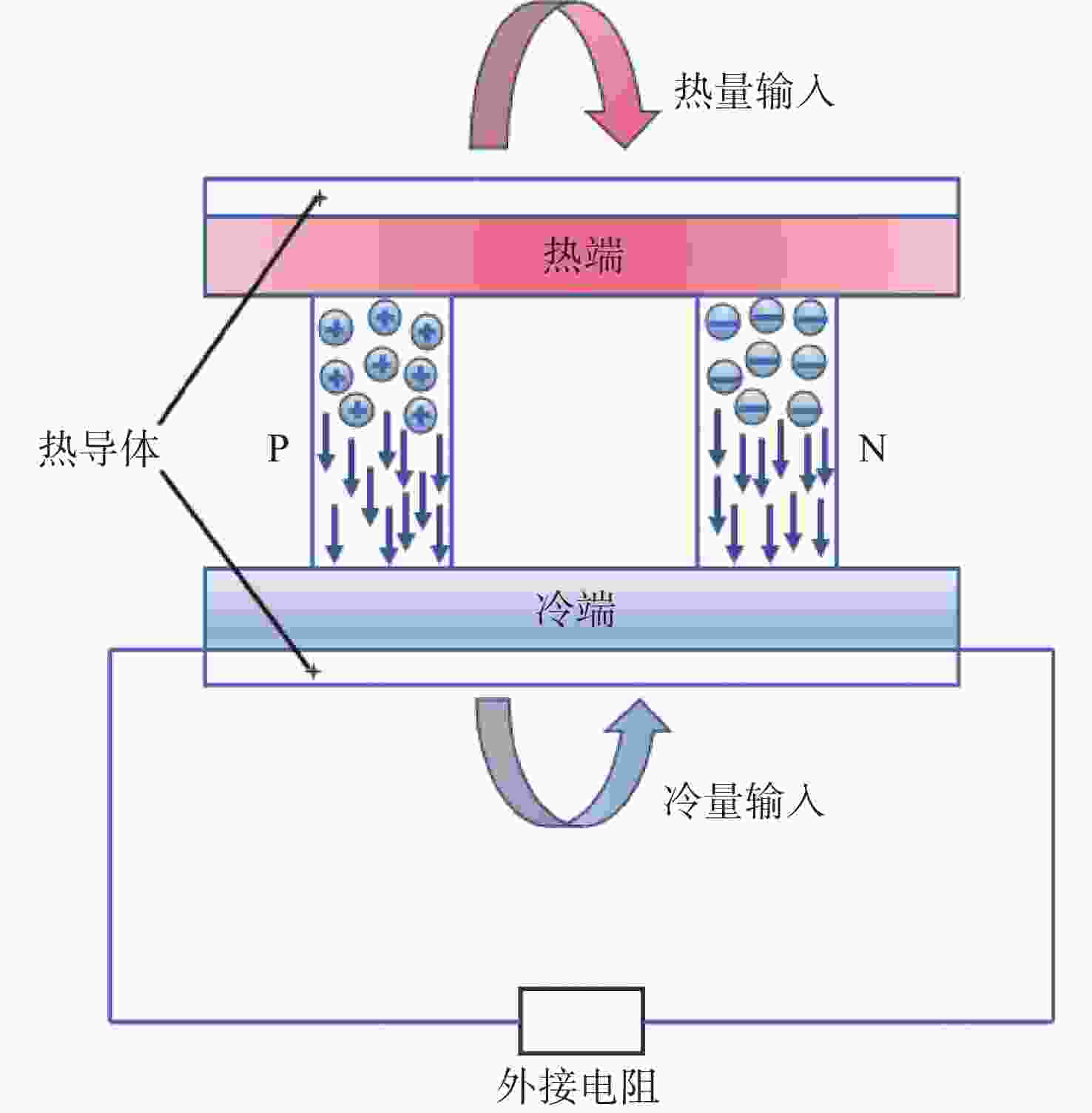
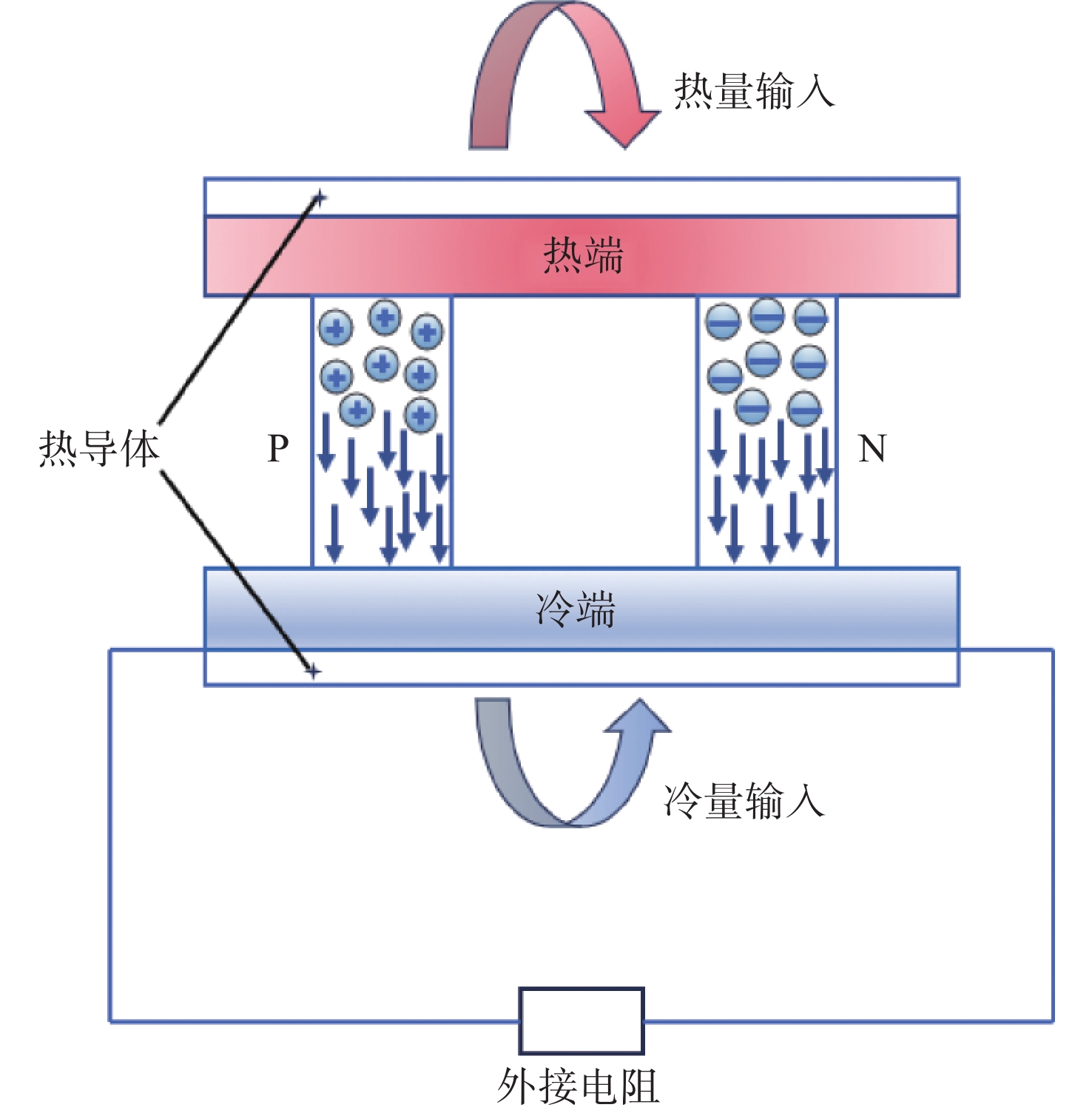
图 2 单对PN结热电偶温差发电原理
Figure 2. Principle of thermoelectric power generation by a single pair of PN junction thermocouple
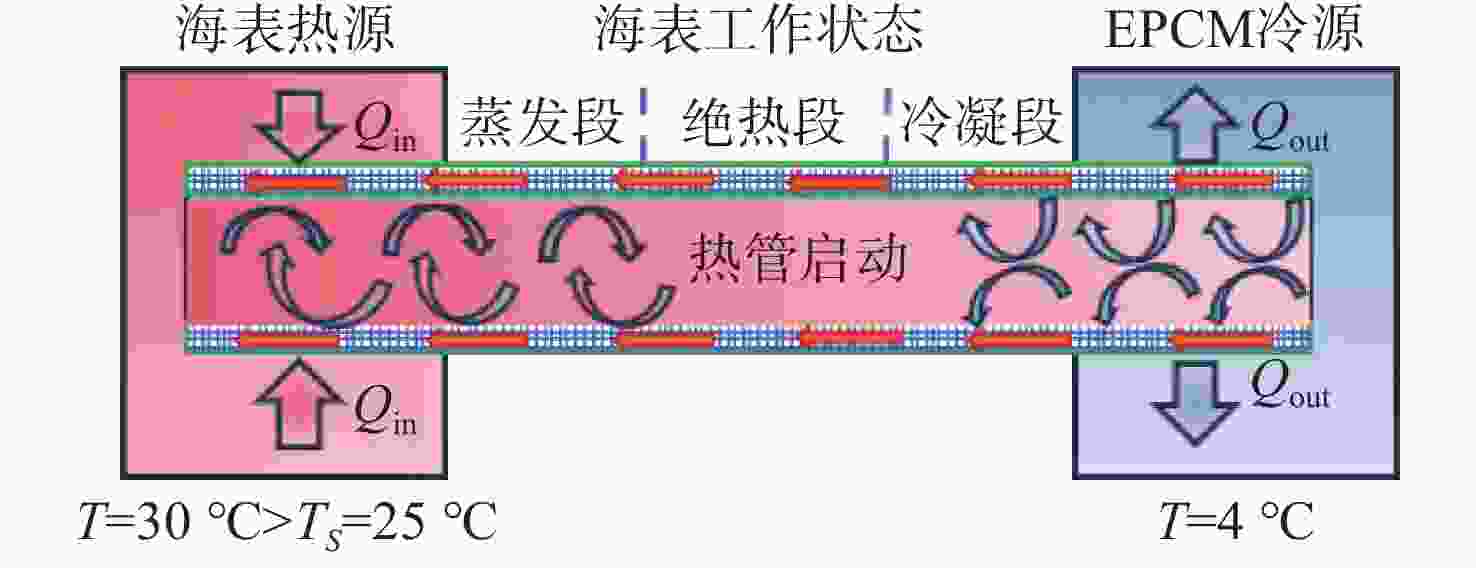
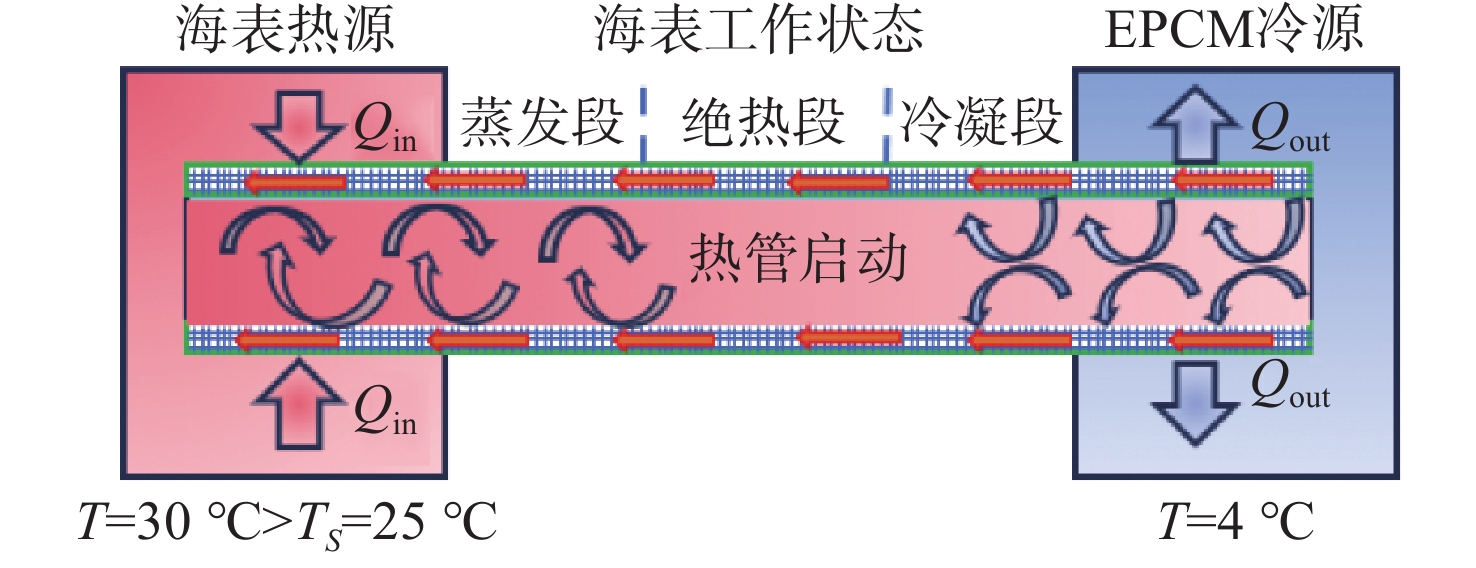
图 3 温敏热管在海表工作原理
Figure 3. Principle of the temperature-sensitive heat pipe operating at the sea surface
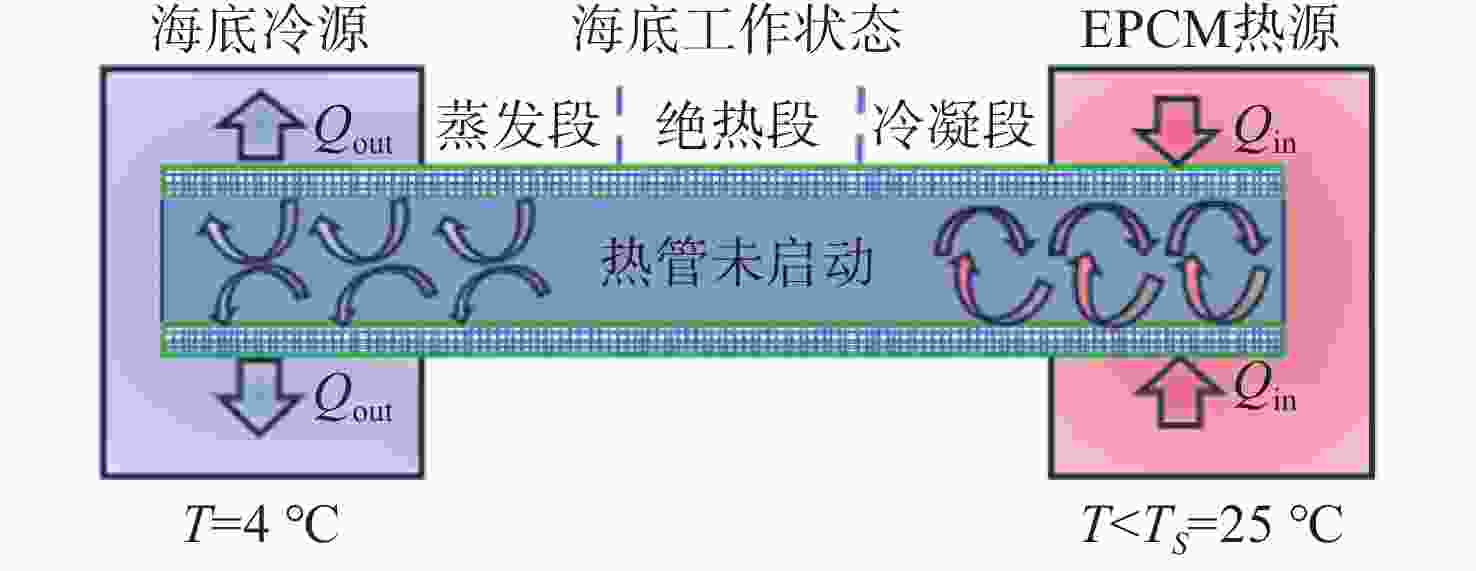
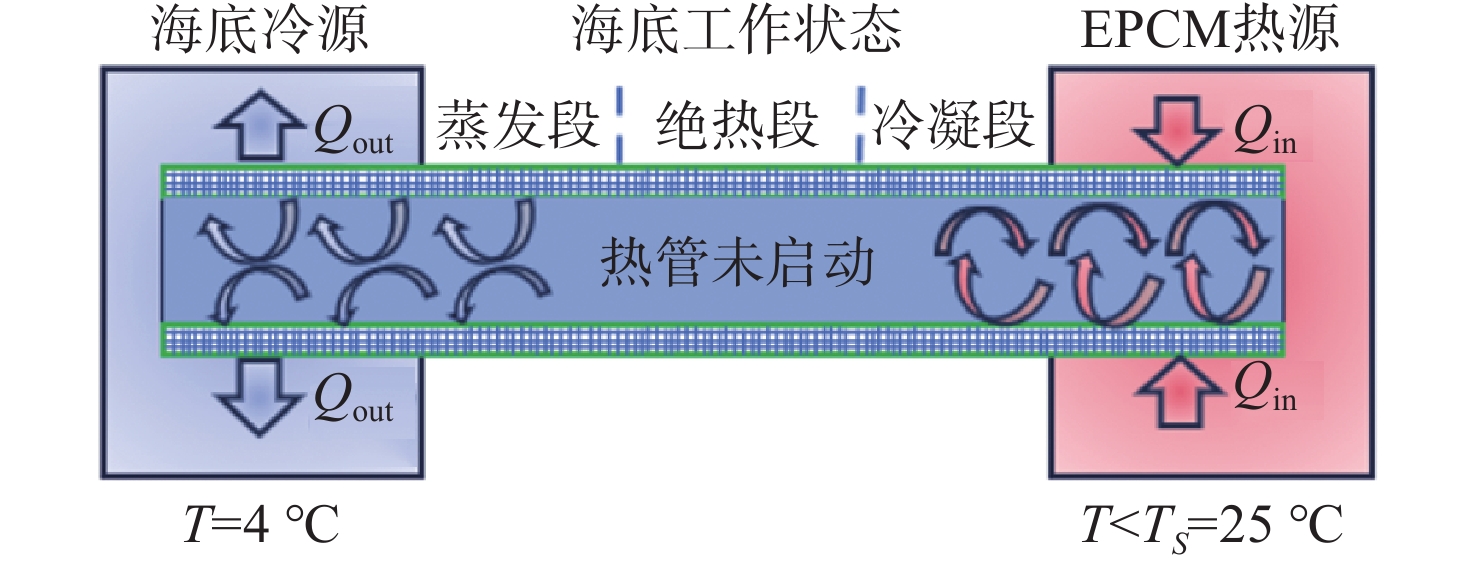
图 4 温敏热管在海底工作原理
Figure 4. Principle of the temperature-sensitive heat pipe operating on the seabed
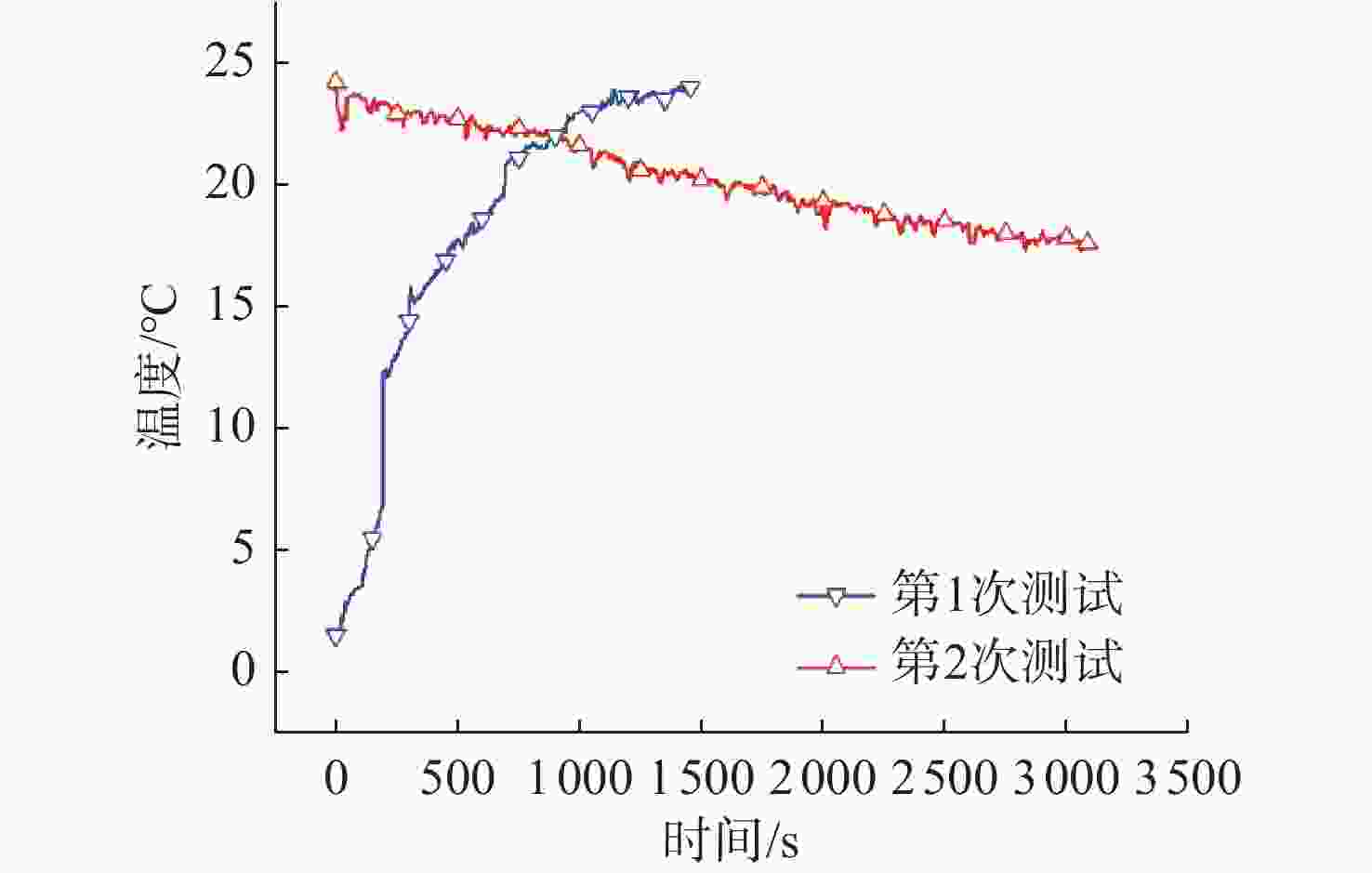
图 5 温敏热管在2种工作情况下的测试结果
Figure 5. Test results of the temperature-sensitive heat pipes in two operating conditions
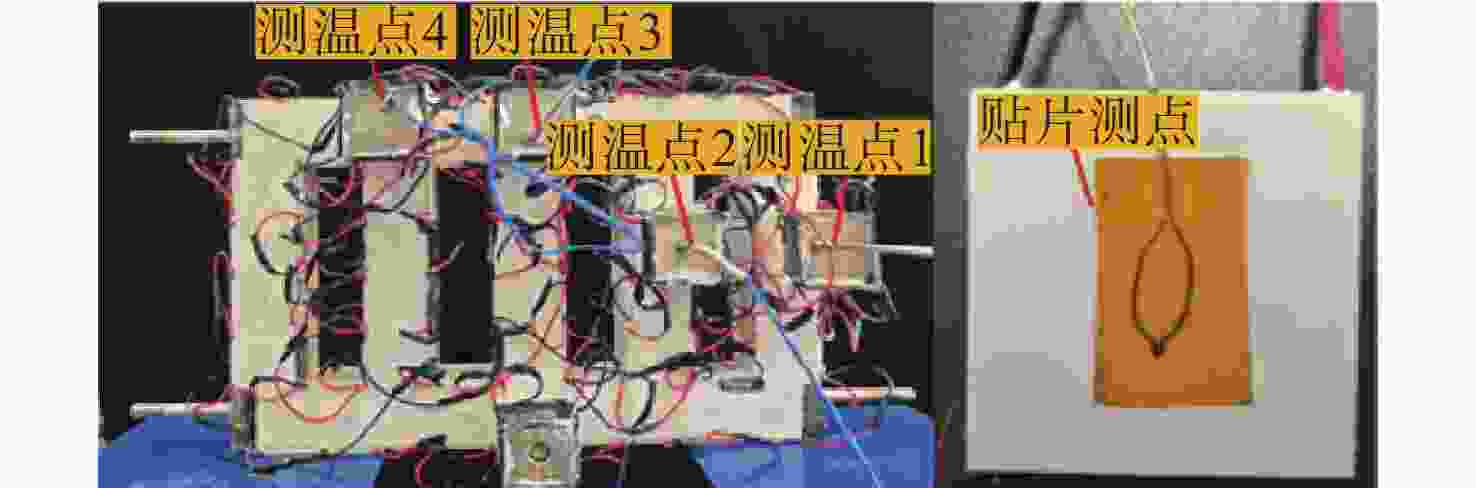
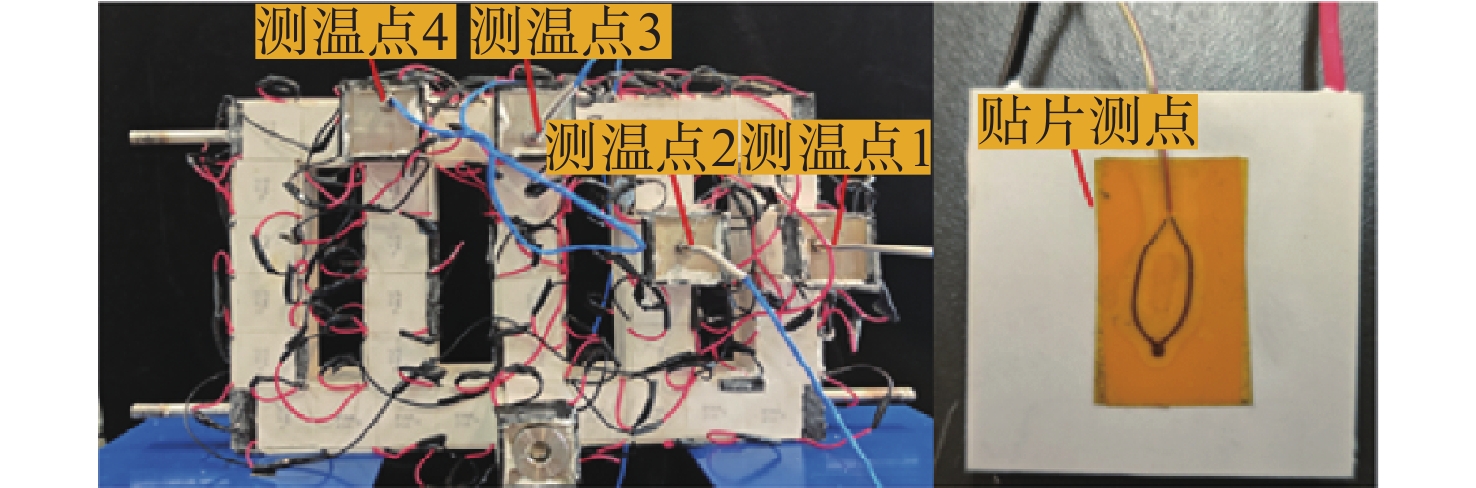
图 8 测温点在实验装置中的分布
Figure 8. Distribution of temperature measurement points in the experimental setup
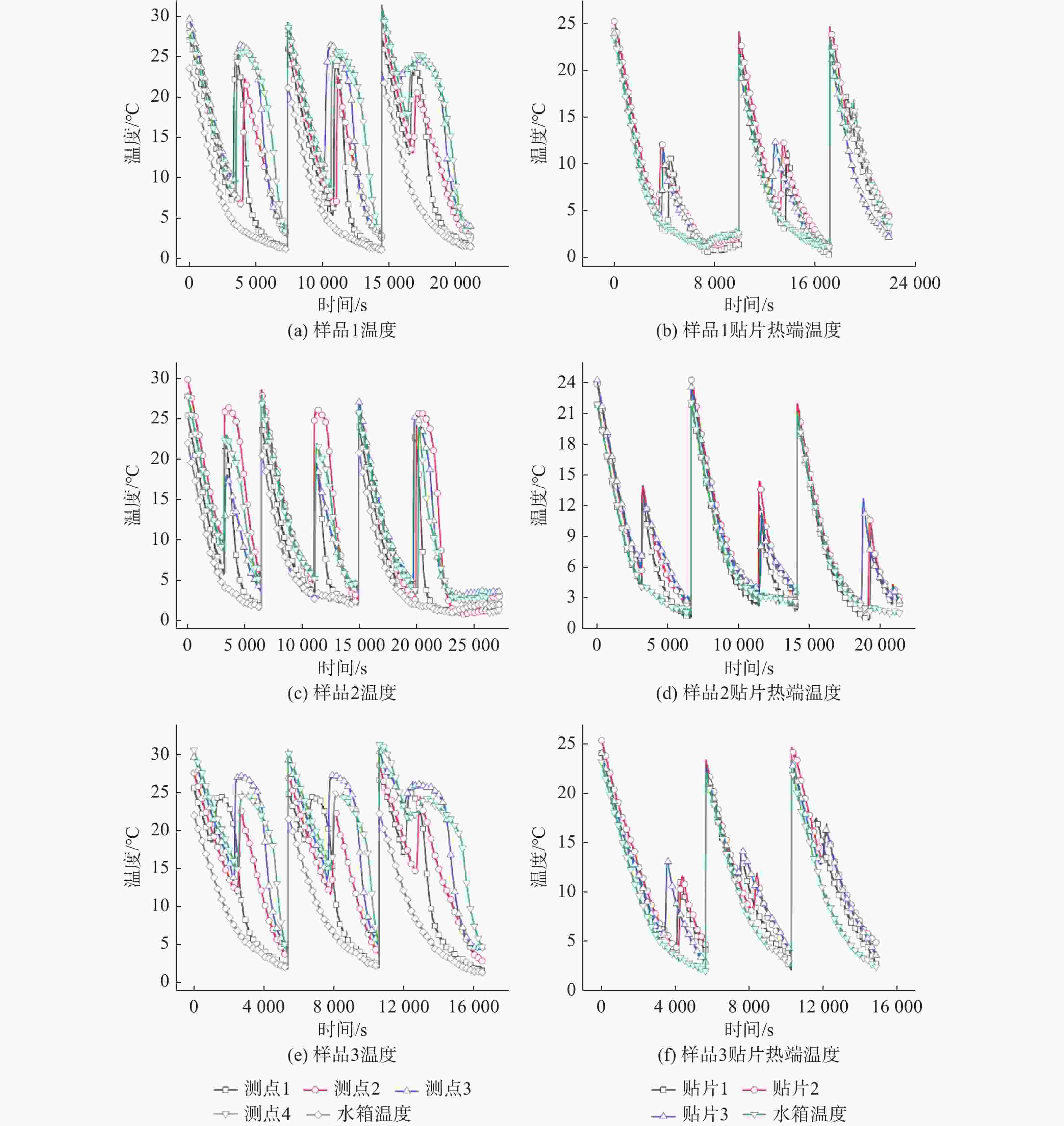
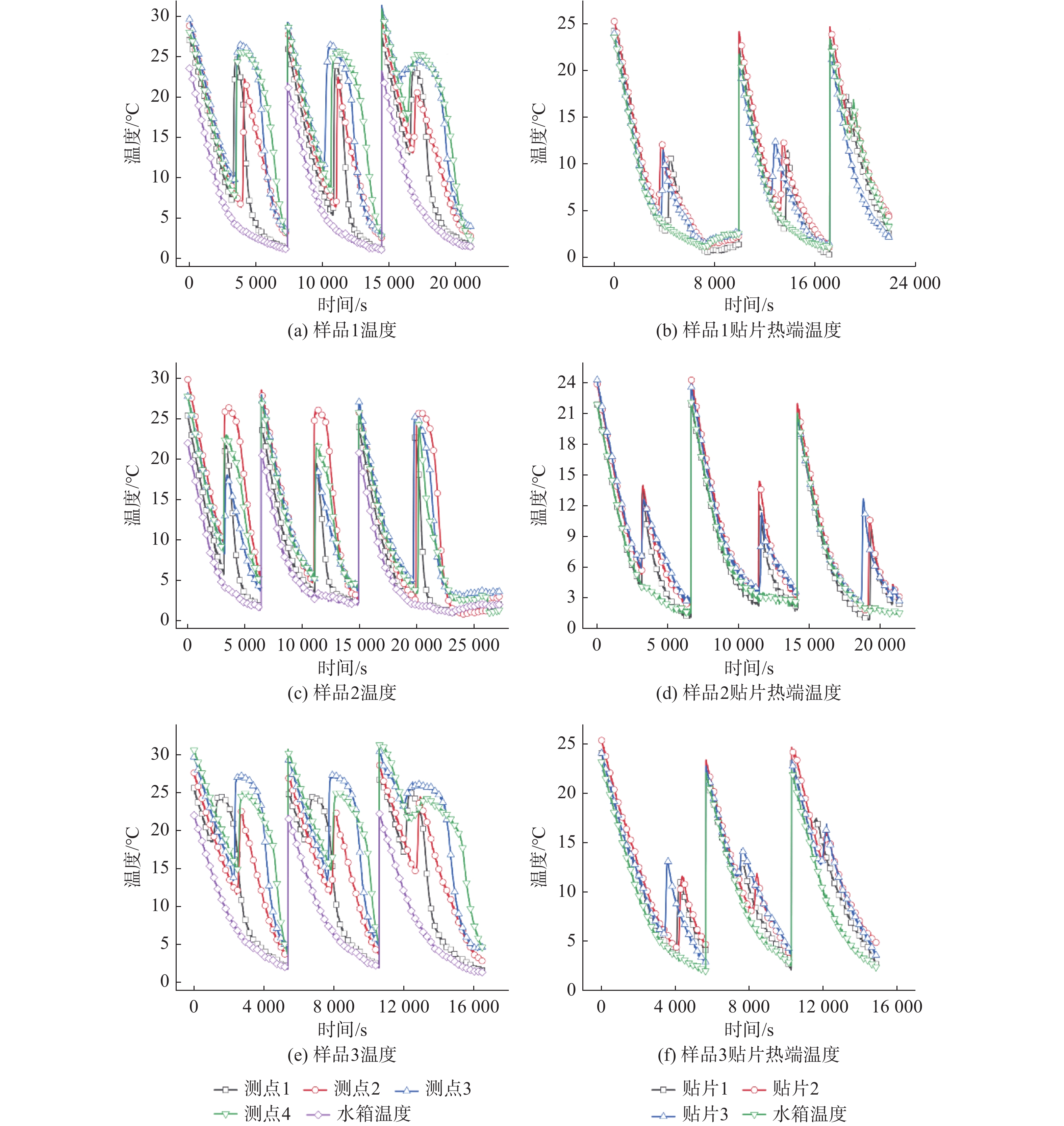
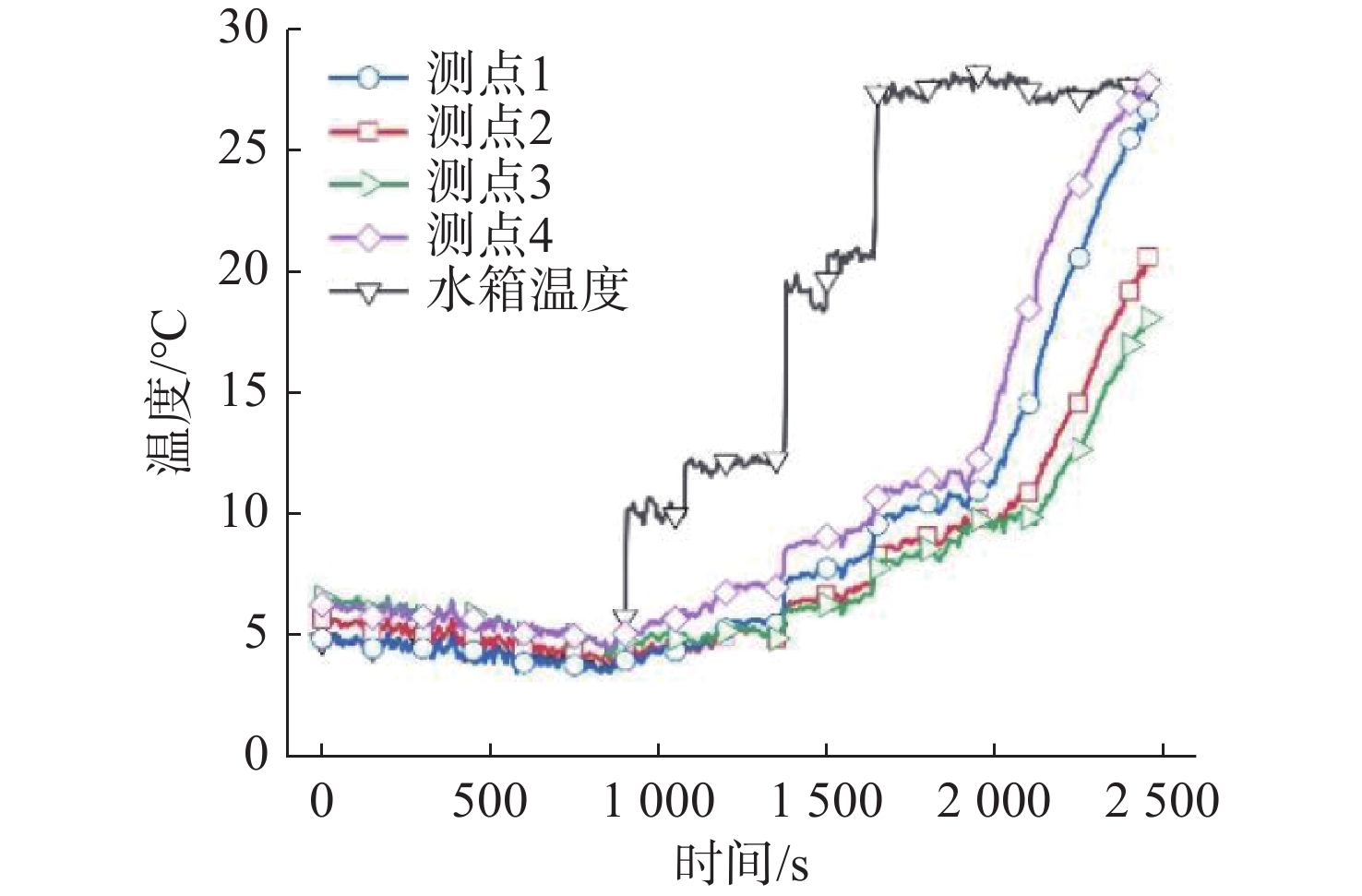
图 9 3种 EPCM 与温差发电片热端在3次循环中的温度-时间响应曲线
Figure 9. Temperature-time response curves of three EPCMs and the hot side of the thermoelectric generator during three cycles
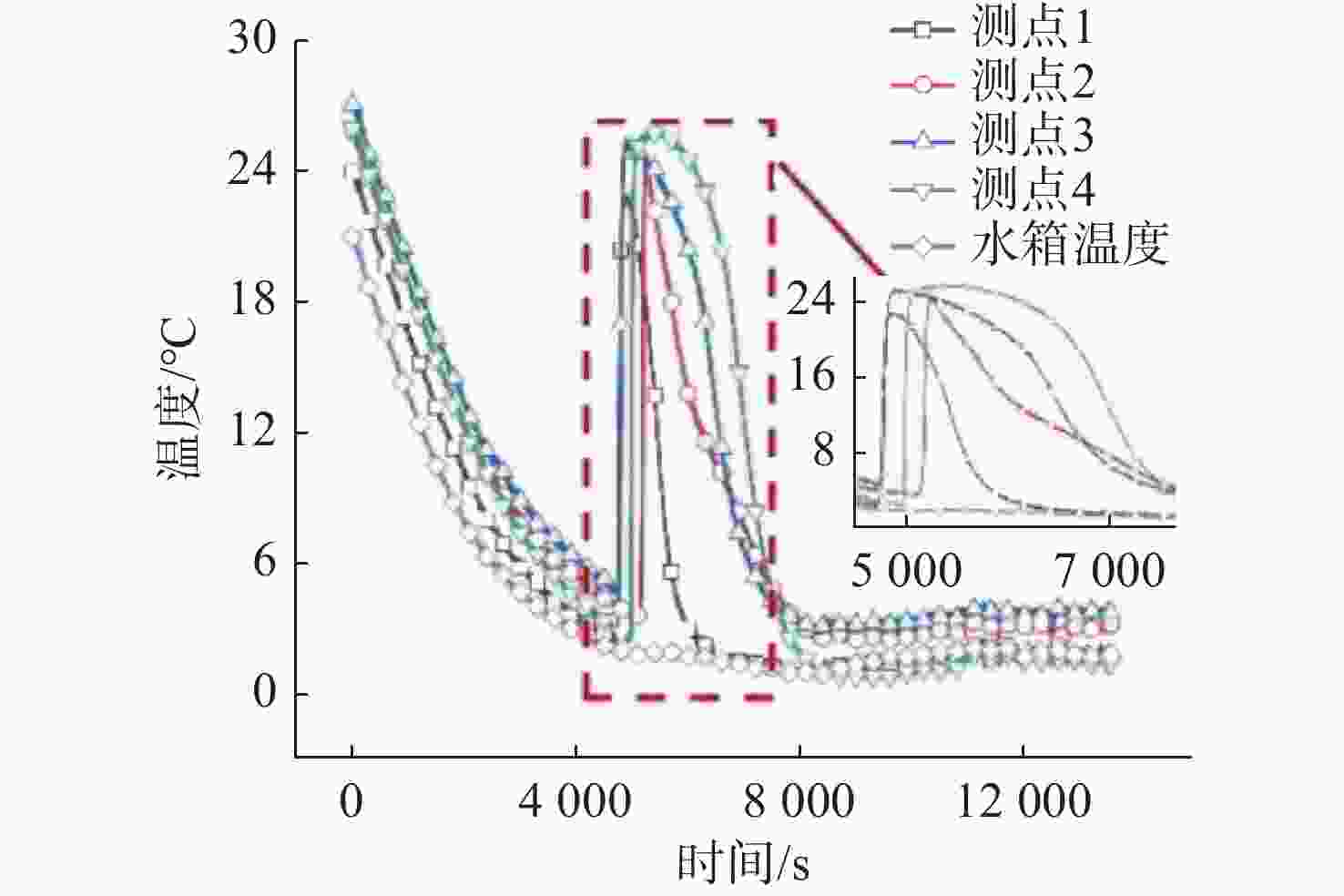
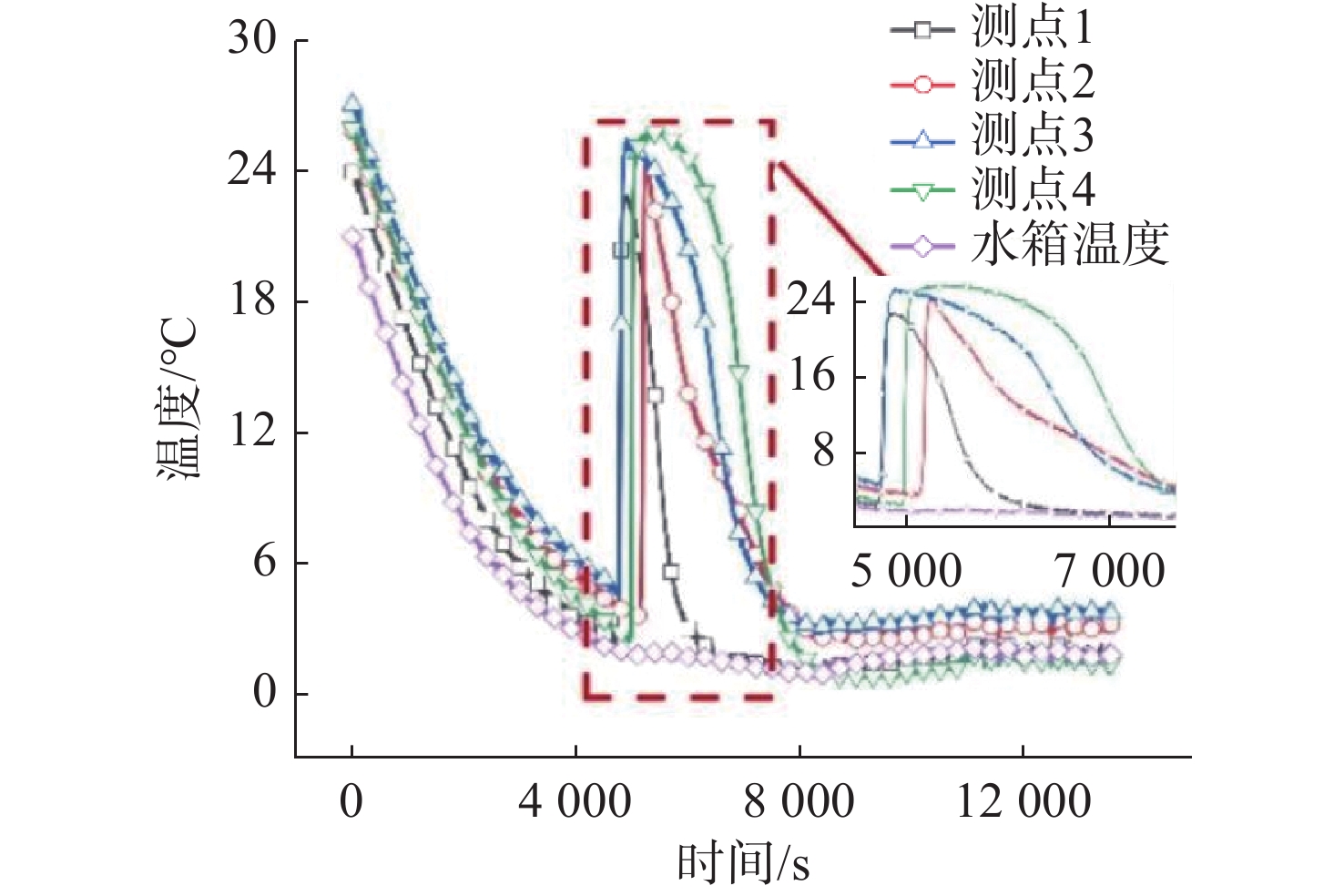
图 10 样品2单次循环实验的温度-时间响应曲线
Figure 10. Temperature-time response curves of sample 2 during a single cycle
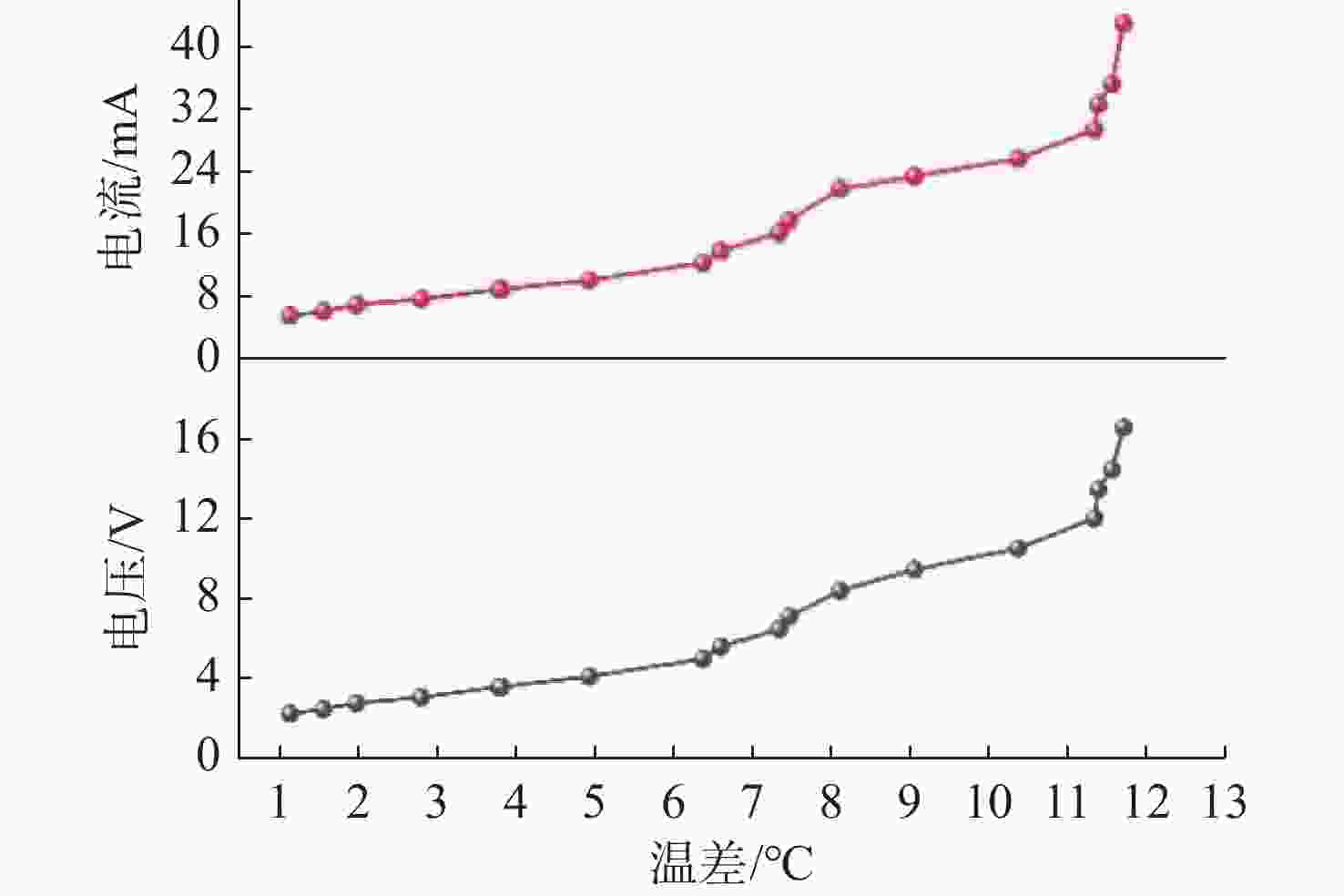
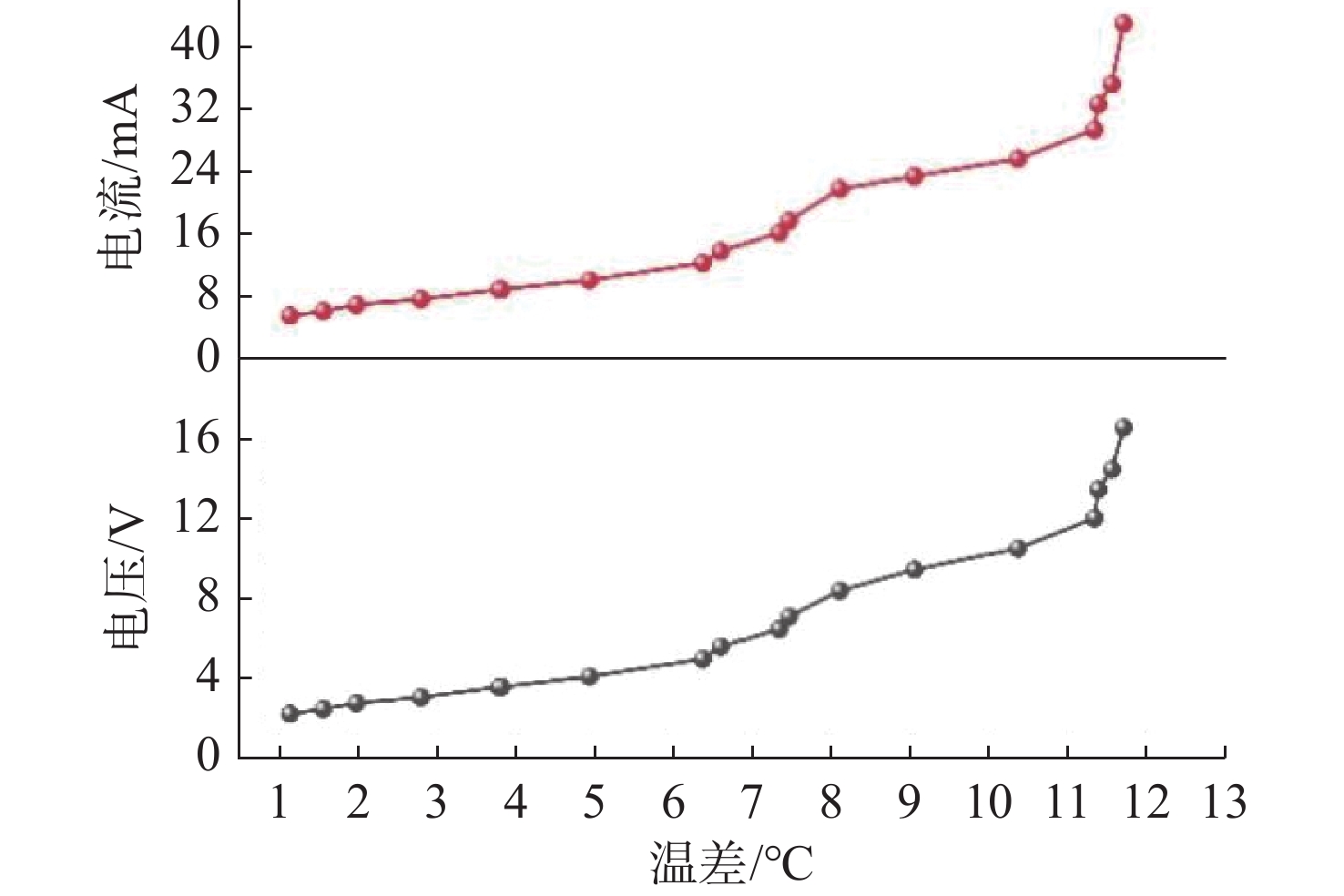
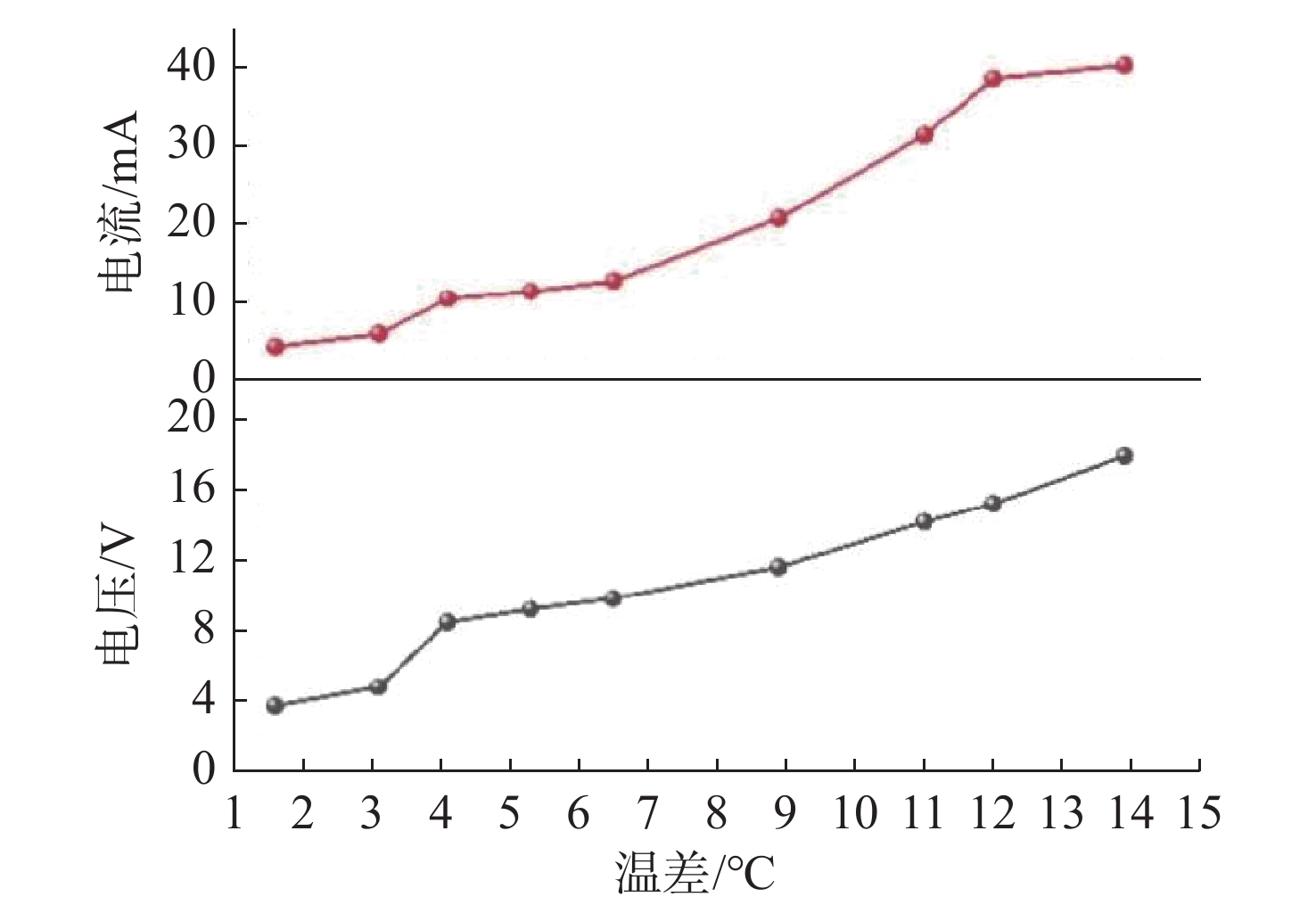
图 11 海底电路输出的开路电压和短路电流
Figure 11. Open-circuit voltage and short-circuit current at the subsea circuit output
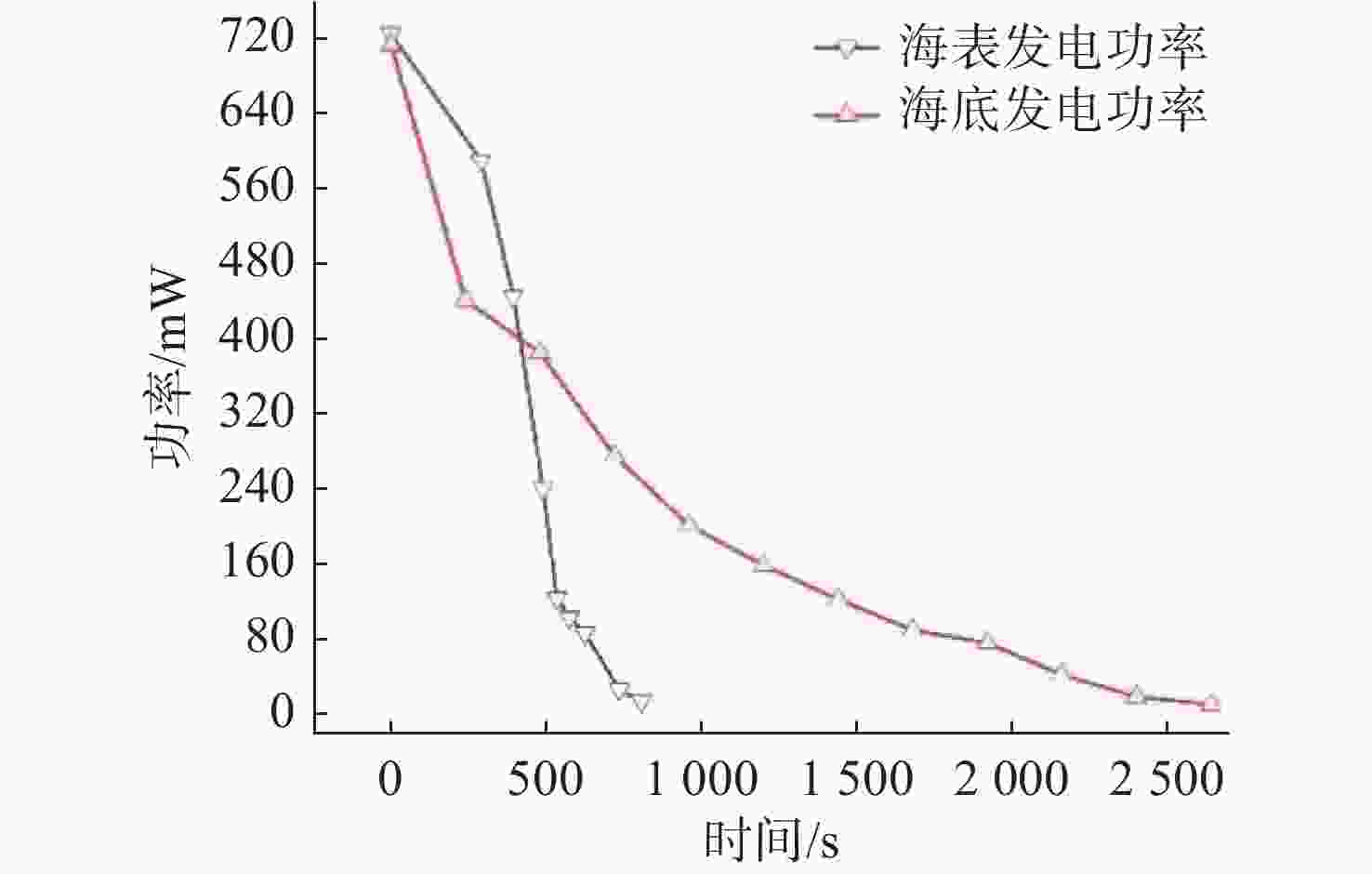
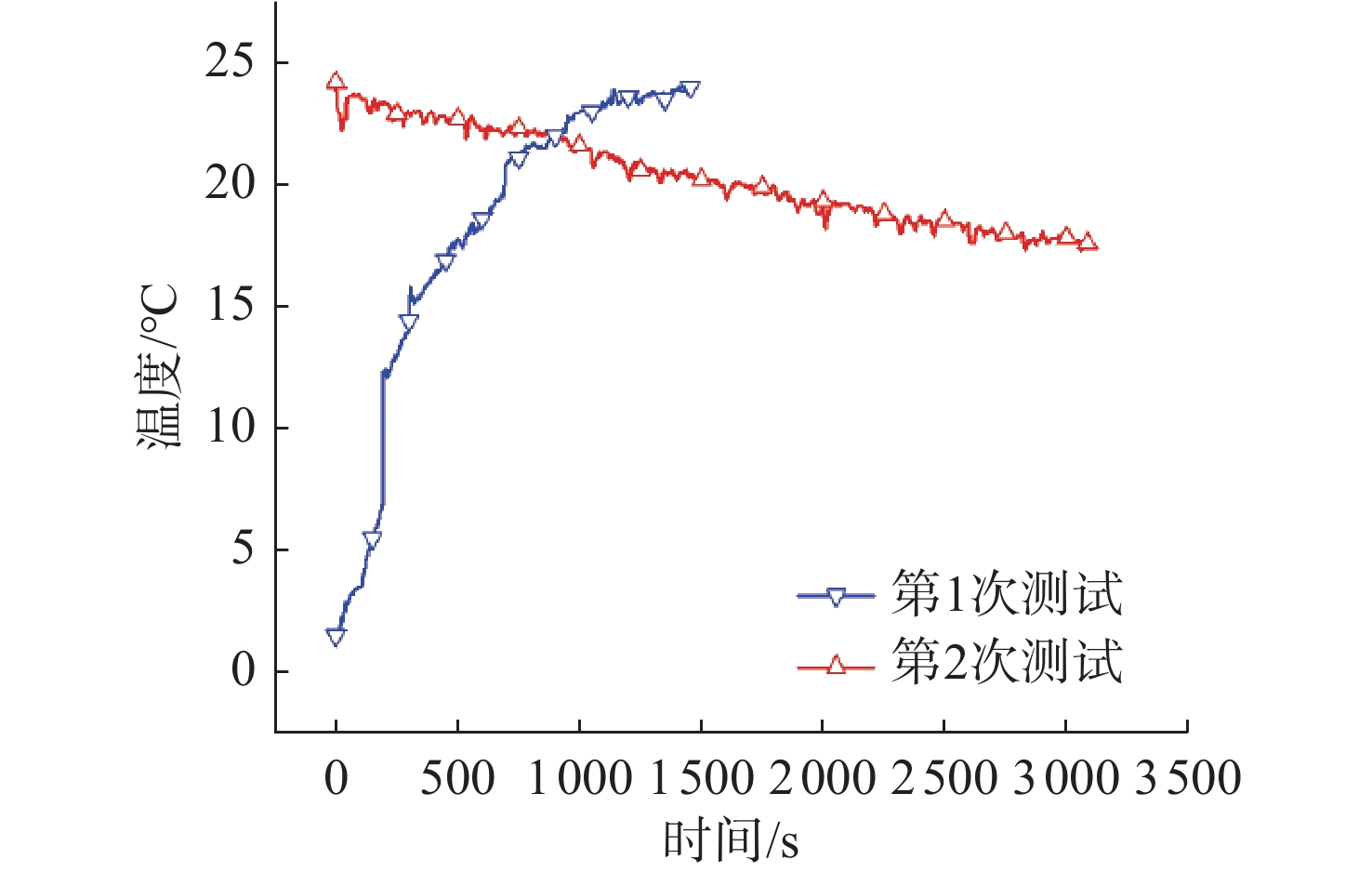
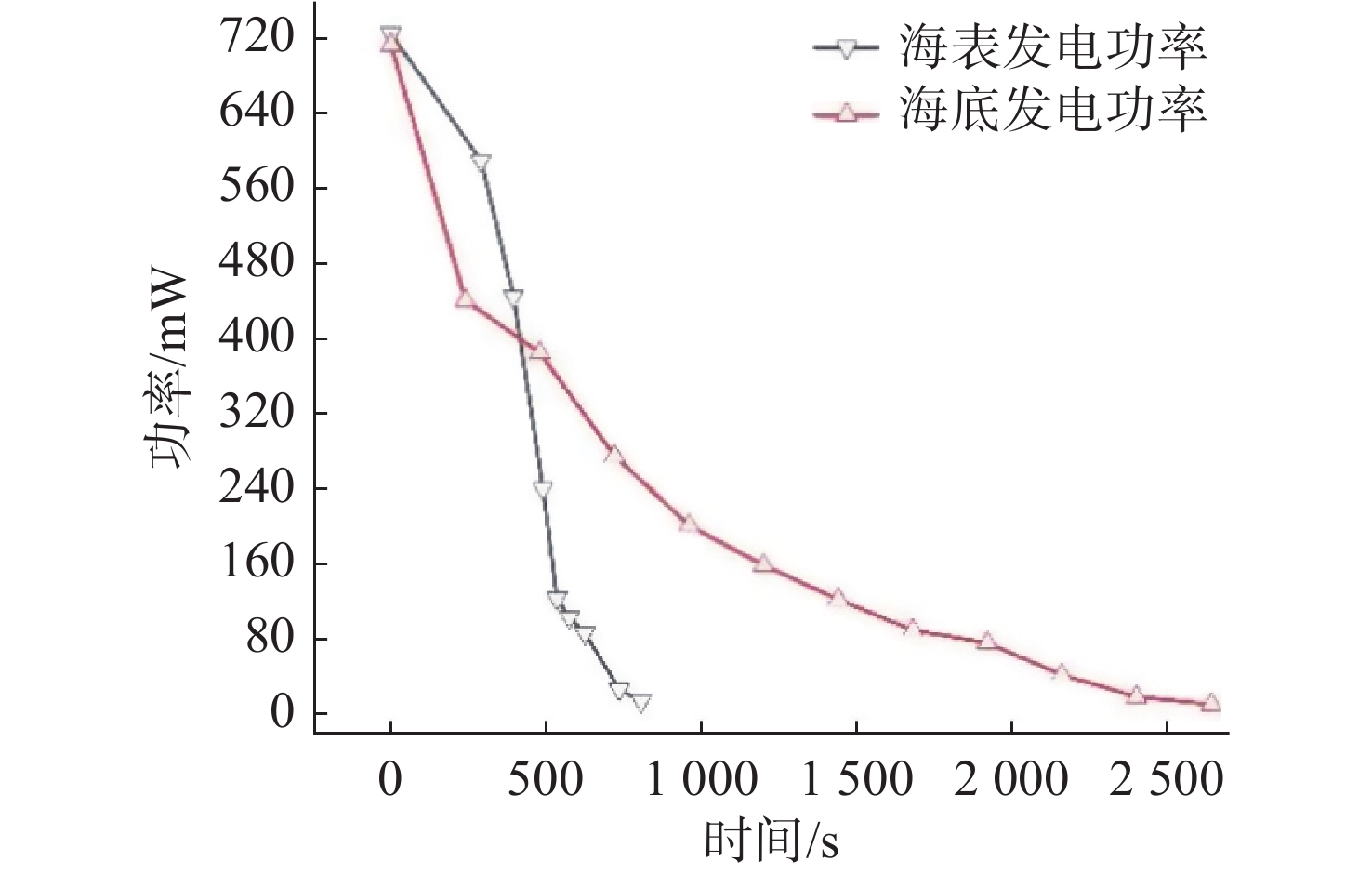
图 12 海底和海表温差发电功率随时间变化曲线
Figure 12. Variation curves of the thermoelectric power generation with time between the seabed and the sea surface
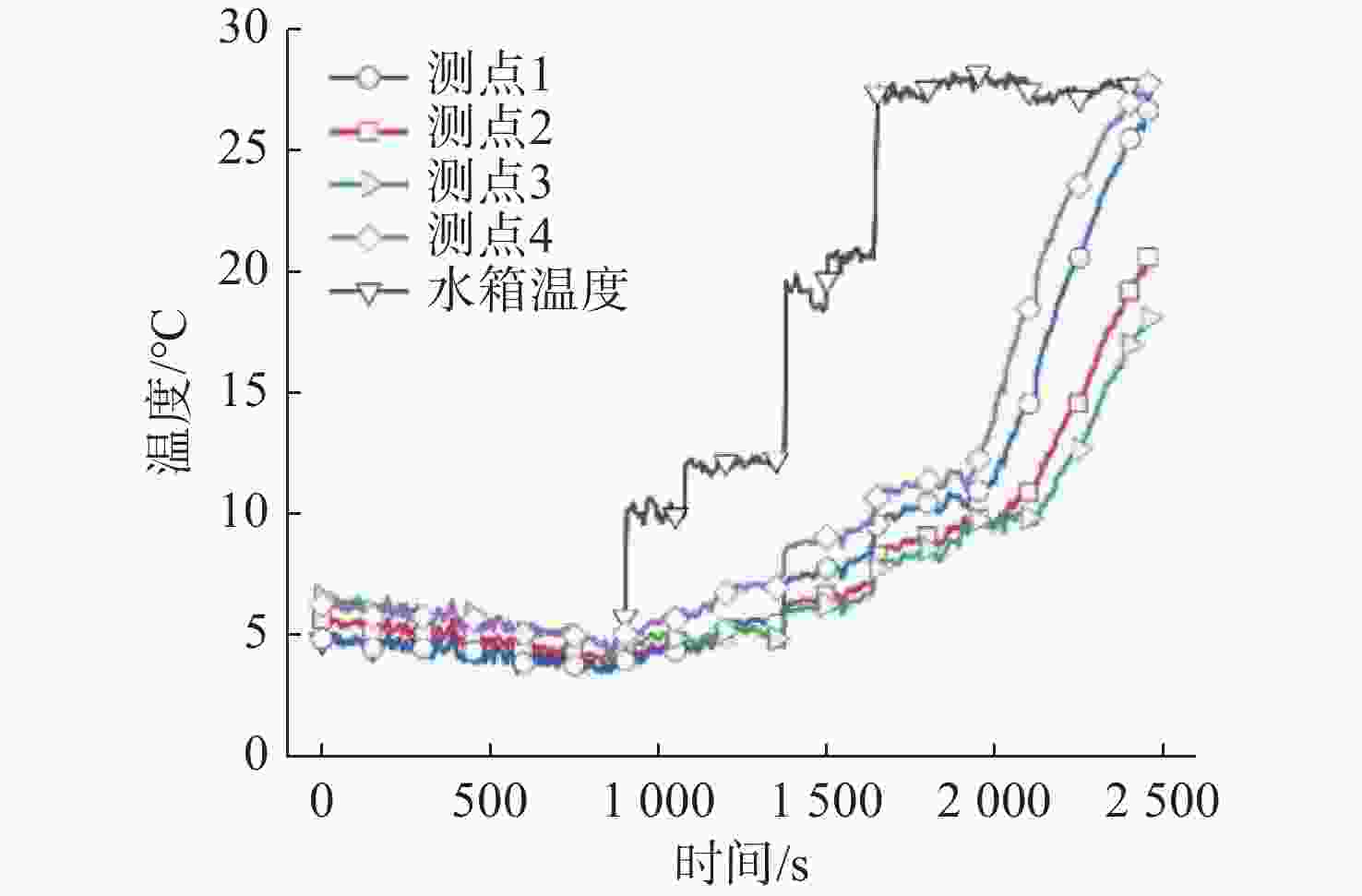
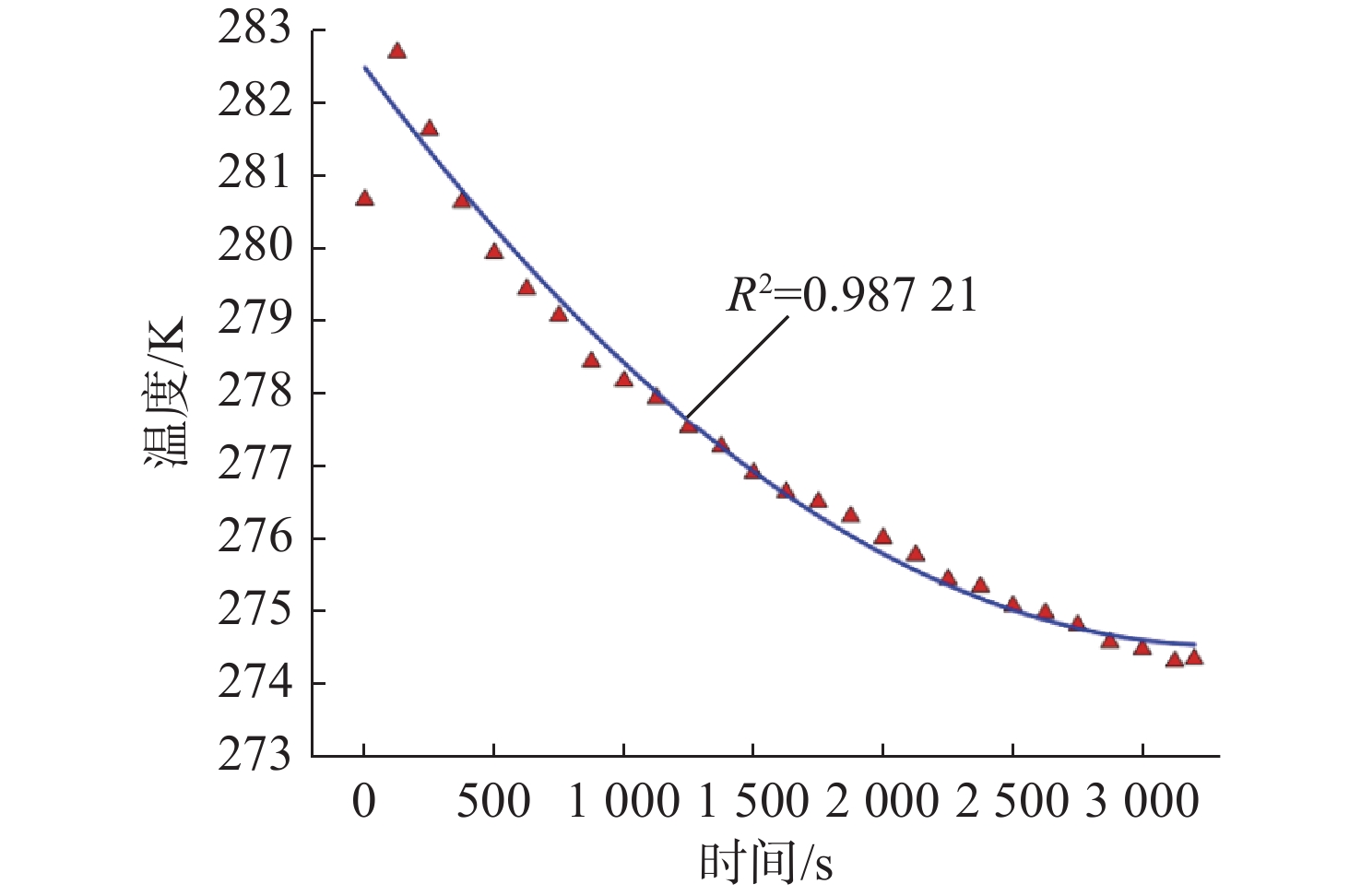
图 13 温差发电装置模拟由海底上浮海表的温度变化
Figure 13. Temperature variation of the thermoelectric power generator during the simulated ascent of the submersible from the seabed to the sea surface
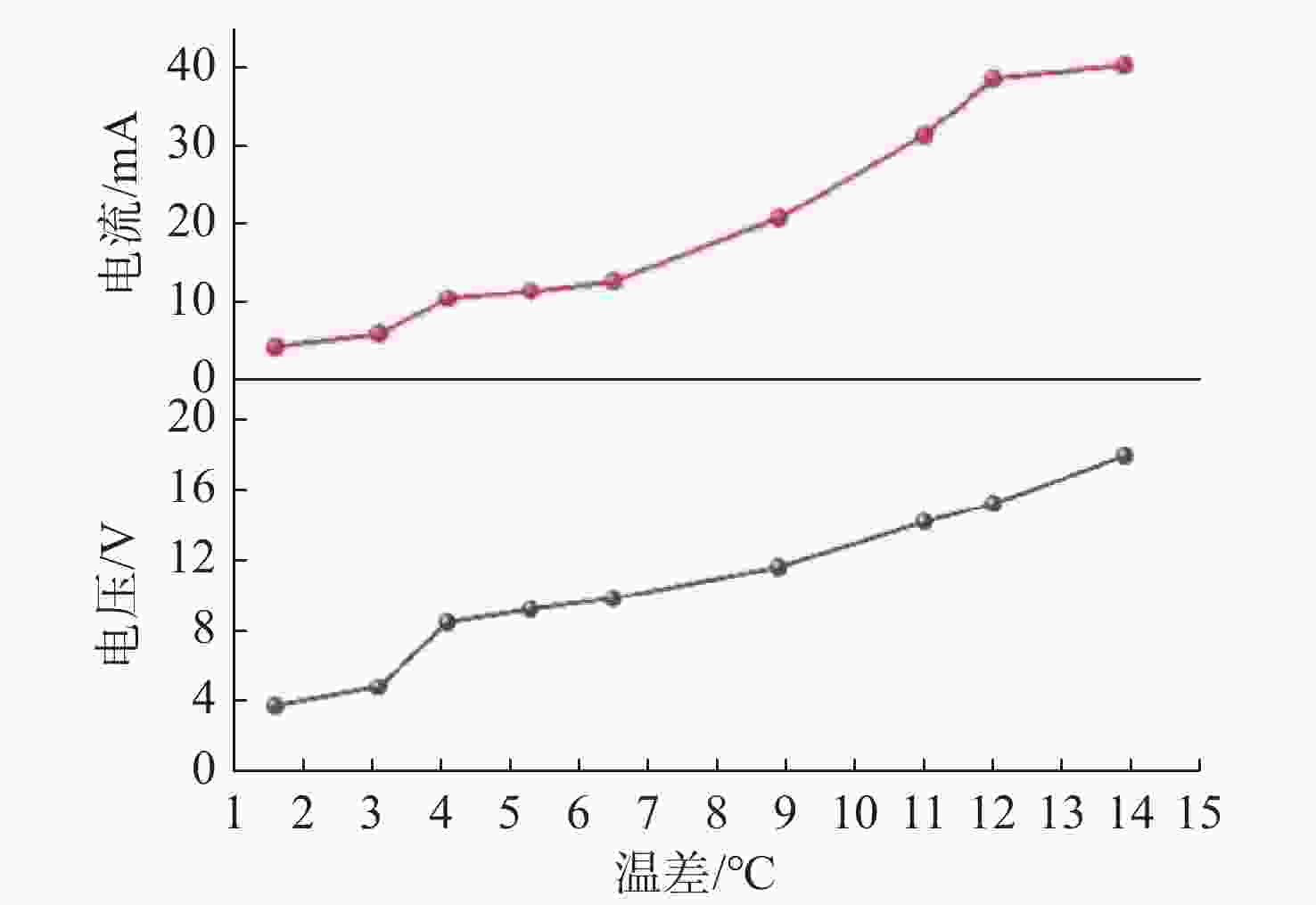
图 14 海底上浮海表过程中输出的开路电压和短路电流
Figure 14. The output open-circuit voltage and short-circuit current during the ascent from the seabed to the sea surface
表 1 3种不同配比的EPCM质量分数
Table 1. Three different ratios of EPCM quality scores
% EPCM CCH PEG200 CaCl2 样品1 97.0 3.00 0 样品2 98.0 2.00 0 样品3 88.9 2.22 8.88  下载: 导出CSV
表 2 电压和电流测试实验不确定度
Table 2. Experimental uncertainty of voltage and current measurements
序号 UA/V UV I/mA IA 1 16.56 ±0.102 8 43.06 ±0.104 2 13.45 ±0.087 3 32.70 ±0.103 3 10.50 ±0.072 5 21.91 ±1.030 4 7.06 ±0.055 3 16.30 ±0.102 5 4.95 ±0.044 8 10.28 ±0.101
下载: 导出CSV
表 3 实验EPCM触发释放最高温度测量不确定度
Table 3. Experimental measurement uncertainty of the peak temperature during EPCM triggering and release
样品 Tmax/℃ $ u\left(x\right) $ $ x\pm u\left(x\right) $ 1 25.7 0.12 25.7±0.12 2 25.9 0.12 25.9±0.12 3 26.3 0.12 26.3±0.12
下载: 导出CSV
-
[1] Chen Y, Yao Z, Chen B, et al. Efficiency and power density analysis on phase change material-based ocean thermoelectric generator for underwater vehicle[J]. Journal of Energy Storage, 2024, 267: 125797. doi: 10.1016/j.est.2024.111686 [2] 唐国建, 崔凤. 海洋开发对中国未来发展的战略意义初探[J]. 上海行政学院学报, 2013, 14(5): 56-61. [3] 吴尚尚, 李阁阁, 兰世泉, 等. 水下滑翔机导航技术发展现状与展望[J]. 水下无人系统学报, 2019, 27(5): 529-540. doi: 10.11993/j.issn.2096-3920.2019.05.008Wu S S, Li G G, Lan S Q, et al. Current status and outlook of the development of underwater glider navigation technology[J]. Journal of Underwater Unmanned Systems, 2019, 27(5): 529-540. doi: 10.11993/j.issn.2096-3920.2019.05.008 [4] 王国晖, 杨亚楠, 王延辉, 等. 海洋温差能供电水下滑翔机的液电转换过程建模与效率分析[J]. 水下无人系统学报, 2021, 29(4): 451-458.Wang G H, Yang Y N, Wang Y H, et al. Modeling and efficiency analysis of the liquid-electric conversion process of an underwater glider powered by ocean temperature difference energy[J]. Journal of Underwater Unmanned Systems, 2021, 29(4): 451-458. [5] Wang G, Xu T, Yang M, et al. Review on renewable energy systems of unmanned marine vehicles and guidance for energy selection[J]. Renewable and Sustainable Energy Reviews, 2025, 224: 116085. doi: 10.1016/j.rser.2025.116085 [6] Lu B, Yu Y, Tian M, et al. Experimental study of a high-power generation platform for ocean thermal energy conversion[J]. Energy, 2024, 309: 133115. doi: 10.1016/j.energy.2024.133115 [7] Webb D, Simonetti P, Jones C. SLOCUM: An underwater glider propelled by environmental energy[J]. IEEE Journal of Oceanic Engineering, 2001, 26(4): 447-452. doi: 10.1109/48.972077 [8] Wang G, Gao W, Lei J, et al. Multiphysics modeling and heat transfer enhancement of underwater vehicle thermal engines[J]. Applied Thermal Engineering, 2025: 128622. [9] Wang G, Yang Y, Wang S, et al. Modification of the phase change transfer model for underwater vehicles: A molecular dynamics approach[J]. International Journal of Energy Research, 2020, 44(14): 11323-44. doi: 10.1002/er.5748 [10] Wang G H, Yang Y N, Wang, S X, et al. Efficiency analysis and experimental validation of the ocean thermal energy conversion with phase change material for underwater vehicle[J]. Applied Energy, 2019, 248: 475-488. doi: 10.1016/j.apenergy.2019.04.146 [11] Saini P, Osorio D J. Review on phase change materials and thermoelectric generators for ocean thermal gradient applications[J]. Renewable and Sustainable Energy Reviews, 2025, 219: 115851. doi: 10.1016/j.rser.2025.115851 [12] Liao J, Xie H, Wang J, et al. Efficient performance analysis and optimization of thermoelectric generators for low-grade heat sources: A simplified equivalent numerical modeling approach[J]. Energy, 2025, 320: 135474. doi: 10.1016/j.energy.2025.135474 [13] Liu L. Large-scale ocean-based or geothermal power plants by thermoelectric effects[J]. New Journal of Physics, 2014, 16: 123019. [14] Buckle J R, Knox A, Siviter J, et al. Autonomous underwater vehicle thermoelectric power generation[J]. Journal of Electronic Materials, 2013, 42(7): 2214-20. doi: 10.1007/s11664-013-2584-1 [15] Carneiro F J, Almeida D G F. Model and simulation of the energy retrieved by thermoelectric generators in an underwater glider[J]. Energy Conversion and Management, 2018, 163: 38-49. doi: 10.1016/j.enconman.2018.02.031 [16] Gránásy L, Pusztai T, Börzsönyi T, et al. Phase field theory of crystal nucleation and polycrystalline growth: A review[J]. Journal of materials research, 2006, 21(2): 309-319. doi: 10.1557/jmr.2006.0011 [17] Kumar N, Banerjee D. A comprehensive review of salt hydrates as phase change materials(PCMs)[J]. International Journal of Transport Phenomena, 2018, 15(1): 65-89. [18] Zhang X Y, Niu J L, Wu J Y, et al. Suppression of supercooling of PCM-water emulsions using nano-additives[J]. Energy Storage Science and Technology, 2014, 3(2): 133-106. [19] Ling Z, Wen X, Zhang Z, et al. Warming-up effects of phase change materials on lithium-ion batteries operated at low temperatures[J]. Energy Technoloy, 2016, 4(9): 1071-76. doi: 10.1002/ente.201600083 [20] Sun M, Liu T, Li M, et al. Experimental and molecular dynamic simulation of supercooling phenomenon of sodium acetate trihydrate[J]. Journal of Energy Storage, 2023, 62: 106956. doi: 10.1016/j.est.2023.106956 [21] Wang T, Wang Q. An energy-saving pressure-compensated hydraulic system with electrical approach[J]. IEEE/ASME Trans Mechatron, 2014, 19: 570-578. doi: 10.1109/TMECH.2013.2250296 [22] 乔建刚, 黄帅, 付燕荣. 基于塞贝克效应的沥青路面温差发电片间距[J]. 北京工业大学学报, 2023, 49(9): 1016-24. doi: 10.11936/bjutxb2022010004Qiao J G, Huang S, Fu Y R. Spacing of temperature difference power generating sheet for asphalt pavement based on seebeck effect[J]. Journal of Beijing University of Technology, 2023, 49(9): 1016-24. doi: 10.11936/bjutxb2022010004 [23] Fu L, Wang Q, Ye R, et al. A calcium chloride hexahydrate expanded perlite composite with good heat storage and insulation properties for building energy conservation[J]. Renew Energy, 2017, 114: 733-743. doi: 10.1016/j.renene.2017.07.091 [24] Sun M, Liu T, Wang X, et al. Calcium chloride hexahydrate based supercooling phase change material for a long-term recovery of low-grade thermal energy[J]. Applied Thermal Engineering, 2024, 243: 12266. doi: 10.1016/j.applthermaleng.2024.122663 [25] 陈杰, 汪若尘, 丁仁凯, 等. 帕尔贴效应对热电发电系统输出影响的数值研究[J]. 中南大学学报, 2025, 56(2): 771-780. doi: 10.11817/j.issn.1672-7207.2025.02.029Chen J, Wang R C, Ding R K, et al. Numerical study on the effect of Peltier effect on the output of thermoelectric power generation system[J]. Journal of Central South University, 2025, 56(2): 771-780. doi: 10.11817/j.issn.1672-7207.2025.02.029 -

 下载:
下载:

 点击查看大图
计量
- 文章访问数: 859
- HTML全文浏览量: 275
- PDF下载量: 146
- 被引次数: 0