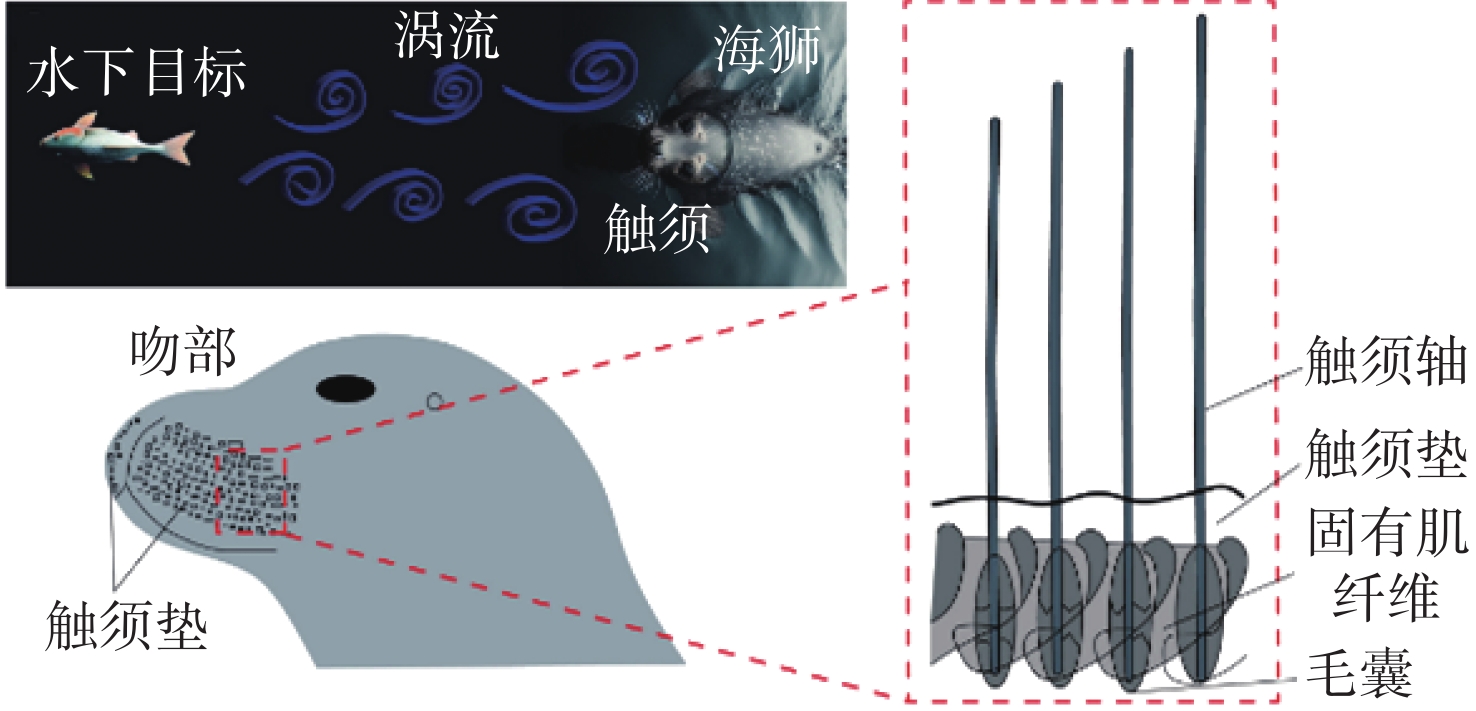


Development and Application of Underwater Biomimetic Sensing Technology
-
摘要: 随着水下技术的不断发展, 水下仿生感知技术已成为推动海洋科学和技术进步的重要手段之一。水下仿生感知技术通过模仿海豹胡须感知、鱼类侧线系统及章鱼触手感知等水生生物的天然感知机制,可帮助水下机器人、可穿戴设备或其他水下系统实现更精准的目标识别、定位和信息采集。文中综述了水下仿生感知技术的研究现状与发展历程, 重点介绍了仿生传感器的设计原理、材料选择及其在水下目标感知、水下机器人导航避障以及可穿戴设备中的应用。同时探讨了水下仿生感知技术的实际应用前景及其面临的挑战, 展望了其在未来水下机器人、海洋探测与环境监测等领域的广阔应用前景, 最后提出了进一步提升水下仿生感知技术性能、扩大其应用范围的潜在方向。Abstract: With the continuous advancement of underwater technologies, underwater biomimetic sensing technology has become one of the key means to promote the advancement of marine science and technology. By mimicking the sensory mechanisms of aquatic organisms, such as seal whisker sensing, fish lateral line systems, and octopus tentacle sensing, this technology enables underwater robots, wearable devices, and other underwater systems to achieve more precise target recognition, positioning, and information acquisition capabilities. This paper reviewed the current research status and developmental trajectory of underwater biomimetic sensing, focusing on the design principles and material selection of bio-inspired sensors, as well as their applications in underwater target detection, robot navigation and obstacle avoidance, and wearable devices. It also explored the practical application prospects and existing challenges of the technology, while highlighting its broad potential in future fields such as underwater robotics, marine exploration, and environmental monitoring. Finally, potential directions for enhancing the performance of underwater biomimetic sensing and expanding its application scope were proposed.
-
Key words:
- biomimetic sensing /
- underwater robot /
- target recognition /
- obstacle avoidance /
- wearable devices
-
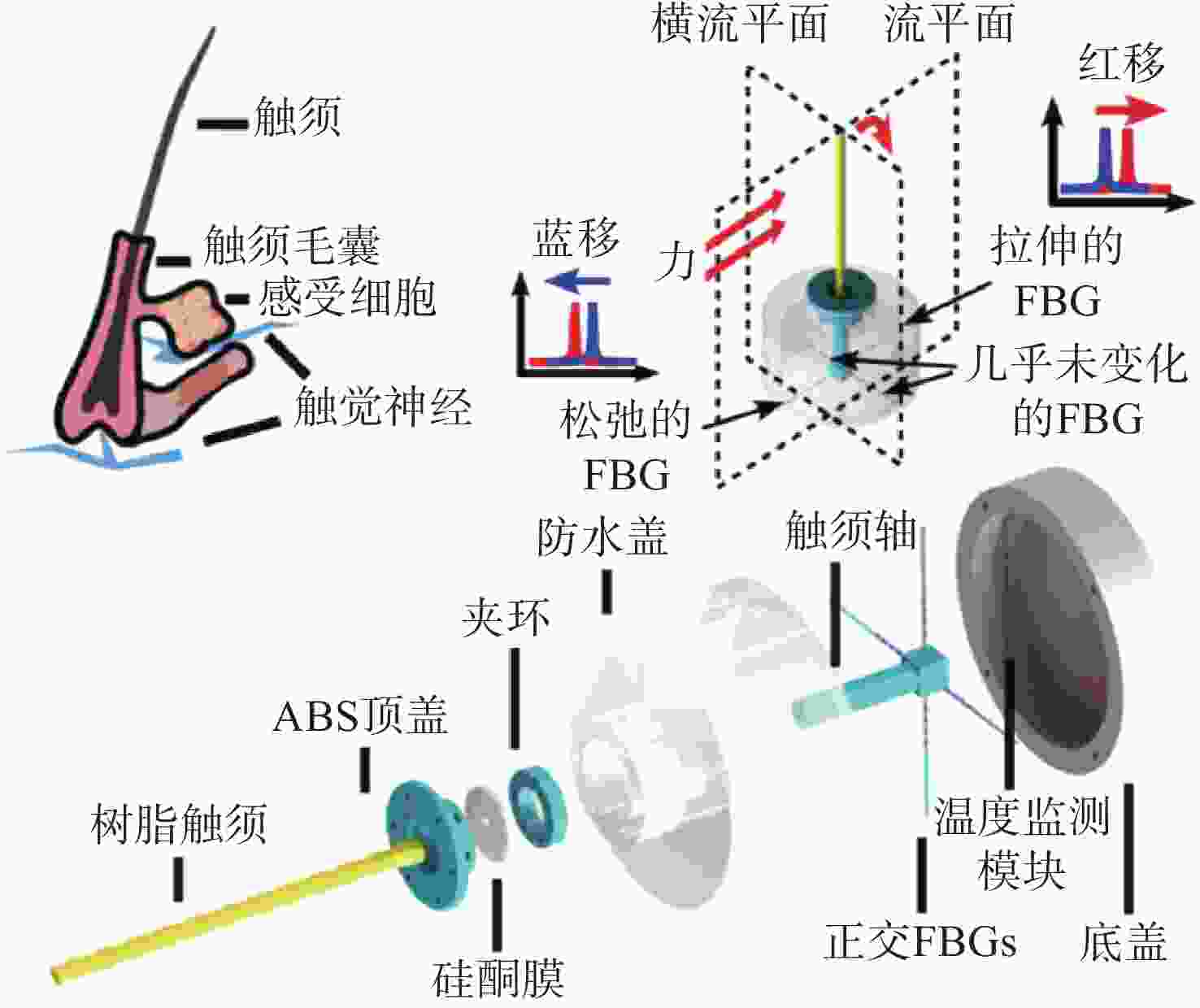
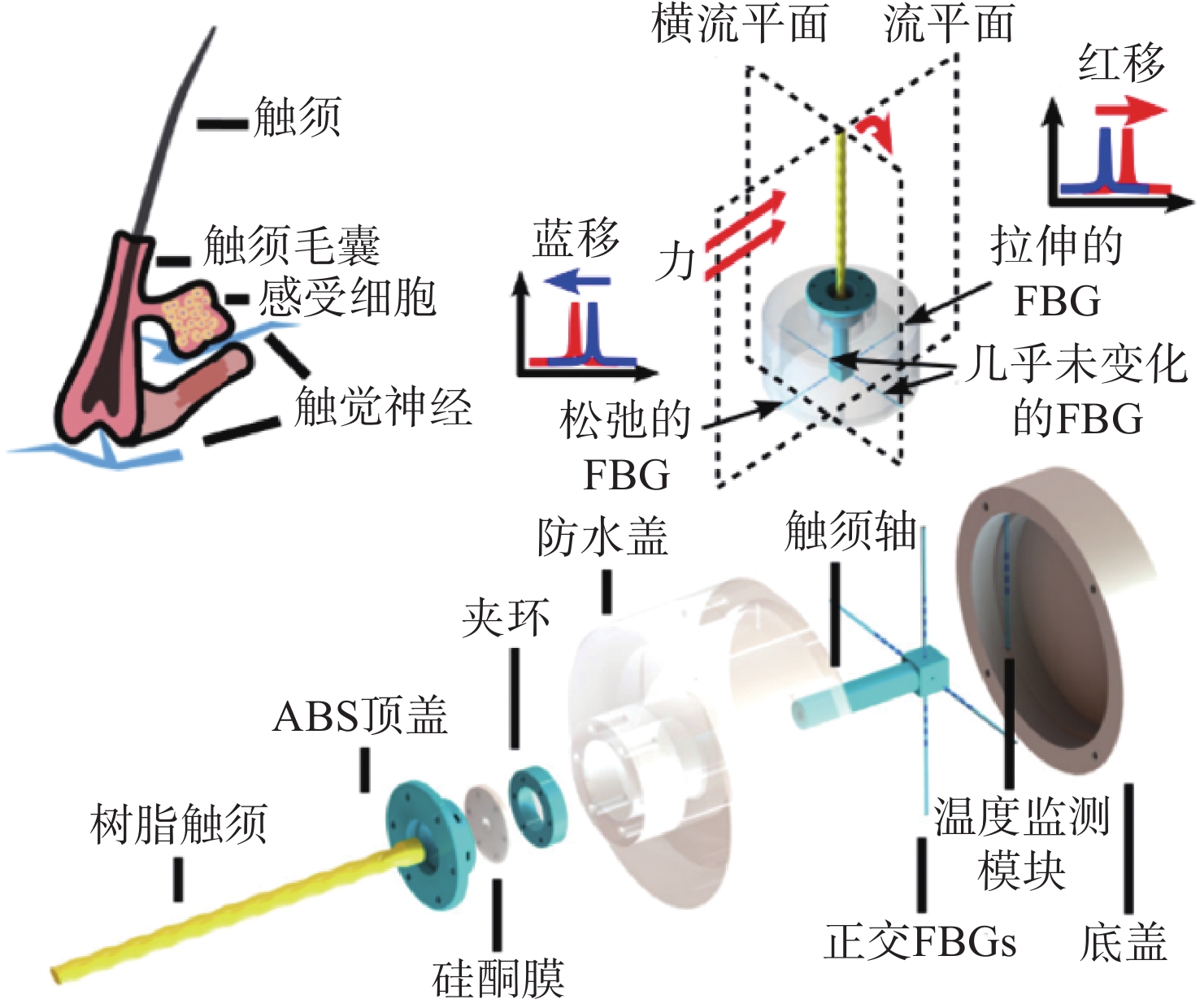
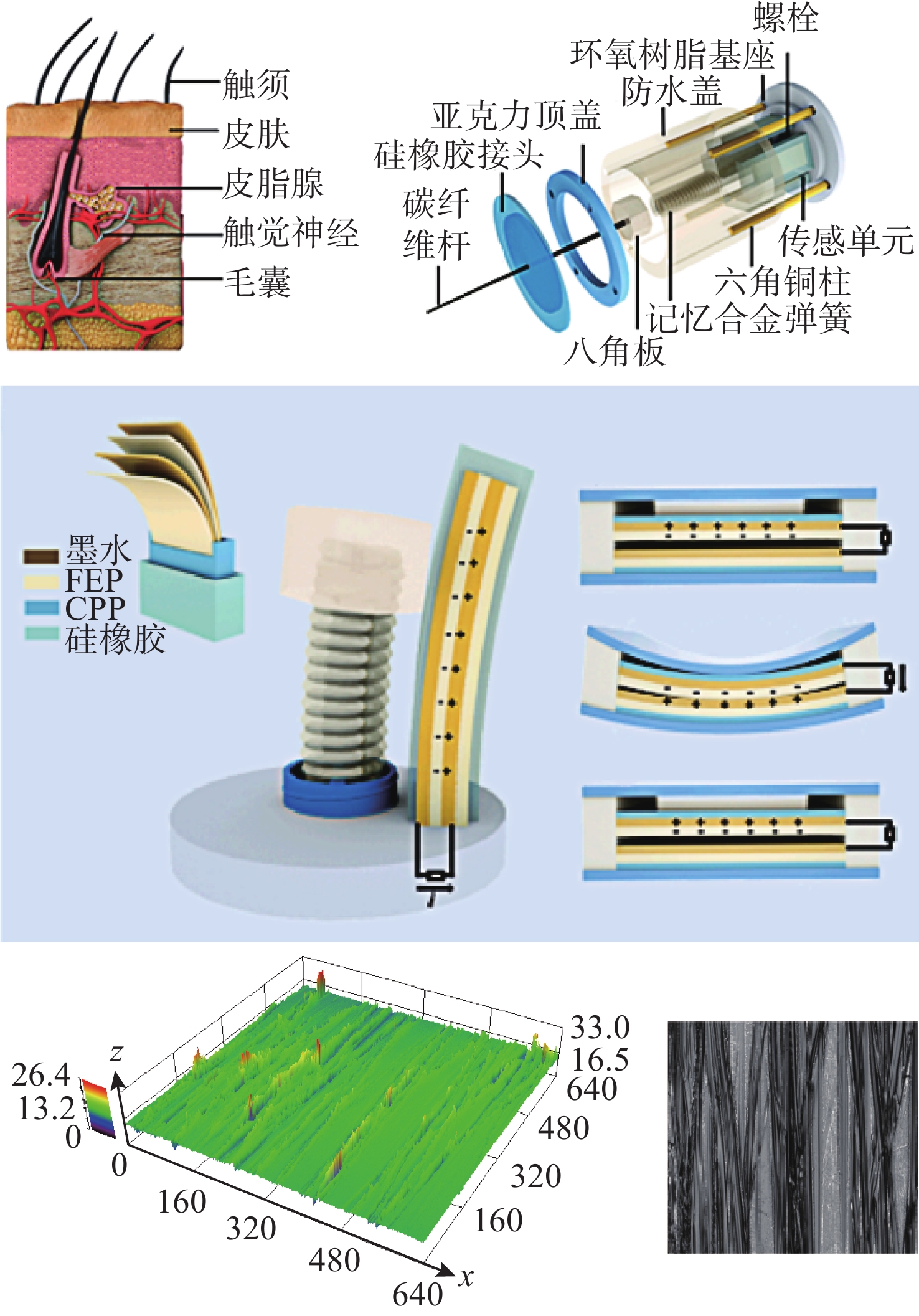
图 5 基于光纤布拉格光栅的仿生海豹胡须传感器
Figure 5. Bioinspired whisker sensor based on orthometric FBGs
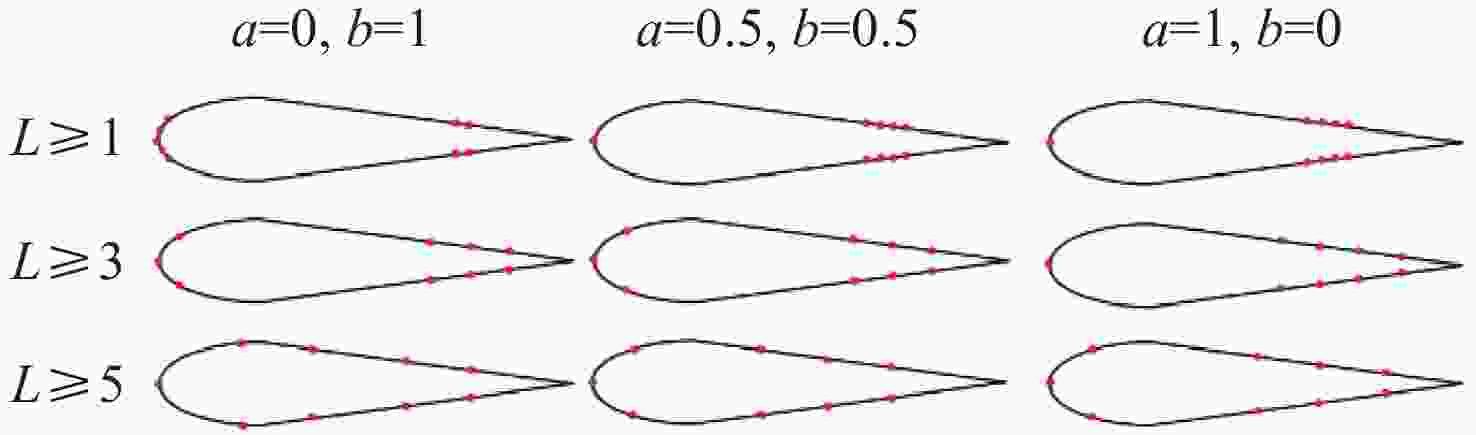
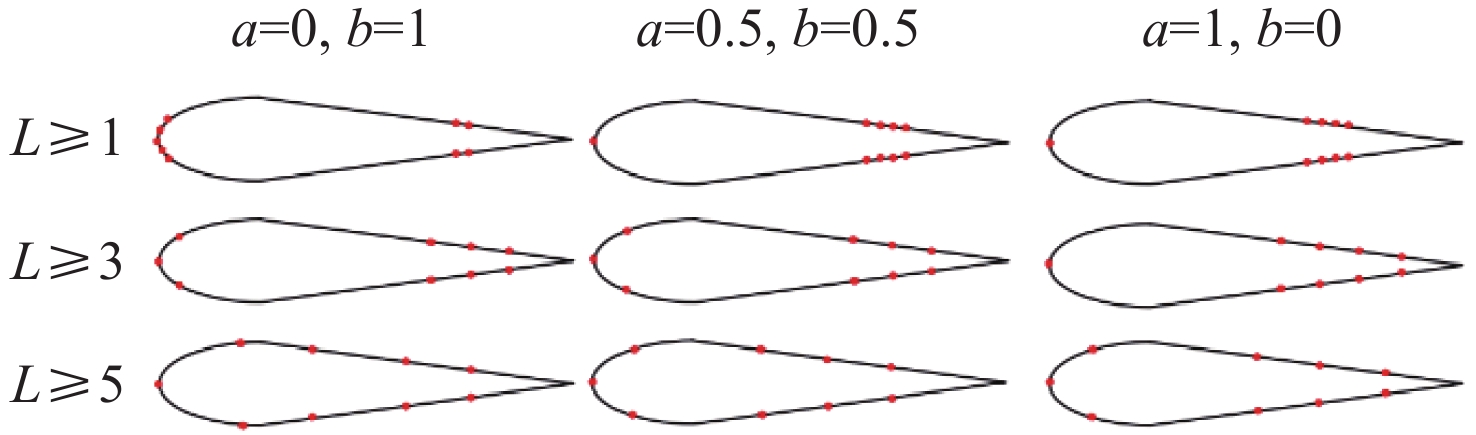
图 6 人工侧线系统传感器阵列排布优化
Figure 6. Optimization of sensor array layout for artificial lateral line system
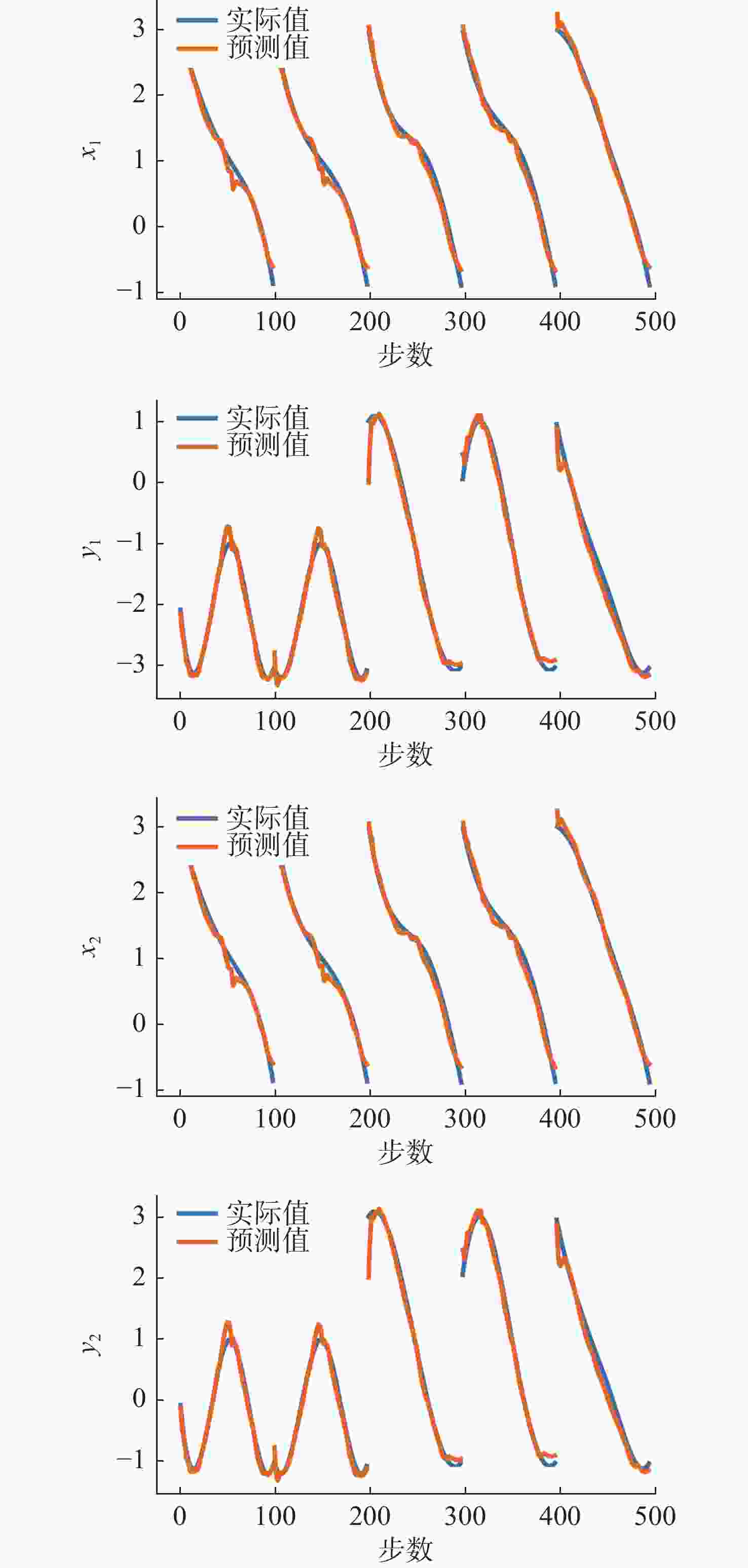
图 7 水下目标的预测和实际相对位置
Figure 7. Prediction and actual relative position of underwater targets
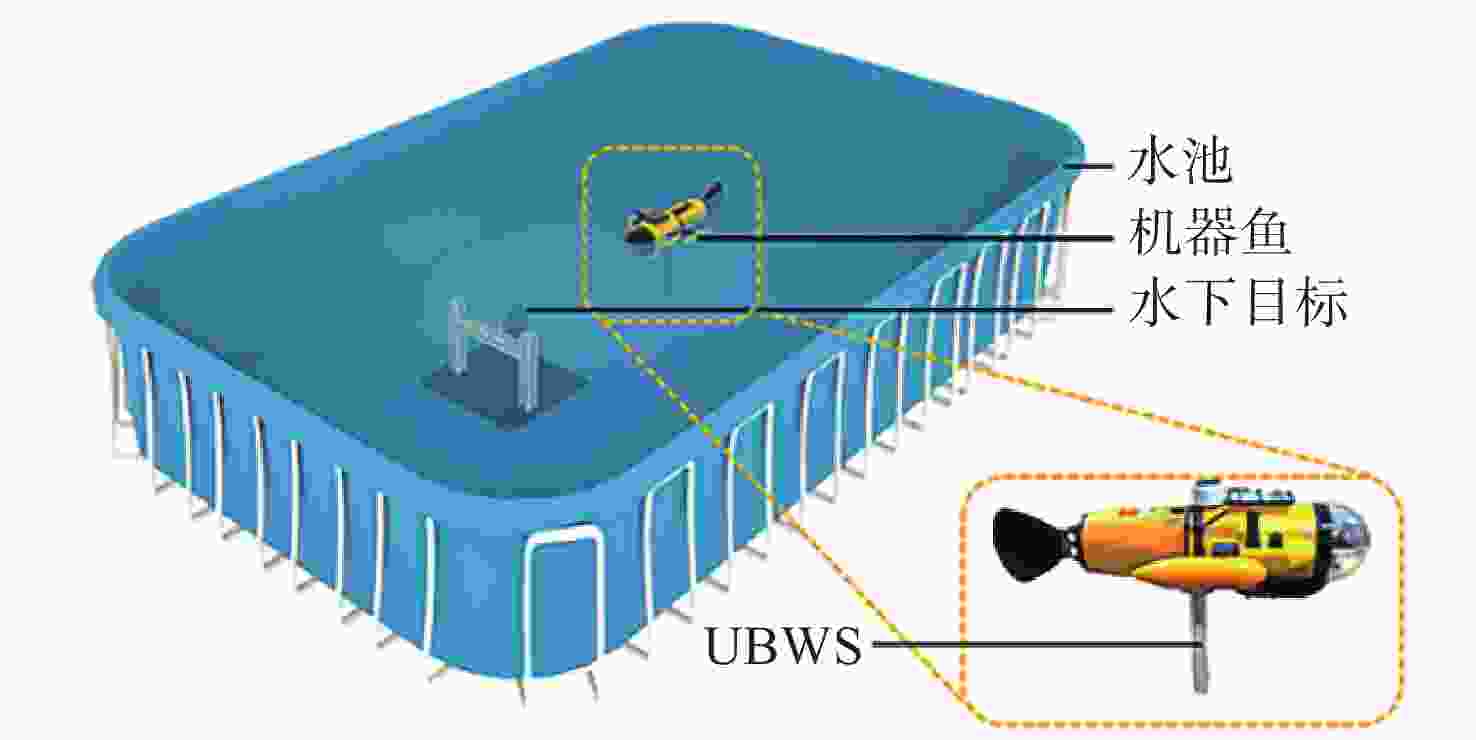
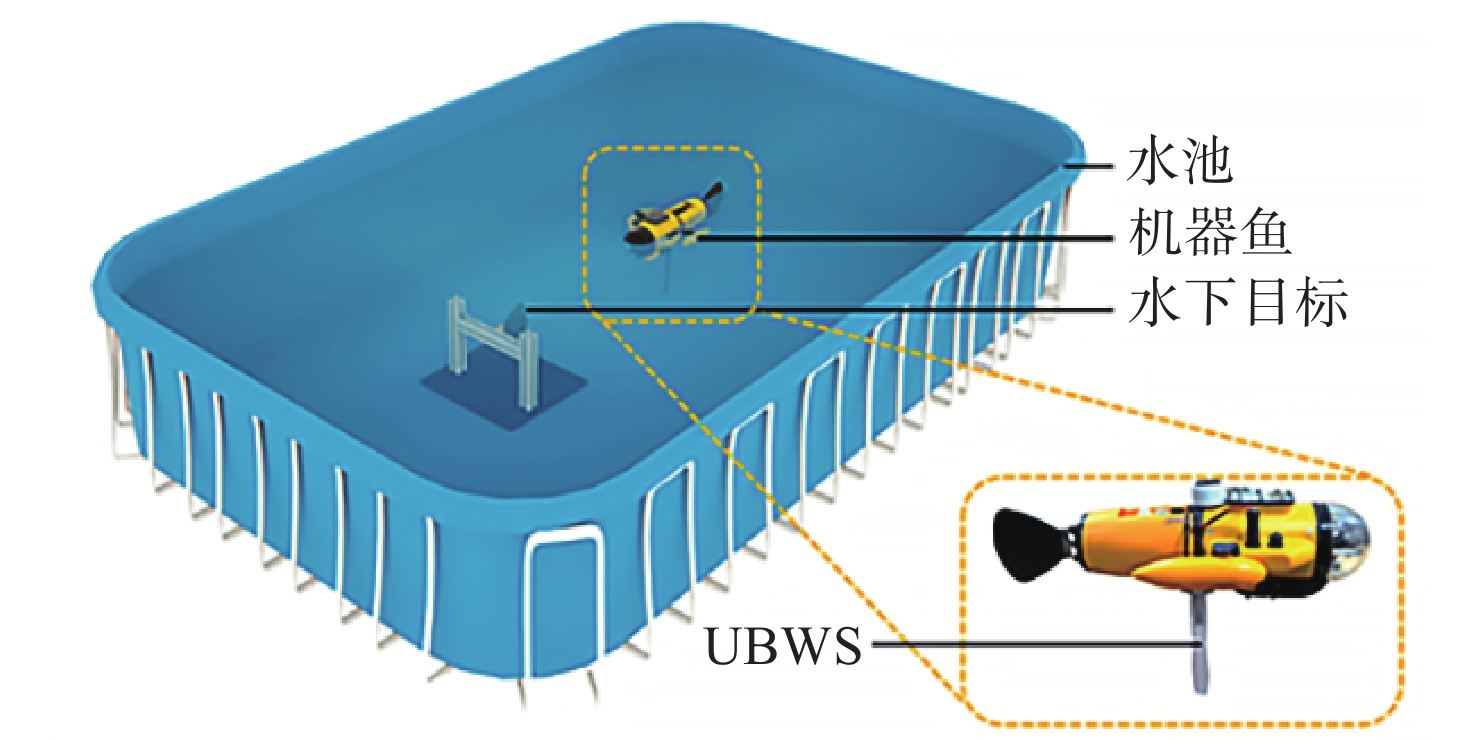
图 10 基于水下仿生胡须传感器的目标跟踪
Figure 10. Target tracking based on underwater biomimetic whisker sensor
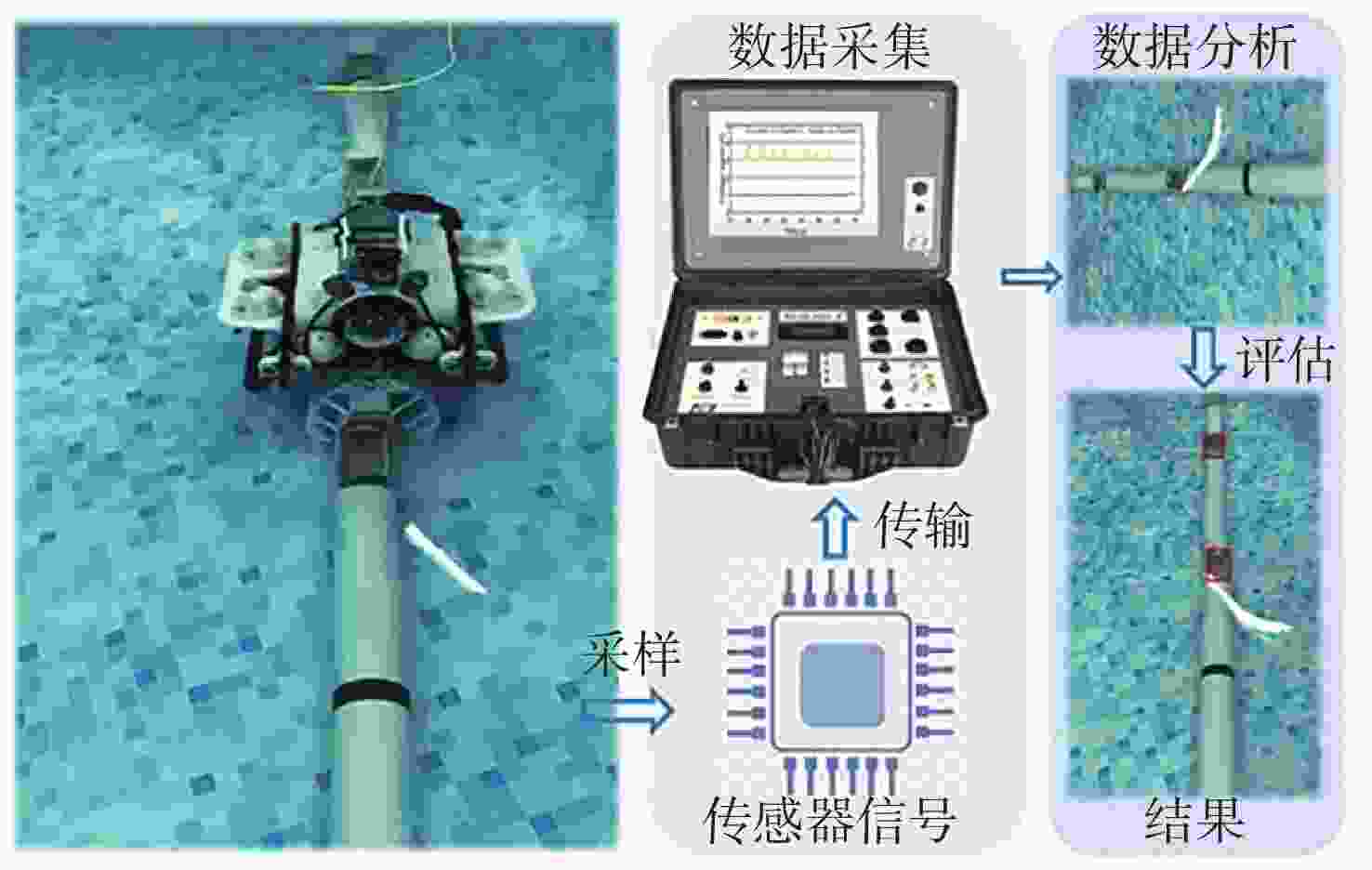
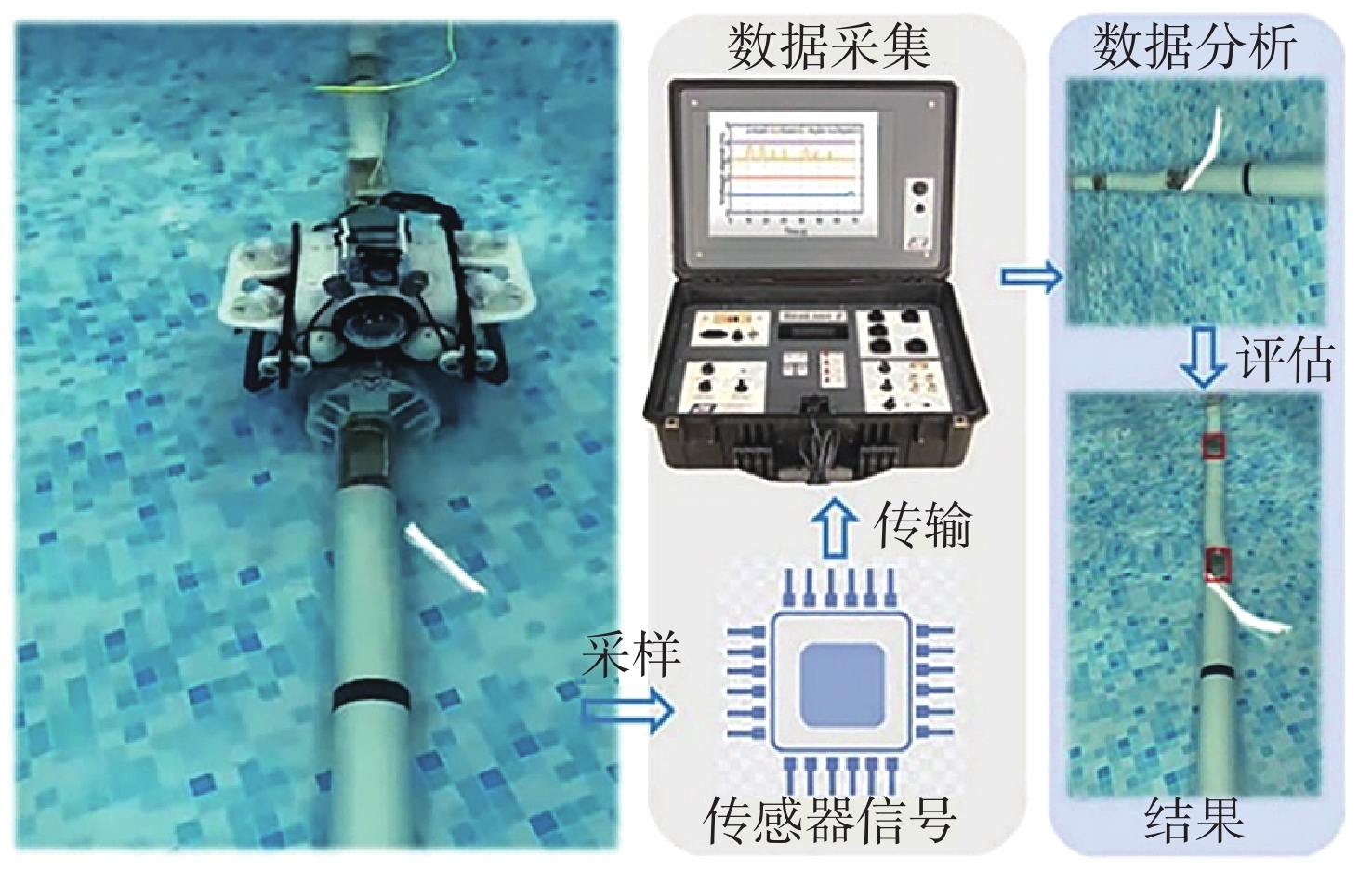
图 11 基于仿生手掌状触觉传感器的目标识别
Figure 11. Target recognition based on biomimetic palm- shaped tactile sensor
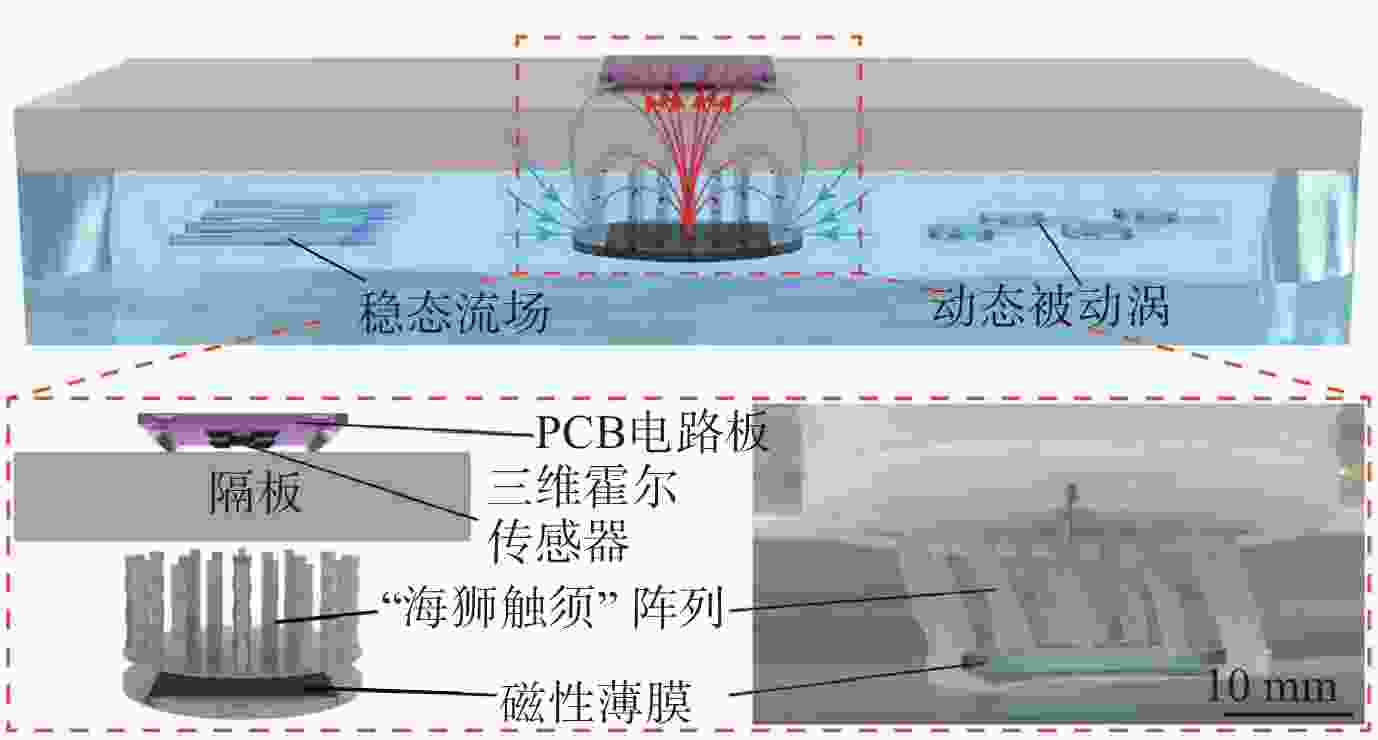
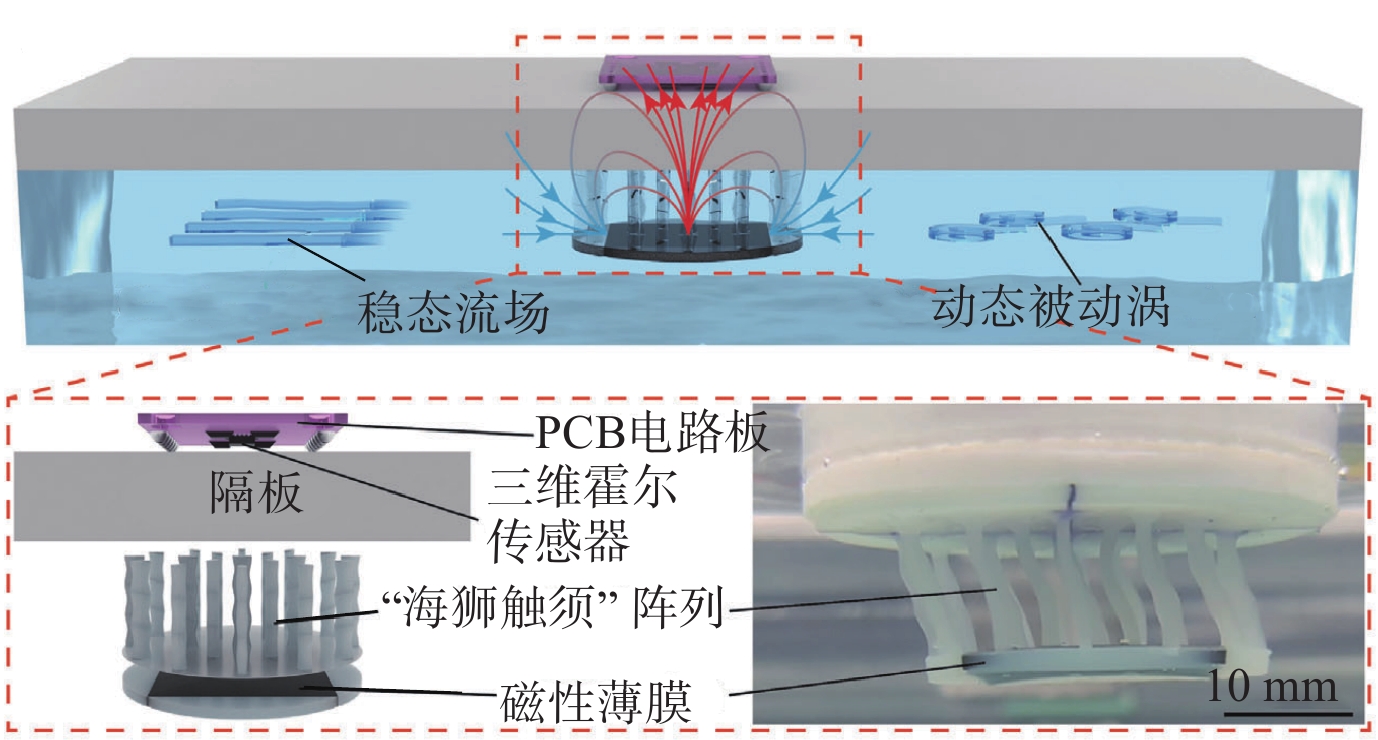
图 12 基于胡须阵列结构的仿生流体动力学传感器
Figure 12. Biomimetic fluid dynamics sensor based on whisker array structure
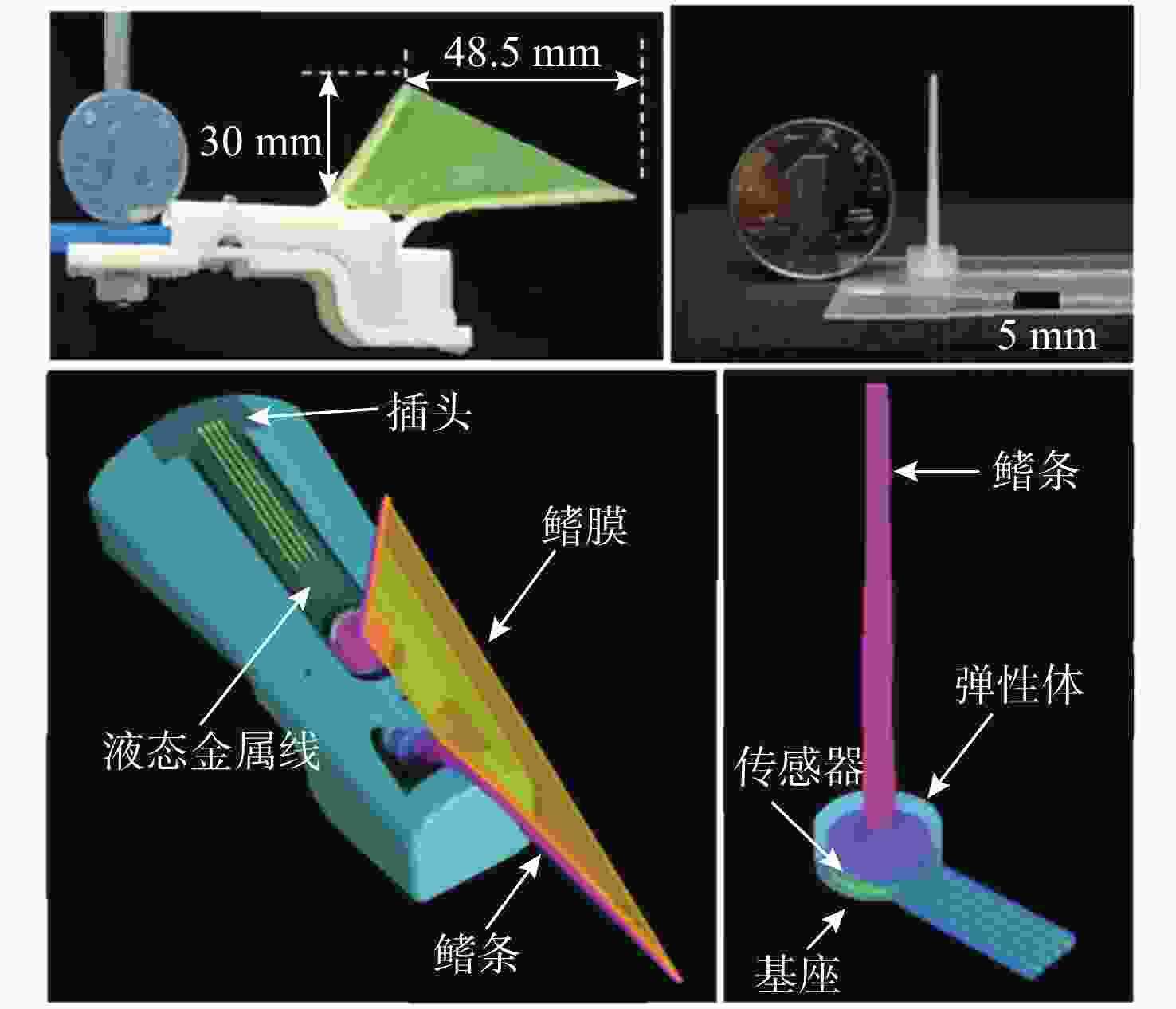
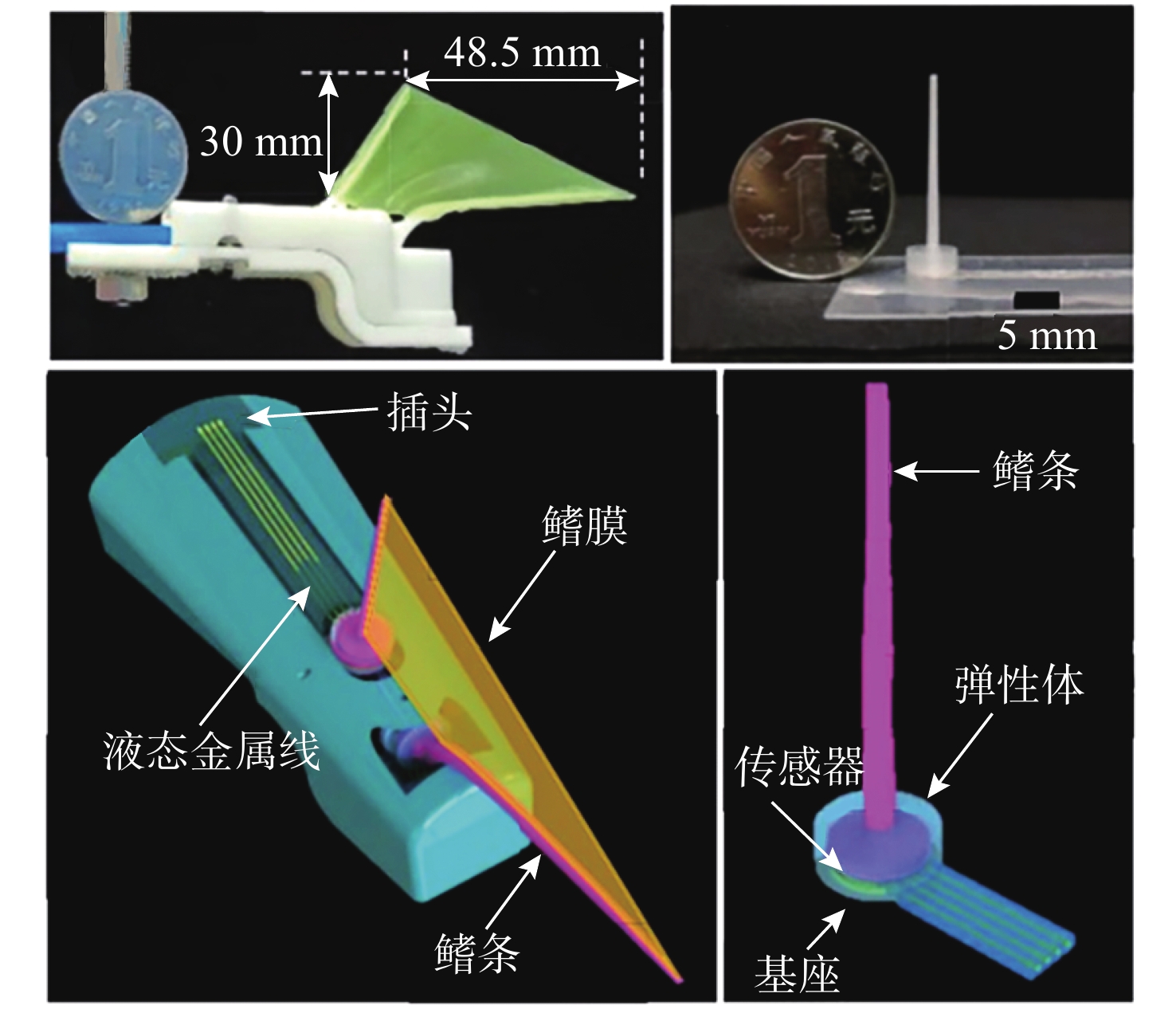
图 13 基于液态金属传感器的仿生鱼鳍结构
Figure 13. Biomimetic fish fin structure based on liquid metal sensor
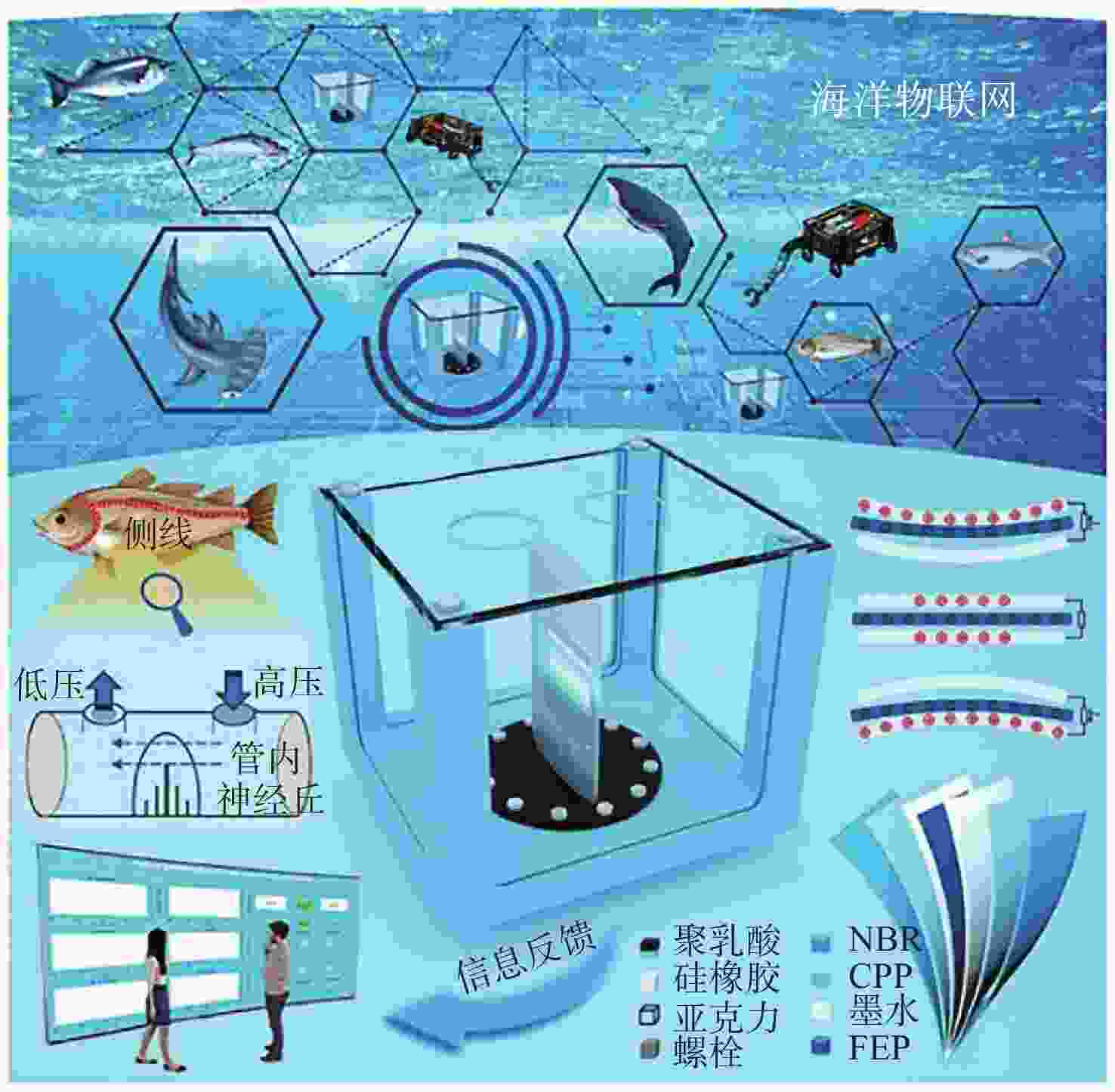
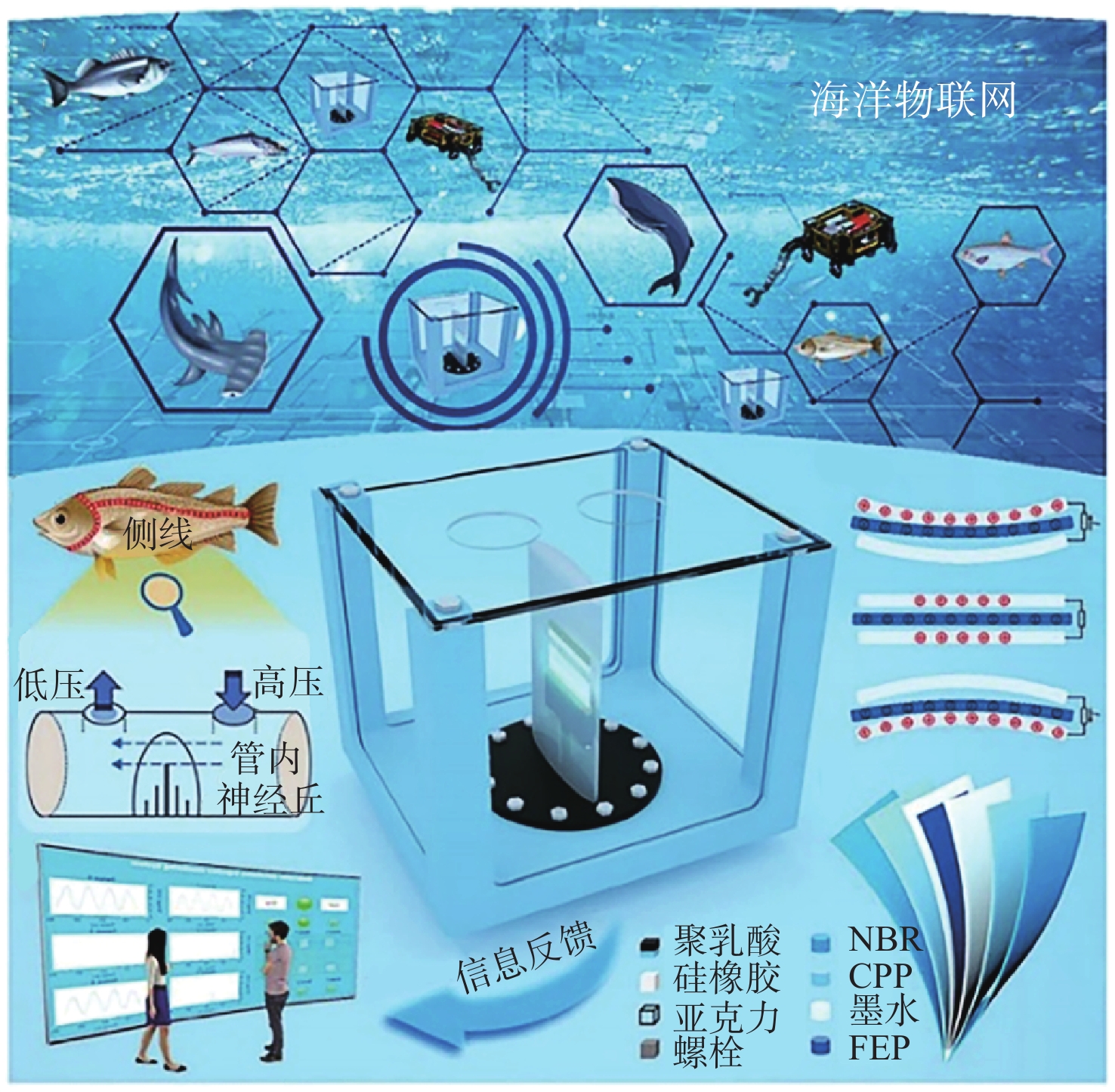
图 14 基于TENG的水下仿生侧线传感器
Figure 14. Underwater biomimetic lateral line sensor based on TENG
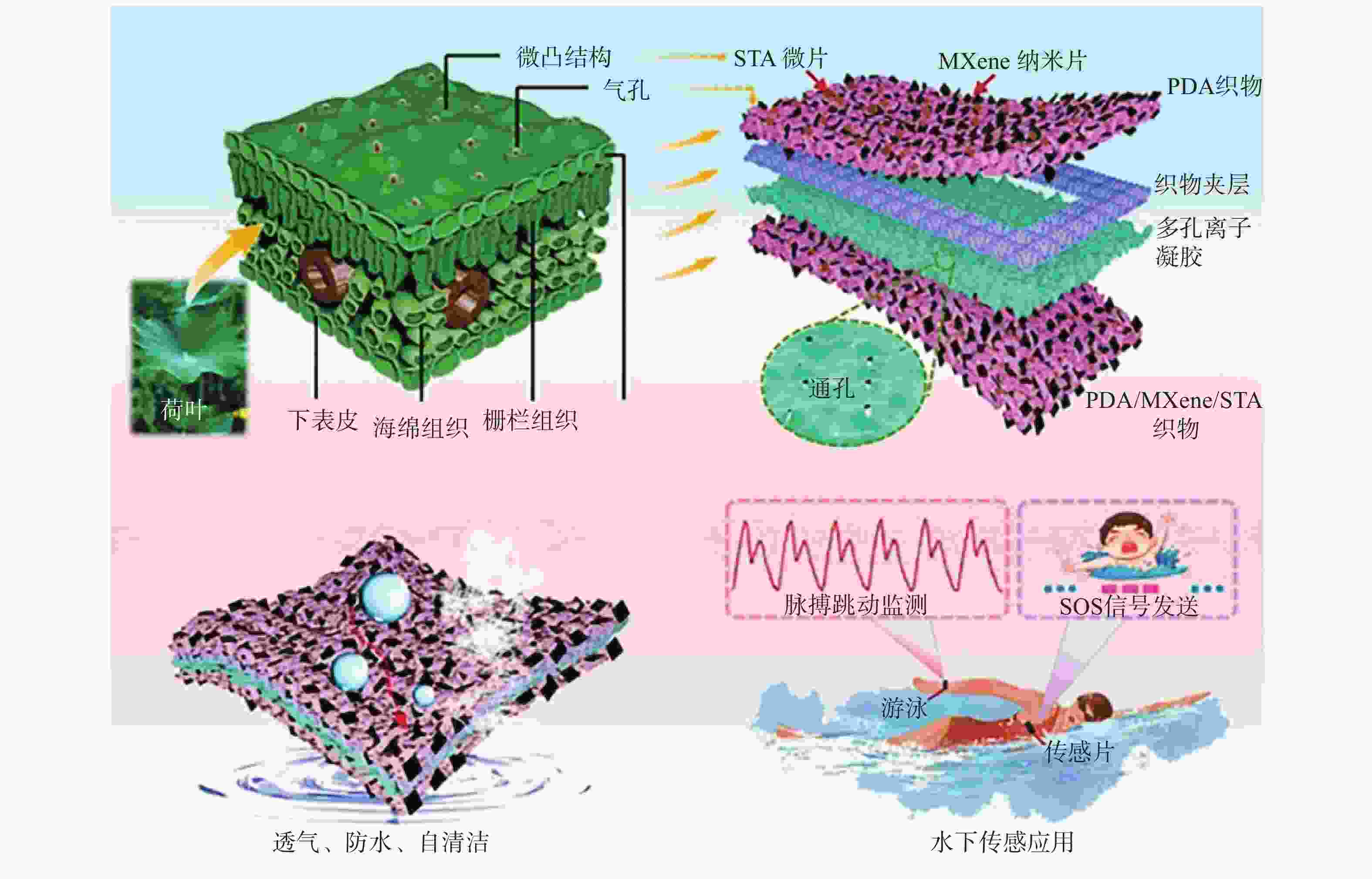
图 16 基于仿生结构的可穿戴离子电子触觉传感器
Figure 16. Wearable ion electronic tactile sensor based on biomimetic structure
-
[1] 陈旭光, 寇海磊, 牛小东, 等. 深海水下技术装备发展研究[J]. 中国工程科学, 2024, 26(2): 1-14. [2] 韦韬, 朱遴, 梁世龙. 水下无人系统集群感知与协同技术发展[J]. 指挥控制与仿真, 2022, 44(5): 6-13.WEI T, ZHU L, LIANG S L. Research on perception and cooperation technologies for underwater unmanned system swarm[J]. Command Control & Simulation, 2022, 44(5): 6-13. [3] 方尔正, 黄志浩, 桂晨阳. 水面水下目标识别技术的现状与挑战[J]. 国防科技工业, 2020(7): 66-68. [4] HEIDEMANN J, STOJANOVIC M, ZORZI M. Underwater sensor networks: applications, advances and challenges[J]. Philosophical Transactions of the Royal Society A: Mathematical, Physical and Engineering Sciences, 2012, 370(1958): 158-175. doi: 10.1098/rsta.2011.0214 [5] SUN Y, YANG Y, YAO D, et al. Biomimetic multilayer flexible sensors for multifunctional underwater sensing[J]. Chemical Engineering Journal, 2024, 492: 152273. doi: 10.1016/j.cej.2024.152273 [6] RADHAKRISHNAN S, JOSEPH S, JELMY E J, et al. Triboelectric nanogenerators for marine energy harvesting and sensing applications[J]. Results in Engineering, 2022, 15: 100487. doi: 10.1016/j.rineng.2022.100487 [7] XIA Q, SONG N, LIU C, et al. Current development of bionic flexible sensors applied to marine flow field detection[J]. Sensors and Actuators A: Physical, 2023, 351: 114158. doi: 10.1016/j.sna.2023.114158 [8] JIANG G, HU Q, PENG H, et al. Underwater moving object localisation based on weak electric fish bionic sensing principle and LSTM[C]//2021 IEEE International Conference on Robotics and Biomimetics(ROBIO). Sanya, China: IEEE, 2021: 744-749. [9] CONG Y, GU C, ZHANG T, et al. Underwater robot sensing technology: A survey[J]. Fundamental Research, 2021, 1(3): 337-345. doi: 10.1016/j.fmre.2021.03.002 [10] LIU G, WANG A, WANG X, et al. A review of artificial lateral line in sensor fabrication and bionic applications for robot fish[J]. Applied bionics and biomechanics, 2016, 2016(1): 4732703. [11] SUN K, CUI W, CHEN C. Review of underwater sensing technologies and applications[J]. Sensors, 2021, 21(23): 7849. doi: 10.3390/s21237849 [12] ZHAO Z, YANG Q, LI R, et al. A comprehensive review on the evolution of bio-inspired sensors from aquatic creatures[J]. Cell Reports Physical Science, 2024, 5(7): 102064. doi: 10.1016/j.xcrp.2024.102064 [13] ZHENG X, KAMAT A M, CAO M, et al. Creating underwater vision through wavy whiskers: A review of the flow-sensing mechanisms and biomimetic potential of seal whiskers[J]. Journal of the Royal Society Interface, 2021, 18(183): 20210629. doi: 10.1098/rsif.2021.0629 [14] BEEM H R, TRIANTAFYLLOU M S. Wake-induced ‘slaloming’ response explains exquisite sensitivity of seal whisker-like sensors[J]. Journal of Fluid Mechanics, 2015, 783: 306-322. doi: 10.1017/jfm.2015.513 [15] DEHNHARDT G, MAUCK B, BLECKMANN H. Seal whiskers detect water movements[J]. Nature, 1998, 394(6690): 235-236. doi: 10.1038/28303 [16] DEHNHARDT G, MAUCK B, HANKE W, et al. Hydrodynamic trail-following in harbor seals(Phoca vitulina)[J]. Science, 2001, 293(5527): 102-104. doi: 10.1126/science.1060514 [17] SCHULTE-PELKUM N, WIESKOTTEN S, HANKE W, et al. Tracking of biogenic hydrodynamic trails in harbour seals(Phoca vitulina)[J]. Journal of Experimental Biology, 2007, 210(5): 781-787. doi: 10.1242/jeb.02708 [18] BLECKMANN H, ZELICK R. Lateral line system of fish[J]. Integrative Zoology, 2009, 4(1): 13-25. doi: 10.1111/j.1749-4877.2008.00131.x [19] RIZZI F, QUALTIERI A, DATTOMA T, et al. Biomimetics of underwater hair cell sensing[J]. Microelectronic Engineering, 2015, 132: 90-97. doi: 10.1016/j.mee.2014.10.011 [20] CURCIC-BLAKE B, VAN NETTEN S M. Source location encoding in the fish lateral line canal[J]. Journal of Experimental Biology, 2006, 209(8): 1548-59. doi: 10.1242/jeb.02140 [21] RISTROPH L, LIAO J C, ZHANG J. Lateral line layout correlates with the differential hydrodynamic pressure on swimming fish[J]. Physical Review Letters, 2015, 114(1): 018102. doi: 10.1103/PhysRevLett.114.018102 [22] ALLARD C A H, KANG G, KIM J J, et al. Structural basis of sensory receptor evolution in octopus[J]. Nature, 2023, 616(7956): 373-377. doi: 10.1038/s41586-023-05822-1 [23] MOSTAFA A A M. Octopus senses: from genes to behavior[D]. Napoli: Università degli Studi di Napoli Federico II Institutional Repository, 2021. [24] BURESCH K C, SKLAR K, CHEN J Y, et al. Contact chemoreception in multi-modal sensing of prey by Octopus[J]. Journal of Comparative Physiology A, 2022, 208(3): 435-442. doi: 10.1007/s00359-022-01549-y [25] BURESCH K C, HUGET N D, BRISTER W C, et al. Evidence for tactile 3D shape discrimination by octopus[J]. Journal of Comparative Physiology A, 2024, 210(5): 815-823. doi: 10.1007/s00359-024-01696-4 [26] SOARES D. An ancient sensory organ in crocodilians[J]. Nature, 2002, 417(6886): 241-242. doi: 10.1038/417241a [27] STROBEL S M K, MILLER M A, MURRAY M J, et al. Anatomy of the sense of touch in sea otters: Cutaneous mechanoreceptors and structural features of glabrous skin[J]. The Anatomical Record, 2022, 305(3): 535-555. doi: 10.1002/ar.24739 [28] VON DER EMDE G. Distance and shape: Perception of the 3-dimensional world by weakly electric fish[J]. Journal of Physiology-Paris, 2004, 98(1-3): 67-80. doi: 10.1016/j.jphysparis.2004.03.013 [29] SHU S, WANG T, HE J, et al. Bionic underwater multimodal sensor inspired by fish lateralis neuromasts[J]. Device, 2023, 1(5): 100175. [30] WANG J, WANG A, NIU C, et al. Bio-inspired whisker sensor based on orthometric FBGs for underwater applications[J]. IEEE Transactions on Instrumentation and Measurement, 2024, 73: 7006109. [31] LI Y, LIU B, XU P, et al. A palm-like 3D tactile sensor based on liquid-metal triboelectric nanogenerator for underwater robot gripper[J]. Nano Research, 2024, 17(11): 10008-16. doi: 10.1007/s12274-024-6903-3 [32] LI Y, TIAN Z, LI C, et al. Bionic light-responsive hydrogel actuators with multiple-freedom motions in water environments[J]. Nano Energy, 2024, 130: 110130. doi: 10.1016/j.nanoen.2024.110130 [33] YAO W, LIN X, ZHANG Z, et al. Pursuing superhydrophobic flexible strain sensors: from design to applications[J]. Advanced Materials Technologies, 2024, 9(9): 2301983. doi: 10.1002/admt.202301983 [34] SUN Y, HU Z, TANG A, et al. Bioinspired waterproof and self-healing Photonic-Ionic skin for underwater interactive sensing[J]. Chemical Engineering Journal, 2024, 497: 154495. doi: 10.1016/j.cej.2024.154495 [35] XU D, ZHANG Y, TIAN J, et al. Optimal sensor placement of the artificial lateral line for flow parametric identification[J]. Sensors, 2021, 21(12): 3980. doi: 10.3390/s21123980 [36] CHEN H, LI Y, XU P, et al. Octopus-inspired soft gripper with embedded triboelectric tactile sensor for underwater target recognition and grasp[J]. Nano Energy, 2025, 140: 111007. doi: 10.1016/j.nanoen.2025.111007 [37] FU T, HU Q, JIANG G, et al. Underwater source localization using a distributed composite artificial lateral line system with pressure and active electric sensing fusion[J]. Mechanical Systems and Signal Processing, 2025, 223: 111904. doi: 10.1016/j.ymssp.2024.111904 [38] GENG B, XUE Q, XU Z, et al. Biomimetic seal whisker sensors for high-sensitivity wake detection and localization[J]. Bioinspiration & Biomimetics, 2025, 20(3): 036013. [39] MAO Y, CHANG H, WANG Y, et al. A comparative study on the wake sensing mechanism of a seal whisker-shaped cylinder[J]. Sensors, 2025, 25(11): 3529. doi: 10.3390/s25113529 [40] JIANG Y, MA Z, FU J, et al. Development of a flexible artificial lateral line canal system for hydrodynamic pressure detection[J]. Sensors, 2017, 17(6): 1220. doi: 10.3390/s17061220 [41] PAN L, CHORTOS A, YU G, et al. An ultra-sensitive resistive pressure sensor based on hollow-sphere microstructure induced elasticity in conducting polymer film[J]. Nature Communications, 2014, 5(1): 3002. doi: 10.1038/ncomms4002 [42] JEONG T, YOO J, KIM D. Deep learning model inspired by lateral line system for underwater object detection[J]. Bioinspiration & Biomimetics, 2022, 17(2): 026002. [43] ELMEZAIN M, SAOUD L S, SULTAN A, et al. Advancing underwater vision: A survey of deep learning models for underwater object recognition and tracking[J]. IEEE Access, 2025, 13: 17830-67. doi: 10.1109/ACCESS.2025.3534098 [44] LI J, JIA Q, CUI X, et al. Automatic modulation recognition of underwater acoustic signals using a two-stream transformer[J]. IEEE Internet of Things Journal, 2024, 11(10): 18839-51. doi: 10.1109/JIOT.2024.3367852 [45] LI A, GUO S, LI C. Artificial lateral lines-based an active obstacle recognition strategy and performance evaluation for bionic underwater robots[J]. IEEE Sensors Journal, 2024, 24(16): 26266-77. doi: 10.1109/JSEN.2024.3417809 [46] YANG S, ZHANG X, ZHANG S, et al. A bionic data-driven approach for long-distance underwater navigation with anomaly resistance[J]. IEEE Transactions on Instrumentation and Measurement, 2025, 74: 8503014. [47] WANG S, XU P, WANG X, et al. Underwater bionic whisker sensor based on triboelectric nanogenerator for passive vortex perception[J]. Nano Energy, 2022, 97: 107210. doi: 10.1016/j.nanoen.2022.107210 [48] XU P, LIU J, LIU X, et al. A bio-inspired and self-powered triboelectric tactile sensor for underwater vehicle perception[J]. npj Flexible Electronics, 2022, 6(1): 25. doi: 10.1038/s41528-022-00160-0 [49] DAI H, ZHANG C, HU H, et al. Biomimetic hydrodynamic sensor with whisker array architecture and multidirectional perception ability[J]. Advanced Science, 2024, 11(38): 2405276. doi: 10.1002/advs.202405276 [50] SUN W, WANG G, YUAN F, et al. A biomimetic fish finlet with a liquid metal soft sensor for proprioception and underwater sensing[J]. Bioinspiration & Biomimetics, 2021, 16(6): 065007. [51] LIU J, XU P, LIU B, et al. Underwater biomimetic lateral line sensor based on triboelectric nanogenerator for dynamic pressure monitoring and trajectory perception[J]. Small, 2024, 20(19): 2308491. doi: 10.1002/smll.202308491 [52] LIU J, XU P, ZHENG J, et al. Whisker-inspired and self-powered triboelectric sensor for underwater obstacle detection and collision avoidance[J]. Nano Energy, 2022, 101: 107633. doi: 10.1016/j.nanoen.2022.107633 [53] SUN G, WANG P, JIANG Y, et al. Bioinspired flexible, breathable, waterproof and self-cleaning iontronic tactile sensors for special underwater sensing applications[J]. Nano Energy, 2023, 110: 108367. doi: 10.1016/j.nanoen.2023.108367 [54] XU X, YAN B. Bionic luminescent skin as ultrasensitive temperature-acoustic sensor for underwater information perception and transmission[J]. Advanced Materials, 2024, 36(4): 2309328. doi: 10.1002/adma.202309328 -

 下载:
下载:





 点击查看大图
计量
- 文章访问数: 1700
- HTML全文浏览量: 531
- PDF下载量: 189
- 被引次数: 0